
民间投资

Search documents
黄金:政府关门持续影响流动性白银:震荡反弹铜:风险情绪回升,价格上涨
Guo Tai Jun An Qi Huo· 2025-11-11 01:29
2025年11月11日 国泰君安期货商品研究晨报-贵金属及基本金属 | 观点与策略 | | --- | | 黄金:政府关门持续影响流动性 | 2 | | --- | --- | | 白银:震荡反弹 | 2 | | 铜:风险情绪回升,价格上涨 | 4 | | 铅:国内库存增加,限制价格上涨 | 6 | | 锡:关注宏观影响 | 7 | | 镍:高库存累增与印尼风险博弈,低位震荡 | 9 | | 不锈钢:向上缺乏驱动,下方难言广阔 | 9 | 国 泰 君 安 期 货 研 究 请务必阅读正文之后的免责条款部分 1 期货研究 商 品 研 究 所 商 品 研 究 2025 年 11 月 11 日 黄金:政府关门持续影响流动性 白银:震荡反弹 刘雨萱 投资咨询从业资格号:Z0020476 liuyuxuan023982@gtjas.com 请务必阅读正文之后的免责条款部分 1 2 期货研究 【基本面跟踪】 贵金属基本面数据 | | | 昨日收盘价 | 日涨幅 | 昨日夜盘收盘价 | 夜盘涨幅 | | --- | --- | --- | --- | --- | --- | | | 沪金2512 | 935.98 | 1.6 ...
鼓励民间资本参与城市基础设施建设,民营企业家数量反映营商环境水平
Huan Qiu Wang· 2025-11-11 01:09
Group 1 - The State Council issued 13 policy measures to promote the high-quality development of private investment, focusing on expanding market access, promoting fair competition, integrating digital and physical sectors, and optimizing investment and financing support [1] - A new measure encourages private capital participation in the construction and operation of new urban infrastructure projects in smaller cities with profit potential, marking the first time this has been proposed [1] Group 2 - Guangdong province has the highest number of business owners in China, with over 20 million registered entities by September 2025, accounting for one-tenth of the national total [2] - The private economy in Guangdong comprises over 90%, indicating an efficient, innovative, and internationalized business environment [2] - Guangdong's business environment is highly rated nationally, with policies aimed at optimizing regulations and financial support to enhance enterprise development and increase employment opportunities [2]

盘前机会前瞻|国办发文!促进民间资本参与低空基础设施建设,这几家公司深耕低空经济领域值得关注(附概念股)
Sou Hu Cai Jing· 2025-11-11 01:08
Core Viewpoint - The State Council of China has issued measures to promote private investment, particularly emphasizing the orderly participation of private capital in the low-altitude economy infrastructure construction [1][2]. Group 1: Policy Measures - The document encourages private capital to participate in key sectors such as railways and nuclear power, specifying requirements for shareholding ratios [2]. - It aims to eliminate unreasonable restrictions on service industry access and revise the list of projects that support private enterprise participation in public-private partnerships [2]. - The government will enhance procurement support for small and medium-sized enterprises [2]. Group 2: Low-altitude Economy Focus - The measures specifically highlight the importance of private investment in the low-altitude economy and commercial aerospace sectors, aiming to remove institutional barriers for private capital involvement [1][2]. - The document states that private investment projects will be treated equally in the approval processes for commercial space frequency licenses and launch approvals [1].
万联晨会-20251111
Wanlian Securities· 2025-11-11 00:46
Core Insights - The A-share market showed mixed performance with the Shanghai Composite Index rising by 0.53% to 4018.60 points, while the ChiNext Index fell by 0.92%. The total trading volume reached 2.19 trillion RMB, with over 3300 stocks rising [2][8] - The wind power sector demonstrated significant recovery in Q3 2025, with the overall revenue of the wind power industry chain reaching 289.5 billion RMB, a year-on-year increase of 26.42%, and net profit attributable to shareholders reaching 14.78 billion RMB, up 21.90% [9][15] Market Review - The performance of the A-share market was mixed, with the Shanghai Composite Index increasing by 0.53%, while the ChiNext Index decreased by 0.92%. The total trading volume was 2.19 trillion RMB, with over 3300 stocks experiencing gains. The beauty care, food and beverage, and retail sectors led the gains, while the power equipment, machinery, and electronics sectors lagged [2][8] - In the Hong Kong market, the Hang Seng Index rose by 1.55%, and the Hang Seng Technology Index increased by 1.34%. The US stock market also saw all three major indices rise, with the Dow Jones up by 0.81%, the S&P 500 up by 1.54%, and the Nasdaq up by 2.27% [2][8] Important News - The State Council issued measures to promote private investment, including 13 policy initiatives aimed at expanding market access, promoting fair competition, and optimizing investment financing support. Notably, it encourages private capital participation in the construction and operation of new urban infrastructure projects in smaller cities with profit potential [3][8] Wind Power Sector Analysis - The wind power industry chain showed a significant recovery in Q3 2025, with revenue reaching approximately 110.1 billion RMB, a year-on-year increase of 21.92% and a quarter-on-quarter increase of 1.04%. The gross profit margin was 13.96%, showing a slight decline compared to the previous year [9][15] - The turbine segment experienced robust revenue growth, with Q1-Q3 2025 revenue reaching 111.65 billion RMB, a year-on-year increase of 35.81%. However, net profit decreased by 2.73% to 2.99 billion RMB [10] - The tower segment benefited from overseas and offshore projects, achieving a revenue of 18.20 billion RMB in Q1-Q3 2025, up 55.53%, and net profit increased by 96.73% to 1.60 billion RMB [11] - The submarine cable segment maintained stable revenue growth, with Q1-Q3 2025 revenue of 102.27 billion RMB, a year-on-year increase of 13.69%, although net profit slightly declined by 0.61% [13] - The bearing segment showed strong growth, with Q3 2025 revenue of 2.43 billion RMB, a year-on-year increase of 32.01%, and net profit surged by 175.37% [12][14] Investment Recommendations - The wind power industry chain is expected to continue its upward trend, driven by increased demand for offshore wind projects and overall industry recovery. Key segments such as turbines, towers, and submarine cables are likely to benefit from this growth [15]
促进新能源消纳和调控的指导意见发布;黄金再度大涨丨盘前情报
2 1 Shi Ji Jing Ji Bao Dao· 2025-11-11 00:37
Market Overview - On November 10, the A-share market showed a mixed performance with the Shanghai Composite Index rising by 0.53% to close at 4018.66, while the Shenzhen Component Index increased by 0.18% to 13427.61. The ChiNext Index fell by 0.92% to 3178.83 [2][3] - The total trading volume in the Shanghai and Shenzhen markets reached 2.17 trillion, an increase of 175.4 billion compared to the previous trading day [2] Sector Performance - The consumer sector experienced a significant rally, particularly in food and beverage stocks, which led the gains. Other active sectors included lithium batteries and solar energy, while the humanoid robot concept saw a decline [2] - Notable gainers included the liquor, tourism and hotel, and duty-free shop sectors, while gas, wind power equipment, and robotics sectors faced losses [2] International Market - The U.S. stock market saw significant gains on November 10, with the Dow Jones Industrial Average rising by 381.53 points (0.81%) to 47368.63, the S&P 500 increasing by 103.63 points (1.54%) to 6832.43, and the Nasdaq Composite up by 522.64 points (2.27%) to 23527.17 [4][5] - European markets also experienced upward movement, with the FTSE 100 rising by 104.58 points (1.08%), the CAC 40 increasing by 105.33 points (1.32%), and the DAX up by 390.03 points (1.65%) [4] Commodity Prices - International oil prices saw a slight increase, with WTI crude oil futures rising by $0.38 to $60.13 per barrel (0.64%) and Brent crude oil futures increasing by $0.43 to $64.06 per barrel (0.68%) [4] Investment Trends - The investment community is focusing on the growth of the new energy vehicle market, with October retail sales reaching 1.282 million units, a year-on-year increase of 7.3% [8] - The Chinese government is promoting private investment in key infrastructure projects, encouraging private capital participation in sectors such as railways and energy [7] Fund Management - The China Fund Industry Association is seeking feedback on new guidelines aimed at controlling style drift and high concentration in theme-based investment funds, which have faced criticism in the past [6] Capital Flow - The liquor industry saw a net inflow of 29.81 billion, with a notable performance from Kweichow Moutai, while the consumer electronics sector experienced a significant outflow of 53.55 billion [12] - Key stocks with substantial net inflows included Cambridge Technology and China Duty Free, while major outflows were observed in Industrial Fulian and Xin Yisheng [13]
【财经早报】这家公司,拟被终止上市!今起停牌
Zhong Guo Zheng Quan Bao· 2025-11-11 00:08
Group 1: Government Policies - The State Council issued measures to stimulate private investment, proposing 13 targeted policy initiatives [1][2] - Private capital participation in certain projects like railways and nuclear power can exceed 10% after special feasibility studies [2] - Support for private enterprises to lead major technological breakthroughs and establish significant pilot platforms [2] Group 2: Energy Sector - By 2030, a multi-level renewable energy consumption and regulation system is expected to be established, ensuring smooth integration and efficient operation of renewable energy [3] - The new power system will significantly enhance adaptability and regulation capabilities, meeting an annual demand for over 200 million kilowatts of new renewable energy [3] Group 3: Company News - Zhongbei Communication signed a framework agreement for a 1 billion yuan comprehensive computing power service with Xiamen Hongxin Electronics [4] - *ST Yuancheng's stock will be suspended due to continuous low market capitalization, with a potential delisting notice received [5] - Victory Shares plans to acquire gas-related assets and raise matching funds, with stock resuming trading [6] - Lingzhi Software is planning a major asset restructuring through the acquisition of a financial technology company [6] - Shangtai Technology intends to invest approximately 4.07 billion yuan in a lithium-ion battery anode material project in Shanxi [8] Group 4: Market Insights - CITIC Securities suggests that technology growth is currently the most logical investment direction, with a focus on AI, new energy, and resources [9] - Huatai Securities indicates a shift in market focus towards advanced manufacturing and consumer sectors, with potential opportunities in power equipment and new energy industries [9]
【立方早知道】A股医疗器械巨头递表港交所/真实生物第三次赴港IPO/汉堡王中国业务易主
Sou Hu Cai Jing· 2025-11-11 00:06
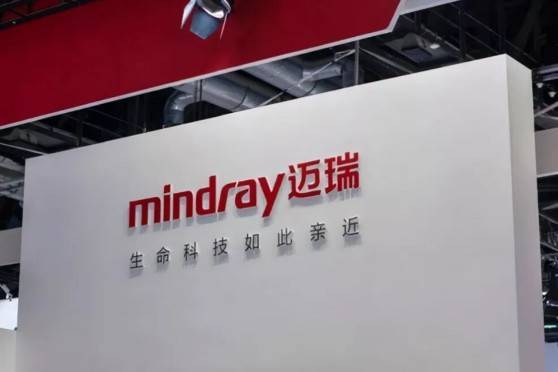
Focus Events - Mindray Medical has submitted an application for H-share listing on the Hong Kong Stock Exchange, with a market capitalization of 253.8 billion yuan as of November 10 [1] - Real Bio has made its third attempt to list on the Hong Kong Stock Exchange, with CICC as its sole sponsor [3] - ST Huaxi received a public reprimand from the Shenzhen Stock Exchange for significant discrepancies in its profit forecasts, leading to a stock price drop [4][6] Industry Dynamics - The State Council has issued measures to promote private investment, including encouraging private capital participation in key sectors like railways and nuclear power [7] - The National Development and Reform Commission emphasized fair participation in market scenarios to avoid mismatched partnerships [9] - The market regulatory authority has issued compliance guidelines for e-commerce platforms during the "Double 11" shopping festival to protect consumer rights [10] Company Focus - Shandong Gold Mining announced a tax payment of approximately 738 million yuan due from its subsidiary [23] - CPE Yuanfeng will invest $350 million in a joint venture with Burger King to expand its operations in China [19] - Super Electronics plans to invest 1.468 billion yuan in expanding AI computing circuit board production in Thailand [20] - Shangtai Technology has signed an investment agreement for a project to produce 200,000 tons of lithium-ion battery anode materials, with an estimated investment of 4.07 billion yuan [21][30] - Jiangnan Chemical successfully acquired 100% of Chongqing Shun'an Explosive Materials Co., enhancing its market presence in Southwest China [32]

促进民间投资发展打出政策组合拳
Zhong Guo Xin Wen Wang· 2025-11-11 00:03
民间投资迎来最新政策大礼包。 11月10日,国务院办公厅公布《关于进一步促进民间投资发展的若干措施》,在扩大准入、打通堵点、 强化保障等方面提出了13项务实举措。 这份被称为"民间投资13条"的文件虽篇幅精炼,但直击民企痛点,可操作性强,含金量很高。 重大项目向民间资本的大门越开越大。以核电为例,今年上半年有10家民营企业参股5个核电项目,持 股比例均达到10%以上,最高达20%。 "民间投资13条"引导民间资本有序参与低空经济、商业航天等领域建设,积极支持有能力的民营企业牵 头承担国家重大技术攻关任务。 这两年,受国际环境复杂等因素影响,民间投资增速有所放缓,部分领域存在"不能投""不敢投""不愿 投"的问题。 要知道,民间投资贡献了固定资产投资的半壁江山,它的活力,直接关系到经济大盘稳不稳、发展动能 强不强。 这套政策组合拳,就是要让民资有更多获得感,提信心、稳预期、增活力。 扩准入,给民资更大发展空间。 "民间投资13条"以前所未有的力度,打开了传统上由国有资本主导的关键领域大门。 第一条就明确:对需报国家审批(核准)的具有一定收益的铁路、核电、水电、跨省跨区直流输电通道、 油气管道、进口液化天然气接收 ...
盘前必读丨促进民间投资发展打出政策组合拳;美股强劲反弹英伟达涨超5%
Di Yi Cai Jing· 2025-11-10 23:30
Market Overview - The A-share market is expected to experience a balanced market style, with the Shanghai Composite Index likely consolidating around the 4000-point level [1][9]. - The long-term positive trend of the A-share market remains unchanged, with attention on themes such as anti-involution and dividends during sector rotations [9]. Economic Policies - The State Council has issued measures to promote private investment, including 13 targeted policy initiatives aimed at encouraging private capital participation in key sectors like railways and nuclear power [5]. - The National Development and Reform Commission and the National Energy Administration have released guidelines to enhance the consumption and regulation of renewable energy, aiming for a multi-layered system by 2030 [6]. Corporate Developments - Ganfeng Lithium has made significant progress in developing the PPGS lithium salt lake project in collaboration with LAR [9]. - A major asset sale by Wingtech Technology has been completed, although some payments remain outstanding [9]. - Shandong Gold's subsidiary is required to pay back taxes amounting to 738 million yuan, which is expected to impact the company's net profit for 2025 by 230 million yuan [8]. Stock Market Movements - The U.S. stock market saw significant gains, with the Dow Jones Industrial Average rising by 0.81%, the Nasdaq by 2.27%, and the S&P 500 by 1.54% [4]. - Notable technology stocks performed well, with Nvidia increasing by 5.8% and Google by 3.9% [4]. Commodity Prices - International oil prices have risen, with WTI crude oil increasing by 0.64% to $60.13 per barrel and Brent crude by 0.68% to $64.06 per barrel [4]. - Gold prices surged, with COMEX gold futures for November delivery rising by 2.81% to $4111.80 per ounce [4].






扩范围、清障碍,促进民间投资13条来了
2 1 Shi Ji Jing Ji Bao Dao· 2025-11-10 23:16
Core Points - The State Council released a document titled "Several Measures to Further Promote the Development of Private Investment," which includes 13 key support measures aimed at expanding market access, promoting fair competition, strengthening resource support, and optimizing investment and financing services for private enterprises [1][2] Group 1: Expansion of Market Access - The measures support private enterprises' participation in major projects such as railways and nuclear power, as well as new urban infrastructure projects and emerging sectors like low-altitude economy and commercial aerospace [2][3] - For projects requiring national approval, a feasibility study on private capital participation is mandated, allowing private capital to hold more than 10% in eligible projects [3] Group 2: Removal of Hidden Barriers - The measures aim to eliminate unreasonable entry restrictions in service industries and prohibit unfair conditions in bidding processes for private enterprises [4][5] - It emphasizes the need for regulatory oversight to protect the legal rights of private enterprises in network infrastructure operations [5] Group 3: Increased Policy Support - A series of initiatives are outlined to support private enterprises, including leading national technology projects, enhancing government procurement for small and medium-sized enterprises (SMEs), and establishing digital empowerment platforms [6][7] - The measures specify that for engineering procurement projects over 4 million yuan, at least 40% of the budget should be reserved for SMEs, with encouragement for local governments to increase this share [8] Group 4: Financial Support - The government plans to allocate 500 billion yuan in new policy financial tools focusing on technology innovation, consumption upgrades, and foreign trade stability, with a portion directed towards private investment projects [8]