去美元化

Search documents
金价可能大跌开始了,26年2月18日黄金跌价
Sou Hu Cai Jing· 2026-02-19 04:45
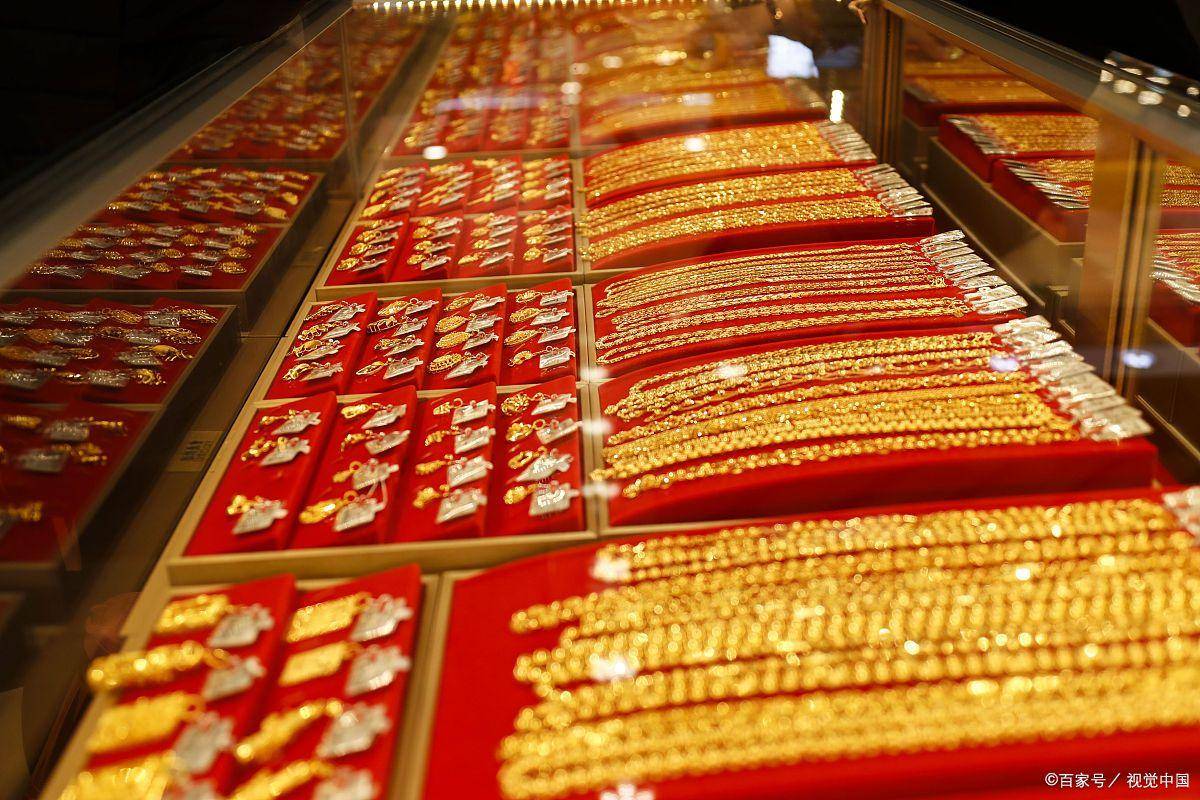
湖州·金大福:黄金饰品1517.00元/克,铂金首饰763.00元/克。 嘉兴·明牌珠宝:黄金饰品1529.00元/克。 海口·水贝黄金:黄金饰品1284.00元/克,铂金首饰525.00元/克,金条价格1157.00元/克。 周大福的黄金价格为1529.00元/克,铂金价格为802.00元/克,金条金价(内地)为1342.00元/克。 隔夜现货黄金重挫1%至4992.5美元,创阶段新低;白银、铂金跌幅均超1%,仅钯金逆势涨近3%,通胀数据超预期强化加息预期,美债收益率攀升削弱无息 资产吸引力,国内金饰价格跟跌,老凤祥1515元/克、老庙1538元/克,较前期高点明显回落,建议投资者谨慎追空,等待企稳信号。 一、黄金行情与价格 国际现货黄金报4963.5美元/盎司,亚市早盘交投清淡,上海黄金交易所基准金价1105元/克,日内下跌14.42元,跌幅1.284%,波动区间1084.50至1126.51元/ 克,香港市场金价56460港币/两,回收渠道报价1060元/克。 品牌零售端呈现梯度定价:老庙黄金1538元/克领跑,老凤祥1515元/克为最低,周大福、六福、谢瑞麟等主流品牌集中在1529元/克,周生生152 ...

借钱上瘾还不起了?38万亿美债压顶,美国经济这次真扛不住了
Sou Hu Cai Jing· 2026-02-19 04:26
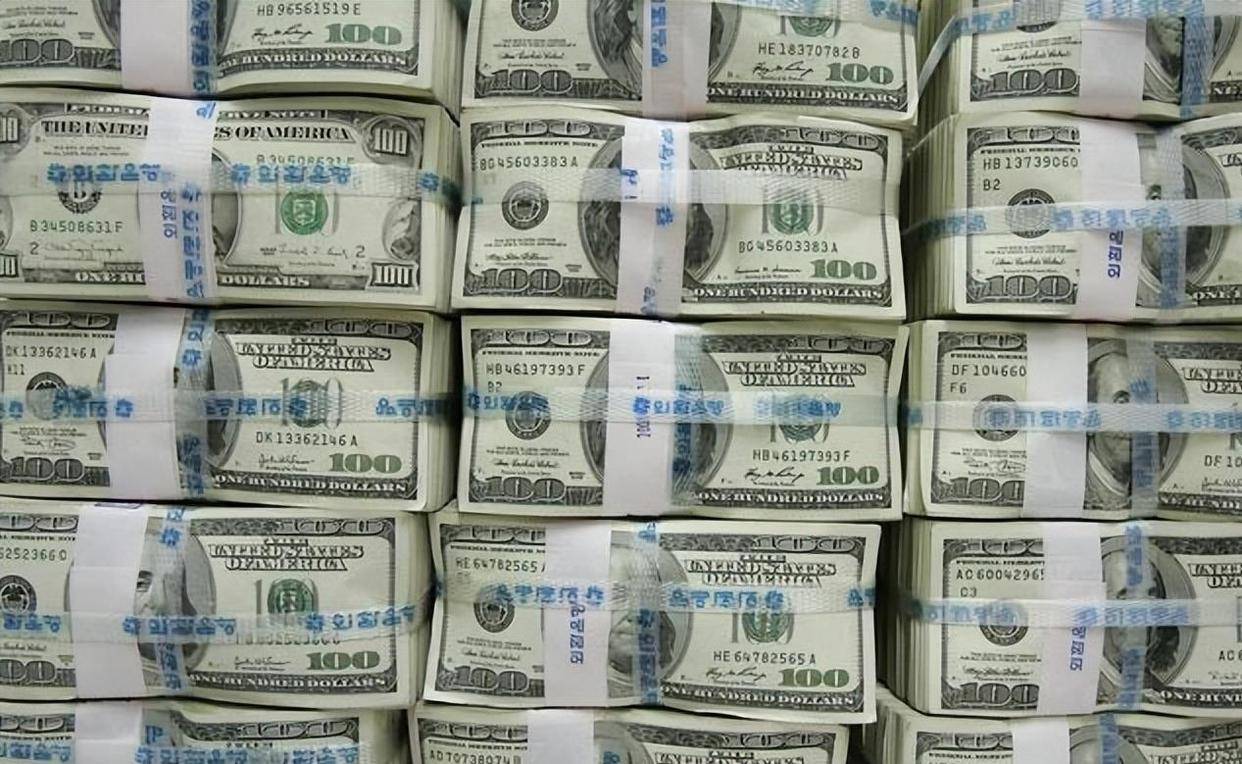
每分钟230万美元。 这不是什么赌场的流水,也不是跨国公司的交易额。 这是美国政府现在每分钟要支付的国债利息。 对,你没听错,是利息。 从你点开这篇文章开始算,读 到这句话的功夫,美国财政部的账上又多了几十万美元的利息账单。 这笔钱,比美国全年军费开支还多,占了联邦财政收入的四分之一以上。 印钞机的速度,都快跟不上这烧钱的速度了。 这一切,都源于一个不断膨胀、已经失控的数字:38.5万亿美元。 这是截至2026年2月初,美国联邦政府的债务总额。 这个数字,已经远远超过了美国自身 的国内生产总值,债务与GDP之比超过了130%。 时间倒回十年前。 2016年,美国国债规模还"只有"约19.3万亿美元。 一场金融危机,一轮轮量化宽松,一次次减税和财政刺激,让这个雪球越滚越快。 2020年突破26万亿,2022年突破30万亿,2023年首破33万亿,2024年突破36万亿。 到了2025年,债务增长进入疯狂加速期,8月超过37万亿,10月一举突破 38万亿大关,年底达到38.4万亿美元。 进入2026年,这个数字没有丝毫停下的迹象,继续向38.6万亿美元迈进。 这种犹豫,直接源于信任的崩塌。 过去,美债被称为"无风 ...
帮主快评:金银齐涨,但内核在裂变
Sou Hu Cai Jing· 2026-02-19 03:29
昨晚贵金属又热闹了。黄金涨2%,逼近5000美元;白银涨超5%,站上77美元。单看这根阳线,是不是 觉得"避险资产"又回来了? 但你得看清盘面背后的分裂。 黄金涨,是机构在买。央行购金、去美元化、主权债务担忧——这些"压舱石"逻辑一个没松。哪怕美联 储降息预期推迟,金价照样能顶住。 白银涨,是投机在炒。1月那波近60%的涨幅,几乎全靠杠杆推上去。昨晚反弹,本质是空头回补+情绪 修复,跟工业需求没关系。潘多拉都开始找替代材料了,你还指望白银靠基本面撑着? 所以问题来了:这一涨,是反转信号,还是反弹陷阱? 我的判断很直白:黄金看配置,白银看博弈。 5000美元关口,黄金磨得过去是真牛,磨不过去就是震 荡。白银就别猜顶了,波动率是它唯一的确定性。 给你的操作建议就两条: 第一,不追高。 这种"电梯式"行情,追进去的容易被关在里面。 第二,等回调。 黄金若回踩4900稳住,是配置窗口;白银跌到70以下,才值得看一眼。 你觉得这一轮金银能稳住吗?评论区聊聊。 ...

风向变了!美债遭集体抛售,接盘者出现,中方不会再为美国兜底
Sou Hu Cai Jing· 2026-02-18 15:50
Group 1 - The article highlights a significant shift in global financial dynamics, with many countries collectively selling U.S. Treasury bonds, indicating a precarious situation for the U.S. financial system [1] - China's holdings of U.S. debt have decreased to $682 billion, the lowest level since 2009, reflecting a strategic decision to reduce exposure to U.S. assets [5][32] - The article discusses the contrasting actions of Western allies increasing their U.S. debt holdings while Southern countries are withdrawing, indicating a divergence in financial strategies [6] Group 2 - The U.S. debt is projected to exceed $38 trillion by the end of 2025, with interest payments alone surpassing $1.2 trillion, which is more than the defense budget [18][20] - The article notes that the yield on 10-year U.S. Treasury bonds has experienced significant volatility, reflecting investor uncertainty about U.S. debt pricing [22][24] - The narrative emphasizes that the era of unquestioned demand for U.S. debt and the dollar's supremacy is over, as countries reassess their asset allocations in light of recent geopolitical events [43]

“38.4万亿债务压顶!美财长跪求别撤资,中国甩出2308吨黄金硬刚”
Sou Hu Cai Jing· 2026-02-18 12:53
背景:老债主的沉默撤退 华尔街的交易员们最近发现一件怪事——中国买家不见了。 2026年2月,一份内部文件像炸弹一样在金融圈炸开:中国监管部门建议金融机构缩减美债持仓。这不是突发奇想。翻看 美国财政部数据,截至2025年11月,中国持有美债规模已经砸下6826亿美元。什么概念?相当于直接抹掉了一个瑞士的 GDP。 第四刀为未来布局。卖债的钱去哪了?2308吨黄金躺在中国金库里。这玩意儿谁也冻结不了,战乱时期都能换命。剩下 的钱借给发展中国家,条件很简单:做生意用人民币结算。这招叫"农村包围城市",慢慢把美元挤出交易圈。 连锁反应:美元霸权的多米诺骨牌 全球前八大美债持有国里,4个在减持。印度、沙特这些"美元铁杆"也开始跟着抛。其他国家虽没动手,但都在观望—— 就像看戏的观众,发现主角快塌台了,随时准备撤椅子。 美国现在陷入死循环:想卖债得提高收益率,收益率越高利息越重。现在每分钟要还200万美元利息,相当于每秒烧掉一 辆宝马。没人接盘?自己先被利息压垮。 更绝的是操作手法——不敲锣,不打鼓,像个老练的债主悄悄搬金库。有些高持仓银行被窗口指导"减持",交易员私下 吐槽:"以前中国买债像扫货,现在卖债像倒垃圾,连 ...
中国香港建黄金金库清算中心,德国急了:1236吨黄金押在美国,睡不好觉了!
Sou Hu Cai Jing· 2026-02-18 12:27
这两年全球金融圈就一个大趋势:抛美债、狂买黄金,去美元化的浪潮越涌越烈。而最近德媒《柏林日报》的焦虑直接写在脸上:中国都在香港建世界级黄 金金库和清算中心了,德国还敢把一千多吨黄金放在美国吗?这话里,全是对自家资产安全的恐慌,更是对西方主导金融秩序的动摇。 德国前央行高管直言 "心在滴血",绿党也警告黄金不能成地缘博弈筹码,这话一点不夸张。特朗普向来不按常理出牌,美欧现在在贸易关税、北约军费上 矛盾重重,万一谈崩了,谁能保证美国不会拿这一千多吨黄金要挟德国?这种风险,只要特朗普在任一天,就永远存在。 其实德国的焦虑,只是全球去美元化的一个缩影。现在全球央行都在搞 "换仓大作战",2025 年全球央行净购金 863 吨,波兰一口气买了 102 吨成最大买 家,哈萨克斯坦、阿塞拜疆紧随其后,中国央行也连续 15 个月增持黄金,截至 2026 年 1 月储备量达 2307.57 吨今日头条。就连美元储备占比都跌到了 56.92%,创 1995 年新低,黄金储备价值更是时隔 30 年首次超过美债。 以前黄金是抗通胀工具,现在直接成应对西方制裁的 "硬武器"。尤其是新兴市场和全球南方国家,都在抱团构建脱离美元体系的价值 ...

游戏结束,中方持续抛售美债,贝森特:不希望与中国脱钩
Sou Hu Cai Jing· 2026-02-18 10:08
Group 1 - The Chinese government has mandated domestic financial institutions to reduce their holdings of US Treasury bonds, signaling a warning to the US regarding potential retaliatory measures if unfair actions continue [1][4] - China's gold reserves have reached 74.19 million ounces, an increase of 40,000 ounces from the previous month, reflecting a strategic approach to mitigate international financial risks [4][9] - The proportion of US Treasury bonds held by China has decreased to $682.6 billion, marking a recent low, which increases the financing difficulty and cost for the US [4][10] Group 2 - US Treasury Secretary Mnuchin expressed a desire to maintain cooperative relations with China, indicating a subtle shift in the US stance amidst complex underlying reasons [2][5] - The US is concerned about China's actions in selling US debt, which has led to a series of diplomatic efforts to stabilize relations and prevent further economic instability [5][8] - The optimization of gold reserves is crucial for enhancing overall risk resistance, as China's current gold holdings are still lower than those of other major countries, but there is significant room for growth [9][10] Group 3 - The US faces challenges in improving its economic resilience and reducing dependence on US debt, as it struggles with high unemployment and inflation issues [10][12] - The ongoing political struggles within the US hinder long-term policy support necessary for economic recovery, exacerbating social inequality and economic pressure [12][13] - The global monetary system is undergoing profound changes, with the dominance of the dollar being challenged as central banks worldwide increase their gold reserves [10]
美联储再加息欲收割全球财富,中国加速减持美债,连日本也在抛售
Sou Hu Cai Jing· 2026-02-18 07:29
在美债抛售的过程中,与美元霸权彻底撕破脸的俄罗斯,已经将其持有的美债从数千亿美元大幅削减至 当前的数百亿美元。与此同时,人民币和卢布在美元霸权的围剿下,逐渐站稳脚跟,开始共同揭开全球 货币体系的新篇章。 自今年四月以来,中国便开始加速减持美债,至今已降至2010年以来的最低水平。今年四月,中国减持 美债约360亿美元,目前的美债持有量约为1万亿美元。而作为美国最大外部债权国的日本,也在悄然减 少美债的持有,其持有量目前降至两年来的最低水平,约为1.2万亿美元。美债,作为美国信用的象 征,是美元发行的基础之一。然而,随着美国经济面临衰退,美元霸权的持续施压已经使得全球经济日 益难以承受。美债所带来的系统性风险也在不断积累,减持美债已经成为全球多国普遍采取的趋势。 然而,美元依旧在全球贸易中扮演着至关重要的角色,因此,减持美债的过程不宜过于剧烈,以免给全 球金融市场带来过大冲击。从某种程度上讲,去美元化的进程应当与人民币国际化的步伐,以及全球各 区域自贸区建设的推进同步进行。虽然美元的毒性越来越明显,但在没有新鲜血液替代之前,过早的排 毒可能会造成全球经济的缺血,甚至伤害到经济的基本运行。人民币国际化的稳步发展显 ...
俄美秘密交易曝光,俄重返SWIFT结算,美元提死回升?欧洲破防
Sou Hu Cai Jing· 2026-02-18 07:22
Group 1 - The core message of the article revolves around the implications of a leaked Kremlin document suggesting Russia's willingness to re-engage with the US dollar, which has sparked intense reactions from Western media, interpreting it as a sign of Russia's economic capitulation [1][3] - The timing of the leak coincides with a concerning economic forecast for the US, predicting a national debt surge to $64 trillion over the next decade, indicating a dire financial situation that may have prompted the US to seek cooperation with Russia [3][5] - The article highlights that the supposed Russian capitulation is more of a strategic maneuver by the Trump administration to stabilize the dollar amidst fears of its decline, rather than a genuine surrender by Russia [5][15] Group 2 - The document reveals Russia's willingness to collaborate with the US in key energy sectors and even consider rejoining the dollar settlement system, but under stringent conditions such as lifting sanctions and returning frozen assets [5][7] - The article suggests that this negotiation is not a sign of weakness from Russia but rather a calculated move to leverage its position, as it has alternatives to the dollar, including trading in gold and other currencies [11][13] - The potential re-engagement of Russia with the dollar system could have significant implications for Europe, which may find itself at a disadvantage as it has already cut off cheap energy from Russia and faces economic stagnation [9][17] Group 3 - The article discusses the broader context of global economic shifts, noting that countries are increasingly looking to diversify away from the dollar, with examples such as Saudi Arabia experimenting with yuan settlements and Brazil advocating for a BRICS currency [17][18] - It emphasizes that even if Russia returns to the SWIFT system, the underlying trust issues and the potential for future sanctions will remain, indicating a long-term trend towards de-dollarization [18][19] - The narrative concludes that the current geopolitical landscape is characterized by a transition from a unipolar world dominated by the US to a more multipolar one, where Russia and China are finding ways to operate outside the dollar system [19]

俄罗斯突然放风:卢布重返美元结算!人民币受冲击?欧洲握着开关
Sou Hu Cai Jing· 2026-02-18 06:25
大家好,我是小毋。 最近俄方放出的一个信号,让整个国际社会都在猜:既不是战场上的胜负消息,也不是和哪个国家签了 新的能源协议,而是在金融领域松了口,暗示卢布可能会重新靠近美元结算体系。 这个消息一出来,各种解读立刻炸开了锅,有人慌了神,担心人民币国际化的步子会被打断,还有人猜 测中俄关系是不是出了裂痕,要渐行渐远。 但很少有人注意到,这场风波的关键,从来不在莫斯科,也不在北京,真正能左右局势的,其实是欧方 的态度。 图片来源于网络 这个消息的源头,是美方最大的财经媒体彭博社披露的一份克里姆林宫内部备忘录,起草这份文件的, 是俄方直接投资基金的负责人基里尔·德米特里耶夫,他不仅是基金总裁,还是俄方总统的特别代表, 曾在高盛、麦肯锡等知名机构任职,在国际金融领域有着丰富的经验,这份备忘录已经在普京身边的核 心顾问圈里流转过了。 文件里说得很明白,要是乌克兰相关冲突能结束,俄方就可以考虑恢复一部分美元结算的通道,而这么 做的目的也很直接,就是为了换取西方逐步取消对俄制裁,以及解冻被冻结的海外资产。 自2022年冲突升级以来,西方已经冻结了俄方大约三千亿美元的资产,这对俄方的现金流造成了不小的 压力。 其四,俄方总统 ...