
科技成长

Search documents
机构最新研判!市场轮动或加速
Zhong Guo Zheng Quan Bao· 2025-11-02 14:45
Market Overview - The A-share market experienced fluctuations after the Shanghai Composite Index surpassed the 4000-point mark, with expectations of accelerated market rotation in November, favoring technology growth sectors while maintaining a more balanced approach compared to Q3 [1] - Institutions suggest investors begin to position in undervalued sectors with expected profit recovery, while continuing to explore opportunities in technology growth based on economic outlook [1] Tax Policy Impact - The Ministry of Finance and the State Taxation Administration announced tax policies regarding gold sales, stating that taxpayers not using the Shanghai Gold Exchange or Shanghai Futures Exchange must pay VAT according to existing regulations, while transactions through these exchanges are exempt from VAT [2] Fund Performance Guidelines - The China Securities Regulatory Commission (CSRC) released a draft for public consultation on performance benchmarks for publicly offered securities investment funds, aiming to enhance the regulatory framework for fund managers and establish a performance benchmark element library [3] State-Owned Enterprise Reform - The State-owned Assets Supervision and Administration Commission (SASAC) emphasized the need for high-quality completion of state-owned enterprise reform and risk management, focusing on safety and stability to support high-quality development [4] Investment Outlook - China Galaxy Securities indicated that macro policies are expected to strengthen, creating a favorable environment for the A-share market, with a positive trend expected to continue despite short-term fluctuations [5] - Industrial Securities proposed two strategies for year-end positioning: focusing on technology growth while exploring cyclical sectors benefiting from economic recovery [6] - GF Securities advised against frequent style switching in November, recommending initial positions in undervalued sectors with profit recovery potential and maintaining focus on high-growth sectors [7] Sector-Specific Insights - Investment in leading consumer stocks is seen as having a favorable risk-return profile, especially as the market adjusts to previous gains in technology and metals sectors [9] - Q4 is expected to see continued interest in humanoid robots and dividend-paying sectors, with confidence in the performance of companies with strong fundamentals and clear industry trends [9] - The internet giants are anticipated to benefit from the ongoing AI wave, leveraging their financial strength and technological capabilities to enhance their business fundamentals [9]
4000点之后,A股怎么走?最新解读来了!
Zhong Guo Ji Jin Bao· 2025-11-02 14:32
Group 1: Market Overview - The A-share market is currently at a critical point after surpassing 4000 points, with various brokerages providing insights on future trends and strategies [9] - The State Council is focusing on deepening reforms and expanding institutional openness, which may influence market dynamics [1] Group 2: U.S.-China Trade Relations - The U.S. Treasury Secretary indicated that a U.S.-China trade agreement could be signed as early as next week, with China expressing a willingness to enhance cooperation in economic and trade relations [2] Group 3: Semiconductor Industry - The Ministry of Commerce stated that it will consider exemptions for exports related to Anshi Semiconductor, highlighting the impact of external interventions on global supply chains [3] Group 4: Fund Management Regulations - A draft guideline for public fund performance benchmarks has been released, emphasizing the responsibility of fund managers and introducing five key requirements for performance evaluation and accountability [4] Group 5: Gold Tax Policy - The Ministry of Finance announced a tax policy for gold transactions, exempting value-added tax for certain transactions, which may affect trading dynamics in the gold market [5] Group 6: Company Financials - Cambricon Technologies is facing a lawsuit from a former key technical staff member claiming compensation for stock incentive losses amounting to 4.287 billion yuan, which could have implications for the company's financial health [6] - Berkshire Hathaway reported a net profit of $30.796 billion for Q3 2025, exceeding market expectations, with a cash reserve reaching $381.67 billion [7] - Vanke has secured a loan framework agreement with Shenzhen Metro Group for up to 22 billion yuan, which may enhance its liquidity position [8] Group 7: Brokerage Insights - Citic Securities suggests focusing on structural opportunities in traditional manufacturing, overseas expansion, and AI sectors, while being cautious about market timing [10] - Cinda Securities emphasizes the importance of fund allocation strategies in bull markets, noting historical patterns of fund over-allocation to leading sectors [16] - Galaxy Securities highlights the positive outlook for the A-share market due to favorable macro policies and resilient corporate earnings, despite a potential short-term adjustment phase [17]

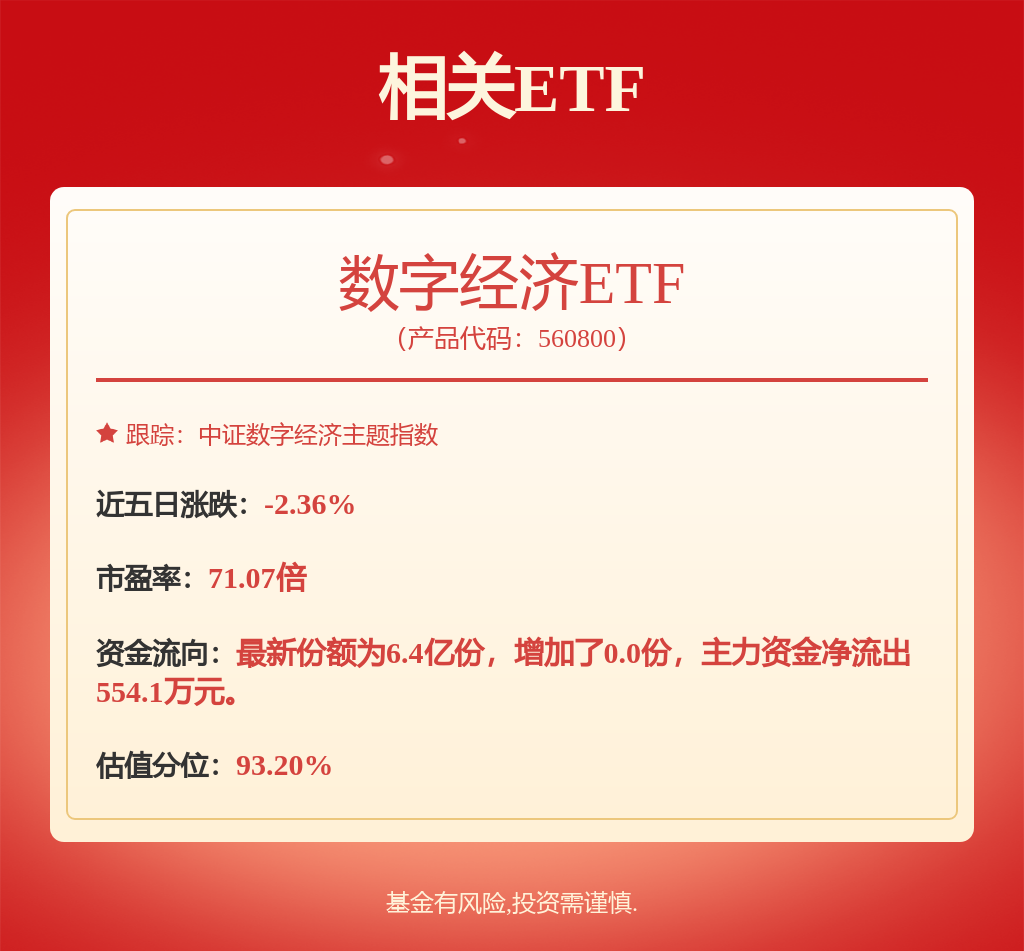
4000点之后,A股怎么走?最新解读来了!
中国基金报· 2025-11-02 13:49
Key Points - The article discusses the outlook for A-shares after surpassing the 4000-point mark, summarizing major events and insights from ten securities firms for investment reference [2] Major Events - The State Council held a meeting to deepen reforms in key areas and expand institutional openness, focusing on enhancing market access and optimizing regulatory systems [3] - The U.S. Treasury Secretary indicated that a U.S.-China trade agreement could be signed soon, with China expressing a willingness to cooperate on economic issues [4] - The Ministry of Commerce addressed concerns regarding ASML Semiconductor, emphasizing support for companies facing difficulties and potential export exemptions [5][6] - A draft guideline for public fund performance benchmarks was released, outlining five key requirements for fund managers to enhance accountability and performance monitoring [7] Securities Firms' Insights - **CITIC Securities**: Emphasizes that the current index level is more favorable than in 2015, suggesting focus on structural opportunities in traditional manufacturing, overseas expansion, and AI [14] - **CITIC Construction Investment**: Warns of potential market adjustments after a surge in sentiment, recommending caution in increasing positions and focusing on sectors like coal, oil, and new energy [15] - **Shenwan Hongyuan**: Notes that the market is in a narrow fluctuation phase, with technology stocks losing attractiveness, and suggests that future upward movements may rely on tech growth [16] - **Guotai Junan**: Highlights the need for rebalancing in the market, with opportunities emerging beyond AI as GDP growth outpaces corporate earnings [18] - **Dongfang Caifu**: Predicts active theme investments in November, with a focus on sectors expected to see growth in the coming year [19] - **Xinda Strategy**: Analyzes the impact of fund allocation on market trends, noting that accelerated allocation often coincides with market volatility [20] - **Galaxy Strategy**: Points to positive external and domestic factors supporting market stability, with a focus on high-quality development and technological self-reliance [21] - **Xingzheng Strategy**: Discusses the importance of valuation adjustments based on next year's economic expectations, suggesting a shift in investor focus [22][23] - **Zheshang Strategy**: Observes market divergence post-4000-point breakthrough, recommending a balanced approach to sector allocation [24] - **Guangfa Securities**: Describes November as a period where market movements are less correlated with current fundamentals, suggesting a focus on undervalued sectors with recovery potential [25]

10年6倍的长江电力:为什么缺席了本轮牛市?
Ge Long Hui A P P· 2025-11-01 09:51
Core Viewpoint - The performance of Changjiang Electric Power has been underwhelming in the current bull market, despite the overall A-share market rising nearly 20% this year, indicating a shift in market dynamics and investor sentiment towards growth sectors over traditional dividend stocks [1][10]. Group 1: Company Performance and Historical Context - From July 2014 to July 2024, Changjiang Electric Power's stock price increased approximately 650%, with a market capitalization ranking it 11th in A-shares [3]. - The company operates six major hydropower stations, including the Three Gorges and Gezhouba, benefiting from a high barrier to entry and a stable revenue model due to the renewable nature of water resources [3][4]. - Revenue grew from 24.2 billion yuan to 84.5 billion yuan from 2015 to 2024, with a compound annual growth rate (CAGR) of about 13%, while net profit increased from 11.5 billion yuan to 32.5 billion yuan, with a CAGR of approximately 11% [4]. Group 2: Recent Performance and Market Dynamics - In the first half of this year, the company reported a 5% increase in revenue and nearly 15% growth in net profit, primarily due to favorable upstream water conditions [7]. - The valuation of Changjiang Electric Power rose from around 10 times earnings in 2014 to nearly 30 times in 2024, reflecting a significant increase in market preference for defensive stocks during periods of economic uncertainty [8][9]. Group 3: Challenges and Future Outlook - Since July 2024, the stock price has stagnated, with only a 2% increase despite a broader market rally, indicating a shift in the underlying growth expectations and valuation sustainability [10][11]. - The anticipated growth in earnings has weakened, as there are no new power stations to be integrated into the company, leading to a potential valuation bubble that may require correction [11]. - The ongoing market reforms in the electricity sector pose risks of downward pressure on electricity prices, which have historically shown cyclical behavior [12]. - The market sentiment has shifted from dividend-paying stocks to growth-oriented sectors, which may continue to influence investor behavior and stock performance in the near future [16][20].

10年6倍的长江电力:为什么缺席了本轮牛市?
格隆汇APP· 2025-11-01 09:37
Core Viewpoint - The article discusses the underperformance of Changjiang Electric Power in the context of a bullish A-share market, highlighting the reasons behind its stagnant stock price despite a strong historical performance [2][4][16]. Group 1: Company Performance - Changjiang Electric Power has seen a cumulative increase of approximately 650% from July 2014 to July 2024, with minimal volatility during this period [5]. - The company's revenue grew from 24.2 billion to 84.5 billion yuan, with a compound annual growth rate (CAGR) of about 13%, while net profit increased from 11.5 billion to 32.5 billion yuan, with a CAGR of around 11% [7]. - In the first half of this year, the company reported a 5% increase in revenue and nearly 15% growth in net profit, primarily due to favorable upstream water conditions [10]. Group 2: Market Position and Valuation - The business model of Changjiang Electric Power is considered superior due to its ownership of six large hydropower stations, which are less affected by commodity price fluctuations compared to thermal power [6]. - The valuation of Changjiang Electric Power has increased significantly, from around 10 times earnings in 2014 to nearly 30 times at its peak, reflecting its status as a defensive dividend stock during market downturns [12][14]. - The company has maintained a high dividend payout ratio of over 70%, making it attractive to institutional investors [14]. Group 3: Changing Market Dynamics - Since July 2024, the stock price of Changjiang Electric Power has stagnated, with only a 2% increase despite a broader market rally [16]. - The expectations for continuous earnings growth have weakened, as there are no new power stations to be injected into the company, leading to a potential valuation bubble [18]. - The ongoing market reforms in the electricity sector pose a risk of declining electricity prices, which could impact the company's profitability [19]. Group 4: Shift in Market Style - The market style has shifted from dividend-focused stocks to growth-oriented sectors, driven by macroeconomic policies aimed at stimulating the economy [20][23]. - The recent economic policies have led to a transition in market leadership from defensive sectors like electricity to technology and growth stocks, which may continue in the current bull market [24][30]. - The article suggests that the previous strong performance of dividend stocks may not be sustainable, and investors should consider viewing Changjiang Electric Power as a long-term low-risk investment with stable dividends rather than expecting significant capital appreciation [30].

10月30日,赶紧将冷冻股换成冬眠股,散户们一起来看看
Sou Hu Cai Jing· 2025-10-31 03:09
Group 1 - The meeting between the leaders of China and the U.S. in Busan on October 30 aims to discuss bilateral relations and common concerns, which may alleviate trade tensions and enhance market risk appetite [1] - The A-share market is experiencing fluctuations around the 4000-point mark, with a daily trading volume exceeding 2.2 trillion yuan, indicating significant stock divergence despite overall index movements [1][8] - "Frozen stocks" are characterized by extremely low trading volumes and long-term turnover rates below industry averages, with a net outflow of 618 million yuan from major funds, suggesting a lack of interest from large investors [1][10] Group 2 - "Hibernating stocks" are primarily found in high-tech, advanced manufacturing, and new energy sectors, showing continuous growth in revenue and net profit, even as their price-to-earnings ratios decrease due to rising earnings [3][4] - The rise in global capital risk appetite provides external support for quality assets in the A-share market, which has a total market value of over 10 trillion USD, highlighting the growth potential of quality companies [4][12] - The shift from "frozen stocks" to "hibernating stocks" is not merely a matter of cutting losses; many investors are reluctant to sell underperforming stocks, but holding onto them without fundamental support is unlikely to yield positive results [6][18] Group 3 - Recent data indicates that institutional funds are reallocating from traditional industries to technology growth sectors, with margin financing balances continuing to rise, reflecting a preference for more elastic investment options [6][12] - The upcoming U.S. Federal Reserve meeting on December 9-10 may lead to further interest rate cuts, which could enhance the valuation ceiling for growth stocks [6][16] - The A-share market has over 5,000 listed companies, but only a small fraction is worth holding long-term, emphasizing the need for investors to focus on core assets and abandon underperforming stocks [12][14] Group 4 - The recent high trading volume in the A-share market indicates active capital searching for new directions, although it is concentrated in a few popular sectors [8][14] - "Hibernating stocks" tend to have high institutional ownership, with long-term funds like social security and insurance willing to hold them, providing price support [14][18] - Investors should avoid blindly chasing high prices and instead wait for technical pullbacks in "hibernating stocks" to enter positions gradually, which can help lower acquisition costs [10][16]

北交所25年公募三季报重仓股点评:加仓科技成长,增量资金待入市
Shenwan Hongyuan Securities· 2025-10-30 14:49
Core Insights - The report highlights an increase in public fund holdings in the North Exchange, with a market value of 10.307 billion yuan as of Q3 2025, reflecting a quarter-on-quarter growth of 4.19% [2][13] - The proportion of public fund holdings in the North Exchange relative to the entire A-share market decreased slightly to 0.31%, down by 0.07 percentage points [2][3] - Despite a slight decline in the proportion of public fund holdings, the number of public fund products focusing on the North Exchange has increased, with 142 products reported as of Q3 2025, an increase of 24 products from the previous quarter [2][12] Public Fund Holdings in North Exchange - The market value of public fund holdings in the North Exchange reached 10.307 billion yuan, with a quarter-on-quarter increase of 4.19% [2][13] - The number of public funds focusing on the North Exchange has increased, with 142 products reported, including 5 active equity products and 3 North Exchange 50 index products [2][12] - The active equity public funds have a median scale of approximately 300 million yuan, with over 52% of active equity products in the market having a scale of less than 300 million yuan [14][16] Investment Trends - There is a focus on increasing allocations in technology growth sectors, particularly in power equipment, electronics, and computers, with notable increases in holdings of companies like NaKonoer and KaiTe [2][31] - The report indicates a significant reduction in holdings of Jinbo Biological and Tongli Co., with declines of 10.7% and 7.7% respectively, attributed to market concerns regarding industry conditions [2][31] - The average net value growth rate of thematic funds since Q3 2025 is 14.4%, outperforming the North Exchange 50 index's growth of 8.7% [21][22] Future Outlook - The North Exchange 50 index products have seen net subscriptions, with a total scale of 12.083 billion yuan as of Q3 2025, indicating a positive trend in index investment [2][22] - Upcoming thematic products are expected to contribute approximately 50 billion yuan in incremental funds, with 8-10 new products anticipated to launch [2][21] - The report emphasizes the importance of monitoring the performance of thematic funds and the potential for increased public fund participation in the North Exchange [2][21]
10月30日大盘简评
Mei Ri Jing Ji Xin Wen· 2025-10-30 12:26
Market Overview - The three major A-share indices collectively retreated today, with the Shanghai Composite Index falling below the 4000-point mark, closing down 0.73% at 3986.9 points [1] - The Shenzhen Component Index decreased by 1.16%, closing at 13532.13 points, while the ChiNext Index dropped 1.84% to 3263.02 points [1] - The total trading volume in the Shanghai and Shenzhen markets reached 242.17 billion yuan, an increase of 165.6 billion yuan compared to the previous day [1] Sector Performance - Most industry sectors experienced declines, with the non-ferrous metals sector showing significant gains, while the steel, battery, gaming, power equipment, electronic chemicals, coal, securities, pesticides, and electronic components sectors faced the largest declines [1][2] - The non-ferrous metals sector reported a year-on-year increase of 7.8% in industrial added value for the first three quarters of 2025, outperforming the national industrial growth rate by 1.6 percentage points [2] - The production of ten common non-ferrous metals reached 61.25 million tons, reflecting a year-on-year growth of 3.0% [2] Market Dynamics - The current market rally is characterized by a fundamental shift in driving forces, with the technology growth sector contributing over half of the index's gains, contrasting with previous rallies that relied on traditional sectors like finance and real estate [3] - The number of technology companies in the Shanghai Composite Index has increased fourfold since 2015, with their weight rising from less than 5% to 17%, indicating a transition from resource-dependent growth to innovation-driven growth [3] - This shift highlights the synchronization between capital markets and national economic development strategies, as the capital market adapts to the demands of new productive forces, fostering a virtuous cycle of growth [3]
紧盯公司业绩!机构密集调研这些方向
Zhong Guo Zheng Quan Bao - Zhong Zheng Wang· 2025-10-29 17:04
Core Insights - The A-share listed companies are entering a concentrated disclosure period for Q3 reports, with institutional research focusing on companies with profit growth [1] - Nearly 260 companies have been investigated by institutions, particularly in the electronics, machinery, power equipment, and pharmaceutical sectors [1] - The technology sector and "anti-involution" policies are highlighted as key investment themes for the future [1] Group 1: Company Performance - New Q3 profit data shows that New Qianglian achieved a net profit of 664 million yuan, recovering from a loss of over 36 million yuan in the same period last year [2] - Over 189 institutions have conducted research on New Qianglian, making it the third most visited company during this period [2] - Multi-Fluorine reported a net profit of 78.05 million yuan for Q3, with a year-on-year increase of 407.74%, and its stock price reached a two-year high [2] Group 2: Market Trends - The demand for lithium hexafluorophosphate is expected to remain strong, with an overall upward price trend anticipated next year [3] - The lithium battery segment of Multi-Fluorine is projected to achieve a capacity of 22 GWh by the end of 2025, with profitability expected to increase as production capacity is released [3] Group 3: Industry Focus - The electronics industry has the highest number of companies receiving institutional research, followed by machinery and power equipment sectors [4] - The technology growth sectors and industries benefiting from "anti-involution" policies are identified as key areas of interest, with significant performance noted in electronics and media [4] - Investment recommendations for November include focusing on high-growth sectors such as information technology, mid-to-high-end manufacturing, and resource recovery industries [5]

上银基金:聚焦投研体系建设,助力新质生产力发展
Jing Ji Guan Cha Wang· 2025-10-29 14:57
Core Insights - The company, Shangyin Fund, has achieved rapid growth by aligning with national strategic directions and focusing on supporting new productive forces, with total assets under management reaching 288.1 billion yuan and public fund assets at 251.5 billion yuan by Q3 2025 [1] Group 1: Investment Strategy - Shangyin Fund emphasizes a "value" and "growth" dual-track approach in its equity segment, focusing on long-term value preservation and identifying structural investment opportunities in high-dividend assets and strategic resources [3] - The company has established a comprehensive product line that includes fixed income, active equity, quantitative indices, FOF, and overseas investments, aiming to become a "solution service provider" and "quality investment tool provider" [2] Group 2: Product Development - The equity products have been expanded to include thematic funds such as advanced manufacturing and resource selection, as well as high cash flow enterprises and hard technology indices [5] - The fixed income segment has developed a three-tier strategy, focusing on basic income, enhanced returns through flexible allocation, and multi-strategy approaches to capture structural opportunities [4] Group 3: Research and Development - The company has built an integrated research center with specialized teams in macro strategy, industry research, credit evaluation, and quantitative analysis, enhancing decision-making support [6][7] - Continuous optimization of investment strategies and team collaboration is emphasized to improve research efficiency and adapt to market changes [7] Group 4: Market Outlook - Shangyin Fund believes that the Chinese stock market has entered a new phase of high-quality development, with ongoing trends in technology growth and emerging sectors such as low-altitude economy and quantum technology [8] - The company highlights the potential for resource-related assets to provide stable cash flow and long-term value due to geopolitical tensions affecting international supply chains [8]