
高性能计算

Search documents
AI点燃晶圆代工新周期
半导体芯闻· 2025-06-26 10:13
Core Viewpoint - The global semiconductor foundry 2.0 market revenue is projected to grow by 13% year-on-year in Q1 2025, reaching $72.29 billion, driven by the surge in demand for AI and high-performance computing (HPC) chips [1][4]. Group 1: Market Dynamics - The traditional semiconductor foundry model (foundry 1.0) is evolving into a technology integration platform, emphasizing vertical coordination and faster innovation, influenced by AI trends and system-level optimization [1]. - TSMC leads the market with a share of 35.3% in Q1 2025, achieving approximately 30% year-on-year revenue growth, followed by Intel and Samsung [4][6]. Group 2: OSAT and Advanced Packaging - OSAT suppliers are becoming a critical segment in the foundry 2.0 supply chain, with a nearly 7% year-on-year growth in Q1 2025, benefiting from TSMC's excess demand for AI-related CoWoS [4][5]. - Advanced packaging demand is increasing, with key players like ASE, SPIL, and Amkor enhancing their capacities [4]. Group 3: Non-Memory IDM and Light Mask Suppliers - Non-memory IDMs such as NXP, Infineon, and Renesas are experiencing a decline in revenue by 3% in Q1 2025, particularly in the automotive and industrial sectors, with recovery expected to be delayed until the second half of 2025 [5]. - Light mask suppliers are benefiting from the adoption of 2nm EUV technology and the increasing complexity of AI/Chiplet designs [5]. Group 4: Future Outlook - The foundry 2.0 ecosystem is expected to transition from a linear manufacturing model to a seamlessly integrated value chain, enhancing collaboration between design, manufacturing, and advanced packaging [8].


AMD终于从英伟达“平替”变成了“平起平坐”!
美股研究社· 2025-06-26 09:27
Core Viewpoint - AMD is poised to enhance its competitive position in the AI infrastructure market with the upcoming release of its next-generation MI350 and MI400 series accelerators, which are expected to significantly improve performance and deployment capabilities, potentially narrowing the gap with Nvidia [1][10][17]. Group 1: Product Developments - The MI350 series accelerators, including MI350X and MI355X, are set to begin mass production in the second half of 2025, promising up to 4 times improvement in AI computing performance and 35 times efficiency in inference workloads compared to previous generations [2][5]. - The MI400 series accelerators and the Helios system, expected to launch in 2026, will integrate advanced technologies to support complex AI workloads, with a focus on enhancing bandwidth and deployment flexibility [3][8]. - The ROCm 7 software stack has been updated to improve inference performance by 3.5 times and training performance by 3 times, further supporting AMD's hardware advancements [5][9]. Group 2: Market Position and Strategy - AMD's strategy emphasizes optimization and flexibility in deployment, allowing for significant scalability in existing infrastructure, which is crucial for large-scale customers [6][7]. - The integration of the Helios system with MI400 GPUs and Zen 6 EPYC CPUs aims to provide a comprehensive solution for AI workloads, directly competing with Nvidia's offerings [3][8]. - Early adoption by major players like Meta and OpenAI indicates growing confidence in AMD's capabilities within the AI ecosystem, enhancing its market position [10][17]. Group 3: Financial Outlook - Analysts maintain a price target of $200 for AMD, reflecting expectations of growth driven by the upcoming product launches, despite potential economic headwinds affecting AI infrastructure spending [13][14]. - The projected revenue growth for AMD's data center segment is expected to reach $32.6 billion by 2025, with a compound annual growth rate (CAGR) of 10.5% [15]. - The company's ability to provide cost-effective solutions is highlighted, with potential reductions in capital and operational expenditures for clients [5][6].

永太科技(002326) - 2025年6月25日-6月26日投资者关系活动记录表
2025-06-26 08:48
Company Overview - Zhejiang Yongtai Technology Co., Ltd. was established in 1999 and listed in 2009, headquartered in Taizhou, Zhejiang Province, specializing in fluorine fine chemicals manufacturing [2][3] - The company covers new materials (lithium battery and fluorinated liquid materials), pharmaceuticals, plant protection, and trade, with a comprehensive product range across the upstream and downstream supply chain [2][3] Performance and Financials - In 2024, the company achieved a revenue of CNY 458,939.78 million, a year-on-year increase of 11.18%, with a net profit loss reduced by 36.26% [4] - The lithium battery materials segment showed significant improvement with a gross margin increase of 23.07 percentage points; the plant protection segment's revenue grew by 91.79% [4] - In Q1 2025, the company reported a revenue of CNY 105,995.92 million and a net profit of CNY 1,057.75 million [4] Business Segments Trade Segment - The trade segment, led by subsidiary Shanghai Nonghui, focuses on the sale of pesticide raw materials and formulations, holding over 1,500 overseas pesticide registration certificates [5] Plant Protection Segment - The growth in the plant protection business was driven by three factors: market recovery post-inventory adjustment, new production lines coming online, and proactive customer expansion [6][7] Lithium Battery Technology - The company prioritizes the development of medium and long-term lithium battery technology, enhancing collaboration with industry partners for application research [8] - The commercialization timeline for this technology remains uncertain, dependent on R&D progress and market conditions [9] Fluorinated Liquid Products - The fluorinated liquid business has established a small-scale order base, with plans for rapid growth through product optimization and market expansion [10] - The market for fluorinated liquids is expanding due to advancements in AI, high-performance computing, and semiconductor manufacturing, though challenges remain [11] Future Growth Strategies - Profit growth will be driven by expanding lithium materials capacity, stable demand in pharmaceuticals, global expansion in plant protection, and breakthroughs in new businesses like fluorinated liquids [12] - The company is exploring solid-state battery technology, maintaining communication with industry partners to adapt to market needs [12] Pharmaceutical Business Development - The pharmaceutical segment will focus on high-value formulations, leveraging procurement opportunities to penetrate the domestic market, and enhancing market development capabilities through specialized teams [13] Financing Plans - Currently, there are no plans for additional financing; future decisions will be based on project progress and funding needs [15]

诺瓦星云(301589) - 2025年6月26日投资者关系活动记录表
2025-06-26 08:38
Group 1: R&D Investment and Achievements - The company's R&D investments from 2022 to 2024 were 319.18 million, 441.96 million, and 540.27 million CNY, representing 14.68%, 14.47%, and 16.47% of revenue respectively [2][3] - As of the end of 2024, the company holds 1,177 domestic patents (including 656 invention patents), 238 software copyrights, and 14 integrated circuit layout designs [2][3] Group 2: LED Display Industry Outlook - The global LED display market is projected to reach 7.971 billion USD in 2025 and 10.236 billion USD by 2028, with a CAGR of 7% from 2023 to 2028 [3] - Mini LED is expected to be a significant growth point, with a projected market size of 3 billion USD by 2028 and a CAGR of approximately 40% from 2024 to 2028 [3] Group 3: Ultra HD Video Industry Trends - The ultra HD video industry is transitioning from 2K to 4K, with 8K just beginning and significant growth potential towards 16K [4] - Future developments will integrate ultra HD technology with AI, high-performance computing, and VR, expanding applications across various sectors [4] Group 4: Overseas Business Performance - In 2024, the company's overseas revenue grew by 32.03% compared to 2023, accounting for 19.10% of total revenue [5] - The company plans to enhance its overseas market efforts in 2025 by increasing international personnel and participating in overseas exhibitions [5]
机构:一季度全球“晶圆代工2.0”收入同比增长12.5%至723亿美元
Zheng Quan Shi Bao Wang· 2025-06-25 11:41
Core Insights - The global semiconductor foundry 2.0 market is projected to grow by 12.5% year-on-year to reach $72.29 billion in Q1 2025, driven by surging demand for AI and high-performance computing chips [1] - The definition of foundry 2.0, introduced by TSMC, encompasses not only traditional wafer manufacturing but also packaging, testing, and photomask production, expanding the market size to nearly $250 billion in 2023 from $115 billion under the old definition [1] Company Performance - TSMC holds a dominant market share of 35.3%, with a year-on-year growth of approximately 30%, attributed to its strong position in advanced processes and substantial AI chip orders [2] - Intel ranks second with a 6.5% market share, while ASE and Samsung follow with 6.2% and 5.9% shares, respectively [2] - The traditional foundry market revenue increased by 26%, while the non-memory IDM market saw a 3% decline due to weak demand in automotive and industrial applications [2] Industry Trends - AI is identified as the core driver of growth in the semiconductor industry, reshaping the priorities within the foundry supply chain and reinforcing TSMC's and advanced packaging suppliers' critical roles [3] - The foundry industry is transitioning from a traditional linear manufacturing model to a highly integrated value chain system, with expectations of new waves of semiconductor technology innovation driven by AI applications and Chiplet integration [3] - The broader foundry 2.0 market is anticipated to reach $298 billion by 2025, marking an 11% growth from 2024, with a compound annual growth rate (CAGR) of 10% projected from 2024 to 2029 [3]
通富微电(002156) - 002156通富微电投资者关系管理信息20250625
2025-06-25 09:32
Company Overview - Tongfu Microelectronics is an integrated circuit packaging and testing service provider, offering one-stop services for design simulation and packaging testing across various fields including AI, high-performance computing, and 5G [2]. - The company has established production bases in multiple locations, including Nantong, Suzhou, Penang, Hefei, and Xiamen, enhancing its capacity to serve clients locally [2][3]. - In 2024, the company acquired a 26% stake in Jinglong Technology, which is expected to improve investment returns and create more value for shareholders [2]. Financial Performance - Revenue figures for the years 2021 to 2024 are as follows: - 2021: ¥158.12 billion - 2022: ¥214.29 billion - 2023: ¥222.69 billion - 2024: ¥238.82 billion [3]. - Net profit for the same years: - 2021: ¥9.57 billion - 2022: ¥5.02 billion - 2023: ¥1.69 billion - 2024: ¥6.78 billion [3]. - In Q1 2025, the company achieved revenue of ¥60.92 billion, a year-on-year increase of 15.34%, and a net profit of ¥1.01 billion, up 2.94% [4]. Industry Trends - The semiconductor industry is entering an upward cycle, with global sales expected to reach $627.6 billion in 2024, a 19.1% increase from $526.8 billion in 2023 [3]. - The global integrated circuit packaging and testing market is projected to grow to $82 billion in 2024, reflecting a 7.8% year-on-year increase [3]. - Key trends for 2025 include continued AI-driven growth, a 15% increase in the Asia-Pacific IC design market, and a focus on advanced packaging technologies [3]. Business Growth Areas - In 2024, the company saw significant growth in various sectors: - 46% increase in mid-to-high-end mobile SOCs - 20% growth in mobile terminal SOC partnerships - 70% increase in RF sector collaborations - Over 200% growth in automotive products [5][8]. - The company is expanding its capabilities in advanced packaging technologies, including Chiplet and 2D+ packaging [5][6]. Future Investments - The company plans to invest ¥6 billion in 2025 for facility construction, production equipment, IT, and R&D [8]. - Specific investments include: - ¥2.5 billion for new factory construction and product development in various sectors - ¥3.5 billion for upgrading existing products to meet the demand for large multi-chip servers and AI applications [8].

硅晶圆需求,迎来增长
半导体芯闻· 2025-06-20 10:02
Core Insights - The semiconductor wafer market is projected to experience a revenue growth of 3.8% by 2025, reaching approximately $14 billion, driven by inventory adjustments, increased order activity, and a rebound in semiconductor production [2] - The compound annual growth rate (CAGR) for wafer revenue is expected to reach 6.4% by 2029, fueled by sustained demand for 300mm wafers and a transition to more advanced logic and packaging technologies [2] Market Trends - In 2024, the silicon wafer market is anticipated to decline, with shipment volume decreasing by 3.6% to 124 billion square inches (MSI) and revenue dropping by 5.8% to around $13.5 billion [4] - The decline is primarily attributed to weakness in the industrial and automotive chip markets, as well as oversupply in the mainstream memory market, which has limited new orders [4] - Shipment volume for 300mm wafers decreased by 1.6%, while smaller diameter wafers saw a more significant decline, particularly those under 150mm, which experienced a drop of over 20% [4] Future Outlook - The silicon wafer market is expected to benefit from growth in artificial intelligence and high-performance computing, leading to increased demands for wafer purity and defect-free production [4] - However, the industry continues to face ongoing pressures from pricing, oversupply in the small diameter wafer segment, and geopolitical risks [4] - China's push for self-sufficiency and its "buy Chinese" policy are impacting global competition and market access [4][5] Strategic Importance - The silicon wafer industry plays a strategic role in enabling next-generation semiconductors and supporting various existing devices, highlighting its long-term global significance [5]

沪电股份:6月19日接受机构调研,国泰证券、安联投信参与
Zheng Quan Zhi Xing· 2025-06-19 09:43
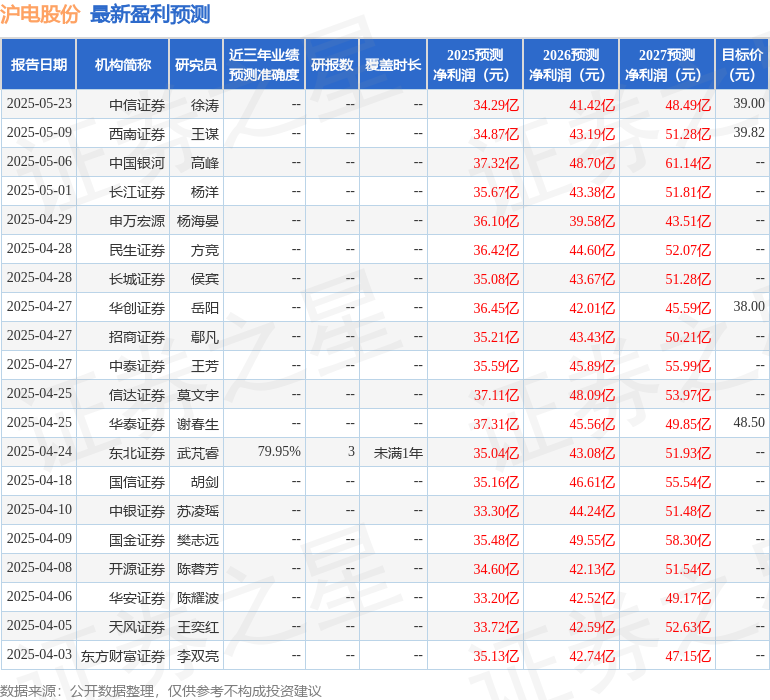
Core Viewpoint - The company emphasizes a differentiated business strategy focusing on long-term sustainable growth by maintaining a balanced customer base and enhancing its technological and process capabilities to adapt to market demands [2]. Business Strategy - The company aims to serve major head customers in the overall market, prioritizing long-term sustainable benefits over short-term gains. It recognizes the need for comprehensive tools and continuous improvement in process and technical capabilities to remain competitive [2]. Revenue Structure - In 2024, the company expects to generate approximately 10.093 billion yuan in revenue from the enterprise communication market, with server and HPC-related PCB products accounting for about 29.48% and high-speed network products for about 38.56%. The automotive board segment is projected to generate around 2.408 billion yuan, with emerging automotive products making up 37.68% [3]. Market Trends - The rapid development of AI is driving significant changes in the data center switch market, with a notable demand for 800G switches to support AI and high-performance computing clusters [4]. Production Capacity and Supply Chain - The company has initiated small-scale production at its Thailand facility to diversify supply chain risks. It is focused on improving production efficiency and product quality while managing initial costs through meticulous cost control [5]. Capital Expenditure and Market Outlook - The company has increased capital expenditures to enhance production capacity in response to growing demand in the AI-driven server and data storage markets. In Q1 2025, cash outflows for fixed assets and long-term assets were approximately 658 million yuan, with plans for a 4.3 billion yuan investment in AI chip-related PCB expansion [6]. Financial Performance - In Q1 2025, the company reported a main revenue of 4.038 billion yuan, a year-on-year increase of 56.25%, and a net profit of 762 million yuan, up 48.11%. The debt ratio stands at 44.78%, with a gross margin of 32.75% [7]. Analyst Forecasts - Various analysts have provided profit forecasts for the company, with net profit estimates for 2025 ranging from 3.429 billion yuan to 3.732 billion yuan, indicating a positive outlook for future performance [9]. Financing Activity - Recent financing data indicates a net outflow of 685 million yuan in the last three months, with a decrease in financing balance, while the securities lending balance has increased [11].

DDR5技术迭代 中国厂商低价冲击市场 美光科技确认停产DDR4内存
Xi Niu Cai Jing· 2025-06-18 09:04
Core Insights - The announcement from Micron Technology to phase out DDR4 memory production signifies the accelerated end of the DDR4 era, as major Korean manufacturers Samsung and SK Hynix have also decided to halt DDR4 production, indicating a shift towards DDR5 and HBM technologies [2][4] - Despite DDR4 entering its end-of-life phase, market demand remains unexpectedly strong due to supply-side capacity reductions and a lag in the transition to DDR5 products, alongside stable demand from industrial, security, and television markets [2][3] - The current surge in DDR4 spot prices, with some models exceeding the prices of new-generation DDR5 products, reflects a temporary supply-demand imbalance in the market [2][3] Market Dynamics - Recent data from TrendForce indicates a significant increase in DDR4 spot prices, with DDR4 8Gb (1G×8) 3200 rising by 7.8% to an average of $3.775, and DDR4 16Gb (1G×16) 3200 increasing by 7.9% to $8.2 [3] - The average price of DDR4 8Gb (1G×8) 3200 has surged by 38.27% compared to the end of May, highlighting the rapid price escalation in the DDR4 segment [3] Strategic Shifts - Micron's decision to stop DDR4 production is not only a signal of technological evolution but also reflects a strategic restructuring within the global memory industry, moving from scale competition to a focus on technological ecosystems driven by AI and high-performance computing [4] - Chinese memory manufacturers, such as ChangXin Storage, are also adapting to this trend, with plans to cease DDR4 supply by mid-2026, indicating a shift towards high-end products [3][4] - The ability of Chinese firms to accumulate technology and overcome DDR5 patent barriers will be crucial for their future market positioning as DDR4 phases out [4]


胜宏科技(300476) - 300476胜宏科技投资者关系管理信息20250616
2025-06-16 10:40
Group 1: Investor Relations Activities - The investor relations activities included site visits, analyst meetings, and media interviews, with participation from 47 institutional and individual investors [1] - The event took place from June 13 to June 16, 2025, at Shenghong Technology (Huizhou) Co., Ltd. [1] Group 2: Company Overview and Technical Capabilities - The company has established a strong technical barrier with capabilities in producing high-precision circuit boards, including 70-layer high-precision boards and 28-layer HDI boards [1][3] - The company utilizes a digital factory and smart quality control system, maintaining a leading position in the industry [3] Group 3: Production and Order Status - Factory Four is on track to commence production in mid-June 2025, with confidence in production efficiency and profitability [4] - The company currently has a full order book, with normal production and delivery processes [5] Group 4: Quality and Technology - The company achieves high yield rates due to top-tier production equipment and an experienced engineering and management team [6] - Future HDI technology development will focus on meeting increasing performance demands in AI, high-performance computing, and high-speed communications [7] Group 5: Revenue and Market Position - In Q1 2025, revenue from AI computing and data center-related products accounted for over 40% of total revenue, with the company holding the global market share leader position in AI computing cards and data center switches [8] - The company has formed strong customer loyalty and technical barriers through comprehensive service from product planning to capacity expansion [8]
