
量化宽松

Search documents
黄金“疯狂上涨”,预示“更大事情”正在发生
华尔街见闻· 2025-10-17 04:15
Core Viewpoint - The historic rise in gold prices indicates fundamental changes beyond mere inflation or deflation concerns [1] Group 1: Gold Price Movement - On October 16, gold prices continued to rise, reaching a historic high of over $4,300 for the first time, and nearly $4,380 on October 17 [2] - Gold has increased by 64% year-to-date as of October 17 [3] Group 2: Gold as a Hedge - Simon White, a Bloomberg macro strategist, emphasizes that gold serves not only as an inflation hedge but also as a safeguard against systemic financial risks, including severe credit recessions and large-scale fiscal deficits [3][4] - The demand for gold is expected to remain high regardless of whether the market faces inflationary or deflationary pressures [5] Group 3: Misconceptions about Gold - The common misconception is that gold is merely an inflation hedge; however, historical data shows that gold performs well in both low and high inflation environments [6] - Gold's returns do not solely correlate with rising inflation rates, as evidenced by its performance during the severe deflation of the 1930s [7][8] Group 4: Credit Market Risks - Analysts warn of an impending credit crisis, with rising credit spreads indicating increased borrowing costs and risks in the private market [11][14] - Recent events, such as the bankruptcy of First Brands and rising credit spreads, suggest a tightening credit environment [18] Group 5: Government Debt Concerns - Governments are facing unprecedented fiscal deficits, raising concerns about the potential for these deficits to be monetized, which could erode the real value of fiat currencies [23][24] - The market's diminishing confidence in government debt is reflected in rising term premiums, which have driven up yields in major developed markets [26] Group 6: Future Implications for Gold - Regardless of whether future shocks are inflationary or deflationary, gold is expected to be in high demand [30] - In a scenario of debt monetization, while nominal values of government debt may be preserved, their real value could be destroyed, benefiting gold as a non-financial asset [31][32][33]


美联储2020年连续缩减量化宽松购买量,是在收紧货币政策吗?
Sou Hu Cai Jing· 2025-10-16 16:30
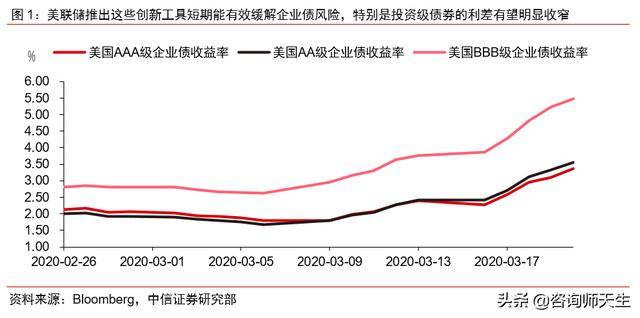
Group 1 - The Federal Reserve's monetary policy is not tightening but rather transitioning to a new phase of liquidity injection, having previously implemented a broad and unfocused approach [1] - The Fed's initial response to the stock market's continuous circuit breakers included a combination of zero interest rates, quantitative easing, and a $2 trillion fiscal stimulus, which did not yield the expected results [1][2] - The presence of the Volcker Rule has led banks to withdraw liquidity instead of providing loans, creating a situation where businesses in need of funds struggle to obtain loans from banks [1][2] Group 2 - The Fed's liquidity injection strategy consists of two parts: rescuing the market and supporting businesses, utilizing over nine tools to achieve liquidity distribution [4] - Despite the Fed's efforts, a significant portion of the released liquidity remains trapped within the financial system, prompting a reduction in the scale of quantitative easing [4] - The Fed has acquired a substantial amount of corporate and government bonds, managing to temporarily suppress risk, but the proportion of high-risk bonds is increasing, indicating a precarious situation [4]
上海城市房价已经止跌,全国的房价极不合理
Sou Hu Cai Jing· 2025-10-16 11:00
Group 1 - The Federal Reserve is expected to end its balance sheet reduction, which has seen a cumulative shrinkage of approximately 26.5% since late 2022, exceeding previous expectations [1] - The previous round of balance sheet reduction from 2018 to 2019 saw a decrease of about 16.7%, while the Fed's balance sheet has expanded over seven times since late 2008 [1] - The external environment for China's real estate market has bottomed out, and the internal environment is approaching historically loose levels, indicating limited downside for property prices [1] Group 2 - Continuous population inflow in China is expected to generate significant housing demand, with over 10 million university graduates entering the market annually, suggesting substantial growth potential for the real estate sector [2] - In Shanghai, it may take 50-100 years to redevelop residential properties built before 2000, indicating that real estate will remain a thriving industry in the city [2] - Current housing prices in cities like Nanjing are significantly below reasonable levels, with the most expensive new luxury homes priced at over 60,000 yuan per square meter, which is ten times lower than Tokyo [2] Group 3 - Despite housing prices being significantly below reasonable levels and the external environment stabilizing, a recovery in prices is not guaranteed without restoring social confidence and addressing the balance sheets [3] - Major cities like Beijing, Shanghai, and Shenzhen need to eliminate restrictions on real estate to send a clear signal to the public that buying property is a sound decision, which is crucial for economic development [3]
书海撷华|新书速递·抢“鲜”阅读<第10期>
Sou Hu Cai Jing· 2025-10-16 02:09
Group 1 - The article presents a list of new books available for reading, highlighting various titles across different genres [2][3] - Notable titles include "Education," "They Went to Space," "Dunhuang at First Sight," and "The Tea Empire of 3000 Years" [5][7][11][16] - Each book is accompanied by a brief description, emphasizing its thematic focus and significance [5][7][11][16][18] Group 2 - "Education" explores the tradition and ideals of Greek culture, focusing on the historical process of character formation and the construction of the ideal personality [5] - "They Went to Space" documents the experiences of NASA's first female astronauts, detailing their challenges and achievements in a male-dominated field [7][8] - "Dunhuang at First Sight" showcases the restoration of Dunhuang murals, highlighting their artistic and cultural value through detailed explanations [11] - "The Tea Empire of 3000 Years" discusses the historical impact of tea as a strategic commodity and its role in international relations [16] - "The King of Loose Monetary Policy" examines the effects of quantitative easing on the U.S. economy and the widening income gap [18][19]

固收专题报告:利率低利率环境,波动来源于哪?
CAITONG SECURITIES· 2025-10-15 06:22
1. Report Industry Investment Rating - No relevant content provided 2. Core Views - China has entered a low - interest era with high - volatility in the bond market. By referring to the US during the QE period (2008 - 2014) after the sub - prime crisis, the report finds that during the US interest rate rebound intervals, the market trades on the marginal improvement of the economic fundamentals, the implementation of fiscal stimulus bills, and the expectation of marginal tightening of monetary policy. In contrast, China's budget this year is relatively positive, but the fiscal strength still lags behind that of the overseas QE stage. The bond market may fluctuate, but there is no possibility of a systematic bear market. It is recommended to participate with a configuration mindset and seize high - interest points [1][2] 3. Summary by Relevant Catalogs 3.1 QE Aftermath: How Did US Treasury Bonds Perform? 3.1.1 US Four - Stage QE Policy (2008 - 2014) - After the sub - prime crisis, the Fed initiated the first round of quantitative easing through various means such as expanding long - term securities assets and creating new monetary policy tools. Subsequently, it restarted or adjusted the QE rhythm multiple times and used operations like "Operation Twist" to regulate economic recovery. The QE policy can be divided into six stages: QE1 (2008.11 - 2009.3), continued balance - sheet expansion (2009.3 - 2010.4), QE2 (2010.11 - 2011.6), two rounds of "Operation Twist" (2011.9 - 2012.9), QE3 and QE4 (2012.9 - 2013.12), and QE Taper (2014.1 - 2014.10). Through QE1, the Fed injected $1.725 trillion of liquidity into the market [6][9][10] 3.1.2 Post - QE US Treasury Bonds: Frequent Rebounds - After QE, US Treasury bond yields did not decline unilaterally but fluctuated frequently. A review of rebounds of over 30bp in the 10 - year Treasury bond yields usually shows that they are caused by factors such as significant fiscal policy expansion, the implementation of large - scale stimulus bills, exogenous shocks from risk events, marginal improvement in fundamentals, and marginal tightening of monetary policy. During the interest rate rebound intervals, speculative activities in the market often increase [18] 3.2 What Were the Sources of Fluctuations in US Treasury Bonds in the Low - Interest Era? 3.2.1 200812 - 200902: Rescue Plans Boosted Market Expectations and Fundamentals Improved Temporarily - After the Fed launched the first round of QE in November 2008, bond market yields dropped rapidly. Then, Bush's rescue plan for the auto industry, the issuance expectation of Treasury bonds, and profit - taking sentiment jointly drove the 10 - year Treasury bond yields to rebound. Additionally, improvements in the credit environment, inflation expectations, and key economic data such as employment and PMI also pushed up the yields [23][27] 3.2.2 200902: An Unconventional Stimulus Bill Was Enacted and Fundamentals Repaired Marginally - The 10 - year Treasury bond yields rose from 2.64% on February 17th to 3.02% on February 27th, an increase of 38bp. Obama's signing of the "American Recovery and Reinvestment Act" increased the expectation of Treasury bond issuance, and the repair of some fundamental data such as PPI, CPI, and real estate credit also pushed up the yields. However, the further downward revision of the Q4 2008 GDP growth terminated the yield rebound [28] 3.2.3 200903 - 200905: Policies to Stabilize Growth and Mitigate Risks Were Strengthened and Fundamentals Improved in Expectation - The 10 - year Treasury bond yields rose from 2.51% on March 18th to 3.29% on May 7th, an increase of 78bp. The Fed's intensified QE, the implementation of measures to dispose of non - performing financial assets, and financial regulatory reforms boosted market confidence. Improvements in fundamental indicators such as inflation, new housing starts, and manufacturing PMI supported the rise in inflation expectations. Overseas, the global QE wave and the issuance of IMF bonds also affected the US Treasury bond market [29][30][31] 3.2.4 200905 - 200906: Housing Protection and Stronger Regulations Were Upgraded and Fundamentals Hit Bottom and Rebounded - The 10 - year Treasury bond yields rose from 3.10% on May 14th to 3.98% on June 10th, an increase of 88bp. After the Fed's stress - test results were announced, the stock market took profit, and the bond market yields initially declined. Then, Obama's signing of the housing assistance bill and the strengthening of financial regulations boosted market confidence. Improvements in fundamental data such as inflation and per - capita disposable income pushed up long - term yields. Overseas, the intention of many countries to subscribe to IMF bonds squeezed the demand for US Treasury bonds [36][37] 3.2.5 200907: Record Deficit and Improving Fundamentals - The 10 - year Treasury bond yields rose from 3.32% on July 10th to 3.75% on July 27th, an increase of 43bp. The "Cash for Clunkers" program boosted auto consumption, and General Motors'资产重组 and government control stabilized market confidence. The record - high fiscal deficit increased bond supply and raised concerns about the US dollar, quickly pushing up bond market yields. The implementation of the financial regulatory reform bill and the rebound of multiple fundamental indicators also contributed to the yield increase [38][39][40] 3.2.6 200910: Economic Repair and Signals of Monetary Tightening, with Incremental Policies Added - The 10 - year Treasury bond yields rose from 3.21% on October 1st to 3.59% on October 26th, an increase of 38bp. The Fed signaled the start of economic repair and the gradual exit of monetary easing. The US government's innovation incentive strategy and positive signals from key economic data such as growth, inflation, and manufacturing drove up inflation expectations. Overseas, the global economic recovery and overseas interest - rate hikes reduced the demand for safe - haven assets [41][42][44] 3.2.7 200911 - 200912: Incremental Policies Continued to Be Strengthened and Fundamentals Trended Upward - The 10 - year Treasury bond yields rose from 3.21% on November 30th to 3.85% on December 31st, an increase of 64bp. Obama's signing of the assistance bill for workers, homeowners, and businesses and the plan to increase troops in Afghanistan increased fiscal expenditure pressure. Fundamental data such as GDP, PCE, and employment improved, raising inflation expectations. Overseas, Australia's interest - rate hike and the mitigation of the Dubai debt crisis also affected the US Treasury bond market [48][49] 3.2.8 201003 - 201004: Exit from QE, Implementation of Multiple Reforms, and Rapid Repair of Fundamentals - The 10 - year Treasury bond yields rose from 3.61% on March 4th to 4.01% on April 5th, an increase of 40bp. The approaching exit of the first round of QE, the acceleration of financial regulatory legislation, and the signing of the healthcare reform bill affected the market. Improvements in fundamental data such as employment, GDP, and PCE pushed up the yields [50][52] 3.2.9 201008 - 201009: Policies Signaled Economic Stabilization and Fundamentals Stabilized - The 10 - year Treasury bond yields rose from 2.47% on August 31st to 2.81% on September 10th, an increase of 34bp. The Fed and the US government released signals to stabilize the economy, boosting market expectations. Some fundamental data such as GDP and unemployment claims showed positive signs, and the stock index and crude oil prices temporarily stopped falling and rebounded. However, the Fed's褐皮书 indicated a slowdown in economic growth, and the yields returned to a downward - trending oscillation [55][56][61] 3.2.10 201011 - 201012: QE2 + Tax - Cut and Employment Bills, with Improved Fundamentals - The 10 - year Treasury bond yields rose from 2.53% on November 4th to 3.53% on December 15th, an increase of 100bp. The Fed's restart of QE and the release of signals for broad fiscal policies increased the expectation of Treasury bond issuance. Improvements in fundamental data such as employment, PPI, CPI, and GDP raised inflation expectations [63][64] 3.2.11 201012 - 201102: Firm Commitment to QE and Strong Fundamentals - The 10 - year Treasury bond yields rose from 3.30% on December 31st to 3.70% on February 10th, an increase of 40bp. The Fed's reaffirmation of the QE policy stabilized market confidence and drove up inflation expectations. The improvement of data in areas such as prices, production, and consumption continued. Overseas, the issuance of European bonds alleviated market panic [65][66] 3.2.12 201103 - 201104: Intensified Expectation of Tightening and Improved Fundamentals - The 10 - year Treasury bond yields rose from 3.22% on March 16th to 3.59% on April 11th, an increase of 37bp. Inflation indicators and fundamental data such as employment and retail sales improved. Statements from Fed officials, the sale of mortgage - backed securities, and Bill Gross's short - selling of US Treasury bonds increased the upward pressure on yields. The US debt - ceiling issue also worried the market. Overseas, factors such as the Japanese nuclear leak, China's policy shift, the Middle - East situation, and the ECB's interest - rate hike affected the US Treasury bond market [67][68][70] 3.2.13 201109 - 201110: Implementation of OT Operation, Boosted Policy Expectations, and Improved Fundamentals - The 10 - year Treasury bond yields rose from 1.72% on September 22nd to 2.26% on October 14th, an increase of 54bp. The implementation of the "Operation Twist" and the disappointment of QE3 expectations led to a rise in yields. The operation was questioned, and it was seen as paving the way for QE3, raising economic expectations. Fundamental indicators such as GDP, PCE, and employment improved significantly. Overseas, the global interest - rate cut wave increased the expectation of QE in the US [72][73][79] 3.2.14 201202 - 201203: Economic Repair and Rising Expectation of Monetary Tightening - The 10 - year Treasury bond yields rose from 1.98% on February 29th to 2.39% on March 19th, an increase of 41bp. The Fed's indication of a mild economic recovery and the results of the bank stress - test boosted market confidence. Improvements in fundamental data such as economic activity, inflation, and employment increased risk appetite [80][81][82] 3.2.15 201207 - 201208: Prominent Structural Economic Problems and the Fed's Strengthened Expectation of QE - The 10 - year Treasury bond yields rose from 1.43% on July 25th to 1.83% on August 16th, an increase of 40bp. The economy showed structural problems in growth, employment, manufacturing, consumption, and real estate. The Fed's statements strengthened the expectation of QE, increasing market risk appetite. Overseas, new developments in the European debt crisis and the global interest - rate cut wave affected the US Treasury bond market [83][84][85] 3.2.16 201208 - 201209: Declining Fundamentals and Rising Expectation of QE3 - The 10 - year Treasury bond yields rose from 1.57% on August 31st to 1.88% on September 14th, an increase of 31bp. Bernanke's speech hinted at QE, boosting market expectations. Declining inflation and poor employment performance supported the expectation of QE3. The Fed officially launched the third round of QE on September 13th, ending the yield rebound [86][87][88]
美联储降息大消息!鲍威尔发声
Sou Hu Cai Jing· 2025-10-15 02:22
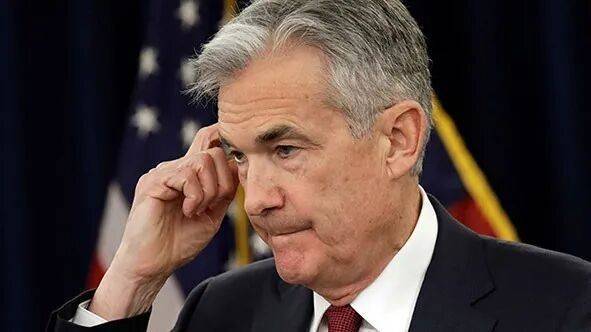
Core Viewpoint - Federal Reserve Chairman Jerome Powell indicated that the U.S. economic outlook remains largely unchanged since the September meeting, with a delicate balance between persistent inflation pressures and a weakening labor market. The market widely anticipates another rate cut at the upcoming meeting at the end of October [2][3]. Economic Outlook - Powell highlighted the current phase of "low hiring, low layoffs" in the labor market, suggesting that the decline in job vacancies may soon be reflected in rising unemployment rates. The unemployment rate rose to 4.3% in August, the highest in a year, and the delay in the September non-farm payroll report due to the government shutdown adds uncertainty to labor market assessments [3][6]. - Economists are increasingly concerned about the risks to employment, with expectations for a rate cut in October being nearly certain. The focus is shifting from prioritizing anti-inflation measures to balancing growth and employment [3][6]. Monetary Policy - Powell emphasized that inflation risks have not been fully resolved, with the core Personal Consumption Expenditures (PCE) price index rising 2.9% year-over-year, still above the Fed's 2% target. He indicated that the Fed's balance sheet reduction process may be nearing its end, suggesting a potential slowdown in the pace of quantitative tightening to maintain market liquidity [5][6]. - The market expects the Fed to maintain a moderate easing stance in the coming months, with projections indicating a cumulative rate cut of about 50 basis points by the end of the year [6]. Decision-Making Challenges - The government shutdown has disrupted the release of key economic data, complicating the Fed's decision-making process. Powell acknowledged the challenges posed by the lack of data, particularly for October, and stated that the Fed would rely on available public and private sector data to inform its decisions [6][7]. - Analysts suggest that the Fed may be entering a "policy tolerance period," allowing inflation to exceed its target slightly in exchange for a more stable employment environment [7].
鲍威尔暗示进一步降息:就业市场有问题
Sou Hu Cai Jing· 2025-10-15 01:56
据公开消息,美联储在10月的会议将在28日至29日举行。目前市场投资者普遍相信美联储将再次降息25 个基点,即0.25%,以完成其促进市场就业和控制通胀率在2%的目标。 此外,鲍威尔还表示,美联储可能"在未来几个月内"停止量化紧缩操作,即允许其在应对危机的量化宽 松操作下购买的资产流失,并表示美联储"正在密切关注各种指标,以告知这一决定"。 鲍威尔还表示,即便当前美国联邦政府因停摆而无法获得劳工统计局的新数据,目前私人机构发布的就 业市场指标以及美联储内部研究也足以表明美国就业市场正在降温。鲍威尔称,"现有证据"表明"裁员 和招聘人数都保持在低位",而"家庭对就业机会的看法和企业对招聘难度的看法继续呈下降趋势"。有 数据显示,9月份美国企业裁员数量达到了32000人。 这意味着,尽管许多经济学家担心特朗普政府的关税政策将引发美国经济新一轮通胀,但鲍威尔在"降 息"的货币政策态度上正在变得更加温和。而美联储在9月份的会议已经将利率下调至4.00%-4.25%。 据《金融时报》10月14日报道,美联储主席鲍威尔在参加美国全国商业经济协会在费城举办的一场活动 时发布警告称,美国劳动力市场的就业下行风险还在上升,而这 ...
“美联储传声筒”:鲍威尔为美联储的政策进行了辩护
Sou Hu Cai Jing· 2025-10-14 17:10
Group 1 - The core viewpoint of the article highlights Federal Reserve Chairman Powell's recent remarks on the balance sheet, addressing the current outlook on quantitative tightening in light of rising overnight lending rates [1] - Powell's comments counter recent criticisms from figures like Treasury Secretary Yellen, who deemed pandemic-era support measures as misguided policy interventions, acknowledging that a quicker halt to quantitative easing might have been wiser, but the rapid shift in 2022 had no substantial macroeconomic impact [1] - The remarks also defended the Federal Reserve's ability to pay interest on excess reserves (IOR) against bipartisan populist senators' attempts to revoke this policy tool, warning that its removal could lead to greater market disruption [1]
星展银行:机构投资者对中国市场配置低于基准,外资流入潜力巨大
2 1 Shi Ji Jing Ji Bao Dao· 2025-10-13 12:05
南方财经 21世纪经济报道记者 张伟泽 香港报道 (星展银行首席投资官侯伟福 图源/星展银行) 10月13日,星展银行首席投资官侯伟福在2024年第四季度CIO洞察报告会上表示,预计2026年亚洲企业 盈利将实现16%的强劲增长,显著高于12%的全球平均水平,其核心驱动力源自人工智能应用普及带来 的科技红利。 对于中国市场,侯伟福认为,中国市场虽已回暖,但全球机构投资者的配置仍处于"早期布局阶段", 实际配置比例仍显著低于基准水平,未来资金流入潜力巨大。 他指出,目前中国股市占全球市值的3%,美国则占60%,若美国市场资金向中国小幅再配置(1%再配 置可使中国股市市值增21%),将显著提振中国股市。 侯伟福强调,尽管已经经历了显著的反弹,但中国的科技企业估值仍显著低于美国科技企业,以阿里巴 巴为例,当前阿里巴巴的市盈率为27倍,与对标的亚马逊的34倍仍有一定差距。他建议,投资者应持续 关注市场基本面。 在谈及具体的投资策略时,侯伟福表示,其投资视角主要集中于两大核心资产,包括以获取稳定现金流 为目标的收益型资产(如短期投资级债券)和聚焦资本增值的优质成长型资产,再辅以作为风险对冲的 风险分散资产(如黄金)。 ...
美联储降息期,资产谁涨谁跌?
East Money Securities· 2025-10-13 05:54
Group 1: Federal Reserve Rate Cuts Overview - The Federal Reserve has conducted 5 easing cycles and 5 preventive rate cuts since 1980, with rate reductions ranging from approximately 75 basis points (bp) to 1150 bp[13] - Preventive rate cuts occur when economic growth slows but has not yet entered a recession, while easing cuts are implemented during severe economic downturns[17] - The current easing cycle shares similarities with those in 1995 and 2019, with marginal economic weakening but resilient consumption and services[5] Group 2: Asset Performance During Rate Cuts - U.S. Treasury yields typically decline significantly before the first rate cut, with average declines of 73 bp and 85 bp for easing and preventive cuts, respectively[53] - U.S. equities generally rise during preventive cuts (with an 80% success rate for the Nasdaq and S&P 500) but tend to decline during easing cuts, averaging a drop of 11%-13%[52] - The U.S. dollar usually weakens during both types of rate cuts but tends to rebound after the cycle ends, with an average increase of 2.7% six months post-cut[52] - Gold performs better during preventive cuts, with an 80% success rate, while industrial metals depend more on global demand fundamentals[52]