
价格战

Search documents
标普全球汽车:中国汽车产业正站在命运的十字路口
Zhong Guo Qi Che Bao Wang· 2025-07-23 02:33
标普全球汽车分析指出,价格战将对中国汽车产业带来全方位的冲击,同时,也将对国民经济的产生影响。 国家统计局数据显示,2024年汽车行业收入106470亿元,同比增长4%;成本93301亿元,同比增长5%;利润 4623亿元,同比下降8%;汽车行业利润率4.3%。2025年第一季度更进一步降至3.9%,远低于制造业平均水平。 上半年,中国汽车以1565万辆,同比增长11.4%的销量成绩收官。然而这种高速增长背后,汽车行业的运行 却充斥着价格战、内卷等问题。乘联分会数据显示,2024年汽车行业利润率跌破4.3%,创近十年新低。日前,标 普全球汽车全球智能预测与战略首席分析师方吉在接受记者采访时提出,从GDP支柱产业的宏观经济大盘,到技 术创新的微观土壤,从本土市场的生态平衡到海外拓展的战略版图,价格战带来的蝴蝶效应,正在重塑中国汽车 产业的未来图景。 中国车企运行状态待提升 方吉表示,整车企业利润率因价格战而降低,这一影响会迅速传递给整个产业链,企业会从方方面面寻求降 本增效,如延长供应商回款周期,利润空间被严重压缩;亦或降低研发费用降低,减少从业人员成本。相关数据 表明,2024 年汽车类上市公司应收账款规模同 ...


“价格战”没有赢家“ 外卖大战”当止矣
Zheng Quan Ri Bao· 2025-07-21 16:32
在笔者看来,商业的本质应是创造价值,而非透支价值。在短时间内,这种卷价格的"外卖大战"似乎让消费者享受到了价 格优惠、让商家骑手获得更多订单、让平台企业获得更多市场份额,但长远来看,一味卷价格是对良好行业生态的破坏,最 终,消费者、商家、平台企业、实体经济的利益均会受损,没有赢家。 近几个月来,外卖行业的补贴引发了各界的广泛关注,"0元购""20减18"等大额优惠券满天飞,从而吸引消费者涌入外卖 平台疯狂下单。 ■韩昱 从消费者角度看,似乎"外卖大战"的首要获益者就是广大的消费者,大额的补贴也确实让消费者在下单外卖时享受到了实 惠。过往的类似经历表明,这种依靠平台补贴形成的低价格不可持续,消费者看似短期得利,实际早已埋下长期隐患。长久的 低价势必会增加部分商家为降低成本继而降低品质的可能性。短时间内省的钱,最终将会成为所购商品品质上的折扣。 7月18日,市场监管总局约谈饿了么、美团、京东三家平台企业,要求相关平台企业严格遵守《中华人民共和国电子商务 法》《中华人民共和国反不正当竞争法》《中华人民共和国食品安全法》等法律法规规定,严格落实主体责任,进一步规范促 销行为,理性参与竞争,共同构建消费者、商家、外卖骑 ...
外卖 “暗战” 硝烟未散,餐饮协会喊 “停”,商家呼吁回归线下
Di Yi Cai Jing· 2025-07-21 12:42
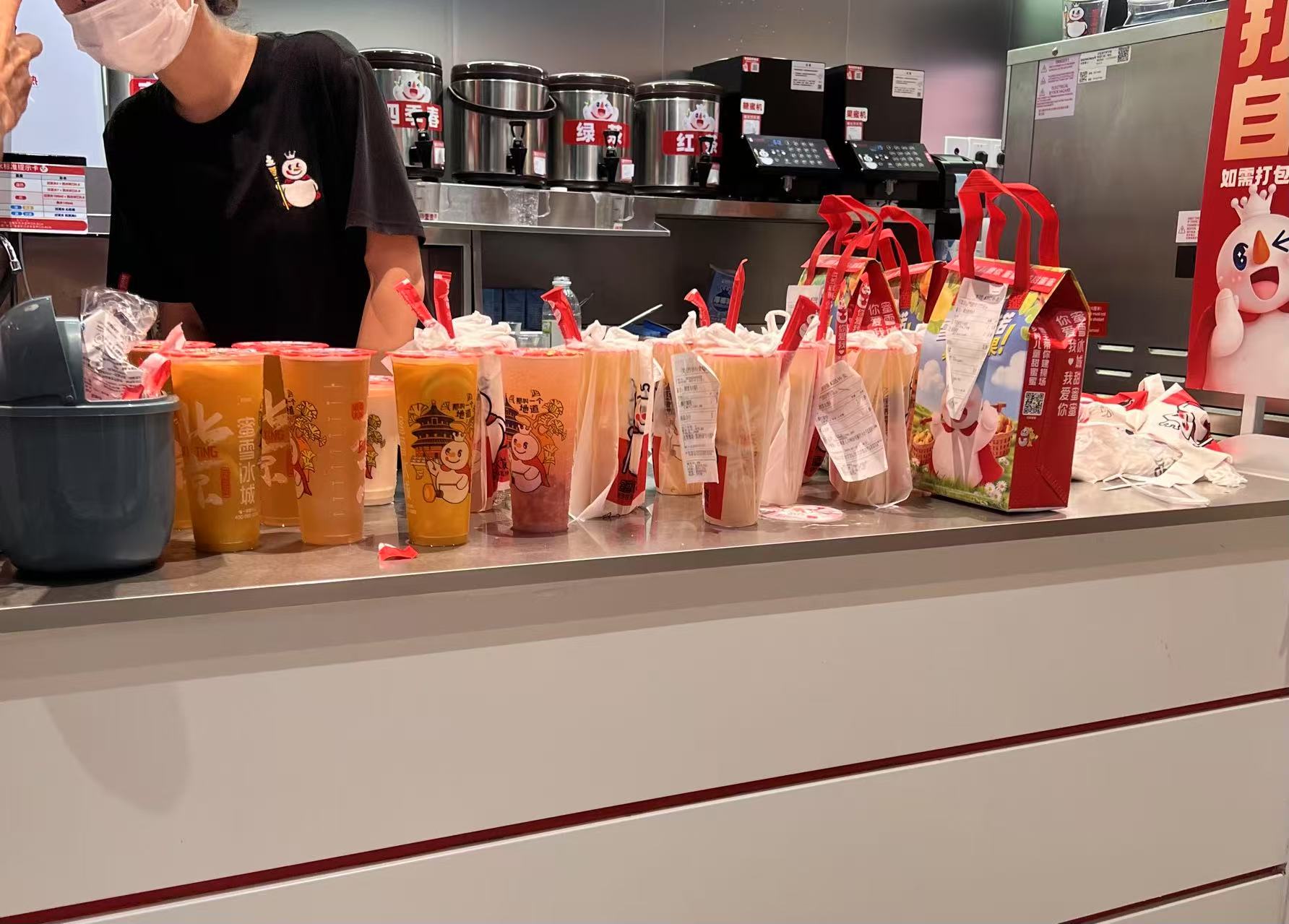
疯狂的外卖大战一方面激发了用户的下单热情,另一方面,也出现了乱象。 商家如何看待这一次大战?火锅加盟商陈磊(化名)对第一财经表示,从行业推动上,外卖大战巩固了消费者的点外卖习惯,外卖平台在大战期间,不仅有 优惠活动,还在配送时效上不断优化。消费者不用经历出门、找停车位等烦琐环节。此外,在外卖大战期间,商户的曝光量也在增加。陈磊表示,外卖大战 中,商家为了在平台上获得更多曝光和订单量,常常推出大幅度的满减、折扣活动,再加上平台给予的补贴。这些优惠叠加后,外卖的价格往往比堂食更具 吸引力。这就使得对价格敏感的消费者更倾向于选择外卖,线下门店的客流量自然减少。陈磊表示,火锅店以堂食为主,外卖订单并不多。7月外卖大战以 来,门店的外卖订单增长了20%到30%。 但另一方面,陈磊认为外卖大战会影响消费者回归线下。他表示,由于外卖大战的价格与堂食相比更加便宜,近期他收到堂食顾客的反馈,称"在门店吃性 价比不高"。作为火锅业商家,他表示火锅在家吃和堂食是两种感觉。此外,陈磊表示,据他观察,外卖大战促使商家大量涌入外卖平台,一些商家为了应 对激烈竞争,会降低食材品质或压缩制作成本,以维持较低的外卖价格。这种做法虽然在短期内能 ...
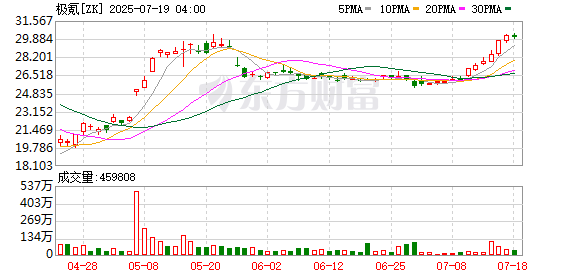
极氪否认销售“0公里二手车”:“一口价展车”不是二手车
Nan Fang Du Shi Bao· 2025-07-21 02:24
Group 1 - The core issue in the electric vehicle industry is the emergence of irrational competition methods such as "price wars" and "0-kilometer used cars," which disrupt market order and affect sustainable development [2] - "0-kilometer used cars" refer to vehicles with mileage between 0-1000 kilometers that are registered but sold as used cars, allowing manufacturers to enhance sales data and brand influence [2] - The practice of selling "0-kilometer used cars" is widespread, with reports indicating that thousands of companies are involved in this market, often pricing these vehicles significantly below the manufacturer's suggested retail price [2][9] Group 2 - Zeekr brand recently faced public scrutiny over allegations of selling "0-kilometer used cars," but clarified that the vehicles in question were normal display cars and not classified as "0-kilometer used cars" [3][4] - Zeekr emphasized that their display cars are legally considered new vehicles as they have not been registered or issued retail invoices, and they maintain consumer rights similar to new car buyers [4][7] - The distinction between display cars and "0-kilometer used cars" is legally significant, as registration status is the key factor in defining a used car [7] Group 3 - The phenomenon of "0-kilometer used cars" is seen as a symptom of deeper issues within the automotive industry, reflecting pressures of internal competition and inventory clearance strategies by dealers [10] - The Ministry of Commerce is actively engaging with industry associations and companies to address the "0-kilometer used car" issue and promote healthy development in the used car market [10][11] - Proposed regulations, such as a ban on transferring new cars to used car status within six months of registration, aim to curb the circulation of "0-kilometer used cars" and restore market order [11]
新款北京越野BJ40燃油版正式上市;尹同跃:奇瑞公司坚决反对“价格战”,缩短供应商货款支付账期丨汽车交通日报
创业邦· 2025-07-20 10:37
Group 1 - Chery's chairman, Yin Tongyue, emphasized the company's opposition to "price wars" and the need for self-discipline in the automotive industry, aligning with national policies and promoting fair competition [1] - Chery will shorten payment terms for suppliers and resist negative practices such as false advertising and online manipulation [1] - Jaguar Land Rover announced a "full luxury car tax subsidy" policy for specific models, effective from July 20 to July 31, 2025, covering the new consumption tax for buyers [2] - Beijing Automotive Group launched three new versions of the BJ40, with prices ranging from 149,900 to 159,900 yuan [3] Group 2 - Beijing Automotive Group reported over 817,000 vehicle sales in the first half of the year, marking a 6% year-on-year increase [3] - The sales of BAIC's electric vehicle brand, Arcfox, reached over 55,000 units, reflecting a 200% increase [3] - BAIC Foton maintained its position as the leader in the commercial vehicle sector, achieving sales of 327,000 units, a 9% increase year-on-year [3] - BAIC's overseas sales surpassed 140,000 units, showing a 20% growth compared to the previous year [3]

反“内卷”规范竞争秩序 推动汽车行业生态重塑
Cai Jing Wang· 2025-07-20 04:17
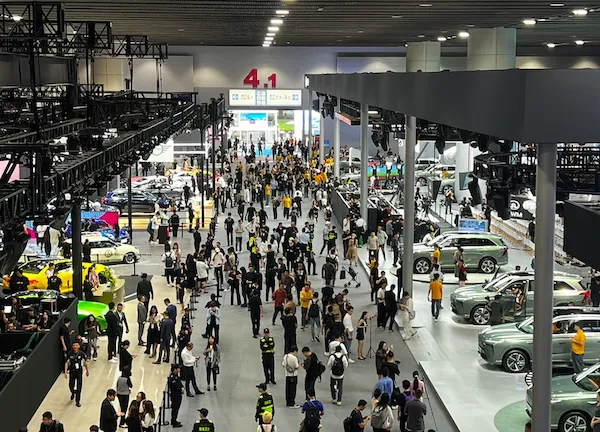
据新华社,7月16日召开的国务院常务会议明确提出,要着眼于推动新能源汽车产业高质量发展,针对该产业领域 出现的各种非理性竞争现象,坚持远近结合、综合施策,切实规范新能源汽车产业竞争秩序。 该会议内容释放了清晰信号,针对新能源汽车领域愈演愈烈的非理性竞争,政府将打出"组合拳"强力纠偏。从成本 调查、价格监测到产品生产一致性监督检查,再到对车企支付账期承诺的督促,这标志着中国新能源汽车产业正迎 来从"量"走向"质"的高质量发展新阶段。 会议明确提出,要加强成本调查和价格监测,强化产品生产一致性监督检查,督促重点车企落实好支付账期承诺。 "新能源汽车产业延续快速增长态势,已经成为我国汽车市场的主导力量。但看到成绩的同时,汽车行业出现的一 些问题也不容忽视。"中国汽车工业协会常务副会长兼秘书长付炳锋接受采访时说,要综合治理各种非理性竞争现 象,坚决维护公平有序的市场环境,推动行业健康、可持续发展。 矫正畸形反内卷 中国新能源汽车产业在电动化、智能化的双重驱动下实现了蓬勃发展。据中国汽车工业协会最新发布的数据显示, 2025年上半年,我国新能源汽车产销量分别为696.8万辆和693.7万辆,同比分别增长41.4%和40 ...
奇瑞董事长:公司坚决反对“价格战” 缩短供应商货款支付账期
news flash· 2025-07-20 01:16
智通财经7月20日电,奇瑞公司董事长尹同跃7月19日在内部年中干部大会上要求,奇瑞公司必须守拙、 守诚、守朴,把思想和行动统一到党中央决策部署上来,认真落实三部委召开的新能源汽车行业座谈会 要求,做产业公平有序竞争秩序的维护者。奇瑞公司将加强自律,坚决反对"价格战",缩短供应商货款 支付账期,不做虚假和过度宣传,抵制"网络水军""黑公关"等网络乱象。同时,发挥重点企业的带头作 用,严守"反内卷"负面清单,积极参与新能源汽车行业企业交流会商机制,推动汽车产业高质量发展。 奇瑞董事长:公司坚决反对"价格战" 缩短供应商货款支付账期 ...
事关新能源汽车,多部门联合部署
21世纪经济报道· 2025-07-19 15:30
Core Viewpoint - The article discusses the recent measures taken by the Chinese government to regulate the competitive order in the electric vehicle (EV) industry, emphasizing the need for sustainable development and addressing irrational competition practices [2][3][4]. Group 1: Government Actions and Regulations - A meeting was held on July 18, 2025, by the Ministry of Industry and Information Technology (MIIT), National Development and Reform Commission (NDRC), and State Administration for Market Regulation to discuss the regulation of the EV industry [2]. - The government emphasized the importance of aligning industry actions with national policies to promote healthy and sustainable development in the EV sector [2]. - Key measures include strengthening supervision and inspection, establishing long-term mechanisms, and enhancing standard leadership to improve product quality and safety [2][3]. Group 2: Industry Challenges and Competition - The article highlights the prevalent "involution" competition and price wars within the automotive industry, which have raised concerns about market order [4]. - A commitment was made by 17 major automotive companies to limit payment terms to suppliers to no more than 60 days, reflecting an effort to stabilize supplier relationships [4]. - Experts indicate that the current irrational competition is undermining the profitability of EV companies, leading to a situation where many are operating at a loss and unable to invest in innovation [4].
监管出手,戳破千亿外卖大战的泡沫
3 6 Ke· 2025-07-19 01:21
Core Insights - The takeaway from the article is that the food delivery industry is experiencing unprecedented growth driven by a massive subsidy war among major players like Alibaba, JD.com, and Meituan, but this growth is largely seen as unsustainable and potentially harmful to the industry in the long run [2][4][6]. Group 1: Market Dynamics - The instant retail market's daily order volume has doubled from 100 million to 250 million since the beginning of the year due to aggressive subsidies [2][3]. - Alibaba and JD.com have announced a combined investment of 80 billion yuan in subsidies, forcing Meituan to participate in the competition [3][4]. - Despite the surge in order volume, Meituan's CEO has indicated that most of this growth is illusory, as it primarily consists of low-value orders driven by subsidies rather than genuine consumer demand [4][16]. Group 2: Regulatory Environment - The State Administration for Market Regulation has called for stricter compliance with e-commerce laws and rational competition among platforms, indicating a shift towards more regulated market practices [4][5][33]. - Recent regulatory discussions have highlighted the need for platforms to focus on fair competition and sustainable practices rather than engaging in destructive price wars [5][34]. Group 3: Financial Implications - The 80 billion yuan investment in subsidies represents 12.5% of the total investment in China's primary market for the year, raising questions about the rationality of such spending in a mature market [8][9][11]. - The food delivery sector has low profit margins, with Meituan's net profit margin hovering around 4%, indicating that the current subsidy-driven growth model is not financially sustainable [12][29]. Group 4: Industry Challenges - The article suggests that the current subsidy war is leading to a zero-sum game where platforms are incurring significant costs without achieving meaningful market share gains [6][20]. - The competition is resulting in unstable customer bases, as users attracted by low prices are less likely to remain loyal to any platform [19][30]. - The ongoing price wars are distorting market prices and negatively impacting the operational stability of restaurants and delivery services [27][28]. Group 5: Future Outlook - The food delivery industry is calling for a return to rational competition, emphasizing the need for improved service quality and a stable ecosystem for all stakeholders involved [25][34]. - As the market matures, the focus is shifting towards enhancing customer experience and ensuring fair compensation for delivery personnel, rather than merely competing on price [26][31].



平台表态"卷没意义",高温下的外卖价格战应回归理性
Di Yi Cai Jing· 2025-07-18 12:44
Group 1 - The recent subsidy war in the food delivery industry has intensified, with platforms like Ele.me, Meituan, and JD.com being urged by the market regulator to comply with relevant laws and promote healthy competition [2][3] - Consumers have benefited from significant discounts during the subsidy war, leading to increased order volumes, but there are concerns about waste and the long-term sustainability of such practices for merchants [2][4] - Merchants have expressed that the current subsidy war is harmful, with many feeling pressured to participate despite incurring losses, raising concerns about the industry's ability to return to normalcy after the subsidies end [6][7] Group 2 - Industry leaders have criticized the subsidy war as a form of unhealthy competition, with calls for a more rational approach to promotions and pricing [3][4] - The short-term surge in orders has created operational pressures for merchants, particularly smaller ones, who face increased costs and potential declines in service quality [7][8] - Analysts suggest that while the current data shows impressive order growth, the long-term focus should shift from capital-intensive subsidies to creating sustainable value through improved efficiency and customer retention [8]