贸易战

Search documents
特朗普还是服软了,贸易战暂告段落,5千亿外资涌入!
Sou Hu Cai Jing· 2025-10-31 18:50
Group 1 - The fifth round of China-US trade negotiations concluded on October 26 in Kuala Lumpur, with unexpected yet reasonable outcomes, as President Trump made rare concessions [1] - US Treasury Secretary Mnuchin announced the cancellation of the plan to impose 100% tariffs on Chinese goods originally set for November 1, indicating a clear softening of the US stance in the trade war [1] - The negotiations highlighted the importance of rare earth elements, which are crucial for high-tech industries, with China controlling a significant portion of the global supply chain [3] Group 2 - Trump's initial hardline approach included threats of a complete decoupling from China, but internal pressures from his economic advisory team revealed the potential severe impact on the US high-tech sector [5][7] - The upcoming midterm elections in the US posed a significant political risk for Trump, as losing support from agricultural states affected by trade tensions could jeopardize his administration's future [8] - A preliminary consensus was reached during the negotiations, with China potentially agreeing to purchase large quantities of US soybeans and delaying export controls on US rare earths for a year [8] Group 3 - China's firm stance during the negotiations emphasized its commitment to safeguarding its core interests, suggesting that the US may have made concessions under pressure [8] - Recent data from China's Ministry of Commerce indicated a significant increase in foreign investment, with nearly 49,000 new foreign-funded enterprises established and actual foreign capital utilization reaching 573.75 billion RMB in the first nine months of the year, reflecting growing international confidence in the Chinese market [9] - The trade war is viewed as a broader contest between two development models and governance philosophies, with China advocating for cooperation and mutual benefit in a globalized world [9][10]

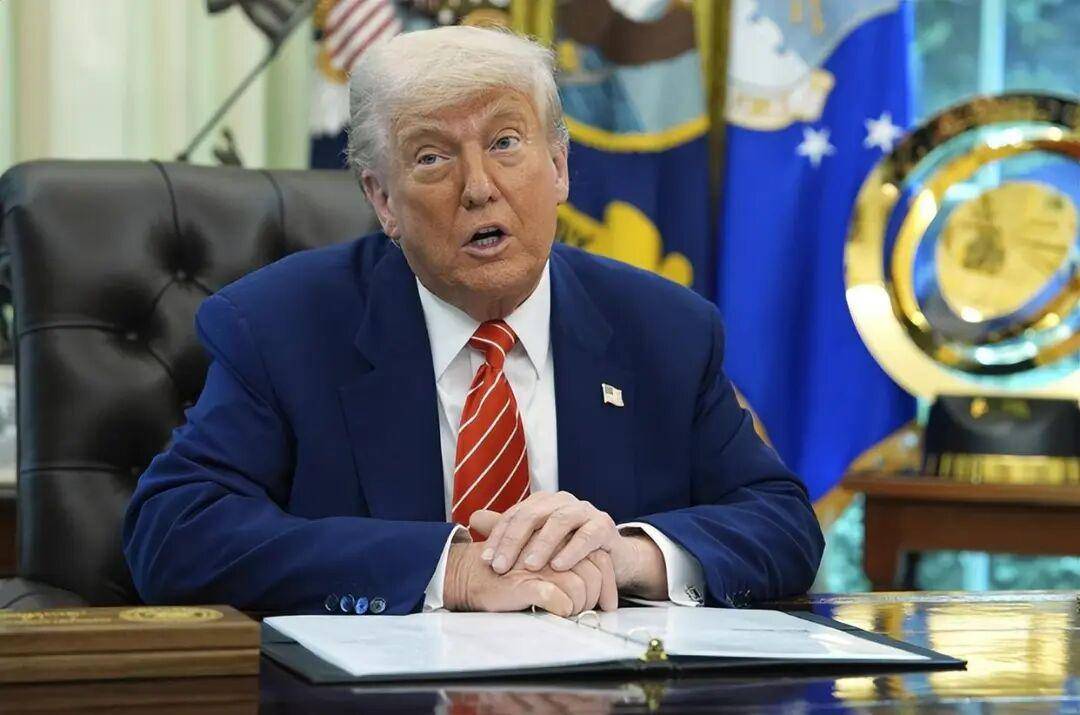
美媒怒批特朗普:贸易战“神操作”,美国输麻了!
Sou Hu Cai Jing· 2025-10-31 15:06
Core Insights - The article critiques the trade war initiated by Trump, highlighting that it has worsened the U.S. trade deficit and failed to achieve its intended goals [1][5]. Trade Deficit and Economic Impact - The U.S. goods trade deficit is projected to reach $1.21 trillion in 2024, a 50% increase compared to pre-trade war levels in 2017 [1]. - The trade war has led to increased inflation, with the inflation rate rising to 3% in September, the highest since May [1]. - Tariffs have added approximately $1,500 in annual expenses for American households, disproportionately affecting low- and middle-income families [1]. Employment and Manufacturing - The manufacturing sector has lost 42,000 jobs in 2024, marking the longest decline since early 2020 [1]. - The U.S. automotive industry has seen a decrease in export value by $10.8 billion compared to the previous year, impacted by competition from Chinese automakers and domestic strikes [1]. Agricultural Sector - U.S. soybean exports to China have plummeted from over $10 billion annually to just $2.5 billion in the first half of 2024, while costs for fertilizers and farming equipment have risen due to tariffs [2]. - Many farmers are relying on government subsidies to cope with the financial strain caused by the trade war [2]. Trade Agreement Analysis - The recent ceasefire agreement between the U.S. and China has not resolved core issues, as the U.S. still maintains a 47% tariff on Chinese goods [2]. - The agreement is seen as a temporary measure that does not address deeper conflicts such as intellectual property and market access [2]. Shifts in Trade Dynamics - China's reliance on the U.S. market has decreased significantly, with exports to the U.S. dropping from 20% in 2018 to below 10% [3]. - China has diversified its markets, with exports to Africa increasing by 56.4% and to Southeast Asia by 15.6% [3]. Technological Competition - The U.S. efforts to restrict technology exports to China have not succeeded, as Chinese companies have increased their self-sufficiency in chip production, raising the self-sufficiency rate from 16% in 2020 to 40% [3]. - U.S. companies like Nvidia and Intel have faced significant revenue declines in China, indicating a failure in the U.S. technology strategy [3]. Conclusion on Trade War - The article concludes that the trade war has not benefited the U.S. and has instead weakened its economic position and global influence [4][5].
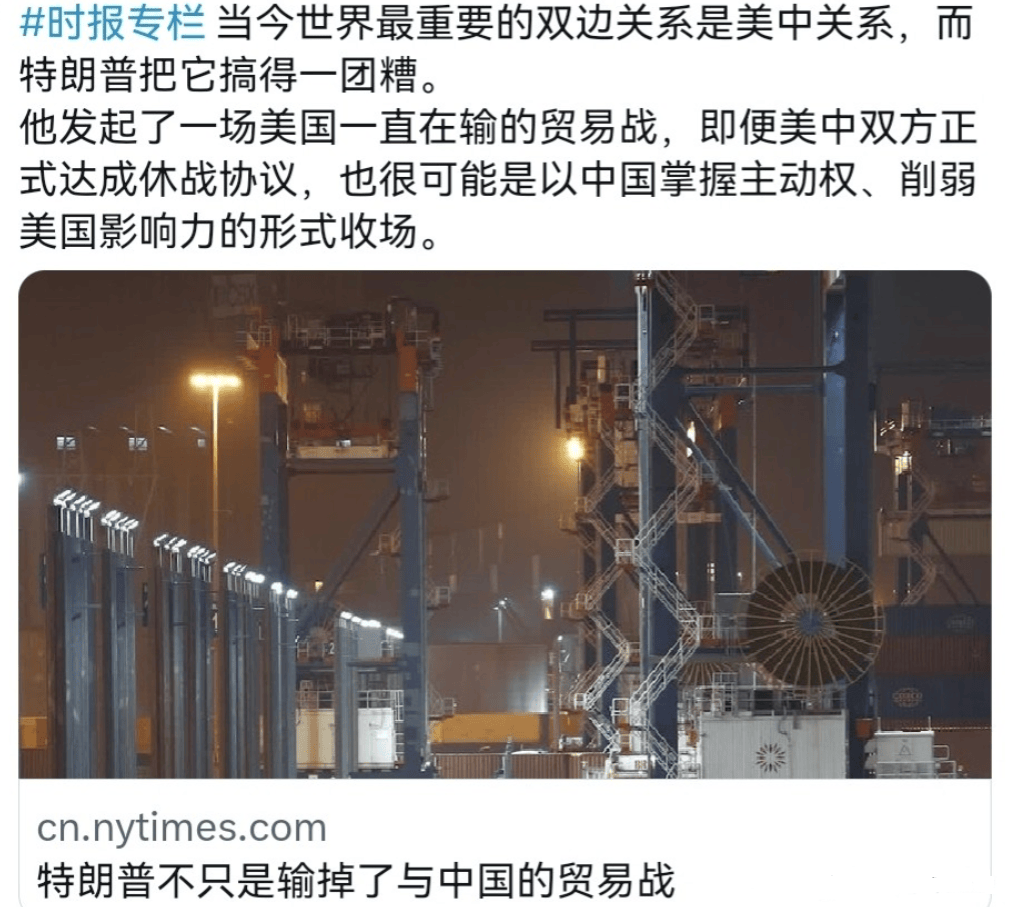
中美贸易回暖,是真的利好还是权宜之计?
Jin Tou Wang· 2025-10-31 12:56
Core Points - The recent trade negotiations between the US and China have resulted in a one-year suspension of tariffs, with the US pausing a 24% tariff on China and China reciprocating by suspending its 10% tariff on fentanyl [1] - The suspension of tariffs is expected to save over $8 billion annually for US-China import-export businesses, providing a significant financial relief that can be reinvested into R&D, production, and market expansion [1] - The negotiations indicate a shift towards a more cooperative approach, with both countries opting for dialogue rather than confrontation, showcasing China's ability to negotiate on equal terms [1] Trade and Economic Impact - The US has also paused export sanctions on Chinese companies with over 50% foreign ownership, while China has suspended its export controls on rare earths, lithium batteries, and superhard materials for a year [1] - The US's agricultural sector has been severely impacted by the trade war, with soybean prices dropping 40% due to a lack of Chinese purchases, leading to increased bankruptcies among American farmers [3] - Rising prices in the US for various consumer goods, including electronics and clothing, have been attributed to the tariffs, affecting overall consumer spending [3][4] Military and Strategic Considerations - The US military's reliance on Chinese rare earth materials for key equipment highlights the strategic vulnerabilities created by the trade tensions, with 87% of major military equipment potentially affected by supply chain disruptions [4] - The negotiations have created a buffer period for both countries to stabilize their economic relations while addressing core differences, allowing for continued discussions on critical issues [4][6] Future Outlook - The upcoming year is seen as a crucial observation window for US-China relations, with expectations for ongoing negotiations to address fundamental disagreements while maintaining a stable relationship [6] - The current negotiations are viewed as a temporary resolution, with the potential for future conflicts if circumstances change, emphasizing the need for vigilance and continued reform on both sides [5]
中航期货铝月报(2025年10月)-20251031
Zhong Hang Qi Huo· 2025-10-31 12:24
Report Industry Investment Rating No information provided. Core Viewpoints of the Report - The price of alumina will remain under pressure, but the support from the cost line is gradually emerging, and the room for further decline may be limited. In the short term, the alumina futures price may fluctuate at a low level. - The price of electrolytic aluminum has the characteristic of being "easy to rise and hard to fall" in the medium and long term. In November, whether the aluminum price can continue to rise depends on the sustainability of inventory reduction and the acceptance of high aluminum prices by downstream users. A strategy of buying on dips is recommended. - The price of ADC12 is expected to maintain a relatively strong oscillation in the short term, and attention should be paid to the raw material supply situation and the rhythm of demand recovery. [6] Summary by Relevant Catalogs 1. Market Outlook - Alumina: The short - term marginal supply of domestic bauxite is tightening, but there is supplementation from imported ores, and the supply is not significantly tight. The price of imported ores is slightly weak. The operating capacity of alumina is at a high level, but the release of new capacity still takes time. Some alumina enterprises in Shanxi, Henan, and Guizhou are close to the break - even point or in a loss state. Considering the possible impact of the heating season in November, attention should be paid to changes in the supply side. - Electrolytic aluminum: The expectation of loose liquidity will be the theme of the macro - market in November. The Fed cut interest rates in October, but a second rate cut in December is "far from a foregone conclusion". After the resolution of the US government shutdown, attention should be paid to US economic data for further guidance. The long - term nature of the competition and game between China and the US is a certainty, but the two sides have a "one - year truce", and concerns about Sino - US trade issues have significantly eased in the short term. The unexpected production cut of an Icelandic smelter highlights the structural problems such as the power bottleneck in the global electrolytic aluminum capacity release. The 45 - million - ton capacity ceiling in China limits the long - term supply elasticity. On the demand side, the loose liquidity environment brought by the Fed's interest - rate cut cycle provides medium - and long - term upward momentum for aluminum prices. - ADC12: The spot price of ADC12 has risen synchronously, with significant cost - side support. The continuous shortage of scrap aluminum supply has pushed up the procurement cost. The supply side is restricted by insufficient raw material circulation and regional policy uncertainty, and some enterprises are operating at a low load. The demand side maintains stable resilience and shows a mild recovery trend. The inventory continues to decline, and the cost rigidity support and the tight supply - demand balance jointly drive the price to strengthen, but high inventory and policy uncertainty still pose constraints. [6] 2. Market Review - In October, the futures prices of alumina and electrolytic aluminum showed a divergent trend. The alumina futures price generally showed a trend of bottom - building in oscillation, falling from a maximum of 2,913 yuan/ton to a minimum of 2,760 yuan/ton. The futures prices of electrolytic aluminum and cast aluminum alloy both increased, with the maximum price of electrolytic aluminum reaching 21,425 yuan/ton and that of cast aluminum alloy reaching 20,920 yuan/ton. [7][8] 3. Macroeconomic Aspects - Sino - US trade: In the short term, concerns about Sino - US trade issues have significantly eased. Although the US announced some trade - restrictive measures in October, through the Sino - US economic and trade consultations in Kuala Lumpur and the meeting between the leaders of the two countries, the two sides reached consensus on many issues, including the cancellation of some tariffs and the suspension of some export control measures for one year. - Industry development: The Fourth Plenary Session of the Central Committee and the "15th Five - Year Plan" proposal have boosted market confidence. The China Non - Ferrous Metals Industry Association called on enterprises to prevent "involution - type" vicious competition and ensure the safety of the industrial chain and supply chain. [12][13][18] 4. Fundamental Aspects - Alumina: The long - term oversupply situation of alumina remains unchanged. In September, China's alumina production was 774,600 tons, a slight month - on - month decrease of 1.7% and a year - on - year increase of 12.7%. The cumulative production from January to September was 6.6836 million tons, a cumulative year - on - year increase of 9.8%. The new capacity is expected to be concentratedly released in the first quarter of 2026. Attention should be paid to the risk of production cuts caused by the heating season, winter stockpiling, and weak spot prices. - Electrolytic aluminum: In September, the weighted average full cost of China's electrolytic aluminum industry was 15,918 yuan/ton, a month - on - month decrease of 193 yuan/ton. The theoretical profit of the industry rose to 4,849 yuan/ton, a month - on - month increase of 301 yuan/ton. The production in September was 381,000 tons, a year - on - year increase of 1.8%. The operating capacity and the proportion of molten aluminum in the industry both increased slightly. As of the end of September, the national electrolytic aluminum production capacity was about 4.584 million tons, and the operating capacity was about 4.406 million tons, both showing a slight increase. Overseas, the sudden production cut of an Icelandic smelter and the possible shutdown of an Australian smelter may cause market concerns about the unstable power supply of overseas aluminum. - Aluminum processing: The operating rates of aluminum processing enterprises are differentiated. The overall operation is stable, with an overall operating rate of 62.4%, a week - on - week decrease of 0.1%. Among them, the operating rate of aluminum profiles is 53.7%, a week - on - week increase of 0.2%; the operating rate of aluminum sheets and strips is 67.0%, a week - on - week decrease of 1.0%; the operating rate of aluminum foils is 71.9%, a week - on - week decrease of 0.4%. - Downstream demand: - Photovoltaic: The new installed capacity of photovoltaic is expected to continue to grow. From January to September 2025, the new installed capacity of photovoltaic was 240.27 GW, a year - on - year increase of 49.35%. In September, the new installed capacity was 9.66 GW, a month - on - month increase of 31.25%. - Real estate: The real estate market is restricted by structural factors, with weak overall investment and purchase demand. From January to September, the construction area, new construction area, and sales area of real estate all decreased year - on - year. - Automobile: The automobile industry continues to maintain high prosperity. In September, the production and sales of automobiles were 3.276 million and 3.226 million respectively, a month - on - month increase of 16.4% and 12.9% respectively, and a year - on - year increase of 17.1% and 14.9% respectively. The production and sales of new energy vehicles also increased significantly. - Home appliances: The home appliance market has entered a seasonal off - season. In September, the production of major home appliances such as air conditioners, refrigerators, washing machines, and color TVs showed different trends. In October, the domestic and export production schedules of household air conditioners decreased year - on - year. - Inventory: Both domestic and foreign exchange inventories are decreasing. The LME aluminum inventory continues to decline, and the SHFE aluminum inventory decreased slightly in the week of October 24. Since mid - October, the social inventory of aluminum ingots has started to decline. As of October 30, the main market electrolytic aluminum inventory in China was 605,000 tons, lower than the same period in 2024. - Recycled aluminum: The production of recycled aluminum remained stable from September to October. As of October 23, the operating rate of the recycled aluminum alloy industry was 58.6%, unchanged week - on - week. The shortage of scrap aluminum resources has led to a slight decline in the operating rate of recycled aluminum alloy last week. In September, the import of unforged aluminum alloy decreased by 13.2% year - on - year. As of October 31, the social inventory and factory inventory of recycled aluminum alloy both decreased week - on - week, indicating a turning point in inventory. [28][30][34][40][46][51][56][59][61][65][67][70][74]
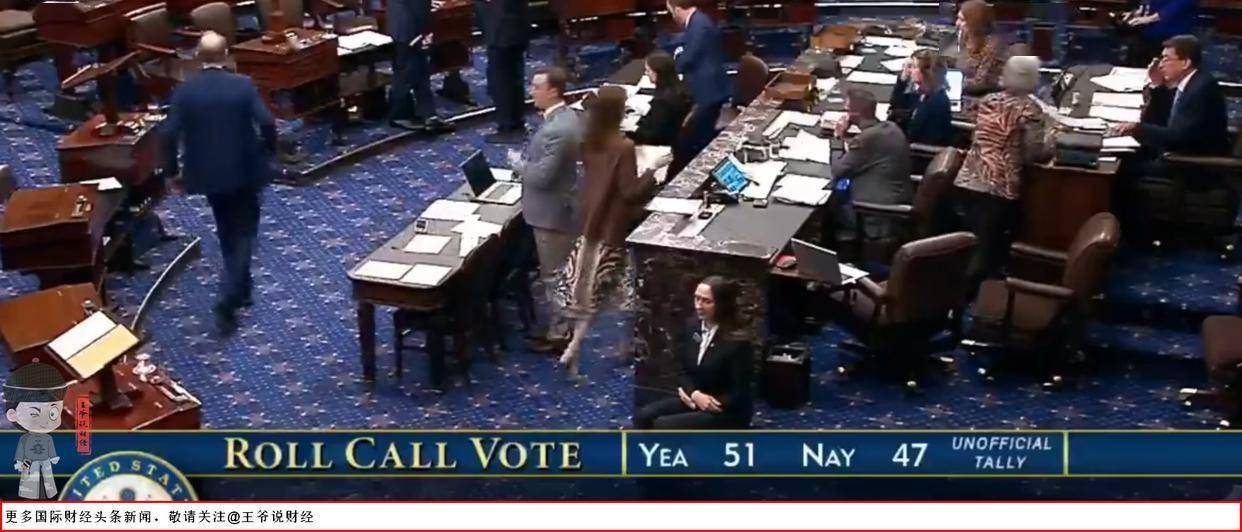
51票赞同、47票反对!美国参议院终止特朗普关税!中、美贸易要变天?
Sou Hu Cai Jing· 2025-10-31 11:40
Core Points - The article discusses the potential halt of the ongoing "tariff storm" that has been affecting wages, investments, and the cost of imported goods in the U.S. [1] - It highlights the implications of Trump's "reciprocal tariffs" policy, which imposes tariffs ranging from 10% to 50% on countries perceived to have trade imbalances with the U.S. [3] Group 1: Economic Impact - The tariffs cover a wide range of products, including automobiles, computers, clothing, and agricultural products, with specific examples like a 4% tariff on laptops [5] - The U.S. GDP shrank by 0.2% in the first quarter, marking the first decline in three years, indicating the economic strain caused by the tariffs [5] - American households are reportedly spending an additional $3,800 annually due to these tariffs, with clothing prices rising by 17% and new car prices increasing by $2,000 to $15,000 [6] Group 2: Business Sentiment - U.S. small businesses are expressing frustration over the uncertainty caused by tariffs, which complicates budgeting and order signing, leading to squeezed profit margins due to rising import costs [7] - The legality of Trump's tariff policy has been challenged, with the U.S. International Trade Court ruling that the president lacks the authority to impose such tariffs unilaterally [8] Group 3: Industry Opportunities - Chinese export companies, particularly in the Pearl River Delta, stand to benefit from potential tariff cancellations, as they can lower costs for low-end products and enhance competitiveness for high-end products [10] - U.S. consumers may see a decrease in prices for imported goods such as home appliances, clothing, and electronics, effectively reducing household expenses [11] Group 4: Legislative Challenges - The recent Senate vote, which passed with a narrow margin of 51:47, indicates significant division, with the outcome relying on a few Republican senators switching sides [6] - The next steps involve a House vote, which may face delays due to previous Republican opposition to similar bills, and a potential presidential veto that would require a two-thirds majority in Congress to override [13][14] - The article suggests that while there may be short-term tariff reductions for certain countries like Canada and Brazil, a comprehensive repeal of tariffs remains uncertain [14]
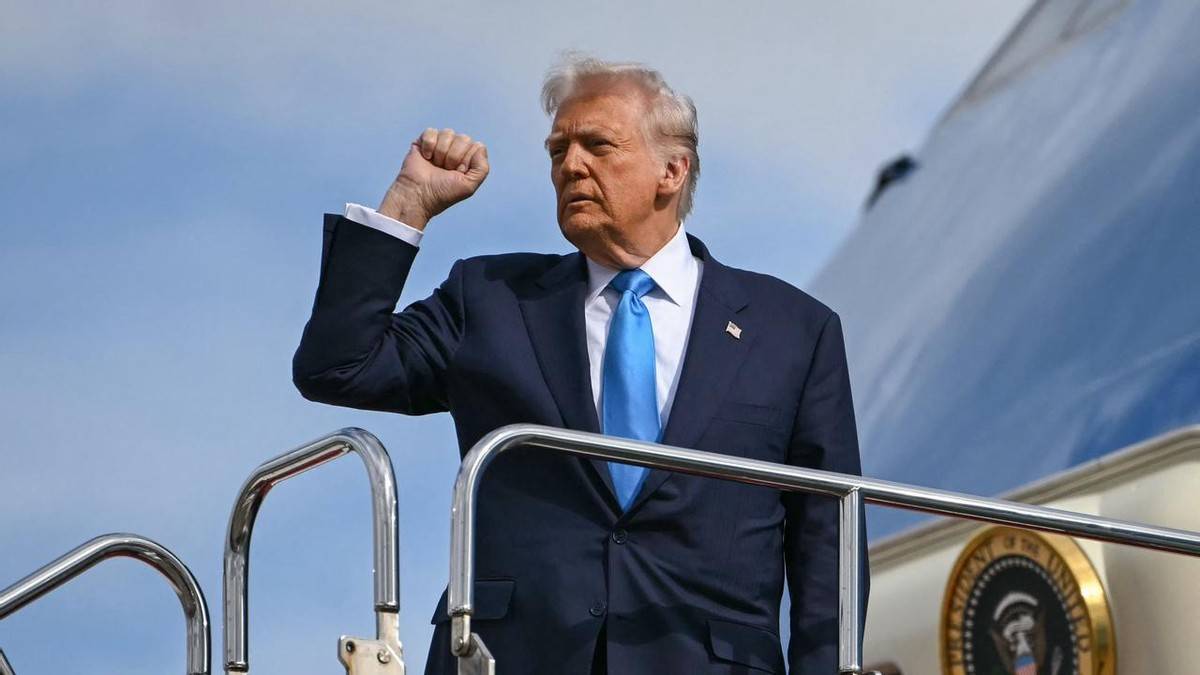
时隔6年,特朗普与中方元首在韩国首次会面,会谈的结果他非常满意,特朗普喜出望外
Sou Hu Cai Jing· 2025-10-30 13:06
Group 1 - The meeting between the US and Chinese leaders is a significant moment for both countries, marking a reassessment of their relationship after tense trade negotiations [1][3] - Trump displayed an unexpectedly warm demeanor during the meeting, contrasting with his previous hardline stance towards China, which signals a potential shift in US-China relations [1][3] - The outcome of the closed-door meeting included a reduction of US tariffs on China from 57% to 47%, indicating a degree of consensus on issues like rare earths and chips [3] Group 2 - The meeting is referred to as a "G2 summit," highlighting the growing recognition of the core role of US-China relations in the global order [5] - Analysts suggest that while uncertainties remain in US-China relations, the summit indicates a move towards a more rational approach to cooperation and competition [5][8] - Despite the positive public display, underlying tensions regarding Taiwan, the South China Sea, and human rights issues persist, posing challenges for future cooperation [7][8]
贸易战“打疼了”自己!美国关税政策已陷入战略困局
Jin Tou Wang· 2025-10-30 07:12
Group 1 - A recent survey indicates that over half of Americans believe the U.S. should cooperate and engage with China, a significant increase from 40% in 2024, marking the first time since 2019 that a majority favors a "friendly" policy towards China [1] - The survey results also show that most Americans oppose increasing tariffs on Chinese imports, reflecting a strategic dilemma in U.S. tariff policy, as the ongoing trade war has resulted in substantial costs for the U.S. despite the previous administration's firm stance on tariffs [1] - Since the return of the Trump administration in January, U.S.-China trade relations have experienced a cycle of collapse, partial recovery, and sharp deterioration across various sectors, leading to unprecedented economic backlash in the U.S. [1] Group 2 - In the solar industry, the U.S. imposed tariffs as high as 250% on Chinese solar panels to protect domestic companies, but this has not resulted in growth for local firms and has instead delayed installation progress by several years [2] - The impact of these tariff policies has contributed to rising inflation in the U.S. and weakened corporate competitiveness, as evidenced by a drop in the consumer confidence index to a six-month low in October [2] - As the survey results are released, a meeting between the U.S. and China is scheduled to take place during the APEC conference in South Korea, suggesting a potential shift towards cooperation amid ongoing inflation and employment market fluctuations in the U.S. [2]
申洲国际20251029
2025-10-30 01:56
Summary of Conference Call on Shenzhou International Industry Overview - The textile industry in China is facing increased competition, with leading companies gaining market share due to globalization, quick response capabilities, and vertical integration advantages. [2][4] - The restructuring of the global textile supply chain has seen ASEAN replace China as the largest source of imports for the U.S., particularly in footwear manufacturing, while South Asia has taken over apparel manufacturing. [2][4] - China's reliance on textile imports from ASEAN is increasing, despite maintaining a competitive edge in upstream fiber and fabric production. [2][4] Key Points on Trade War Impact - The trade war has had a two-phase impact on the textile manufacturing sector, with the first phase (2018-2020) leading to a significant drop in U.S. imports from China by approximately 30%, reducing dependency from 40% to 27%. [3][5] - The second phase of the trade war (Trump 2.0) has seen a more aggressive approach with tariffs exceeding 40%, affecting the supply chain dynamics and leading brands to adjust their order patterns. [5][6] - Shenzhou International has been less affected by the trade war, with only 16% of its orders coming from the U.S., allowing it to maintain a strong performance outlook. [3][13] Financial Performance and Market Outlook - The current inventory turnover ratio in the U.S. is at a historical low, indicating a cautious demand outlook, but a clear replenishment trend is expected in 2026, albeit at a subdued pace. [7][10] - Leading manufacturers are expected to benefit from the trade war, with a focus on low-volatility dividend stocks, such as Yuyuan Group and Shenzhou International, which have attractive valuations and dividend yields. [7][10] - Shenzhou International is recommended for long-term value investment due to its high visibility in earnings, reasonable valuation (PE around 13 times), and a dividend yield of less than 6%. [7][13] Brand Strategies and Market Dynamics - Brands are responding to rising tariff costs by either increasing prices or sharing costs with manufacturers, with many expected to complete price adjustments by late 2025 or early 2026. [8][9] - Different brands are experiencing varied performance: Nike is in a destocking phase, Adidas is seeing strong wholesale orders, and Uniqlo is expanding in Western markets. [11][12] Competitive Landscape - Leading manufacturers are maintaining their competitive edge through high-quality production capabilities and quick response times, while smaller firms are struggling. [12] - The focus on overseas production in Southeast Asia is increasing, with a shift in orders from China to these regions, enhancing the performance outlook for leading manufacturers. [12] Conclusion - Shenzhou International is positioned well for future growth, with a strong competitive advantage in vertical integration and a favorable market outlook despite the challenges posed by the trade war. [13][14]

特朗普扛不住了?美国豆农迎来“救命单”!中国一出手就是18万吨
Sou Hu Cai Jing· 2025-10-29 22:06
Core Viewpoint - The recent order of 180,000 tons of U.S. soybeans by China highlights the ongoing trade dynamics between the two countries, prompting the Trump administration to consider lowering tariffs on Chinese products in response to the needs of American farmers [1][9]. Group 1: U.S. Agricultural Sector Challenges - U.S. farmers are facing significant challenges with a surplus of soybeans due to reduced purchases from China, which has been the largest buyer [3][8]. - The U.S. Department of Agriculture reported a sharp decline in soybean exports to China in Q3 2023, exacerbated by the trade tensions [3]. - Farmers are pressuring the White House to engage more effectively with China to alleviate their financial burdens [6]. Group 2: Trade Policy Adjustments - Following the soybean order, Trump indicated a potential reduction in the 20% tariff on Chinese fentanyl products, reflecting a reactive trade policy [9]. - Analysts suggest that Trump's decision is influenced by commitments made during recent trade talks, domestic inflation concerns, and the need to secure votes from agricultural states ahead of the 2024 elections [11]. Group 3: China's Strategic Positioning - China's soybean procurement is driven by market logic, as U.S. soybean prices have become more competitive compared to Brazilian soybeans due to inventory pressures [14]. - The strategy of diversifying soybean sources has allowed China to maintain leverage in trade negotiations [16]. - Over the past decade, China has developed a diversified soybean supply chain, with imports from Brazil rising to 65% in the first three quarters of 2023 [18]. Group 4: Global Trade Dynamics - The recent developments in soybean trade signal a shift in global agricultural trade from a U.S.-dominated model to a more diversified approach [21][23]. - The trade war has prompted China to explore multiple sourcing options, leading to Brazil becoming the largest soybean exporter globally [21]. - The transition towards a multi-polar trade system is reshaping international trade rules, with China actively building a global supply network [23]. Conclusion - The 180,000-ton soybean order serves as a reflection of the shifting balance of power between China and the U.S., with China gaining strategic advantages through long-term planning while the U.S. faces short-term political pressures [25].
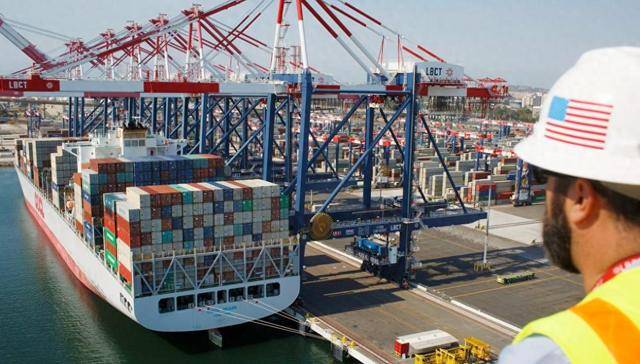
千万吨大豆烂在仓库!美国农民怒斥特朗普:我们的生计不是关税筹码
Sou Hu Cai Jing· 2025-10-29 19:45
Core Insights - The article highlights the drastic decline in U.S. soybean exports to China, which have dropped from 34.4% pre-trade war to 19.5% in 2025, with new season orders reaching zero [3][5] - The shift in China's sourcing strategy towards Brazil and Argentina has significantly impacted U.S. farmers, leading to substantial financial losses [5][7] - The structural weaknesses in U.S. agriculture, including over-reliance on a single market and inconsistent policy responses, are underscored as critical issues [7][9] Group 1: Export Dynamics - U.S. soybean exports to China have plummeted, with last year's orders at 13 million tons compared to zero this year [1][3] - The U.S. share of soybean exports to China has decreased dramatically, with Brazil now capturing 73.9% of the market due to lower prices [3][5] Group 2: Market Response - China has diversified its soybean imports, with 85% of its imports in August 2025 coming from Brazil, while Argentina has eliminated export taxes to boost sales [5][7] - U.S. farmers are facing significant financial strain, with losses reported at $64 per acre, leading to collective petitions to the government for support [5][7] Group 3: Policy and Structural Issues - The article discusses the failure of U.S. agricultural policy to adapt to changing market conditions, with subsidies being insufficient to restore lost market trust [7][9] - The political narrative surrounding agriculture is contrasted with market realities, raising questions about the future strategy for U.S. farmers [9]