车路云一体化

Search documents
海南高速(000886) - 000886海南高速投资者关系管理信息
2025-05-14 06:56
Group 1: Company Strategy and Development - The company aims to focus on the "big transportation" industry system and enhance its core business while developing new productive forces [3][4] - The "Car-Road-Cloud Integration" project is a key initiative, with ongoing efforts to explore commercialization and application [2][4] - The company plans to strengthen collaboration with its controlling shareholder, Hainan Transportation Investment Holding Co., to build a modern comprehensive transportation system [2][4] Group 2: Financial Performance and Growth - The company anticipates a cumulative investment of over 220 billion yuan in transportation infrastructure in Hainan by 2025, as outlined in the "14th Five-Year" comprehensive transportation plan [2] - The company is focused on improving the quality of its listed entity and enhancing value for investors through high-quality development and effective market management [4][5] - The company is exploring new revenue streams through real estate sales and cultural tourism business development [2][4] Group 3: Project Updates and Future Plans - The Lingshui Undersea Intelligent Computing Center is operational and is a significant investment for the company's digital transformation [4] - The Qionghai Jialang Yaju project has a saleable area of 94,800 square meters, with sales commencing in February 2025 [4] - The company is investigating low-altitude economy projects and seeking strategic partnerships to explore "transportation + low-altitude" opportunities [4] Group 4: Investor Relations and Communication - The company is committed to timely information disclosure regarding shareholding changes and other significant developments [2] - The management expresses gratitude to long-term investors and emphasizes the importance of delivering substantial returns [5] - The company reassures investors about its ongoing efforts to enhance operational performance and create value [5]

金溢科技(002869) - 2025年5月13日金溢科技业绩说明会、路演活动信息
2025-05-13 15:52
Group 1: Industry Outlook - The smart transportation industry is experiencing strong growth driven by national policies, technological advancements, and market demand [2] - The integration of ETC and C-V2X technologies is accelerating the development of smart transportation [2] - The digital transformation of traffic infrastructure supports the construction of a strong transportation nation [2] Group 2: Company Performance - In 2024, the company achieved a revenue of 7,875.48 million yuan, a year-on-year increase of 16.39% [3] - The net profit attributable to shareholders reached 5.96 million yuan, reflecting a year-on-year growth of 59.69% [3] - The company’s first-quarter net profit in 2025 declined due to increased R&D expenses and reduced financial income from changes in monetary policy [4] Group 3: Strategic Initiatives - The company aims to leverage its dual capabilities in "transportation + IT" to enhance its service offerings in various sectors, including vehicle-road-cloud integration and digital energy [5] - The focus will be on deepening domestic market engagement while actively exploring international opportunities for growth [5] - The company plans to build an efficient and flexible market operation system to improve response speed and service quality [5] Group 4: Management and Compensation - The compensation for directors and senior management is structured around a base salary, performance salary, bonuses, and long-term incentives [6] - The company follows a market-oriented principle in its compensation strategy, aiming to enhance talent competitiveness [7]
汉鑫科技(837092) - 投资者关系活动记录表
2025-05-12 12:20
Group 1: Investor Relations Activities - The company held an earnings briefing on May 9, 2025, via an online platform, with key personnel including the Chairman and General Manager Liu Weny, and other executives participating [3][4]. Group 2: Business Operations and Strategies - The company has developed a comprehensive product matrix in the intelligent driving sector, including cloud control platforms and autonomous driving algorithms, targeting various sectors such as urban management and transportation [4]. - In 2024, the company registered its "Hankun" brand and established its first terminal pilot production lab, marking a significant step in its hardware integration strategy [5]. - The company has signed contracts with Huawei for collaboration in areas such as AI solutions and smart transportation infrastructure, with ongoing projects valued at approximately 1.1 billion yuan [6][8]. Group 3: Financial Performance and Challenges - Accounts receivable increased by 23.99% year-on-year due to business expansion and delayed payments from government and state-owned clients, although no bad debts have occurred [7]. - The intelligent driving sector is experiencing order fluctuations, with a focus on expanding applications in areas like autonomous parking and unmanned logistics [8]. - The intelligent manufacturing sector has seen revenue growth driven by AI and industrial vision products, with ongoing market deployment [9]. Group 4: Research and Development - In 2024, the company increased R&D investment to approximately 19.17 million yuan, a 6.93% year-on-year increase, with R&D expenses now accounting for a higher percentage of revenue [11]. - The company completed its initial fundraising projects, establishing an AI research center and achieving significant technological advancements [12]. Group 5: Future Outlook and Strategic Planning - For 2025, the company aims to expand its market presence beyond Yantai, focusing on AI technology and a comprehensive service model to enhance competitiveness [10][15]. - The company plans to increase R&D efforts in large model development, industrial intelligence, and autonomous driving applications, aiming for breakthroughs in core technologies and products [16].
【快讯】每日快讯(2025年5月8日)
乘联分会· 2025-05-08 08:37
Domestic News - The People's Bank of China announced a reduction in the reserve requirement ratio for financial institutions by 0.5 percentage points starting May 15, 2025, and a 5 percentage point reduction for auto finance and leasing companies [2] - Guangdong Province encourages Guangzhou and Shenzhen to further relax vehicle purchase restrictions, including issuing more purchase quotas and allowing direct applications for regular vehicle quotas for individuals who have been unsuccessful in obtaining them [3] - Guangdong's plan to expand automotive consumption scenarios includes support for local standards for vehicle modifications, promoting international automotive events, and enhancing the second-hand car market through transparency measures [4] - Geely announced plans to acquire all issued shares of Zeekr, aiming for a complete merger to enhance resource integration and operational efficiency [5] - The Tank 400 model from Great Wall Motors offers a limited-time purchase incentive of up to 32,000 yuan, including various subsidies [7] - Lantu's Dreamer model has fully rolled out the Huawei QianKun intelligent driving system, enhancing safety and convenience features [8] - Li Auto has launched 119 new supercharging stations in one week, bringing the total to over 2,200 stations nationwide, with plans for extensive coverage of national highways and major urban areas [9] - A new automotive industry development company with a registered capital of 5 billion yuan has been established in Shenyang, focusing on automotive parts and new energy vehicle production [10] International News - The European Parliament approved relaxed carbon emission rules for car manufacturers, allowing more time for compliance and reducing potential fines [11] - New car sales in the UK fell by 10.4% year-on-year in April 2025, marking the sixth decline in seven months, although electric vehicle sales increased by 8.1% [12] - Mercedes-Benz has partnered with Luminar to develop next-generation lidar sensors, marking a shift from purchasing existing products to collaborative development [13] - Mitsubishi Motors has signed a memorandum of understanding with Foxconn to develop an electric vehicle for the Australian and New Zealand markets, expected to launch in the second half of 2026 [14] Commercial Vehicles - CATL's Tianxing series batteries have become the first commercial power batteries to pass the new national standard for electric vehicle batteries in China [15] - The Remote Super VAN was showcased at the Birmingham Commercial Vehicle Show, marking its entry into the UK market and attracting significant media attention [16] - Dongfeng Liuzhou, West Science City Intelligent Connected Vehicle Innovation Center, and Zhiyu Weike signed a strategic cooperation agreement to collaborate on the development of new energy intelligent connected commercial vehicles [17] - A differentiated periodic emission inspection system for trucks will be trialed, allowing certain vehicles to bypass inspections if they meet remote monitoring requirements [19]





论大势 理细节 辨风向——2025上海车展的汽车供应链面面观
Zhong Guo Qi Che Bao Wang· 2025-05-08 02:45
Group 1: Industry Trends - The 2025 Shanghai Auto Show showcased a significant increase in the exhibition area for automotive technology and supply chain, expanding from 30,000 square meters two years ago to approximately 100,000 square meters, accounting for one-third of the entire exhibition [2] - Chinese automotive supply chain companies are increasingly confident in showcasing their technological research and product applications, reflecting a shift in the industry landscape [2] - The successful hosting of the Shanghai Auto Show indicates that the trend of Chinese automotive companies "going global" remains strong despite global trade tensions and tariff issues [2][3] Group 2: Global Expansion and Support - Bosch, as the world's largest automotive parts supplier, supports Chinese automotive companies in their global expansion efforts, emphasizing the importance of collaboration despite international uncertainties [3] - Faurecia's CEO highlighted their capability to assist Chinese automakers in entering new markets, particularly in South America, by leveraging their local market knowledge and production capabilities [4] - The focus on "going global" was a recurring theme among executives of domestic brands at the Shanghai Auto Show, indicating a strong intent to expand internationally [3] Group 3: AI Integration in Automotive - The integration of artificial intelligence (AI) across the automotive supply chain was prominently featured, with Bosch announcing advancements in AI-assisted driving technologies [5] - Nullmax showcased its self-developed MaxDrive solution, which adapts to various vehicle models and market needs, demonstrating the flexibility of AI technologies in automotive applications [5] - Multiple companies, including Bosch and Huayang Group, introduced AI-driven cockpit solutions aimed at enhancing user experience and personalization in vehicles [6][7] Group 4: Safety and Connectivity - The Ministry of Industry and Information Technology emphasized the importance of safety in the development of intelligent connected vehicles, leading to a renewed focus on vehicle connectivity solutions [8][10] - Companies like ZTE are developing advanced communication chips and solutions that enhance vehicle safety and connectivity, ensuring compliance with high safety standards [10][14] - The concept of "vehicle-road-cloud integration" was highlighted as essential for the future of intelligent driving, moving beyond single-vehicle intelligence [10] Group 5: Technological Innovations - The introduction of lightweight materials, such as HRC's "super carbon cabin," demonstrates significant advancements in vehicle design, achieving a 30% weight reduction compared to traditional materials [11] - Faurecia's iConF electronic fuse product simplifies wiring and enhances vehicle safety through predictive maintenance and active energy management [11] - The trend towards domestic chip development was evident, with companies like Black Sesame and ZTE showcasing new chip platforms designed for various levels of autonomous driving [13][14]

车企集体“改口”,智能驾驶“降级”背后,行业面临新变局?
3 6 Ke· 2025-05-06 10:58
Core Viewpoint - The Chinese new energy vehicle market is undergoing a silent transformation, with a shift from "smart driving" to "assisted driving" among various car manufacturers, reflecting pressures from tightening regulations, ambiguous responsibility definitions, and intensified market competition [1][2][9] Policy Changes - Regulatory bodies such as the Ministry of Industry and Information Technology and the Ministry of Public Security have mandated the use of "assisted driving" terminology instead of "automatic driving" or "high-level smart driving," leading to a comprehensive shift in marketing language among car manufacturers [2][3] - During the 2025 May Day holiday, most new energy vehicle brands, including Li Auto, Xiaomi, NIO, and Xpeng, have noticeably changed their promotional language, with Xiaomi updating its SU7 vehicle's terminology from "smart driving" to "assisted driving" [2][3] Marketing Strategy Shift - Car manufacturers are now focusing their marketing efforts on traditional features such as space and battery life, rather than emphasizing smart driving capabilities unless specifically inquired by customers [2][3] - NIO has clarified the functional positioning of its models, with the ET5 offering urban NOA capabilities while the newly launched Firefly model focuses on commuting and family use without highlighting smart driving features [2][3] Responsibility Mechanism Innovation - Xpeng has adopted a more restrained approach in promoting its navigation assistance features, encouraging users to remain attentive and consider additional services like "smart driving insurance" to mitigate legal risks associated with safety incidents [3] - The industry's cautious stance aims to clarify user responsibilities and avoid disputes arising from over-promising capabilities [3] Market Competition Trends - The competition in the new energy vehicle market is evolving, with three main trends: accelerated technological parity, differentiated user experiences, and data-driven iterations [4][5] - Major manufacturers are enhancing their smart driving systems, with BYD announcing the integration of its "Tianshen Eye" system across all models, and Changan and Geely also unveiling ambitious smart driving plans [4][5] User Experience and Pricing - High-level smart driving technology is expected to penetrate the mainstream price range of 100,000 to 200,000 yuan, with predictions indicating that by the end of 2025, the penetration rate of passenger car NOA will reach 20%, nearly doubling from the previous year [5][6] - The focus on user experience is diversifying, with companies like Xpeng and Huawei enhancing their offerings through improved functionality and scene applicability [5] Industry Restructuring - The industry is witnessing a restructuring phase, with only a few new players like Li Auto and Leap Motor achieving profitability, while others face significant losses [7] - The consensus is that achieving annual sales of 400,000 units is crucial for reaching the breakeven point, prompting brands like Xpeng and Xiaomi to balance scale and cost [7] Ecosystem Development - Leading companies are building competitive advantages through ecosystem strategies, including cross-industry technology applications and infrastructure collaboration [8] - Significant investments are being made in projects like the vehicle-road-cloud integration initiative, with major cities like Beijing and Wuhan investing over 10 billion yuan to enhance smart vehicle capabilities [8] Conclusion - The shift from "smart driving" to "assisted driving" represents both a regulatory-driven adjustment and a proactive move towards practical user experiences, indicating a potential pathway for the Chinese smart automotive industry to achieve high-quality development [9]



何以智驾
He Nan Ri Bao· 2025-05-04 23:21
Core Viewpoint - The development of intelligent driving technology in China is rapidly advancing, with significant breakthroughs and increasing affordability, but safety concerns and misconceptions about the technology persist [6][7][19]. Group 1: Current State of Intelligent Driving - Intelligent driving has transitioned from science fiction to reality, with major automotive companies like BYD, Geely, and Chery launching significant intelligent driving initiatives [6]. - The current level of intelligent driving technology in China is primarily classified as L2, which is still considered "driver assistance" rather than full automation [9][10]. - Consumers are increasingly prioritizing vehicles with intelligent driving features, often confusing "assisted driving" with "autonomous driving" [9][10]. Group 2: Safety and Regulatory Concerns - A recent tragic accident involving an intelligent driving vehicle has raised questions about the pace of development in the industry and the safety of these technologies [7]. - The Chinese government has initiated pilot programs for intelligent connected vehicles, with Yutong being the only bus manufacturer included in the first batch of approved companies [11]. Group 3: Technological Advancements and Applications - Intelligent driving applications are expanding beyond personal vehicles to include commercial transportation, public services, and agricultural machinery, such as autonomous tractors [12][13]. - The integration of intelligent connected vehicles with advanced technologies like V2X (Vehicle-to-Everything) is crucial for enhancing safety and operational efficiency [10][14]. Group 4: Future Development and Challenges - The concept of "vehicle-road-cloud integration" is emerging as a key pathway for achieving higher levels of autonomous driving, with ongoing trials and infrastructure development in regions like Zhengzhou [16][18]. - The establishment of research centers focused on network resilience and safety for intelligent connected vehicles is underway, aiming to address potential cybersecurity risks [14][15].


齐向东:数据安全市场增速慢,大模型应用密集落地加速其爆发
Nan Fang Du Shi Bao· 2025-04-30 09:24
Group 1 - The year 2025 is anticipated to be a turning point for AI application, driven by large models, leading to new creativity across various industries [1] - Despite the increasing total data production, the growth rate of the data security market has not been ideal, with a predicted surge in demand as the risks associated with data loss become more pronounced [1][5] - The report from the National Data Resource Survey (2024) indicates that the annual data production in China will reach 41.06 zettabytes (ZB), a 25% year-on-year increase [5] Group 2 - "Small data security" is emerging as a core focus in the digital economy, where AI models can refine large datasets into high-value, concentrated "small data" [3] - The integration of large models into critical sectors like smart cities and industrial control systems poses significant risks, as unprotected models can lead to widespread operational failures [4] - Over-reliance on AI for decision-making can create a "butterfly effect," where errors in model outputs can have cascading consequences [4] Group 3 - The current state of the data security market is characterized by a lack of urgency in investment, as companies often only react to data breaches rather than proactively securing their data [5][6] - The shift towards high-density "small data" will necessitate increased investment in data security, as the consequences of data loss become more severe [5][6] - The network security industry is expected to see new growth opportunities due to the complexities introduced by AI and emerging business scenarios [6] Group 4 - The "vehicle-road-cloud integration" development path is recognized as a key infrastructure for the future, with significant market potential as government policies support investment in this area [7] - Ensuring data security compliance in this sector is crucial for maintaining traffic order and public safety [7]

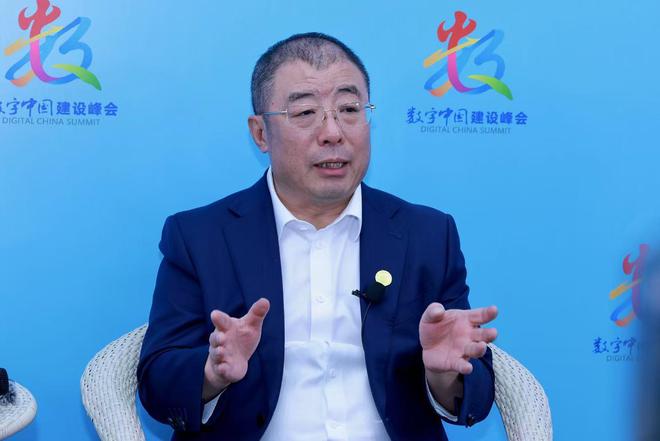
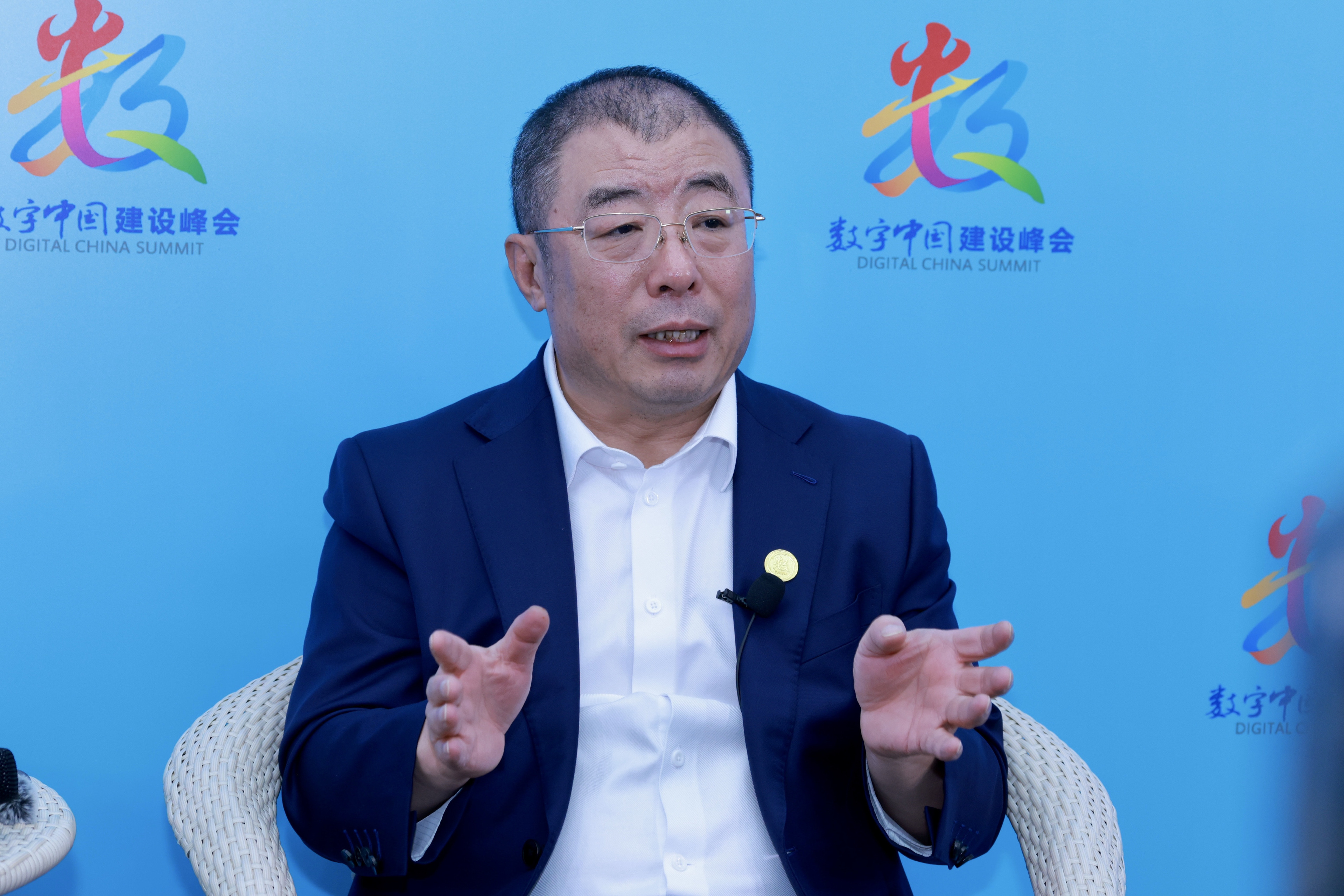
奇安信董事长齐向东:大模型应用密集落地,数据安全市场在多重挑战中静待“引爆”
Mei Ri Jing Ji Xin Wen· 2025-04-29 15:43
Core Viewpoint - The rapid application of artificial intelligence, particularly large models, in vertical fields presents new challenges and opportunities for data security, with the market expected to experience significant growth [1][6]. Group 1: Challenges in Data Security - The first challenge is the increased importance of "small data," which refers to the core assets accumulated by companies over time, making them vulnerable to theft or loss [2][5]. - The second challenge is that many large models are deployed without adequate security measures, leading to potential systemic risks where an attack could disrupt multiple interconnected systems [3][5]. - The third challenge is the over-reliance of users on AI for decision-making, which can lead to vulnerabilities if the models are manipulated or if incorrect information is introduced [5][7]. Group 2: Opportunities in Data Security Market - The data security market is predicted to "ignite" soon, with growth expected to outpace other industries due to the increasing density and value of data [6][7]. - The rise of "car-road-cloud integration" in the intelligent connected vehicle industry presents a significant market opportunity, with the potential for a trillion-dollar market as data security becomes crucial for safe operations [8]. - Companies are increasingly focusing on building data security "moats" through investments in data infrastructure, computing power platforms, and dynamic data management [1][7].
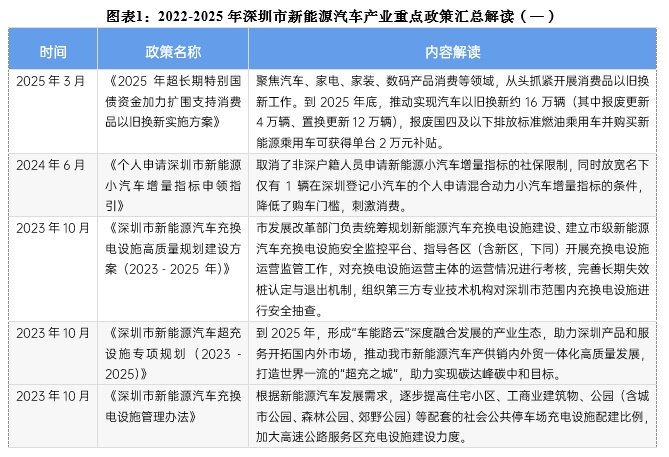
投资深圳 | 一文看懂深圳市新能源汽车产业发展现状与投资机会前瞻
Qian Zhan Wang· 2025-04-29 14:31
Core Insights - The development of new energy vehicles (NEVs) is a key engine for industrial innovation, international competition, and social transformation, driving high-quality economic growth and supporting carbon neutrality goals [1][2] - China's NEV exports have significantly increased, surpassing 2 million units for the first time, contributing to a total automotive export volume of 6.41 million units, showcasing China's leading position in the global new energy industry [1] - Shenzhen, as a model for NEV development, has established a comprehensive policy framework and a robust industrial ecosystem, positioning itself as a global leader in the NEV sector [1][2] Shenzhen's NEV Policy Environment - Shenzhen has developed a comprehensive policy system for the NEV industry, focusing on market expansion, infrastructure development, and ecological transition [1][2] - The policy evolution emphasizes strategic progression, system integration, and dual-driven development for sustainable urban growth [2] Key Policies Overview - Various policies have been implemented to stimulate NEV consumption, such as subsidies for scrapping old vehicles and easing application restrictions for new energy vehicle quotas [3][5] - The city aims to achieve a NEV ownership of 1.3 million vehicles by 2025, with a market penetration rate of 70% for new cars [5] NEV Industry Chain in Shenzhen - The NEV industry chain in Shenzhen features a comprehensive layout with strong regional collaboration, focusing on core components like batteries and electric control systems [8][9] - The industry includes over 1,000 enterprises in the battery, motor, and electronic sectors, with a complete lifecycle coverage from R&D to manufacturing and after-sales services [8] Industry Scale and Growth - Shenzhen's NEV production has surged from 300,000 units in 2021 to 2.9 million units in 2024, reflecting a nearly tenfold increase [12] - The city plans to produce over 2 million NEVs annually by 2025, with significant contributions from major manufacturers like BYD [12][16] Investment Opportunities - The NEV sector in Shenzhen is positioned as a global platform for green economic transformation, supported by a robust ecosystem of policies, technology, capital, and spatial resources [32][36] - Key investment areas include advanced battery technologies, vehicle-grade chips, and smart driving systems, with a focus on both technological innovation and practical applications [36][34] Financing Landscape - The financing landscape for Shenzhen's NEV industry is experiencing a structural shift, with significant capital investments directed towards core technologies and innovative applications [27][28] - Major financing activities are concentrated in regions like Guangming and Pingshan, where leading companies are driving technological advancements and capital accumulation [28]