品牌向上

Search documents
舍得酒业第二季度净利同比大增140% 沱牌特级T68逆势突围
Zheng Quan Shi Bao Wang· 2025-08-22 12:28
Core Viewpoint - The liquor industry is currently undergoing a deep adjustment period, facing multiple pressures due to unstable market demand. However, Shede Liquor has shown strong recovery and growth in its operations despite these challenges [1]. Group 1: Performance Overview - In the first half of 2025, Shede Liquor reported a revenue of 2.701 billion yuan, a year-on-year decrease of 17.41%, and a net profit of 443 million yuan, down 29.34% [2]. - Notably, in the second quarter, Shede Liquor achieved a net profit of 97.17 million yuan, a significant increase of 139.5% year-on-year, indicating a positive trend in performance recovery [2][3]. - The company's total assets reached 12.407 billion yuan, a 5.12% increase compared to the same period last year, and its net cash flow from operating activities turned positive, showing a year-on-year growth of 427.77% [3]. Group 2: Inventory and Strategy - Shede Liquor has effectively implemented inventory reduction strategies, nearing the end of its inventory clearance by the second quarter, which has helped stabilize its core products' prices [2]. - The company has focused on channel optimization and precise sales strategies, which have proven effective in navigating the industry downturn [3]. Group 3: Market Expansion - In the first half of 2025, Shede Liquor's e-commerce sales reached 336 million yuan, a year-on-year increase of 31.38%, reflecting strong growth in new sales channels [4]. - The company has successfully penetrated the mass liquor market, with its product "T68" achieving rapid growth and ranking among the top three in its category in key markets [4]. Group 4: Internationalization and New Products - Shede Liquor has expanded its international presence, reaching 40 countries and regions, further deepening its internationalization efforts [5]. - The company plans to launch a new low-alcohol product, "Shede Zizai," aimed at meeting consumer demand for lower alcohol content while maintaining rich flavors, which is expected to enhance its product portfolio and drive future growth [6].

品牌向上,被消费降级“撞了一下腰”
Sou Hu Cai Jing· 2025-08-20 06:47
Group 1 - The core viewpoint of the articles highlights the challenges faced by brands maintaining a mid-to-high-end positioning in the context of consumer downgrade and market reconfiguration [2][5][25] - Starbucks China is reportedly planning to sell part of its stake due to a significant decline in market share, dropping from 42% in 2017 to 14% [2] - The average per capita consumption in the restaurant industry is projected to decrease from 42.6 yuan in 2023 to 39.8 yuan in 2024, prompting many restaurants to introduce budget-friendly meal options [4] Group 2 - The automotive market is experiencing a stark contrast, with sales of vehicles priced below 100,000 yuan increasing by 51% year-on-year, while those above 300,000 yuan are facing negative growth [5][6] - Major luxury brands like Mercedes-Benz, BMW, and Audi have seen significant declines in sales, with Mercedes-Benz deliveries down 14% and BMW down 15.5% in the first half of 2025 [8] - New domestic brands are struggling to achieve significant sales volumes, with many high-end brands like Zeekr and NIO failing to consistently exceed monthly sales of 20,000 units [8][20] Group 3 - The market for high-end vehicles is becoming increasingly competitive, with more brands entering the space, leading to a dilution of market share previously dominated by a few [6][20] - NIO is under pressure to perform, with its upcoming ES8 model seen as critical for its survival, while Zeekr is refocusing on its core strengths after a tumultuous period [15][18] - Brands like Lantu and Avita are also facing challenges, with Lantu's sales hovering around 10,000 units per month and Avita's average price exceeding 270,000 yuan, contributing to difficulties in a declining high-end market [20][24] Group 4 - The overall high-end car market is shrinking, with the share of vehicles priced over 400,000 yuan dropping from 5.4% to 3.5% year-on-year [24] - Despite the challenges, there is potential for Chinese brands to establish themselves in the high-end market, as consumer perceptions of luxury are evolving [25][27] - Brands that can demonstrate strong technology and unique characteristics are likely to succeed, with Zeekr and NIO identified as having potential if they can navigate current market conditions [27]


小鹏汽车
数说新能源· 2025-08-14 03:49
Core Viewpoint - Xiaopeng Motors is experiencing a turnaround, primarily driven by the positive shift in the reputation of the P7 model, which was previously undervalued [1] Summary by Sections P7 Reputation Turnaround - The P7's reputation has improved due to subjective investor feedback and objective analysis of its design advantages [1] - The company's philosophy has shifted since last year from prioritizing technology to also emphasizing aesthetics [1] - The management's decision to maintain design integrity during a low point in 2023 reflects their leadership and industry influence [1] Pricing and Sales Expectations - The decision not to announce a pre-sale price is seen as correct, allowing discussions to focus on the product rather than pricing [1] - The entire lineup is expected to be priced below the standard version of the SU7, with potential pricing for the max version around 240,000 [1] - Despite positioning as a flagship brand, the strategy remains to provide consumers with substantial value and maintain reasonable profit margins [1] - The sales target of 8,000 units per month is considered overly ambitious; a more realistic target of 5,000 units with high customer satisfaction is preferred [1] - The goal is to enhance brand recognition and innovation perception, even among non-purchasers [1] Brand Positioning - The brand aims to balance technology and artistry, with innovation being the key path forward [1] - The brand's perception should be dynamic, focusing on product strength and design rather than fixed impressions [1] - The P7 is expected to elevate the brand's status, making future high-end models more acceptable to consumers [1] - The work of the design team led by Juanma is anticipated to support future product strength and creativity [1]

跃升:我国新能源汽车产业加速提质向新
Zhong Guo Jin Rong Xin Xi Wang· 2025-08-12 10:08
Core Viewpoint - The development of new energy vehicles (NEVs) is essential for China to transition from a major automotive country to a strong automotive nation, with significant advancements in technology and market presence since the 14th Five-Year Plan [1][2]. Industry Growth - By 2024, the number of NEVs in China is expected to reach 31.4 million, a more than fivefold increase from 4.92 million at the end of the 13th Five-Year Plan [2]. - NEVs have become the dominant force in China's automotive market, indicating a steady progression in the electrification transformation [2]. - In the first seven months of 2025, NEV production and sales exceeded 8.2 million units, with a market penetration rate rising to 45%, surpassing the target set in the New Energy Vehicle Industry Development Plan [2]. Systematic Breakthroughs - The NEV industry has achieved comprehensive breakthroughs across the entire value chain, focusing on pure electric vehicles, plug-in hybrid vehicles, and fuel cell vehicles [3]. - Key technological advancements include innovations in power batteries, management systems, and intelligent connectivity, enhancing the supply chain for critical components [3]. Innovation and Technology - Innovations such as lightweight composite materials and advanced battery technologies are improving energy density and safety in NEVs [4]. - The introduction of programmable cockpit technology allows users to customize their driving experience, reflecting a shift towards more intelligent vehicle systems [4]. - The 14th Five-Year Plan emphasizes the need for breakthroughs in high-safety power batteries and intelligent vehicle technologies [4]. Automation and Smart Manufacturing - The implementation of AI and automation in manufacturing processes has reached 100% in certain facilities, enhancing product quality and consistency [5]. - The integration of smart technologies across various stages of NEV production signifies a trend towards increased intelligence in the industry [5]. Strategic Industry Reforms - The establishment of new central enterprises in the automotive sector aims to optimize resource integration and enhance organizational efficiency [7]. - Recent government initiatives focus on fostering competitive and sustainable development within the NEV industry, including measures to regulate competition and support smaller enterprises [7]. Future Directions - The automotive industry is shifting from scale development to value creation, emphasizing the need for high-quality technological supply and original research [8]. - Strengthening innovation in areas such as chips and artificial intelligence is crucial for overcoming bottlenecks in high-quality development [8].

决胜“十四五” 打好收官战丨跃升:我国新能源汽车产业加速提质向新
Xin Hua Wang· 2025-08-12 09:42
Core Viewpoint - The development of the new energy vehicle (NEV) industry is essential for China to transition from a major automotive country to a strong automotive nation, with significant advancements in production scale, core technologies, and international competitiveness since the start of the 14th Five-Year Plan [1][2]. Industry Growth and Market Penetration - By 2024, the total number of NEVs in China is expected to reach 31.4 million, a more than fivefold increase from 4.92 million at the end of the 13th Five-Year Plan [2]. - NEVs have become the dominant force in China's automotive market, indicating a stable development phase in the electrification transition [2]. - In the first seven months of 2025, NEV production and sales exceeded 8.2 million units, with a market penetration rate rising to 45% [2]. Systematic Breakthroughs in the Industry - The NEV industry has achieved systematic breakthroughs across the entire value chain since the 14th Five-Year Plan, focusing on electric vehicles, plug-in hybrids, and fuel cell vehicles [3]. - Key components such as power batteries, drive motors, and intelligent technologies are being developed to enhance the supply chain [3]. Innovation and Technological Advancements - Innovations like lightweight composite covers and advanced battery technologies are addressing issues like range anxiety and safety [4]. - The introduction of programmable cockpit technology allows users to customize their driving experience, showcasing the shift towards intelligent and personalized vehicle features [4]. - The 14th Five-Year Plan emphasizes breakthroughs in high-safety batteries, efficient drive motors, and smart vehicle technologies [4]. Automation and Smart Manufacturing - The application of AI and automation in manufacturing processes, such as in the SaiLisi Super Factory, has achieved 100% automation in production stages [5]. - The integration of smart technologies in various stages of NEV development and production reflects the industry's shift towards intelligence and efficiency [5]. Brand Development and Industry Structure - The establishment of new central enterprises in the automotive sector aims to enhance resource integration and optimize organizational structures [6]. - Recent government initiatives focus on fostering competitive and sustainable development within the NEV industry, including measures to regulate competition and support smaller enterprises [6]. Future Directions and Challenges - The automotive industry is transitioning from scale development to value creation, emphasizing the need for high-quality technological supply and original research [7]. - Strengthening innovation in areas like chips and artificial intelligence is crucial for overcoming bottlenecks in high-quality development [7].
一颗黑糖话梅为何“瘦身”?老牌国民零食靠拼多多翻盘,单品ROI高达1:10!
Xin Jing Bao· 2025-08-08 03:44
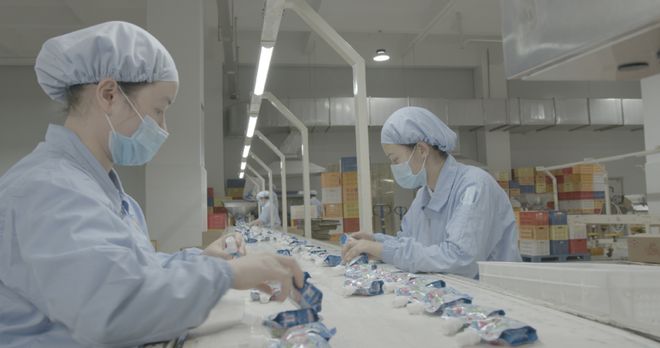
Core Viewpoint - The article discusses the transformation of traditional snack brands in Jinjiang, China, as they adapt to the rise of new e-commerce platforms like Pinduoduo, which has revitalized their brand presence and sales performance. Group 1: Historical Context - Jinjiang, a key city in the ancient Maritime Silk Road, has a rich cultural heritage that fostered a spirit of innovation and entrepreneurship among its people [1] - The snack industry in Fujian has a history of 30 to 40 years, with over 700 food companies in Jinjiang alone, producing well-known brands like Jincuan, Youchen, and Yake [3][4] - Many Jinjiang snack brands were slow to embrace e-commerce due to the success of traditional offline sales, leading to a delayed entry into the online market [3][4] Group 2: E-commerce Transformation - Traditional brands like Yake and Crayon Shin-chan faced challenges in transitioning to e-commerce, initially relying on third-party operators before deciding to build their own teams [5][6] - Pinduoduo has become a significant platform for these brands, offering better ROI compared to traditional e-commerce channels, with Yake achieving a store ROI of 1:10 on Pinduoduo [5][7] - Jinjiang brands are now focusing on younger consumer demographics, with Jincuan targeting the 18 to 25 age group on Pinduoduo, leading to significant sales growth [8][9] Group 3: Product Innovation and Consumer Engagement - Brands are rapidly iterating on products based on direct consumer feedback obtained through e-commerce platforms, significantly reducing the time to market for new products [9][11] - Jincuan has adapted its popular black sugar plums to meet consumer preferences, changing the product size and quantity while maintaining price points [9][10] - The collaboration with Pinduoduo's "small assistants" has enabled brands to better understand market trends and consumer preferences, leading to successful product launches [11][15] Group 4: Future Outlook - The article highlights the potential for domestic brands to rise in the snack industry, with Pinduoduo's support through initiatives like "100 Billion Subsidies" and "100 Billion Support" aimed at fostering brand growth [15][16] - There is a strong belief among industry leaders that the future of domestic snack brands is promising, with aspirations to elevate their status and compete on a global scale [15][16]

7月新势力洗牌:小米破3万,理想跌出前三
凤凰网财经· 2025-08-02 12:33
Core Viewpoint - The article discusses the shifting dynamics in the new energy vehicle (NEV) market, highlighting the competitive landscape among new players and traditional automakers, with a focus on sales performance and market strategies. Group 1: New Forces Sales Rankings - In July 2025, the top three new energy vehicle brands by sales were Leap Motor (50,129 units), AITO (40,753 units), and Xpeng (36,717 units), with Leap Motor achieving its first monthly sales exceeding 50,000 units [5][6][9] - The second tier of new forces includes Li Auto (30,731 units), Xiaomi (over 30,000 units), and NIO (21,017 units), with Li Auto dropping out of the top three for the first time this year [6][19] - The overall competition among new forces is intensifying, with significant fluctuations in sales figures and market positions [8][19] Group 2: Traditional Automakers and New Brands - Traditional automakers are increasingly entering the NEV market, with Deep Blue leading the charge by delivering 27,169 units in July, followed closely by Aion with 26,557 units [29][30] - The "10,000-unit club" includes brands like Zeekr (16,977 units) and BYD's Fangchengbao (14,180 units), indicating a growing presence of traditional brands in the NEV sector [31][33] - The article emphasizes the importance of leveraging parent company resources for new brands to thrive in a competitive market [33] Group 3: Market Trends and Challenges - The entry of Xiaomi's YU7 is expected to trigger a price war in the 20-35 million yuan range, prompting other manufacturers to reassess their pricing strategies [34] - The article highlights the critical need for companies to convert orders into actual deliveries, as production capacity constraints could lead to lost sales opportunities [34] - The ongoing competition will require brands to focus on product differentiation, brand positioning, and user experience to maintain market relevance [35][36]
创新、互信、共生:汽车行业提质发展新动向
Zhong Guo Chan Ye Jing Ji Xin Xi Wang· 2025-07-20 22:30
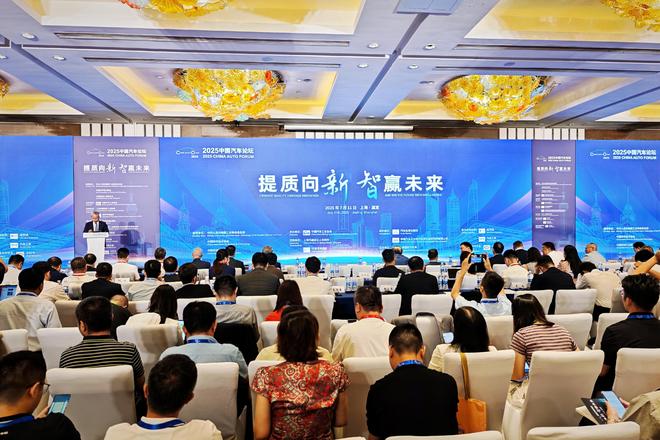
Core Insights - The Chinese automotive industry achieved a significant milestone in the first half of 2025, with both production and sales surpassing 15 million units, and new energy vehicle production and sales growing over 40% year-on-year [1] - The "2025 China Automotive Forum" highlighted the need for further strengthening the industry's development advantages and promoting sustainable growth [1] Group 1: Innovation and Technology - Artificial intelligence is identified as a key driver for the digital transformation of the automotive industry, with innovation being the core engine for shaping the future mobility ecosystem [2] - There is a fundamental shift in user demand with the rise of smart connected vehicles, emphasizing the importance of understanding and meeting emotional needs in automotive product development [2] - The focus on technological innovation includes lightweight materials, integrated die-casting, and modular manufacturing, promoting the application of smart technologies across all aspects of new energy vehicle development [2] Group 2: Industry Challenges and Strategies - The automotive industry's profit margins have been declining for nearly eight years, highlighting the urgency for maintaining healthy and sustainable development [3] - The industry faces a dilemma of "increasing volume without increasing profit," necessitating a shift from price-driven to value-driven market dynamics [3] - Collaboration and restructuring of the industry ecosystem are essential to avoid disorderly competition and enhance the overall health of the automotive sector [3][4] Group 3: Global Context and Cooperation - The rise of protectionism and unilateralism has led to trade disputes, making global supply chains more vulnerable [4] - New regulatory focuses such as artificial intelligence, carbon emissions, and data flow have increased the complexity of the industry development environment [4] - There is a collective call for deepening cooperation, promoting complementary advantages, and creating new industry value growth points to navigate these challenges [4]
新华鲜报|智赢未来!这个论坛解码汽车行业发展新动向
Xin Hua She· 2025-07-12 10:33
Core Insights - The Chinese automotive industry achieved a significant milestone in the first half of 2025, with both production and sales exceeding 15 million units for the first time, and new energy vehicle production and sales growing over 40% year-on-year [1] - The "2025 China Automotive Forum" held in Shanghai from July 10 to 12 highlighted key discussions on how to further solidify the industry's development advantages and promote sustainable growth [1] Group 1: Innovation and Technology - Artificial intelligence is identified as a key technology driving the digital transformation of the automotive industry, with innovation being the core engine for shaping the future mobility ecosystem [2] - The shift towards intelligent connected vehicles has fundamentally changed user demands, making it essential for automotive products to meet emotional needs and provide emotional value [2] - The focus on technological innovation includes lightweight materials, integrated die-casting, and modular manufacturing, promoting the application of intelligent technologies across all aspects of new energy vehicle development [2][3] Group 2: Industry Challenges and Strategies - The automotive industry's profit margins have been declining for nearly eight years, highlighting the urgency of maintaining a healthy and sustainable development environment [2] - The industry faces a critical moment with the need to transition from price-driven to value-driven competition, emphasizing the importance of value creation through technology, product quality, user experience, and brand culture [3] - The rise of protectionism and unilateralism has led to trade disputes, making global supply chains more vulnerable and increasing the complexity of the industry development environment [5][6] Group 3: Collaboration and Future Outlook - There is a strong call for deepening cooperation among industry players to address systemic challenges and foster a new type of competitive relationship [5] - The emphasis is on creating new technologies, products, and business models to cultivate new growth areas in the industry [5][6] - The belief in innovation and collaboration as keys to resilience and sustainable development in the automotive industry is reinforced, with a focus on shaping a new industrial model that balances efficiency and safety [6]
成立国内业务事业群,奇瑞称:不涉及品牌定位调整
第一财经· 2025-07-07 09:12
Core Viewpoint - Chery Automobile has established a new domestic business group for its brand, which includes four major divisions: Starway, Aihui, Windcloud, and QQ, aimed at enhancing strategic focus and resource integration [1] Group 1 - The new organizational structure integrates the high-end Starway brand into the domestic business group, reflecting a shift in focus towards premium offerings [1] - The four divisions are designated as follows: Starway for high-end products, Aihui for classic models, Windcloud for new energy vehicles, and QQ for small cars [1] - Chery's previous brand matrix included five concepts: luxury, value, wild, trend, and intelligence, corresponding to its various brands [1] Group 2 - The internal adjustment is stated to be a strategic move for better resource allocation and brand enhancement, without altering brand positioning [1] - Li Xueyong, the Executive Vice President of Chery, will also serve as the General Manager of the new domestic business group [1]