消费观念转变

Search documents
潜力大、变化快、要求高:从戴森入华十年看中国家电行业变革
Xin Hua Wang· 2025-08-12 05:47
Group 1 - The core viewpoint of the article highlights a shift in consumer behavior, where individuals are moving away from impulsive purchasing during promotional events to making more thoughtful decisions based on actual needs [2][3] - The home appliance industry reflects these changing consumer trends, indicating that companies must adapt to a more discerning customer base that values differentiated products over mere cost-effectiveness [2] - Dyson's Chief Technology Officer emphasizes that understanding and responding to evolving consumer demands is crucial for long-term market leadership and innovation within the industry [2][3] Group 2 - Companies in various sectors must continuously explore unrecognized consumer needs and maintain an innovative pace to thrive in China's dynamic market [3] - The article suggests that with the leadership of innovative companies like Dyson, the consumer market in China is expected to improve over time, facilitating the realization of better living standards for families [3]


年轻人抠门结婚,这个行业崩溃了
首席商业评论· 2025-08-11 03:23
Core Viewpoint - The decline of Bojue Travel Photography reflects not only the struggles of a single company but also the broader downturn in the travel photography industry, as consumer preferences shift towards lower-cost options and alternative forms of wedding celebrations [4][5]. Group 1: Company Overview - Bojue Travel Photography was once a leading brand in the travel photography sector, with a valuation exceeding 2.5 billion yuan and a global presence in 112 shooting destinations [4][5]. - The company has faced significant operational challenges, including customer service failures, unfulfilled orders, and employee wage disputes, leading to a loss of consumer trust [6][12][13]. Group 2: Market Dynamics - The travel photography industry has seen a rapid increase in competition, with over 6,341 related companies currently operating in China, and a notable rise in new registrations [19][20]. - The shift in consumer behavior, particularly among younger generations, has led to a decline in traditional wedding photography demand, with many opting for lower-cost alternatives or forgoing wedding photography altogether [27][29]. Group 3: Business Model Challenges - Bojue's business model, heavily reliant on prepayments and high operational costs, has proven unsustainable as order volumes decline [24][26]. - The company's strategy of opening numerous physical stores in popular destinations has resulted in high fixed costs, which are difficult to maintain in a shrinking market [24][26]. Group 4: Consumer Sentiment - The perception of wedding photography has evolved, with many consumers now viewing it as an optional expense rather than a necessity, reflecting broader societal changes regarding marriage and relationships [27][29]. - The rise of social media and independent photographers has democratized the photography space, allowing consumers to seek personalized and cost-effective options [30][36].

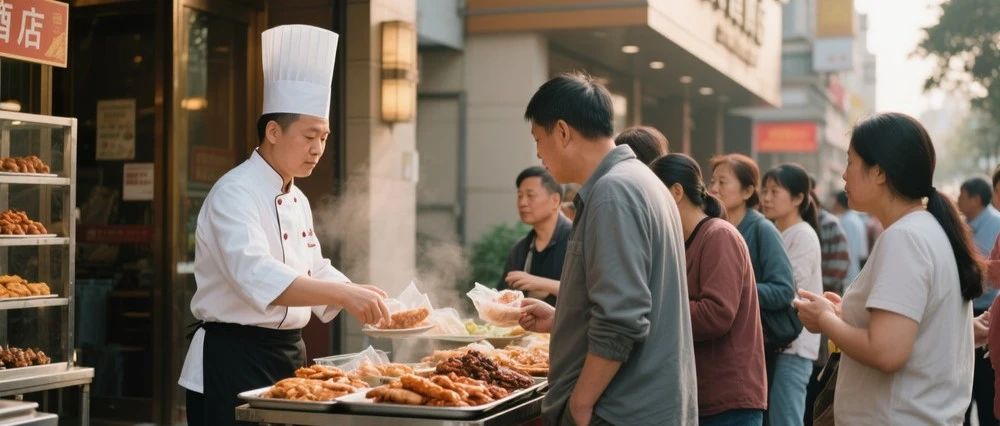
酒店摆摊的B面:夫妻店受影响,超市熟食区告急
虎嗅APP· 2025-08-07 13:29
Core Viewpoint - The high-end dining industry is undergoing a significant transformation as luxury hotels adopt street food-style offerings to adapt to changing consumer preferences and economic pressures [6][12][16]. Group 1: Hotel Street Food Movement - High-end hotels are breaking traditional norms by offering affordable food options, such as 0.5 yuan steamed buns and 10 yuan chef-made fried noodles, to attract local residents [6][8]. - This trend is not isolated; it is spreading across major cities in China, with various hotels providing low-cost, high-quality meals that leverage their brand reputation [8][9]. - Sales data indicates that some hotels are generating significant revenue from these initiatives, with reports of daily earnings exceeding 30,000 yuan [9]. Group 2: Survival Crisis in High-End Dining - The high-end dining sector is facing increasing pressure, with a reported 0.9% growth in restaurant revenue in June, significantly lagging behind the overall industry average [13][14]. - The decline in traditional revenue sources, such as business meetings and large banquets, has led to a substantial decrease in income for luxury hotels [14]. - The number of five-star hotels in China has decreased from 850 to 736 between 2020 and 2024, indicating a shrinking market [14]. Group 3: Consumer Behavior Changes - Consumers are becoming more pragmatic, favoring quality and reasonable prices over brand prestige, as evidenced by the decline in sales of previously high-priced items [15][16]. - The shift in consumer mindset has made high-end hotel offerings more appealing, as they provide a sense of safety and quality assurance at lower price points [16]. Group 4: Impact on Traditional Businesses - Local small businesses are experiencing a decline in sales due to competition from hotels entering the affordable food market, with reports of a 33% drop in revenue for some small shops [17][18]. - Supermarkets are also feeling the impact, with a 12% decrease in sales during peak hours as consumers are drawn to hotel food stalls [18]. - The entry of hotels into the affordable dining space is reshaping community consumption patterns, positioning them as new local dining hubs [19].
酒店摆摊的B面:夫妻店受影响,超市熟食区告急
Hu Xiu· 2025-08-06 23:31
Core Viewpoint - The high-end dining industry is undergoing a significant transformation, moving from a focus on exclusivity to a more accessible approach, driven by market pressures and changing consumer behavior [1][12][31]. Group 1: Industry Changes - High-end restaurants and hotels are adopting a more casual approach, offering affordable meals to attract local customers, such as 0.5 yuan buns and 10 yuan chef-made noodles [2][5]. - This shift reflects a broader trend across the country, with various hotels and restaurants lowering prices to meet consumer demand for value [4][10]. - The traditional high-end dining experience is being replaced by a focus on providing everyday meals, indicating a fundamental shift in business models within the industry [3][12]. Group 2: Market Pressures - The restaurant industry is facing increasing pressure, with June's dining revenue at 470.8 billion yuan, showing only a 0.9% growth, and a decline in revenue for high-end dining establishments [15][16]. - High-end hotels, which previously thrived on business events and large banquets, are now struggling as these segments shrink due to reduced corporate travel budgets and fewer wedding registrations [17][18]. - The introduction of strict regulations on public spending, such as the new anti-waste policies, has further impacted the high-end dining market [19]. Group 3: Consumer Behavior - Consumers are becoming more pragmatic, prioritizing quality and reasonable prices over brand prestige, leading to a decline in the willingness to pay premium prices for high-end dining experiences [21][22]. - The success of high-end hotels in offering affordable meals is attributed to their brand reputation for food safety and quality, which appeals to consumers seeking value [24][23]. Group 4: Competitive Landscape - The entry of high-end hotels into the affordable dining market is creating significant competition for local eateries, leading to a decline in their sales [27]. - Supermarkets are also feeling the impact, as hotel food stalls attract customers away from their prepared food sections, resulting in noticeable drops in sales [28][30]. - The shift in consumer habits towards dining at hotels may lead to broader implications for the retail and service sectors, affecting commercial real estate and rental income [30][32].
“缺钱时代”来了!社会正在悄悄出现这5大变化,你中招了吗?
Sou Hu Cai Jing· 2025-07-15 05:25
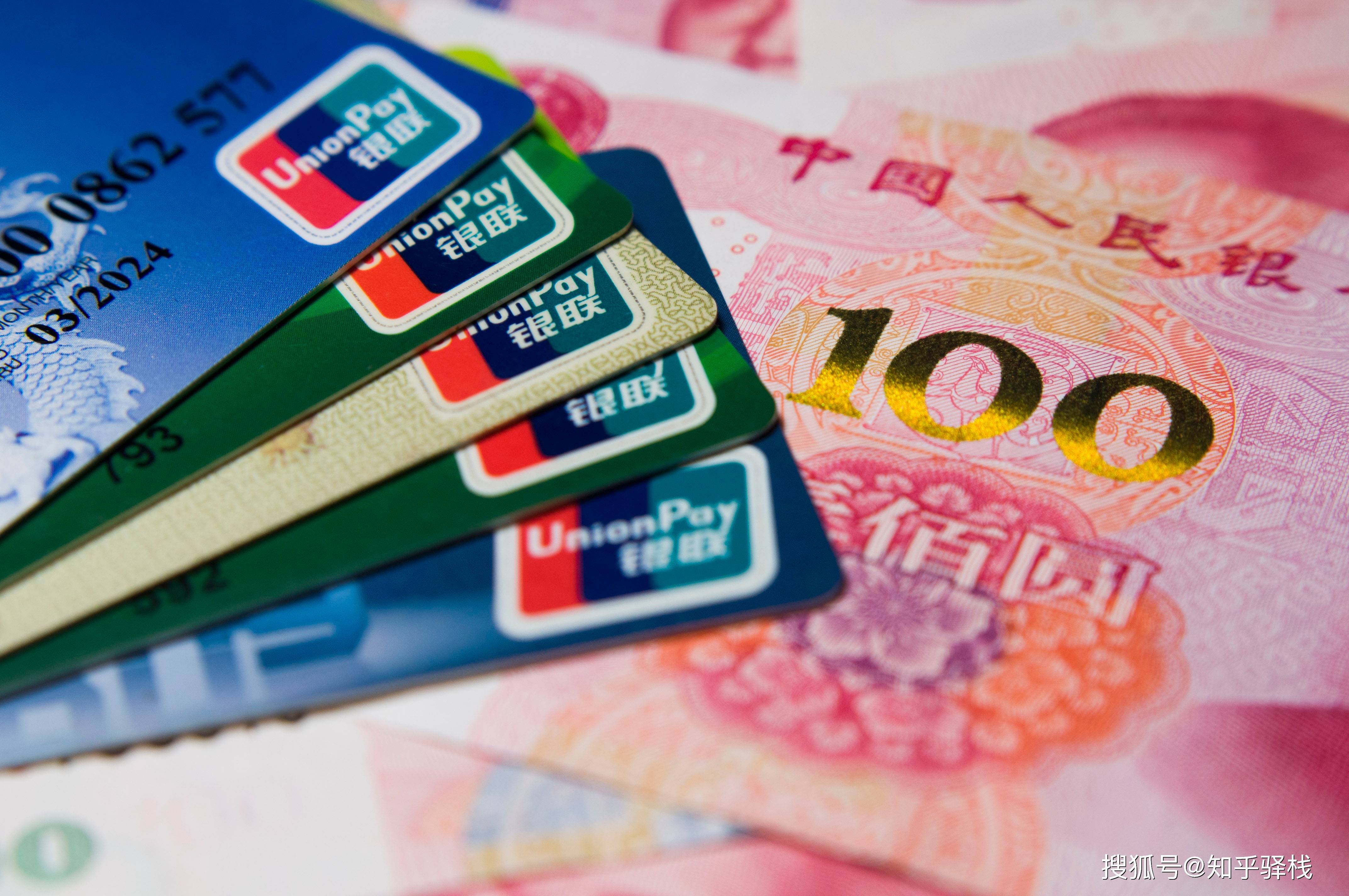
Core Insights - The article highlights a significant shift in consumer behavior due to economic pressures, leading to a focus on practicality and value rather than luxury and brand prestige [1][4][6] Group 1: Changes in Consumer Behavior - The cigarette market has experienced a major shift, with consumers moving from premium brands to more affordable options like Hongta Mountain and Baisha, reflecting a change in social and economic conditions [1][4] - There is a noticeable decline in foot traffic in physical stores, as consumers prefer online shopping for its lower prices and convenience, indicating a shift in shopping habits [4][6] - The demand for basic, affordable food items has surged, with consumers prioritizing quantity and value over premium organic products, showcasing a shift towards practicality in food choices [6] Group 2: Attitudes Towards Spending - Consumers are now more focused on the longevity and value of products, leading to extended replacement cycles for durable goods such as electronics and appliances, as they opt to use items until they are no longer functional [6][9] - The second-hand market has gained popularity, with consumers actively seeking out used goods across various categories, including luxury items, indicating a shift towards frugality and resourcefulness [9] - The overall consumer mindset has transitioned from impulsive buying to a more calculated approach, where the value of each purchase is critically assessed, reflecting a broader economic reality [9]
盲盒不能成食品安全盲点
Jing Ji Ri Bao· 2025-07-07 22:15
Core Viewpoint - The rise of near-expiry food blind boxes is becoming popular among young consumers, offering both economic and social benefits while raising concerns about food safety and regulatory standards [1][2]. Group 1: Economic and Social Benefits - Near-expiry food blind boxes help merchants reduce inventory waste and optimize cost structures [1]. - Consumers benefit from obtaining products at lower costs, reflecting a shift in consumption attitudes towards waste reduction and rational utilization [1]. - The phenomenon promotes green consumption and contributes to overall societal benefits by minimizing waste [1]. Group 2: Consumer Attraction - The appeal of blind boxes lies in the dual attraction of "unknown" and "value," where low prices and random combinations create excitement for consumers [1]. - The unique nature of food necessitates a focus on safety and health, rather than just the novelty of the product [1]. Group 3: Food Safety Concerns - Some merchants exploit the blind box concept to evade labeling obligations, leading to missing packaging information and unclear consumption guidelines [1]. - There are instances of expired food being repackaged and sold, which harms consumer rights and disrupts market order [1]. Group 4: Recommendations for Improvement - Merchants should enhance management in procurement, transportation, and preservation, ensuring clear labeling of production dates, shelf life, storage conditions, and consumption advice [2]. - Establishing sales data tracking and recall mechanisms is essential for identifying and addressing potential risks [2]. - Regulatory bodies need to improve supporting policies, increase inspection frequencies, and conduct special enforcement actions for high-risk products to ensure the healthy development of this new consumption model [2].
福州商场一楼“大换血” “四大金刚”挤走“老住户”
Sou Hu Cai Jing· 2025-06-27 15:12
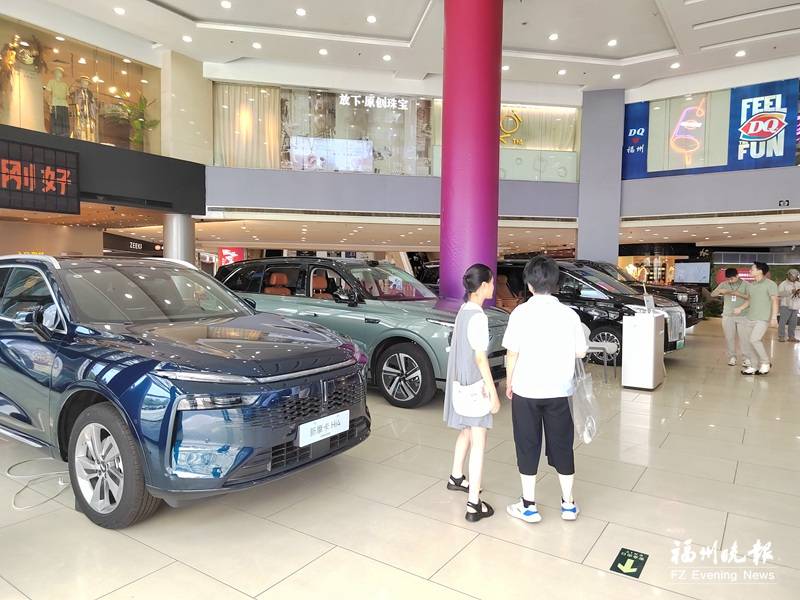
Core Insights - The layout of first floors in Fuzhou shopping malls has shifted from traditional cosmetics and jewelry stores to new categories such as trendy toys, electric vehicles, outdoor sports, and various tea brands, reflecting changes in consumer preferences and societal trends [1][4][16] Group 1: Electric Vehicles - Fuzhou shopping malls have transformed into showcases for electric vehicles, with brands like AITO, BYD, Xiaomi, NIO, Li Auto, Zeekr, and Xpeng occupying prime first-floor spaces [4] - The shift in consumer behavior has made purchasing cars in malls more common, with some customers deciding to test drive and buy vehicles after initially visiting for other purposes [4][5] - Traditional cosmetics brands are struggling with declining sales due to the rise of online shopping, leading to a shift in mall tenant composition towards electric vehicle brands [4][5] Group 2: Trendy Toys - The first floors of Fuzhou malls have become dominated by "二次元" (two-dimensional) trendy toy stores, attracting younger consumers and creating a vibrant shopping atmosphere [8][9] - Brands like Pop Mart are expanding rapidly, with a focus on prime locations despite high rental costs, as they aim to capture the attention of their target demographic [8][9] - The popularity of trendy toys has led to the establishment of dedicated areas in malls, such as the "二次元欢乐场" (Two-Dimensional Happy Land) in various shopping centers [9] Group 3: Tea Brands - New tea brands are increasingly targeting prime first-floor locations in malls, moving away from traditional food court placements [11][12] - Brands like Bawang Tea, Heytea, and Luckin Coffee are establishing a strong presence on the first floor, leveraging high foot traffic for marketing and brand visibility [12] - Bawang Tea reports that over 30% of its stores are located in shopping centers, with 80% of those on the first floor, highlighting the strategic importance of this space for brand positioning [12] Group 4: Sports Brands - The first floor of Fuzhou malls is seeing a rise in outdoor sports brands, with companies like FILA, Arc'teryx, and Lululemon establishing flagship stores in prime locations [15] - The increasing interest in outdoor and sports apparel among young consumers is driving the growth of these brands in shopping malls [15] - The trend reflects a broader shift in consumer behavior towards practical and stylish products, moving away from traditional luxury items [15][16]
存款超过这个数,证明你已经超越98%的人,赶快偷着乐吧!
Sou Hu Cai Jing· 2025-06-23 06:04
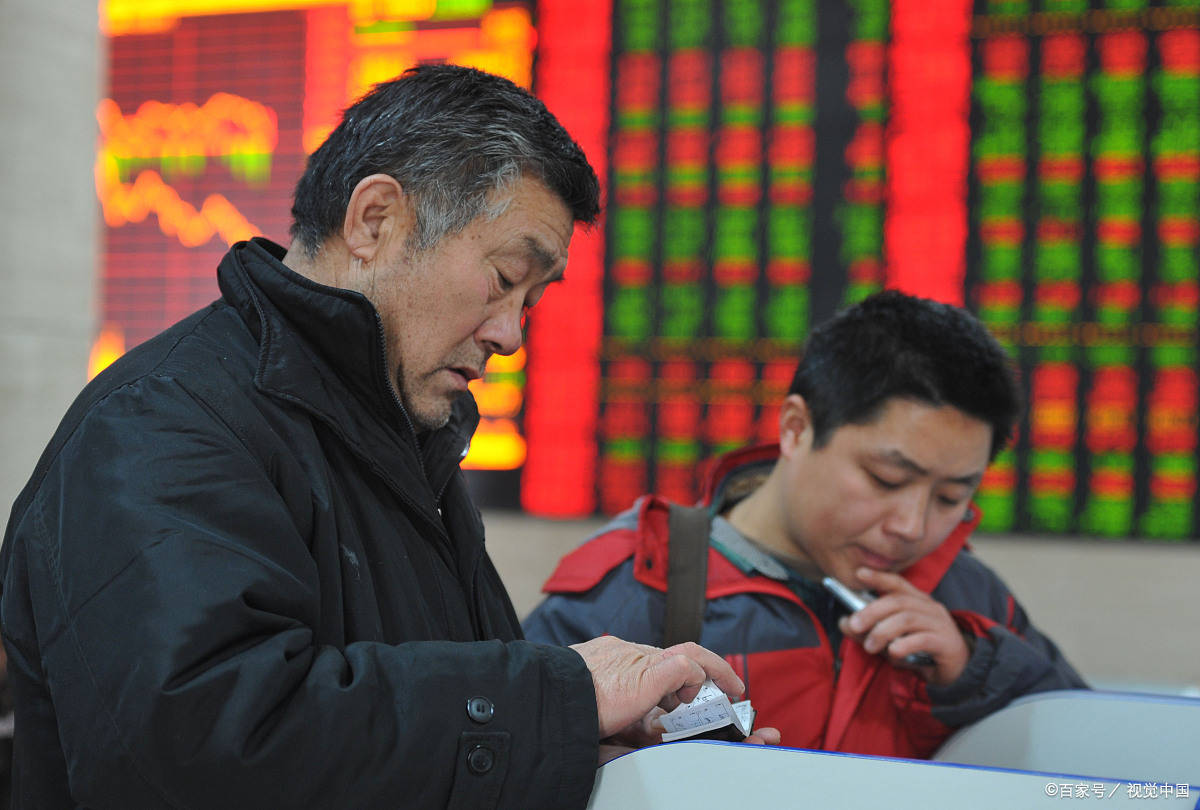
Core Insights - The high savings rate among Chinese residents post-pandemic is misleading, as it masks significant wealth disparities and changing financial behaviors [1][7] Group 1: Wealth Disparity - The average savings data conceals a vast wealth gap, with over 60% of residents holding below the average savings level. Only 19.3% of families have savings exceeding 300,000 yuan, and less than 2% have over 500,000 yuan [3][7] - A mere 2% of the population controls 80% of the total savings, indicating a highly unequal distribution of wealth [3] Group 2: Diversified Investment Channels - Increasingly diverse investment options, such as stocks, funds, and bank wealth management products, have led to significant capital flowing out of traditional bank savings. The number of stock investors has reached 220 million, while mutual fund investors total 600 million [4] - Over 100 million individuals are investing in bank wealth management products, further indicating that bank deposit figures do not fully represent the overall wealth of residents [4] Group 3: Changing Consumption Attitudes - The younger generation, particularly those born in the 1990s (approximately 175 million people), exhibits a shift towards consumerism, with nearly 90% carrying debt and an average debt of 127,000 yuan [6] - The prevalence of "living paycheck to paycheck" and reliance on credit products like Huabei and Jiedai has reduced the savings capacity of young families [6] Group 4: Housing Loan Pressure - The total housing loan burden in China is nearly 39 trillion yuan, affecting over 200 million households. This substantial debt pressure severely limits disposable income, making it challenging for families to save [6] - Many households with housing loans report savings below 100,000 yuan, highlighting the impact of mortgage obligations on overall financial health [6][7]
6·18的“七年之痒”:从狂欢到集体麻木了?
Sou Hu Cai Jing· 2025-06-17 11:50
Core Insights - The annual "6·18" shopping festival, initially a celebration for JD.com, has evolved into a significant mid-year promotional event for the Chinese e-commerce industry, but it is now showing signs of fatigue and a trust crisis among consumers [2][3] Group 1: Sales Performance - In 2024, the total sales during the "6·18" event reached 742.8 billion yuan, marking a nearly 7% decline year-on-year, the first drop since 2018 [3][11] - Major e-commerce platforms have collectively stopped disclosing GMV (Gross Merchandise Volume) data, instead focusing on vague metrics like user engagement and order volume, reflecting their acknowledgment of growth challenges [3][8] Group 2: Consumer Attitudes - Consumer sentiment towards "6·18" has shifted significantly, with fewer social media posts celebrating purchases and a growing number of complaints about issues like product quality and return difficulties [4][11] - The Chinese Consumers Association reported a change in consumer complaints from traditional issues to new pain points such as "substandard goods" and "difficulties in returns," indicating a deeper change in the relationship between consumers and the shopping festival [4][10] Group 3: Marketing Strategies - Over-marketing has become a major turn-off for consumers, with platforms bombarding users with promotional ads, leading to increased resistance rather than purchase motivation [6][7] - The use of deceptive discount practices, such as artificially inflating prices before discounts, has eroded consumer trust, as many consumers find advertised "lowest prices" do not hold up under scrutiny [7][10] Group 4: Changing Consumer Behavior - The economic environment post-pandemic has led to a more rational consumer mindset, with a focus on value for money rather than impulsive buying, as evidenced by the decline in sales during "6·18" [11][12] - The rise of second-hand markets reflects a shift towards more sustainable consumption, challenging traditional e-commerce promotional models [12][13] Group 5: Generational Differences - Younger consumers (Gen Z) show a growing interest in low-cost options but exhibit low brand loyalty, indicating a need for e-commerce platforms to adopt more nuanced marketing strategies [12][13] - Mature consumers are becoming more cautious and resistant to traditional marketing tactics, necessitating a shift towards more refined operational strategies by e-commerce platforms [13]

618贵妇牌美妆塌房?穷人找平替,富人做热玛吉
凤凰网财经· 2025-06-09 07:44
Core Insights - The luxury beauty brands Helena and La Mer are facing a trust crisis due to issues such as order cancellations and subpar packaging during the 618 shopping festival, leading to a disconnect between sales and reputation [1][2][3] - Despite the negative publicity, these brands still ranked high in sales on platforms like Tmall and Douyin, indicating a complex market dynamic where brand prestige remains but consumer trust is eroding [2][3] Group 1: Sales and Market Performance - Helena's high-end cosmetics division showed the lowest growth rate in L'Oréal's 2024 financial report, with sales declines noted for brands like Helena and Lancôme in China, while YSL and others maintained strong growth [3] - La Mer's parent company, Estée Lauder, reported a 7% and 12% year-over-year revenue decline in Q3 and Q4 of 2024, primarily attributed to decreased sales of La Mer and Estée Lauder products [3] Group 2: Pricing and Service Issues - The traditional pricing control that maintained the high-end image of luxury beauty brands has collapsed, with significant price discrepancies observed across platforms during the 618 festival [5][10] - Consumers reported confusion over pricing, with some products being sold at nearly half the price in duty-free shops compared to official retail channels, leading to concerns about product authenticity [8][10] Group 3: Consumer Behavior and Market Trends - The rise of domestic brands offering high cost-performance ratios is squeezing the luxury beauty market, as younger consumers increasingly question the value of high-priced foreign brands [14][15] - The shift towards medical beauty treatments is also diverting consumer spending away from traditional luxury skincare products, as consumers seek more effective solutions for skin issues [15]