全球化

Search documents
中国制造正在杀死欧洲圣诞市场?
虎嗅APP· 2025-12-25 09:43
Core Viewpoint - The article discusses the impact of Chinese manufacturing on European Christmas markets, highlighting the tension between globalization and local craftsmanship, as well as the economic implications for both regions [8][24][32]. Group 1: Globalization and Market Dynamics - The Christmas markets in Europe are increasingly filled with products made in China, leading to a significant profit margin for vendors while marginalizing local artisans [8][13][21]. - Yiwu, known as the "second hometown of Santa Claus," supplies nearly 80% of global Christmas products, showcasing the depth of Chinese manufacturing's penetration into European markets [13][21]. - In the first half of 2025, Yiwu's exports of Christmas products to the EU increased by over 104%, indicating a sharp rise in demand for Chinese goods [18][21]. Group 2: Economic Concerns and Trade Tensions - French President Macron expressed concerns about China's trade surplus impacting European industries, framing it as a zero-sum game for survival [24][32]. - The EU has responded to the influx of Chinese products by imposing tariffs on electric vehicles, which has led to retaliatory measures from China, including tariffs on EU dairy products [34][36]. - This trade friction reflects a broader struggle between efficiency and protectionism, with both sides feeling the pressure of global competition [40][41]. Group 3: Changing Consumer Behavior - The article notes a shift in Chinese tourists' shopping habits in Europe, with a decline in the desire to purchase local souvenirs due to the availability of similar products at lower prices online [42][44]. - The perception of value in travel has evolved, with tourists now prioritizing experiences over material goods that can be easily replicated [48][54]. - The article highlights a small market in Paris that adheres to strict local production rules, representing a last bastion of traditional craftsmanship amidst the globalized landscape [49][51].


钛媒体「年度全球化公司」榜单重磅发布 | 2025 EDGE AWARDS
Tai Mei Ti A P P· 2025-12-25 02:06
Group 1 - In 2025, Chinese companies are shifting from cross-border operations to deeper localization and accelerating globalization in response to changing overseas policies [2] - The U.S. government has implemented policies such as the cancellation of tax exemptions for cross-border packages under $800 and reciprocal tariffs, while the EU has introduced the New Battery Law [2] - Chinese enterprises are transitioning from "single product exports" to "full-chain system output," with market strategies evolving from a focus on Europe and the U.S. to a dual-driven approach involving emerging and traditional markets [2] Group 2 - The EDGE AWARDS recognizes companies that have achieved significant breakthroughs in overseas markets despite fluctuating international conditions, highlighting their contributions to globalization [3] - ECARX has achieved large-scale production and delivery in global markets, securing over $1 billion in overseas orders and achieving profitability in Q3 [3] - Alibaba Cloud is enhancing its global infrastructure to support Chinese enterprises' overseas development, focusing on AI product internationalization and building a global cloud computing network [4] Group 3 - HLA has expanded its global strategy, opening new stores in Southeast Asia, Central Asia, and the Middle East, with overseas revenue increasing by 27.42% [4] - Kudi Coffee has expanded its international presence to 33 countries, with over 18,000 stores globally, ranking third worldwide in the coffee and tea sector [4] - United Imaging Healthcare has seen overseas revenue grow from $40 million to over $2 billion in seven years, with a compound annual growth rate of 93% [5] Group 4 - Pop Mart has experienced explosive growth in overseas revenue, which increased by 437.5% in the first half of 2025, accounting for 40.3% of total revenue [6] - Century Huatong, a leading gaming company, has achieved over $3.8 billion in global revenue from its game "Whiteout Survival" and is actively exploring AI gaming applications [7] - Tongwei Group has a global market share of approximately 30% in polysilicon, with significant growth in component sales across various regions [8] Group 5 - Yanghe Distillery has established a comprehensive international communication system focusing on high-end, platform-based, and localized strategies, covering 86 countries and regions [9] - Yiling Pharmaceutical has successfully registered 17 innovative traditional Chinese medicines in over 50 countries, promoting a multi-faceted approach to global healthcare [10] - The trend of collaborative globalization is emphasized, with companies providing reliable service networks to support Chinese enterprises in overseas markets [11] Group 6 - Amazon Global Selling has facilitated the entry of numerous Chinese sellers into international markets, signing cooperation agreements with various provincial commerce departments [12] - XTransfer offers cross-border financial and risk control services to over 800,000 enterprises, enhancing global competitiveness for small and medium-sized businesses [13] - Huawei Cloud has expanded its global presence with 34 geographic regions and 101 available zones, supporting local industry upgrades in various countries [14] Group 7 - Stripe provides programmable financial services to millions of businesses, enabling Chinese brands to establish payment channels and innovative revenue models as they expand globally [15]

今日新闻丨零跑十周年内部信曝光!魏牌蓝山智能进阶版上市,限时售价27.58-30.28万元!
电动车公社· 2025-12-24 16:05
Core Viewpoint - The article highlights the significant achievements of Leap Motor in its ten years of operation, emphasizing its ambitious goal of reaching annual sales of one million vehicles by 2026 and the importance of continuous innovation, quality, and global market expansion [6][9][13]. Group 1: Leap Motor's Achievements - Leap Motor celebrated its tenth anniversary, achieving nearly 600,000 vehicle sales in the past year and is expected to achieve annual profitability [6][8]. - The company has successfully implemented core technologies such as LEAP3.5 central domain control and 800V high-voltage platform, demonstrating its capability for rapid mass production [6][8]. - Leap Motor's B10, B01, Lafa5, and updated models C16, C11, and C10 have seen significant sales success, with the C10 reaching a monthly sales peak of 20,000 units [6][8]. Group 2: Global Expansion - Leap Motor has accelerated its global expansion, entering 35 overseas markets and establishing over 800 overseas stores, with annual overseas deliveries expected to exceed 60,000 units [7][8]. - The collaboration with Stellantis Group is yielding synergistic effects, positioning Leap Motor as a competitive player in the global market [7][8]. Group 3: Future Goals and Strategies - The company aims to enhance its capabilities in technology innovation, product quality, overseas market expansion, and organizational efficiency to meet its sales target of one million vehicles by 2026 [9][10]. - Leap Motor emphasizes the need for continuous innovation and maintaining high product quality to become a benchmark in the industry [9][10]. - The company recognizes the importance of adapting to global markets and enhancing user experience to build a strong reputation [9][10].


白手起家者 vs 继承者们:富豪榜里的新钱旧钱攻防战
Sou Hu Cai Jing· 2025-12-24 13:37
Core Insights - The total wealth of the world's billionaires has surpassed $16 trillion for the first time, with nearly two-thirds of this wealth concentrated in three countries: the United States, China, and India [1][5][6] - Elon Musk's wealth increased by $147 billion over the past year, reaching $342 billion, which is higher than the GDP of nearly 100 countries [1][2] - The number of billionaires has reached 3,028, an increase of 247 from the previous year, with a total wealth increase of $2 trillion compared to last year [1][2] Industry Analysis - The technology sector dominates the billionaire rankings, with the top five positions held by tech moguls: Elon Musk, Mark Zuckerberg, Jeff Bezos, Larry Ellison, and Bernard Arnault [1][2] - The total wealth of the top 15 billionaires is $2.4 trillion, exceeding the combined wealth of the bottom 1,500 billionaires [2] - The financial and investment sector also performed well, with 113 billionaires, whose total wealth grew from $1.3 trillion to $1.5 trillion [4] Geographic Distribution - The United States leads with 902 billionaires, followed by China with 516 and India with 205, together accounting for over half of the world's billionaires [5][6] - New York remains the city with the highest concentration of billionaires, totaling 123 individuals with a combined wealth of $759 billion [6] Emerging Trends - The rise of new billionaires includes 288 newcomers, particularly from the AI sector, with significant contributions from companies like Anthropic and CoreWeave [8] - Notable new entrants in the food industry include founders of popular chains like Cava and Chipotle, while entertainment figures such as Bruce Springsteen and Arnold Schwarzenegger have also joined the ranks [9] Wealth Dynamics - A significant portion of billionaires, 67%, are self-made, indicating a trend towards entrepreneurship rather than inheritance [11] - The number of female billionaires has slightly increased to 406, representing 13.4% of the total, with Alice Walton becoming the richest woman globally [13]
美国的MAGA梦能实现吗?回溯美国制造业百年变迁
虎嗅APP· 2025-12-24 10:17
Group 1 - The article discusses the historical significance of American manufacturing as a backbone of national strength and social structure, highlighting the decline of stable job opportunities for the middle class due to the loss of manufacturing jobs [4][5]. - It raises critical questions about whether the U.S. can bring back some manufacturing capabilities and if the service sector can fill the gap left by manufacturing in providing stable, middle-class jobs [5][36]. Group 2 - The formation of American manufacturing civilization was characterized by the ability of companies to integrate resources across states and industries, supported by government initiatives that set clear demand through public works and military procurement [7][8]. - The post-war period saw significant contributions from education and population structure, with the GI Bill expanding access to higher education and vocational training, while infrastructure projects like the Interstate Highway Act fueled domestic demand [11][12]. Group 3 - The decline of American manufacturing is attributed to three main forces: rising institutional friction, globalization pushing manufacturing to low-cost regions, and the concentration of wealth among high-skilled workers due to technological and financial trends [22][24][25]. - Institutional friction has led to a preference for less risky projects, making it harder for manufacturing to thrive in the U.S. as the approval processes become longer and more complex [24][26]. Group 4 - The article emphasizes that while nominal GDP share of manufacturing has decreased, the actual output has remained stable, indicating that manufacturing has not disappeared but rather shifted in its role within the economy [30][34]. - Employment in manufacturing peaked in June 1979 at 19.6 million and has since declined to approximately 12.8 million by June 2019, reflecting a significant drop in its share of total employment [35][68]. Group 5 - The service sector's ability to absorb displaced manufacturing jobs is questioned, as it struggles to provide sufficient, well-paying jobs with clear career advancement paths, particularly in a high-cost living environment [36][39]. - The article outlines that the service sector is characterized by a "dumbbell structure," where high-end jobs require significant education and skills, while low-end jobs offer low wages and instability, making it difficult to support a middle-class lifestyle [39][40]. Group 6 - The discussion on re-industrialization in the U.S. highlights the need for a dual approach: ensuring national security in critical industries while also addressing the social structure to allow ordinary people to share in economic growth [44][46]. - The article suggests that a realistic path forward involves selective return of manufacturing capabilities, focusing on key industries while also investing in infrastructure, energy transition, and skill development to create stable job opportunities [49][51]. Group 7 - The challenges of re-establishing manufacturing in the U.S. are not solely financial; they also include regulatory hurdles, skill shortages, supply chain density, and overall cost structures that complicate the return of manufacturing jobs [53][54][55]. - The article argues that simple policies like tariffs and subsidies are insufficient to address the complex structural issues facing American manufacturing and that a more nuanced approach is necessary [56][58]. Group 8 - The article concludes that if manufacturing cannot recreate a robust middle class, the U.S. must explore a combination of industries to provide dignified work for ordinary people, including infrastructure, energy transition, and restructured service sectors [60][61]. - It emphasizes that the ultimate goal is to restore a social structure where ordinary people can achieve dignity through work, rather than merely focusing on the number of manufacturing jobs [62][63].

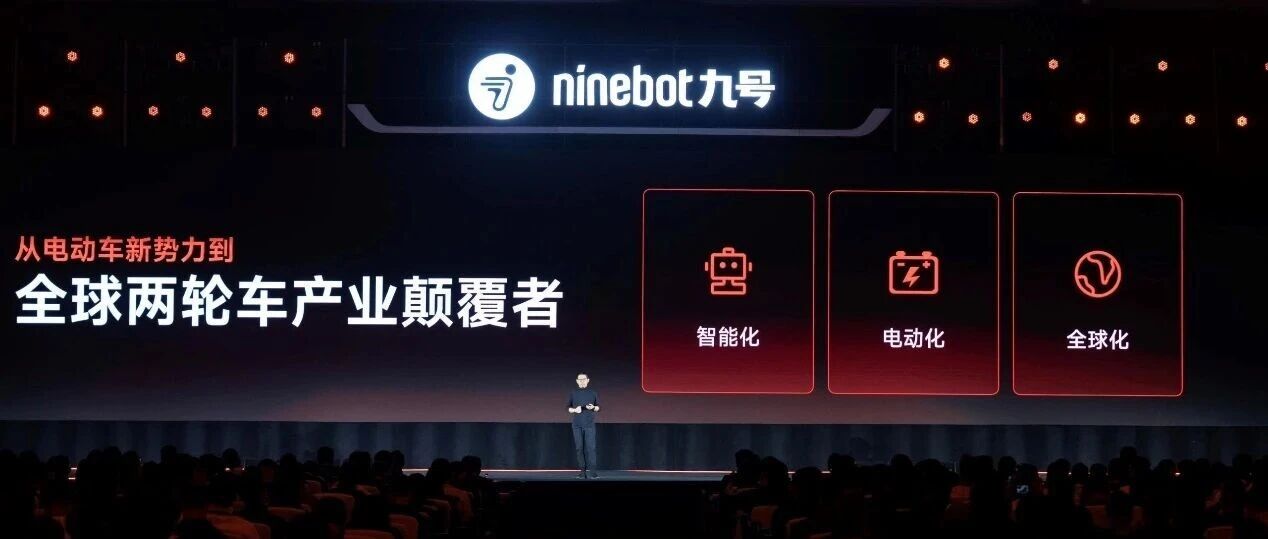
九号2026全系标配智驾系统,重塑两轮电动车出行体验
新财富· 2025-12-24 08:04
Core Viewpoint - Ninebot Company aims to transform from a new force in electric vehicles to a global disruptor in the two-wheeler industry, focusing on innovation and market expansion rather than competition in existing markets [5][6]. Group 1: Strategic Vision - The future of Ninebot is centered around three strategic pillars: smart technology, electrification, and globalization [6]. - The company plans to launch a dual-brand strategy with "Ninebot" and "Segway" to cater to diverse global user preferences [8]. Group 2: Technological Advancements - Ninebot is committed to making advanced technology accessible to all users, with nearly one million units of ABS technology deployed to enhance safety [10]. - The company aims to introduce a comprehensive upgrade in 2026, focusing on four dimensions: intelligence, driving experience, safety, and enjoyment [12][13]. Group 3: Market Performance - As of September 2025, Ninebot's cumulative shipments in the Chinese market exceeded 9 million units, reflecting strong consumer trust in its technology [10]. - In 2025, Ninebot dominated the smart two-wheeler market, with 70% of sales attributed to its brand [16]. Group 4: User Engagement and Social Responsibility - Ninebot has engaged with younger demographics through various initiatives, including collaborations with brand ambassadors and community events [17][19]. - The company has established the "Ninebot Safe Driving Academy" to promote proactive safety measures and has conducted over 260 public safety awareness events [20]. Group 5: Future Initiatives - Ninebot plans to enhance user experience through the "Oasis Campaign," focusing on service integration and customer satisfaction [20].
拆解招股书,看懂中国大模型独角兽的两种“活法”
3 6 Ke· 2025-12-24 00:40
Core Insights - The competition for the title of "the world's first stock of large models" is unfolding between two Chinese companies, Zhipu AI and Minimax, with their prospectuses revealing critical business details beyond the title itself [1] - The prospectuses highlight three key dimensions: the quality of real revenue, the pressure of computing costs on profits, and the survival period supported by cash reserves [1] - The prospectuses also show that the two companies are following distinctly different paths in their business models, representing potential breakout directions for Chinese large model companies in the current market environment [1] Financial Performance - Zhipu AI reported a revenue of 312 million CNY (approximately 31.2 million USD) for 2024, while Minimax reported about 30.38 million USD (approximately 216 million CNY) [4] - Zhipu AI's gross margin stands at 56.3%, significantly higher than Minimax's 12.2%, indicating a stark difference in their business models [3][5] - Both companies are in a "high investment for growth" phase, with Zhipu AI experiencing a net loss of 2.96 billion CNY and Minimax a loss of 465 million USD [4] User Data and Market Focus - Zhipu AI primarily targets B-end enterprises and developers, boasting over 12,000 enterprise clients and 4.5 million developers, while Minimax focuses on C-end users with 27.6 million monthly active users [5] - Zhipu AI's revenue structure shows a heavy reliance on localized deployments, contributing 85% of its revenue, while Minimax's revenue is increasingly derived from AI-native applications, which account for about 71% [14][15] Product Structure and Innovation - Zhipu AI's core product is the GLM series, which competes with OpenAI, while Minimax's abab series focuses on interactive and multi-modal capabilities [5] - Zhipu AI's revenue model is primarily based on privatized deployment (84.5%), whereas Minimax operates on a subscription model for AI applications [5] Globalization and Market Strategy - Minimax has shifted its revenue sources from 80% domestic to 73% international, indicating a strong commitment to globalization [14] - Both companies are exploring international markets, with Zhipu AI generating revenue in Southeast Asia and Minimax aggressively pursuing global expansion [17] Cash Reserves and Financial Viability - As of December 31, 2024, Zhipu AI holds approximately 2.457 billion CNY in cash, while Minimax has about 1.046 billion USD, indicating a significant difference in their financial stability [23][24] - Zhipu AI's cash reserves can sustain operations for about 11 months without new financing, while Minimax's reserves can last approximately 37.5 months [24] Risk Factors and Challenges - Both companies express concerns about high survival thresholds in the rapidly evolving AI technology landscape, with Zhipu AI focusing on supply chain security and geopolitical issues, while Minimax highlights its status as an uncommercialized company facing high bankruptcy risks [25][26] - The reliance on expensive computing resources and the significant R&D expenditures exceeding revenues pose financial challenges for both companies [20][21] Valuation and Market Position - The valuation of Zhipu AI and Minimax is approximately 40 billion CNY and 4 billion USD, respectively, which is significantly lower than that of OpenAI, indicating a potential undervaluation in the market [27][28] - The competitive landscape is intensifying, with established players like Alibaba and ByteDance posing significant challenges to the market position of Zhipu AI and Minimax [29]

会通股份,又又收购一家改性企业!
DT新材料· 2025-12-23 16:05
Core Viewpoint - The article discusses the strategic moves of Huitong Co., emphasizing the need for differentiation, high-end positioning, sustainability, and globalization in the modified plastics industry to remain competitive in emerging markets [2][3]. Group 1: Company Strategy - Huitong Co. is focusing on differentiation ("small and beautiful," "functional"), high-end markets (robotics, drones, automotive, AI), sustainability (bio-based and recycled materials), and globalization, particularly in Southeast Asia [2][3]. - The company has announced a share acquisition of OMIKRON, a modified materials firm in Italy, for a total investment of up to €2.5 million (approximately ¥20.7 million) [3][4]. Group 2: Financial Performance - OMIKRON's total assets as of December 31, 2024, are €35.21 million, with a revenue of €41.18 million and a net profit of €1.24 million [7][8]. - The company reported a decrease in total assets from €37.96 million in 2023 to €35.21 million in 2024, and a decline in net profit from €2.91 million in 2023 to €1.24 million in 2024 [8]. Group 3: Market Expansion - Huitong Co. established its first overseas production base in Thailand in 2022, with an investment of up to ¥230 million, aiming to create a commercial network in Southeast Asia [8]. - The company has served over 30 overseas clients, with overseas sales exceeding 17,000 tons, a year-on-year increase of 178.39%, and a 39.03% growth in overseas revenue in the first half of 2025 [9].


全球第一经济大省诞生,突破4万亿大关,和广东相比有什么区别?
Sou Hu Cai Jing· 2025-12-23 15:17
Group 1 - California's GDP reached over $4 trillion in 2024, ranking it as the fourth largest economy globally, surpassing Japan [3][20] - Guangdong's GDP is approximately $2 trillion, placing it 12th globally, and it has a strong manufacturing base [1][20] - The economic gap between California and Guangdong is significant, but it does not solely define Guangdong's capabilities [1][20] Group 2 - Silicon Valley is the core driver of California's economy, housing major tech companies like Nvidia, Apple, and Google, which are pivotal in the AI revolution [5][9] - Nvidia's market value reached $4.46 trillion in 2024, highlighting the dominance of California in the tech sector [5][9] - California's economy is highly dependent on globalization, making it vulnerable to fluctuations in the global value chain [9][18] Group 3 - Guangdong's manufacturing sector is robust, with a complete industrial chain and nine trillion-level industrial clusters, including electronics and new energy vehicles [12][14] - The AI core industry in Guangdong surpassed 200 billion yuan in 2024, with a significant share of industrial robot production [12][14] - Companies like Huawei and DJI are key players in Guangdong's tech landscape, showcasing its competitive edge in high-tech industries [14][20] Group 4 - California's high living costs and tax burdens are challenges for its businesses, leading to some companies relocating [11][20] - Guangdong's economic model is characterized by stability and resilience, allowing it to quickly adapt to global supply chain disruptions [16][18] - The future economic trajectory of both regions may depend on global trends, with California benefiting from globalization and Guangdong's model being favored in more complex international environments [22]


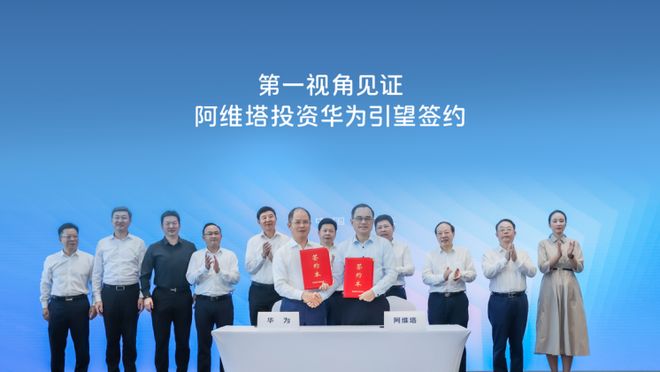
阿维塔赴港冲刺IPO:“国家队”新能源稀缺标的,115亿押注华为背后
Di Yi Cai Jing Zi Xun· 2025-12-23 14:37
Core Viewpoint - The Chinese electric vehicle (EV) industry is facing challenges as market saturation approaches and profitability pressures increase, particularly for new entrants. Avita Technology's IPO represents a strategic move to navigate these challenges and serves as a case study for high-end smart EV survival logic in China [1][18]. Group 1: Industry Context - By 2025, the penetration rate of China's new energy vehicles is expected to approach 60%, leading to a saturated incremental market and increased competition [1]. - UBS predicts a potential 2% year-on-year decline in domestic passenger car sales in 2026, highlighting the industry's transition from "wild growth" to "refined cultivation" [1][2]. Group 2: Avita's Competitive Advantages - Avita's unique advantage lies in its "central enterprise background + industrial giant" collaborative ecosystem, which includes partnerships with Changan Automobile, Huawei, and CATL [2]. - The company has secured over 19 billion yuan in financing and has achieved a gross margin of 10.1% as of mid-2025, indicating strong financial performance [1][4]. Group 3: Business Model and Financial Performance - Avita adopts a light-asset model, focusing on product definition and brand building while outsourcing manufacturing and energy solutions to partners, enhancing operational efficiency [5][6]. - The company reported a revenue of 151.95 billion yuan in 2024, a 169% increase year-on-year, and 122.08 billion yuan in the first half of 2025, a 98.5% increase [6][9]. Group 4: Product Strategy and Market Response - Avita has developed a clear product matrix covering price ranges from 200,000 to 700,000 yuan, ensuring a solid sales foundation while exploring brand elevation [7][9]. - The company achieved a record sales figure of 14,057 vehicles in November 2025, with total sales surpassing 220,000 units [9]. Group 5: Global Expansion Strategy - Avita has initiated an aggressive global expansion strategy, entering 38 countries and regions since September 2024, with a goal of achieving 10% overseas sales by 2026 [10][13]. - The company plans to implement local assembly and production to reduce costs and improve market responsiveness in the long term [13]. Group 6: Capital Market and IPO Insights - Avita's IPO is not merely a financial necessity but aligns with its strategic goals, aiming to enhance corporate governance and attract talent [14][15]. - The capital market's valuation logic is shifting towards ecological rarity, technological control, and profitability certainty, areas where Avita excels [14]. Group 7: Strategic Partnerships and Ecosystem Development - Avita is expanding its ecosystem through partnerships, including a comprehensive collaboration with JD Retail to enhance marketing, after-sales service, and supply chain optimization [17]. - The company is actively building an open collaborative ecosystem to create a competitive advantage in a saturated market [17][18].