
硬科技

Search documents
农银投资实现股权投资试点地区基金设立全覆盖
Zhong Guo Jin Rong Xin Xi Wang· 2026-01-04 09:19
Group 1 - The core viewpoint of the article is the establishment of the Agricultural Bank of China's Changsha Qianfan Qihang Equity Investment Fund, marking the completion of the bank's strategic layout for equity investment in technology innovation regions across the country [1] - Since September 2024, the company has actively responded to the national policy to expand the pilot program for financial asset investment companies, successfully establishing and operating equity investment funds in 18 pilot cities and provinces, totaling 27 funds by the end of 2025 [1] - The company has participated in the establishment of the first national fund in collaboration with local governments and the National Social Security Fund, aimed at supporting the development of a modern industrial system and nurturing new productive forces [1] Group 2 - The company will adhere to a long-term investment strategy focused on hard technology, leveraging its role as a "national team" of patient capital and the equity investment platform of the Agricultural Bank [1] - The company aims to integrate market-oriented debt-to-equity swaps with equity investment pilot projects to support the Agricultural Bank Group in creating a comprehensive financial service ecosystem tailored to the entire lifecycle of technology-based enterprises [1]
苏股2025复盘:IPO数量全国第一,苏州力压北上广深
Sou Hu Cai Jing· 2026-01-04 05:43
作者 | 深水财经社 倪大九 今天是2026年第一个工作日,首先祝大家今年都能收获满满、事业顺遂! 不声不响间,2025年已经过去。Wind数据显示,截至12月31日收盘,1400多家公司涨幅逾50%,近500家公司涨幅突破100%,更有120多家公司年涨幅超 200%,所以大家都赚到钱没? 最近,强哥会对2025年江苏A股上市公司进行一个全面的盘点,今天细说的是IPO情况。 2025年,A股共有116家企业成功上市,较2024年增长16%。其中江苏新增A股公司29家,数量位居全国第一。 其中的"领头羊"苏州更创下历史性突破——全年新增12家A股上市公司,数量首次登顶全国各大城市榜首。 2023年"827新政"以来,IPO持续收紧,2024年IPO数量和募资规模跌至十年最低。 2025年,IPO情况有所回暖。A股新上市公司数量116家,募资1318亿元,分别较上年增长16%和104%。 其中,江苏新增29家A股公司,数量位居全国第一,领先广东(21家)和浙江(17家),占全国新增总数的四分之一。 这样一来,江苏的A股公司总数就达到了721家,距离第二名浙江仅10家的差距,这样下去到明年很可能会追平浙江。 细数 ...


全球资本疯狂调仓!三大板块引发A股预期,科技牛行情能否再现?
Sou Hu Cai Jing· 2026-01-04 04:23
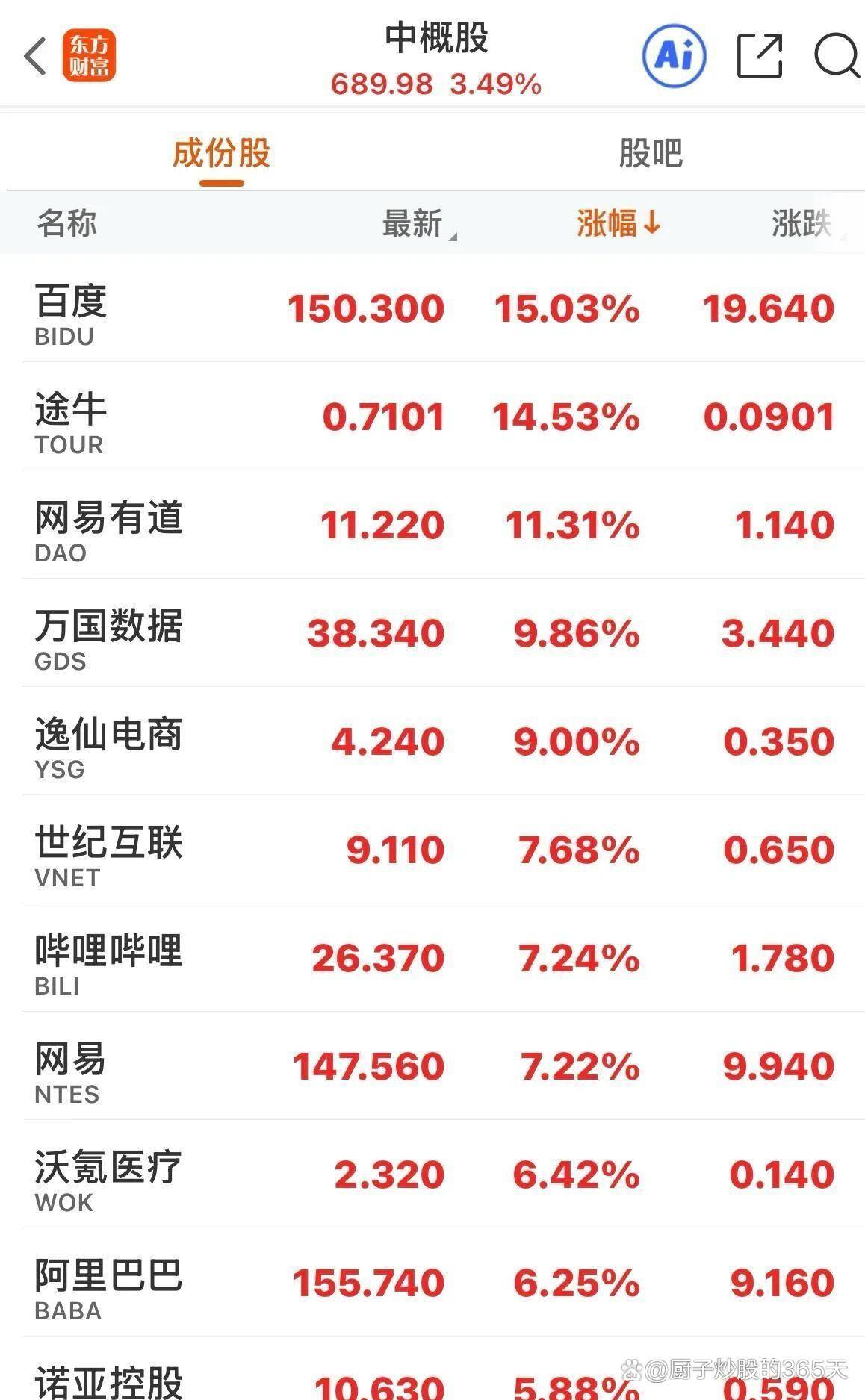
Group 1 - Baidu's stock price surged by 15.03% to $150.3, marking a three-year high, following the announcement of the spin-off of its AI chip business, Kunlun Chip, for a Hong Kong listing [1] - Analysts have redefined Baidu from a "search company" to a "full-stack AI enterprise," highlighting its extensive AI layout that includes chips, frameworks, large models, and applications [1] - The surge in Baidu's stock is part of a broader trend of global tech stocks rallying at the start of 2026, indicating a re-evaluation of Chinese tech values [1] Group 2 - On the same day as Baidu's stock surge, the U.S. stock market showed a mixed performance, with the Nasdaq index slightly down by 0.03%, while the semiconductor and commercial aerospace sectors experienced significant gains [3][4] - The semiconductor sector saw companies like Micron Technology and ASML rise by 10.74% and 8.78%, respectively, indicating a shift of capital from traditional tech stocks to hard tech sectors [3][4] - European markets also performed well, with indices like Germany's DAX and France's CAC rising by 0.20% and 0.56%, respectively, suggesting a rotation of global capital from the U.S. to non-U.S. markets [3][4] Group 3 - Baidu's AI chip, Kunlun, has replaced 90% of NVIDIA GPUs in training its Wenxin large model and secured nearly $1.5 billion in orders from China Mobile, leading to a valuation increase from 13 billion to 21 billion [11] - Baidu's AI business has shown significant growth, with new AI business revenue accounting for 37% of total revenue in the first three quarters of 2025, and daily calls for the Wenxin model exceeding 1 billion [11] - The company's autonomous driving platform has achieved profitability in 20 cities, further solidifying its position as more than just an advertising company [11]

不只是分拆,更是宣战:昆仑芯IPO单飞,百度豪赌AI硬科技
Sou Hu Cai Jing· 2026-01-04 02:25
Core Viewpoint - Baidu has officially announced the plan for the independent listing of Kunlun Chip Technology on the Hong Kong Stock Exchange, marking a significant event in the domestic AI computing power sector [2] Group 1: Motivations Behind the Spin-off - The first strategic motivation is value reassessment, as Baidu has been perceived primarily as an "internet advertising" platform, which suppresses its valuation in the AI sector. By spinning off Kunlun Chip, Baidu aims to enjoy a higher valuation premium as a tech company [3] - The second motivation is independent development, allowing Kunlun Chip to become a standalone AI chip supplier, which will help expand its customer base beyond Baidu's ecosystem [3] - The third motivation is independent financing, as chip development is capital-intensive. An independent listing will enable Kunlun Chip to secure more funding for its research and development [3] - The fourth motivation is leveraging the Hong Kong capital market to enhance Kunlun Chip's brand recognition and potentially open up international markets [4] Group 2: Kunlun Chip's Strengths - Kunlun Chip is positioned as a critical component of Baidu's AI strategy and is one of the few domestic AI chips that can compete with international giants in specific scenarios. Its overall valuation reached approximately 21 billion yuan by 2025 [5] - The performance of Kunlun Chip, particularly the P800 series, is noteworthy, achieving a FP16 computing power of 345 TFLOPS, which is more than double that of Nvidia's H20 chip tailored for the Chinese market [6] - Kunlun Chip has successfully secured large orders, including a 10 billion-level AI computing device procurement from China Mobile, indicating its transition from experimental phases to large-scale production [6] Group 3: Challenges and Concerns - One major concern is the ecological barrier, as Kunlun Chip faces challenges in migrating customers from Nvidia's established software ecosystem, which complicates the transition for enterprises [7] - Another issue is customer dependency, as significant orders currently come from government procurement and Baidu, raising questions about acquiring more clients in a fully market-driven environment [7] - Supply chain vulnerabilities exist, particularly with high-end chips relying on TSMC for manufacturing. Potential restrictions on TSMC's services to domestic companies could hinder Kunlun Chip's production capabilities [7] - The financial aspect is also concerning, as Kunlun Chip is projected to have a revenue of nearly 2 billion yuan in 2024 but will incur a net loss of about 200 million yuan, highlighting the high costs associated with AI chip development [8] Group 4: Implications for Baidu and the Industry - The spin-off of Kunlun Chip is seen as a pivotal move for Baidu, marking the beginning of its transition away from an advertising-centric model. A successful IPO would solidify Baidu's position in the "computing power infrastructure" sector [9] - If Kunlun Chip achieves a high valuation upon listing, it could significantly boost confidence in the domestic AI chip industry and potentially trigger a new wave of IPOs in the hard tech sector [9] - Overall, this move is a demonstration of Baidu's capabilities in both application-level internet services and foundational hard tech development, despite the competitive and ecological challenges ahead [10]
2026开年第一爆:中国资产狂飙,AI芯片抢跑,全球市场谁主沉浮?
Sou Hu Cai Jing· 2026-01-04 01:36
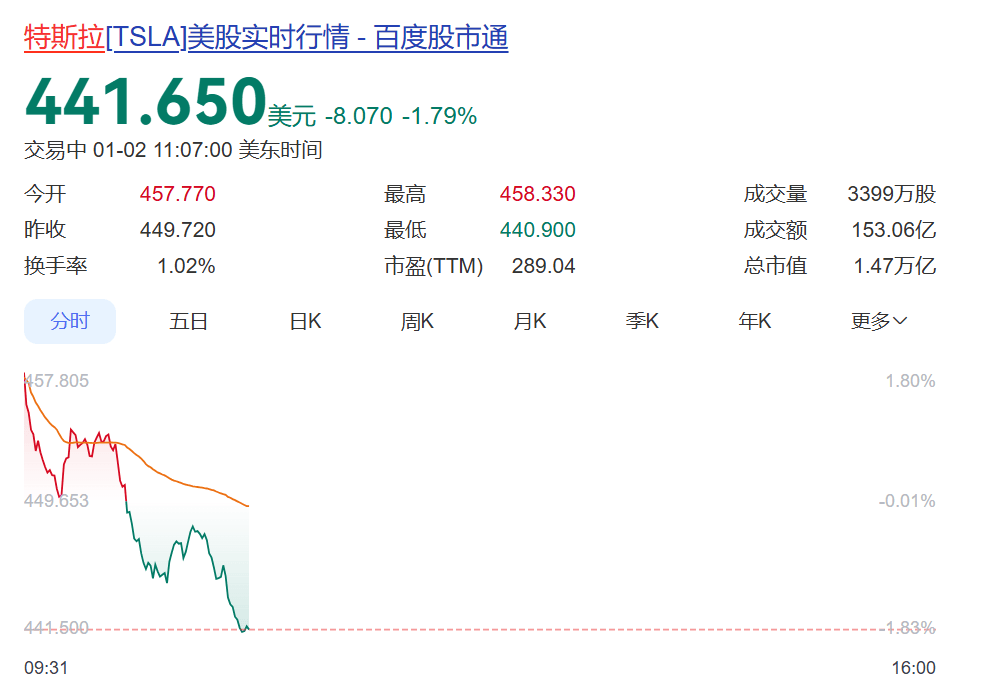
Group 1: Chinese Assets Performance - On the first trading day of 2026, Chinese assets saw a significant rise, with the Hang Seng Index increasing by 2.76% and the Hang Seng Tech Index soaring by 4.00% [1] - The Nasdaq Golden Dragon Index also performed well, rising by 4.38%, driven by major tech companies like Baidu, Alibaba, and Bilibili [1] - The surge was primarily fueled by developments in AI and chips, including Baidu's announcement of spinning off its AI chip company Kunlun for a Hong Kong listing, igniting market enthusiasm for domestic AI computing power [1] Group 2: Global Market Dynamics - In contrast to the Asian markets, the US and European markets exhibited mixed performance, with US chip stocks led by Nvidia and AMD showing strength, while Tesla's decline due to lower delivery volumes negatively impacted overall market sentiment [3] - Micron Technology's stock surged by 10.51%, reaching a historical high, indicating strong demand for semiconductors driven by AI [3] - European markets reached historical highs, with the FTSE 100 index surpassing 10,000 points and the Stoxx Europe 600 index rising by 0.7%, particularly boosted by automotive and tech stocks [3] Group 3: Electric Vehicle Market Shift - BYD achieved a significant milestone in 2025, with pure electric vehicle sales reaching 2.26 million units, a year-on-year increase of nearly 28%, surpassing Tesla to become the global leader in electric vehicle sales [5] - Tesla's global delivery volume in 2025 was 1.636 million units, reflecting a year-on-year decline of approximately 8.6%, marking the second consecutive year of sales decline [5] - This shift highlights the changing competitive landscape in the global electric vehicle market, with Chinese brands leveraging scale and cost advantages [5] Group 4: Consumer Price Trends - A pilot program for prize invoices was launched by the Ministry of Finance, the Ministry of Commerce, and the State Taxation Administration, aimed at encouraging consumers to request invoices and injecting vitality into the consumption market [7] - However, there are warnings of a potential price increase for essential goods starting January 2026, driven by factors such as decreased winter vegetable production, rising grain prices due to international supply fluctuations, and increased costs for daily necessities and pharmaceuticals [8] Group 5: Investment Themes - The market performance at the start of 2026 outlines two main investment themes: hard technology and policy-driven consumption [9] - Hard technology sectors, including AI computing, commercial aerospace, and humanoid robotics, are expected to benefit from global technological competition and domestic policy support [9] - Policy dividend areas such as power grid construction, new energy, and high-end manufacturing are also gaining attention due to strong industrial demand and financial investments [9]

2026,从这条Flag开始 | 红杉汇读者Flag大赏
红杉汇· 2026-01-04 00:06
Personal Development - The article emphasizes the importance of personal growth and setting clear goals for the future, particularly in the context of professional development and learning new skills [1][2] - Several contributors outline their specific plans for 2026, focusing on areas such as deep learning, industry networking, and continuous education through reading and online seminars [3][4][5] Family Planning - Contributors express a desire to strengthen family bonds through shared activities, such as exercise and quality time, highlighting the significance of family support in personal endeavors [10][11] - Specific goals include regular family exercise days, celebrating important dates, and creating lasting memories through shared experiences [12][13][15][16] Life Philosophy - The article encourages readers to find balance in life, suggesting that amidst busy schedules, one should seek moments of joy and connection with loved ones [17][18] - Contributors share aspirations for health and well-being, including fitness goals and maintaining a healthy lifestyle, which are seen as foundational for pursuing dreams [19][20][21][22]

继续陪企业长跑
Xin Lang Cai Jing· 2026-01-03 22:20
Core Insights - The company, Zhongke Chuangxing, focuses on early-stage hard technology investments, emphasizing a long-term approach rather than quick returns [1][2] - The investment philosophy, termed "ESK," prioritizes not only economic value but also social and knowledge value in projects [1] - Zhongke Chuangxing has invested in over 560 hard technology companies, managing a fund size exceeding 14 billion yuan [2] Group 1 - The founder, Li Hao, compares their investment strategy to planting seeds, indicating that it is too early to determine which investments will succeed [1] - The company was established in 2013, targeting hard technology, which was largely overlooked during the internet boom [2] - Zhongke Chuangxing aims to transform high-tech research results into practical applications, addressing the issue of many innovations being left unused [2] Group 2 - The company does not prioritize immediate profitability, understanding that some investments may take years to yield returns [2] - The goal for Zhongke Chuangxing is to expand its reach globally in the future [3]
中概股开年大涨,百度上涨15%,释放什么信号?节后A股也会大涨?
Sou Hu Cai Jing· 2026-01-03 17:00
Core Viewpoint - The U.S. stock market experienced a dramatic divergence on the first trading day of 2026, with the Dow Jones index rising by 0.66% while the Nasdaq index fell by 0.03%. However, the Nasdaq China Golden Dragon Index surged by 4.38%, marking its largest increase in nearly eight months, driven by significant gains in Chinese tech stocks like Baidu, which rose by 15.03% [1][2]. Group 1: Market Performance - The surge in Chinese tech stocks was not an isolated event, as Alibaba rose over 6%, and NetEase and Bilibili saw increases of over 7%. Even lesser-known stocks like Haohong Technology experienced a staggering rise of 72.41% [2]. - The trading volume in Chinese concept stocks increased significantly, with a 45% rise in transaction amounts and tech-related Chinese stocks seeing a volume 1.8 times higher than the previous day, indicating institutional investment rather than mere retail speculation [2]. Group 2: Key Drivers - Three main factors are driving this market behavior: 1. Policy incentives are being released, with the 2026 "14th Five-Year Plan" emphasizing artificial intelligence and semiconductors as key areas. AI hardware is now included in the "old-for-new" subsidy policy, and the overseas listing process has become more transparent, reassuring international investors [4]. 2. The hard power of companies is becoming a strong foundation, exemplified by Baidu's stock surge following its AI chip subsidiary Kunlun's application for a Hong Kong listing and securing a significant order from China Mobile [4]. 3. A strategic shift in global capital flows is occurring, with rising expectations for U.S. Federal Reserve interest rate cuts leading to a weaker dollar and increased investment in high-growth assets. In 2025, net inflows into ETFs investing in Chinese assets reached $83.1 billion, with over $5 billion invested in Chinese tech stocks on January 3 alone [4]. Group 3: Sector Trends - The semiconductor sector is also experiencing a significant rally, with the Philadelphia Semiconductor Index rising by 4.01% and major companies like Micron Technology and ASML seeing gains of over 10% and 5%, respectively. This indicates a consensus on the importance of AI computing power in the tech landscape [6]. - The offshore RMB exchange rate has surpassed 6.97, reaching its highest point since May 2023, reflecting a fundamental shift in overseas investors' attitudes towards Chinese assets [6]. - The preference for large-cap stocks like Baidu and Alibaba over smaller stocks indicates a shift from speculative trading to value investing, as institutional investors seek companies that are shaping the future [9]. Group 4: Broader Market Implications - The surge in Chinese tech stocks has also positively impacted the Hong Kong market, with the Hang Seng Index rising by 2.76% and the Hang Seng Tech Index soaring by 4%. The A-share market has shown strong performance as well, with the Shanghai Composite Index achieving an unusual "11 consecutive days of gains" [10]. - Despite the enthusiasm for AI chips and semiconductors, some consumer tech stocks like Tesla and Netflix are showing signs of weakness, highlighting the selective nature of capital allocation in this market environment [10].
金价,突变!
Sou Hu Cai Jing· 2026-01-03 13:19
Group 1: US Market Performance - On January 2, US stocks opened high but closed lower, with the Nasdaq initially rising over 1% [1] - Chip stocks in the US saw a broad increase, with the Philadelphia Semiconductor Index rising over 4.5%, including significant gains from Nvidia, Intel, and ASML [1] - Major tech stocks such as Apple, Amazon, Microsoft, Google, and Netflix experienced declines [1] Group 2: Chinese Stocks Performance - The Nasdaq Golden Dragon China Index surged nearly 4%, with notable increases in popular Chinese stocks [2] - Baidu Group rose over 12%, while iQIYI increased by over 9% [2] - Other significant gainers included WanGuo Data, Century Internet, and various tech companies, with increases ranging from 5% to over 8% [2] Group 3: Hong Kong Market Performance - The Hong Kong stock market opened strong, with major indices closing significantly higher: Hang Seng Index up 2.76%, Hang Seng China Enterprises Index up 2.86%, and Hang Seng Tech Index up 4.0% [3] - Sectors such as AI, semiconductors, commercial aerospace, electrical equipment, home appliances, and automotive showed strong performance throughout the day [3] Group 4: Investment Outlook - Analysts suggest that the strong performance of Chinese assets on the first trading day of 2026 indicates a continuation of the structural bull market from 2025 [4] - The investment focus for 2026 is expected to be on hard technology sectors like semiconductors and AI, alongside policy-driven consumer sectors such as home appliances and automotive [4] - The offshore RMB exchange rate against the US dollar strengthened, breaking above 6.97, reaching its highest level since May 2023 [4]
一夜之间,金价突变!中国资产大爆发
Sou Hu Cai Jing· 2026-01-03 13:03
Group 1 - US stock market opened high but turned lower, with the Nasdaq initially rising over 1% before declining [1] - Semiconductor stocks surged, with the Philadelphia Semiconductor Index increasing by over 4.5%, including significant gains from Nvidia, Intel, and ASML [1] - Major tech stocks like Apple, Amazon, Microsoft, Google, and Netflix experienced declines [1] Group 2 - Chinese concept stocks saw a significant rise, with the Nasdaq Golden Dragon China Index increasing by nearly 4% [3] - Baidu Group surged over 12%, while iQIYI rose over 9%, and other companies like WanGuo Data and JinkoSolar saw increases exceeding 7% [5] - The Hong Kong stock market opened strong, with the Hang Seng Index rising by 2.76% and the Hang Seng Technology Index increasing by 4.0% [6] Group 3 - Analysts suggest that the strong performance of Chinese assets on the first trading day of 2026 indicates a continuation of the structural bull market from 2025, with a clear investment focus on hard technology sectors like semiconductors and AI, as well as policy-driven consumption sectors like home appliances and automobiles [7] - The offshore RMB exchange rate against the US dollar strengthened, surpassing 6.97, reaching its highest level since May 2023 [7] Group 4 - In the precious metals market, spot gold initially broke through $4,400 but then retraced nearly all of its gains, while spot silver also saw a significant pullback [9]