贸易保护主义

Search documents
经合组织:全球经济显现韧性 美国关税影响进一步显现
Xin Hua Wang· 2025-12-02 10:21
Group 1 - The OECD forecasts global economic growth rates of 3.2% for 2024 and 2.9% for 2025, consistent with previous predictions made in September 2023 [1] - The report highlights that the resilience of the global economy has exceeded expectations this year, but risks such as trade barriers, AI bubbles, and fiscal vulnerabilities remain [1] - The US economy is projected to slow down from a growth rate of 2.8% in 2024 to 2.0% in 2025, and further to 1.7% in 2026, influenced by tariffs, slowing private consumption, and federal government shutdowns [1] Group 2 - The report indicates that the value of imported goods subject to tariffs in the US has significantly decreased compared to non-tariffed imports, suggesting that tariffs are suppressing overall demand [2] - It is expected that household consumption growth in the US will continue to slow due to a cooling job market and rising consumer prices from tariffs, potentially leading to more persistent inflation [2] - The OECD emphasizes the need for countries to alleviate trade tensions, reduce policy uncertainty, and address inflation to improve the global economic outlook [2]
经合组织维持今明两年全球经济增速预期
Xin Hua Wang· 2025-12-02 10:09
Core Viewpoint - The OECD's latest economic outlook report forecasts global economic growth rates of 3.2% for this year and 2.9% for next year, consistent with predictions made in September [1] Group 1: Economic Growth Drivers - Expansionary macroeconomic policies, positive market expectations for new technologies, and growth in trade and investment driven by artificial intelligence are supporting global demand [1] Group 2: Potential Risks - The report warns of accumulating potential risks to the global economy, including the escalation of trade protectionism which could severely damage global supply chains and output [1] - Overvaluation of assets based on optimistic expectations surrounding artificial intelligence development may lead to sudden corrections [1] - Fiscal vulnerabilities in various countries could hinder economic growth [1]
不奉陪了!特朗普宣布断供WTO,世贸组织开始对美国算总账
Sou Hu Cai Jing· 2025-12-02 09:57
2025年2月,特朗普签署了一项行政命令,要求国务卿鲁比奥在180天内对美国向所有国际组织提供的资金支持进行审查。这一命令主要针对世界贸易组织 (WTO),因为特朗普认为该组织的规则对美国的贸易政策不利。3月4日,在日内瓦举行的WTO预算会议上,美国代表明确表示,直到审查结束,美国将 暂停支付2024和2025年度的会费。WTO的年度预算大约为2.3亿瑞士法郎,而美国的贡献占11%,约为2630万美元。如果美国停止支付这笔费用,WTO的日 常运作将面临困境,其他成员国开始抱怨资金缺口可能会影响到贸易谈判的进展。 美国这样的做法并非首次。特朗普在第一任期内从2017年开始,拒绝任命WTO上诉机构的新法官,导致到2019年底,该机构只剩下一个法官,完全陷入瘫 痪。数百起贸易纠纷因此无法得到处理,包括多个国家对美国关税政策的投诉。如今,特朗普重新掌权,他继续施压,要求WTO改革其争端解决机制和会 费结构。民主党议员批评称,这种做法可能会削弱美国的国际影响力,其他国家,特别是中国和俄罗斯,可能会趁机占便宜。 WTO总干事恩戈齐·奥孔乔-伊维拉与美国贸易代表办公室多次沟通,但始终未能取得实质性进展。美国明确表示,只有在 ...

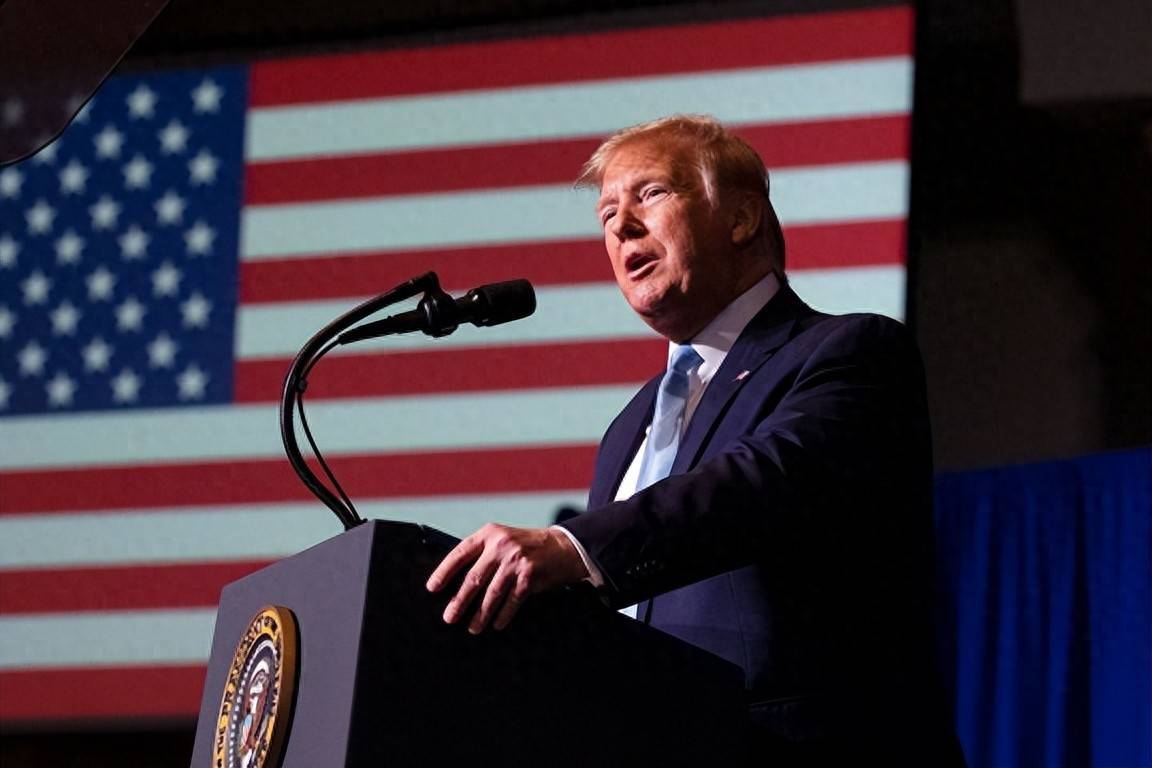
拿中国当挡箭牌?欧洲27国通告美国,联手断中方后路,话音刚落,特朗普先向中国献礼
Sou Hu Cai Jing· 2025-12-01 07:37
2025年11月26日,在布鲁塞尔欧盟总部举行的闭门会议刚刚结束,一则突如其来的消息立即在全球范围内引发热议。欧盟27国联合向美国递交了一份备忘 录,表示愿意在经贸领域全面配合美方,甚至不惜主动切断与中国的相关合作,以此换取美国在钢铝关税问题上的让步。然而,这份充满"示好"意味的声明 还未完全冷却,特朗普团队却突然向中国释放友好信号,宣布重启部分中美贸易合作谈判,并准备简化中国商品进入美国的流程。这样的突然反转,让欧盟 27国瞬间陷入尴尬,被全球视作"用力过猛却被晾在一边"的典型例子。 事情之所以会发展成这样,源头在于美国不断加码的钢铝关税压力。美国方面近期 透露,将进一步扩大钢铝关税的征收范围,这无疑直接击中了欧洲制造业的要害。因为钢铁和铝材是欧洲汽车、机械制造、航空航天等主要产业最关键的基 础材料,美国的关税政策已经对欧洲相关企业造成巨大冲击。为了促使美方做出让步,欧盟27国可谓是竭尽全力。自今年年初以来,欧盟对美国的投资增长 了超过1500亿欧元,而美国在欧洲液化天然气进口市场中的份额也从45%飙升到60%。即便如此,欧盟仍担心不够,干脆把"中国牌"作为最终筹码,在谈判 中不断强调所谓"共同竞争对手", ...
2026年期货市场展望:藏锋敛锷,静待时易
Hua Tai Qi Huo· 2025-11-30 08:15
1. Report Industry Investment Rating - Not provided in the content 2. Core Views of the Report - Looking ahead to 2026, the steel sector still faces a significant oversupply situation. The downstream consumption structure of steel has changed significantly, with stable growth in manufacturing and exports offsetting the loss of steel used in real estate. Direct exports form the lower - edge support for black prices and also strongly suppress the upper price limit. Steel prices will fluctuate mainly in a low - level range. Whether policies such as crude steel production control can be implemented will be the most core factor affecting steel prices. Attention should be paid to steel cost support, tariff policies, and production control policies [1][7][11]. - In 2025, the price trend of black varieties showed a "V" shape. Coke and coking coal were weak, with a maximum mid - year decline of about 25%. By the end of the year, coking coal rose 10% and coke returned to the年初 price level. Rebar and iron ore were relatively strong, with a maximum mid - year decline of only about 8%. By the end of the year, rebar prices fell about 5% compared to the beginning of the year, and iron ore prices rose about 3% [8][17]. 3. Summary According to the Directory 3.1 2025 Steel Market Operation Review - The price trend of black varieties in 2025 showed a "V" shape. In the first stage, due to the relaxation of safety supervision in coal - producing areas, coal supply recovered rapidly, suppressing carbon element prices and driving down steel prices. In the second stage, macro - policy expectations improved, coal supply contracted, and black commodities rose. Steel prices were restricted by export profits during the rebound [17][20][26]. 3.2 2026 Supply Analysis 3.2.1 Capacity Replacement Suspended, Policy Disturbance Limited - Since August 23, 2024, the Ministry of Industry and Information Technology has suspended the publicity and announcement of new steel capacity replacement plans. In 2025, there was no new capacity replacement publicity. The steel industry maintained good production profits in 2025, and steel mills lacked the willingness to cut production actively. Local governments faced strong employment and fiscal pressure, so the policy - driven force for mandatory production cuts was insufficient. It is expected that the impact of policy on steel production capacity changes in 2026 will still be limited [29][30]. 3.2.2 Overseas Steel Supply Situation - It is estimated that the global crude steel output in 2025 will be 1.97 billion tons, a cumulative year - on - year increase of 2.0%, and overseas crude steel output will be 836 million tons, a cumulative year - on - year slight increase of 0.4%. In 2026, global crude steel output is expected to be 1.995 billion tons, a cumulative year - on - year increase of 1.2%, and overseas global crude steel output will be 845 million tons, a cumulative year - on - year increase of 1.0% [9][33][34]. 3.3 2026 Demand Analysis 3.3.1 Supported by "Trading Price for Volume", Exports Remain High - Since 2011, when domestic steel enterprises' profits are under pressure, they have relieved domestic supply pressure through exports. In 2025, domestic steel prices were low but still maintained good production profits. Exports effectively resolved the domestic oversupply pressure through the "trading price for volume" effect. In 2026, although exports face anti - dumping pressure, domestic steel has strong price competitiveness. It is expected that domestic steel net exports will increase by about 10 million tons, but attention should be paid to the impact of intensified trade protectionism [41][44][52]. 3.3.2 Driven by Macroeconomic Policies, Manufacturing Demand Increases Steadily - Since the decline of the real estate industry, the steel demand structure has changed significantly. Manufacturing steel demand and exports have increased rapidly, offsetting the loss of steel used in real estate. In 2025, the manufacturing industry was generally weak. However, the automotive manufacturing industry maintained positive year - on - year growth. It is expected that in 2026, manufacturing demand will remain high with the support of policies to boost consumption and trade - in programs [53][55][61]. 3.3.3 Infrastructure Demand Remains Stable, Pay Attention to Fiscal Situation - In 2025, infrastructure investment growth declined. The power sector led by central funds was relatively strong, while sectors related to local funds were weak. To ensure a good economic situation in the beginning year of the "15th Five - Year Plan", it is expected that fiscal policies in 2026 will be stable and progressive, and the quota of new special bonds may be further increased, but the increase in steel used in infrastructure may be limited [63][65][66]. 3.3.4 The Real Estate Industry Has Little Increment, Building Materials Remain Weak and Stable - In 2025, real estate development investment and new construction area decreased significantly year - on - year. The real estate industry's driving effect on steel consumption continued to decline. It is expected that in 2026, the weak demand pattern of building materials will be difficult to reverse, which will continue to drag down steel demand [76][77][87]. 3.4 2026 Steel Supply - Demand Deduction and Market Outlook - Supply: It is expected that the overall supply in 2026 will be abundant, with an estimated increase of 1.4% in crude steel output, about 16 million tons. The impact of policies on steel production capacity changes will still be limited [84]. - Demand: It is expected that manufacturing demand will remain high, infrastructure may have an increase but with limited space, and the real estate sector will remain weak. It is estimated that domestic crude steel consumption will increase by 0.1% year - on - year in 2026, an increase of 650,000 tons [84]. - Net Exports: It is expected that domestic steel and billet net exports will increase by about 10 million tons in 2026, but attention should be paid to the impact of trade protectionism [85]. 3.5 Summary - The price trend of black varieties in 2025 showed a "V" shape. Coke and coking coal were weak, while rebar and iron ore were relatively strong [8][17][86]. - The supply - demand contradiction of domestic steel is not prominent. It is expected that the impact of policies on steel production capacity changes in 2026 will still be limited [9][30][86]. - In 2026, exports may increase, manufacturing demand will remain high, infrastructure investment may increase, and the real estate sector will remain weak. The steel sector still faces an oversupply situation, and steel prices will fluctuate in a low - level range [11][87][88].
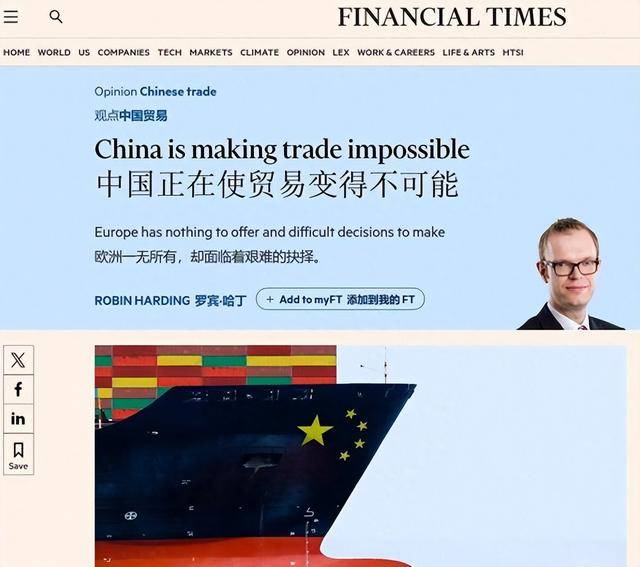
欧媒:中国什么都不想买,什么都想自己造,欧洲快被逼得没活路了
Sou Hu Cai Jing· 2025-11-29 07:36
Core Insights - The essence of trade is questioned, focusing on what China truly desires to import from the world in the foreseeable future [1][3] - The dialogue reveals the underlying tensions in global trade, particularly regarding the distribution of benefits [3][4] - China's shift towards self-sufficiency is driven by a strategic need to reduce dependency on external supply chains, especially in light of geopolitical tensions [10][12] Group 1: China's Economic Strategy - China is moving away from being a mere consumer to becoming a developer within the global supply chain [12] - The country aims for comprehensive self-sufficiency across industries, driven by a sense of insecurity regarding external dependencies [10][12] - This shift is expected to have significant repercussions on European economies, particularly Germany, which may see a 0.3 percentage point reduction in growth due to China's domestic substitution efforts [14] Group 2: European Response and Challenges - Europe faces a dilemma: either reform its foundational production chains or resort to trade protectionism [20][22] - The "difficult option" involves deep reforms to adapt to China's competitive manufacturing landscape, which is politically challenging for European societies accustomed to high welfare [22][24] - The "bad option" of protectionism could lead to a breakdown in global trade relations, as both sides may resort to tariffs and sanctions [26][30] Group 3: Diverging Development Paths - The current situation highlights a historical divergence in development paths between China and Europe, with China prioritizing manufacturing and technology over consumerism [30][32] - China's focus on enhancing technological independence and industrial security is deemed more critical than increasing imports from Europe [32][34] - The inability of Europe to adapt to this new competitive landscape may lead to a closed-off and confrontational approach, reflecting the collapse of the old global division of labor [34]
想拿中国当挡箭牌?欧洲27国通告美国,联手断中方后路,话音刚落,特朗普先向中国献礼
Sou Hu Cai Jing· 2025-11-29 07:10
Core Viewpoint - The EU's strategy to leverage its relationship with the US by sacrificing Chinese interests has backfired, leading to an embarrassing situation as the US unexpectedly resumed trade negotiations with China, undermining the EU's efforts [1][4][10] Group 1: EU's Economic Strategy - The EU submitted a memorandum to the US, attempting to gain concessions on steel and aluminum tariffs by emphasizing a "common competitor" in China [1] - Since the beginning of the year, EU investments in the US have surged by over €150 billion, and the share of US liquefied natural gas imports in the EU has increased from 45% to 60% [1] - The EU's reliance on digital regulations as a key asset is threatened by US demands to reconsider its digital market laws, which could undermine the EU's regulatory authority [3][6] Group 2: US Response and Implications - The US showed little interest in the EU's overtures and instead focused on requiring the EU to align its digital regulations with US interests, suggesting that a balanced regulatory framework could attract up to $1 trillion in investment [3] - The US's quick shift to a friendlier stance towards China after the EU's negotiations indicates a strategic move to counter the EU's attempts to leverage China against the US [4][8] - The US's insistence on digital regulations highlights its concern over the EU's policies that threaten the dominance of American tech giants [6] Group 3: Geopolitical Miscalculations - The EU's attempt to use China as a bargaining chip reflects a significant misreading of the geopolitical landscape, as the world moves towards a multipolar order [6][10] - The EU's strategy risks alienating China, which is a crucial trade partner, and could lead to long-term economic disadvantages for European companies [4][7] - The EU's contradictory approach of trying to suppress China economically while seeking defense cooperation illustrates a lack of coherent strategy [7] Group 4: International Reactions - ASEAN countries have expressed their intention not to follow unilateral sanctions or trade restrictions, emphasizing the importance of maintaining normal trade relations with China [8] - The African Union has openly opposed trade protectionism, reinforcing the idea that the EU's actions diverge from global expectations for cooperation and mutual benefit [8] - The EU's approach has been criticized as short-sighted, risking its strategic autonomy in favor of immediate gains [10]
美国关税政策反转!特批四国免税待遇,瑞士也传来好消息
Sou Hu Cai Jing· 2025-11-28 10:16
Core Points - The U.S. government has announced the removal of tariffs on certain food and import goods from Argentina, Ecuador, Guatemala, and El Salvador, aiming to enhance market access for U.S. businesses in Latin America and Central America [1][3] - The framework agreement is expected to be signed soon, with negotiations for other agreements anticipated to conclude by the end of the year [1][3] - The response from the governments of the four countries has been overwhelmingly positive, as the tariff removal is expected to boost their export trade and deepen economic ties with the U.S. [3] Economic Implications - The tariff removal is seen as a significant opportunity for countries like Ecuador, where the banana industry could see a substantial increase in sales due to reduced costs for entering the U.S. market [3] - The U.S. aims to lower domestic prices for products like coffee and bananas, addressing the cost of living pressures faced by American consumers [5][7] - The move aligns with the Trump administration's focus on affordability and improving public perception following recent electoral losses [7][9] Political Context - The tariff reduction reflects a strategy to balance economic interests with political objectives, as the administration seeks to enhance support among voters by addressing everyday consumer concerns [9][11] - The effectiveness of these trade policy adjustments in delivering immediate benefits to the public remains uncertain, especially with the upcoming elections [11]
特朗普万万没想到,除了稀土,中国还有一个王炸可以打败美国
Sou Hu Cai Jing· 2025-11-28 07:48
Core Viewpoint - The ongoing trade war has highlighted the United States' dependency on China for critical resources, particularly in the rare earth and pharmaceutical sectors [1][3][4]. Group 1: Rare Earth Industry - A rare earth processing center in South Carolina has successfully produced its first domestic rare earth magnet, which has been interpreted by the media as a sign of a manufacturing revival in the U.S. [1] - Despite this achievement, the U.S. remains heavily reliant on China for both rare earth materials and pharmaceutical raw materials [1]. Group 2: Pharmaceutical Supply Chain - The pharmaceutical supply chain is identified as a crucial leverage point for China in U.S.-China negotiations, with China holding a dominant position in the global pharmaceutical market [3]. - As of the latest data, China accounts for 45% of global drug ingredient registrations, significantly outpacing India's 19% [3]. - China is the sole supplier of approximately 700 key drug core chemical components, indicating its deep integration into the global healthcare system [3]. Group 3: U.S. Political Response - U.S. political figures have reacted strongly, with calls for collaboration with allies like India to establish alternative supply chains to reduce dependency on China [4]. - The U.S. has previously imposed high tariffs on medical equipment and patented drugs from China, which could increase healthcare costs for American citizens [4]. Group 4: Innovation in Chinese Pharmaceutical Industry - China's pharmaceutical industry has transitioned from follower innovation to original innovation, enhancing its influence in new drug development and clinical trials [6]. - Efforts to decouple from China's pharmaceutical supply chain are deemed increasingly unrealistic, as even India, the largest generic drug producer, relies on Chinese raw materials [6]. - The globalized nature of supply chains makes it nearly impossible for the U.S. to achieve supply chain security through protectionist measures [6].

9年前一句预言成真,若特朗普能任2届,美国会变成老二
Sou Hu Cai Jing· 2025-11-27 22:05
Group 1 - The article discusses the prediction made by Zhang Zhaozhong in 2016 regarding Trump's presidency leading to the decline of the US economy, suggesting that China has now reached a level of parity with the US [1][4][20] - It attributes the economic decline of the US to Trump's policies, particularly the "reciprocal tariffs" introduced in April 2025, which have increased costs for American consumers and businesses [4][6][8] - The article highlights that the US national debt has surpassed $38 trillion, indicating a long-term trend of increasing debt and fiscal mismanagement since 1985, which has led to a reliance on borrowing [12][14] Group 2 - The article emphasizes that the decline of the US is not solely due to Trump but is a result of long-standing structural issues, including the hollowing out of its industrial base and increasing income inequality [10][18][31] - In contrast, China's manufacturing sector has grown significantly, maintaining the largest global industrial output for 15 consecutive years, supported by substantial investments in technology and research [20][22] - The article concludes that the shift in global power dynamics is a natural outcome of internal contradictions within the US and the robust development of China's economy, which is characterized by a complete industrial chain and a commitment to open cooperation [26][28][31]