
绿色消费

Search documents
焕新消费体验 让“买买买”更便捷
Sou Hu Cai Jing· 2025-12-29 01:33
Group 1 - The core viewpoint of the articles highlights the robust growth of online consumption as a key driver for economic development, with a reported 5.7% year-on-year increase in online retail sales of physical goods from January to November, outpacing the overall retail sales growth by 1.7 percentage points, and accounting for 25.9% of total retail sales [1][2][4] - The central economic work conference emphasized the need to implement actions to boost consumption, including plans to increase residents' income and expand the supply of quality goods and services, which is expected to sustain the growth of online retail sales during the year-end consumption peak [1][4] - The online retail sector is benefiting from a dual boost of market resilience and policy support, with online consumption becoming a core engine for growth, effectively countering fluctuations in offline consumption and stabilizing the overall consumption landscape [4][5] Group 2 - The online retail market is seeing significant contributions from various categories, with food, clothing, and daily necessities experiencing growth rates of 14.9%, 3.5%, and 4.4% respectively, indicating a diverse demand across consumer segments [2] - Major e-commerce platforms are enhancing their supply chain capabilities to ensure timely delivery of fresh products, with Pinduoduo reporting a 51% year-on-year increase in quality product SKUs since the launch of its "100 billion support" plan [2] - The service consumption sector is also thriving, with platforms like Meituan reporting over 1 billion yuan in online transaction volume within 24 hours during promotional events, showcasing the high consumer engagement in leisure and entertainment services [3][4] Group 3 - The government is actively promoting policies to stimulate consumption, including financial support and collaboration with e-commerce platforms to develop business models suited to the internet, which is expected to enhance the overall consumption environment [5] - The year-end shopping season is being leveraged by platforms like Douyin and Kuaishou, which are launching various promotional activities to maximize consumer engagement and drive sales [5] - Experts suggest that to further unlock online consumption potential, efforts should focus on optimizing the consumer environment, innovating shopping experiences, and enhancing policy support to reduce costs and boost consumer confidence [4][5]
以旧换新+精准发券,点燃买买买热情
Xin Lang Cai Jing· 2025-12-28 17:20
Core Insights - The consumption market in Hunan province is experiencing significant growth, driven by policies such as the "old-for-new" program and the distribution of consumption vouchers, with retail sales exceeding 1.3 trillion yuan from January to August 2025, marking a strong economic performance [1][4] Group 1: Old-for-New Policy - The "old-for-new" policy has become a key driver in the consumption market, with over 13.01 million applications for subsidies amounting to 12.18 billion yuan, leading to sales of 90.58 billion yuan [1] - The automotive sector has seen a notable impact, with 331,300 vehicles replaced, over 50% of which are new energy vehicles, contributing to sales of 45.37 billion yuan [1] - The home appliance sector is also thriving, with 6.78 million energy-efficient appliances replaced, accounting for nearly 80% of the total, highlighting a shift towards green consumption [1] Group 2: Consumption Vouchers - The "Enjoy Hunan" consumption voucher program, launched on October 23, has allocated 100 million yuan, covering various sectors including dining, fuel, and home services, with multiple discount tiers to cater to diverse consumer needs [2] - As of now, over 90 million yuan in vouchers have been distributed, with 146,000 merchants participating and attracting 13.59 million consumer registrations, resulting in a direct consumption boost of 340 million yuan [3] - The program has enhanced consumer engagement, with many users reporting significant savings on dining and fuel costs, indicating its effectiveness in stimulating daily spending [3] Group 3: Market Dynamics - The consumption landscape in Changsha is diversifying, with a blend of offline and online experiences, reflecting a high-quality development trend [4] - The opening of the first duty-free store in Changsha has filled a local market gap, providing residents and tourists with convenient access to high-end shopping options, marking a new landmark in consumption upgrades [3][4] - The Hunan Provincial Department of Commerce plans to continue optimizing consumption policies and launching additional rounds of vouchers to further stimulate market activity [4]
学习笔记|多管齐下提振内需、促进消费
2 1 Shi Ji Jing Ji Bao Dao· 2025-12-27 13:41
Core Viewpoint - The article emphasizes the importance of boosting domestic consumption as a key strategy for economic growth in China, highlighting various initiatives and policies aimed at enhancing consumer confidence and spending [1][2]. Group 1: Economic Policies and Initiatives - The Central Economic Work Conference has proposed to prioritize domestic demand and build a strong domestic market, implementing special actions to boost consumption and formulating plans to increase urban and rural residents' income [1][2]. - The recommendations for the 15th Five-Year Plan include enhancing consumer capacity through increased public service spending and expanding the supply of quality consumer goods and services [2][4]. - The government aims to eliminate unreasonable restrictions in the consumption sector, thereby unleashing the potential for service consumption [1][2]. Group 2: Consumption Trends - There is a notable increase in large-scale consumption, service consumption, and new types of consumption, supported by policies like the trade-in program [3]. - Service consumption has shown a continuous recovery, with retail service sales increasing by 5.4% year-on-year in the first 11 months, marking three consecutive months of growth [2]. - New consumption trends, including digital consumption driven by AI, green consumption, and various innovative economic activities, are rapidly developing [3]. Group 3: Employment and Income - The article highlights the need for high-quality employment and the implementation of an employment-first strategy to support consumer spending [4]. - Policies aimed at increasing residents' income share in national income distribution and enhancing labor remuneration are crucial for boosting consumer confidence [4]. - The government plans to support key groups such as college graduates and migrant workers to stabilize and expand employment opportunities [4]. Group 4: Family Support and Consumer Rights - Initiatives to gradually increase pensions and healthcare, along with optimizing policies for child-rearing and education, are designed to support families and create a family-friendly society [5]. - The issuance of consumption vouchers targeting low- and middle-income groups is expected to alleviate concerns and encourage spending [5]. - Strengthening consumer rights protection and addressing issues like counterfeit goods and price fraud are essential for fostering a trustworthy consumption environment [6].
供需两端齐发力 激活消费“主引擎”
Xin Lang Cai Jing· 2025-12-25 19:23
Core Viewpoint - Consumption is identified as the "main engine" of economic growth and a "barometer" of people's well-being, with policies effectively stimulating consumption potential in 2023, leading to a 4% year-on-year increase in retail sales of consumer goods in the first eleven months, surpassing both the same period last year and the total growth for the previous year [1]. Group 1: Policy and Economic Measures - The Central Economic Work Conference emphasized the importance of domestic demand and outlined specific measures to boost consumption, including the implementation of special actions to stimulate consumption and the release of service consumption potential [1]. - Local governments are accelerating efforts to stimulate consumption from both supply and demand sides, focusing on enhancing momentum and tapping into potential [2]. Group 2: Consumer Trends and Market Dynamics - Consumer preferences are shifting from mere availability to quality, with high demand for premium products such as high-end smartphones and popular events [3]. - The automotive sector has seen record production and sales, with new energy vehicles accounting for 53.2% of total new car sales, indicating a significant shift towards sustainable consumption [3]. Group 3: Service Consumption Growth - Service retail sales increased by 5.4% year-on-year in the first eleven months, marking a recovery trend, with basic services like elderly care and childcare becoming essential for many families [4]. - Various regions are developing unique service offerings, such as themed trains and tourism initiatives, to cater to increasingly segmented consumer demands [4]. Group 4: Innovation and New Market Opportunities - The introduction of L3-level autonomous driving vehicles and the establishment of extensive charging infrastructure are expected to create a trillion-yuan market and drive innovation across the industry [6]. - New retail formats and cultural trends, such as the rise of Hanfu fashion in Shandong, are contributing to the diversification of consumer experiences and preferences [6]. Group 5: Comprehensive Policy Initiatives - The government is implementing a series of measures to enhance consumer confidence and spending power, including extending parental leave and optimizing housing policies [9]. - A systematic approach is being adopted to boost consumption through coordinated supply and demand efforts, with a focus on quality and consumer rights protection [10].
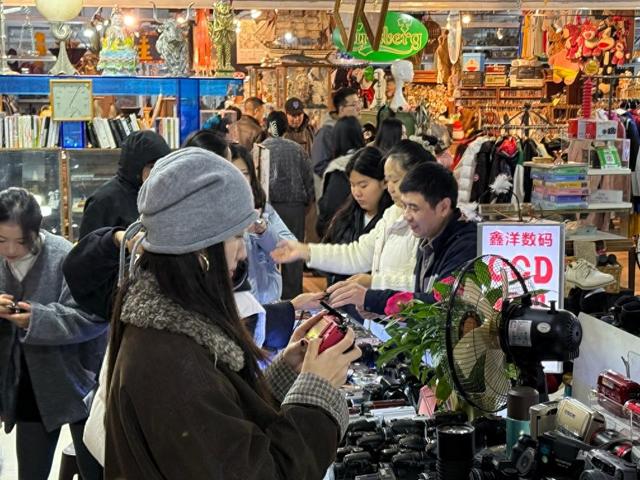
新赛道!“二手经济”撑起万亿级大市场
Xin Lang Cai Jing· 2025-12-25 14:16
Core Insights - The second-hand goods market in China has become a trillion-yuan industry, with a transaction volume of 1.69 trillion yuan in 2024, reflecting a 28% year-on-year growth and a compound annual growth rate of 12% over the past six years [3][4]. Group 1: Pilot Program and Market Trends - The Ministry of Commerce and other departments initiated a pilot program for second-hand goods circulation in December 2024, with 10 cities and 28 enterprises as the first trial units [1][3]. - The pilot program has shown initial success, with markets like Chongqing's Dongjiaxi flea market experiencing increased foot traffic, peaking at over 20,000 visitors in a single day [1][3]. - In Wuhan, the Qingshan Huayong old goods market is focusing on second-hand kitchen equipment, with annual sales expected to exceed 100 million yuan [3][4]. Group 2: Consumer Behavior and Market Dynamics - The consumer demographic for second-hand goods is diverse, with middle-aged consumers focusing on home decor and younger consumers interested in collectibles and digital products [6][7]. - The second-hand market is evolving into a new consumption model that integrates green, personalized, and intelligent features, moving beyond mere practicality and economic benefits [9][10]. Group 3: Innovations and Future Developments - The industry is witnessing innovative transformations, with companies like Yijia Water (Wuhan) utilizing live streaming for sales, achieving monthly sales exceeding 2 million yuan [4][5]. - The integration of AI, big data, and cloud computing is expected to enhance the efficiency of second-hand goods transactions, with platforms like Xianyu reporting over 10 billion yuan in AI-enabled transaction volume [10][11]. - Future developments will focus on creating a transparent and regulated market, with initiatives to prevent fraud and ensure product authenticity [10][11].

财经聚焦|新赛道!“二手经济”撑起万亿级大市场
Xin Hua She· 2025-12-25 14:06
Core Insights - The second-hand goods market in China has become a trillion-yuan industry, driven by the circulation of used products and supported by government initiatives [1][2] - The Ministry of Commerce and other departments have launched pilot programs in 10 cities and 28 enterprises to promote second-hand goods circulation, showing initial positive results [2][3] Market Growth - The transaction volume of second-hand goods in China reached 1.69 trillion yuan in 2024, marking a 28% year-on-year increase, with a six-year average compound growth rate of 12% [2] - Pilot cities are focusing on various categories such as second-hand mobile phones, clothing, and furniture, adapting to local consumer needs [2] Consumer Trends - There is a noticeable increase in young consumers and foreign tourists visiting second-hand markets, indicating a shift in consumer demographics [2] - The second-hand market is evolving into a new consumption model that integrates green, personalized, and intelligent consumption [7][8] Innovation and Technology - The second-hand market is experiencing innovation, with new business models such as rental, auction, and after-sales buyback being developed [8] - Technologies like AI, big data, and cloud computing are being integrated into the second-hand goods circulation, enhancing transaction efficiency and user experience [8][9] Regulatory Framework - The government is working on establishing a comprehensive regulatory framework to ensure the integrity and quality of second-hand goods, aiming to eliminate fraudulent practices [8] - Industry standards are being developed to support the growth of a structured and vibrant second-hand goods ecosystem [3][9]
财经聚焦|新赛道!“二手经济”撑起万亿级大市场
Xin Lang Cai Jing· 2025-12-25 13:17
Core Insights - The second-hand goods market in China has become a trillion-yuan industry, with the Ministry of Commerce launching pilot programs in 10 cities and 28 enterprises to promote second-hand goods circulation [1][3]. Group 1: Market Growth and Trends - The second-hand goods market in China reached a transaction volume of 1.69 trillion yuan in 2024, marking a 28% year-on-year increase and a compound annual growth rate of 12% over the past six years [3]. - Pilot cities are focusing on second-hand items such as mobile phones, clothing, and furniture, with initial positive outcomes observed [3]. - The Wuhan market for second-hand kitchen equipment is expected to exceed 100 million yuan in sales, while a new second-hand car market has become the largest in Central China [3]. Group 2: Consumer Behavior and Demographics - The consumer demographic for second-hand goods is diverse, with a notable increase in young consumers and even international visitors at markets [2][4]. - The average monthly consignment volume at a second-hand store in Nanjing has reached 5,000 items, with 70% sold within the same month [2]. - The age range of consumers spans from middle-aged individuals focusing on home goods to younger consumers interested in collectibles and digital products [7]. Group 3: Innovations and Future Directions - The second-hand market is experiencing innovative transformations, with new business models such as rental, auction, and after-sales buyback being developed [11]. - Technologies like AI, big data, and cloud computing are being integrated into the second-hand goods sector, with AI-driven transactions exceeding 10 billion yuan [11]. - The industry is moving towards a more regulated and quality-focused phase, supported by government policies and standards [10][11].

财经聚焦丨新赛道!“二手经济”撑起万亿级大市场
Xin Hua Wang· 2025-12-25 13:06
Core Insights - The second-hand economy has emerged as a trillion-yuan market, driven by the circulation of used goods and new consumption patterns [1][4] - The Ministry of Commerce and other departments initiated pilot programs for second-hand goods circulation in 2024, with 10 cities and 28 enterprises participating [1][4] Market Growth - The second-hand goods market in China reached a transaction volume of 1.69 trillion yuan in 2024, marking a 28% year-on-year increase, with a six-year average compound growth rate of 12% [4][5] - Pilot cities are focusing on second-hand mobile phones, clothing, and furniture, adapting to local consumer needs [4][5] Consumer Trends - The demographic of consumers is broad, with both young and older individuals participating in the market, showing varied preferences for different product categories [8][10] - The market is witnessing a shift from mere practicality to a new consumption model that integrates green, personalized, and intelligent aspects [11] Innovations and New Business Models - The second-hand market is experiencing significant innovation, with new business models such as rental, auction, and after-sales buyback emerging [12][13] - Technologies like AI, big data, and cloud computing are being integrated into the second-hand goods circulation, enhancing transaction efficiency and consumer experience [12][13] Regulatory and Structural Developments - The Ministry of Commerce is working on establishing a robust policy framework and industry standards to support the growth of the second-hand economy [5][12] - Efforts are being made to create a transparent and trustworthy trading environment, addressing issues like online transaction irregularities and trust costs [12][13]

消费市场持续扩容提质创新升级
Jing Ji Wang· 2025-12-24 01:59
Core Insights - The 2025 Central Economic Work Conference emphasized the importance of "domestic demand as the main driver" for economic growth, marking a strategic shift in focus from merely stimulating consumption to prioritizing it as a long-term economic engine [2][3]. Group 1: Economic Performance - In 2025, the retail sales of consumer goods showed a steady increase, with a year-on-year growth of 4% from January to November, surpassing both the previous year's growth and the overall annual level [3]. - The contribution rate of final consumption expenditure to economic growth reached 53.5% in the first three quarters of 2025, an increase of 9 percentage points compared to the previous year, solidifying consumption's role as the primary driver of economic growth [3]. Group 2: Policy Initiatives - The government implemented a comprehensive set of policies to boost consumption, including initiatives for replacing old consumer goods and expanding service consumption, which collectively injected significant momentum into the market [4]. - The "old-for-new" policy for consumer goods was expanded to cover various sectors, leading to over 2.5 trillion yuan in sales and benefiting more than 360 million people [4]. Group 3: Consumption Trends - There was a notable shift in consumer behavior towards experience-based consumption, with a blend of online and offline shopping environments enhancing market vitality [5][6]. - New consumption models, such as instant retail and live-streaming e-commerce, gained traction, with online retail sales of physical goods increasing by 5.7% year-on-year, accounting for 25.9% of total retail sales [7]. Group 4: Future Outlook - Experts predict that with ongoing employment stabilization and income growth measures, along with an expanding supply of quality goods, the potential of China's consumption market will continue to be unleashed, supporting sustained economic progress [8].
以金融活水启动消费主引擎
Xin Lang Cai Jing· 2025-12-23 20:11
Core Viewpoint - The Chinese government emphasizes the importance of enhancing consumer capacity and improving consumption conditions to stimulate domestic demand and drive economic growth [1][2][4][7] Group 1: Enhancing Consumer Capacity - The foundation of consumption is stable income, which is crucial for boosting consumer capacity, especially for the middle and low-income groups [2] - Current challenges to income growth include a reliance on wage income, insufficient income growth for low-income groups, and a lack of stable financial support for new economic sectors [2][3] - Financial mechanisms are essential to break through income growth bottlenecks and support the enhancement of consumer capacity [2][3] Group 2: Improving Consumption Conditions - Good consumption conditions are vital for stimulating consumer potential and enhancing consumer confidence [4] - Key barriers to consumption include unstable income expectations, low consumption utility, inadequate safety guarantees, and high costs of consumer dispute resolution [4][5] - Financial strategies can address these barriers by enhancing employment support, improving rural financial systems, and strengthening pension services [5][6] Group 3: Innovating Consumption Scenarios - Creating diverse consumption scenarios is crucial for fostering consumption growth and meeting varied consumer demands [7] - Current issues in consumption scenarios include mismatches in supply and demand in lower-tier markets and poor consumer experience in traditional scenarios [7][8] - Financial innovation should focus on integrating technology with consumption scenarios, developing sustainable products, and enhancing the overall consumer experience [8]