即时零售

Search documents
不夸张,沃尔玛App可能在重塑价格认知
半佛仙人· 2025-12-24 15:17
Core Viewpoint - The article emphasizes the transformation of Walmart from a traditional retail giant to a digital platform, highlighting its ability to maintain customer trust and satisfaction through its app, which offers convenience and reliability in shopping [2][3]. Group 1: Customer Experience - Walmart has evolved from a physical shopping experience to a digital one, allowing customers to shop conveniently from their phones, which reflects a significant shift in consumer behavior [2]. - The app retains the essence of Walmart's value proposition, providing a sense of relaxation and trust, as customers do not have to worry about product quality or pricing [3]. - The simplicity of Walmart's product selection—either low-priced or high-quality—contributes to a stress-free shopping experience, allowing customers to shop without second-guessing their choices [3]. Group 2: Product Offering and Pricing - Walmart's app offers a wide range of products, including everyday essentials, which eliminates the need for customers to visit multiple platforms for their shopping needs [3]. - The pricing strategy is straightforward, with no hidden fees or complicated pricing structures, reinforcing the "everyday low price" principle that Walmart is known for [3]. - New users can access significant discounts, such as high-protein milk for as low as 0.1 yuan, showcasing Walmart's aggressive pricing strategy to attract customers [4]. Group 3: Supply Chain and Reliability - Walmart's extensive supply chain capabilities allow it to deliver products even to remote areas, with approximately 30% of sales coming from cities without physical Walmart stores [4]. - The company has decades of experience in supply chain management, ensuring reliable delivery and product availability, which builds customer confidence [5]. - Walmart's commitment to quality control in its private label products is emphasized, as the company cannot afford to compromise on quality due to its established reputation [4]. Group 4: Digital Transformation - The transition to a digital platform is not just about convenience; it reflects Walmart's understanding of consumer needs and its ability to adapt to changing shopping behaviors [12]. - The app's user-friendly interface and straightforward promotional strategies, such as no need for sharing or referrals, differentiate Walmart from other e-commerce platforms [12]. - Walmart's approach to online shopping focuses on protecting customers from overspending and unnecessary complexity, contrasting with other platforms that encourage higher spending [12].



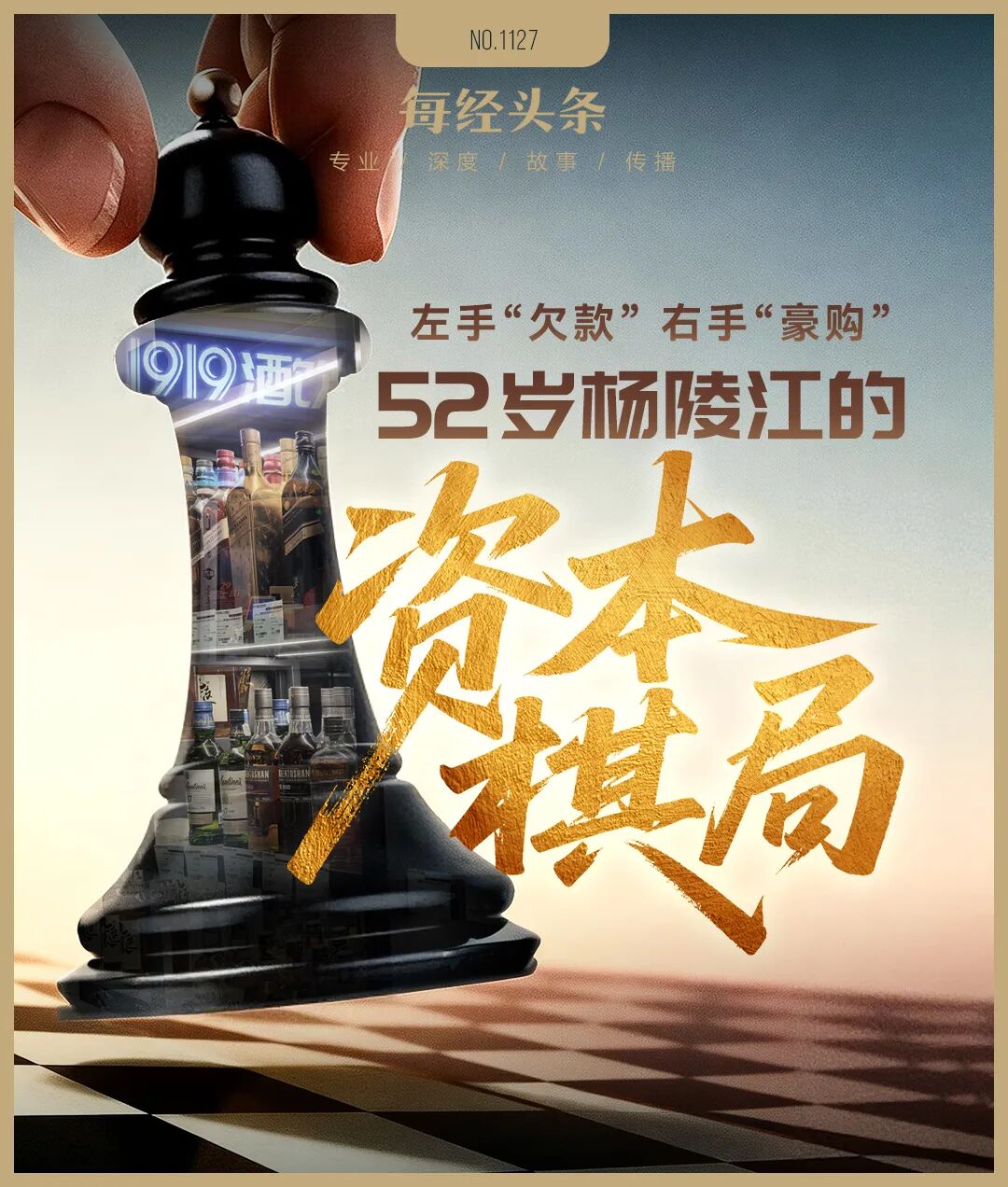
左手“欠款”右手“豪购”!杨陵江收购怡园酒业,1919酒类直供是否重启上市?
Mei Ri Jing Ji Xin Wen· 2025-12-24 13:56
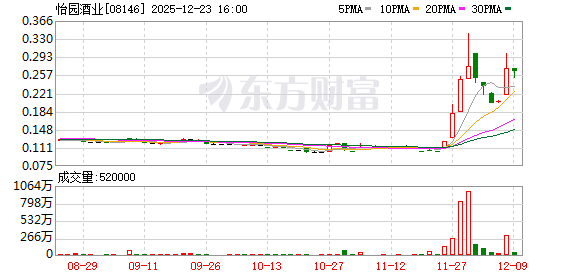
Core Viewpoint - The acquisition of a 73.63% stake in Yiyuan Winery by Yang Lingjiang, founder of 1919 Wine Supply, amidst financial difficulties faced by 1919, indicates a strategic move to leverage Yiyuan's assets and potential for industry consolidation during a challenging period for the wine industry [1][3][12]. Group 1: Acquisition Details - Yang Lingjiang's acquisition of Yiyuan Winery was disclosed on December 15, with an estimated transaction value of approximately 156 million HKD (around 141 million RMB) based on Yiyuan's stock price prior to suspension [2][12]. - Yiyuan Winery, the largest wine producer in Shanxi, has faced significant financial losses in recent years, including losses of 60,000 RMB in 2022 and 4.1 million RMB in 2024 [3][12]. Group 2: Industry Context - The wine industry is currently undergoing a deep adjustment, with companies like Huazhi Wine (A-share listed) also experiencing substantial performance declines [1][3]. - The market for high-end liquor has contracted significantly, prompting a shift in business models towards immediate retail and integrated consumption experiences [9][10]. Group 3: Financial Health and Strategy - Yang Lingjiang has reportedly reduced 1919's debt from 92% to below 20%, claiming the company is in its healthiest state historically, despite ongoing cash flow challenges [6][12]. - The company plans to eliminate 1,500 underperforming franchise stores by the end of the year as part of its transformation strategy [10][12]. Group 4: Future Prospects - There are speculations about the potential for 1919 Wine Supply to relaunch its IPO, with the acquisition of Yiyuan Winery possibly facilitating this process by providing a more favorable capital platform [12][14]. - Yang Lingjiang aims to develop 1919 into a leading F2B2C platform, with ambitious plans for product development and brand management over the next decade [11][12].
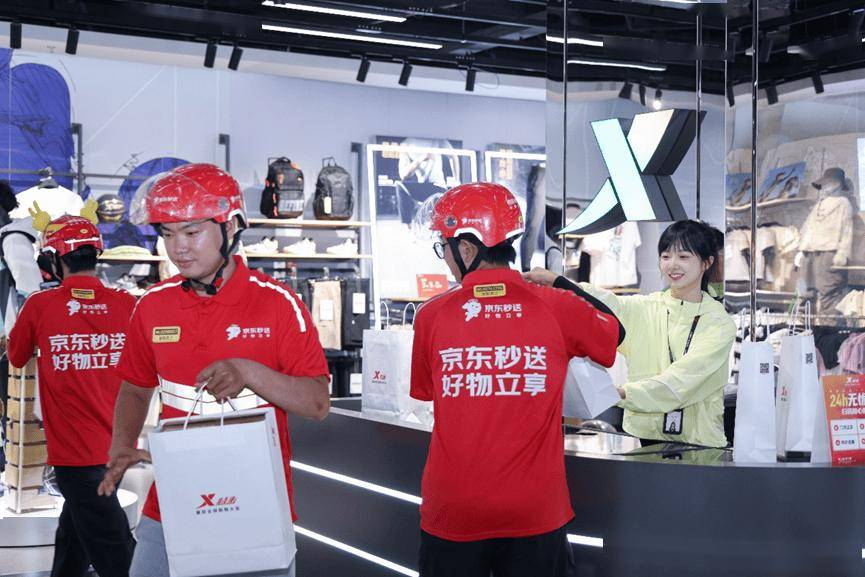
京东时尚秒送合作门店数量增长超150% 助力波司登、安踏等品牌实现新增量
Zhong Guo Jin Rong Xin Xi Wang· 2025-12-24 12:43
Core Insights - The instant retail sector in China is projected to exceed 1 trillion yuan by 2026 and reach 2 trillion yuan by 2030, driven by the dual forces of digital economy and consumer transformation [1] - JD Fashion's instant delivery service is experiencing explosive growth, becoming a key method for brands to engage in instant retail and for consumers to access trendy products [1] Group 1: Industry Growth and Trends - The Ministry of Commerce's report indicates that the instant retail market is set for significant expansion, with a focus on building a robust ecosystem for high-quality development [1] - JD Fashion's instant delivery service has onboarded over 1,000 merchants by the end of 2025, including major retail brands, and has seen a more than 150% year-on-year increase in store numbers [1] Group 2: Sales Performance - Major sports brands like Nike, Adidas, and Anta have reported over 200% year-on-year growth in sales through JD Fashion's instant delivery service, with some categories like underwear seeing a 500% increase [1] - During the Qixi Festival in 2025, the beauty and skincare category saw a 150% year-on-year increase in sales, with luxury brands experiencing growth rates exceeding 600% [2] Group 3: Seasonal Promotions and Consumer Engagement - JD Fashion's instant delivery service is capitalizing on seasonal events, offering significant discounts and promotions for products like beauty gift sets and sports apparel during holidays [2] - The service aims to address consumer pain points by ensuring product quality and timely delivery, enhancing the overall shopping experience [2]

金甲虫刘船高:即时零售改变不了线下
Sou Hu Cai Jing· 2025-12-24 12:29
Core Viewpoint - The recent announcement by the National Medical Products Administration regarding 37 batches of non-compliant cosmetics has highlighted the challenges of counterfeit products in the instant retail sector, particularly on platforms like Meituan [1] Group 1: Instant Retail Growth and Market Potential - The instant retail market in China is projected to exceed 1 trillion yuan by 2026 and reach 2 trillion yuan by 2030, with an average annual growth rate of 12.6% during the 14th Five-Year Plan period [1][2] - Major e-commerce platforms, including JD.com and Alibaba, have significantly invested in instant retail, with JD.com entering the food delivery sector and offering substantial subsidies to attract users and merchants [2][4] - Instant retail has shown remarkable performance during the Double 11 shopping festival, with total e-commerce sales reaching 16,950 billion yuan, a year-on-year increase of 14.2%, while instant retail sales surged to 670 billion yuan, up 138.4% [4] Group 2: Adaptability of Beauty Products in Instant Retail - Beauty products are well-suited for instant retail due to their small size, high price points, and standardized nature, making them ideal for quick delivery [5] - The beauty industry has embraced instant retail as a pioneering sector, with major platforms like Meituan and JD.com seeing significant growth in beauty product sales [6] Group 3: Differentiated Development of Beauty Brands - Beauty brands are primarily adopting an indirect entry model into instant retail, relying on beauty collection stores and large supermarkets to reach consumers [7] - Notable brands like L'Oréal and Lin Qingxuan have successfully completed official certifications for entry into instant retail platforms, while many others are still in the process [7][8] Group 4: Consumer Behavior and Market Dynamics - Despite the rise of instant retail, some industry experts argue that it may not significantly alter the current landscape of offline retail, as consumers often stock up on beauty products rather than relying on immediate purchases [9] - The overlap between instant retail customer bases and existing offline store customers suggests that speed may not be the primary concern for beauty consumers [9] Group 5: Strategic Considerations for Retailers - Retailers are advised to focus on brand strength, quality, pricing, and service rather than chasing every market trend, as a strong brand presence can naturally attract consumers regardless of channel changes [11][12] - Companies like Jinjia Chong have maintained a sustainable development model by emphasizing authenticity and affordability, which has contributed to their long-term success in the market [11]

周大生:200家直营门店已入驻美团闪购,近期销量增长10倍
Feng Huang Wang Cai Jing· 2025-12-24 07:27
Core Insights - The article highlights the acceleration of instant retail strategies by gold and jewelry brands, particularly through partnerships with platforms like Meituan Flash Delivery [1] Group 1: Company Initiatives - Zhou Dasheng has initiated its first foray into instant retail by partnering with Meituan Flash Delivery, launching operations during this year's Qixi Festival [1] - As of now, 200 direct stores of Zhou Dasheng have been integrated into the Meituan Flash platform, with sales experiencing rapid growth [1] Group 2: Market Trends - Instant retail is identified as a key growth channel for brands, particularly in the context of gifting, which aligns well with the gold and jewelry categories [1] - Since entering the peak gifting season in December, Zhou Dasheng's daily sales on Meituan Flash have increased approximately tenfold compared to the initial launch period, with weekend sales consistently reaching new highs [1] Group 3: Future Plans - Zhou Dasheng plans to further enhance its instant retail channel, with over 5,000 franchise stores expected to join Meituan Flash by 2026 [1]
京东时尚秒送合作门店数量增长超150%,大牌节日礼盒爆款低至5折
Sou Hu Cai Jing· 2025-12-24 06:59
Core Insights - The instant retail sector is being redefined by "minute-level fulfillment" under the dual drive of digital economy and consumer transformation, with the scale expected to exceed 1 trillion yuan by 2026 and reach 2 trillion yuan by 2030 [1] - Building a robust ecosystem and promoting high-quality development are key topics for the instant retail industry [1] Group 1: Market Growth and Trends - JD Fashion's instant delivery service is set to accelerate its supply layout in core categories such as apparel, sports, and beauty by 2025, leading to explosive growth and becoming a crucial method for brands to reach consumers [1] - By the end of 2025, JD Fashion's instant delivery will have over 1,000 merchants, including major domestic retail giants and sports brands, with a year-on-year increase in store numbers exceeding 150% [1] - The sales volume of brands like Nike, Adidas, and Anta has more than doubled year-on-year, with some categories like underwear seeing a fivefold increase since the beginning of the year [3] Group 2: Seasonal and Promotional Performance - Significant growth in instant consumption demand for holiday gifting has been observed, with JD Fashion's instant delivery service reporting over 150% year-on-year growth in beauty and skincare sales during the Qixi Festival [5] - International beauty brands such as SK-II and Dior saw their sales increase by over six times during this period, with specific products becoming bestsellers [5] - Upcoming promotions for holidays like New Year's Day will feature discounts on popular items, enhancing the consumer experience and addressing gifting needs [5] Group 3: Future Outlook - JD Fashion's instant delivery aims to continue expanding its service and fulfillment capabilities, focusing on consumer pain points such as emergencies, seasonal changes, and gifting [5] - The goal is to ensure product quality and delivery timeliness, making the "anytime, anywhere, instant access" fashion consumption experience a norm [5]
消费市场持续扩容提质创新升级
Jing Ji Wang· 2025-12-24 01:59
Core Insights - The 2025 Central Economic Work Conference emphasized the importance of "domestic demand as the main driver" for economic growth, marking a strategic shift in focus from merely stimulating consumption to prioritizing it as a long-term economic engine [2][3]. Group 1: Economic Performance - In 2025, the retail sales of consumer goods showed a steady increase, with a year-on-year growth of 4% from January to November, surpassing both the previous year's growth and the overall annual level [3]. - The contribution rate of final consumption expenditure to economic growth reached 53.5% in the first three quarters of 2025, an increase of 9 percentage points compared to the previous year, solidifying consumption's role as the primary driver of economic growth [3]. Group 2: Policy Initiatives - The government implemented a comprehensive set of policies to boost consumption, including initiatives for replacing old consumer goods and expanding service consumption, which collectively injected significant momentum into the market [4]. - The "old-for-new" policy for consumer goods was expanded to cover various sectors, leading to over 2.5 trillion yuan in sales and benefiting more than 360 million people [4]. Group 3: Consumption Trends - There was a notable shift in consumer behavior towards experience-based consumption, with a blend of online and offline shopping environments enhancing market vitality [5][6]. - New consumption models, such as instant retail and live-streaming e-commerce, gained traction, with online retail sales of physical goods increasing by 5.7% year-on-year, accounting for 25.9% of total retail sales [7]. Group 4: Future Outlook - Experts predict that with ongoing employment stabilization and income growth measures, along with an expanding supply of quality goods, the potential of China's consumption market will continue to be unleashed, supporting sustained economic progress [8].
2025年第51周:酒行业周度市场观察
艾瑞咨询· 2025-12-24 00:04
Industry Environment - The Chinese liquor industry faces three major challenges by 2025: demographic changes, deepening technological revolution, and internal industry adjustments. The shift from "scale expansion" to "structural optimization" is necessary due to population decline and a decrease in the main consumer demographic. AI technology is driving the smart transformation of the industry, reshaping production and marketing models. Solutions include returning to pragmatic values, upgrading technology and quality to meet diverse consumer demands, and enhancing brand IP and emotional connections to build a symbiotic commercial ecosystem [2][3] 1919 Strategic New Vision - The liquor distribution industry is transitioning from traditional inventory models to user operation and instant retail. 1919, as an industry leader, is implementing a "center store + front warehouse" model and a F2B2C supply chain, developing six core capabilities (brand, scale, online customer acquisition, offline fulfillment, supply chain, data sales) for efficient localized service. Collaborations with platforms like Taobao and Meituan have led to significant growth, with plans to expand to over 100,000 front warehouses by 2026. This strategy aligns with young consumer demands, potentially capturing 60%-70% of liquor retail market share [4] Insights from Cross-Industry Products - The introduction of cross-industry products like Mingren soda water has highlighted the collective anxiety within liquor channels due to high inventory and slow sales. Mingren's positioning as a beverage for both before and after drinking has penetrated liquor consumption scenarios, with over 3 million terminal outlets. This case emphasizes the need to shift from product selling to providing scene-based solutions and creating closed-loop experiential marketing [5] "Liquor + New Energy" Growth Potential - Several liquor companies are forming strategic partnerships with new energy giants to explore new paths for industry integration. Collaborations aim to reduce high energy costs in liquor production and build green supply chains, responding to carbon neutrality goals. Leading companies are leveraging these partnerships to expand high-end consumer bases and explore new growth points [6][7] E-commerce Tax Implications - New e-commerce tax regulations set to take effect in October 2025 will require platforms to report merchant data, eliminating tax ambiguities in liquor e-commerce. While small merchants are exempt, larger businesses will face stricter compliance, curbing practices like price dumping. This policy shift is expected to foster fair competition, pushing the industry towards value-based competition rather than price wars [8] New Survival Coordinates for Liquor Merchants - As competition intensifies and channels flatten, traditional profit models based on price differences are becoming obsolete. Merchants must enhance service capabilities, focusing on sales rates, user engagement, and data operations. Manufacturers are shifting from price support to funding market actions for distributors, creating a new formula of "price difference + service commission" [9] Transformation of Tobacco Shops - The traditional tobacco shop industry is undergoing significant transformation, facing challenges but not extinction. The industry is characterized by a "pyramid structure," with small shops leveraging low costs and new channels. Future directions include using digital tools to enhance efficiency and optimizing product offerings to stimulate repeat purchases [10][11] Insights on the Beer Industry - The Chinese beer industry is entering a phase of sustainable development and smart manufacturing, with a focus on high-end products and craft beers. The industry is shifting from scale expansion to value realization, emphasizing health and specialty in product development [12] Changes in Sichuan Banquet Alcohol Consumption - The Sichuan banquet alcohol market is witnessing a shift from traditional "white wine + red wine" combinations to "white wine + low-alcohol beverages," with over 50% of low-alcohol drinks being served. This trend reflects changing consumer preferences towards practicality and cost-effectiveness [12] New Trends in Liquor Chains - The liquor industry is experiencing structural changes driven by diversified consumption, fragmented channels, and personalized demands. The focus is shifting from "single-point breakthroughs" to "full-domain integration," emphasizing the importance of service value and user relationships [13] Brand Dynamics - The health-focused liquor market is rapidly growing, with brands like Zhenjiu leveraging technology and quality assurance to meet consumer demands. The market for health-oriented liquor is projected to reach 58.36 billion yuan by 2024 [14] Cultural Empowerment in Branding - Tiananmen Sauce Liquor emphasizes quality and cultural heritage during industry adjustments, showcasing its commitment to traditional craftsmanship and cultural transmission [15] Young Consumer Engagement Strategies - Wuliangye's collaboration with Pure K to target young consumers has resulted in significant sales growth, demonstrating innovative paths for integrating liquor into youth culture [16][17] Strategic Planning for Future Growth - Xifeng Liquor is focusing on brand youthfulness and internationalization, leveraging technology and cultural confidence to enhance its market position [18] Quality as a Competitive Edge - The liquor industry is transitioning from scale expansion to value enhancement, with quality and culture becoming key competitive factors. Companies like Congtai Liquor are emphasizing quality assurance and regional collaboration to drive growth [19] Evolution of Instant Retail - The liquor industry is moving towards "full-domain retail," emphasizing efficiency and value over price competition. Companies are encouraged to adopt a holistic approach to retail strategies [20] Low-Alcohol Product Success - The introduction of low-alcohol products like Guojiao 1573 has achieved significant market success, highlighting the trend towards healthier drinking options [21] Innovative Marketing Strategies - The collaboration between Wuliangye and FIFA for a new product launch demonstrates the effectiveness of sports marketing in engaging younger audiences [22] Cultural Exchange through Alcohol - The partnership between Chinese and French brands during a state visit symbolizes the cultural exchange and recognition of Chinese liquor on the international stage [28] New Consumption Scenarios - The launch of new products by JunTai Liquor targets both everyday celebrations and high-end collections, reflecting the evolving consumption landscape [29] Commitment to Quality and Development - Xifeng Liquor is reinforcing its commitment to quality and cultural heritage, aiming to lead the industry towards high-quality development [30]




左手“欠款”右手“豪购”!杨陵江收购“国内酒庄第一股” 1919是否重启上市?“吹太多牛都实现了,但千亿还没实现,我很着急”
Mei Ri Jing Ji Xin Wen· 2025-12-23 15:14
Core Viewpoint - The founder of 1919, Yang Lingjiang, has acquired a 73.63% stake in Yiyuan Wine Industry, becoming the new owner of this Hong Kong-listed company, amidst challenges faced by 1919 due to debt issues with franchisees [2][3]. Group 1: Acquisition Details - Yang Lingjiang's acquisition of Yiyuan Wine Industry was disclosed on December 15, with the estimated transaction value around 156 million HKD (approximately 141 million RMB) based on the stock price prior to suspension [3]. - Yiyuan Wine Industry, the first listed winery in China, has faced declining performance, reporting losses in recent years, including 60,000 RMB in 2022 and 4.1 million RMB in 2024 [5]. - Industry analysts suggest that Yang may see potential in Yiyuan's asset platform value and the opportunity for industry consolidation during this adjustment period [5]. Group 2: Financial Context and Challenges - 1919 has been experiencing financial strain, with reports of overdue payments to franchisees and concerns about a potential liquidity crisis [8][10]. - Yang Lingjiang has publicly stated that the company has reduced its debt from 60 billion RMB to a much healthier level, with a debt ratio dropping from 92% to below 20% by year-end [10]. - The company is undergoing a systematic upgrade of its national store network, which has contributed to the delays in payments to franchisees [8]. Group 3: Strategic Direction and Future Plans - Yang Lingjiang has ambitious plans for 1919, aiming to transform it into a leading F2B2C company with self-developed products and a global platform for brand operations [19][20]. - The acquisition of Yiyuan Wine Industry may facilitate 1919's capital operations and simplify the process for a potential relisting, as it provides a ready-made capital platform [25]. - Despite the challenges in the current market, Yang remains focused on adapting to new consumer trends and enhancing the company's operational capabilities [15][18].
左手“欠款”右手“豪购”!杨陵江收购“国内酒庄第一股”,1919是否重启上市?“吹太多牛都实现了,但千亿还没实现,我很着急”
Mei Ri Jing Ji Xin Wen· 2025-12-23 15:04
Core Viewpoint - The founder of 1919, Yang Lingjiang, has acquired a 73.63% stake in Yiyuan Wine Industry, marking a significant move amidst challenges faced by 1919, including debt issues with franchisees and a struggling market for the liquor industry [2][4][6]. Group 1: Acquisition Details - Yang Lingjiang's acquisition of Yiyuan Wine Industry was disclosed on December 15, with the company's stock price at 0.265 HKD per share before suspension, giving it a market value of 2.12 billion HKD [4]. - The estimated transaction value for the acquisition is approximately 1.56 billion HKD (around 141 million RMB) based on the stock price prior to suspension [4]. - Yiyuan Wine Industry, the first listed winery in China, has faced declining performance, reporting losses of 600,000 RMB in 2022 and 4.1 million RMB in 2024 [6]. Group 2: Industry Context - The liquor industry is undergoing significant adjustments, with companies like Huazhi Liquor facing severe performance declines [2]. - Yang Lingjiang's acquisition is seen as a strategic move to leverage Yiyuan's asset value and potential for industry consolidation during this challenging period [6][30]. Group 3: Financial Health and Strategy - Yang Lingjiang has stated that 1919 has reduced its debt from 60 billion RMB to a debt ratio of less than 20% by the end of the year, claiming the company is in its healthiest state historically [13]. - The company has been facing cash flow issues, attributed to a systematic upgrade of its national store network and historical receivables collection [10][13]. Group 4: Future Plans and Market Position - Yang Lingjiang aims to transform 1919 into a leading F2B2C company with self-developed products and a global platform for brand operations within the next ten years [22]. - There are speculations about the potential for 1919 to restart its IPO plans, with the acquisition of Yiyuan Wine Industry possibly facilitating this process by providing a capital platform [30][31].