
贸易保护主义

Search documents
国际关系深度报告:复盘系列:特朗普2.0时期全球经贸体系重构
SINOLINK SECURITIES· 2025-11-10 15:22
Group 1: U.S. Trade Policy and Agreements - The U.S. has implemented a series of tariffs, including a 10% baseline tariff and additional tariffs based on trade deficits, with rates reaching up to 104% for China[14][3] - Since April 2025, the U.S. has engaged in three phases of trade negotiations: exploratory, difficult negotiations, and signing agreements, with significant pressure on trade partners to comply[10][2] - The agreements reached primarily reflect "America First" principles, with countries making concessions on tariffs, investments, and market access[2][1] Group 2: Global Economic Impact - The traditional multilateral trade order is being undermined, leading to a restructured global economic system where trade relations are increasingly determined by national power rather than market forces[2][1] - Economic nationalism and fair trade ideologies are emerging as new narratives in global trade, with countries forming regional alliances to enhance economic resilience[2][1] - Despite U.S. trade pressures, China's economy remains resilient, with a projected increase in foreign trade in the first three quarters of 2025, as other regions fill the gap left by reduced U.S. exports[3][1] Group 3: Risks and Uncertainties - The uncertainty surrounding U.S. tariff policies poses risks, as judicial challenges could lead to significant changes in trade relations[4][1] - The recent U.S.-China economic agreement is merely a framework and does not resolve underlying strategic differences, leaving room for future trade tensions[4][1] - Third-party countries may face pressure to align with U.S. policies, potentially leading to increased tariffs on Chinese products and further complicating China's economic landscape[4][1]
专访上海美国商会会长郑艺:中国引领全球化和多边贸易体系
2 1 Shi Ji Jing Ji Bao Dao· 2025-11-10 11:04
Core Insights - The China International Import Expo (CIIE) serves as a significant platform for foreign enterprises, particularly American companies, to showcase their products and services in China, reflecting the country's commitment to multilateralism and openness [2][3]. Group 1: Participation and Impact - American companies have consistently been the largest group of exhibitors at CIIE, with over 50,000 square meters of exhibition space this year, marking the seventh consecutive year of leading participation [2]. - The U.S. Food and Agriculture Pavilion occupies an area of 350 square meters, emphasizing the importance of agricultural products in U.S.-China trade relations [2]. Group 2: Business Environment - The Shanghai American Chamber of Commerce reports significant improvements in China's business environment, particularly in regulatory transparency, intellectual property protection, cross-border data management, and government procurement [2]. - Despite challenges posed by trade protectionism, there is a strong belief in the potential for mutually beneficial cooperation between the U.S. and China, especially in the agricultural sector [3]. Group 3: Global Leadership and Trade Relations - The recent APEC meeting resulted in a consensus that includes the suspension of certain tariffs and trade measures, indicating a positive shift in U.S.-China trade relations [4]. - China is positioned to play a leading role in globalization and the multilateral trade system, with the upcoming APEC meeting in Shenzhen seen as a crucial opportunity to showcase this leadership [5].
德国总理态度突变,要给中国钢材加税,刚缓和的中德关系被泼了盆冷水
Sou Hu Cai Jing· 2025-11-10 09:44
Group 1 - The recent announcement by German Chancellor Merz regarding tariffs on steel has sparked significant debate, indicating a shift from Germany's previous stance on free trade [1] - The economic ties between Germany and China are strong, with trade exceeding 160 billion euros this year, covering key sectors such as renewable energy, automotive, and machinery [1] - Merz's decision may be influenced by pressure from Western nations, particularly the U.S., as he seeks to avoid international isolation [3] Group 2 - The German steel industry is under considerable pressure due to high tariffs imposed by the U.S., prompting Merz to raise tariffs on Chinese steel to protect domestic interests [3] - This move could harm Germany's trade relations with China, as the automotive and machinery sectors heavily rely on steel components, potentially increasing production costs and reducing international competitiveness [3][5] - Merz's actions challenge the EU's trade policies and may lead to economic isolation, as protectionism could weaken the interconnected global economy [5] Group 3 - Historically, Germany benefited from strong ties with China during Merkel's administration, but the current government appears to prioritize short-term domestic interests over long-term development [7] - Maintaining stable bilateral relations is crucial for future prosperity, and a continued focus on protectionism could ultimately harm Germany's economy [7] - The global trend towards trade protectionism threatens to weaken supply chains, and Germany is urged to recognize the risks and pursue cooperative strategies for mutual benefit [7]

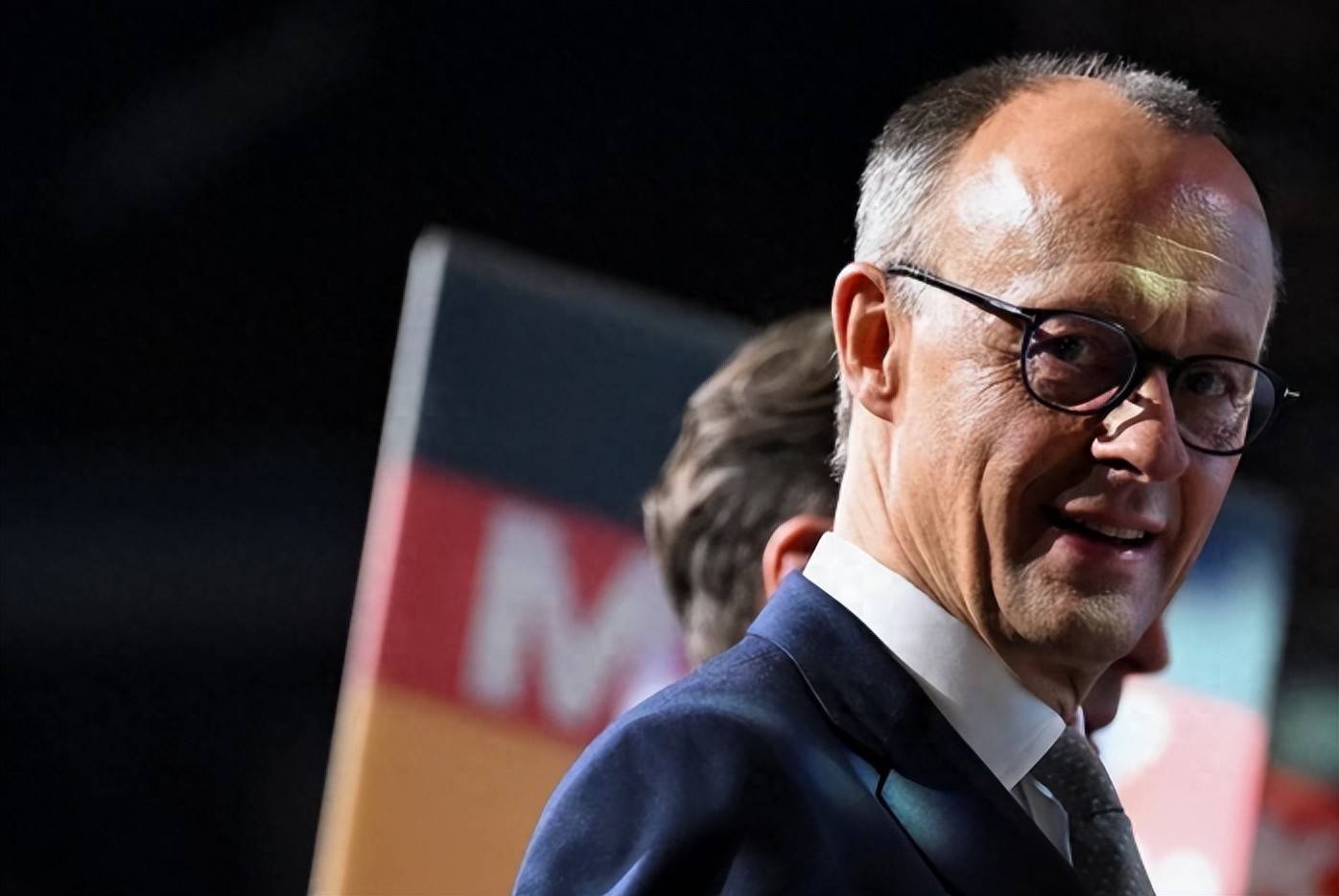
无视中方警告,默茨叫嚣将对中国钢铁加税,英媒:德国完全变了
Sou Hu Cai Jing· 2025-11-10 09:44
Core Viewpoint - The recent decision by German Chancellor Merz to impose tariffs on Chinese steel marks a significant shift from his previous stance against trade protectionism, raising questions about his true intentions and the implications for Germany's economic relationship with China [1][3]. Group 1: Economic Relations - The trade volume between Germany and China exceeded €160 billion in the first eight months of 2025, highlighting the importance of their economic ties and Germany's reliance on the Chinese market [1]. - The German automotive industry is particularly vulnerable, as losing access to the Chinese market could jeopardize its future, with warnings from the German Chamber of Commerce emphasizing the risks of antagonizing China [3]. Group 2: Political Pressures - Analysts suggest that Merz's actions may be an attempt to align with pro-American sentiments amid ongoing U.S. pressure on China, indicating a potential misstep given Germany's deep economic integration with China [3]. - Merz's decision could be seen as a protective measure for Germany's steel industry, but it risks damaging the broader industrial supply chain, ultimately harming Germany itself [3]. Group 3: International Dynamics - The current international environment is challenging, with U.S. policy shifts creating confusion within the EU regarding its stance on China, further complicating Germany's position [5]. - The EU's long-term goals focus on security and resilience, yet its heavy reliance on China for critical minerals, with approximately 98% of key rare earths sourced from China, complicates efforts to diversify supply chains [7]. Group 4: Future Opportunities - Despite the tensions, there are still significant potential cooperation opportunities between Germany and China, particularly in the fields of renewable energy and high technology, which could lead to mutual benefits [8]. - The emphasis should be on dialogue and cooperation rather than protectionism, as the current global economic landscape necessitates collaborative approaches for long-term benefits [10].

美国高层无奈感叹,对全球加关税,中国是唯一敢于反击的国家!
Sou Hu Cai Jing· 2025-11-10 08:48
在这场关税博弈中,中国的反击从未偏离过捍卫合法权益、维护多边秩序的初衷。当单边主义仍在扰乱 全球经济时,中国坚定的立场,不仅保护了自身的利益,也为世界提供了应对贸易保护主义的有力范 本,这正是美国高层感叹背后的深层含义。 中国之所以能够引起美国高层的感叹,原因在于中国的回应不仅有力度,更具有可持续的战略支持。当 美国威胁要加征关税时,中国则通过在稀土等关键领域的反制措施,让美国意识到其供应链的脆弱性, 迫使美国改变态度,甚至承认"未必需要加征关税"。 中国的反制一直都不是简单的情绪反应,而是基于规则的正当防卫。例如,针对美国PVH集团等公司的 歧视性做法,中国依法将其列入不可靠实体清单,以此来保护国内企业的合法权益。这种"打蛇打七 寸"的精准反制,使得美国企业遭受实质性损失,从而对美国政府形成压力。如同美国经济学家拉弗莉 所说,"中国已经学会了如何打贸易战",美国的关税威胁正在失去效力。 特朗普政府的关税政策已经显现出反噬效应。当中国对美大豆加征关税时,美国的大豆出口几乎停滞, 直到美国释放出下调"芬太尼关税"的信号,中国才恢复了少量采购。哥伦比亚大学教授萨克斯的批评非 常到位:美国将自己贸易逆差的问题归咎于 ...
欧盟贸易保护延伸效应:东南亚转口贸易体系如何缓解供应链“降低出口风险”?
Sou Hu Cai Jing· 2025-11-10 06:37
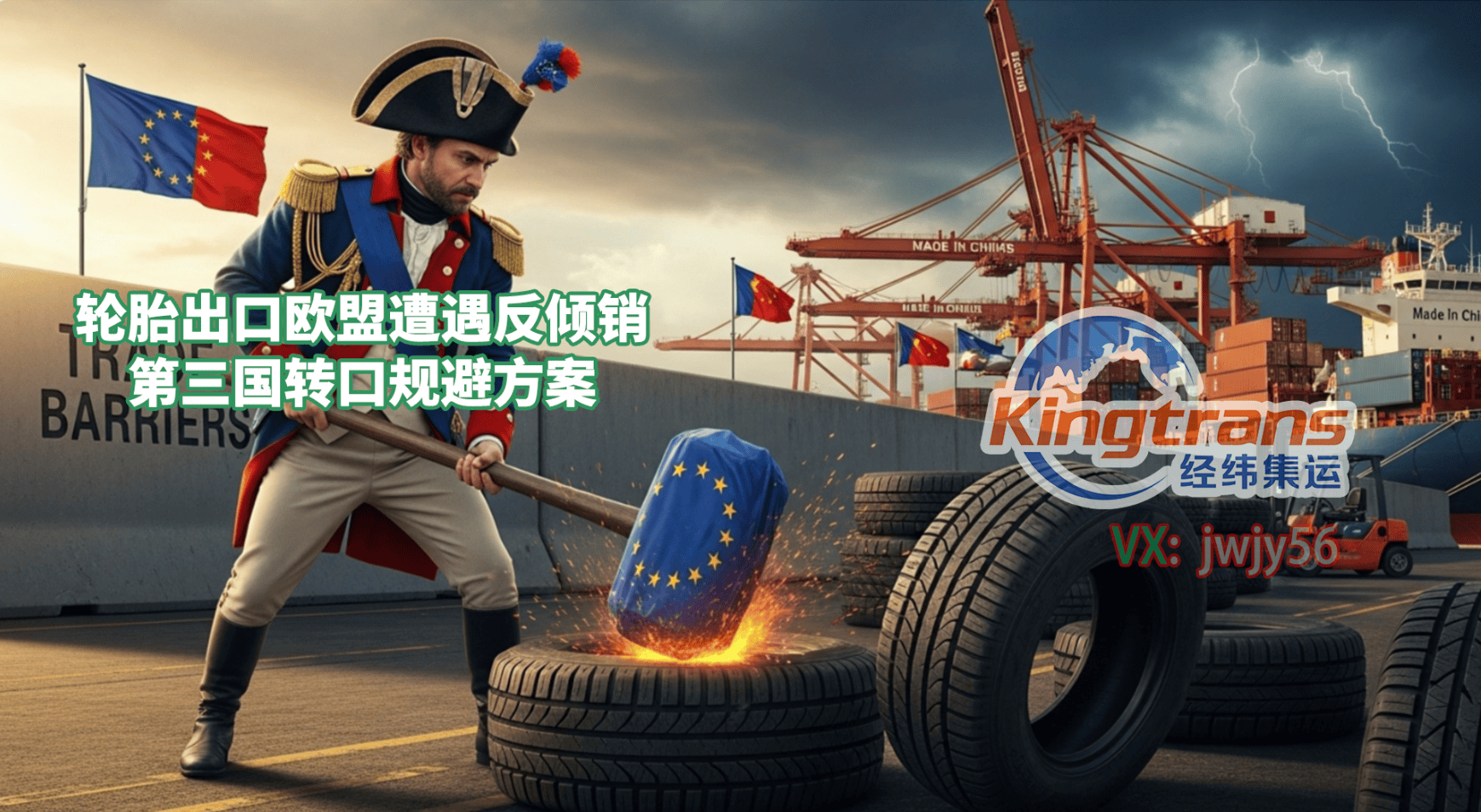
Group 1 - The core viewpoint is that the EU's trade protectionism against Chinese products is intensifying, leading to a high-sensitivity global export environment, with measures expanding in scope, duration, and regulatory detail [1][2][3] - As of October 2025, the EU has implemented 56 anti-dumping and countervailing measures against Chinese goods, amounting to over €46 billion, affecting key industries such as rubber, steel, chemicals, and new energy batteries [1] - The average anti-dumping tax rate ranges from 30% to 70%, with some products exceeding 100%, significantly undermining the price advantage of Chinese manufacturing [1] Group 2 - Southeast Asia is emerging as a new trade hub, with re-export trade growth projected at 43% between 2024 and 2025, with Malaysia, Thailand, and Vietnam accounting for 68% of this growth [5][6] - Chinese-manufactured goods represent 39% of Southeast Asia's total re-export value, indicating that the region's re-export system is becoming a structural component of the global supply chain [5] Group 3 - The compliance aspect is becoming crucial in Southeast Asia's re-export system, moving away from gray-area practices to a more institutionalized and transparent framework [7] - The implementation of electronic origin certificate systems in regions like Port Klang, Malaysia, enhances operational legality and allows for tax optimization through compliance [7] Group 4 - The EU's trade protection measures are prompting a shift from concentrated exports to a distributed layout in supply chains, with a notable decrease in direct exports from China to the EU [9][10] - The proportion of Chinese exports to the EU directly has dropped from 17.6% to 12.3%, while re-exports via Southeast Asia have increased to 9.8%, with key products being chemicals (27%), electromechanical products (21%), and rubber and plastic products (19%) [10] Group 5 - Future trade barriers from the EU will likely focus on environmental, traceability, and social responsibility aspects, with digital origin traceability systems expected to be widely adopted [12][13] - Southeast Asian countries are adjusting their trade regulatory frameworks to align with EU green certifications and ESG standards, indicating a shift towards compliance and low-carbon management in re-export operations [12][13] Group 6 - The Southeast Asian re-export trade system is becoming a key hub for global manufacturing to navigate trade barriers, emphasizing the importance of compliance, digitalization, and regional collaboration [15] - The combination of compliant re-exports, digital traceability, and regional cooperation will enable Chinese manufacturing to gradually regain its foothold in the European market despite ongoing EU trade protections [15]
财经观察:美关税重创德国经济引擎
Huan Qiu Shi Bao· 2025-11-09 22:50
Group 1: Trade Agreement Impact - The trade agreement between the EU and the US, reached on July 27, imposes a 15% basic tariff on most EU imports to the US, which has faced significant criticism within the EU, particularly from the business sector [1][3] - The agreement includes a commitment from the EU to invest $600 billion and import $750 billion worth of energy products from the US, but the specifics of these commitments remain unclear [3] - The agreement has not resolved key details, leading to potential disputes in US-EU trade [3] Group 2: Export Decline - Germany's exports have significantly declined, with a 0.7% year-on-year drop in August and a 23.5% year-on-year decrease in exports to the US, marking the lowest level since November 2021 [4] - Despite a slight rebound in September, exports to the US still showed a 7.4% year-on-year decline, indicating ongoing challenges for the German export sector [4] - The export industry confidence in Germany continues to deteriorate, with a drop in the export expectations index from 3.4 to 2.8 in October [4] Group 3: Sector-Specific Challenges - The automotive sector in Germany is under significant pressure due to the new tariffs, with the German Automotive Industry Association expressing dissatisfaction with the 15% tariff, which is six times higher than the previous rate of 2.5% [6] - Major German automakers like Volkswagen and Mercedes-Benz have reported substantial profit declines, with Volkswagen estimating losses of up to €5 billion due to US tariffs [7] - The machinery and chemical sectors are also facing challenges, with the machinery sector contending with both the 15% tariff and additional 50% tariffs on steel and aluminum products [8] Group 4: Economic Outlook - Germany's GDP showed stagnation in the third quarter, with zero growth following a 0.2% contraction in the second quarter, attributed to high energy costs, weak global orders, and US tariffs [9] - The chemical industry has seen a 2.9% decline in sales from January to August, with a particularly notable drop in orders from North America due to US tariffs [8] - The overall economic outlook remains cautious, with no signs of improvement in either domestic or international markets [8]
危机升级!中欧贸易战开打!欧盟宣布对我们制裁?中国打出稀土牌?
Sou Hu Cai Jing· 2025-11-09 21:09
Group 1 - The EU has established a "special channel" for rare earth supply with China, but simultaneously initiated a countervailing investigation into Chinese rubber tires, highlighting the contradictions in its trade policy [1] - Since 2023, the EU has implemented several trade restrictions against China, including a 38.1% tariff on Chinese electric vehicles, a takeover of a Chinese semiconductor firm, and the recent tire investigation due to a 50% increase in tire exports from China at prices 65% lower than European products [1][2] - China plans to impose export controls on rare earths starting April 2025, with the EU heavily reliant on China for 65.5% of its rare earth supply, and Germany at 75%, leading to concerns over supply chain vulnerabilities [1][2] Group 2 - European automakers like Volkswagen and Renault are increasingly collaborating with Chinese firms to develop electric vehicles, despite the EU's hardline stance against China, indicating a disconnect between EU policy and industry needs [2] - The EU's approach reflects a double standard, as it compromises with the US while adopting similar trade measures against China, resulting in a loss of negotiation leverage, particularly in the context of recent US-China agreements on rare earth supplies [2][4] - The EU's trade barriers have not deterred the competitiveness of Chinese products, as the market share of Chinese electric vehicles in Europe increased from 3.5% to 3.9% in Q4 2024, with a significant portion produced by Western brands in China [5]
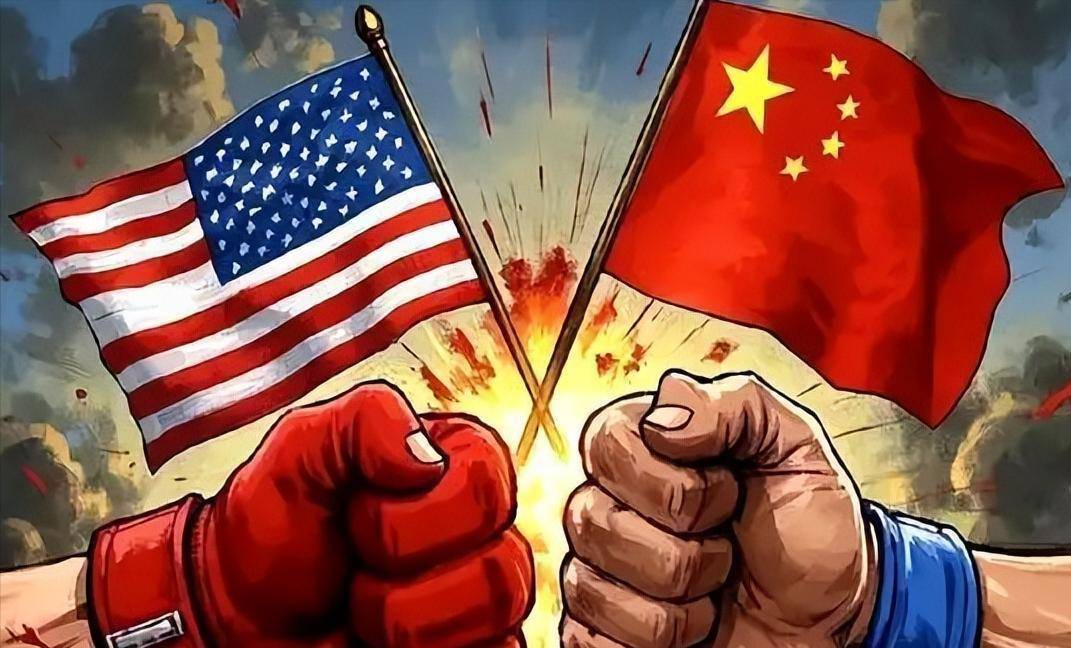
中方刚恢复稀土供应,欧盟立马变脸搞背刺,对华加码反补贴调查
Sou Hu Cai Jing· 2025-11-09 09:06
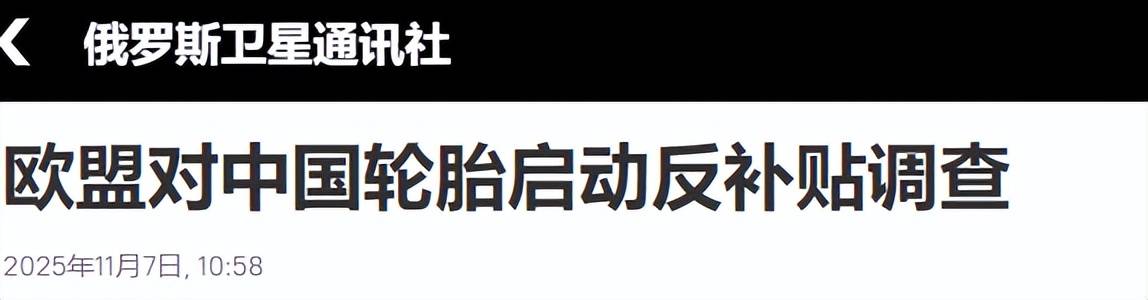
Group 1 - The EU has shown a contradictory stance towards China and the US, indicating a tendency to align more closely with the US rather than achieving strategic autonomy [1][2] - The EU's response to US pressure has historically been to yield, as seen during the Trump administration when it quickly agreed to a trade deal after initial resistance [2][4] - Following a recent dialogue with China, the EU received commitments for stable rare earth supply chains, yet immediately escalated investigations into Chinese automotive subsidies [4][5] Group 2 - The EU has initiated a countervailing duty investigation into Chinese tires, claiming that subsidies from the Chinese government create unfair competition for local products [5][7] - Over the past four years, imports of tires from China to the EU have increased by over 50%, with price differences reaching up to 65% lower than EU products, impacting local brands significantly [7] - The investigation is set to conclude in 13 months, with potential temporary tariffs imposed within 9 months if unfair competition is confirmed [7]
默茨终于下决心,准备对中国钢铁加征关税,英媒:德国完全变了
Sou Hu Cai Jing· 2025-11-09 06:35
Group 1 - Germany's Prime Minister Merz announced a shift in trade policy towards China, supporting increased tariffs on Chinese steel imports, marking a departure from previous free trade positions [1][3] - In 2024, the EU steel industry is expected to cut 18,000 jobs, including at major companies like Thyssenkrupp, due to the influx of cheap steel from the US and rising energy prices [3] - Merz's stance reflects Germany's response to the changing global trade environment, with 75% of German companies in China expecting to be affected by US tariffs, and 57% concerned about potential Chinese retaliation [5][6] Group 2 - Increasing tariffs on Chinese steel may protect the domestic steel industry in the short term but could raise production costs for key sectors like automotive and machinery, which are vital to the German economy [8] - There is a notable divide between the German political and business sectors regarding China, with businesses advocating for reduced geopolitical risks while politicians lean towards protectionism [8] - The shift in Germany's trade policy signifies a complex balancing act between protecting domestic industries and maintaining economic cooperation with China, which will impact bilateral relations and the broader global economic landscape [10]
