
关税战

Search documents
原油 有望企稳
Qi Huo Ri Bao· 2025-08-11 23:24
随着北半球夏季用油需求触及峰值,未来需求继续上升的空间有限。截至8月1日当周,美国炼厂开工率 为96.9%,较前一周上升1.5个百分点,同比上升6.4个百分点。虽然现阶段美国炼厂开工率处于高位, 但难以长时间维持。根据季节性规律,预计8月下旬以后美国炼厂开工率见顶回落,届时原油库存去化 节奏将放缓。在供应压力持续增强、需求驱动减弱的背景下,油价走势或受到拖累。 国际原油期货市场净多头寸下降 8月以来,国际油价震荡回落,市场做多力量逐步减弱。截至8月5日当周,WTI原油期货非商业净多持 仓量为141829手,较前一周减少14194手,较7月均值减少41341手,降幅为22.57%;布伦特原油期货基 金净多持仓量为230414张,较前一周减少19559张,较7月均值增长4.7%。总体来看,随着宏观和产业 因素双双走弱,原油期货市场净多头寸下降。 综合来看,OPEC+继续增加原油产量,供应压力稳步回升,而需求端短期仍处于旺季阶段,供需结构 尚可,但需要警惕需求见顶回落的风险。在多空存在分歧的背景下,预计后市内外盘原油期货价格震荡 企稳。(作者单位:宝城期货) 在供应回升以及宏观情绪转弱的背景下,近期内外盘原油期货价 ...
中美关税暂停期限是否延长?外交部回应
Huan Qiu Shi Bao· 2025-08-11 22:45
Group 1 - The core issue revolves around the potential extension of the 90-day suspension of the 24% tariffs agreed upon during the high-level trade talks between China and the U.S. in May, with the deadline approaching on August 12 [1][2] - U.S. President Trump has not made a clear statement regarding the extension of the tariff suspension, raising concerns about a possible escalation in tensions between the two economies [1][2] - China's Foreign Ministry expressed hope for positive outcomes based on the consensus reached by the leaders of both countries, emphasizing the importance of mutual respect and reciprocity in negotiations [1] Group 2 - Trump's recent social media post suggested that China is concerned about soybean shortages and urged China to significantly increase its orders of U.S. soybeans to reduce the trade deficit [1] - Despite Trump's claims, analysts indicate that there is little evidence to suggest that China is worried about soybean shortages, and China could source from South America if trade relations do not improve [2] - The U.S. government data shows that as of the end of July, China had not placed orders for the new season's soybeans, reflecting ongoing tensions [1][2] Group 3 - The U.S. administration is considering imposing new tariffs on Chinese imports in response to China's purchase of Russian oil, complicating the trade relationship further [2] - China's embassy in the U.S. defended its trade with Russia as compliant with international law, opposing U.S. unilateral sanctions and emphasizing that there are no winners in a tariff war [2] - Since May, the U.S. and China have held three rounds of trade talks in various locations, with the latest consensus being to continue the suspension of the 24% tariffs and corresponding countermeasures for another 90 days [2]
特朗普签字,每日数十亿美元流向美国,美前财长:中国是唯一赢家
Sou Hu Cai Jing· 2025-08-11 21:55
Core Viewpoint - The article argues that the ultimate winner of the tariff war is China, despite the U.S. government's claims of success in generating revenue through tariffs [3][15]. Group 1: Economic Impact on the U.S. - The high tariffs imposed by the Trump administration have led to skyrocketing prices for raw materials like steel and semiconductors, forcing U.S. factories to cut production and resulting in a decline in product quality [7]. - U.S. allies are shifting their trade partnerships towards China, with Brazil signing a multi-billion dollar soybean deal with China and India accelerating trade with Russia [7]. - Retail giants like Walmart and Best Buy are facing increased costs, contributing to a rise in inflation to 2.9%, which is straining consumers' finances [7]. Group 2: China's Economic Resilience - China's total import and export volume reached 25.7 trillion yuan in the first seven months of 2025, marking a 3.5% increase, with exports to Belt and Road Initiative countries soaring by 8.7% [11]. - Many U.S. companies are relocating their production lines to China to avoid tariffs, benefiting from China's robust textile industry infrastructure [11]. - Chinese e-commerce platforms like Taobao and Dunhuang.com are gaining international traction as affected businesses and consumers turn to them [11]. Group 3: Global Reactions and Trends - India and Brazil have strongly opposed Trump's tariff policies, with India's government prioritizing farmers' interests and Brazil filing a complaint with the WTO [13]. - The U.S. manufacturing PMI has dropped to 48%, while China's remains above 50%, indicating a stark contrast in economic health [15]. - The article concludes that unilateralism and protectionism will backfire in the changing global economic landscape, with China emerging as the biggest winner due to its flexible economic strategies and strong industrial chain [15].

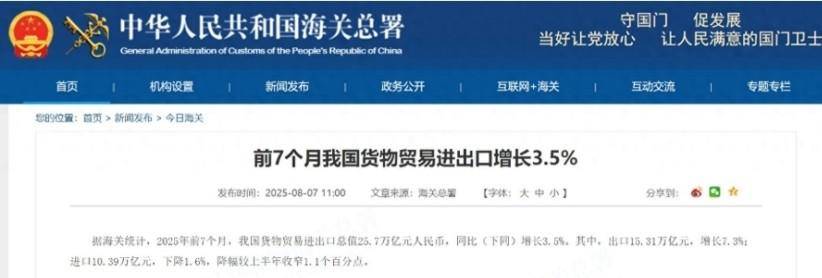
真当中国不会出手?美国这次玩大了!中美局势突然大变,特朗普最担心的情况出现了?
Sou Hu Cai Jing· 2025-08-11 14:26
据新华网消息,近期美国再度调整对中国部分商品关税政策,中美关税博弈持续引发全球关注。自特朗普再次执政以来,对中国发起的关税战便成为国际经 济与政治领域焦点。如今局势突变,特朗普正面临极为棘手的局面。 美国有线电视新闻网评论称,在短短六个月内,特朗普 "重塑了全球贸易格局,颠覆了长达一个世纪的惯例"。一些企业主公开表示,若关税战持续,企业 将被迫裁员甚至倒闭,这将对美国就业市场造成沉重打击,普通民众也将深受其害。美国部分政客也对特朗普的关税政策提出批评,认为其可能导致美国经 济衰退,仅依靠加征关税这一简单粗暴的手段,无法实现美国的繁荣发展,反而可能使美国经济陷入困境。 从经济数据对比来看,特朗普的关税战并未达到预期效果。在关税战背景下,美国经济增长动能受到抑制。美国 6 月贸易逆差虽出现收窄,据美国人口普查 局与商务部经济分析局 8 月 5 日联合公布的数据,2025 年 6 月美国货物和服务贸易逆差为 602 亿美元,比修正后的 5 月 717 亿美元减少 115 亿美元,环比 下降 16%,但这主要是由于内需放缓导致消费品及原材料进口降至新冠疫情以来最低,并非关税政策的积极成效。 与此同时,美国国内通胀压力 ...
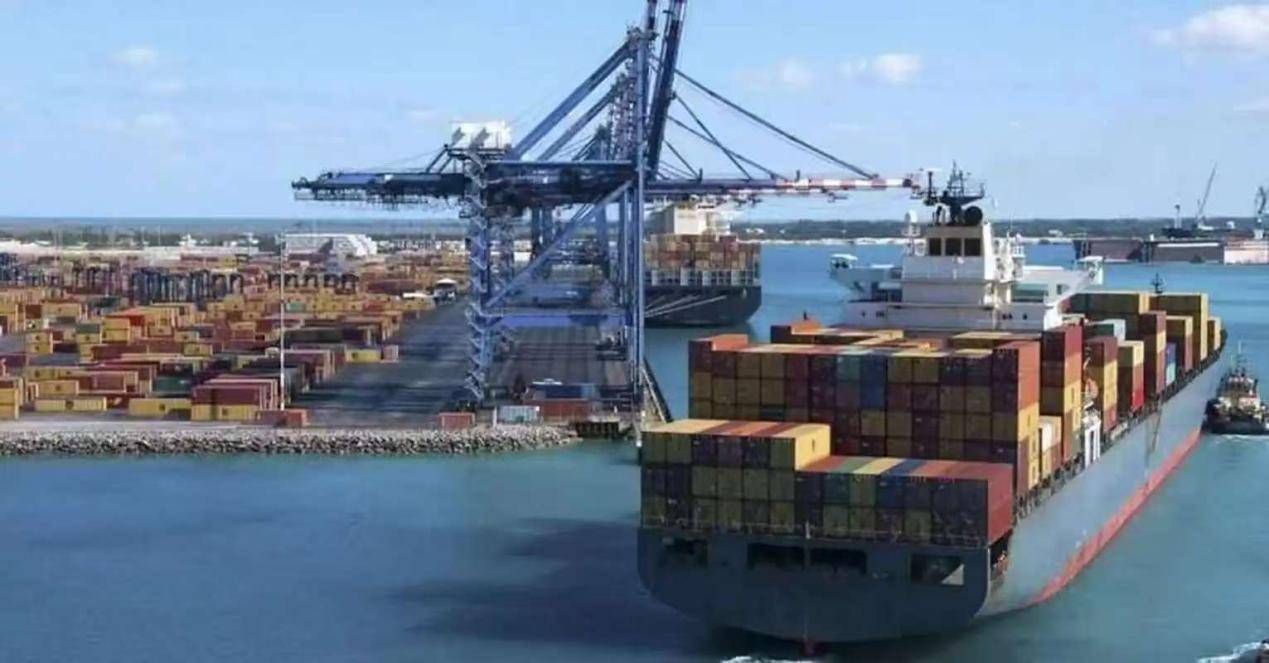
特朗普关税伤害了谁?商品价格成本飙升 消费者买单还是企业求豁免?
Di Yi Cai Jing· 2025-08-11 14:04
Core Viewpoint - The implementation of "reciprocal tariffs" by the Trump administration is expected to lead to price increases, prompting American businesses to seek exemptions [1][2]. Group 1: Impact on Businesses - American businesses are adjusting their short-term strategies, such as early procurement and limiting imports to essentials, while also reevaluating long-term strategies due to the new normal of tariff fluctuations [2][3]. - The National Retail Federation (NRF) and the National Restaurant Association (NRA) indicate that the clarity of the tariff landscape presents both short-term and long-term challenges for various industries [2][3]. - Manufacturers, like Stanley Black & Decker, have already raised prices due to cost pressures from tariffs, and retailers, including Walmart, have warned of impending price increases [2][3]. Group 2: Consumer Impact - Higher tariffs are expected to be passed on to consumers, leading to increased prices, reduced hiring, decreased capital expenditures, and slowed innovation [2][3]. - The World Trade Organization (WTO) predicts that the tariff adjustments will negatively impact global trade, with increasing pressure on U.S. imports expected by mid-2025 and into 2026 [3]. Group 3: Restaurant Industry Challenges - The restaurant industry is facing significant cost increases for essential menu items due to tariffs, which may force operators to raise menu prices despite their reluctance [4][5]. - A decline in customer visits to restaurants has been noted, particularly among low-income customers, leading to a decrease in sales for chains like McDonald's [5][6]. - The American Restaurant Association has warned that tariffs on food and beverage products from Mexico and Canada could result in a loss of $15.16 billion for the domestic restaurant industry [5][6]. Group 4: Trade Negotiations - Current tariffs on Canadian and Mexican imports are set at 35% and 25%, respectively, while products meeting USMCA standards are exempt from tariffs [6]. - The coffee industry is particularly affected, with tariffs on Brazilian coffee beans rising to 50%, significantly increasing procurement costs for U.S. coffee shops [6]. - The American Restaurant Association advocates for the exclusion of food and beverage products from tariff negotiations and for maintaining exemptions for USMCA-compliant goods [6].
特朗普的“第二个100天”:关税阴影下支持率创任内新低
Nan Fang Du Shi Bao· 2025-08-11 13:57
Group 1: Tariff Policy Impact - The new tariff policy marks the highest tariffs in the U.S. since the Smoot-Hawley Tariff Act of the 1930s, with most countries facing a tariff increase to 15% and specific countries like Canada and Brazil facing rates of 35% and 50% respectively [4][6][13] - The tariffs are expected to significantly impact U.S. domestic companies and consumers, leading to reduced profit margins, decreased market confidence, and potential cuts in investment and hiring [13][14] - The tariffs are seen as a tool for the U.S. to exert control over its trading partners, particularly Canada and Brazil, with political motivations behind the tariff increases [6][7][8] Group 2: Economic Repercussions - Recent polls indicate a decline in President Trump's approval ratings to 40%, reflecting public concern over his handling of economic policies, including tariffs [2][3] - The tariffs have led to price increases in various sectors, with leather prices up by 40%, fresh produce by 7%, and automotive prices by 12%, resulting in an estimated additional annual cost of $2,400 for the average American household [14][15] - Economic forecasts suggest that the inflation rate in the U.S. could exceed the Federal Reserve's target, with potential long-term indirect effects on consumers due to the tariffs [15] Group 3: International Relations and Trade Agreements - Traditional allies like Japan and the EU have also been affected, with both agreeing to invest in the U.S. and open their markets in exchange for lower tariffs [9][11] - Japan's GDP growth forecast has been downgraded due to the impact of U.S. tariffs, highlighting the interconnectedness of global economies [10] - The EU has expressed concerns that the tariffs will disrupt transatlantic supply chains and has indicated a willingness to take countermeasures if necessary [11][12]
特朗普无奈之下,决定对中国“网开一面”,集中火力攻向印度
Sou Hu Cai Jing· 2025-08-11 11:50
Core Viewpoint - The anticipated US-China trade confrontation has shifted to a US-India conflict, with the US imposing a 250% tariff on India while easing pressure on China, highlighting the strategic importance of supply chain control in modern geopolitical dynamics [1][4][6] Group 1: Trade Dynamics - The trade deficit between the US and India stands at $46 billion, which is minor compared to the $295 billion deficit with China [4] - Trump's aggressive tariff policy towards India reveals vulnerabilities in the US defense supply chain, particularly its reliance on Chinese-controlled minerals [4][6] Group 2: Supply Chain Control - The US defense industry is heavily dependent on 80,000 components that rely on Chinese-controlled minerals, making it vulnerable to supply chain disruptions [4][9] - China's dominance in rare earth production (90% of global capacity) serves as a strategic leverage point against the US, demonstrating the effectiveness of non-traditional deterrence methods [4][9] Group 3: Geopolitical Implications - The US-India relationship, previously seen as a strategic alliance, is under strain due to conflicting interests, particularly in energy transactions with Russia [6][9] - The US's dual standards in sanctioning countries, as seen in its treatment of India versus the EU's dealings with Russia, undermine the cohesion of Western sanctions [6][9] Group 4: Future Outlook - The evolving geopolitical landscape suggests that future conflicts will increasingly revolve around critical minerals, chips, and pharmaceuticals, diminishing the effectiveness of traditional tariff strategies [9] - The US faces a dilemma: maintaining a hard stance against China risks crippling military modernization, while pressuring India could push it closer to anti-US alliances [9]

特朗普关税伤害了谁?商品价格成本飙升,消费者买单还是企业求豁免?
Di Yi Cai Jing· 2025-08-11 10:21
Group 1 - The implementation of higher tariffs has become an unavoidable reality for American businesses, leading to price increases that will ultimately be passed on to consumers [1][3][4] - Companies are adjusting their short-term strategies, such as early procurement and limiting imports to essentials, while also reevaluating long-term strategies due to the new tariff landscape [3][4] - The National Retail Federation (NRF) and the National Restaurant Association (NRA) indicate that the clarity of the tariff situation presents both short-term and long-term challenges for various industries [3][4] Group 2 - Manufacturers are increasingly recognizing the necessity of raising prices due to cost pressures from tariffs, with some, like Stanley Black & Decker, already implementing price hikes [3][4] - The World Trade Organization (WTO) predicts that the recent tariff adjustments will have a negative impact on global trade, with increasing pressure on U.S. imports expected by mid-2025 and 2026 [4] - The restaurant industry is particularly affected, with operators facing tight profit margins and being forced to raise menu prices, which could lead to reduced dining out frequency among consumers [5][6] Group 3 - The American Restaurant Association estimates that imposing a 30% tariff on food and beverage products from Mexico and Canada could result in a loss of $15.16 billion for the domestic restaurant industry [6] - Tariffs on coffee beans from Brazil, which are crucial for the U.S. coffee industry, have increased to 50%, significantly raising import costs [6] - There are ongoing negotiations regarding tariff exemptions for products that meet the USMCA standards, with a strong push from the restaurant industry to exclude food and beverage products from tariff discussions [6]
中美关税大战赢家出炉,人民日报喜讯通告全球,特朗普指定接班人
Sou Hu Cai Jing· 2025-08-11 09:50
Core Viewpoint - The ongoing trade war between China and the United States has resulted in China emerging as the clear winner, contrary to initial expectations that the U.S. would benefit from imposing tariffs [1][9]. Economic Performance - In the first half of this year, China's economic growth rate reached 5.3%, significantly outperforming the U.S., which only achieved a growth rate of 1.25% during the same period [3][5]. - The high tariffs imposed by the U.S. have led to rising prices for goods and materials, negatively impacting American consumers and businesses, resulting in a cycle of inflation and job losses [5][9]. Global Trade Dynamics - Many countries are reducing their reliance on the U.S. market due to high tariffs, leading to increased economic collaboration among nations, which may marginalize the U.S. in global trade [5][9]. - China's market is described as the fastest-growing incremental market globally, providing opportunities for economic growth despite reduced access to the U.S. market [5][7]. Strategic Resources - China holds a significant advantage in rare earth elements, crucial for high-tech industries, which the U.S. cannot easily replace, undermining the effectiveness of U.S. tariffs [7][9]. Political Implications - The early announcement of a successor by President Trump suggests a lack of confidence in the current trade strategy and potential political fallout from the ongoing trade war [7][9]. - The article emphasizes that the trade war has not only failed to suppress China's growth but has also highlighted the ineffectiveness of U.S. hegemonic policies in the current global landscape [9].
油价继续下行,俄赤字激增29%
Guo Ji Jin Rong Bao· 2025-08-11 09:32
Group 1: Oil Price Trends - International oil prices continued to decline, with Brent crude futures down 0.56% to $66.22 per barrel and WTI crude futures down 0.85% to $63.34 per barrel as of the report date [1] - The significant drop in oil prices was attributed to a bleak economic outlook caused by higher tariffs imposed by the Trump administration on imports from several countries, with Brent crude futures falling 4.4% and WTI crude futures dropping 5.1% in the week ending August 8 [1] Group 2: US-Russia Talks - A meeting between US President Trump and Russian President Putin is scheduled for August 15 to discuss the resolution of the Ukraine conflict, with expectations rising that sanctions on Russian oil may soon be lifted [2] - The market's anticipation of a potential agreement was fueled by Trump's statement that the US and Russia are "very close" to reaching a deal regarding Ukraine [2] - The outcome of the upcoming meeting, along with other key events such as Federal Reserve officials' speeches and the release of the US Consumer Price Index (CPI) data, will significantly influence short-term oil price movements [2] Group 3: Russian Economic Situation - Russia's Ministry of Finance reported a preliminary budget deficit of 4.9 trillion rubles (approximately 441.1 billion yuan) for the first seven months of the year, accounting for 2.2% of GDP, which is 29% higher than the 1.7% target for 2025 [3] - The increase in the deficit is attributed to falling oil prices and the trade war initiated by Trump, with government spending rising by 20.8% to 25.19 trillion rubles (approximately 2.27 trillion yuan) while revenue only grew by 2.8% to 20.32 trillion rubles (approximately 1.83 trillion yuan) [3] - The EU's 18th round of sanctions, which includes a price cap on Russian oil, is set to take effect on September 3, reducing the price cap from $60 to $47.6 per barrel, with evaluations every six months to ensure it remains 15% below market average [3][4]