懒人经济

Search documents
2025年家用洗碗机行业词条报告
Tou Bao Yan Jiu Yuan· 2025-08-11 14:59
Investment Rating - The report indicates a significant growth potential in the household dishwasher industry, with a current low penetration rate of 4.8% in China, compared to over 70% in mature markets like North America, suggesting a strong investment opportunity [10][19]. Core Insights - The household dishwasher market in China is characterized by low penetration but substantial growth potential, primarily driven by younger consumers who favor smart solutions and embedded dishwashers [3][9][11]. - The market is currently facing challenges due to consumer perception issues, product adaptability, and a downturn in the real estate market, which affects demand [10][19]. - The industry is transitioning from a phase of imitation to one of independent innovation, with domestic brands gaining market share and improving their competitive edge [13][53]. Summary by Sections Industry Definition - Household dishwashers are integrated appliances that utilize chemical, mechanical, thermal, and electrical technologies for automated cleaning, rinsing, and drying of tableware [4]. Market Characteristics - The market penetration rate for household dishwashers in China is low at 4.8%, indicating significant growth potential [10]. - The primary consumer demographic is younger individuals, particularly those born in the 1980s and 1990s, who are increasingly reliant on smart home solutions [11]. Product Types - The market is dominated by embedded dishwashers, which accounted for 57.8% of purchases in 2023, reflecting consumer preferences for larger capacity and aesthetic integration with kitchen cabinetry [12]. Industry Development Stages - The industry has evolved through several stages, from its inception in the early 1990s to a rapid growth phase starting in 2016, with significant technological advancements and market expansion [13][17]. Market Size and Growth - The market size of the household dishwasher industry in China grew from 5.16 billion RMB in 2018 to 11.22 billion RMB in 2024, with a compound annual growth rate (CAGR) of 16.8% [41]. Competitive Landscape - The competitive landscape is becoming increasingly concentrated, with domestic brands surpassing foreign brands in market share for the first time in 2023 [51][53]. - The top five brands hold a significant market share, indicating a trend towards market consolidation [51]. Policy Environment - Recent policies aimed at promoting green appliances and enhancing consumer awareness are expected to further stimulate market growth [49][50]. Supply Chain Analysis - The supply chain consists of upstream component suppliers, midstream manufacturers, and downstream sales channels, with midstream brands holding significant bargaining power [22][21]. Consumer Behavior - Consumer preferences are shifting towards embedded dishwashers, which are favored for their space efficiency and functionality, leading to a transformation in the market structure [40]. Future Outlook - The market is expected to continue growing, driven by the increasing demand from younger consumers and the ongoing shift towards smart home technologies [48].



市场洞察:“懒”出新商机,一次性内裤如何在细分场景中精准突围?
Tou Bao Yan Jiu Yuan· 2025-08-08 13:36
Investment Rating - The report does not explicitly provide an investment rating for the disposable underwear industry Core Insights - The disposable underwear industry is experiencing rapid growth driven by low prices, high frequency of use, strong demand in specific scenarios, and its fast-moving consumer goods (FMCG) nature [2][3] - The average market price for disposable underwear ranges from 2 to 10 yuan, making it an attractive option for price-sensitive consumers, especially on e-commerce platforms [2] - The market size for disposable underwear in China is projected to exceed 600 billion yuan by 2025, with a compound annual growth rate (CAGR) of 82.2% from 2022 to 2025 [9][10] Market Size and Sales Channels - The disposable underwear market in China was approximately 107 billion yuan in 2022 and is expected to grow to 646 billion yuan by 2025 [9] - Online sales accounted for about 42% of the market in 2022, increasing to an estimated 71% by 2024, indicating a significant shift towards online purchasing [10][11] Competitive Landscape - The disposable underwear market features numerous players across various segments, including maternal and infant brands, outdoor travel brands, textile and apparel brands, retail brands, and hygiene product brands [14][15] - Leading brands in the maternal and infant segment include Ten Months Crystal, Maternity, and All Cotton Era, while Freego and Buddy High are notable in the outdoor travel segment [15][16] Production Process - The production of disposable underwear involves eight key processes, with sterilization being the critical step to ensure hygiene and safety [20][21] - The main sterilization methods include ethylene oxide sterilization and high-energy electron beam sterilization, with the former being the most common [21][22]
88元三菜一汤,年轻人开始整顿“上门做饭”
3 6 Ke· 2025-07-18 02:56
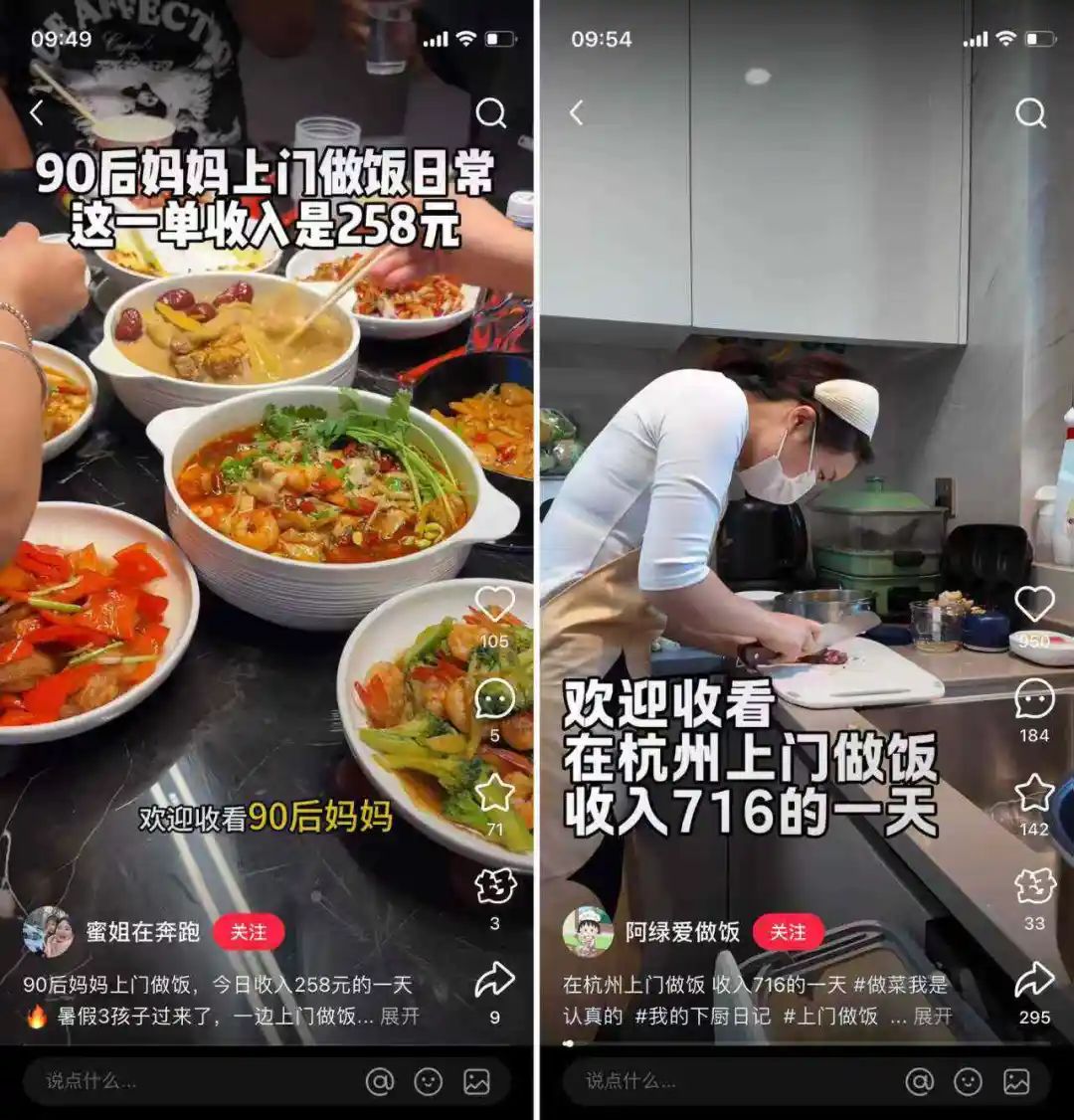
Core Insights - The rise of young individuals offering home cooking services is creating new job opportunities, transforming cooking into a profession rather than a mere household task [1][5][9] - The demand for home cooking services is expanding beyond individual households to include corporate events, indicating a growing market [4][9] Group 1: Market Dynamics - Young cooks are earning substantial incomes, with some reporting monthly earnings between 8,000 to 20,000 yuan, which can exceed traditional white-collar jobs [1][9] - The service pricing starts at 88 yuan per meal, with costs increasing based on the number of dishes, making it a cost-effective alternative to takeout for many young people [2][6] - The "lazy economy" in China is projected to exceed 13 trillion yuan by 2026, highlighting the rapid growth potential of convenience-based services [6] Group 2: Service Evolution - The role of young individuals is shifting from being mere consumers to active providers of cooking services, utilizing social media for client engagement [9] - The industry is evolving to emphasize personalized service and overall experience, moving away from traditional functional roles to cater to specific dietary needs and preferences [11][12] - The entry of young people into this sector is not just for income but also aims to modernize and enhance the service experience, making it more appealing to their demographic [11][12] Group 3: Challenges and Growth Potential - Despite its appeal, the home cooking service industry faces challenges such as misunderstandings about the nature of the work and operational difficulties related to client preferences [12] - The industry is still in its growth phase, with unclear professional boundaries and a lack of standardized practices, but it is gradually evolving into a more structured service business [12]

科创板智能消费设备企业加快出海步伐 引领“中国智造”闪耀全球
Zheng Quan Ri Bao Wang· 2025-07-04 11:46
Group 1: Industry Trends - The "smart consumer device" industry is experiencing a significant transformation driven by the integration of hardware, services, and content, with a focus on technological breakthroughs and ecosystem collaboration [1][2] - Chinese smart consumer device companies are leveraging rapid iteration, engineering innovation, and strong supply chain integration to expand into global markets [2][6] - The core competitiveness of these companies has shifted from hardware manufacturing to user-oriented solutions that combine technology, scenarios, and ecosystems [3][4] Group 2: Company Strategies - YingShi Innovation has accelerated its global market presence, with nearly 80% of its revenue coming from overseas, focusing on tailored marketing strategies for different regions [2][6] - Ninebot's international expansion began with the acquisition of Segway in 2015, leading to product sales in over 100 countries, emphasizing brand and technology as key elements of its global strategy [2][6] - Stone Technology employs a "globalization + localization" strategy, aiming for over 50% of its revenue to come from overseas by 2024, while addressing cultural differences and local market needs [3][6] Group 3: Product Innovations - Ninebot has developed a smart ecosystem platform, NimbleOS, transforming short-distance transportation tools into interconnected smart devices, and has introduced innovative service robots [4][6] - Stone Technology is transitioning home cleaning from mere tools to intelligent management systems, capitalizing on the "lazy economy" and the demand for seamless user experiences [4][5] - YingShi Innovation is expanding its product applications from sports photography to various use cases, addressing specific user needs with innovative features [5][6] Group 4: Competitive Advantages - Leading companies are enhancing their competitive edge through diversified supplier networks and vertical integration, ensuring supply chain stability and security [6][7] - Stone Technology focuses on domestic substitution and multi-supplier strategies to reduce reliance on single sources, while investing heavily in R&D to develop core technologies [6][7] - YingShi Innovation is improving its supply chain efficiency and increasing the localization of its supply chain, with significant investments in R&D amounting to 1.48 billion yuan over the past three years [6][7]


商战了3个月,“即时零售”到底是什么东西?
吴晓波频道· 2025-07-02 15:45
Core Viewpoint - The article discusses the rapid growth and transformation of the instant retail market in China, driven by advancements in logistics, technology, and changing consumer demands, with a projected market size of 1.5 trillion yuan by 2025 and potential growth to 2-3.6 trillion yuan by 2030 [7]. Group 1: Market Dynamics - Instant retail encompasses a wide range of products, from fresh produce to electronics, emphasizing the convenience of home delivery [4][3]. - Major players like Meituan, Alibaba, and JD.com are heavily investing in market share, with aggressive promotional strategies and significant subsidies [5]. - The competition is reshaping the consumer market, focusing on efficiency in delivery and logistics [8]. Group 2: Infrastructure Development - The "15-minute convenient living circle" initiative aims to meet daily needs within a short walking distance, with over 4,321 such circles established, covering approximately 107 million residents [12][13]. - Local governments are implementing cold chain logistics policies to enhance the supply chain for perishable goods, with subsidies for cold storage and transportation [14]. - By 2025, policies will ensure logistics centers in every county and express delivery stations in villages, increasing rural market accessibility [15]. Group 3: Technological Advancements - The integration of technologies like drones, autonomous driving, and AI scheduling is expected to lower supply chain and delivery costs, enhancing overall efficiency [18]. - Post-pandemic consumer behavior shows a heightened willingness to pay for immediate delivery, particularly among younger demographics [19]. Group 4: Competitive Landscape - The competition is primarily among three giants: Meituan, Alibaba (Ele.me), and JD.com, each leveraging their logistics capabilities to gain an edge [29]. - Meituan focuses on local life services with a vast network of over 6 million delivery personnel, while JD.com emphasizes quality and reliability through its self-built logistics [30][31]. - Alibaba combines its extensive user base with a robust delivery network, but faces challenges in operational efficiency and market penetration in rural areas [33]. Group 5: Future Outlook - The article suggests that the future of instant retail will be defined by the ability to deliver products quickly and efficiently, particularly in lower-tier markets [34]. - Meituan's "Lightning Warehouse" model aims for rapid urban coverage, while JD.com's "Shared Warehouse" focuses on quality and cost efficiency [36]. - Long-term success will depend on the integration of AI and other technologies, creating significant barriers to entry for new competitors [38].



清凉经济乘“热”而上 多元消费解锁新活力
Xiao Fei Ri Bao Wang· 2025-06-24 02:44
Core Insights - The summer consumption market is experiencing a surge driven by diverse consumer demands, including cooling beverages, sun protection gear, and tourism, contributing to economic recovery [1] Group 1: Cooling Consumption - The demand for cooling products has significantly increased due to high temperatures, with sales of cooling fans up 50%, portable fans up 300%, and ice-making water purifiers up 350% during the "618" promotional period [2] - Offline supermarkets have introduced "cooling zones," leading to a doubling of ice cream and cold drink sales, particularly for low-sugar and innovative local brands favored by younger consumers [2] - Sales of sun protection products, including sun shirts and high-SPF sunscreen, have increased by 65%, with items labeled as "tech sunscreen" and "eco-friendly materials" becoming popular [2] Group 2: Night Economy and Home Cooling - Nighttime consumption is on the rise as consumers seek to avoid daytime heat, with night market activities boosting food and entertainment sales, and nighttime orders accounting for 45% of total orders on a food delivery platform [3] - The popularity of night markets, such as the "California Night Market," showcases a vibrant atmosphere with consumers enjoying food and entertainment [3] - The "lazy economy" is emerging, with increased sales of convenient food items like pre-prepared meals and cold brew tea bags, and rapid expansion of fresh food delivery services into lower-tier cities [3] Group 3: Tourism Trends - The summer tourism booking trend is strong, with a 35% increase in travel bookings compared to last year, focusing on cultural, cooling, and beach leisure trips [4] - The graduation travel market is characterized by "short-distance, high-frequency" trips, with a significant emphasis on emotional value and unique experiences [4] - Families with children represent a major segment of summer travelers, accounting for over 40% of bookings, with popular destinations including grasslands, deserts, beaches, and theme parks [4]
“蓝海诱惑”与“红海激战”并存 扫地机器人行业竞争迈入深水区丨机器人新视界
证券时报· 2025-06-23 00:11
Core Viewpoint - The robotic vacuum cleaner industry is experiencing intense competition, characterized by both a "red ocean" of price wars and a "blue ocean" of growth potential due to low market penetration and attractive profit margins [1][3][4]. Group 1: Market Dynamics - The market for robotic vacuum cleaners has transitioned from a conceptual phase to a mature phase, with leading brands like Ecovacs, Roborock, and Xiaomi dominating 89.2% of the market share [3][4]. - The penetration rate in the domestic market is only about 6%, indicating significant room for growth, with projections for retail sales to reach 19.36 billion yuan in 2024, a 41.1% increase year-on-year [4][9]. - The recent price reductions during promotional events, such as the "618" sales, reflect the competitive landscape, where prices for high-end models have dropped from 5,000-6,000 yuan to around 3,000-4,000 yuan [3][4]. Group 2: Competitive Landscape - New entrants like DJI are entering the market with strong technological advantages, leveraging their expertise in drone technology for robotic vacuum applications [3][4]. - Traditional appliance giants like Midea are also investing in robotic vacuum technology despite initial losses, indicating a long-term strategic vision for this emerging industry [4][11]. - The industry is characterized by a dual focus on technological innovation and price competition, with companies like Roborock and Chase actively developing advanced features such as AI navigation and mechanical arms [8][9]. Group 3: Technological Advancements - The introduction of features like bionic mechanical arms and AI capabilities is reshaping consumer expectations, moving from basic cleaning functions to integrated smart home solutions [7][11]. - The competition has led to a "technology arms race," where companies are rapidly innovating to differentiate their products, although many innovations are incremental rather than groundbreaking [8][9]. - The shift from robotic vacuums as mere cleaning tools to integral components of smart home ecosystems is becoming evident, with companies aiming to position their products as multifunctional household assistants [11][12]. Group 4: Financial Performance - Roborock reported a revenue of 11.945 billion yuan in 2024, a 38.03% increase, but faced a decline in net profit by 3.64% to 1.977 billion yuan, highlighting the financial pressures of balancing innovation and competitive pricing [9][12]. - The gross margin for Roborock's vacuum cleaners remains above 50%, despite a slight decrease, indicating that profitability is still viable even in a competitive pricing environment [12]. Group 5: Global Expansion - Companies are increasingly looking to international markets for growth, with regions like Europe and North America presenting higher demand and profitability compared to the domestic market [13]. - Roborock has surpassed iRobot in sales volume and revenue in 2024, marking a significant achievement in the global market [13]. - Chase has expanded its overseas business rapidly, with a nearly 700% increase in revenue from international markets in 2024 [13].

1分钱一杯比水还便宜?去年爆火的冰杯,今年杀回来了
3 6 Ke· 2025-06-20 09:12
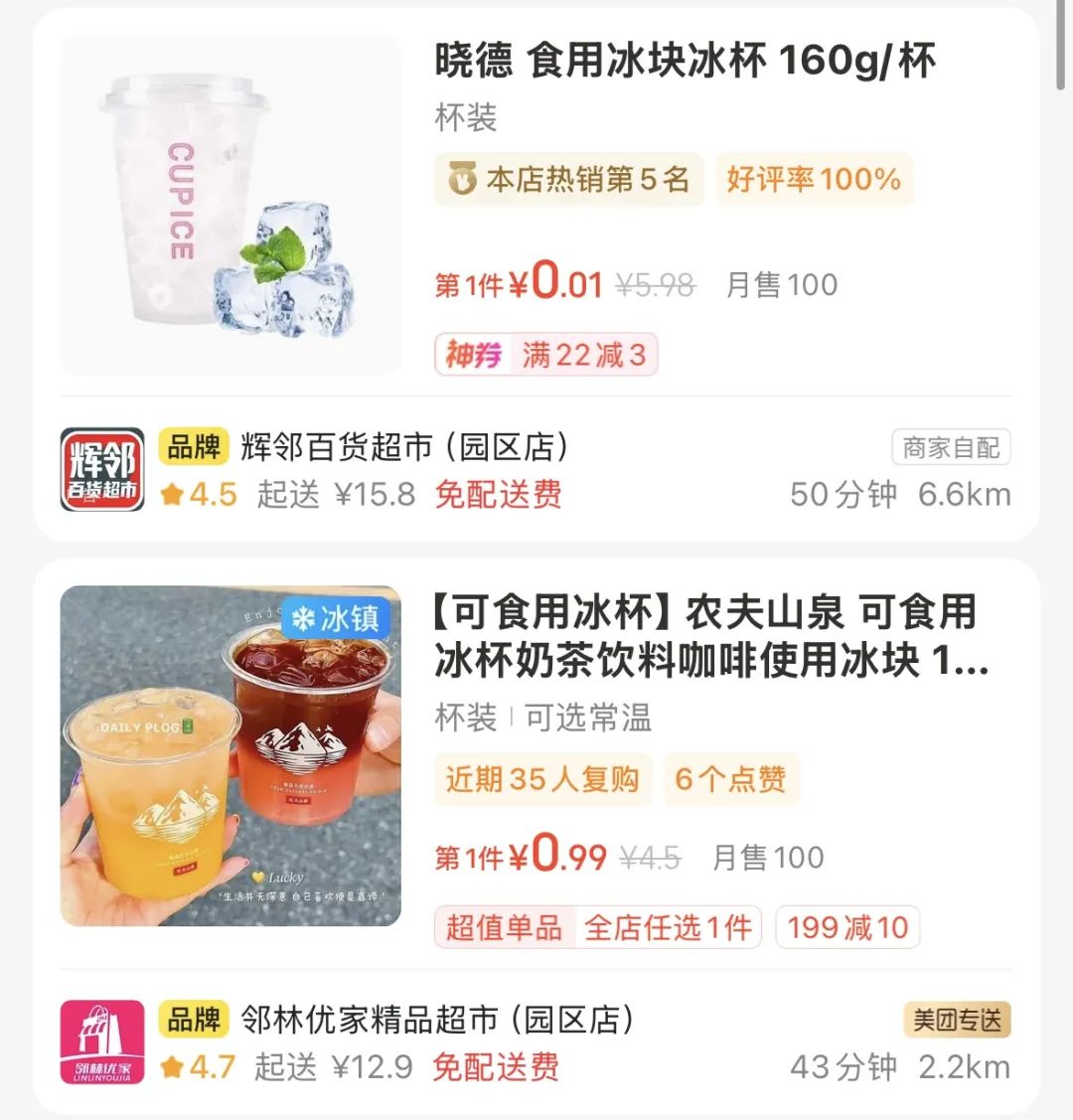
Core Viewpoint - The ice cup market is experiencing significant growth, driven by low pricing strategies and innovative marketing tactics, leading to increased consumer engagement and sales opportunities. Group 1: Market Dynamics - Online platforms have reduced the price of ice cups to as low as 1 yuan or even 0.01 yuan, while major tea brands are launching "1 yuan ice water/ice cup" promotions to attract customers [1][4] - According to the "2025 China Urban Consumption Behavior White Paper," ice cup sales have seen a growth rate exceeding 300% for two consecutive years, with per capita annual consumption in first-tier cities reaching 48 cups [7] - The "one yuan strategy" has proven effective in driving foot traffic to stores, with approximately 35% of customers who purchase 1 yuan ice water also buying additional products, raising the average transaction value to over 20 yuan [9][12] Group 2: Product Innovation - Ice cups are evolving beyond simple ice blocks, with brands introducing flavored ice cups and unique shapes, enhancing the visual appeal and consumer experience [17][19] - The packaging of ice cups is also being upgraded to cater to younger consumers' preferences for personalization and social sharing, with themed designs gaining popularity [21][23] Group 3: Consumer Behavior - The rise of DIY beverage culture, fueled by social media, has positioned ice cups as essential components for creating personalized drinks, with 69% of consumers using ice cups for homemade beverages [31] - The convenience of purchasing ice cups over making ice at home aligns with the "lazy economy," as consumers seek instant gratification during hot weather [34][35] Group 4: Competitive Landscape - Traditional giants and emerging brands are entering the ice cup market, with established players like Mengniu and Yili launching their own ice cup products [25][28] - The market is witnessing a shift in consumer preferences, with ice cups becoming a staple in convenience stores and supermarkets, driving additional sales through bundled offerings [14][16]
买个产品→买种心情,情绪消费崛起ing | 红杉爱生活
红杉汇· 2025-06-19 14:16
Core Viewpoint - The article highlights the growing trend of "emotional consumption" among young consumers, emphasizing their unique purchasing behaviors driven by personal satisfaction and self-expression [2][4][7]. Group 1: Trend of Emotional Consumption - Young consumers are increasingly influenced by emotional value in their purchasing decisions, seeking products that resonate with their individuality and provide joy [2][4]. - The "潮玩" (trendy toys) market in China has seen significant growth, with market value increasing from 6.3 billion yuan in 2015 to 60 billion yuan in 2023, and projected to reach 110.1 billion yuan by 2026 [4]. - The popularity of products like LABUBU, which embodies a "cute-ugly" aesthetic, reflects the desire of Generation Z for unique and non-conformist expressions [4][5]. Group 2: The "谷子" Economy - The "谷子" economy, referring to merchandise derived from popular media, is projected to reach a market size of 168.9 billion yuan in 2024, growing over 40% from 2023 [7]. - This segment thrives on the emotional connection fans have with their favorite characters and stories, serving as a medium for social interaction among enthusiasts [7]. Group 3: Pet Economy - The pet industry is booming, with the number of pet dogs and cats in urban areas expected to exceed 120 million by 2024, indicating a strong trend among young people to treat pets as family members [8][9]. - Young pet owners are increasingly focused on high-quality, nutritious pet food and personalized services, driving a shift towards premium products in the pet market [9][10]. Group 4: Home Renovation Trends - The home renovation trend among young renters is characterized by a focus on aesthetic improvements and personalized spaces, with a significant online presence on platforms like Xiaohongshu [11][12]. - Young consumers prioritize cost-effectiveness while also being willing to invest in high-quality, stylish home decor items [16]. Group 5: New Tea Beverage Market - The new tea beverage market has become a social currency among young people, with brands rapidly emerging to cater to diverse tastes and preferences [17][18]. - The emotional satisfaction derived from these beverages contributes to their popularity, as they serve as a means to alleviate stress and enhance social interactions [18]. Group 6: Light Outdoor Activities - The "light outdoor" trend is gaining traction, with activities like camping and short trips becoming popular among young consumers seeking immediate enjoyment and relaxation [21][22]. - The camping economy is projected to reach nearly 214 billion yuan in 2024, reflecting a growing interest in outdoor experiences as a form of social engagement [21]. Group 7: Emotional Healing Products - There is a rising demand for products and services that address emotional well-being, including mindfulness and therapeutic offerings, as young consumers seek comfort amid various pressures [23]. - The willingness to spend on emotional value indicates a shift in consumer behavior, with a focus on experiences that enhance mental health and happiness [23].

到家就“瘫”的年轻人,撑起了一个万亿市场
Sou Hu Cai Jing· 2025-06-18 08:40
Core Viewpoint - The rise of the "lazy economy" is evident, with services like home cooking gaining popularity among busy individuals, particularly young people, who are willing to pay for convenience [8][10][29]. Group 1: Home Cooking Services - A woman in Hangzhou is making nearly 20,000 yuan a month by providing home cooking services, charging 88 yuan for three dishes and a soup per order [3][5]. - Despite skepticism from some netizens regarding the feasibility of completing six orders a day, the demand for such services is high, indicating a busy schedule for the service provider [5][8]. - The trend of hiring cooks for home meals is not new but has gained traction beyond traditional occasions, reflecting a shift in consumer behavior [7][8]. Group 2: Lazy Economy Growth - The "lazy economy" is characterized by a surge in demand for services that save time and effort, such as meal preparation, grocery shopping, and cleaning [10][11]. - Young people are the primary drivers of this trend, seeking convenience in their busy lives [9][10]. - The market for lazy services is expanding rapidly, with various offerings available, from meal delivery to professional cleaning and pet care [16][19]. Group 3: Consumer Behavior and Preferences - Consumers are increasingly opting for services that allow them to reclaim their time, especially in urban settings where long commutes and work hours leave little room for household chores [29][32]. - The perception of "laziness" is evolving, with many viewing it as a rational response to time scarcity rather than a lack of ambition [28][29]. - The demand for convenience is leading to innovative service offerings, such as pre-prepared meals and specialized cleaning services, which cater to the needs of busy individuals [19][24]. Group 4: Market Potential - The lazy economy represents a multi-trillion yuan market, driven by the desire for convenience and efficiency in daily life [10][26]. - The growth of this sector is not limited to food services; it encompasses a wide range of industries, including home appliances and personal services [26][27]. - As consumer preferences shift towards convenience, businesses that adapt to these changes are likely to thrive in the competitive landscape [27][28].