
美伊核谈判

Search documents
美以持续“以压促谈” 谈判僵局风险加剧
Xin Lang Cai Jing· 2026-02-12 23:43
Group 1 - Israeli Prime Minister Netanyahu expressed skepticism about reaching an agreement with Iran, despite the possibility of negotiations under new conditions [4][6] - The Israeli military has shifted its operational focus towards Iran, indicating a significant escalation in military assessments and readiness to respond to potential threats [2][7] - The U.S. is increasing its military presence in the Middle East, including deploying F-35 fighter jets and preparing a second aircraft carrier strike group, in anticipation of possible military actions against Iran [10] Group 2 - Experts believe that the core positions of both sides are in serious conflict, increasing the risk of a negotiation deadlock [3][12] - Iran has clearly stated its negotiation bottom line, refusing to abandon its uranium enrichment rights and viewing missile development as a matter of sovereignty and defense [13][15] - The likelihood of Iran accepting Israel's conditions is low, as the demands conflict directly with Iran's core positions [12][15]

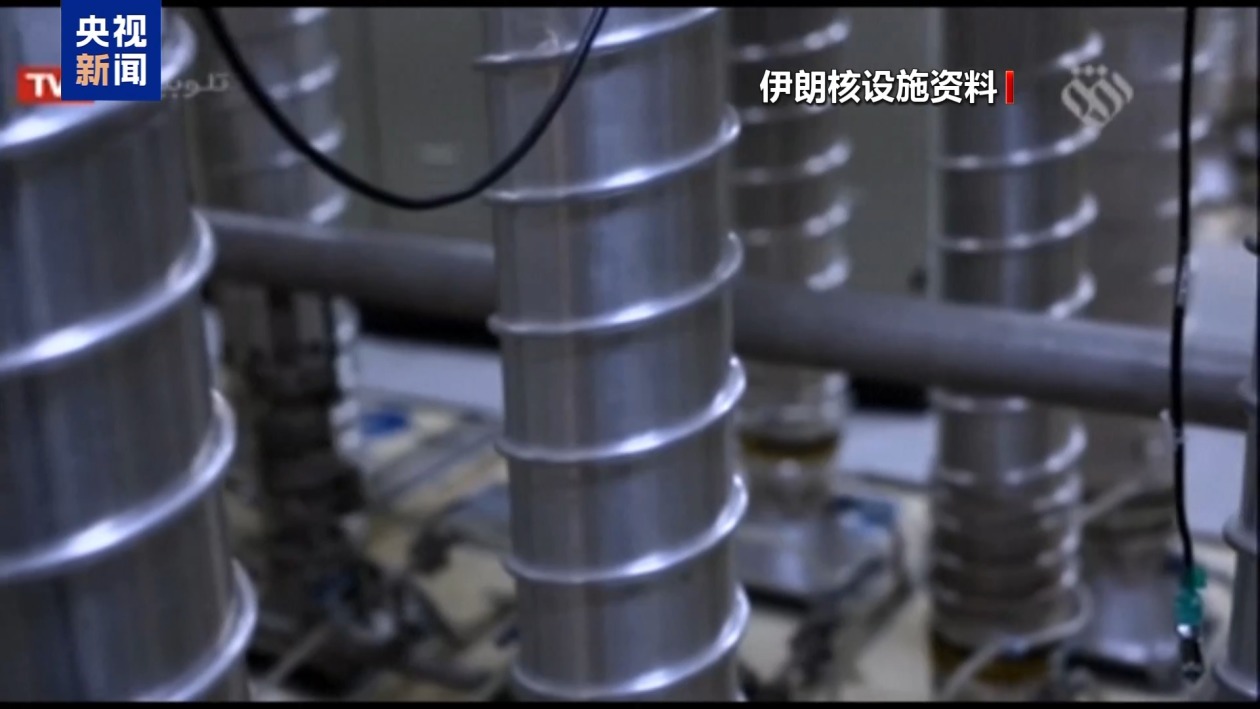
释新闻|内塔尼亚胡紧急提前访美,说动特朗普打击伊朗了吗?
Xin Lang Cai Jing· 2026-02-12 06:08
Group 1 - The core viewpoint of the articles revolves around the ongoing diplomatic efforts and military preparations concerning Iran, with U.S. President Trump expressing a preference for reaching an agreement with Iran rather than resorting to military action [2][4][6] - Trump and Israeli Prime Minister Netanyahu's meeting did not yield substantial results, with both leaders discussing the need for continued coordination on Iran and regional security issues [4][5] - There is skepticism from both U.S. and Israeli officials regarding the likelihood of a successful agreement with Iran, with discussions focusing on a potential "joint action plan" if negotiations fail [5][6] Group 2 - Iranian President Raisi stated that Iran is ready for any verification of its nuclear program but will not yield to excessive demands during negotiations [3] - Netanyahu's urgent visit to the U.S. was driven by concerns that the U.S. might make concessions to Iran that would not meet Israel's security needs [7] - Israeli officials have articulated their demands, including the complete dismantling of Iran's nuclear enrichment facilities and restrictions on its missile program [7][8] Group 3 - The U.S. military is ramping up preparations in the Middle East, with indications that a second aircraft carrier strike group may be deployed in response to potential military actions against Iran [2][10] - Reports indicate that Israel is concerned about Iran's missile capabilities, estimating that Iran could possess 1,800 to 2,000 missiles capable of striking Israel in the near future [8] - The U.S. is considering measures such as seizing oil tankers transporting Iranian oil to further pressure Iran economically, although this could provoke retaliatory actions from Iran [10]
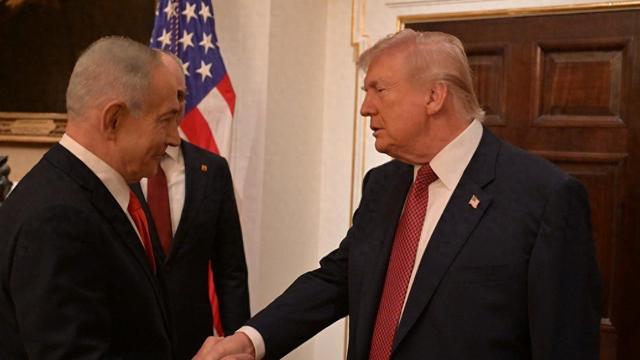
内塔尼亚胡紧急访美与特朗普闭门会晤,伊朗谴责以色列“挑起事端”,特朗普:美以双方未达成具体决定,同伊朗达成协议是“首选”
Mei Ri Jing Ji Xin Wen· 2026-02-12 00:55
Core Viewpoint - The meeting between U.S. President Trump and Israeli Prime Minister Netanyahu was deemed successful, focusing on maintaining strong U.S.-Israel relations and continuing negotiations with Iran, despite no concrete agreements being reached [1][3]. Group 1: U.S.-Israel Relations - Trump emphasized the importance of ongoing negotiations with Iran, suggesting that a successful agreement would be the preferred outcome for both nations [1]. - Netanyahu conveyed Israel's security needs during discussions, highlighting the necessity for any agreement with Iran to ensure it cannot acquire nuclear weapons [7]. Group 2: Iran Negotiations - The U.S. and Israel expressed skepticism about the likelihood of reaching an agreement with Iran, with discussions aimed at formulating a joint action plan in case negotiations fail [5][6]. - Iran reiterated its stance on nuclear negotiations, indicating a willingness to engage but criticizing Israel for attempting to disrupt the process [8][9]. Group 3: Military Preparedness - The U.S. is enhancing its military presence in the Middle East, preparing for potential military action against Iran if negotiations do not succeed, including deploying a second aircraft carrier strike group [10][12]. - Israel is also strengthening its defense capabilities, completing tests on the "David's Sling" missile defense system [12][13]. Group 4: Regional Stability Initiatives - Netanyahu signed a document to join the so-called Gaza "Peace Committee," aimed at improving coordination between the U.S. and Israel regarding Gaza and promoting regional stability [16].

美方主谈 以方设限 新一轮美伊谈判何去何从
Yang Shi Xin Wen Ke Hu Duan· 2026-02-11 23:13
Core Viewpoint - The meeting between U.S. President Trump and Israeli Prime Minister Netanyahu did not yield any substantial outcomes regarding negotiations with Iran, with both sides expressing skepticism about the possibility of an agreement [3]. Group 1: U.S.-Israel Meeting - The closed-door meeting lasted approximately three hours, focusing on the U.S.-Iran negotiations and the need for a joint action plan if talks fail [3]. - Trump emphasized the importance of continuing negotiations with Iran, stating that reaching an agreement would be the preferred option, while also urging Iran to act more rationally [3][4]. - Netanyahu conveyed to Trump that any agreement with Iran should not have an expiration date and must ensure that Iran can never acquire nuclear weapons [4]. Group 2: Iran's Position - Iran reiterated its willingness to negotiate but criticized Israel for attempting to disrupt the process, claiming that Israel's actions threaten regional stability [5][7]. - Iranian officials indicated that they have not received specific proposals from the U.S. and warned that any military aggression from the U.S. would be met with retaliation against U.S. military bases in the region [5][6]. Group 3: Military Developments - The U.S. is reportedly preparing for potential military action against Iran, with plans to deploy a second aircraft carrier strike group to the Middle East [9]. - Recent satellite imagery shows an increase in U.S. military assets in various bases across the Middle East, including Qatar and Jordan, alongside Israel enhancing its domestic air defense capabilities [12]. Group 4: Strategic Implications - Experts suggest that the Israeli government is attempting to use the issue of ballistic missiles to obstruct U.S.-Iran negotiations, with Netanyahu's influence being a significant factor in this strategy [13]. - The inclusion of missile discussions in negotiations is viewed as a potential method to complicate the talks and create a deadlock, pushing the U.S. towards military escalation [13].
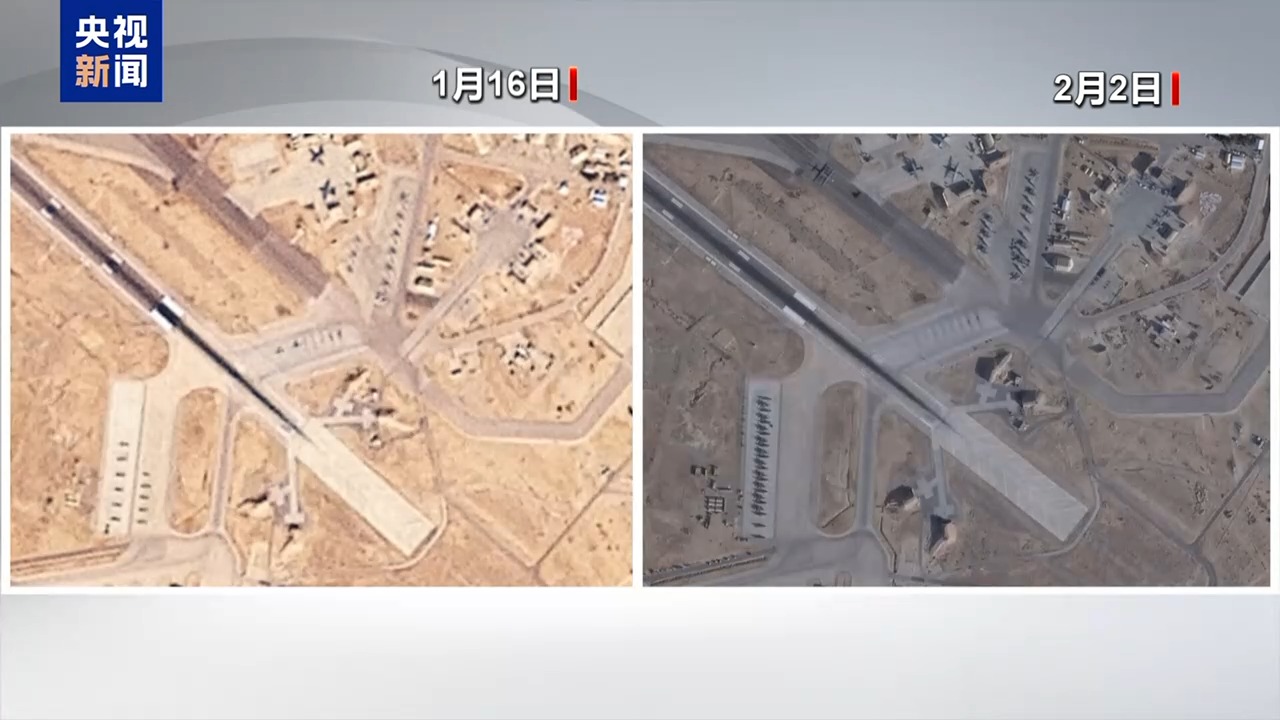
特朗普称正考虑派第二艘航母前往中东
Xin Lang Cai Jing· 2026-02-10 23:35
Core Viewpoint - The U.S. President Trump is considering deploying a second aircraft carrier strike group to the Middle East in preparation for potential military action if negotiations with Iran fail [2][5]. Group 1: Military Actions - The U.S. military's Abraham Lincoln aircraft carrier strike group is currently deployed in the Middle East [2][5]. - Trump indicated that there may be another fleet sent to the region [2][5]. Group 2: Negotiations with Iran - Trump stated that Iran is "very eager to reach an agreement" and believes the upcoming negotiations are "very different" [2][5]. - The next round of negotiations between the U.S. and Iran is expected to take place next week [2][5]. - Any agreement must cover Iran's nuclear program and its ballistic missile inventory [2][5]. Group 3: Involvement of Other Nations - Israeli Prime Minister Netanyahu, who is visiting the U.S. on the 11th, is also interested in achieving a "good agreement" [2][5]. - Indirect negotiations on nuclear issues took place in Muscat, Oman, on the 6th, with both sides signaling a willingness to continue talks [2][5].
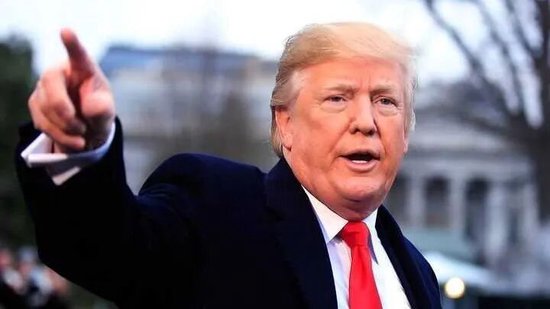
美伊核谈,谈和还是谈崩?
Feng Huang Wang Cai Jing· 2026-02-10 13:25
Group 1 - The core point of the article revolves around the resumption of negotiations between the US and Iran in Oman, marking the first formal dialogue since June 2025, amidst escalating tensions and military posturing [1][2][3] - The negotiations were initially planned to take place in Istanbul with the involvement of other Arab nations, but Iran insisted on a more limited format in Oman, reflecting its concerns about external influences [1][3] - The US and Iran have significant differences in their negotiation stances, with the US demanding a complete halt to Iran's uranium enrichment and missile programs, while Iran insists on focusing solely on nuclear issues and lifting sanctions [3][4] Group 2 - The US has employed a dual strategy of sanctions and military presence to exert pressure on Iran, including new sanctions on entities involved in Iranian oil trade and a significant naval buildup in the Persian Gulf [4][5] - Iran is preparing for potential military conflict by adopting asymmetric warfare strategies, including the capability to block the Strait of Hormuz and deploying fast attack boats [6][7] - Both parties are aware that any escalation could have severe implications for regional security and global oil prices, with Iran's leadership indicating a readiness to respond aggressively if negotiations fail [8]

2月9日WTI原油低开1%报62.87美元/桶 美伊谈判信号叠加供需过剩压制油价
Sou Hu Cai Jing· 2026-02-09 00:04
Core Viewpoint - WTI crude oil opened down 1% at $62.87 per barrel due to signals from the US and Iran regarding the resumption of nuclear negotiations, alleviating concerns over Middle Eastern oil supply disruptions, combined with an overall oversupply in the global oil market [1] Group 1: Market Dynamics - The report from the China National Petroleum Corporation's Economic and Technological Research Institute indicates that by 2026, the global oil market will experience a dynamic interplay between oversupply and geopolitical conflict risks, with market forces shifting towards supply and demand fundamentals [1] - The overall market is transitioning from a tight balance to a clear oversupply, despite OPEC+ confirming a continuation of production cuts until March 2026 [1]
美伊谈判未解除中东“战争警报”
Xin Lang Cai Jing· 2026-02-08 07:09
Core Viewpoint - The indirect negotiations between Iran and the United States in Muscat, Oman, signal a continuation of dialogue, but deep-seated differences on key issues like Iran's nuclear program and U.S. sanctions remain unresolved, keeping the "war alarm" in the Middle East active [2][3][4]. Group 1: Negotiation Dynamics - The Iranian delegation was led by Foreign Minister Zarif, while the U.S. team included special envoy Jared Kushner and military officials, with Oman facilitating communication [2]. - Both sides expressed a willingness to continue negotiations, with Iran's Zarif stating that the talks had a good start, but emphasized that avoiding threats and pressure is essential for dialogue [2][3]. - The U.S. President Trump described the talks as "very good" but reiterated that Iran must not develop nuclear weapons, warning of severe consequences if no agreement is reached [3]. Group 2: Key Issues and Divergences - The U.S. demands include prohibiting nuclear weapon development, halting uranium enrichment, limiting missile range, and stopping support for regional proxy forces, while Iran insists on its right to peaceful nuclear energy and opposes discussions on missile capabilities and regional issues [3][4]. - The lack of mutual trust is a significant barrier to progress, as the negotiations are conducted indirectly and the venue was a contentious point, with Iran preferring Oman over Turkey to avoid regional involvement [4]. Group 3: Current Situation and Implications - The negotiations are viewed as a tactical de-escalation rather than a strategic shift, primarily driven by the heightened military tensions and risks of direct conflict [5]. - Despite the talks, the U.S. has intensified its pressure on Iran by announcing new sanctions, indicating that the negotiations have not led to a substantial reduction in tensions [5]. - Israel's role as a key ally of the U.S. in the region adds uncertainty to the negotiations, with concerns that it may attempt to disrupt the dialogue [5].
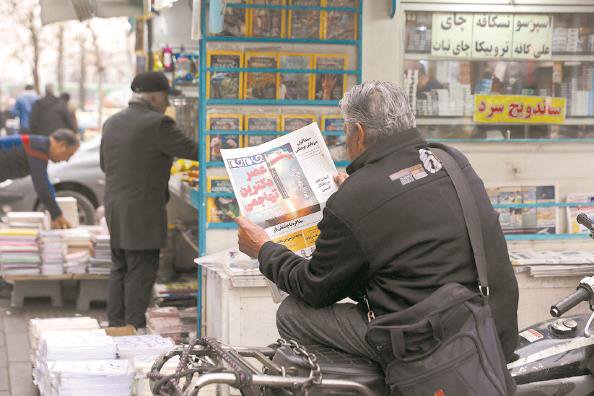
伊朗官员称美伊谈判“开端良好”后,美国对伊新一轮制裁落地
Xin Lang Cai Jing· 2026-02-07 04:15
Core Points - The U.S. and Iran engaged in indirect talks in Muscat, Oman, signaling a willingness to pursue diplomatic solutions despite ongoing tensions and new sanctions imposed by the U.S. on Iran's energy sector [1][7] - The talks, which lasted for eight hours, were the first since military actions against Iran's nuclear facilities and political leaders began last June [1][4] - Both sides expressed intentions to continue discussions, with Iran's Foreign Minister describing the meeting as a "good start" focused solely on nuclear issues [1][4] Group 1: Negotiation Details - The talks were mediated by Oman, with U.S. representatives including Special Envoy Steve Wittecoff and Jared Kushner, while Iran was represented by Foreign Minister Abbas Araghchi [4] - U.S. military presence was highlighted by the attendance of U.S. Central Command Admiral Brad Cooper, indicating the integration of military leverage in diplomatic efforts [4] - The core positions of both sides remained largely unchanged, with the U.S. demanding an end to uranium enrichment and Iran insisting on its right to enrich nuclear materials under the Non-Proliferation Treaty [4][5] Group 2: Sanctions and Economic Impact - Following the talks, the U.S. imposed new sanctions targeting Iran's energy sector, including 14 oil tankers and 15 trading companies, freezing their assets within U.S. jurisdiction [7] - An executive order was signed by President Trump, potentially imposing tariffs of up to 25% on countries purchasing oil from Iran, although the specifics of implementation were not detailed [7] - The sanctions are part of a broader strategy to maintain pressure on Iran amid ongoing negotiations, with skepticism about the likelihood of reaching an agreement [7]
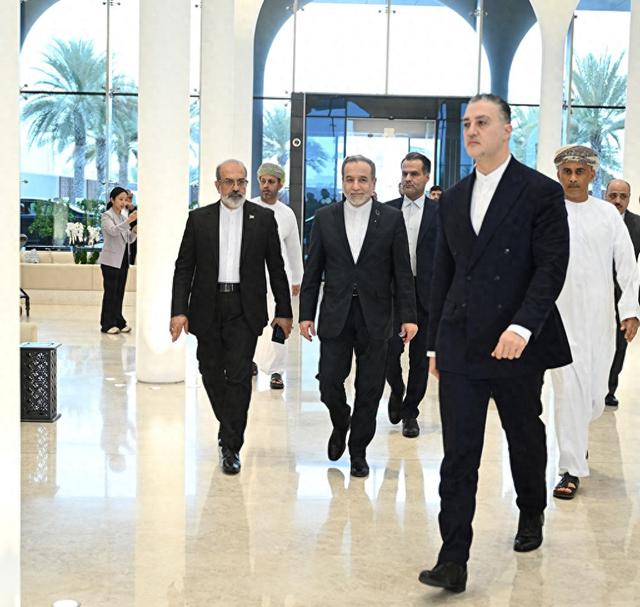
伊朗外长:本轮美伊磋商是“良好开端” 双方同意继续谈判
Yang Shi Xin Wen· 2026-02-06 14:14
Core Viewpoint - The Iranian Foreign Minister, Zarif, described the recent indirect nuclear negotiations with the United States as a "good start" and emphasized the importance of further discussions in their respective capitals [1]. Group 1 - Zarif stated that Iran has clearly communicated its core viewpoints, concerns, and bottom lines through intermediaries from Oman [1]. - Both parties have agreed to continue the negotiation process, indicating a willingness to engage further [1]. - The timing, location, and specific format of the next round of negotiations will be determined by senior officials from both Iran and the U.S. after assessing the outcomes of the current talks [1].