
避险

Search documents
1月21日金市早评:黄金逼近4800美元 美欧贸易僵局推升避险潮
Jin Tou Wang· 2026-01-21 02:08
Market Overview - The US dollar index is trading around 98.540, while spot gold opened at $4762.51 per ounce and is currently trading at approximately $4798.17 per ounce [1] - The previous trading day saw the US dollar index rise by 0.50% to 98.548, and spot gold increased by 1.99% to $4762.65 per ounce [1] Precious Metals Performance - Other precious metals also experienced gains: spot silver rose by 0.14% to $94.57 per ounce, platinum increased by 4.60% to $2481.00 per ounce, and palladium surged by 7.39% to $1837.50 per ounce [1] - As of January 20, COMEX gold inventory remained unchanged at 1123.95 tons, while COMEX silver inventory decreased by 83.37 tons to 13264.90 tons [1] ETF Holdings - As of January 20, SPDR Gold ETF holdings decreased by 4.01 tons to 1081.66 tons, while SLV Silver ETF holdings increased by 149.42 tons to 16222.48 tons [2]
美国债市:国债与股票双双下跌 收益率曲线大幅趋陡
Xin Lang Cai Jing· 2026-01-20 20:57
Core Viewpoint - US Treasury bonds are under pressure, maintaining a downward trend during trading hours, influenced by geopolitical tensions and market risk aversion [1][4]. Group 1: Market Trends - The long end of the US Treasury yield curve steepened, with yields rising by up to 8 basis points compared to the previous trading day [1][4]. - The 2-year/10-year yield spread widened by 6 basis points, while the 5-year/30-year spread increased by 4.5 basis points [1][4]. Group 2: Yield Data - As of 3:05 PM Eastern Time, the yields were reported as follows: 2-year at 3.5947%, 5-year at 3.854%, 10-year at 4.2906%, and 30-year at 4.9179% [3][6]. - The yield spread between 5-year and 30-year bonds was 106.21 basis points, and the spread between 2-year and 10-year bonds was 69.37 basis points [3][6]. Group 3: Trading Activity - Strong demand for 5-year and 10-year Treasury bonds helped prevent a more significant sell-off, with notable purchases totaling approximately $12.5 million/DV01 [5]. - The S&P 500 index fell by about 2%, while gold prices rose nearly 2%, reflecting market reactions to heightened tensions between the US and Europe [5].
贵金属日报:地缘压力逐渐凸显,避险再成交易主线-20260120
Hua Tai Qi Huo· 2026-01-20 05:36
贵金属日报 | 2026-01-20 2026-01-19,美国10年期国债利率收于4.255%,较前一交易日+4.16BP,10年期与2年期利差为0.671%,较前一交 易日+3.52BP。 上期所金银持仓与成交量变化情况: 2026-01-19,Au2604合约上,多头较前一日变化3615手,空头则是变化2389手。沪金合约上个交易日总成交量为 419920手,较前一交易日变化-28.95%。在沪银方面,在Ag2604合约上,多头变动2921手,空头变动4248手。白银 合约上个交易日总成交量2734346手,较前一交易日变化-18.20%。 贵金属ETF持仓跟踪: 地缘压力逐渐凸显 避险再成交易主线 市场分析 宏观面上,国际货币基金组织(IMF)发布《世界经济展望》更新报告,将2026年全球经济增长预期上调0.2个百 分点至3.3%。IMF同时上调中国、美国、欧元区和日本2026年经济增长预期。报告指出,人工智能带动的信息技 术投资增长正成为支撑全球经济的重要动力。地缘上,欧盟将于1月22日召开紧急峰会,讨论美国总统特朗普宣布 向反对美国得到格陵兰岛的欧洲国家加征关税等问题,并评估欧盟可能采取的反制措施 ...
国际金价看向5000美元?
Bei Jing Shang Bao· 2026-01-19 15:17
Core Viewpoint - International gold and silver prices have reached historical highs, with gold exceeding $4690 per ounce and silver hitting $94.12 per ounce, driven by factors such as a weakening dollar and rising inflation expectations [1][3]. Group 1: Price Movements - As of January 19, 2023, London gold prices reached $4690.88 per ounce, while silver prices peaked at $94.12 per ounce, both setting new records [3]. - Year-to-date, silver has increased over 30%, and gold has risen more than 8% [3]. Group 2: Fund Performance - In the past year, 54 gold and gold stock-themed funds have shown returns exceeding 50%, with five funds doubling their returns, the leading one achieving 103.98% [4]. - The only silver-themed fund in the domestic market, Guotai Ruiyin Silver Futures (LOF), reported returns of 179.13% and 178.03% for its A and C shares, respectively [4]. Group 3: Market Outlook - Analysts are optimistic about gold's long-term prospects, suggesting that if the underlying logic for gold's rise remains unchanged, particularly regarding the weakening of the dollar's credit system, prices could reach $5000 [1][6]. - Concerns about the independence of the Federal Reserve and its impact on the dollar's status as a reserve currency may lead to increased investment in gold and silver [3][6]. - Short-term price increases may slow due to high market congestion and reduced policy uncertainty, but long-term trends indicate continued support for gold prices from central bank purchases and rising global debt [6].

一周热榜精选:特朗普暂缓对伊动武,鲍威尔获美欧央行集体护驾
Jin Shi Shu Ju· 2026-01-16 13:33
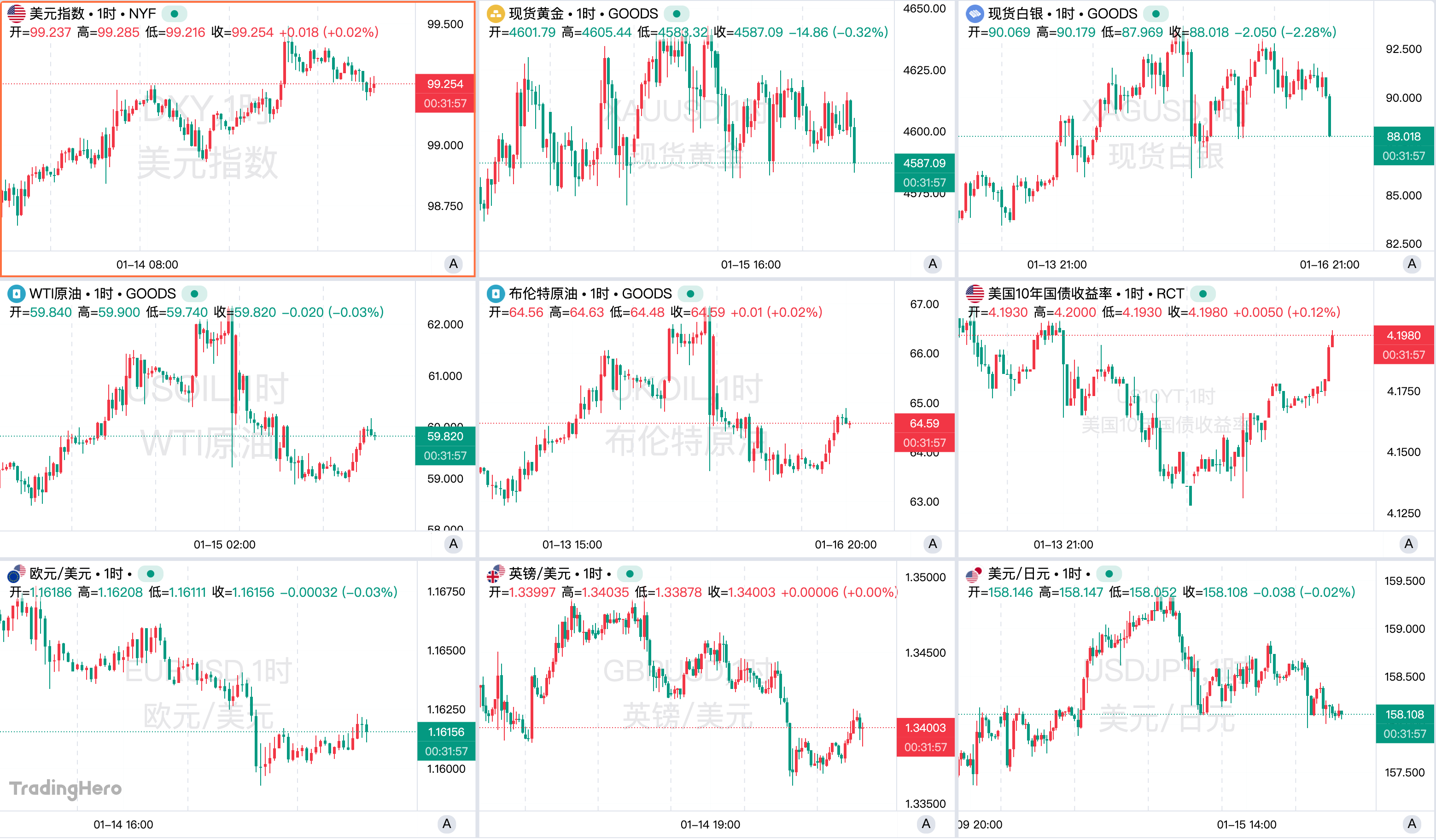
Market Overview - The market this week was influenced by two main themes: the investigation rumors surrounding Federal Reserve Chairman Jerome Powell and concerns over the "independence of the Federal Reserve," impacting the dollar and interest rate expectations; and fluctuating geopolitical news related to Iran, leading to volatility in gold and oil prices [1] - The dollar index faced pressure early in the week due to political uncertainty but later strengthened supported by better-than-expected U.S. economic data and reduced expectations for recent rate cuts, aiming for a third consecutive week of gains [1] - Gold prices initially surged to a historical high of $4642.85 per ounce due to geopolitical tensions and uncertainty regarding Federal Reserve policies, but later entered a consolidation phase, closing at $4583 per ounce [1] - Silver saw a significant increase, peaking at nearly $93.70 per ounce, with a year-to-date rise of nearly 30%, although it experienced extreme volatility [1] Non-U.S. Currencies - The "high market trading" led to the Japanese yen falling below the 159 mark against the dollar, reaching its weakest level since July 2024; the euro and pound showed slight weakness while the Australian dollar remained relatively stable [2] - Oil prices were primarily driven by news related to Iran, initially rising due to concerns over internal unrest but later retracing gains as U.S. political statements eased tensions [2] Investment Bank Insights - Lloyds Bank suggested that the Federal Reserve might become a scapegoat for the weak U.S. job market; UBS indicated that concerns over the Fed's independence could lead to a more hawkish stance [5] - Goldman Sachs noted that the Fed would continue to make decisions based on data, unaffected by investigation pressures; Morgan Stanley stated that inflation remains above target, insufficient to support a rate cut in January [5] Major Events - Trump criticized Powell again, claiming he is either incompetent or corrupt, amidst a backdrop of a criminal investigation into Powell, which has drawn support for him from global central bank leaders [6] - The Senate Majority Leader questioned the investigation's legitimacy, emphasizing the importance of the Fed's independence [7] - The December CPI data indicated a strong signal of cooling inflation, leading to increased market bets on early rate cuts, although Fed officials warned against premature easing [8] Corporate Developments - TSMC reported a record net profit of NT$505.7 billion (approximately $16 billion) for Q4 2025, a 35% year-on-year increase, driven by strong demand for AI-related chips [24] - Apple and Google reached a potential $5 billion AI partnership, opting for Google's Gemini model over OpenAI, impacting the competitive landscape in AI technology [26] - Tesla announced a shift from a one-time purchase model for its Full Self-Driving (FSD) feature to a subscription model, aiming to create a more stable revenue stream and lower entry barriers for consumers [28]





沪指盘中跌破4100点 贵金属逆势拉涨 四川黄金涨停
2 1 Shi Ji Jing Ji Bao Dao· 2026-01-15 04:45
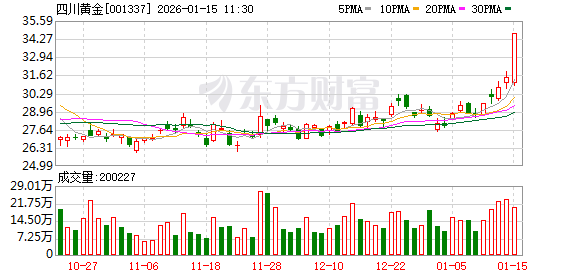
Group 1 - The core viewpoint of the article highlights a collective decline in major stock indices, with the ChiNext index dropping over 1% and the Shanghai Composite Index falling below 4100 points during the trading session [2] - Precious metals, particularly gold and silver, have seen a significant increase in prices due to factors such as geopolitical risks and expectations of monetary easing [2] - The recent surge in silver prices, which rose approximately 15% this week, has contributed to the upward movement of gold prices, which increased by about 2% [2] Group 2 - The gold-silver ratio has notably decreased to around 50, marking a 14-year low, which is expected to attract arbitrage funds into gold [2] - Market sentiment for precious metals, especially silver, is currently high, indicating a potential for further price movements [2] - The focus is on the 4600 USD level for silver, where a battle between bulls and bears is anticipated [2]
风险预警,金银比跌破50;局势突变,黄金白银伺机而动!
Sou Hu Cai Jing· 2026-01-15 01:41
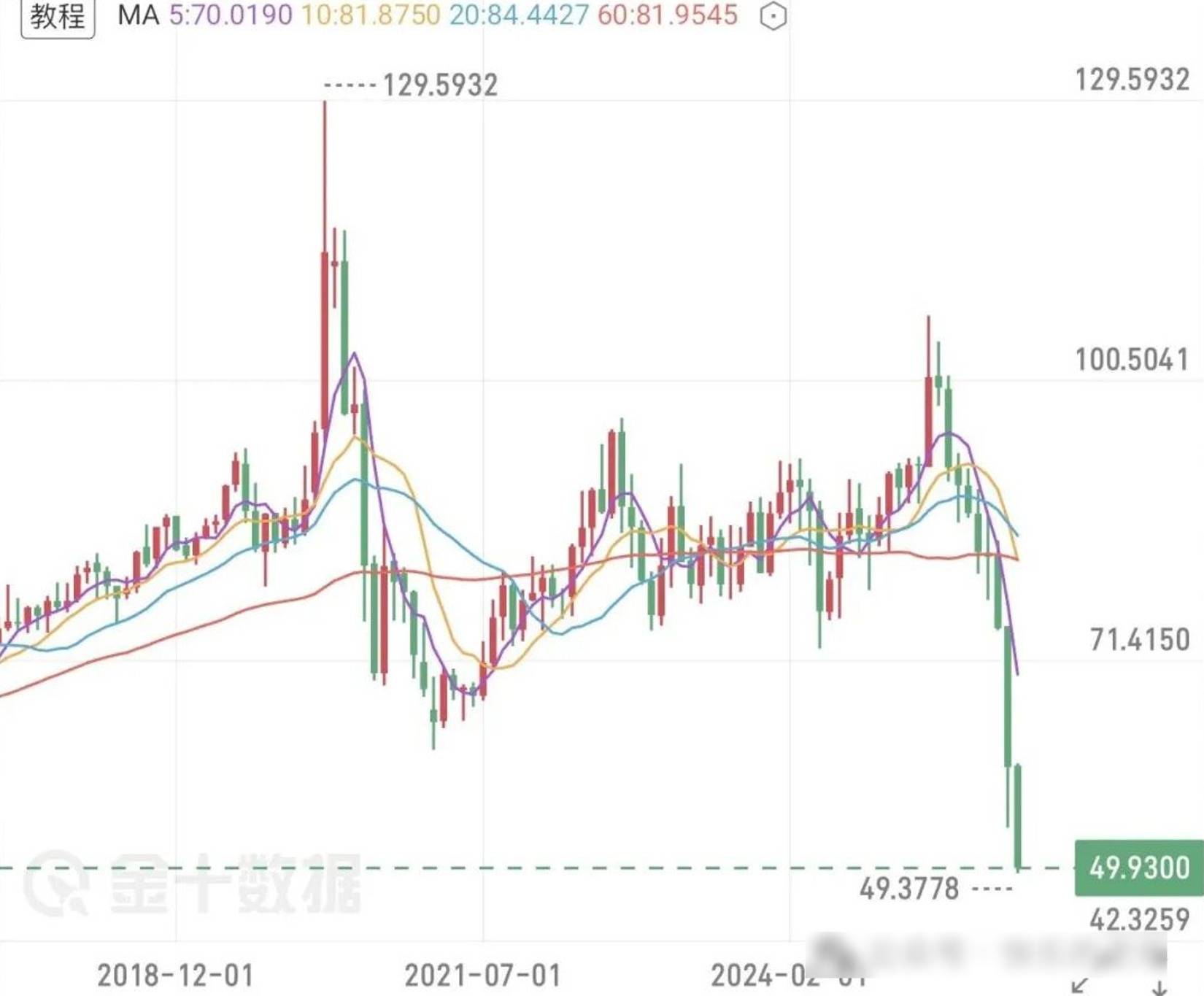
本文黄金、白银等产品行情分析,以国际报价为基准;国际和国内价格换算方法,国际价格×汇率÷31.1≈国内价格! 随着白银多头的加速,黄金明显拖了后腿,自然金银比快速下降,目前跌破50关口。根据我们黄金年度分析报告,金银比跌破50尤其是跌至40及下方,一定 要引起重视!要么黄金上涨补上来,要么白银被拉下来!当然,这只是历史经验,并非绝对! 据最新消息,特朗普暗示暂缓对伊军事行动,局势暂时降温;不排除这是特朗普打击前的诱导性策略,让伊朗放松警惕。英国媒体表示,特朗普政府已获50 个伊朗高价值军事目标清单。伊朗革命卫队称已达最高战备状态,导弹库存已增加。另外,多国敦促其公民离开伊朗。所以,继续关注伊朗局势,一旦冲突 爆发,避险将推动黄金加速上涨。 美国最高法院未就特朗普关税的合法性作出裁决,一样继续关注这个消息,时间下周二周三。凌晨,美联储褐皮书显示经济活动温和增长,但就业停滞。美 联储卡什卡利:特朗普的威胁实际是货币政策问题,一月份没有降息的必要。博斯蒂克称控制通胀的挑战尚未取得胜利,需继续采取限制性政策。 特朗普表示,对未用于美国AI的进口芯片征收25%关税。白宫发言人表示,近期或将扩大芯片进口关税范围。 今天的 ...
德商银行:多空信号交织 亚洲货币早盘走势趋于整理
Sou Hu Cai Jing· 2026-01-15 00:57
受多空信号交织影响,亚洲货币在早盘交易中对美元走势趋于横盘整理。德商 银行研究部分析师在研 究报告中表示,一方面,市场主线似乎仍偏向避险。他们提到的因素包括,美国最高法院就关税作出裁 决的时间推迟,相关不确定性仍在发酵。另一方面,地缘政治紧张局势似乎有所缓和,特朗普周三表 示,伊朗已停止"杀害"反政府示威者,也不会处决那些被指控试图推翻政府的人。数据显示,美元兑日 元USD/JPY基本持平于158.48,美元兑韩元USD/KRW上涨0.3%至1467.40,澳元兑美元AUD/USD持稳 于0.6682。 ...
金价亚盘走高 分析师称美国对伊朗进行军事干预的可能性上升
Xin Lang Cai Jing· 2026-01-13 23:59
格隆汇1月14日|亚洲早盘黄金小幅走高,持续的地缘政治紧张局势支撑了黄金的避险吸引力。特朗普 周二两次向抗议政府的伊朗民众表示"援助正在路上",这是美国可能很快采取行动的最新信号。德商银 行研究部大宗商品分析师Carsten Fritsch称,"伊朗大规模抗议活动正在为金价提供顺风",这使得美国政 府进行军事干预的可能性上升。 ...
李槿:1/13避险引燃黄金狂飙!回落做多正当时!
Sou Hu Cai Jing· 2026-01-13 02:16
Group 1 - The core viewpoint of the articles highlights the significant rise in gold prices driven by geopolitical uncertainties and internal issues within the Federal Reserve, particularly related to investigations involving Chairman Jerome Powell [2] - The recent surge in gold prices saw it break the 4630 mark, with silver also reaching new highs, indicating strong market momentum [1][2] - The market is advised to watch for potential pullbacks, with key support levels identified at 4550 and 4530, and a critical resistance level at 4650-4660 [2][4] Group 2 - Upcoming economic indicators such as CPI and PPI are crucial for market participants to monitor, as they may influence future price movements [4] - The trading strategy suggests waiting for opportunities around the 4550-60 range for buying, while considering short positions near 4650 if the market shows signs of reversal [5]
