单边主义

Search documents
美财长G7会推对华200%关税,盟友集体沉默!欧洲选择让美国懵了
Sou Hu Cai Jing· 2025-08-15 23:31
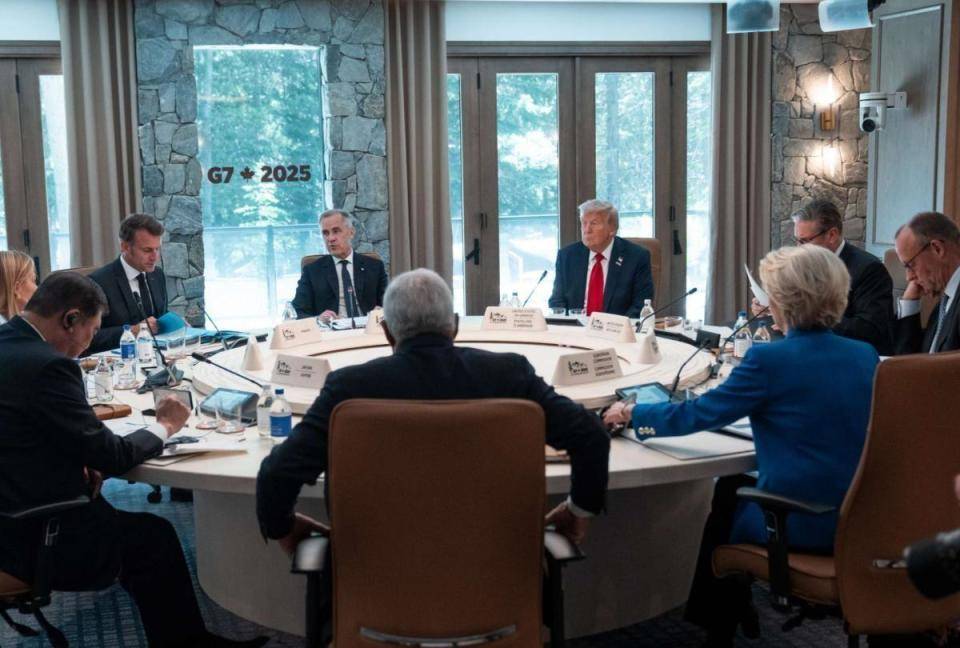
Group 1 - The G7 summit revealed a significant tension regarding U.S. tariffs on China, with U.S. Treasury Secretary Mnuchin's proposal for a 200% secondary tariff on China met with silence from allies [1][3] - The U.S. is attempting to rally allies against China by proposing extreme tariffs on countries engaging in energy trade with Russia, specifically targeting China [3] - China's response to U.S. tariffs has been assertive, implementing countermeasures such as tariffs on U.S. agricultural products and technology, indicating a readiness to retaliate against perceived threats [5][7] Group 2 - European economies are heavily reliant on Chinese supply chains, with over 60% of industrial imports coming from China, making them vulnerable to U.S. tariff policies [7][8] - The U.S. has also imposed tariffs on European goods, causing distress among European manufacturers and prompting calls for unity to protect European interests [8][10] - Trust between the U.S. and its European allies has deteriorated due to inconsistent U.S. trade policies and threats, leading to concerns about the impact of tariffs on employment and competitiveness in Europe [10][12] Group 3 - The silence from G7 members during the tariff discussions indicates a shift in European attitudes towards U.S. unilateralism, with some countries seeking closer ties with China [12][14] - The current geopolitical landscape suggests that economic rationality may prevail over political coercion, as countries prioritize their economic survival and strategic dignity [14][15] - Analysts suggest that the self-damage from U.S. tariffs may outweigh any benefits, highlighting the unsustainable nature of aggressive tariff policies [15]

中方在世贸组织起诉加方!
券商中国· 2025-08-15 09:49
Group 1 - The core viewpoint is that China has filed a lawsuit against Canada in the World Trade Organization (WTO) regarding import restrictions on steel and other products, claiming that Canada's actions are unilateral and protectionist, violating WTO rules [1][2]. - China strongly opposes Canada's discriminatory tariffs on products containing "Chinese steel components," which disrupts the stability of global steel supply chains [1]. - The Chinese government urges Canada to correct its actions to maintain a rules-based multilateral trading system and to improve China-Canada economic and trade relations [2].
商务部新闻发言人就中方在世贸组织起诉加拿大钢铁等产品进口限制措施答记者问
Shang Wu Bu Wang Zhan· 2025-08-15 08:24
Group 1 - China has filed a lawsuit against Canada in the World Trade Organization (WTO) regarding import restrictions on steel and other products [1] - The Canadian government has implemented tariff quota measures on steel, imposing discriminatory tariffs on products containing "Chinese steel components," which China views as unilateral and protectionist [1] - China expresses strong dissatisfaction and opposition to Canada's actions, urging Canada to correct its measures to maintain a rules-based multilateral trading system and improve China-Canada economic and trade relations [1]
统计局:7月份国内部分地区出现高温、暴雨洪涝等极端天气 对经济运行造成了短期冲击
Sou Hu Cai Jing· 2025-08-15 02:59
Core Insights - The international environment in July was complex and severe, with ongoing trade protectionism and unilateralism impacting the economy [1] - Extreme weather conditions, such as high temperatures and floods in certain regions, caused short-term shocks to economic operations [1] - In response to these challenges, various regions and departments actively implemented more proactive macro policies and advanced the construction of a unified domestic market [1] - Production demand continued to grow, employment and prices remained generally stable, and new growth drivers expanded, leading to a steady and progressive economic operation [1]
王毅会见越南副总理兼外长裴青山
Xin Lang Cai Jing· 2025-08-14 15:30
Core Viewpoint - The meeting between Wang Yi and Vietnamese Deputy Prime Minister Pham Minh Chinh emphasizes the importance of strengthening economic ties between China and Vietnam while opposing unilateralism and protectionism [1] Economic Cooperation - China and Vietnam have close economic ties, with a mutual commitment to oppose unilateralism and protectionism, and to uphold free trade rules and the international trade system [1] - China supports Vietnam in building an independent and self-reliant economic system and encourages Chinese enterprises to invest in Vietnam [1] Emerging Fields of Collaboration - Both parties aim to expand cooperation in emerging fields such as artificial intelligence, digital economy, and commercial aircraft [1] - China is willing to facilitate the export of Vietnamese agricultural products to China and assist in establishing trade promotion agencies in China [1] Business Environment - China hopes that Vietnam will provide a favorable business environment for Chinese enterprises [1] Cultural Exchange - The two sides plan to successfully conduct activities commemorating the 75th anniversary of diplomatic relations and the "China-Vietnam Cultural Exchange Year," including a "Red Study Tour" for Vietnamese youth in China [1]
全球经贸格局裂变 企业如何以价值战突围
Sou Hu Cai Jing· 2025-08-14 06:37
今年以来,特朗普2.0关税政策对全球经贸格局的影响日益显现。面对美国对等关税等附加关税的冲击,中央财经大学国 际经济与贸易学院院长、教授张晓涛建议,中国出口企业在市场多元化拓展中,应重视东盟、非洲和拉美等新兴市场以 及不发达国家市场的开拓与深耕,同时注重提升产品质量和加大品牌建设力度;出口转内销要突破运营模式调整、渠道 与团队重建及知识产权风险规避等多重障碍;实施海外投资,实现产能本地化,企业则要在运营交付能力、组织架构与 团队管理、成本管控等方面达到更高要求,以规避运营成本攀升、本地化合规不足、产业集群依赖等风险。 张晓涛认为,当前全球经贸规则格局正从二战后的"秩序法则"转向单边主义的"实力法则"。中国企业需理性评估自身在 产业链中所处的位置,结合形势审慎决策,在市场布局、运营模式与国际化战略上进行系统性、整体考量调整,以应对 这场历史性、趋势性的经贸规则与经贸格局变革。 瀚闻资讯分析师杨凤杰指出,在全球经贸规则重塑背景下,地缘政治驱动、规则碎片化加速、安全韧性优先等非理性特 征主导全球贸易格局,成为企业开展国际贸易不确定性的最大来源,也倒逼中国企业重塑全球化竞争逻辑。从化解路径 上看,企业转内销需应对产品 ...
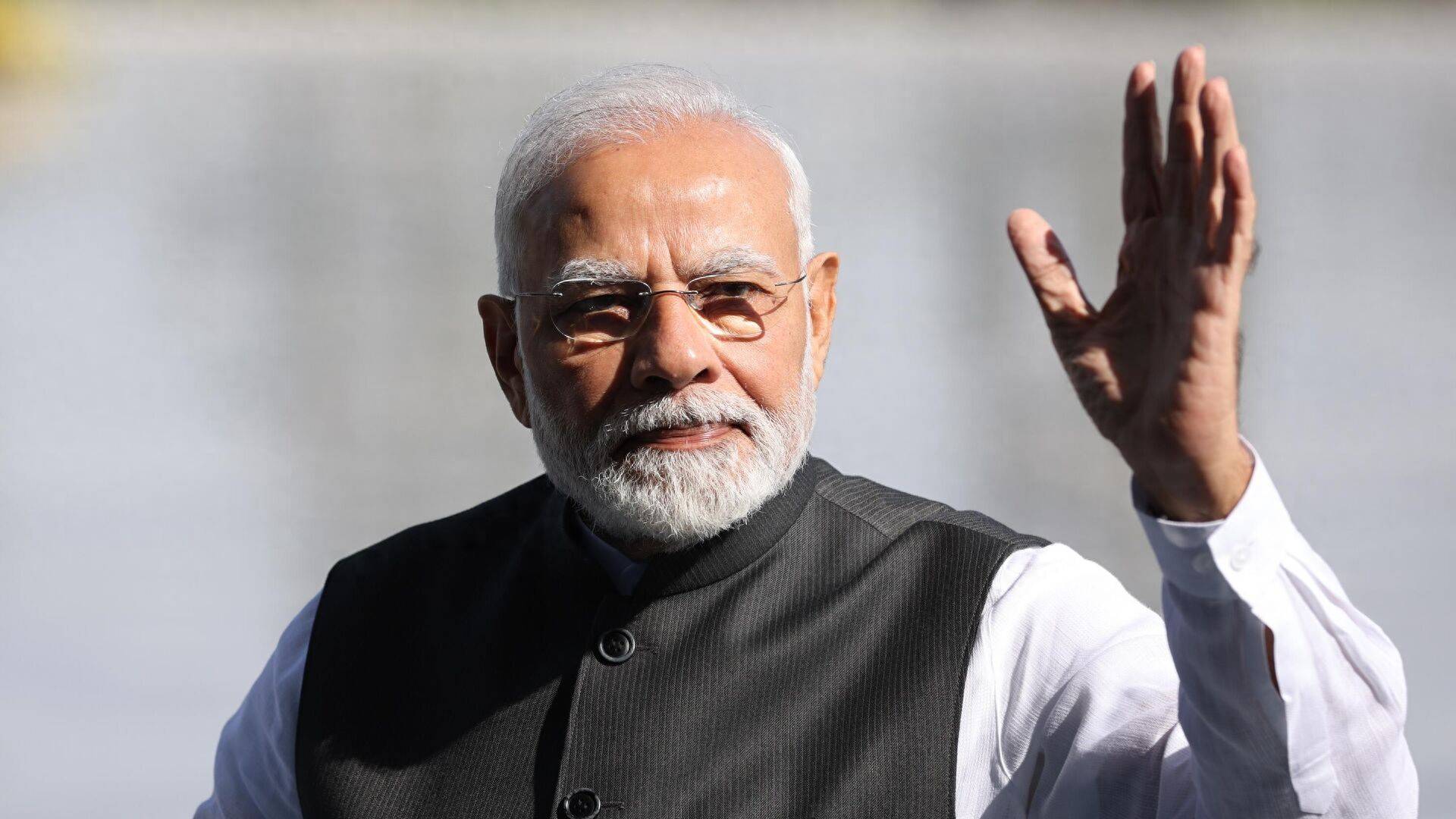
莫迪访华,双普会面,欧洲没资格上桌,百年之未有大变局真要来了
Sou Hu Cai Jing· 2025-08-14 04:08
Core Viewpoint - The geopolitical landscape is undergoing significant changes, marked by the breakdown of the US-India alliance and the thawing of US-Russia relations, indicating a potential shift in global power dynamics [1][9]. Group 1: US-India Relations - Trump signed an executive order imposing a 25% tariff on Indian imports, signaling a deterioration in US-India relations [1]. - Modi's visit to China, after seven years, is seen as an attempt to pressure the US regarding tariff negotiations, highlighting the unraveling of the US-led Indo-Pacific strategy [3]. - The initial optimism for a trade agreement between the US and India has dissipated due to harsh tariff conditions imposed by the US, leading to a breakdown in negotiations [3]. Group 2: US-Europe Relations - The US has sidelined Europe in the ongoing Russia-Ukraine ceasefire negotiations, with the US and Russia planning a bilateral meeting without European involvement [5]. - Trump's administration has expressed dissatisfaction with European military spending and trade deficits, viewing European contributions as inadequate [7]. - The EU's trade surplus with the US amounted to €198.2 billion last year, which contradicts Trump's "America First" policy [7]. Group 3: Global Geopolitical Shifts - The rise of populism and extreme right-wing movements in Western societies, along with increasing unilateralism, is contributing to a fragmented international order [9]. - Trump's tariffs and withdrawal from international agreements are exacerbating global tensions and signaling a potential shift towards a multipolar world [9][11]. - The outcome of these geopolitical changes presents both challenges and opportunities for China, as the US may seek to consolidate its alliances against China while also facing potential discontent from its allies [11].
90天休战期延长:特朗普终于签字了,美国对华认输,英伟达被收割
Sou Hu Cai Jing· 2025-08-13 15:42
Group 1: Trade Dynamics - The U.S. is pressuring China to increase purchases of American soybeans, reflecting political pressure from agricultural states and a significant drop in soybean exports to China from a peak of 32.5 million tons in 2017 [1] - China's diversification of import sources has led to Brazil surpassing the U.S. as the largest soybean supplier to China in 2023, making U.S. soybeans a "optional" rather than a "necessary" commodity [3] Group 2: Impact on U.S. Tech Industry - The Trump administration's new policy requires U.S. chip companies like Nvidia to pay a 15% "export coordination fee" on sales to China, which is unprecedented in global trade history [5] - This additional cost will erode profit margins and weaken R&D capabilities for companies like Nvidia, which derives over 20% of its data center chip revenue from China [7][8] Group 3: Strategic Dilemmas - The U.S. government's actions reflect a deeper strategic dilemma, balancing the need to appease agricultural voters while maintaining a goal to curb China's technological advancements [7] - Historical context shows that U.S. trade bullying has not led to victory, as seen in the 1980s with Japan's semiconductor industry, which ultimately accelerated the rise of South Korea and Taiwan [10] Group 4: Consequences of Trade Restrictions - Current restrictions on chip exports to China may paradoxically accelerate China's self-reliance in technology, as evidenced by Applied Materials reporting that 27% of its sales in Q1 2024 were still to China [12] - Southeast Asian countries are seizing the opportunity to attract high-tech industries amid U.S.-China tensions, indicating that trade wars can be a double-edged sword [14] Group 5: Overall Trade War Outcomes - The trade war has shown three major failures: declining agricultural exports undermining voter bases, tech companies being forced to pay high fees that weaken competitiveness, and technology restrictions inadvertently boosting Chinese innovation [14] - The true losers of the trade war are the businesses and farmers caught in political crossfire, highlighting the absurdity of unilateral pressure tactics [18]

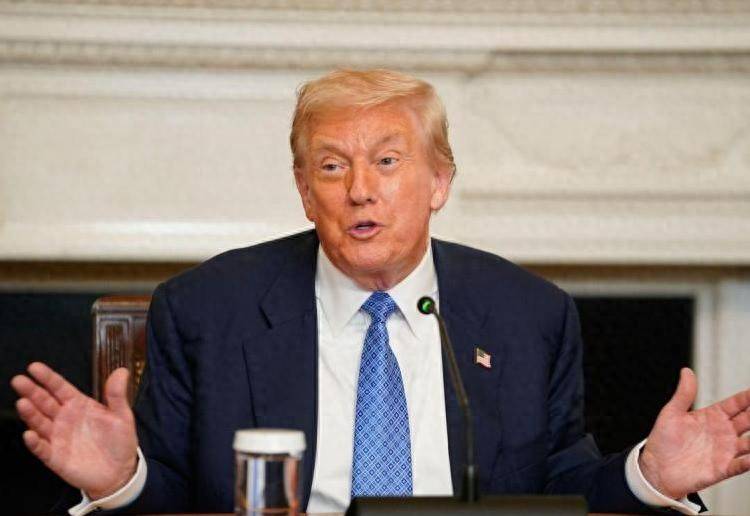
中美这场较量,胜负已定?人民日报喜讯通告全球,微妙时刻,特朗普首次透露接班人选
Sou Hu Cai Jing· 2025-08-13 08:45
Core Viewpoint - The recent announcement by People's Daily marks the conclusion of the US-China tariff war, highlighting China's victory in this prolonged economic conflict, while Trump's designation of a successor adds complexity to the situation [1][9]. Economic Performance Comparison - During Trump's administration, the tariff war was initiated in 2018 to address trade deficits and promote US manufacturing, aiming for concessions from China [3]. - China's economy has shown robust growth, maintaining a growth rate of [X]% in the first half of the year, driven by strong domestic consumption and investment in emerging industries [3]. - In contrast, the US economy is experiencing stagnation, with a growth rate of only [X]%, facing high inflation and increased living costs for citizens [4]. Impact of Tariff Policies - The high tariff policies have led to widespread dissatisfaction among other countries, prompting them to reduce reliance on the US market and seek trade partnerships elsewhere [6]. - The US economy is caught in a vicious cycle due to high tariffs, which increase import prices and contribute to inflation, leading to tighter monetary policies that suppress investment and consumption [6]. Strategic Advantages - China holds significant advantages in key sectors, such as the rare earth industry, where it is the largest producer and exporter, providing a strong foundation for its industrial development and international market influence [7]. Political Implications - Trump's early designation of Vice President Vance as his successor suggests an awareness of the negative impact of the tariff war's failure on his party's future, aiming to maintain his policy agenda [9]. - The announcement from People's Daily reinforces China's successful resistance against US trade aggression, indicating that protectionism and unilateralism are contrary to the trends of economic globalization [9].