新型能源体系

Search documents
算力尽头在电力! 电网设备ETF(159326)成交超1.9亿位居同类第一
Mei Ri Jing Ji Xin Wen· 2025-11-04 06:00
Core Insights - The A-share market experienced fluctuations with the electric grid equipment ETF (159326) rising by 0.48% and trading volume exceeding 190 million yuan, indicating strong market interest in this sector [1] - Huawei showcased new features of its smart substation solutions at the Asia-Pacific Electric Power Conference, emphasizing the relationship between AI and power [1] - A recent policy document from the Central Committee outlines goals for carbon reduction and the development of a new energy system, which is expected to benefit companies in the energy storage, wind power, and electric grid sectors [1] Industry Summary - The electric grid equipment ETF (159326) is the only ETF tracking the China Securities Electric Grid Equipment Theme Index, covering key sectors such as transmission and transformation equipment, grid automation, and distribution equipment, with a significant focus on ultra-high voltage [1] - The ETF has a high weight of 63% in ultra-high voltage-related stocks, the highest in the market, and includes leading companies such as Guodian NARI, TBEA, and Sifang Electric [1]
中国对全球气候治理的贡献日益凸显
Ren Min Ri Bao Hai Wai Ban· 2025-11-04 01:08
Core Insights - The report highlights China's significant contributions to climate change mitigation and adaptation, showcasing its commitment to global climate governance and green development [2][3][4][5] Group 1: Climate Change Mitigation Efforts - In 2024, non-fossil energy is projected to account for 19.8% of China's total energy consumption, with coal consumption decreasing from 67.4% in 2013 to 53.2% [3] - The report indicates that the lithium battery and photovoltaic industries are expected to achieve double-digit growth in multiple indicators in 2024, with China's new energy vehicle production leading globally for ten consecutive years [3] - The national carbon market has entered a new phase, with a cumulative trading volume of 728 million tons and a transaction value of 49.83 billion yuan as of September 2025, marking a historical high for the market [4] Group 2: Global Climate Leadership - China has contributed to a significant reduction in global wind and solar power costs by over 60% and 80%, respectively, while creating 46% of global renewable energy jobs [4] - By the end of 2024, China has signed 54 climate cooperation agreements with 42 developing countries, enhancing their capacity to address climate change through various initiatives [4] - China's announcement of its 2035 national contribution targets aligns with the Paris Agreement, reflecting its commitment to international climate goals [5] Group 3: International Cooperation and Policy Stance - The report outlines China's basic stance for COP30, emphasizing the importance of multilateral cooperation, adherence to the UN Framework Convention on Climate Change, and promoting a just global green transition [5] - China remains committed to its climate actions and international cooperation efforts, regardless of changing global circumstances [5]

四中全会精神在基层丨锚定高质量发展,书写中部崛起新篇章
Xin Hua She· 2025-11-03 15:59
Economic Development - The central region of China, covering six provinces, is focusing on high-quality development and modernizing its industrial system, emphasizing the importance of the real economy and innovation [1][2][3] - The "14th Five-Year Plan" highlights the need to optimize traditional industries while nurturing emerging and future industries, with a focus on smart, green, and integrated development [3][5] Industry Innovation - Companies like Hunan Sheny Precision Parts Co., Ltd. are enhancing their manufacturing processes to support local manufacturing breakthroughs, particularly in key components for large engineering equipment [2] - Wuhan Yuwei Optical Technology Co., Ltd. is developing advanced laser radar technology for railway bed condition measurement, showcasing the region's commitment to innovation in high-tech industries [3] Agriculture Modernization - The central region is advancing agricultural modernization through mechanization and smart farming technologies, such as unmanned agricultural machinery and IoT devices for precise irrigation [4][5] - Various initiatives are being implemented to improve agricultural productivity and quality, including land transfer in Jiangxi and single-crop yield enhancement actions in Henan [5] Energy Transition - The region is actively transitioning to a new energy system, with projects like the liquid hydrogen plant in Anhui, which aims to enhance hydrogen production efficiency and reduce costs [6] - AI systems are being deployed in coal mining operations to improve safety and efficiency, with significant reductions in energy consumption and equipment failure rates reported [5] Infrastructure Development - The central region is enhancing its transportation networks to connect domestic and international markets, with significant investments in ports and logistics facilities [10] - The establishment of modern food industry parks and the expansion of waterway transport routes are examples of how the region is leveraging its geographical advantages for economic growth [10] Social Welfare Initiatives - The implementation of long-term care insurance in regions like Henan is aimed at alleviating the economic burden on families with disabled members, reflecting a commitment to improving social welfare [11] - Various local governments are investing in public services and community support initiatives to enhance the quality of life for residents, including childcare and housing assistance programs [11][13]
十五五规划:持续提高新能源供给,推进化石能源有序替代
Soochow Securities· 2025-11-03 11:20
Investment Rating - The report maintains an "Overweight" rating for the utility sector [1]. Core Insights - The 14th Five-Year Plan emphasizes the construction of a new energy system, increasing the proportion of renewable energy supply, and orderly replacing fossil energy. It aims to build a strong energy nation and implement dual control of carbon emissions [4]. - Green electricity trading volume reached 29 billion kWh, a year-on-year increase of 42.9%. The total electricity market trading volume in September 2025 was 573.2 billion kWh, up 9.8% year-on-year [4]. - The report highlights investment opportunities in undervalued thermal power, charging pile infrastructure, and the reassessment of photovoltaic and green electricity assets [4]. Industry Data Tracking Electricity Price - In November 2025, the average grid purchase price decreased by 2% year-on-year but increased by 1.8% month-on-month, averaging 401 RMB/MWh [38]. Coal Price - As of October 31, 2025, the price of thermal coal at Qinhuangdao Port was 770 RMB/ton, a year-on-year decrease of 9.31% [42]. Hydropower - As of October 31, 2025, the water level at the Three Gorges Reservoir was 174.01 meters, with inflow and outflow rates increasing by 75.68% and 122.06% year-on-year, respectively [51]. Electricity Consumption - From January to July 2025, total electricity consumption reached 5.86 trillion kWh, a year-on-year increase of 4.5% [12]. Power Generation - Cumulative power generation from January to July 2025 was 5.47 trillion kWh, with a year-on-year increase of 1.3%. Thermal and hydropower generation saw declines of 1.3% and 4.5%, respectively [19]. Installed Capacity - As of June 30, 2025, the cumulative installed capacity of thermal power reached 1.47 billion kW, with a year-on-year increase of 4.7% [44]. Investment Recommendations - Focus on undervalued thermal power investments, particularly in the Beijing-Tianjin-Hebei region, and consider companies like Jingtou Energy, Jingneng Power, and Datang Power [4]. - For charging pile equipment, companies such as Teruid and Shenghong Co. are recommended [4]. - The reassessment of photovoltaic and charging pile asset values is expected, with a focus on companies like Southern Power Grid Energy and Longxin Group [4]. - Green electricity growth potential is highlighted, with recommendations for Longyuan Power H, Zhongmin Energy, and Sanxia Energy [4]. - Hydropower is noted for its low cost and strong cash flow, with a recommendation for Changjiang Power [4]. - Nuclear power is expected to grow, with recommendations for China Nuclear Power and China General Nuclear Power [4].
三大指数午后翻红!11月首个交易日 又一批悲观者沉默了
Mei Ri Jing Ji Xin Wen· 2025-11-03 07:47
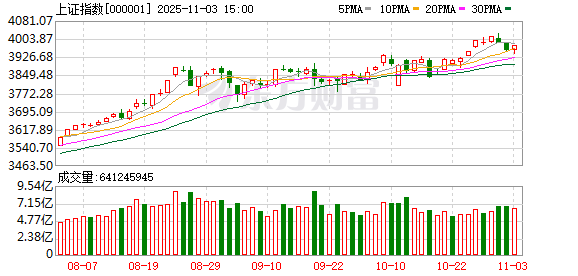
Market Overview - The market rebounded on November 3, with all three major indices closing in the green: Shanghai Composite Index rose by 0.55%, Shenzhen Component Index by 0.19%, and ChiNext Index by 0.29% [2] - Over 3,500 stocks in the market increased, while the total trading volume in Shanghai and Shenzhen reached 2.11 trillion yuan, a decrease of 210.7 billion yuan compared to the previous trading day [2] Sector Performance - Leading sectors included Hainan, gaming, and film and television, while battery, non-ferrous metals, and rare earth permanent magnets saw declines [2] - The performance of various indices year-to-date shows significant gains in small-cap indices, with the Wen De Micro Cap Index up by 80.41% and ChiNext Index up by 49.28% [7] Investment Sentiment - Analysts suggest that the current market conditions reflect a "slow bull" trend, with each pullback finding support at reasonable levels [4] - The market is experiencing positive feedback from sectors such as small-cap stocks and dividend indices, which historically perform better in November [6] Key Sector Insights - The Hainan Free Trade Zone is positioned as a pioneer in the China-ASEAN Free Trade Area 3.0, with the recent implementation of a duty-free policy showing initial positive effects [17] - The gaming and film sectors are benefiting from strong quarterly reports and new advertising policies from Tencent, which could enhance revenue sharing for content creators [18] - The old energy sector is entering a seasonal consumption peak due to cold weather, while the new energy sector is supported by national policies aimed at increasing renewable energy supply [19] Future Outlook - Short-term market dynamics may see some profit-taking, with potential rotation opportunities in cyclical stocks benefiting from macro policy expectations [14] - The integration of AI and new energy sectors is expected to accelerate, with a focus on leading companies in these fields [20]
绿色产业“加减法”如何重塑经济版图
Zhong Guo Zheng Quan Bao· 2025-11-02 20:16
Core Viewpoint - The "14th Five-Year Plan" and "15th Five-Year Plan" emphasize a transition towards green and low-carbon development, with a focus on carbon peak and carbon neutrality as guiding principles for policy formulation [1][2][6] Group 1: Green Transition and Policy Changes - The transition from pollution control to green low-carbon transformation is highlighted in recent policy statements, indicating a fundamental shift in environmental governance tools [2] - The dual control system for carbon emissions will replace the previous energy consumption control, marking a significant change in China's approach to environmental management [2] - The "15th Five-Year Plan" aims to implement energy-saving and carbon reduction actions in key industries, targeting a reduction of approximately 400 million tons of CO2 emissions [2][3] Group 2: Development of Green Low-Carbon Industries - The scale of China's green low-carbon industry is currently estimated at 11 trillion yuan, with potential for significant growth in the next five years [3] - The plan includes the establishment of around 100 national-level zero-carbon parks, which will provide substantial growth opportunities for the green low-carbon sector [3] - A comprehensive carbon emission accounting system will be developed, alongside an expansion of the national carbon trading market, to facilitate investment in efficient emission reduction technologies [3][5] Group 3: New Energy System and Infrastructure - The adjustment of the energy structure aims to increase the proportion of clean energy supply, with a projected annual addition of 200 million kilowatts of wind and solar capacity over the next decade [4][5] - The construction of a new energy system will focus on integrated energy infrastructure, including pumped storage and smart grids, to enhance energy supply security and resilience [5] - The green certificate market has seen significant progress, with 4.46 billion green certificates traded in 2024, indicating a successful development of the green trading market [5][6] Group 4: Environmental Protection and Circular Economy - The plan outlines actions for solid waste management and environmental risk prevention, aiming to extend the environmental protection industry from end-of-pipe treatment to comprehensive pollution reduction [6][7] - The target for the utilization of major solid waste is set at 4.5 billion tons by 2030, promoting the development of a circular economy [7] - Policies will be implemented to support green low-carbon development across various sectors, indicating a shift towards systemic economic transformation [7]
新华时评·聚焦“十五五”规划建议|加快全面绿色转型 建设美丽中国
Xin Hua She· 2025-11-02 10:55
Core Viewpoint - Green development is a prominent feature of Chinese modernization, with significant progress in ecological civilization construction outlined in the "14th Five-Year Plan" [1][2] Group 1: Green Development Initiatives - The "14th Five-Year Plan" emphasizes accelerating the comprehensive green transformation of economic and social development, aiming for a "Beautiful China" [1] - China has established the world's largest carbon emission trading market and a clean electricity supply system, with water consumption per unit of GDP reduced to below 50 cubic meters [1] - The national forest coverage rate has increased to over 25%, and the proportion of days with good air quality in cities at or above the prefecture level remains stable at around 87% [1] Group 2: Pollution Prevention and Ecological Protection - Continuous efforts in pollution prevention and ecological system optimization are mandated, focusing on coordinated pollution reduction and regional governance [1][2] - Specific measures include enhancing the protection and restoration of important ecosystems and conducting large-scale land greening actions [1][2] Group 3: Energy Transition and Carbon Neutrality - The construction of a new energy system is crucial for promoting green low-carbon transformation and ensuring national energy security [2] - The plan includes achieving peak carbon emissions before 2030, implementing dual control of total carbon emissions and intensity, and promoting energy-saving renovations [2] - A series of initiatives aim to foster a green production and lifestyle, enhancing the momentum for green development and contributing to the construction of a beautiful China [2]
最新!国家能源局新闻发布会文字实录
中国能源报· 2025-11-01 09:56
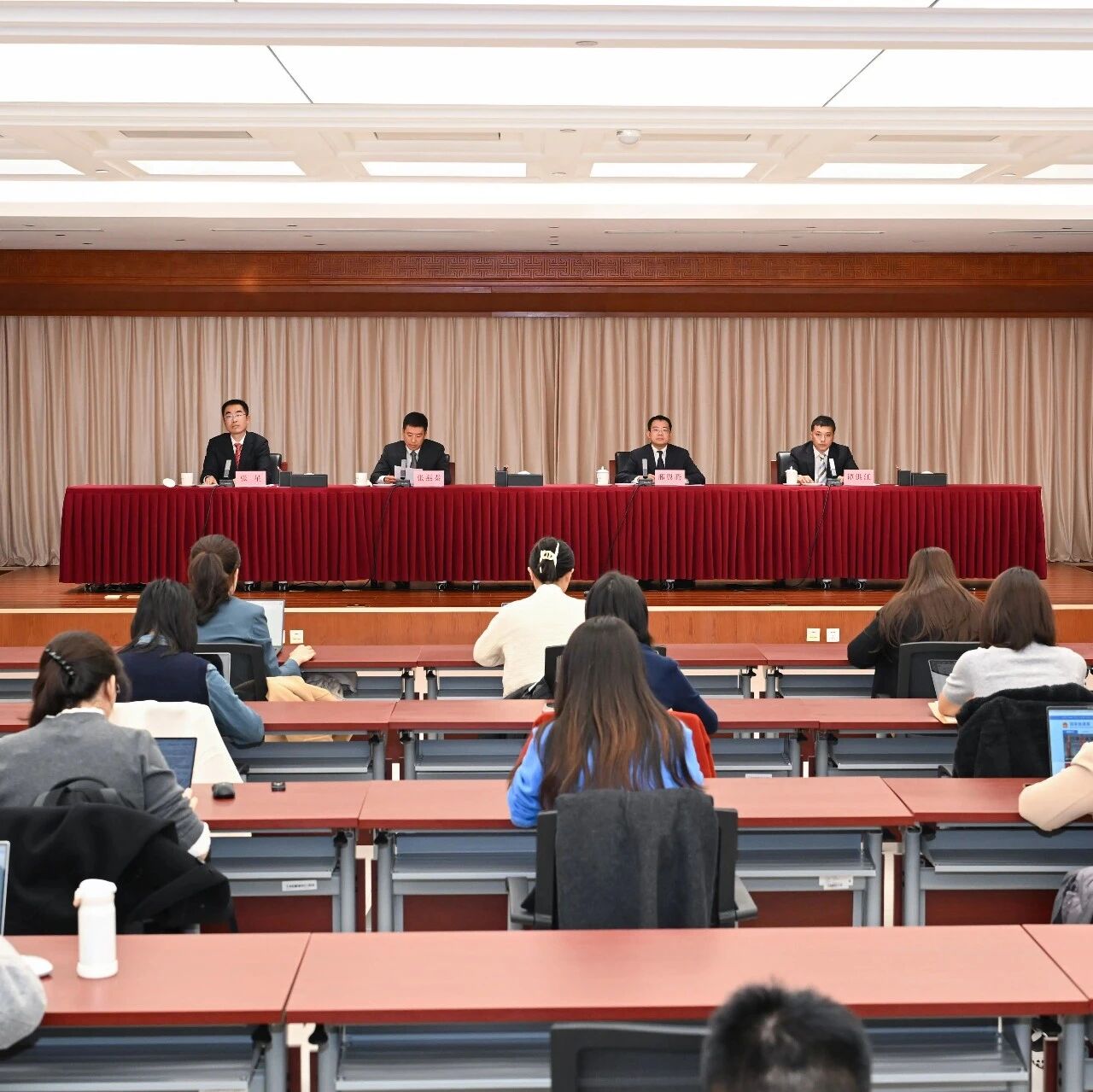
Core Viewpoint - The National Energy Administration (NEA) is actively promoting the implementation of the spirit of the 20th National Congress of the Communist Party of China, focusing on energy supply security, renewable energy integration, and electric vehicle charging infrastructure development, while addressing the challenges posed by the summer peak electricity demand and preparing for the winter heating season [3][5][6]. Energy Situation Overview - In the first three quarters of 2025, China's energy supply has been robust, with coal, oil, and gas production showing steady growth. The output of industrial coal, crude oil, and natural gas increased by 2%, 1.7%, and 6.4% year-on-year, respectively [9][10]. - The maximum electricity load during the summer peak reached new highs four times, with July and August seeing electricity consumption exceed 1 trillion kilowatt-hours for two consecutive months [9][10]. - The NEA has implemented a series of policies to stabilize coal prices, with the spot price of 5500 kcal thermal coal reaching approximately 704 yuan per ton in late September [9]. Renewable Energy Development - The installed capacity of renewable energy has continued to expand, reaching nearly 2.2 billion kilowatts, with wind and solar power installations exceeding 1.7 billion kilowatts. In the first three quarters, the newly added renewable energy capacity was 31 million kilowatts, a year-on-year increase of 47.7% [11][12]. - Renewable energy generation accounted for about 40% of total electricity generation, with a year-on-year increase of 15.5% in renewable energy generation, significantly surpassing the growth in electricity consumption [12]. Electric Vehicle Charging Infrastructure - By the end of September 2025, the total number of electric vehicle charging facilities reached 18.06 million, a year-on-year increase of 54.5%, effectively supporting the charging needs of 40 million electric vehicles [14][15]. - The NEA has introduced policies to enhance charging infrastructure safety and promote the construction of high-power charging facilities, aiming to build 28 million charging facilities by the end of 2027 [15][16]. Market Mechanism and Electricity Supply Security - The national unified electricity market has seen a steady increase in trading volume and market participants, with a total electricity market transaction volume of 4.92 trillion kilowatt-hours, a year-on-year increase of 7.2% [17][18]. - The NEA is focusing on optimizing resource allocation across regions, with significant cross-regional electricity support during peak demand periods, enhancing the reliability of electricity supply [18][19]. Winter Energy Supply Plans - The NEA is preparing for the winter heating season by strengthening fuel supply and ensuring the stability of coal and natural gas supplies. The coal production in the first nine months reached 357 million tons, with daily coal dispatch remaining above 12 million tons [24][25]. - The NEA is also enhancing monitoring and management of natural gas supplies, ensuring that the supply meets the peak demand during the winter [25][26].
加快全面绿色转型 产业如何做好“加减法”?
Ren Min Wang· 2025-11-01 09:17
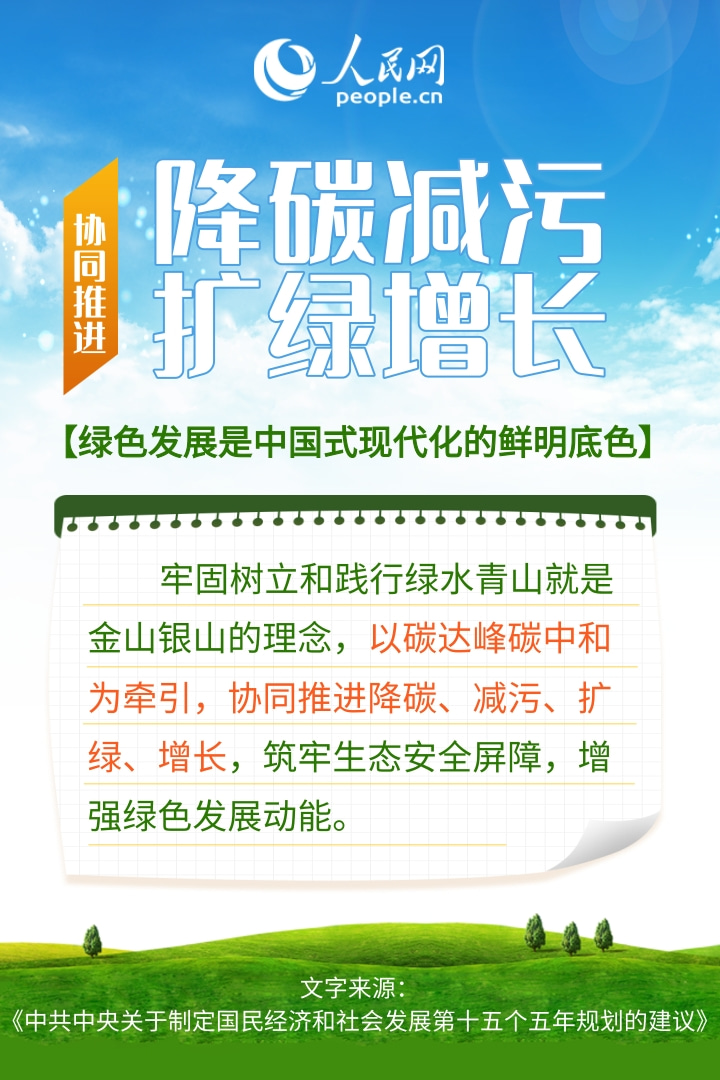
Core Viewpoint - Green development is a prominent feature of Chinese modernization, emphasizing the need for a comprehensive green transformation in economic and social development as outlined in the 15th Five-Year Plan proposal by the Central Committee of the Communist Party of China [1][3]. Group 1: Pollution Prevention and Ecological Optimization - The focus is on environmental protection for the public, implementing precise and scientific pollution control, emphasizing source governance, and enhancing collaborative efforts in reducing pollution and carbon emissions [5]. - There is a commitment to a comprehensive approach to protect and manage ecosystems, including biodiversity conservation and large-scale afforestation initiatives [6]. Group 2: New Energy System Construction - The plan aims to increase the proportion of renewable energy supply, ensuring a safe and orderly transition from fossil fuels, and building a robust new power system [7]. - The strategy includes a multi-energy approach, integrating wind, solar, water, and nuclear energy, while promoting high-quality development of clean energy [7]. Group 3: Carbon Peak Achievement - The implementation of a dual control system for total carbon emissions and intensity is a key focus, alongside promoting energy-saving and carbon-reduction transformations [8][9]. Group 4: Green Production and Lifestyle Formation - The initiative aims to advance ecological environment zoning and control, optimizing industrial layout in collaboration with national spatial planning [13]. - There is a push for green and low-carbon transformations in key sectors such as industry, urban construction, and transportation [13].
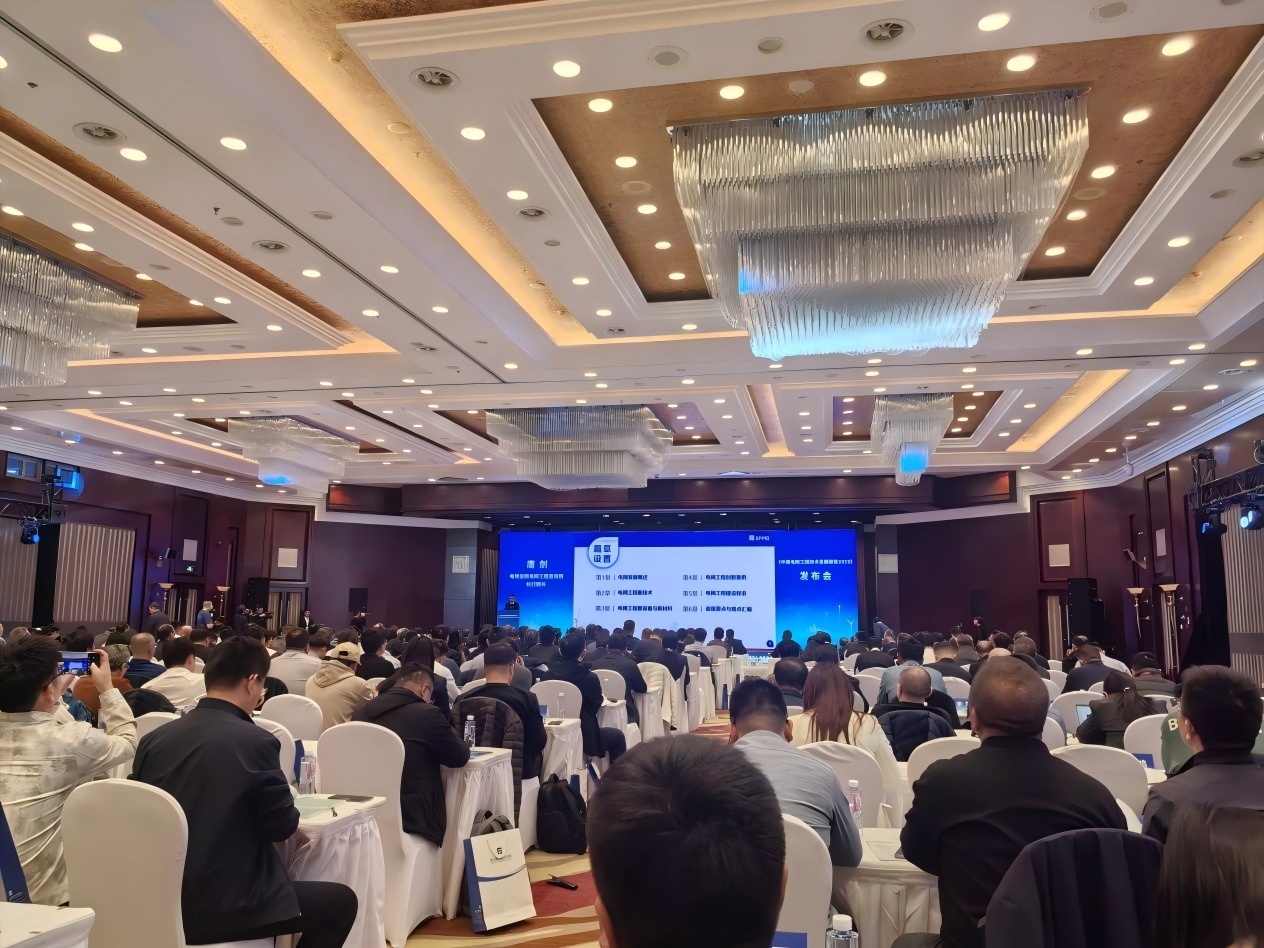
专家:“十五五”电网面临多方挑战 加快推进“双八百”特高压柔直技术攻关
Zhong Guo Jing Ying Bao· 2025-11-01 05:48
Core Insights - The 2025 National Power Grid Technology Exchange Conference highlighted significant advancements in China's power grid engineering during the "14th Five-Year Plan" period, emphasizing the importance of energy production and consumption revolution for high-quality development [2][4] - Experts at the conference identified new challenges and proposed targeted recommendations for the upcoming "15th Five-Year Plan" period, focusing on the need for unified planning and resource allocation in power grid development [2][3] Group 1: Key Developments - The conference revealed that the power system will exhibit high penetration of renewable energy, increased electrification, and greater supply-demand variability during the "15th Five-Year Plan" period, necessitating new requirements for grid planning and construction [2][3] - The report released at the conference summarized achievements in new technologies, equipment, and materials in power grid engineering since 2024, providing insights into future technological directions [4] Group 2: Expert Opinions - The Director of the Electric Power Department of the National Energy Administration emphasized the need for enhanced unified planning and resource support to adapt to the requirements of a national unified electricity market [2][3] - The Deputy General Manager of China Energy Construction Group called for increased investment in technology and research to improve the resilience and safety of the supply chain in response to unprecedented demands from rapid renewable energy development [2][3] Group 3: Challenges and Recommendations - The Deputy Chief Engineer of the State Grid highlighted the urgent need for research and application of new technologies to address world-class technical challenges in power grid construction [3] - The Deputy General Manager of the Southern Power Grid pointed out the necessity for a new intelligent construction paradigm to manage the complexities of large-scale renewable energy projects and storage systems [3][4]