
第三代半导体

Search documents
深圳出台专项政策设立50亿元基金,发力化合物半导体领域
Sou Hu Cai Jing· 2025-07-07 06:52
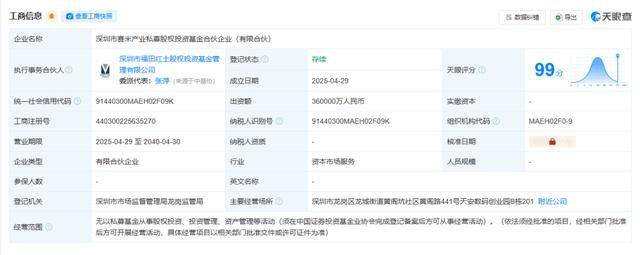
Core Insights - Shenzhen has introduced measures to promote high-quality development in the semiconductor and integrated circuit industry, establishing a total fund of 5 billion yuan for this purpose [1] - The measures focus on "strengthening, stabilizing, and supplementing" the semiconductor supply chain, with a particular emphasis on accelerating the maturity of compound semiconductors [1][4] - The fund aims to support key areas such as the preparation of compound semiconductor materials, device design, and chip manufacturing, encouraging mass production of products like silicon carbide power devices and gallium nitride RF chips [1][3] Group 1 - The "Semi Industry Private Equity Fund" has been registered and will primarily invest in critical segments of the semiconductor supply chain, including the research and industrialization of compound semiconductor chips [1][3] - Shenzhen's semiconductor industry is robust, with over 80 companies in the compound semiconductor sector, covering the entire supply chain from materials to devices [4] - Major companies like BYD Semiconductor and Zhongtong Tianke have made significant advancements, with BYD's silicon carbide power modules achieving large-scale applications [4] Group 2 - The policy aims to enhance collaboration within the semiconductor industry, particularly in the Longgang District, which is a core area for semiconductor concentration [5] - Longgang is planning to establish a specialized integrated circuit industrial park to focus on compound semiconductor manufacturing projects [5] - The initiative will promote supply chain cooperation between leading enterprises and small to medium-sized enterprises through a city-level industrial alliance [5]


电源芯片,迎来革命
半导体芯闻· 2025-07-04 10:00
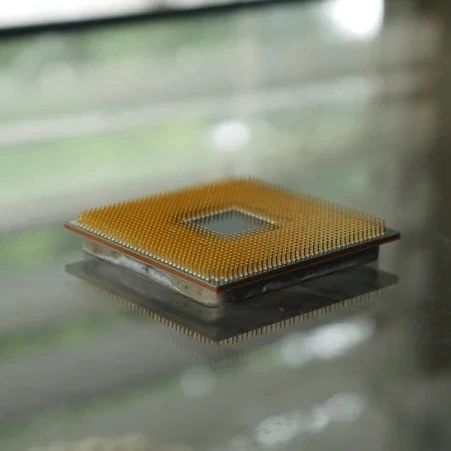
Core Viewpoint - The article discusses the significant upgrade in data center power infrastructure driven by the increasing demand for AI computing power, particularly focusing on NVIDIA's 800V High Voltage Direct Current (HVDC) technology, which is expected to reshape the third-generation semiconductor foundry landscape by 2027 [1][2]. Group 1: HVDC Technology and Market Dynamics - NVIDIA's 800V HVDC technology allows for an 85% increase in power transmission through the same size of wire compared to traditional architectures, with a key difference being the conversion of 800V DC to 54V DC [1]. - The demand for Power ICs in Compute Trays is expected to rise, with memory voltage needing to shift from 54V to 12V, creating opportunities for Taiwanese companies like Dazhong (8081) and Maida (6138) to capture market share [2]. - The collaboration between NVIDIA and Navitas involves the use of GaN and SiC technologies; however, TSMC's decision to gradually exit the GaN market raises questions about the future application of GaN in data centers due to safety concerns [2]. Group 2: Semiconductor Industry Implications - TSMC is optimizing its production capacity by reallocating workforce from older plants to support advanced packaging, which may create opportunities for other foundries like Lijidian to fill the gap in certain mature and specialized process nodes [2]. - The semiconductor industry is expected to see overseas PMIC manufacturers adjust their product offerings based on customer needs, providing Taiwanese supply chains with opportunities to penetrate Tier 1 customers [3].

基本半导体持续亏损超8亿:资产负债比率大幅走高,现金流连年为负
Xin Lang Cai Jing· 2025-07-04 00:59
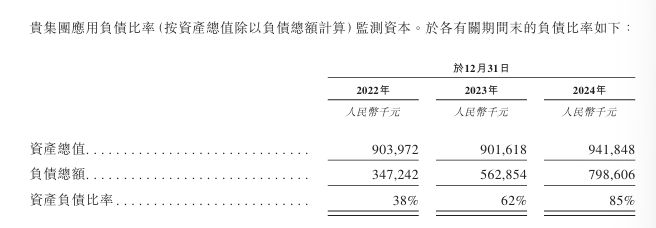
Core Viewpoint - Shenzhen Basic Semiconductor Co., Ltd. is seeking to list on the Hong Kong Stock Exchange, focusing on silicon carbide (SiC) power devices, with significant losses exceeding 800 million RMB over the past three years [1][2][3] Financial Performance - The company reported revenues of 117 million RMB, 221 million RMB, and 299 million RMB from 2022 to 2024, with corresponding losses of 242 million RMB, 342 million RMB, and 237 million RMB [2][3] - The revenue from SiC power modules increased significantly, accounting for 4.3%, 34.9%, and 48.7% of total revenue during the same period, while revenue from gate drivers decreased from 45.8% to 26.8% [2] - The overall gross margin was negative, with figures of -48.5%, -59.6%, and -9.7% over the three years [3] Research and Development - The company has high R&D costs, with expenditures of 59.4 million RMB, 75.8 million RMB, and 91.1 million RMB, representing 50.8%, 34.4%, and 30.5% of total revenue [4][5] - The high R&D costs are attributed to the nature of the semiconductor industry, which requires significant investment in technology and manufacturing processes [3][8] Customer Base and Revenue Concentration - Major customers include automotive manufacturers and high-tech companies focused on renewable energy, with revenue from the top five customers increasing from 32.2% to 63.1% of total sales over the reporting period [4][6] - The company faces risks related to revenue concentration, as over 50% of total revenue comes from a small number of clients [8] Capital Expenditure and Cash Flow - Capital expenditures were significant, with amounts of 212 million RMB, 146 million RMB, and 36.6 million RMB over the reporting period, aimed at expanding production capacity and upgrading equipment [5][9] - The company has recorded negative cash flow from operating activities for three consecutive years, with net cash outflows of 307 million RMB, 12 million RMB, and 24.1 million RMB [5][8] Debt and Liquidity - The asset-liability ratio increased significantly, reaching 85% by the end of 2024, indicating a deteriorating liquidity position [6][8] - The company’s total liabilities rose from 347 million RMB to 799 million RMB over the reporting period, raising concerns about its ability to meet financial obligations [7][8] Market Position and Future Outlook - Basic Semiconductor is positioned as a key player in the SiC power device market, ranking seventh globally and sixth in China, with a focus on the growing electric vehicle sector [1][2] - The company aims to leverage its technological advantages and patents to capture market share in the rapidly evolving semiconductor landscape [8][9]
6月第4期:普涨:估值与盈利周观察
Tai Ping Yang Zheng Quan· 2025-06-30 13:12
Group 1 - The overall market valuation has increased, with the ChiNext Index performing the best, while the dividend index showed the weakest performance [1][10] - The computer, defense, and non-bank financial sectors experienced the highest gains, while the oil, food and beverage, and transportation sectors performed the weakest [13][35] - The relative PE and PB of the ChiNext Index compared to the CSI 300 have both increased, indicating a shift in valuation dynamics [17][26] Group 2 - The overall valuation of broad market indices has risen, with the majority of indices above the 50% historical percentile [15][26] - The financial and real estate sectors are valued above the 50% historical percentile, while materials, equipment manufacturing, industrial services, transportation, consumption, and technology sectors are at or below the 50% level [28][39] - The valuation of the food and beverage, agriculture, public utilities, and home appliance sectors is currently considered relatively cheap [39][44] Group 3 - The overall profit expectations across industries have shown slight changes, with the largest upward adjustments and the computer sector experiencing the most significant downward revision [50]
斯达半导发15亿可转债,押注第三代半导体
IPO日报· 2025-06-30 13:00
Core Viewpoint - The power semiconductor market is expanding significantly due to the global trend of automotive electrification and the "dual carbon" strategy, with leading domestic company SIDA Semiconductor (603290.SH) planning to issue convertible bonds totaling up to 1.5 billion yuan [1][6]. Summary by Sections Fundraising Purpose - The funds raised from the convertible bonds will be primarily allocated to four areas, focusing on three industrialization projects related to core components for new energy vehicles (NEVs) [2]. - The largest portion, 600 million yuan, will be invested in the manufacturing project for automotive-grade SiC MOSFET modules, which are critical for the main drive system control modules in NEVs due to their high voltage, high frequency, and high efficiency characteristics [2]. - The IPM (Intelligent Power Module) manufacturing project targets high-frequency medium-voltage applications such as NEV air conditioning and electric compressors, with a projected demand of 440 million units in 2024, reflecting a year-on-year growth of 20.8% [2]. - The automotive-grade GaN module industrialization project aims to establish a complete process platform for GaN chip packaging, testing, and system integration, focusing on next-generation semiconductor technologies [2]. Company Performance - Since its IPO in 2020, the company's revenue has surged from 963 million yuan to 3.663 billion yuan by 2023, while net profit increased from 181 million yuan to 911 million yuan [5]. - However, in 2024, the company experienced its first simultaneous decline in revenue and net profit since 2016, with revenue dropping to 3.391 billion yuan (a 7.43% decrease) and net profit falling to 508 million yuan (a 44.24% decrease) [5]. Competitive Landscape - The global power semiconductor market is dominated by international giants like Infineon and ON Semiconductor, indicating that domestic companies still face challenges in technology accumulation and production capacity [8]. - The domestic SiC industry is rapidly developing, with companies like Shanxi Tiancheng achieving mass production of 8-inch SiC single crystal substrates, and Jie Square Semiconductor's first 8-inch SiC wafer factory expected to be operational by 2027 [8]. - The ability of SIDA Semiconductor to maintain its competitive edge amidst fierce competition will depend on its future technology transformation and mass production capabilities [8].

斯达半导: 斯达半导体股份有限公司向不特定对象发行可转换公司债券募集资金使用可行性分析报告
Zheng Quan Zhi Xing· 2025-06-27 16:52
Core Viewpoint - The company plans to issue convertible bonds to raise funds for three key projects: the manufacturing of automotive-grade SiC MOSFET modules, IPM modules, and the industrialization of automotive-grade GaN modules, along with supplementing working capital. This initiative aligns with national industrial policies and the company's strategic development direction, aiming to enhance market competitiveness and financial stability [1][17]. Group 1: Fundraising and Investment Plans - The total amount to be raised from the convertible bond issuance is up to RMB 150,000 million, with a total investment plan of RMB 203,433.29 million across various projects [1]. - The company will initially use its own or raised funds to start projects before the bond proceeds are available, ensuring project continuity [1]. Group 2: Project Necessity Analysis - The automotive-grade SiC MOSFET module project aims to leverage industry opportunities and maintain the company's leading position in the automotive semiconductor market, particularly for electric vehicles [2][3]. - The IPM module project responds to the national "dual carbon" strategy and aims to meet the growing market demand for energy-efficient white goods, with a projected domestic demand of 440 million units by 2024, reflecting a 20.8% year-on-year growth [4][10]. - The automotive-grade GaN module project focuses on enhancing technical capabilities and expanding product offerings in the rapidly growing electric vehicle sector, with the GaN power device market expected to reach USD 2.6 billion in 2023 [6][11]. Group 3: Feasibility Analysis of Investment Projects - The rapid development of the new energy vehicle industry provides a broad market space for the SiC MOSFET module project, with projected sales of 1,288.8 million units in China by 2024, a 34.4% increase year-on-year [7][8]. - The company's strong brand image and established customer relationships in the power semiconductor sector provide a solid foundation for the successful implementation of these projects [9]. Group 4: Economic Benefits and Financial Impact - The SiC MOSFET module project has a total investment of RMB 100,245.26 million, with RMB 60,000 million sourced from the bond issuance [12][13]. - The IPM module project requires an investment of RMB 30,080.35 million, with RMB 27,000 million from the bond proceeds, aimed at expanding production capacity [14][15]. - The GaN module project involves an investment of RMB 30,107.68 million, with RMB 20,000 million from the bond issuance, focusing on enhancing production capabilities [16]. Group 5: Overall Impact on Company Management and Financial Status - The issuance of convertible bonds is expected to enhance the company's core competitiveness and risk resistance, aligning with long-term development goals [17]. - The financial structure will improve as the asset scale expands, potentially lowering the debt-to-asset ratio and increasing net assets over time [17][18].
化合物半导体系列报告之三:碳化硅:国内弯道超车趋势已现
Shenwan Hongyuan Securities· 2025-06-27 14:41
Investment Rating - The report suggests a positive outlook for the silicon carbide (SiC) industry, indicating an "Overweight" rating for the sector, as it is expected to outperform the overall market [58]. Core Insights - Silicon carbide (SiC) exhibits advantages such as high temperature and pressure resistance, with significant potential for increased penetration. The penetration rate of SiC materials is projected to rise from 4% in 2020 to 15% by 2024 [3][8]. - The competitive landscape for SiC is shifting, with major overseas manufacturers reducing operations, which may lead to a more consolidated market [9][12]. - Domestic manufacturers are breaking monopolies across various segments of the SiC supply chain, showing strong growth and development [3][37]. Summary by Sections 1. Advantages of Silicon Carbide - SiC has superior breakdown electric field strength, saturation electron drift rate, thermal conductivity, and thermal stability compared to silicon, making it suitable for high-voltage, high-frequency, and high-power applications [3][8]. - The global penetration rate of SiC materials is expected to reach 15% by 2024, indicating a substantial growth opportunity [3][8]. 2. Competitive Landscape - Major overseas companies like Wolfspeed and Renesas Electronics are scaling back operations, which may lead to a more concentrated competitive environment [9][12]. - Domestic companies are gaining ground in substrate and epitaxy segments, with firms like BYD Semiconductor and others showing robust growth in SiC module production [3][37]. 3. Investment Opportunities - The report highlights several key players to watch, including Tianke Heda in the substrate segment, Tianyu Semiconductor in the epitaxy segment, and Xilinx Integration and Basic Semiconductor in the device segment [3][37]. - The AR glasses market is identified as a new growth avenue for SiC substrates, with potential demand reaching millions of units by 2030 [20][23]. 4. Market Growth Projections - The SiC power device market is projected to grow from $1.09 billion in 2021 to $6.3 billion by 2027, with a compound annual growth rate (CAGR) of 34% [36]. - The number of vehicle models using SiC power devices is expected to increase significantly, from 1 model in 2019 to over 200 models by 2024 [34][36].






国产碳化硅封测厂再添一员,瀚薪科技12亿投资封测项目主结构封顶
Sou Hu Cai Jing· 2025-06-27 02:27
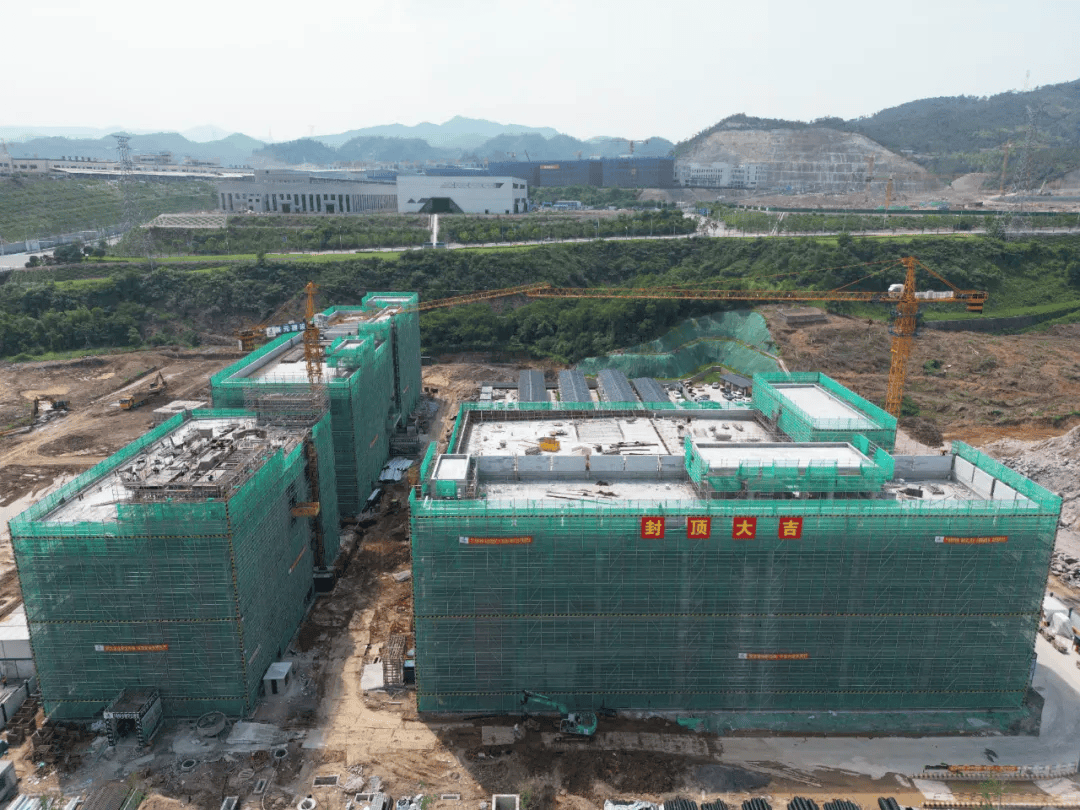
Group 1 - The semiconductor industry relies heavily on both wafer fabs and packaging/testing plants, with wafer fabs responsible for manufacturing chips from designs and cutting them into individual dies, while packaging/testing plants focus on the subsequent packaging and testing processes [1] - Hanxin Technology has invested 1.2 billion in a packaging/testing plant in Zhejiang, which has recently completed its main structure, and upon full production, it is expected to achieve an annual output of 300,000 silicon carbide power modules and 50 million silicon carbide power devices, addressing the growing demand in the high-voltage silicon carbide market [1][4] - The establishment of this plant will enhance Hanxin Technology's annual shipment capacity of silicon carbide devices, alleviating market supply and demand pressures [1] Group 2 - The new packaging/testing project by Hanxin Technology's subsidiary in Lishui marks significant progress in the industrialization of third-generation semiconductors, improving production autonomy and accelerating R&D iterations [3] - The project site is strategically located near transportation hubs, with the nearest high-speed rail station approximately 25 km away and the nearest airport about 163 km away, facilitating logistics and operations [4] - Hanxin Technology, established in October 2019, focuses on the R&D and production of third-generation wide bandgap semiconductor power devices and modules, with its silicon carbide products covering voltage platforms from 650V to 3300V, achieving international leading technology levels [4]
*ST华微实控人拟变更为吉林省国资委 推动当地半导体产业高质量发展
Zheng Quan Ri Bao Wang· 2025-06-26 12:14
Core Viewpoint - The change of control in *ST Huamei from Shanghai Pengsheng to Jilin Yadong State Capital Investment aims to resolve financial issues and promote the high-quality development of the semiconductor industry in Jilin Province [1][2]. Group 1: Shareholder Change and Financial Implications - The controlling shareholder, Shanghai Pengsheng, will transfer 214 million shares (22.32% of total shares) to Jilin Yadong, with the transfer price primarily used to repay 1.556 billion yuan of occupied funds and interest [1]. - The transaction is expected to resolve the issue of 1.491 billion yuan of non-operational fund occupation by Shanghai Pengsheng and its affiliates, as mandated by the China Securities Regulatory Commission [2]. Group 2: Strategic Importance and Industry Impact - The strategic takeover by state capital is seen as beneficial for creating a sustainable development foundation for the company and addressing historical financial issues caused by the previous controlling shareholder [2]. - The transaction aligns with the broader goal of stabilizing the domestic semiconductor industry and is expected to inject new vitality into the sector by diversifying development paths [2][3]. Group 3: Company Operations and Future Focus - *ST Huamei specializes in power semiconductor devices and is one of the few domestic companies adopting the IDM model, focusing on full industry chain project construction and product innovation [3]. - The company plans to enhance its chip manufacturing capabilities and establish production bases centered on strategic emerging fields such as automotive electronics and renewable energy [3]. Group 4: Governance and Operational Mechanism - Post-transaction, *ST Huamei will become a mixed-ownership listed company with relative state capital control, aiming to establish a market-oriented governance structure and operational mechanism [3][4]. - Jilin Yadong has committed to maintaining the flexibility and dynamism of the company's market operations while ensuring compliance and stimulating innovation [4].

二〇二五世界半导体大会暨博览会在南京举行——
Nan Jing Ri Bao· 2025-06-23 02:06
Industry Overview - The semiconductor industry is a core foundation of modern information technology and electronic products, becoming a major battleground for technological competition [1] - The 2025 World Semiconductor Conference showcased nearly 200 exhibitors, highlighting advancements in EDA tools, high-performance computing chips, advanced packaging solutions, and key semiconductor materials [1][3] - Emerging "chip" forces are presenting innovations that make chips smaller, thinner, and faster [1] Company Innovations - Jiangsu Xinkang Microelectronics Technology Co., Ltd. introduced a gallium nitride fast-charging chip that reduces heat generation while increasing power and efficiency, achieving a size reduction of one-third and lowering costs [2] - Jiangsu Superchip Semiconductor Co., Ltd. focuses on silicon carbide, a core material for third-generation semiconductors, which is suitable for high-speed, high-power applications in sectors like high-speed rail and new energy vehicles [2] - The company has developed a proprietary silicon carbide crystal growth technology, winning a gold medal at the 50th Geneva International Invention Exhibition [2] Market Dynamics - The World Semiconductor Conference has attracted over 160,000 professional visitors from 23 countries and regions over six years, showcasing over 1,300 top exhibitors [3] - Nanjing is recognized as a national innovation center for third-generation semiconductor technology, fostering a conducive environment for the semiconductor industry to grow from weak to strong [3][4] - The establishment of national-level technology innovation centers in Nanjing promotes deep integration of innovation chains, industry chains, funding chains, and talent chains [4]