即时零售

Search documents
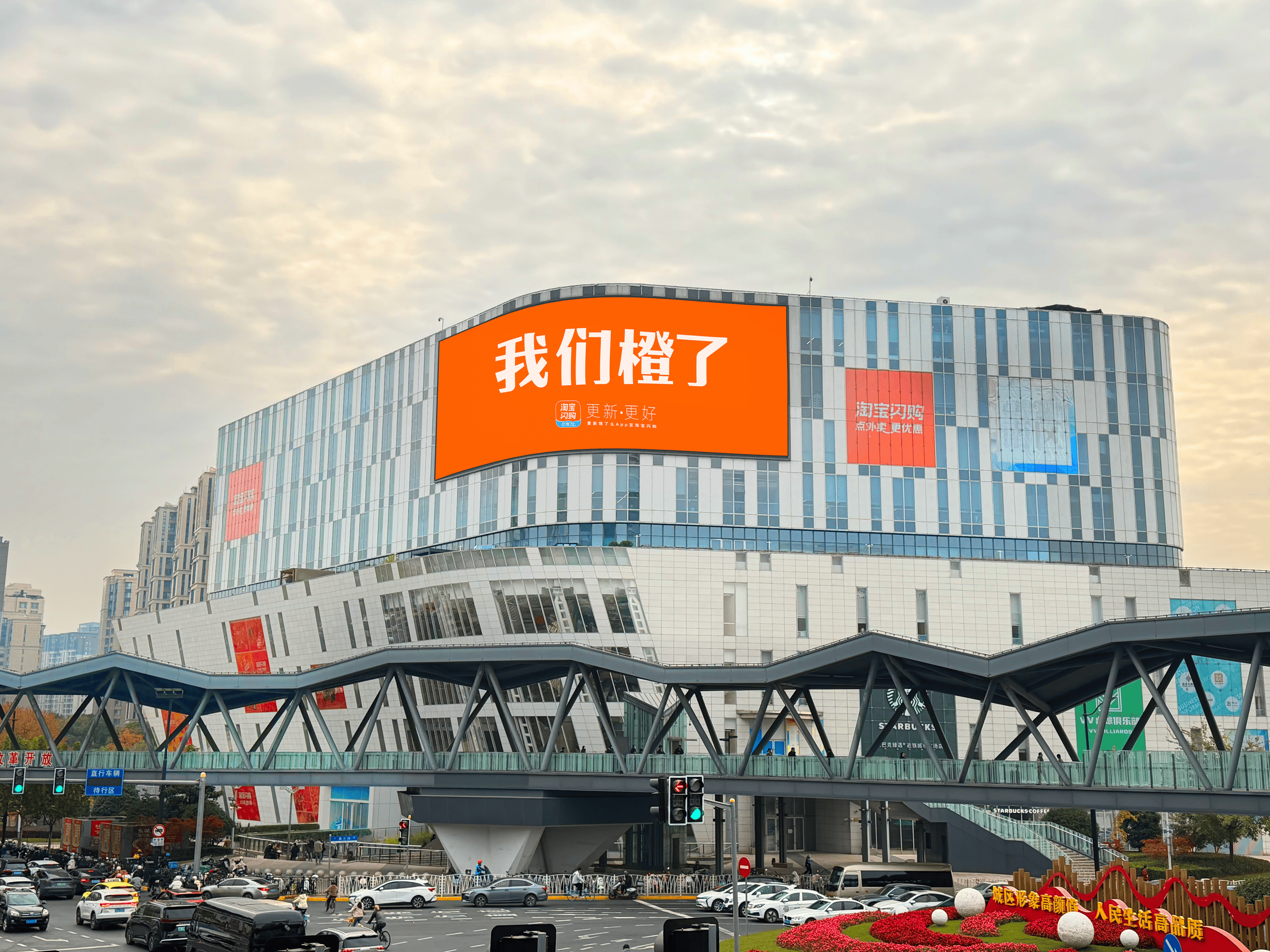
“饿了么”焕新“淘宝闪购”,阿里大消费平台战略在即时零售领域落地
Chang Sha Wan Bao· 2025-12-07 14:15
Core Viewpoint - The transformation of Ele.me into Taobao Flash Purchase marks a significant strategic shift for Alibaba in the instant retail sector, reflecting its commitment to becoming a comprehensive consumer platform [1][6]. Group 1: Brand Transformation - The rebranding from Ele.me's blue to Taobao Flash Purchase's orange has evoked emotional responses from users, highlighting the brand's 17-year history and its integration into various life scenarios [2][3]. - The updated app retains the blue "Ele.me" text while introducing the orange "Taobao Flash Purchase" as the main icon, ensuring a seamless transition for users [2][3]. - The app now offers a wider range of services beyond food delivery, including supermarket convenience, flowers, groceries, and medical supplies, while maintaining previous user data and order history [2][3]. Group 2: Strategic Intent - Alibaba aims to break the mental association of Ele.me with food delivery, expanding into a broader instant retail market through a combination of instant retail and e-commerce [4][5]. - The brand transformation is seen as a necessary step to support the growth of low-frequency businesses like instant retail, which can benefit from the high-frequency nature of food and fresh delivery [4][5]. Group 3: Market Performance - Recent data indicates that Taobao Flash Purchase has achieved a peak of 120 million daily orders, with over 300 million monthly active users, reflecting significant growth in the instant retail sector [5][6]. - The revenue from instant retail has increased by 60% year-on-year, with a notable reduction in average losses per order since July, indicating improved operational efficiency [5][6]. Group 4: Future Outlook - The rebranding is part of Alibaba's broader strategy to position itself as a major player in the consumer services market, with plans for further integration of Ele.me and other services into its e-commerce ecosystem [6][7]. - The shift towards a comprehensive consumer platform is expected to enhance Alibaba's competitive edge in the evolving landscape of instant retail, moving from price competition to ecosystem competition [6][7].

饿了么彻底“橙了”!从“送餐”到送“万物”,淘宝闪购奔向万亿增量
Mei Ri Jing Ji Xin Wen· 2025-12-07 10:53
Core Insights - The official announcement from Ele.me on December 5 marks the complete rebranding to "Taobao Flash Purchase," indicating a strategic merger of the two brands [1] - The integration is expected to enhance competitive advantages, leveraging Ele.me's service capabilities and infrastructure to support Taobao's broader consumption platform strategy [2][8] Brand Integration - The rebranding signifies a deeper integration of Ele.me's logistics and service capabilities into Taobao's ecosystem, enhancing user experience and operational efficiency [2][9] - The transition to Taobao Flash Purchase aims to provide a comprehensive shopping experience, allowing users to access a wide range of products beyond food delivery [9][10] Market Performance - Taobao Flash Purchase has seen rapid growth, achieving a peak daily order volume of 1.2 billion orders by August, significantly boosting user engagement on the Taobao platform [5][11] - The instant retail business has reported a 60% year-on-year revenue growth, indicating strong market demand and operational efficiency improvements [6][11] Strategic Vision - Alibaba's long-term strategy focuses on transforming the retail landscape, with Taobao Flash Purchase positioned as a key driver for future growth in the next decade [3][12] - The integration of various Alibaba resources, including Taobao, Ele.me, and logistics services, aims to create a seamless consumer experience and drive significant new transaction volumes [12] Competitive Landscape - The shift from price competition to a focus on quality and service is reshaping the industry, with Taobao Flash Purchase establishing a comprehensive competitive edge through ecosystem collaboration [8][11] - The upcoming Double 11 shopping festival is expected to further solidify Taobao Flash Purchase's role as a major growth engine for Alibaba, with over 3.7 million brands participating [11][12]
饿了么更名淘宝闪购,市场低估了淘宝闪购的野心
Sou Hu Cai Jing· 2025-12-07 10:46
出品 | 大力财经 作者 | 大力 阿里玩的是"30分钟送万物"的大棋,目标是把淘宝从购物App,变成你离不开的"生活全能管家",甚至要重构整个零售行业的游戏规则。 很多人觉得淘宝闪购就是"淘宝+外卖"的简单拼接,纯属想当然!它的核心野心,是把饿了么十几年攒下的百万骑手履约能力,和淘宝9亿月活用户彻底打 通。 以前你打开淘宝买家电要等3天,打开饿了么点外卖要等30分钟,现在一个App全搞定:上午买手机下午到,晚上饿了点夜宵,深夜缺个退烧药也能秒 送,用户根本没必要再切换美团、京东,这才是它最狠的地方。 更绝的是,它早就跳出了"卖吃的"的红海,瞄准了3万亿的即时零售大市场。别以为它只送餐饮,现在3C数码、家居家纺、酒水生鲜全品类覆盖,华为 3000家门店接入,30分钟送手机;水星家纺靠闪购卖枕头,订单环比涨9倍;壹玖壹玖卖酒,闪购订单直接飙20倍。 说白了,淘宝闪购的野心是"万物即时达",把美团闪购的全品类梦、京东的3C即时优势,一锅端了!美团还在死磕餐饮存量,人家已经开始抢高客单价 的全品类增量了。 最被低估的,是它打通"远场+近场"的底层逻辑,这才是颠覆行业的关键。以前品牌做电商是一套供应链(远场备货),做 ...

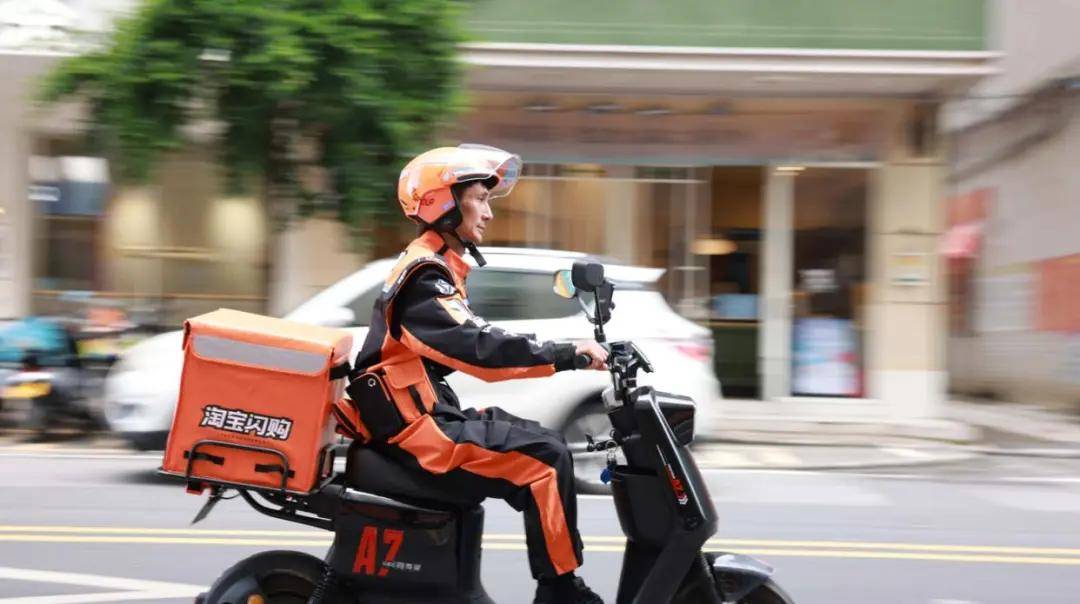
饿了么APP正式焕新为淘宝闪购,阿里大消费战舰加速
Sou Hu Cai Jing· 2025-12-07 04:38
Core Insights - The ongoing battle in the food delivery sector has led to significant financial losses for major players, with Meituan reporting a loss of 19.8 billion yuan, while Alibaba and JD also saw declines in net profits. Collectively, these companies have invested over 100 billion yuan in the market, reshaping the competitive landscape and activating a trillion-level instant consumption demand [2] Group 1: Market Dynamics - The competition is shifting from merely delivering food to creating a robust infrastructure for instant retail, focusing on high retention and high-value orders [4] - Meituan holds approximately 50% of the market share in daily orders, while Taobao Flash Purchase accounts for about 42%, and JD has around 8%, indicating a more competitive market than before [2] - The transformation of Ele.me into Taobao Flash Purchase signifies Alibaba's commitment to the instant retail sector, enhancing brand recognition and market positioning [3] Group 2: Financial Performance - Alibaba's latest financial report shows that its local life and instant retail businesses are growing rapidly, outpacing many traditional sectors and becoming a key revenue driver [5] - The management emphasized improving operational efficiency and customer retention, indicating a positive trend in the unit economics of the instant retail business [5] Group 3: Strategic Developments - Alibaba is consolidating its resources around Taobao Flash Purchase, signaling a strategic focus on instant retail growth and consumer demand [8] - The integration of Ele.me and Taobao Flash Purchase aims to enhance operational synergy and create a more efficient ecosystem for instant retail [4][9] - The competitive landscape is evolving, with a focus on who can deliver a wide range of products quickly, rather than just food delivery [4] Group 4: Infrastructure and User Engagement - Taobao Flash Purchase benefits from Alibaba's extensive user base and traffic resources, allowing it to leverage natural traffic for instant consumption [11] - The platform's diverse supply chain, including offline stores and warehouses, enables it to meet various consumer needs beyond just food [11][12] - The combination of local delivery networks and logistics infrastructure enhances efficiency and cost-effectiveness, positioning Taobao Flash Purchase as a comprehensive solution for daily consumer needs [12][13]
市场远远低估了淘宝闪购的野心
雷峰网· 2025-12-07 02:05
" 没有什么远比「战略清晰」,更能体现一家公司的长远价值。 " 作者丨王薇 编辑丨李岩 12月5日上午,平台官方正式宣布:即日起"饿了么"APP在更新至最新版本后将全面焕新为 "淘宝闪购"。 这并非简单的名称更迭,而是阿里大消费战略落地的关键落子。历经半年规模冲锋与效率优化,淘宝闪购 以统一品牌姿态掌控行业主动权,继续推动引领行业的创新变革。 阿里集团合伙人、饿了么董事长兼CEO范禹在内部信中表示,淘宝闪购的更名以及对市场格局的重新塑 造,正是阿里集团对"大消费平台"的战略决心和能力的体现。 而刚刚发布的最新一季阿里财报显示,淘宝闪购在经历快速的规模化增长后,已进入在保持市场规模前提 下、持续实现效率优化的新阶段。 这为外卖业务长期可持续发展奠定了基础,也增加了阿里在即时零售长 期投入的信心。 01 节奏性进攻,掌握绝对主动权 回顾这场始于2月的故事,谁能想到,"被动"卷入的外卖大战,竟成了阿里布局本地生活全域生态的关键 契机。且后续的生态协同成效,远比想象的更为迅猛、更具颠覆性。 从数据结果来看,今年5月,"淘宝闪购"正式成为淘宝APP首页一级入口。融合淘宝和饿了么的优势资源 与能力,在过去半年内,淘宝闪购 ...

行业丨安踏参股的韩国时尚零售正加速筹备上市!
Sou Hu Cai Jing· 2025-12-06 17:03
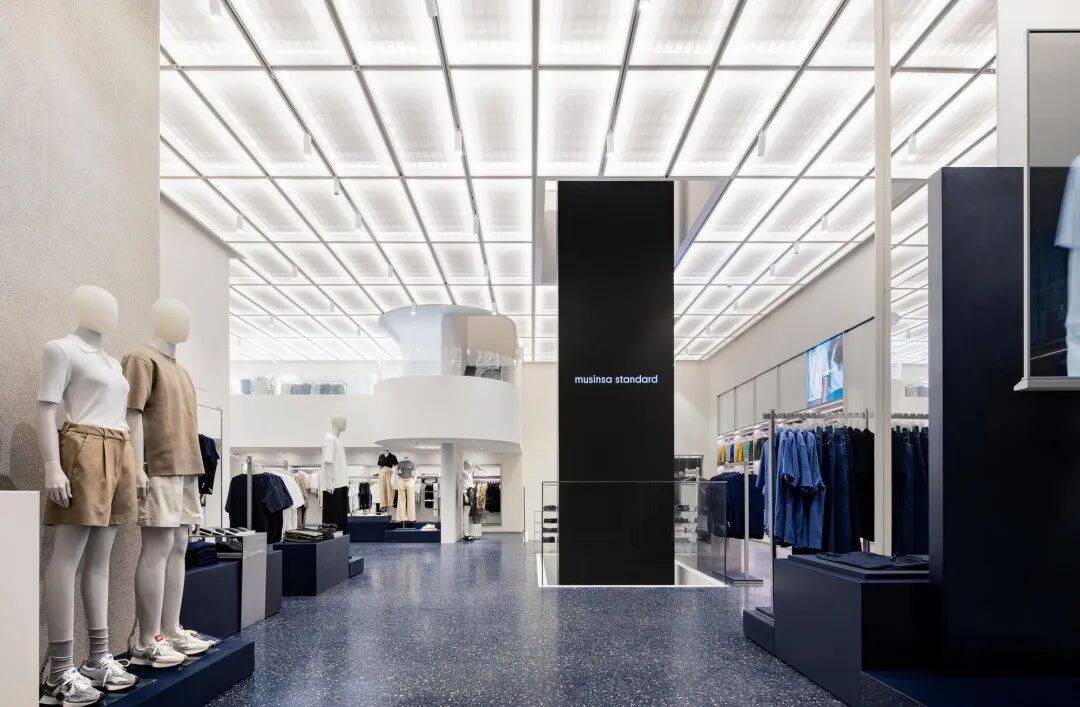
Group 1 - KKR-backed South Korean fashion retailer Musinsa is accelerating preparations for its IPO, having selected Citigroup and JPMorgan to handle the initial public offering, which may launch next year [1] - Musinsa's IPO valuation, including debt, is expected to reach 10 trillion KRW (approximately 4.8 billion) [3] - Earlier this year, Anta Group acquired approximately 1.7% of Musinsa's equity for 50 billion KRW (around 26 million), and both companies established a joint venture "MUSINSA China" in August to promote Musinsa's development in the Chinese market [3] Group 2 - Li Ning has officially entered JD's instant delivery platform, launching in nearly 100 cities nationwide, providing consumers with a shopping experience where products can be delivered in as fast as 9 minutes [4] - This collaboration signifies Li Ning's completion of a comprehensive coverage in the core instant retail platform under its "single brand, multiple categories, multi-channel" strategy, catering to diverse consumer needs for sports equipment [6] - Li Ning's instant retail strategy is a proactive response to consumer demand for immediate access to products, allowing for a one-stop shopping experience across various sports categories [6] Group 3 - The UK Advertising Standards Authority (ASA) has banned advertisements from Lacoste, Nike, and Superdry for misleading environmental claims, effective immediately across all channels [7] - The ASA found that the ads exaggerated the brands' environmental attributes without providing valid evidence, highlighting a trend of "greenwashing" in the fashion industry [9] - Starting in 2024, the ASA will upgrade its environmental advertising guidelines, requiring brands to meet specific, verifiable, and non-exaggerated criteria when promoting environmental attributes [9] Group 4 - Italian menswear brand Boggi Milano has become the official formalwear partner of FIFA for the next four years, covering the 2026 FIFA World Cup and the 2027 FIFA Women's World Cup [9] - Under the agreement, Boggi Milano will provide clothing and accessories for all FIFA staff, including board members, and will launch an official licensed FIFA World Cup capsule collection [9]
淘宝闪购,继续踩油门
Sou Hu Cai Jing· 2025-12-06 14:12
Core Insights - The official announcement from Taobao Flash Sale indicates that the "Ele.me" app will be fully rebranded as "Taobao Flash Sale" starting December 5, marking the complete integration of the Ele.me brand into the Taobao ecosystem [2][3] - This rebranding is a strategic move by Alibaba to strengthen its position in the instant retail sector, following a clear trajectory of integration and upgrades over the past year [4] Business Performance - Alibaba's latest financial report shows that instant retail revenue grew by 60% year-on-year in Q2 2025, primarily driven by order growth from Taobao Flash Sale, with non-tea drink orders exceeding 75% [5][6] - The business model has transitioned from a "burning money for growth" approach to a sustainable growth cycle, indicating improved unit economics and operational efficiency [7] Strategic Transition - Taobao Flash Sale has moved from a phase of rapid scale expansion to a focus on quality improvement, with significant enhancements in logistics efficiency and customer retention [6][9] - The platform has introduced new features and services aimed at high-value categories, moving beyond the previous reliance on low-cost offerings [7][8] Brand and Market Positioning - The rebranding from Ele.me to Taobao Flash Sale is not just a cosmetic change but a systematic restructuring of user perception and business boundaries, allowing for a broader range of instant consumption scenarios [10][11] - This integration allows Taobao to leverage Ele.me's logistics capabilities, enhancing its instant retail offerings and creating a seamless ecosystem for consumers [12] Ecosystem Synergy - The merger of Ele.me into Taobao's framework represents a dual-value upgrade, enhancing both platforms' capabilities and expanding their market reach [12][13] - The integration has activated new user growth, particularly among younger consumers and those in lower-tier markets, contributing to increased platform activity [12][13] Long-term Strategic Vision - Taobao Flash Sale is positioned as a core component of Alibaba's broader consumer strategy, aiming to create a unified ecosystem that encompasses both long-distance e-commerce and instant retail [14][15] - The strategic goal is to achieve a trillion yuan in transactions within three years, reinforcing Alibaba's commitment to transforming its consumer platform [15][16]
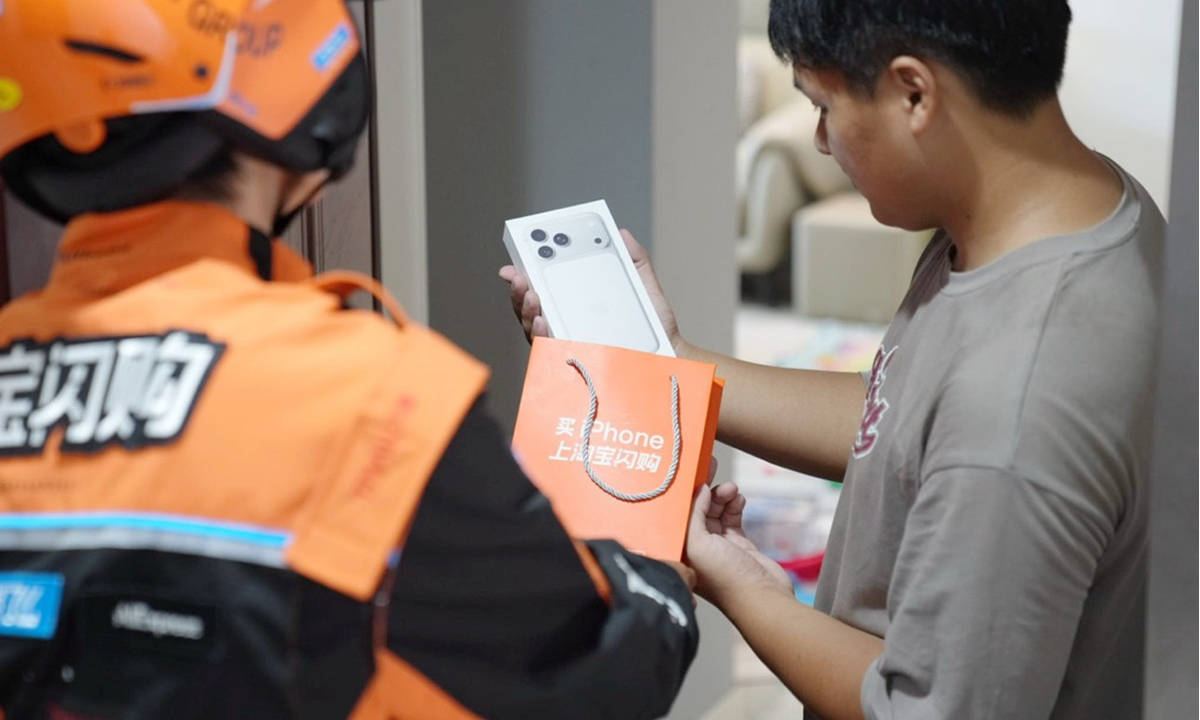
淘宝闪购接棒饿了么,即时零售“黄橙红”三国杀
凤凰网财经· 2025-12-06 12:39
Core Viewpoint - The rebranding of "Ele.me" to "Taobao Flash Purchase" marks the culmination of a seven-year strategic evolution by Alibaba, integrating Ele.me into its broader consumer strategy and enhancing its service capabilities [2][3][4]. Group 1: Transition from Ele.me to Taobao Flash Purchase - The transition from Ele.me to Taobao Flash Purchase signifies the end of Ele.me's independent brand journey, as it becomes part of Alibaba's larger consumer platform strategy [2][3]. - The acquisition of Ele.me by Alibaba for $9.5 billion in 2018 aimed to capture a significant market share in the local services sector, but initial efforts faced challenges against competitors like Meituan [3][4]. - The integration of Ele.me into Taobao is seen as a strategic move to leverage its delivery capabilities to enhance the overall user experience on the Taobao platform [4][5]. Group 2: Performance Metrics and Strategic Outcomes - Following the integration, Taobao Flash Purchase achieved significant milestones, including a peak daily order volume of 120 million and a monthly active user count exceeding 300 million, contributing to a 20% year-on-year increase in daily active users on Taobao [5][8]. - The latest financial reports indicate a 60% year-on-year growth in revenue from instant retail services during the third quarter of 2025, reflecting the successful execution of the integration strategy [5][8]. Group 3: Industry Dynamics and Competitive Landscape - The launch of Taobao Flash Purchase has prompted a competitive response from other players in the market, with companies like Meituan and JD.com also enhancing their service offerings and delivery capabilities [11][12]. - The introduction of new national standards for food delivery services aims to improve service quality and protect the rights of delivery personnel, which is expected to reshape the competitive landscape in the instant retail sector [15][16]. - As the industry evolves, the focus is shifting from mere customer acquisition to establishing a robust infrastructure that balances efficiency with the dignity of workers, indicating a potential transformation in competitive strategies [17].



饿了么品牌焕新为淘宝闪购:目标是大消费市场的万亿增量
Sou Hu Cai Jing· 2025-12-06 06:08
走进2025年末,城市街景正在悄然变色,淘宝闪购骑士纷纷换上了橙黑新制服。12月5日上午,阿里巴巴官方正式宣布:即日起"饿了么"APP在更新至最新 版本后将全面焕新为"淘宝闪购"。这标志着阿里在即时零售领域的布局进入新阶段。 可见这一次,阿里巴巴的野心远不止外卖市场份额,而是要通过淘宝闪购这台稳定的高频增长引擎,完成"远场、中场、近场"的一体化拼图,构建一个全新 的大消费闭环。正如阿里高层明确提出的目标:"三年内为平台带来一万亿元人民币的商品交易总额"。这不仅仅是份额的争夺,更是对整个大消费版图的重 构。 01品牌焕新背后:当"万物"涌入近场生活圈 "淘宝闪购"的出现是一切故事的开端。2025年4月淘宝闪购出现在了手淘的显眼位置,"用淘宝闪购点外卖更便宜"成了消费者对它的初印象。 2025是属于淘宝闪购的一年。从4月"淘宝小时达"升级为"淘宝闪购"开始,到8月阿里业务的深度整合,日订单峰值已达1.2亿单,周日均订单量达8000万 单,月度交易买家数突破3亿,饿了么携手淘宝闪购在订单规模、用户增长和运力覆盖方面持续突破。 动辄十几元的补贴吸引和创造了大量的需求,QuestMobile数据显示,7月淘宝APP闪购 ...
黄峥去哪儿了
首席商业评论· 2025-12-06 05:02
以下文章来源于华商韬略 ,作者华商韬略 华商韬略 . 聚焦标杆与热点、解构趋势与韬略 作者:杨彼得 来源:华商韬略(ID:hstl8888) "中国巴菲特"段永平又现身了。11月中旬,他与雪球创始人方三文的深度对话内容,持续在社交媒体上广泛 传播。 这次对话涵盖了段永平的个人经历、投资理念,以及他对多个行业和公司的看法,可以说是这位中国传奇 投资人"退休"二十多年来,少有的与公众的深度交流。 这也是一向"神隐"在美国的段永平,2025年以来第二次在中国公开露面。今年1月5日,他就重回母校浙江大 学,跟学弟学妹见面,分享自己的投资逻辑和人生哲学。 那次见面会上,还有一个细节格外引人关注:段永平谈到了他对其"徒弟"——拼多多创始人黄峥的理解。 这让很多人忽然发现, 自2021年彻底退出拼多多后,黄峥已在公众视野"消失"四年多了。 至今,国内媒体 也都没有他的最新动态和消息,甚至没人知道他身在何处。 "神秘"的师父都回来了,黄峥到底去哪了? 01 依然消失的黄峥 段永平与黄峥,是公开承认的"师徒关系"。 两人的缘分始于2002年。当时还在浙江大学读书的黄峥,因为帮网易创始人丁磊解决技术问题,被对方引 荐给段永平,从 ...