
未来产业

Search documents
高校院所成果转化不足5%
Di Yi Cai Jing Zi Xun· 2025-12-11 11:14
Core Insights - Photonic technology is emerging as a core support for future information technology, penetrating various downstream industries such as semiconductors, new energy, and biomedicine [2] - The global photonics market is experiencing explosive growth, with a total market size of $920 billion in 2023, expected to exceed $1.2 trillion by 2027, driven primarily by the surge in AI computing power demand [2] Industry Development - The Ministry of Industry and Information Technology and six other departments in China issued a plan to promote future industry innovation, aiming to establish incubators and pilot zones by 2025, and to break through over a hundred key core technologies [2] - The increasing demand for computing power and energy efficiency in the era of big data and AI is pushing the development of photonic chips, which utilize photons for signal processing [3] Technology Transfer Challenges - Despite significant annual research funding of nearly $1 trillion, the technology transfer rate remains below 5%, indicating a gap between innovation and market application [3] - The market's harsh reality is that the best technology does not always equate to market success, emphasizing the need for alignment between technological breakthroughs and market needs [3] Incubation and Investment Strategies - A new industrialization "algorithm" has been implemented in Hangzhou, focusing on a systematic approach to technology transfer that includes selection, nurturing, and integration of scientific achievements [4] - The establishment of the Xihe Optoelectronics Industry Incubator in Shanghai marks a collaborative model involving government, research, and capital to foster innovation and entrepreneurship [4] Supportive Ecosystem - The Pudong New Area has developed the largest and most comprehensive photonic scientific facility cluster globally, providing robust research support [5] - The 895 Incubator in Zhangjiang focuses on high-tech startups, having invested in 20 projects with a total investment of approximately 700 million yuan, with five companies already listed [5] - Shanghai's "Technology Innovation Action Plan" aims to cultivate small technology giants with competitive advantages, offering various support services for project implementation [5]


广州市科技局:布局未来产业就是布局广州的“第二增长曲线”
Sou Hu Cai Jing· 2025-12-11 07:18
Core Viewpoint - Guangzhou is focusing on increasing government investment in technology and innovation to drive the development of future industries, which is seen as the "second growth curve" for the city [1][11]. Group 1: Government Initiatives and Funding - Guangzhou plans to gradually increase the proportion of government technology investment in its fiscal budget and leverage social capital through reforms and the establishment of the Guangzhou Science and Technology Innovation Fund [1]. - The city aims to create over five future industry pilot zones and cultivate 1,000 leading enterprises in future industries by 2029 [1][11]. Group 2: Technological Breakthroughs - Guangzhou has achieved significant breakthroughs in various strategic fields, including the construction of the world's first marine and land combined large scientific facility, which will support research in gas hydrate development and deep-sea carbon cycling [2]. - The city has also launched the world's first PB2-targeted drug for influenza, enhancing its capabilities in the biopharmaceutical sector [3]. Group 3: Industry Transformation and Innovation - Guangzhou is promoting the transformation and upgrading of existing enterprises and accelerating the commercialization of scientific research results [6]. - The city has established a gradient cultivation system for innovative enterprises, with over 13,500 high-tech enterprises and 24 unicorns as of October this year [7]. Group 4: Future Industry Focus - The city is strategically planning to develop future industries in six key areas: intelligent unmanned systems, embodied intelligence, cell and gene technology, future networks and quantum technology, advanced materials, and deep-sea and deep-space exploration [11]. - By 2035, Guangzhou aims to have 100 leading technology enterprises and 14,000 high-tech enterprises, with R&D investment reaching 150 billion yuan [11].
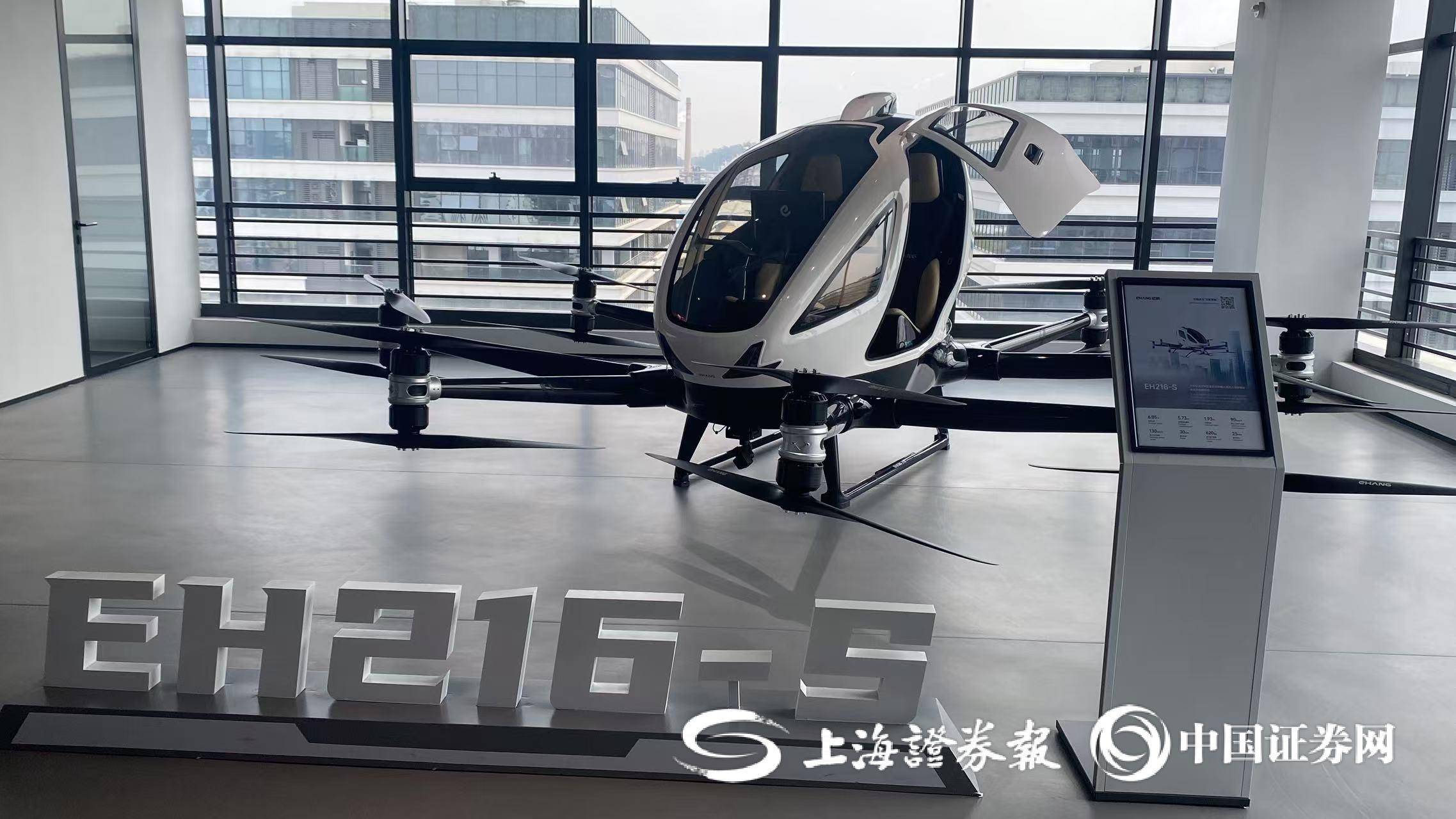
江苏“十五五”规划建议发布:打造有国际竞争力的战略性新兴产业集群
Zheng Quan Shi Bao Wang· 2025-12-11 06:47
Core Insights - The Jiangsu Provincial Committee has officially released recommendations for the 15th Five-Year Plan, emphasizing the enhancement of strategic emerging industries such as new generation information technology, new energy, new materials, biomedicine, and high-end equipment [1][2] Group 1: Industry Development - The plan aims to cultivate new growth engines in aerospace and low-altitude economy while maintaining a strong manufacturing sector [2] - It emphasizes the need for traditional industries to upgrade and for the development of strategic emerging industries, ensuring a balanced approach [2] - The focus is on high-quality development of key industrial chains and strengthening traditional industries like metallurgy, chemicals, textiles, and machinery [2] Group 2: Technological Innovation - The recommendations call for significant breakthroughs in core technologies in fields such as integrated circuits, high-end instruments, and biomanufacturing [4] - There is a push for a comprehensive innovation system that integrates technology and industry, with a focus on establishing a network of laboratories to support research and development [4] Group 3: Digital Economy - The plan includes initiatives to deepen the development of a digital economy, aiming to create a national digital economy innovation development pilot zone [5] - It emphasizes the importance of artificial intelligence and its integration into various sectors, promoting a comprehensive digital transformation [5] Group 4: International Cooperation - The recommendations advocate for high-level openness and the establishment of a two-way open hub to enhance international cooperation and resource allocation [7] - There is a focus on expanding trade and investment, promoting new business models, and enhancing the service system for foreign investment [8] Group 5: Future Industries - The plan encourages the exploration of future industries such as third-generation semiconductors, hydrogen energy, and quantum technology, aiming to transform these into productive forces [3] - It highlights the need for innovative regulatory approaches and investment mechanisms to support the growth of these industries [3]
【申万宏源策略 | 国内政策】励精图治—十五五规划十大投资机会梳理
申万宏源证券上海北京西路营业部· 2025-12-11 03:23
Core Viewpoint - The article outlines the investment opportunities and strategic directions for China's "14th Five-Year Plan" (十四五) and "15th Five-Year Plan" (十五五), emphasizing the importance of emerging industries and future technologies as key drivers for economic growth and development in the coming decade [1][24]. Summary by Sections Introduction - Great Power Responsibility - The article highlights China's transition from being an adapter of global rules to a co-builder and responsible stakeholder in international governance, as evidenced by recent speeches from Chinese leaders [2][3]. Comparison of 14th and 15th Five-Year Plans - The 15th Five-Year Plan places greater emphasis on modernizing the industrial system and enhancing technological self-reliance, reflecting a shift in priorities compared to the previous plan [8][10]. Top Ten Investment Directions of the 15th Five-Year Plan - The article identifies ten key sectors for investment during the 15th Five-Year Plan, including: 1. Artificial Intelligence 2. Robotics 3. Aerospace 4. Drones/Low-altitude Economy 5. Strategic Resource Metals 6. Shipping 7. Controlled Nuclear Fusion 8. Energy Storage 9. Brain-Computer Interfaces 10. Innovative Pharmaceuticals [1][24][25]. Emerging Pillar Industries and Future Industries - The plan aims to develop emerging pillar industries such as new energy and new materials, which are expected to create trillion-yuan markets. It also emphasizes the need for forward-looking layouts in future industries like quantum technology and hydrogen energy [24][27]. Focus on Future Industries - The article stresses the importance of focusing on future industries, including future information, future space and security, future energy, and future health, as key areas for capital market attention [28][29]. National Security and Technological Development - The article discusses the integration of national security with technological advancements, particularly in aerospace and defense, highlighting the need for a robust national security framework that supports innovation and development in these sectors [11][18][35]. Conclusion - The overall message of the article is that the 15th Five-Year Plan represents a significant opportunity for investment in emerging technologies and industries, which are crucial for China's economic transformation and global competitiveness in the next decade [24][27].

上海国资又出资了
投资界· 2025-12-11 02:23
Core Viewpoint - Shanghai Future Industry Fund is actively investing in multiple sub-funds to support innovative industries, aiming to create a comprehensive ecosystem for early-stage investments in future industries [5][9]. Investment Activities - The Shanghai Future Industry Fund plans to invest in five new sub-funds, bringing the total to 23 sub-funds this year [5][6]. - The fund's total scale has increased from 10 billion to 15 billion, with 8 billion already in place [9]. Fund Structure and Strategy - Established in 2024, the fund is a government-guided, market-oriented investment vehicle with a focus on early-stage investments in future industries [7]. - The fund employs a "direct investment + sub-fund investment" model, targeting major strategic projects in future industries [7][9]. Future Industry Focus - The fund emphasizes disruptive technologies and interdisciplinary applications in sectors such as future information, energy, health, space, manufacturing, and materials [7]. - Shanghai aims to achieve a future industry output value of 500 billion by 2030, focusing on key technologies like brain-computer interfaces and quantum computing [10][11]. Ecosystem Development - Shanghai is building a supportive ecosystem for future industries, including research institutes and innovation clusters [10][11]. - The city has launched multiple initiatives to foster high-quality incubators and innovation resources, with significant investments in emerging industries [11][12].
海南描绘“十五五”发展蓝图:高标准建设自由贸易港取得新进展
Shang Hai Zheng Quan Bao· 2025-12-10 17:57
Group 1 - The core objective of Hainan's economic and social development during the "15th Five-Year Plan" period is to anchor on the "Eight New" goals, which include high-standard construction of the free trade port, deepening reform and opening up, achieving new breakthroughs in economic development quality, and enhancing people's living standards [1][2][4] - The "15th Five-Year Plan" period will mark the first five years of the full island closure operation, which is a key phase for demonstrating the effectiveness of high-level opening up and the construction of an open world economy [2][3] - The plan emphasizes the establishment of a modern industrial system with Hainan characteristics, focusing on four leading industries: tourism, modern services, high-tech industries, and tropical agriculture [4] Group 2 - The proposal includes a systematic deployment to enhance the policy system of the free trade port, aiming to significantly improve trade liberalization and facilitation levels, and to optimize the negative list for foreign investment [2][3] - Hainan aims to actively align with international high-standard economic and trade rules, such as the Regional Comprehensive Economic Partnership Agreement and the Comprehensive and Progressive Agreement for Trans-Pacific Partnership [3] - The plan outlines the need to enhance financial services for the real economy, expand financial openness, and explore offshore RMB business to support the internationalization of the RMB [5]
连跨3个万亿元台阶,江苏地区生产总值今年有望突破14万亿元
Yang Zi Wan Bao Wang· 2025-12-10 13:42
Economic Growth - Jiangsu's GDP has increased from 10.5 trillion yuan in 2020 to 13.7 trillion yuan in 2024, with expectations to surpass 14 trillion yuan this year, marking the crossing of the fourth trillion yuan milestone during the "14th Five-Year Plan" [1][3] - All 13 cities in Jiangsu have entered the national top 100, reflecting significant economic progress [3] Consumer Market - The retail sales of consumer goods in Jiangsu remain among the highest in the country, with a projected consumption boost of over 351 billion yuan from the "old-for-new" consumption initiative in 2024-2025 [3] - The integration of events and consumption has led to the emergence of new business models, stimulating consumer potential [3] Manufacturing and Innovation - Jiangsu's regional innovation capability has risen to second in the nation, with over 70% growth in high-tech enterprises and significant contributions to patent creation and technological platforms [4] - The province leads the nation in advanced manufacturing clusters and strategic emerging industries, including power batteries, integrated circuits, and biomedicine [4] Environmental Initiatives - Jiangsu is actively promoting carbon neutrality and has launched a provincial carbon footprint public service platform to track emissions across various stages of production [5] - The province has achieved significant environmental quality improvements, with PM2.5 levels meeting national standards for four consecutive years [5] Employment and Social Welfare - Jiangsu has maintained urban employment growth above 10% nationally, with a reduction in the urban-rural income gap to 2.04:1 [6] - The province has established a comprehensive elderly care service system and achieved high rates of basic health insurance coverage [6] Consumer Engagement and Events - The province has issued approximately 2.54 billion yuan in consumption vouchers and digital currency red packets, with over 500,000 businesses participating in the "Su New Consumption + Su Super League" initiative [7] - Various promotional activities, including food festivals and local delicacies, have attracted significant public engagement, enhancing the integration of commerce, culture, and sports [7]
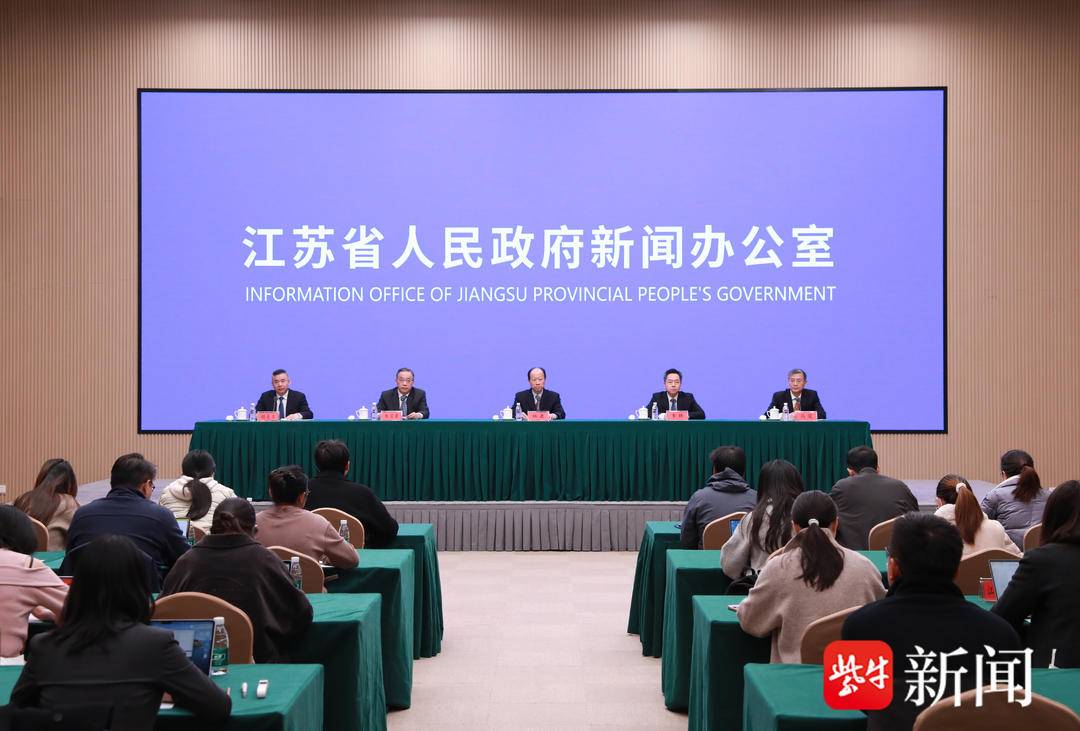
锐财经|经济大省展现强劲发展动能
Ren Min Ri Bao Hai Wai Ban· 2025-12-10 02:04
Core Viewpoint - Economic provinces in China are playing a crucial role in stabilizing the national economy while driving growth, with clear future plans outlined in the "14th Five-Year" proposals [1][2]. Group 1: Economic Performance - The top ten economic provinces contribute nearly 20% of the national area and over 60% of the GDP, acting as a stabilizing force for the national economy [2]. - In the first three quarters of this year, all nine provinces in the top ten recorded GDP growth rates above or on par with the national average, showcasing strong development momentum [2]. - Jiangsu's GDP surpassed 10 trillion yuan for the first time, while Shanghai and Hunan both exceeded 4 trillion yuan, marking a new threshold for the "four trillion club" [2]. Group 2: Future Planning - Five of the ten economic provinces have set ambitious goals to lead in various aspects, such as Guangdong aiming for economic doubling by 2035 and Jiangsu focusing on high-quality development and technological innovation [3]. - Zhejiang plans to achieve significant progress in high-quality development and common prosperity within five years [3]. Group 3: Structural Optimization and New Momentum - Economic provinces are at the forefront of structural optimization and new momentum, with policies promoting the growth of emerging industries like digital economy and artificial intelligence [4]. - Guangdong has released a detailed plan for digital economy development, targeting a core AI industry scale exceeding 440 billion yuan by 2027 [4]. Group 4: Domestic Demand and Investment - Economic provinces are enhancing domestic demand and stabilizing investment through consumption activities and major engineering projects [6]. - Guangdong has allocated an additional 3.5 billion yuan for fiscal policies, while Jiangsu plans to distribute over 400 million yuan in consumption vouchers [7]. Group 5: Reform and Innovation - To further stimulate growth potential, economic provinces are encouraged to focus on breaking regional collaboration barriers and innovating in areas like low-altitude economy [8].
经济大省展现强劲发展动能
Ren Min Wang· 2025-12-10 00:45
Group 1 - The core viewpoint of the article highlights the strong development momentum of major economic provinces in China, which are playing a crucial role in stabilizing the national economy while also driving growth as the 14th Five-Year Plan progresses [1][2]. - Major economic provinces, including Guangdong, Jiangsu, Shandong, and others, contribute significantly to the national GDP, accounting for over 60% of the total, and have shown impressive growth rates in the first three quarters of the year [2][3]. - Specific achievements include Jiangsu's GDP surpassing 10 trillion yuan for the first time and Shanghai and Hunan exceeding 4 trillion yuan, indicating a higher entry threshold for the top ten economic provinces [2]. Group 2 - Five out of the ten major economic provinces have set ambitious goals for themselves, focusing on high-quality development and technological innovation, with Guangdong aiming for economic doubling by 2035 [3][4]. - The provinces are prioritizing emerging industries such as digital economy and artificial intelligence, with Guangdong outlining specific targets for AI and digital transformation by 2027 [4][5]. - The article emphasizes the importance of collaboration between major economic provinces and central and western regions to promote technological transfer and industrial cooperation [5]. Group 3 - Major economic provinces are actively working to boost domestic demand and stabilize investment through various initiatives, including financial incentives and major infrastructure projects [6][7]. - For instance, Guangdong has allocated 3.5 billion yuan for new fiscal policies, while Jiangsu plans to distribute over 400 million yuan in consumer vouchers [7]. - Significant infrastructure projects are underway, such as the completion of key railway and water resource projects, which are expected to enhance regional connectivity and benefit millions [7]. Group 4 - In terms of reform and high-level openness, major economic provinces are implementing measures to improve the business environment and integrate into the national market [8]. - For example, Sichuan has introduced 25 measures to address challenges in the business environment, while Henan has developed a plan to support the national market integration [8]. - The article suggests that further breakthroughs in regional collaboration and innovative practices are necessary to inject stronger momentum into local economic development [8].
实施更加积极有为的宏观政策,着力扩大内需优化供给
2 1 Shi Ji Jing Ji Bao Dao· 2025-12-09 22:51
持续扩大内需和优化供给需要更加积极有为的宏观政策予以支撑。会议指出将继续实施更加积极的财政 政策。在财政资金使用上,需把"投资于物和投资于人"紧密结合在一起。"投资于物"意味着加强重点领 域财力保障,全力支持高水平科技自立自强、建设现代化产业体系、推动经济社会发展全面绿色转型 等。"投资于人"则聚焦加强民生保障,财税资源将优先保障教育、社会保障等基本公共服务,加大对普 惠养老和育儿支持体系的财政补贴与税收激励力度。 一方面,大力提振消费,激活高品质消费需求仍是关键。重点培育新业态、打造新场景,将有效降低居 民消费成本与企业创新门槛,激发市场对智能化、绿色化、高品质产品和服务的需求,为强大国内市场 注入持续的内生动力。此外,还应加大对服务消费领域的支持力度,如对养老托育、文化旅游、健康体 育等给予补贴支持或发放消费券,促进服务市场增量扩围。近年来以旧换新政策取得了积极成效,未来 在对家电、汽车等传统耐用消费品支持的基础上,可考虑将政策支持范围进一步扩充至智能家居、低碳 建材等更广泛的商品类别。 另一方面,着力扩大有效投资,夯实内需增长基础,也是当务之急。"十五五"时期,一批国家重大战略 实施和重点领域安全能力建 ...