
高端制造

Search documents
又把高端玩成“白菜”,中国钛合金迫击炮来了,看后谁敢不服?
Sou Hu Cai Jing· 2025-10-11 12:11
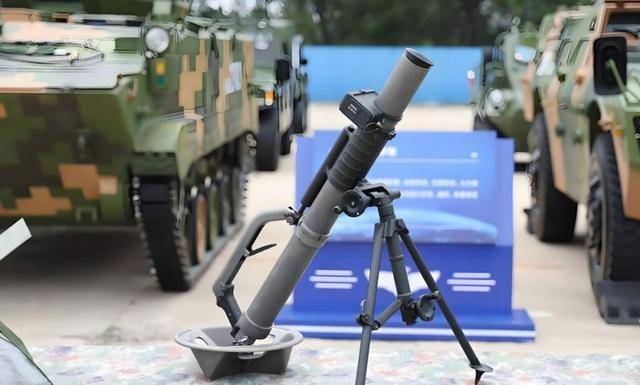
Core Insights - Titanium alloy is becoming a strategic material in defense and high-end manufacturing, with China producing 70% of the world's sponge titanium [1][7] - The unique properties of titanium alloys, such as high strength-to-weight ratio and excellent corrosion resistance, make them essential for aerospace, aerospace, and deep-sea equipment [2][5] - The processing of titanium alloys is complex and costly, presenting significant challenges for widespread adoption [5][7] Industry Overview - Titanium alloys are highlighted for their lightweight and strength, exemplified by the PLA's PPP20160mm mortar, which weighs only 8.5 kg compared to traditional steel counterparts [2] - The global titanium alloy market is expected to maintain high prices, with TC4 priced at approximately 40 times that of ordinary carbon steel [5] - China's advancements in the titanium alloy supply chain have led to a comprehensive domestic production capability, covering everything from sponge titanium to high-end manufacturing processes like 3D printing and vacuum casting [7] Applications and Innovations - The application of titanium alloys extends beyond military use to include commercial aircraft like the C919, where titanium accounts for 9.3% of the aircraft's structure, surpassing Boeing and Airbus [7] - In deep-sea equipment, titanium alloys provide non-magnetic properties and excellent pressure resistance, crucial for the safe operation of submarines at extreme depths [9] - The medical field is also seeing growth in titanium alloy applications, particularly in artificial joints and dental implants, due to their biocompatibility and reliability [9]

首批19家公司三季度业绩预告出炉,广东明珠归母净利润增幅上限预计超1000%
3 6 Ke· 2025-10-11 09:28
Core Viewpoint - The A-share market has seen a series of positive earnings forecasts from listed companies for the first three quarters of 2025, with all 19 companies reporting expected profit increases, indicating a strong market sentiment and potential investment opportunities [1][3]. Group 1: Earnings Forecasts - As of October 10, 2025, 19 listed companies in the Shanghai and Shenzhen markets have released earnings forecasts, all of which are optimistic [1]. - Among these, 11 companies expect a year-on-year increase in net profit exceeding 100%, with some companies like Yinglian Co. and Guangdong Mingzhu projecting increases over 1000% [3][4]. - Lixun Precision (立讯精密) is expected to have the highest absolute net profit, estimated between 10.89 billion to 11.344 billion yuan, with a year-on-year growth of 20% to 25% [4][6]. Group 2: Stock Performance - Companies with positive earnings forecasts have seen strong stock performance, with Lixun Precision's stock price reaching a historical high of 72.20 yuan per share, reflecting a 143.43% increase from April 9 to September 24 [5]. - Guangdong Mingzhu achieved a "limit-up" on October 10, indicating strong investor confidence despite a broader market pullback [7]. Group 3: Company-Specific Insights - Lixun Precision is focusing on "smart manufacturing upgrades" and "underlying technology innovation" to enhance operational efficiency and cost control across its supply chain [6]. - Shandong Steel has turned a profit, expecting a net profit of approximately 140 million yuan, a significant turnaround from a loss of 1.451 billion yuan in the same period last year [6]. - Yinglian Co. anticipates a staggering increase in net profit, projecting a growth of 1531.13% to 1672.97% year-on-year, with a turnaround in its non-recurring profit [6].


A股三季报大幕开启,市场或重新聚焦基本面定价
Bei Ke Cai Jing· 2025-10-11 06:56
Core Insights - Shandong Jinling Mining Co., Ltd. and Guangdong Daoshi Technology Co., Ltd. reported significant growth in their Q3 2025 financial results, with Jinling Mining's revenue increasing by 12.98% and net profit by 47.09%, while Daoshi Technology's net profit surged by 182.45% [1] - A number of listed companies have issued Q3 performance forecasts, with some expecting net profit increases exceeding 100%, particularly in sectors like semiconductors, new energy, and high-end manufacturing, aligning with national industrial policy [2] - The overall profitability of various industries is expected to improve, with the manufacturing sector showing a 7.4% year-on-year profit growth from January to August, supported by strong performance in equipment manufacturing and other sectors [3] Industry Performance - The majority of industries are projected to see a rebound in profitability, bolstering market confidence, as indicated by the low base effect from the previous year [4] - Key sectors anticipated to show improved or sustained high growth in Q3 include mid-to-high-end manufacturing, the AI industry chain, and certain resource products benefiting from supply-demand improvements and price increases [5] - Specific industries such as non-ferrous metals, TMT (telecommunications, media, and technology), and electric power equipment are expected to report relatively high year-on-year profit growth in Q3 [6] Market Dynamics - The earnings-driven approach is becoming the main focus for capital allocation as the market enters the Q3 reporting period, with company performance likely to drive market trends [7] - Companies with significant profit growth, such as Hangzhou Changchuan Technology Co., Ltd., are attracting investor interest, with projected net profit growth of 131.39% to 145.38% for the first three quarters [7] - Investors are advised to focus on metrics such as profit improvement, cash flow quality, and capacity utilization when evaluating Q3 reports, as companies exceeding profit expectations may gain more market attention [8]


沈阳汽车产业投资基金设立 重点布局新能源、人工智能等领域
Zhong Guo Xin Wen Wang· 2025-10-11 03:43
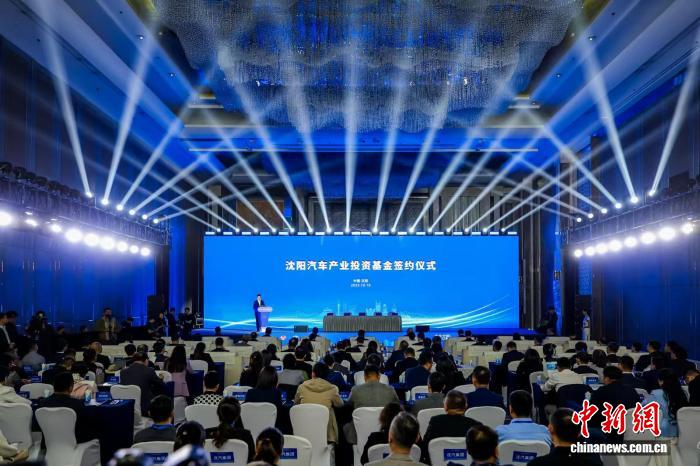
Group 1 - The Shenyang Automotive Industry Investment Fund was established with a first-phase scale of 800 million yuan, focusing on electrification, intelligence, and low-carbon directions within the automotive industry chain [1][2] - The fund aims to integrate various industrial resources and professional capabilities, emphasizing investments in new energy, new materials, artificial intelligence, and high-end manufacturing [1][2] - This initiative is part of Shenyang Automotive Group's "1+2+N" industrial layout strategy, implementing a dual-driven approach of "industrial development + capital operation" [1] Group 2 - BMW Group has been deeply cooperating with Shenyang for over 20 years, becoming a model for Sino-German economic and trade cooperation [2] - This fund is BMW's first and only private equity investment fund in China, reflecting the company's commitment to the Chinese market [2] - Guangdong Science and Technology Financial Group, a leading state-owned enterprise in the technology finance sector, will enhance cooperation between Guangdong and Liaoning, facilitating the integration of innovation resources from the Greater Bay Area with Shenyang's manufacturing base [2] Group 3 - The signing of the fund marks the beginning of collaborative efforts to explore new opportunities in China's new energy vehicle industry, aiming for organic interaction and deep integration between financial capital and industrial economy [5]

市场调整之际,科创50ETF、科创芯片ETF、创业板ETF强势吸金
Ge Long Hui· 2025-10-11 01:48
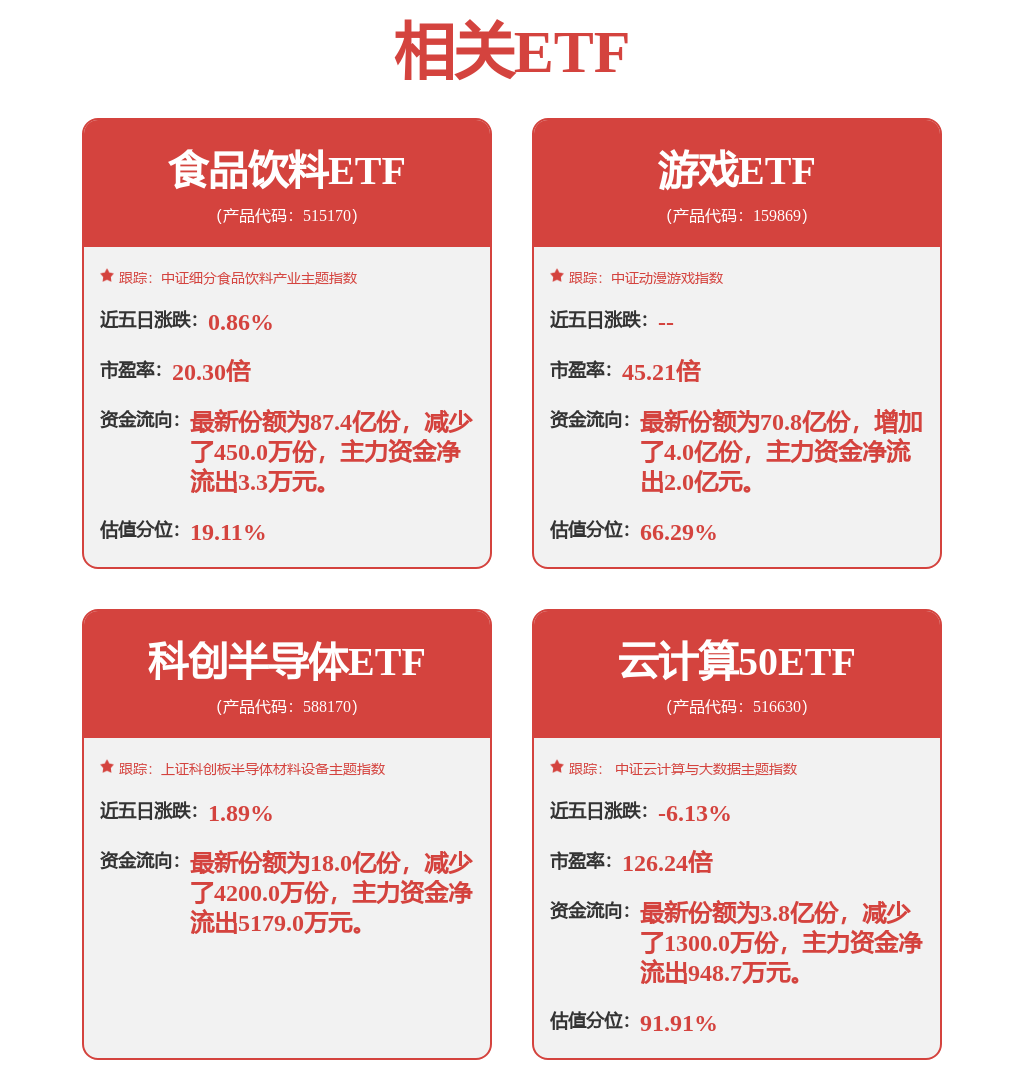
Market Overview - A-shares opened lower and continued to decline, with significant drops in sectors such as power batteries, MCU chips, and electrolyte concepts [1] - As of Friday's close, the Shanghai Composite Index fell by 0.94% to 3897.03 points, the Shenzhen Component Index dropped by 2.7%, the ChiNext Index decreased by 4.55%, and the STAR Market 50 Index fell by 5.61%. The total trading volume for A-shares was 2.53 trillion yuan [2] Market Sentiment and External Factors - There are views that the decline is a result of rising external risks, a strengthening US dollar, and valuation pressures, leading to a shift of funds from high-valuation popular sectors to low-valuation lagging sectors [3] - The recent rise in the US dollar index, which broke the 99 mark on October 9, has suppressed the performance of equity assets [5] - Concerns about the AI bubble are growing, with Goldman Sachs CEO David Solomon warning that investors are overly focused on potential AI returns while neglecting associated risks [4] Sector Performance and Investment Trends - Some popular stocks are at historical high valuations, triggering financing rule restrictions, prompting a "high-low switch" in fund allocation [6] - Amidst the adjustment in tech stocks, funds are entering the market through ETFs. On October 10, the STAR Market 50 ETF saw a net inflow of 3.295 billion yuan, while other ETFs like the STAR Chip ETF and the CSI 300 ETF also attracted significant inflows [7] Future Market Outlook - According to China Merchants Securities, historically, large-cap styles tend to outperform in October and the fourth quarter. Despite previous strong styles often weakening in the fourth quarter, current conditions do not suggest a similar trend, with tech growth expected to continue to perform well [8][9] - The upcoming third-quarter report trading window is anticipated to show high growth or significant improvement in sectors like high-end manufacturing and the AI industry chain [9] - The market is expected to maintain a high-risk appetite due to policy expectations from the "14th Five-Year Plan" and the anticipated easing of monetary policy by the Federal Reserve in October [9]

沈阳汽车产业投资基金设立
Liao Ning Ri Bao· 2025-10-11 01:11
Group 1 - The signing ceremony for the Shenyang Automotive Industry Investment Fund took place on October 10, with Shenyang Automotive Group, Guangdong Yueke Financial Group, and BMW (China) Investment Co., Ltd. collaborating to establish the fund [1] - The initial scale of the fund is 800 million yuan, focusing on electrification, intelligence, and low-carbon directions within the automotive industry chain [1] - The fund aims to integrate various industrial resources and professional capabilities to support the development of new energy, new materials, artificial intelligence, and high-end manufacturing, enhancing the value of Shenyang Automotive Group and upgrading the automotive industry chain in the Liao-Shen region [1] Group 2 - Guangdong Yueke Financial Group is a leading state-owned enterprise in the technology finance sector, with a fund management scale exceeding 100 billion yuan [2] - The establishment of the Shenyang Automotive Industry Investment Fund will deepen cooperation between Liao and Guangdong provinces, facilitating the connection between innovation resources in the Guangdong-Hong Kong-Macao Greater Bay Area and manufacturing in Liao-Shen [2] - The parties involved will explore new opportunities in the development of China's new energy vehicle industry, aiming for organic interaction and deep integration between financial capital and industrial economy [2]
深圳市科达利实业股份有限公司第五届董事会第二十三次(临时)会议决议公告
Shang Hai Zheng Quan Bao· 2025-10-10 18:58
登录新浪财经APP 搜索【信披】查看更多考评等级 证券代码:002850 证券简称:科达利 公告编号:2025-067 债券代码:127066 债券简称:科利转债 深圳市科达利实业股份有限公司 第五届董事会第二十三次(临时)会议决议公告 本公司及董事会全体成员保证信息披露的内容真实、准确、完整,没有虚假记载、误导性陈述或重大遗 漏。 一、董事会会议召开情况 深圳市科达利实业股份有限公司(以下简称"公司")第五届董事会第二十三次(临时)会议通知于2025 年9月30日以电子邮件、书面形式送达全体董事和高级管理人员;会议于2025年10月10日在公司会议室 以现场与通讯表决相结合的方式举行。会议由董事长励建立先生主持,应到董事七名,实到董事七名, 其中,董事胡殿君先生、张玉箱女士、赖向东先生、张文魁先生通讯表决;公司高级管理人员列席了会 议。会议召开、审议及表决程序符合《中华人民共和国公司法》和《公司章程》的有关规定。 二、董事会会议审议情况 (一)审议通过了《关于对外投资设立香港全资子公司的议案》。 为有效拓展海外市场,提升国际竞争力,推进公司长远战略的实施,公司拟以自有资金出资不超过300 万港元(按当前汇率 ...
成长退潮,风格切换还是倒车接人?
Sou Hu Cai Jing· 2025-10-10 11:15
Core Viewpoint - The A-share and Hong Kong markets are under pressure, exhibiting a structural characteristic of "growth retreat and cyclical defense" with significant declines in technology and new energy sectors, while cyclical sectors show resilience [1] Market Performance - A-share indices experienced a "strong Shanghai, weak Shenzhen" divergence, with the Shanghai Composite Index closing at 3897.03 points, down 0.94%, and the Shenzhen Component Index dropping 2.7% [2] - The ChiNext Index fell 4.55%, and the STAR 50 Index plummeted 5.61%, marking the second-largest single-day decline of the year [2] - In the Hong Kong market, the Hang Seng Index closed at 26290.32 points, down 1.73%, and the Hang Seng Tech Index fell 3.27% to 6259.75 points [2] - There was a significant net outflow of funds, with a single-day net outflow of 929.6 billion yuan in A-shares, primarily from the technology growth sector [2] Industry Highlights and Driving Logic - The cyclical sectors in A-shares demonstrated strong defensive characteristics, with the building materials sector leading gains due to policy support and expectations of increased infrastructure construction in Q4 [3] - Coal, oil, and petrochemical sectors benefited from price fluctuations and stable profitability, showing upward movement [3] - In the Hong Kong market, beverage stocks surged due to peak customer traffic during the holiday season and expectations of consumption recovery [3] Underperforming Sectors and Driving Logic - The technology growth sector faced collective sell-offs, with significant declines in sub-sectors like photolithography machines and lithium batteries, driven by supply chain concerns from export controls and high valuation pressures [4] - The precious metals sector experienced a high-level correction, influenced by a decrease in geopolitical risk aversion, although the long-term upward logic remains intact due to the anticipated easing cycle of the Federal Reserve [4] Investment Strategy Recommendations - The current market is at a critical juncture of "Q3 report verification + policy preheating," suggesting a focus on industry trends and policy benefits for Q4 opportunities [5] - Long-term investments in the technology growth sector should be based on fundamental industry logic, particularly in the AI supply chain and innovative pharmaceuticals [5] - Cyclical and resource sectors should leverage "policy + supply-demand" dual driving opportunities, with precious metals providing a configuration window amid global central bank easing [5] - Focus on opportunities driven by the "14th Five-Year Plan," particularly in new productivity and technology innovation sectors, while monitoring consumer demand recovery [5]
科达利(002850.SZ):拟设立香港全资子公司
Ge Long Hui A P P· 2025-10-10 09:31
Core Viewpoint - Keda Li plans to establish a wholly-owned subsidiary in Hong Kong with an investment of up to 3 million HKD (approximately 2.75 million RMB) to enhance its international competitiveness and expand its global business footprint [1] Group 1: Company Strategy - The new subsidiary will serve as a comprehensive operational platform to accelerate the company's internationalization efforts [1] - The focus will be on seizing development opportunities in strategic emerging fields such as new energy, high-end manufacturing, and key components for intelligent robots [1] - The initiative aims to significantly enhance the company's overall global competitiveness [1]
科达利:拟在香港设立全资子公司
Mei Ri Jing Ji Xin Wen· 2025-10-10 09:08
Group 1 - The core point of the article is that Keda Li plans to establish a wholly-owned subsidiary in Hong Kong with an investment of up to 3 million HKD (approximately 2.75 million RMB) to enhance its international competitiveness and expand its global business footprint [1] - The new subsidiary will serve as a comprehensive operational platform to accelerate the company's internationalization and seize opportunities in strategic emerging fields such as new energy, high-end manufacturing, and key components for embodied intelligent robots [1] - As of the first half of 2025, Keda Li's revenue composition shows that the metal structure manufacturing industry accounts for 99.87% of its total revenue, while other businesses contribute only 0.13% [1] Group 2 - Keda Li's current market capitalization is 50.2 billion RMB [1]