
高端化

Search documents
建滔积层板20250928
2025-09-28 14:57
Summary of the Conference Call for 建滔积层板 Industry Overview - 建滔积层板 is a significant player in the domestic special electronic cloth industry, with production capacity second only to 中国巨石 [2][3] - The company is actively upgrading its industry position, focusing on high-frequency and high-speed performance driven by AI demand [2][3] - The copper-clad laminate (CCL) market is experiencing improved conditions due to supply-demand adjustments, despite minor disruptions from electronic tariffs [2][3] Key Points and Arguments - **Product Development and Market Position** - Currently, 建滔's high-end products reach only the 马六 level, lagging behind the mainstream 马八 and 马九 levels [2][4] - The company has integrated production capabilities for copper foil, fiberglass cloth, and resin, enhancing its competitiveness [2][4] - Plans to expand production by 70,000 tons of fine sand indicate strong cost control capabilities [2][3] - **Market Dynamics** - The special electronic materials industry is facing tight supply, particularly for second-generation cloth and low-expansion cloth, with shortages expected to exceed 100% [10] - A significant price increase in the CCL market occurred on August 15, marking the first effective price hike of the year, with further increases anticipated in Q4 [2][18] - **Future Development Plans** - 建滔 plans to complete the production of second-generation cloth by the end of this year and expand production lines for low-expansion cloth and quartz cloth [11] - The company aims to accelerate the development and verification of third and fourth-generation HVLP copper foil products [11] - **High-End Strategy** - The high-end strategy focuses on upstream raw materials, with plans to gradually catch up to 马七, 马八, and 马九 series products [8][9] - The company is establishing close collaborations with core customers, including cloud computing firms and NVIDIA, to enhance market competitiveness [13] Additional Important Insights - **Profitability and Valuation** - 建滔's profit forecast for 2025 is approximately HKD 3 billion, with a price-to-earnings ratio of around 12 times [16] - The static price-to-earnings ratio is about 15 to 16 times, while the dynamic ratio is approximately 11 to 12 times, indicating strong valuation potential compared to the A-share market [16] - **Catalysts to Watch** - Key catalysts include the certification progress of first-generation electronic cloth with overseas CCL manufacturers, the pace of copper foil certification, and pricing actions from major competitors [17] - **Impact of Electronic Tariffs** - The anticipated electronic tariffs may affect the entire supply chain, but the extent of the impact remains unclear [20] - Adjustments in the market could present opportunities, especially in the context of poor performance in the Hong Kong stock market [20]

小米17系列正面迎战苹果,雷军谈小米如何“逆天改命”
Sou Hu Cai Jing· 2025-09-28 08:15
Core Insights - Xiaomi has undergone a significant transformation over the past five years, evolving from an internet company to a player in smart manufacturing, focusing on a comprehensive ecosystem of "people, vehicles, and homes" [1][11] - The launch of the Xiaomi 17 series smartphones marks a pivotal moment, showcasing advancements in battery life, imaging technology, and display quality, positioning the products to compete directly with Apple's iPhone [2][15] - The company has made substantial investments in research and development, with a commitment of over 100 billion yuan in core technologies over five years, leading to breakthroughs in self-developed chips and electric vehicles [13][16] Product Launch and Performance - The Xiaomi 17 series includes three models, with starting prices of 4499 yuan for the standard version, 4999 yuan for the Pro version, and 5999 yuan for the Pro Max version, achieving record sales within minutes of launch [1][10] - The Xiaomi 17 Pro Max has reportedly captured over 50% of the sales within the series, breaking records for first-day sales in the domestic market [1][10] Technological Advancements - The Xiaomi 17 standard version features a 7000mAh battery, nearly double that of the iPhone 17, showcasing significant advancements in battery technology [2] - The imaging system in the Xiaomi 17 Pro series is highlighted as a leader in mobile photography, utilizing advanced technologies to enhance image quality [2][3] - The introduction of the "super pixel" technology in the display of the Xiaomi 17 Pro Max improves clarity and reduces power consumption by 26% [3] Strategic Direction - Xiaomi's shift towards high-end products is characterized by a focus on user insights and technological breakthroughs rather than mere specifications [15] - The company aims to redefine the automotive space with its electric vehicles, emphasizing a combination of technology and ecosystem integration [9][17] Financial Performance - In the first half of 2025, Xiaomi reported total revenue of 227.2 billion yuan, a year-on-year increase of 38.2%, with net profit reaching 22.83 billion yuan, a significant growth of 146% [10] Long-term Vision - Xiaomi's commitment to long-term investment in technology and innovation is evident, with plans to continue expanding its capabilities in both the automotive and semiconductor sectors [8][14] - The company aims to establish itself as a leading force in global technology, moving beyond traditional competitors and setting new benchmarks for innovation [19]
高端化5年,小米如何靠创新逆天改命?
Xin Lang Cai Jing· 2025-09-28 05:25
Group 1 - The article presents a personal viewpoint of the author, which does not represent the stance of Sina.com [1]

对话雷军:小米早已放弃了速胜
商业洞察· 2025-09-27 09:24
Core Viewpoint - The article discusses Xiaomi's transformation and challenges as it aims to become a leading technology company, particularly in the automotive sector, while also addressing its high-end smartphone strategy and competition with Apple [4][6][9]. Group 1: Xiaomi's Transformation and Challenges - Xiaomi's CEO Lei Jun emphasizes the company's shift from an internet company to a "hardcore technology company," with a commitment to invest 200 billion yuan in R&D over the next five years [7][8]. - The launch of the Xiaomi YU7 SUV saw impressive sales, with over 200,000 pre-orders in just three minutes and 240,000 within 18 hours [6]. - However, the company faced significant challenges, including a tragic accident involving the Xiaomi SU7 that raised safety concerns about its advanced driver-assistance systems, leading to a recall of 117,000 vehicles [6][11]. Group 2: High-End Strategy and Competition with Apple - Xiaomi's high-end strategy is a critical focus, with Lei Jun mentioning the need to learn from Apple and aiming to surpass it in various technological aspects [10][12]. - The company has made significant strides in high-end smartphone development, with the Xiaomi 17 series being positioned to compete directly with the iPhone 17 [10][12]. - Lei Jun noted that Xiaomi's average selling price for its cars is around 289,000 yuan, placing it in the high-end market segment [18]. Group 3: Organizational Culture and Decision-Making - Xiaomi's internal culture encourages open debate and discussion, which helps improve decision-making accuracy and reduces the likelihood of errors by leadership [25]. - The company values a collaborative environment where team members can voice their opinions, leading to better outcomes in product development and strategy [25]. Group 4: Future Outlook and Market Position - Xiaomi aims for a steady annual market share growth of 1%, targeting a 20% market share over the next five years, positioning itself as a long-term player in the competitive smartphone market [26][27]. - The company is focused on continuous investment in technology and innovation, with a strong belief in the potential of China's industrial capabilities [28].


雷军:大家对我们有一个巨大的误解
Bei Jing Qing Nian Bao· 2025-09-27 06:53
Core Viewpoint - Xiaomi is undergoing a significant transformation, shifting from a "geek brand" to a "mass brand," with a focus on high-end products and a broader customer base, including a notable increase in female users [6][9]. Product Launch and Strategy - Xiaomi launched the new Xiaomi 17 series, skipping the 16 to signify a new identity and to encourage consumers to re-evaluate the brand [3][5]. - The company aims to fully compete with industry leaders like Apple and Samsung, emphasizing that the Xiaomi 17 series has surpassed many features of the iPhone 17 [3][5]. - Xiaomi's strategy includes a commitment to long-term growth, targeting a 1% annual increase in market share over five years, aiming for a total of 20% [5][9]. Market Position and Competition - Xiaomi regained the top position in China's smartphone market in Q1 2025, marking its return to the number one spot after ten years [3]. - The smartphone market is described as highly competitive, with six major players each holding around 15-16% market share, leading to frequent shifts in market leadership [3][5]. Brand Evolution - The brand's image has evolved from being male-dominated and focused on tech enthusiasts to appealing to a wider audience, including women, particularly in the automotive sector [6][9]. - Xiaomi's automotive division has introduced a customization service, allowing users to personalize their vehicles, which is a significant step towards high-end market positioning [6][8]. R&D and Investment - Xiaomi has committed to investing 100 billion RMB over five years in research and development, with an annual R&D budget of over 30 billion RMB [9][11]. - The company emphasizes that its advancements are the result of long-term investments and efforts, countering perceptions of sudden changes [11]. Challenges and Industry Environment - Xiaomi's automotive brand has faced significant online criticism, and the company supports regulatory actions against malicious online practices that hinder industry growth [9][11].
古越龙山:走出江浙沪舒适区,同步拓展全国化和全球化
Cai Jing Wang· 2025-09-26 07:26
Core Insights - The company aims for over 6% growth in liquor sales and over 3% growth in profits for the year, focusing on high-end, youthful, global, and digital development strategies [1] Group 1: Strategic Focus Areas - The company emphasizes cultural and brand output by leveraging its historical resources and unique qualities to lead in high-end yellow wine [1] - The company plans to enhance production efficiency through technological empowerment, including the launch of a 5G smart factory and increased R&D investment [1] - The company is targeting new consumer groups by analyzing Z-generation consumption trends and innovating product categories to create new consumption scenarios [1] - The company is committed to expanding its market presence beyond the Jiangsu, Zhejiang, and Shanghai regions, where its current sales outside these areas account for 42% [1]


七部门:2025—2026年,石化化工行业增加值年均增长5%以上
Di Yi Cai Jing· 2025-09-26 07:21
Core Viewpoint - The article discusses the implementation of a work plan by seven government departments to stabilize and optimize the petrochemical industry in China from 2025 to 2026, focusing on innovation, investment, market demand, development carriers, and international cooperation [1][2]. Group 1: Industry Growth and Innovation - The petrochemical industry is expected to achieve an average annual growth of over 5% in value added from 2025 to 2026, with improved economic benefits and enhanced technological innovation capabilities [1]. - Emphasis is placed on supporting key products such as electronic chemicals and high-end polyolefins, as well as upgrading bulk products like coatings [1]. Group 2: Investment and Capacity Control - The plan includes strict control over new refining capacity and a scientific approach to the release of new capacities for ethylene and paraxylene, aiming to prevent overcapacity risks in the coal-to-methanol industry [1]. - There will be a push for the renovation and upgrading of outdated facilities, alongside the implementation of AI in the petrochemical sector [1]. Group 3: Market Demand Expansion - The strategy aims to tap into consumption potential in traditional sectors like construction and automotive, while also fostering new applications in emerging fields such as renewable energy and low-altitude economy [2]. - The integration of domestic and foreign trade is highlighted as a key focus area [2]. Group 4: Development Carriers and Competitiveness - The plan includes evaluating the competitiveness and intelligence levels of chemical parks, guiding them to improve and focus on strengthening industrial chains [2]. - The goal is to cultivate advanced manufacturing clusters and characteristic industries among small and medium enterprises [2]. Group 5: Open Cooperation and International Standards - The work plan emphasizes the importance of stabilizing foreign trade policies and advancing overseas resource development through joint ventures [2]. - There is a focus on enhancing cooperation in fields such as fine chemicals, green low-carbon technologies, and artificial intelligence, along with improving standards and product certification systems to align with international practices [2].
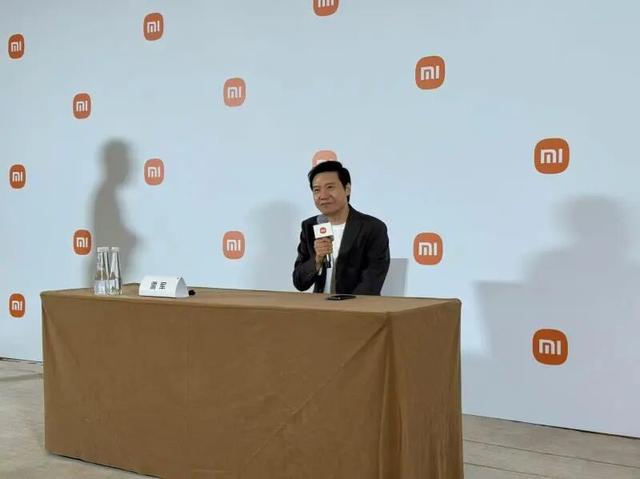
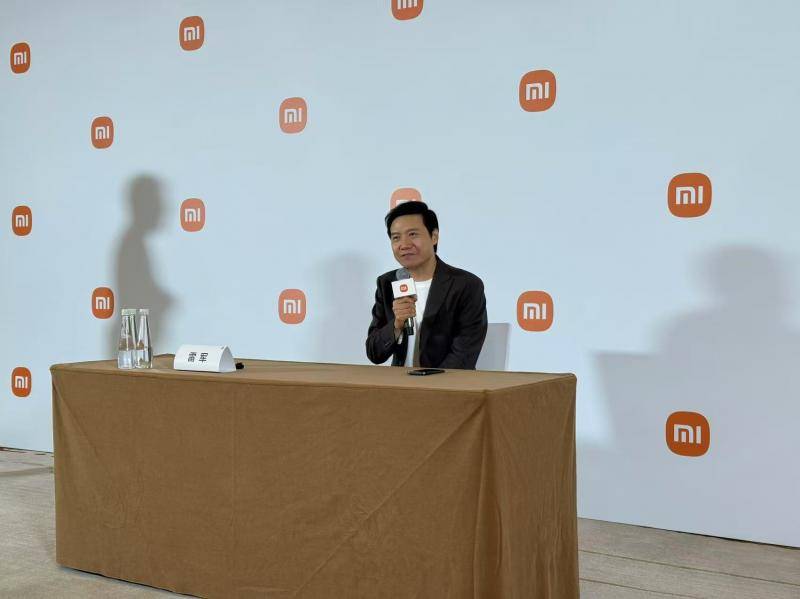
对标iPhone,雷军回应为何小米不做16直接做17
Sou Hu Cai Jing· 2025-09-26 05:53
Core Viewpoint - Xiaomi is undergoing a transformation from a "geek brand" to a "mass brand," focusing on high-end products and appealing to a broader audience, including women [3][10]. Product Launch - Xiaomi officially launched the new Xiaomi 17 series, including the Xiaomi 17 Pro and Xiaomi 17 ProMax, featuring advanced technology such as the Snapdragon 8 Gen 2 platform and Leica optical systems [5][6]. - The decision to skip the Xiaomi 16 and directly release the Xiaomi 17 was made to encourage a fresh perception of the brand and its capabilities [6]. Market Position - In Q1 2025, Xiaomi regained the top position in China's smartphone market after ten years, amidst intense competition from major players like Apple and Samsung [8]. - The smartphone market is characterized by fierce competition, with six major players each holding around 15-16% market share, leading to fluctuating rankings [8]. Strategic Direction - Xiaomi aims for steady growth, targeting a 1% annual increase in market share over five years, emphasizing a long-term strategy rather than quick wins [8]. - The company is committed to becoming a "hardcore technology company," investing significantly in R&D, with plans to invest 200 billion yuan over the next five years [12]. Brand Evolution - Xiaomi's brand perception has shifted from a high-value geek brand to a fashionable tech brand, with a notable increase in female users among its customer base [10]. - The introduction of customized services for Xiaomi cars aims to meet the growing demand for personalization and high-end experiences [10]. Production and Delivery - Xiaomi's YU7 model achieved over 40,000 deliveries in less than three months, reflecting improvements in production efficiency [12]. - The average price of Xiaomi cars is around 289,000 yuan, positioning them within the high-end market segment [12]. Industry Challenges - Xiaomi has faced significant online criticism and negative publicity, particularly in the automotive sector, prompting support for regulatory actions against malicious practices [14].
机器人新品集中亮相工博会,机器人ETF易方达(159530)月内规模实现翻倍
Mei Ri Jing Ji Xin Wen· 2025-09-26 04:54
Group 1 - The humanoid robot sector experienced fluctuations, with the Guozheng Robot Industry Index down by 1.9% as of 10:40 AM, while the ETF E Fund (159530) saw a net subscription of 18 million shares during the session. Notably, since September, this product has seen a net inflow exceeding 6 billion, doubling its scale [1] - The 25th China International Industrial Expo is currently underway, showcasing a variety of robotic products, including humanoid robots, industrial robots, and collaborative robots, with new products such as heavy-duty robots capable of carrying up to 5,000 kilograms, highlighting the trend towards intelligence and high-end development in robotics [1] - The largest humanoid robot training ground in China has recently opened in Beijing, covering over 10,000 square meters and generating more than 6 million data entries annually, providing crucial data support for industry research and facilitating the large-scale application of humanoid robots in sectors like automotive manufacturing and logistics [1] Group 2 - The Guozheng Robot Industry Index emphasizes humanoid robots and core components, with related stocks accounting for nearly 80% of the total weight, making the "humanoid content" the highest among the tracked indices in the ETF. As of yesterday, the index has increased by 45% year-to-date, outperforming other similar indices [1] - The E Fund ETF (159530) ranks first among products linked to this index, enabling investors to conveniently invest in leading companies within the humanoid robot industry chain [1]
