
关税战

Search documents
“美高级别商界代表团将访华”
中国基金报· 2025-07-28 00:08
Core Viewpoint - A high-level U.S. business delegation is set to visit China, signaling potential discussions to restart commercial negotiations amid ongoing trade tensions [5][6][7]. Group 1: U.S.-China Business Delegation - The delegation is organized by the U.S.-China Business Council and led by Raj Subramaniam, CEO of FedEx, with confirmed participation from Boeing executives [5]. - This visit marks the highest-level business delegation sent to China since the new round of tariffs initiated by President Trump in April [7]. Group 2: U.S.-EU Trade Agreement - A new trade agreement between the U.S. and the EU has been reached, which includes a 15% tariff on EU products imported to the U.S. and a commitment from the EU to invest an additional $600 billion and purchase $750 billion worth of U.S. energy [2][9]. Group 3: U.S. Tariff Policy - U.S. Commerce Secretary Gina Raimondo announced that the U.S. will not extend the tariff deadline set for August 1 [3][11]. Group 4: U.S. National Debt - The U.S. national debt has surged to a record $36.7 trillion, prompting the Treasury Department to allow citizens to make voluntary donations via Venmo and PayPal to help reduce the debt [16]. - The donation program, which has been in place since 1996, has raised only $6.73 million, representing a mere 0.0002% of the current national debt [16].


冯德莱恩抵京之际,美国传来新消息,特朗普已经“不想打”了?
Sou Hu Cai Jing· 2025-07-27 17:32
Group 1 - The visit of EU leaders von der Leyen and Costa to China has garnered significant global attention, highlighting the importance of EU-China relations despite existing trade and tariff disagreements [1] - The willingness of both EU and China to engage in dialogue indicates a mutual interest in strengthening cooperation and improving relations, with Europe showing urgency in this regard [1] - The recent developments suggest that the EU may be seeking to counterbalance the US's trade policies by fostering closer ties with China [6] Group 2 - US President Trump appears to be signaling a potential easing of trade tensions, moving away from one-on-one negotiations to imposing a blanket 15% tariff on most countries, including European products [4] - Trump's willingness to make concessions may be influenced by the ongoing EU-China discussions, as a united front between these two economic powers could complicate US trade strategies [6] - The upcoming US-China trade talks in Stockholm are expected to focus on critical issues such as rare earth materials and secondary tariffs, with China likely to maintain its stance [6][8]

深夜 美商务部长称8月1日加征关税期限将不再延长
Zhong Guo Ji Jin Bao· 2025-07-27 16:23
大家好,简单关注一下关税的新消息。 8月1日是最后期限不再延长 美国商务部长卢特尼克周日表示,美国对其贸易伙伴加征关税的最后期限为8月1日,此日期已确定,不 会再有延期。 报道说,此次北京之行由美中贸易全国委员会组织,代表团由该委员会董事会主席、联邦快递首席执行 官拉杰·苏布拉马尼亚姆带队。 报道还说,目前代表团完整成员名单及行程尚未公布,但两名消息人士均表示,波音公司的一些高管及 美中贸易全国委员会会长谭森确定会加入代表团。 一名消息人士称:"他们预计将与中国官员会面,有可能重启商业领域相关磋商。" 美中贸易全国委员会经常组织访华活动。 报道称,此次即将到来的访问将是自美国总统特朗普今年4月启动新一轮关税战以来,美国派出的最高 级别商界代表团。 特朗普将与欧盟主席冯德莱恩会面,试图达成贸易协议 卢特尼克在接受节目采访时表示:"所以,没有延期,没有额外宽限期。8月1日关税正式生效,海关将 开始征收关税,就这么开始了。" 他补充说,即便关税开始生效,正在与欧盟官员进行谈判的特朗普仍愿意继续进行磋商。 关于欧盟方面,卢特尼克表示:"他们当然希望能达成协议,但这取决于特朗普总统,他是这场谈判的 主导者。我们已经摆好 ...
牛来了?下周怎么走,55%受访者这样看
Zheng Quan Shi Bao Wang· 2025-07-27 11:00
Group 1 - The market sentiment is becoming more optimistic, with A-shares showing a five-week consecutive rise in weekly K-line performance, indicating a growing profit effect for investors [1] - Institutional funds have seen widespread net inflows, with public mutual funds exceeding estimated net redemptions in June, and private equity registrations surpassing 30 billion yuan, a 125% year-on-year increase [2] - Retail investors are also increasing their participation, with margin balances exceeding last year's peak, and active private equity positions remaining high at 82% [2] Group 2 - Historical data suggests that bull markets characterized by a divergence between fundamentals and liquidity typically last no more than four months, raising questions about the sustainability of the current market trend [3] - The current anti-involution narrative indicates potential investment opportunities in undervalued cyclical manufacturing sectors, particularly in construction materials, basic chemicals, steel, and transportation [4] - The upcoming World Artificial Intelligence Conference in 2025 is expected to catalyze growth in various sectors, with the STAR Market likely to experience a rebound due to supportive policies [5] Group 3 - Strategies for responding to the market surpassing 3600 points include balancing investments between Hong Kong and A-shares, with a focus on technology sectors and cyclical industries [6][7] - Investor sentiment is leaning towards a bullish outlook, with 55% of surveyed investors believing the market is in a bull phase, and a majority expecting the market to stabilize above 3600 points [9] - The technology sector remains a favored investment direction, with 46% of investors maintaining a focus on this area, while consumer sectors are also gaining attention [10]

关税战如何影响中国物价:表现、展望及应对 | 国际
清华金融评论· 2025-07-27 10:27
Core Viewpoint - The article discusses the impact of the ongoing tariff war initiated by Trump on China's domestic prices, highlighting the significant downward pressure on prices due to insufficient domestic demand and external shocks from tariffs [2][4]. Group 1: Impact of Tariff War on Prices - The Producer Price Index (PPI) in June 2025 fell to -3.6%, the lowest since August 2023, while the Consumer Price Index (CPI) remained around 0, indicating persistent low price levels in China [4][6]. - The tariff war has exacerbated the downward pressure on domestic prices, with global economic growth expectations declining and commodity prices, such as oil, dropping significantly [5][19]. - The decline in international oil prices has had a notable input drag on domestic prices, with PPI for the petroleum industry showing significant year-on-year declines [6][19]. Group 2: Export Dynamics and Price Changes - Direct exports to the U.S. have decreased significantly, with certain goods like textiles and furniture experiencing price drops due to increased tariffs [7][8]. - Export prices have fallen sharply, with the average price of clothing imports from China to the U.S. dropping by 17.4% and 8.3% in April and May 2025, respectively [8][11]. - The shift of exports to domestic sales has led to increased competition and price reductions in the domestic market, particularly in labor-intensive sectors [21][22]. Group 3: Future Price Trends and Policy Recommendations - The article suggests that the price trajectory in the second half of 2025 will depend on domestic consumption and investment policies, while external shocks from the tariff war remain a concern [18][20]. - Recommendations include expanding non-U.S. market exports, supporting foreign trade enterprises, and preventing excessive price competition in the domestic market to stabilize prices [26][28][29]. - The need to enhance domestic effective demand is emphasized as a critical factor in addressing the ongoing low price levels in China [29].
关税协议,美日存在认知落差,日本不敢明言,外媒:怕美国翻脸
Sou Hu Cai Jing· 2025-07-26 11:19
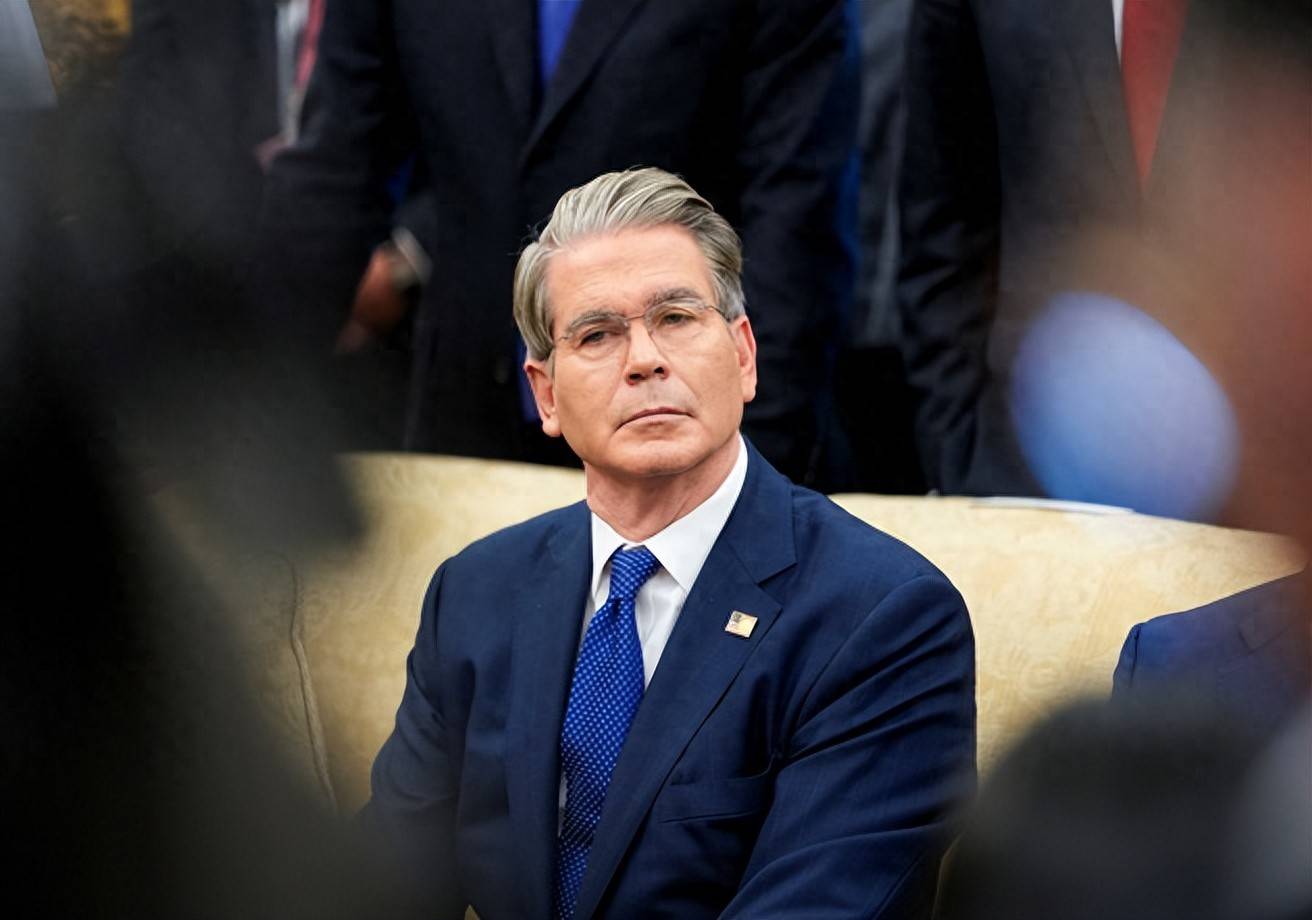
Core Viewpoint - The relationship between the United States and Japan is characterized by inequality, with recent U.S. tariff actions against Japan highlighting this dynamic, especially during Japan's Senate elections [1]. Group 1: U.S.-Japan Tariff Negotiations - The U.S. unexpectedly announced a 25% tariff on Japan just before the Japanese Senate elections, which could significantly impact the support for Japan's ruling party [1]. - Following a final ultimatum from the U.S., the two countries held an eighth round of negotiations, resulting in a superficial agreement where the U.S. claimed a 15% tariff concession from Japan, but discrepancies in understanding the agreement's details remain [3]. - The U.S. has threatened to restore the 25% tariff if Japan's concessions do not meet expectations, indicating Japan's fear of U.S. retaliation [5]. Group 2: Military and Economic Implications - The U.S. claims Japan has committed to purchasing more military equipment, but Japan lacks the necessary budget to fulfill this commitment in the short term [5]. - The U.S. also announced that Japan would buy 100 American aircraft, a claim that appears to exaggerate Japan's concessions as these purchases were already planned by Japanese airlines [6]. - Overall, the U.S. is perceived to be using tactics to create a narrative of victory in trade negotiations, while the actual benefits may ultimately fall on American consumers [6].
中国6招击败特朗普,让印度的有识之士,对莫迪政府恨铁不成钢
Sou Hu Cai Jing· 2025-07-26 06:46
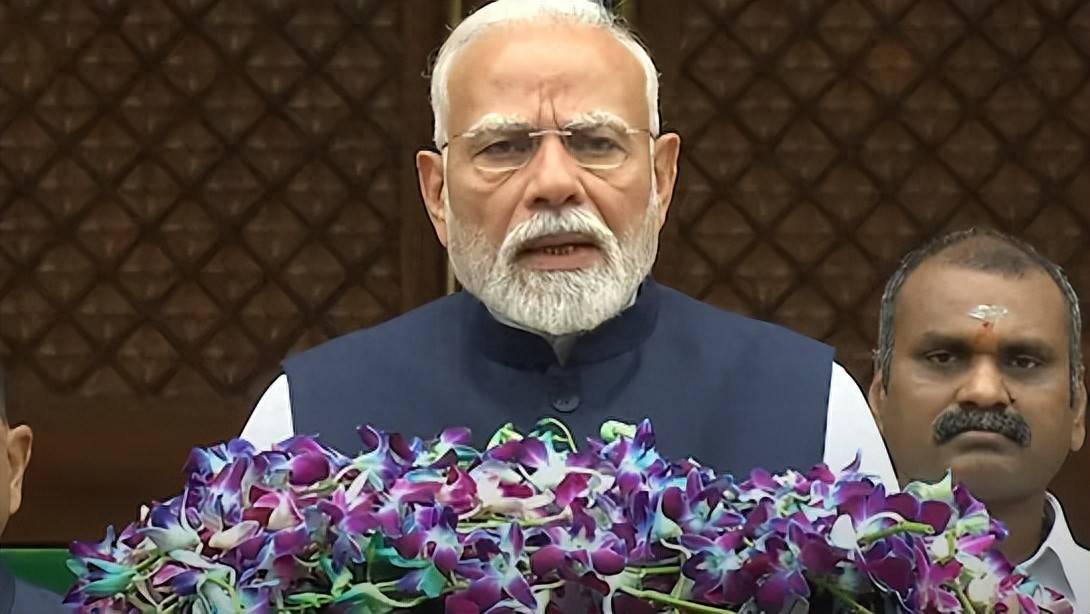
Core Viewpoint - Indian strategists believe that the Modi government can learn from China's successful strategies in dealing with the U.S. during the trade war, suggesting that India should adopt a more proactive approach in its negotiations with the U.S. [1][3] Group 1: China's Strategies - China effectively utilized its dominant position in the rare earth supply chain to gain leverage over the U.S. during the trade war, forcing the U.S. to reconsider its export control policies [3][6] - China capitalized on the divided interests within the U.S. business community, which opposed a complete decoupling from the Chinese market, leading to lobbying efforts that pressured the Trump administration [6][8] - China demonstrated a strong resolve to defend its core interests and maintained a patient and steady approach in negotiations, contrasting with the U.S. strategy of extreme pressure [6][8] - China's self-sufficiency strategy in response to U.S. export controls has significantly reduced the effectiveness of U.S. measures [6][8] - China's targeted countermeasures disrupted U.S. attempts to form a "tariff alliance" with its allies, undermining U.S. negotiating power [6][8] - China's diversified import and export strategy weakened the U.S. bargaining position, as both countries are interdependent in their trade relations [6][8] Group 2: Implications for India - Indian strategists argue that the Modi government must shift from a defensive to an offensive strategy in trade negotiations with the U.S., learning from China's proactive measures [10][12] - India needs to establish a comprehensive understanding of its trade relationship with the U.S. to effectively negotiate, leveraging its strengths in sectors like generic pharmaceuticals and digital services [10][12] - The Modi government should be willing to make strategic concessions while ensuring that each concession holds significant value, rather than allowing the U.S. to dictate terms [10][12] - There is concern that the Modi government lacks the decisive attitude seen in China's approach, which may hinder India's ability to negotiate effectively [12]
没能抵抗到底,日本签下关税协议,特朗普插刀盟友自损霸权根基
Sou Hu Cai Jing· 2025-07-26 04:11
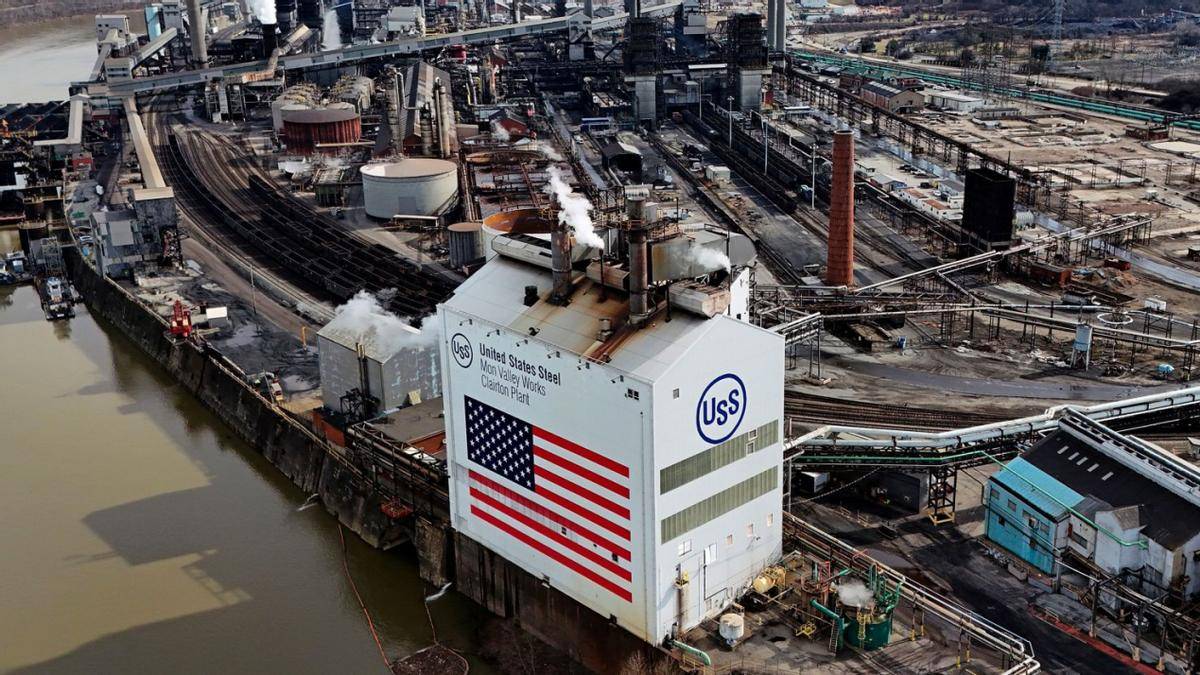
当地时间22日,美国总统特朗普在社交媒体上发文宣布,美国与日本达成了一项新的关税协议。根据协议,原本针对日本的25%关税已被降至15%。然而, 就像之前与其他国家签署的协议一样,这份协议背后同样伴随着相应的牺牲与代价。 其中,日本需在77万吨低关税大米进口配额中提高美国的份额,超出去年的34万吨。而且,日本对美国出口的钢铝产品并未按照此关税标准处理,依旧被单 独征收50%的关税。这项协议被特朗普视为"重大胜利",他声称这一协议将为美国经济带来数十万个新就业岗位。然而,在日本国内,舆论并未对这项协议 表示热烈欢迎。日本首相石破茂此时正深陷国内政治危机之中,参议院选举失利,支持率骤降至30%,党内的逼宫压力也前所未有。 然而,这项协议中的15%税率仍然让美国国内的一些群体感到不满,尤其是美国的传统三大汽车制造商。美国对其他国家制造的汽车征收25%的关税,而对 日本的汽车只收取15%的税,这无疑给日本汽车制造商带来了竞争优势。美国汽车制造商的贸易组织认为,这项协议对美国汽车厂商和零部件供应商是不公 平的,因为美国对从墨西哥、加拿大等地生产的美国汽车征收25%的关税,而对日本车则仅收取15%。美国本土的车商最希望的是 ...
中国反制,美国关税战踢到铁板,美财长:呼吁民众捐款偿还美债
Sou Hu Cai Jing· 2025-07-26 03:47
Group 1 - The core viewpoint is that the U.S. is increasingly dependent on China despite initiating a tariff war, as China's industrial output has surpassed that of the U.S. [1] - The U.S. has conducted two rounds of trade talks with China and has ceased its tariff war, seeking cooperation on rare earth regulations [3] - The U.S. initiated the tariff war primarily to increase fiscal revenue, but this has led to rising prices that are being passed onto American consumers [5] Group 2 - The trade scale between China and the U.S. is significant, with China enjoying a large trade surplus from the U.S. market [6] - The U.S. Republican government’s actions are seen as detrimental to the interests of ordinary American citizens, as recent budget bills have favored the wealthy while burdening the general populace [6] - The U.S. Treasury Secretary's call for citizens to contribute to repaying national debt highlights the government's strategy of shifting financial burdens onto the public [8]

国投期货农产品日报-20250725
Guo Tou Qi Huo· 2025-07-25 13:24
1. Report Industry Investment Ratings - Soybeans (Domestic): ☆☆☆ [1] - Soybean Oil: ☆☆☆ [1] - Palm Oil: ☆☆☆ [1] - Soybean Meal: ☆☆☆ [1] - Rapeseed Meal: ☆☆☆ [1] - Rapeseed Oil: ☆☆☆ [1] - Corn: ☆☆☆ [1] - Live Pigs: ☆☆☆ [1] - Eggs: ☆☆☆ [1] 2. Core Views - For soybeans and related products, pay attention to Sino - US trade negotiations and weather conditions. In the short - term, soybean and soybean meal markets are volatile, and a wait - and - see approach is recommended before the tariff and weather issues are clear. For soybean oil and palm oil, maintain a strategy of buying on dips. Be cautious about the situation of stronger oil and weaker meal in the fourth quarter [2][3][4]. - Rapeseed products are in a weak oscillation state, and the downward space of rapeseed meal is limited. Focus on economic and trade prospects and production area weather [6]. - Corn futures may continue to oscillate weakly. Keep an eye on the supply in the circulation link and the inventory of old grain [7]. - For eggs, near - month futures are weak, while far - month contracts for next year's first half are strong. Be cautious about the pressure of cold - stored eggs leaving the warehouse [9]. 3. Summary by Product Categories 3.1 Soybeans - Domestic soybeans' main contract has a narrow - range oscillation this week, with prices remaining relatively strong. The domestic soybean spot is stable. Pay attention to the Sino - US trade negotiation next week and the short - term waterlogging risk in the northern production areas. The overall weather risk in the US soybean production areas from late July to early August is low [2]. 3.2 Soybean & Soybean Meal - Dalian soybean meal futures continue to oscillate downward. The third - round Sino - US trade talks may yield results next week. The US soybean production areas will have slightly more rainfall than normal in the next two weeks, and there will be high - temperature and then cooling processes in the central and southeastern regions. Before the tariff and weather issues are clear, treat the soybean meal market as oscillatory [3]. 3.3 Soybean Oil & Palm Oil - Palm oil has a significant reduction in positions at a phased high, and the price drops. Pay attention to the Sino - US trade negotiation next week. The vegetable oil price is affected by the macro - situation, and the capital fluctuation is large at the phased high. Although the short - term supply - demand data of Malaysian palm oil is weak, the data of Indonesia is more optimistic, and the prices of international sunflower oil, palm kernel oil, and coconut oil are strong, which boosts palm oil. Maintain a strategy of buying soybean oil and palm oil on dips. Be cautious about the situation of stronger oil and weaker meal in the fourth quarter [4]. 3.4 Rapeseed Meal & Rapeseed Oil - Rapeseed products are mainly in a weak oscillation state with a small fluctuation range. The weather in the Canadian rapeseed production area has improved, and the fund's net long position continues to decline. The domestic rapeseed demand is expected to slow down, but the downward space of rapeseed meal is limited due to the seasonal support of aquatic feed and the expected low import of rapeseed in the third quarter [6]. 3.5 Corn - Corn futures continue to oscillate weakly. The auction of imported corn by China Grain Reserves Corporation has a 28% transaction rate. The US corn is growing well. The domestic corn market has no major contradictions, and the Dalian corn futures may continue to oscillate weakly [7]. 3.6 Live Pigs - The text about live pigs mainly mentions the situation of corn futures. There is no specific information about live pigs in the provided content [8]. 3.7 Eggs - Near - month egg futures are weak, while far - month contracts for next year's first half are strong due to the expected price reversal after capacity reduction. The spot price is stable across the country, and it is necessary to be cautious about the pressure of cold - stored eggs leaving the warehouse [9].