人民币国际化

Search documents
央行数字货币试点城市再扩容,数字人民币会如何改变我们的“钱袋子”?
Sou Hu Cai Jing· 2025-12-27 08:46
Core Viewpoint - The People's Bank of China has expanded the digital yuan pilot program to 11 new cities, indicating a shift from regional testing to nationwide adoption, which will significantly transform payment methods and financial management for ordinary citizens [2][10]. Group 1: Technological Breakthroughs - The digital yuan (e-CNY) introduces a dual offline payment system, allowing transactions without internet access through NFC or SIM card wallets, addressing payment challenges in remote areas [2]. - Smart contracts enable programmable control of fund flows in scenarios like prepaid cards and supply chain finance, reducing risks for consumers [2]. - Cross-border payment innovations allow Hong Kong residents to link foreign bank cards to digital yuan wallets, achieving faster transactions and reducing costs by 60% [2]. Group 2: Revolution in Financial Management - Digital yuan penetration in daily consumption has reached 80% in high-frequency offline scenarios, enhancing convenience for users [3]. - Users can enjoy discounts on utility bills and direct reimbursements for medical expenses through digital yuan, improving public service efficiency [3]. - The introduction of smart deposit products with higher interest rates and carbon credit incentives promotes sustainable living [4]. Group 3: Restructuring the Financial System - The market shares of WeChat Pay and Alipay have decreased by 8% and 5% respectively, as the digital yuan app gains 1.2 million daily active users, creating a competitive landscape [5]. - The central bank can now directly issue targeted subsidies to specific groups, improving fund distribution efficiency by 70% [5]. - Enhanced anti-money laundering capabilities have intercepted over 32 million suspicious transactions, improving financial system transparency [6]. Group 4: Global Implications - The digital yuan's cross-border applications are reshaping international financial rules, allowing direct settlements in trade and reducing transaction costs significantly [7]. - Hong Kong's financial authority is promoting interoperability between the digital yuan and the Hong Kong dollar, potentially leading to the issuance of a digital Hong Kong dollar [7]. - The usage rate of digital yuan in cross-border payments has surged from 2.3% in 2023 to 18.7% in 2025, positioning it as the third-largest international payment currency [7]. Group 5: Future Challenges - A significant portion of older users (43%) find the digital yuan wallet complex, indicating a need for user-friendly adaptations [8]. - Balancing privacy and security remains a challenge, especially in light of phishing attacks resulting in substantial losses [8]. - Only 35% of third-party payment platforms currently support digital yuan, highlighting the need for broader ecosystem integration [8].


当美元失去信仰,世界正在悄悄走向“人民币朋友圈”
Sou Hu Cai Jing· 2025-12-27 06:50
深度解析:美元霸权正在崩解!百国同步行动去美元,中国搭建人民币朋友圈 如果只看汇率曲线,今年的美元像是一次"剧烈调整"; 但如果把时间轴拉长,把视角抬高,你会发现——这是美元霸权结构性松动的一年。 不是情绪,不是阴谋论,而是一整套支撑美元的底层逻辑,正在同时出现裂缝。 一、美元真正的"护城河",正在被自己掏空 很多人以为,美元的强大来自经济规模、军事力量,甚至"世界信任"。 但真正让美元成为全球核心货币的,从来只有三点: 第一,美国债务是"安全资产"; 第二,美联储是"可信央行"; 第三,美元体系是"不可替代的结算网络"。 而2025年,三点同时动摇。 美债不再是"避险资产",而是"高风险资产" 今年一个极具象征意义的变化是: 当全球不确定性上升时,美债反而被抛售。 收益率长期高位,却换不来资金追捧,本质只有一个解释—— 市场开始怀疑: 这笔债,还能不能靠"制度信用"安全兑付? 美联储的"独立性神话",正在坍塌 美元长期强势的另一个核心,是全球相信: 美联储不会被政治绑架。 但现实是,美国政府越来越直接地把货币政策当成政策工具: 当市场开始怀疑美联储的决策不再只基于通胀和就业,而是服务于政治目标,美元就从"制 ...

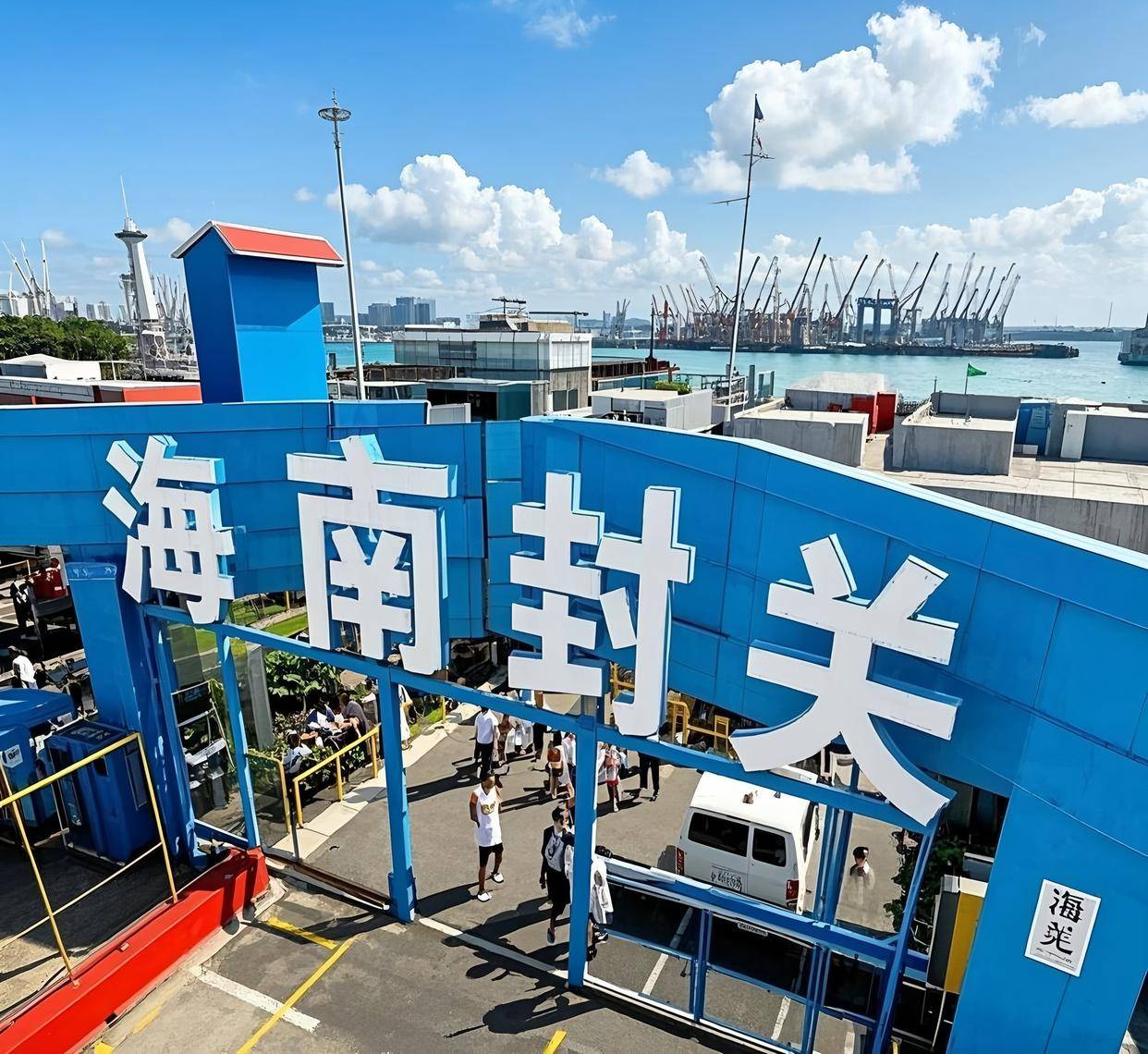
海南大封关生效,美日紧张升级,美元霸主地位被悄然撬动
Sou Hu Cai Jing· 2025-12-27 06:09
Core Viewpoint - The recent developments in Hainan, China, particularly the establishment of a "multi-functional free trade account," are reshaping the financial landscape in Asia by enabling direct trade settlements in Renminbi, thereby challenging the dominance of the US dollar system [1][2][3] Financial Developments - Hainan's new financial mechanism allows Southeast Asian countries to conduct trade directly in Renminbi, bypassing the need to convert currencies to US dollars [2] - The cross-border Renminbi settlement volume in Hainan reached an impressive 484.5 billion yuan within the first 11 months before 2025, indicating a significant shift towards a Renminbi-centric trade system [3] Trade and Logistics - The direct shipping route from Indonesia to Hainan has reduced logistics costs by over 30%, significantly benefiting exporters like palm oil and durian traders [6][7] - The trade volume between Hainan and ASEAN countries surged from 23.66 billion yuan in 2020 to 57.91 billion yuan in 2024, more than doubling in just four years [14] Economic Impact - Hainan's policies are attracting foreign businesses, including Japanese firms, to establish operations in the region due to favorable tax rates and the potential for increased market access [9][11] - The zero-tariff items entering Hainan increased from approximately 1,900 to 6,600 after the implementation of new trade agreements, enhancing the region's appeal as a trade hub [16] Industry Growth - Hainan is becoming a significant connector between China and ASEAN, with local industries, including aerospace and food processing, experiencing substantial growth due to favorable policies [19][20][22] - Companies in Hainan are reporting significant cost savings and increased production capabilities, with some businesses claiming that savings from reduced tariffs could fund new ventures [20][22] Strategic Concerns - The success of Hainan's model poses a threat to countries that have historically dominated global trade and industry rules, as it demonstrates a viable alternative to existing systems [23]
特朗普下达全面封锁令,没收中国香港油轮,此举是否冲击全球能源秩序
Sou Hu Cai Jing· 2025-12-27 05:48
的油轮可能涉及非法贸易网络。实际上,这次封锁行动直接打击了委内瑞拉石油经济的命脉,委内瑞拉原油出口一直是其经济的重要支 柱。此前,已有油轮被扣,导致委内瑞拉的石油储存设施迅速饱和,出口受阻。然而,尽管面临封锁压力,委内瑞拉的一些油轮仍在主 要产油区装载石油或准备出港,这表明委内瑞拉能源部门正尽力绕过封锁,保持石油生产。 | 排名 (按金额) | 国家名称 | 41 = (万吨) | 药量 (万桶) | | --- | --- | --- | --- | | = | 俄罗斯 | 10847. 13 | 80295.02 | | N | 沙特阿拉伯 | 7863. 88 | 56808 25 | | 3 | 马来西亚 | 7032.67 | 50746. 19 | | 4 | 伊拉克 | 6383. 67 | 45274. 42 | | 5 | 阿曾 | 4077. 21 | 30105. 29 | | 6 | 阿联酋 | 3553. 53 | 26348. 65 | | 7 | 严 | 3684. 34 | 26150. 98 | | 8 | 安哥拉 | 2872. 15 | 20536. 56 | | 9 | ...

李波对话保罗·巴蒂斯塔:中国对人民币国际化保持谨慎,因为从美国的失败中看到了教训
Xin Lang Cai Jing· 2025-12-27 01:14
12月25日上午,离岸人民币对美元汇率升破"7"这一整数关口,为2024年9月以来首次。有关人民币升值和人民币国际化的讨论也再次成为热点。 有了这样一家银行,它还能给那些被西方列入黑名单的国家贷款,例如俄罗斯、伊朗等。当然,朝鲜目前不是上合组织成员国——但如果朝鲜未来加入上合 组织,也可以享受同样的待遇。其他成员国也一样,无论是印度、巴基斯坦,只要是成员国,银行都能放贷。 李波:所以,这家银行实际上是通过发行成员国的本币债来扩大资金来源,对吧? 巴蒂斯塔:没错,初期当然以人民币为主,随后也可以逐步扩展到其他重要的本币市场。我给中国的建议是,不必等到所有上合成员国都达成共识。如果由 中国牵头,一群团结的核心国家先推进组建这家银行,就放手去做。其他国家如果感兴趣,之后也能加入。 随着美国经济的波动和美元霸权地位面临的挑战,越来越多的国家开始寻求减少对美元的依赖。这一趋势为人民币国际化提供了新的机遇,但同时也伴随着 复杂的风险和挑战。 今年9月在天津举行的上海合作组织成员国元首理事会第二十五次会议上,各成员国重申了成立上合组织开发银行的重要性。评论广泛认为,此举旨在规避 以美元为主导的贸易日益增加的风险,有助于减少 ...

美债掀全球减持潮,美联储真慌了!中国迎来战略破局窗口
Sou Hu Cai Jing· 2025-12-26 17:58
Group 1 - China reduced its holdings of US Treasury bonds by $11.8 billion in October 2025, bringing its total to $688.7 billion, the lowest level since 2008, marking a strategic withdrawal that has seen nearly half of its holdings cut since the peak of $1.3 trillion in 2013 [1] - The total US national debt has surpassed $38 trillion, with annual interest payments exceeding $1.2 trillion, which is more than military spending, indicating a potential "Ponzi scheme" characteristic of what was once considered a safe asset [1] - The Federal Reserve announced its third interest rate cut of the year in December 2025, lowering the target range to 3.5-3.75%, a move seen as a desperate measure to manage debt rather than a standard economic stimulus [3] Group 2 - The Trump administration is pressuring the Federal Reserve for larger and faster rate cuts, with each 1% cut potentially saving the government nearly $400 billion in interest payments, highlighting the political challenges to the Fed's independence [3][5] - The market's confidence in US Treasuries is waning, evidenced by a failed 20-year bond auction in May 2025, where yields surged to 5.047%, reflecting extreme distrust in long-term US debt [5] - Global capital is reassessing the risks associated with US Treasuries, with Canada reducing its holdings by $56.7 billion in October 2025, the largest monthly decline of the year [5] Group 3 - China is strategically reducing its US Treasury holdings while increasing its gold reserves, which reached 2,292 tons by March 2025, with a significant monthly import of 127.5 tons in April, up 73% year-on-year [7] - The internationalization of the Renminbi is progressing, with the CIPS system connecting 1,729 institutions across 189 countries, and Renminbi settlements in Southeast Asia coal trade exceeding 30% [7] - The China-ASEAN Free Trade Area 3.0 agreement supports local currency transactions, allowing Chinese exports to Southeast Asia without needing to convert to US dollars, gradually eroding the dollar's dominance in the region [7] Group 4 - The US-China trade consensus reached at the end of 2025 reflects a pragmatic choice under pressure, as various stakeholders in the US oppose tax increases, emphasizing the importance of maintaining low-cost imports to control inflation [8] - China's export controls on critical metals and rare earths are impacting the US high-end military supply chain, with significant delays in production for companies like Lockheed Martin [10] - The Federal Reserve's plan to restart a $40 billion monthly bond purchase program is seen as a self-financing scheme, raising concerns about the sustainability of US debt without foreign buyers [10] Group 5 - China's trade surplus reached $1.08 trillion in the first eleven months of 2025, indicating a growing demand for Renminbi to purchase Chinese goods, with its share in cross-border trade settlements rising to 5.8% [10] - The digital Renminbi is making strides in cross-border applications, particularly along the Belt and Road Initiative, which could enhance settlement efficiency and reduce reliance on the SWIFT system [12] - The US consumer confidence index has dropped to 52.9, a 30% decline year-on-year, with a significant portion of the population reporting worsened financial conditions due to high prices, painting a contrasting picture of the US economy [12] Group 6 - China is adopting a gradual approach to reducing its US Treasury holdings, opting for a strategy of "not renewing" maturing bonds at a pace of $50-80 billion annually, signaling caution without causing market volatility [13] - China's foreign exchange reserves have remained above $3.3 trillion for four consecutive months, contrasting with the decline in US Treasury holdings, indicating a shift from "scale expansion" to "structural optimization" in reserve management [13] - In the context of Fed rate cuts and global sell-offs of US debt, China benefits from a complete industrial chain, diversified reserves, and a large domestic market, providing greater strategic flexibility [13]

疯抢1000吨黄金,美联储慌了,金价飙至4500,中国暗藏底牌?
Sou Hu Cai Jing· 2025-12-26 17:29
让人瞠目结舌的是白银的表现。现货白银价格飙升至每盎司72美元以上,年内涨幅高达137%,几乎是黄金涨幅的两倍。这意味着如果你在年初投资10万美 元白银,现在账户里已经有23.7万美元了。 美联储降息了,金价却不跌反涨。特朗普政府一边施压美联储大幅降息,一边在委内瑞拉附近海域扣押油轮,地缘政治紧张局势让避险情绪高涨。这些因素 共同创造了一场完美风暴,将贵金属价格推向了前所未有的高度。 全球央行正在以前所未有的速度囤积黄金。2025年全球央行的黄金净购买量已连续第三年突破千吨大关。这不是普通的投资行为,而是一场悄无声息的资产 大转移。 4500美元!当这个曾经遥不可及的数字出现在黄金交易屏幕上时,整个华尔街都倒吸了一口凉气。就在2025年12月24日,伦敦现货黄金价格盘中如同脱缰野 马,一举突破每盎司4500美元关口,最高触及4525.83美元,创下历史新纪录。今年以来,金价已疯狂上涨超过70%,相当于每盎司上涨了约1880美元。 黄金不产生利息,但它是全球公认的"终极支付手段"。在美元资产风险加大、国际结算体系多元化的背景下,黄金不依附于任何主权信用的特性,使其成为 对冲美元体系风险的战略资产。 中国央行已经连 ...

第十四届全国政协委员、中国宏观经济学会副会长刘尚希:人民币国际化离不开财政支撑的主权信用
Zheng Quan Ri Bao· 2025-12-26 16:44
12月26日,第十四届全国政协委员、中国宏观经济学会副会长刘尚希在《证券日报》社有限责任公司举 办的"2025证券市场年会"上表示,建设金融强国,要以强大的货币为前提。人民币国际化,是提升金融 国际竞争力的前置条件,也是增强我国在全球配置资源、管理财富、分配价值能力的基础。 "人民币国际化是以财政为基础条件的。"刘尚希表示,现代政府财政既能创造货币,也能创造金融资 产,像赤字融资、土地金融、发行政府债券、资产证券化和政府投资基金,其实都是在不断创造货币, 创造货币其实也就是创造信用,同时也是在创造资产。这对整个证券市场,或者更大范围的资本市场而 言,是基础性的。 刘尚希认为,财政收支过程即货币流通过程。首先,财政收支直接嵌入基础货币投放和回收过程。其 次,财政成为另一个隐形的"货币水龙头",在收支平衡条件下则被"关掉"。最后,财政收支具有调节货 币流通的功能,也使货币由中性转变为非中性。 其中,他谈到,当财政支出大于财政收入的时候,财政的货币扩张效应就显现出来了。当前实施更加积 极的财政政策,就是要保持适当的赤字规模、债务规模以及支出扩张的强度,也就是要发挥财政的货币 扩张效应,就是要把财政这个隐形的"货币水 ...
【跨境支付跟踪】数字人民币驱动跨境支付升级,人民币国际化结构优化
GUOTAI HAITONG SECURITIES· 2025-12-26 13:33
Investment Rating - The report indicates a positive outlook on the cross-border payment industry driven by the digital renminbi, suggesting an upgrade in the investment rating for the sector [1]. Core Insights - The People's Bank of China (PBOC) is promoting the internationalization of the renminbi in conjunction with the digital renminbi, marking a transition from "scale expansion" to "structural upgrade" in the internationalization process [4][7]. - The digital renminbi enhances cross-border payment efficiency and regulatory control, providing a dual engine for the internationalization of the renminbi [4][7]. - The report emphasizes the establishment of a multi-track payment system that integrates cross-border regulation, infrastructure, and regional cooperation, which is crucial for the evolution of the digital renminbi [2][19]. Summary by Sections 1. Dual-Engine Framework Established - The PBOC has identified the steady development of the renminbi and digital renminbi as a core task for high-level financial openness, emphasizing a "dual-engine" strategy to enhance the international status of the renminbi [7]. - The cross-border payment system is being expanded, with a focus on the CIPS (Cross-Border Interbank Payment System) to better serve international trade and investment [7][9]. - The digital renminbi is positioned as a key driver for cross-border payments, particularly in small and frequent transaction scenarios, offering advantages such as decentralization, real-time settlement, and lower costs [7][9]. 2. Multi-Track Payment System Development - The multi-track payment system is evolving through cross-border regulation, infrastructure, and regional cooperation, which is essential for the digital renminbi's acceptance in international markets [2][19]. - The CIPS has expanded its reach, with 1,757 participants across 124 countries and regions, enhancing the renminbi's usability and stability in international transactions [9][10]. - The digital renminbi's design allows for real-time monitoring of cross-border fund flows, ensuring regulatory compliance while maintaining transaction efficiency [19][22]. 3. Infrastructure as Core Support for Internationalization - The CIPS serves as the backbone of the renminbi's internationalization, with a significant increase in participants since its launch in 2015, creating a robust institutional foundation for cross-border usage [9][10]. - The report highlights the comparative advantages of the CIPS over traditional systems like SWIFT, particularly in terms of transaction speed and cost efficiency [14][15]. - The digital renminbi's point-to-point settlement mechanism allows for near-instantaneous transactions, making it particularly suitable for small, high-frequency payments [15][16].
血汗钱受威胁?海南封关首日,3万亿美金资金紧急寻找出路
Sou Hu Cai Jing· 2025-12-26 12:21
Core Insights - The transformation in Hainan is not just about luxury shopping but represents a significant change in the wealth management strategy for billions of people, driven by China's vast foreign exchange reserves and the risks associated with holding US Treasury bonds [1][3] Group 1: Economic Strategy - The upcoming full closure operation in Hainan on December 18, 2025, is a strategic move aimed at creating a secure channel for national wealth, likened to a "Noah's Ark" to withstand financial storms [3] - Hainan's policy of "one line open, two lines controlled" allows for a low-tax environment to attract foreign investment while maintaining a firewall against potential financial risks from the mainland [5] Group 2: Investment and Business Environment - The low-tax environment in Hainan is a key factor attracting global companies, with notable firms like Siemens Energy and Longi Green Energy establishing operations there, indicating the strategic potential of the region [5] - The establishment of the EF account system in Hainan has facilitated over 295 billion yuan in transactions since its launch in May 2024, indicating a shift in the use of the renminbi from a transaction currency to an asset currency [6] Group 3: Financial Network and Collaboration - Hainan's initiatives are part of a broader strategy involving discussions with oil-rich nations like Saudi Arabia to use the renminbi for oil settlements, reflecting a move towards a more diversified global financial network [6] - The collaboration between Shanghai, Hong Kong, and Hainan represents a coordinated effort to enhance China's financial resilience, with each city playing a distinct role in this strategy [7]