
智能网联汽车

Search documents
车企疯狂“下饺子”,结果它才是“主菜”
3 6 Ke· 2025-09-21 23:28
"都知道今年卷,没想到这么卷。" 此刻,用这样一句话,来形容中国车市,无疑显得颇为恰当。随着所谓"金九银十"的正式袭来,以及新能源车购置税政策的退坡在即,刚刚过去的一周, 各家主机厂可以说都在疯狂出牌。 粗略统计,包含改款在内,短短七天整个大盘涌现出了十几位新选手。从自主品牌,到合资品牌,纷纷不停地"下饺子",试图用更为密集的筹码,博得一 个留在牌桌上的机会。 但即便剧情如此精彩,我心中的"主菜"却不是它们。 相比之下,工业和信息化部装备工业一司发布的"公开征求《智能网联汽车组合驾驶辅助系统安全要求》强制性国家标准的意见",才真正让人感觉重磅。 众所周知,2025本来被认为是辅助驾驶普及元年,可因为一些突然袭来的"黑天鹅"事件,整个板块却被狠狠泼了一盆凉水,不得不渐渐把发展的速度放 缓。 望向更深处,乱象百出的背后,其实还是长期缺乏明确的法规与制度,进行限制与约束,才会造成辅助驾驶的夸张营销与野蛮生长。 千呼万唤始出来,终于迎来了"紧箍咒"。 | 政务公开 | | --- | | 新闻发布 | | 组织机构 | | 首页 | | 政务服务 互动交流 工信数据 | 譬如,组合驾驶辅助系统(2级驾驶自动化系统) ...


雷军的小米汽车成功了,任正非为啥不造车?事实证明,“华为不造车”的决策很正确:任总真是太有战略远见了
Sou Hu Cai Jing· 2025-09-21 02:16
Core Viewpoint - The article discusses the strategic decisions of companies like Xiaomi and Huawei regarding car manufacturing, emphasizing the importance of focusing on core competencies and collaboration in the automotive industry. Group 1: Xiaomi's Strategy - Xiaomi's decision to enter the automotive market is driven by the desire for control over the supply chain and profit margins, similar to its approach with private label products [1] - Xiaomi's brand strength and the personal branding of its founder, Lei Jun, enhance its marketing effectiveness in the automotive sector [1] - The company is committed to a holistic ecosystem involving vehicles, homes, and technology, positioning itself firmly in the automotive market [1] Group 2: Huawei's Strategic Choice - Huawei has chosen not to manufacture cars but to assist existing car manufacturers, focusing on its strengths in ICT infrastructure and smart terminal technology [2][3] - The decision was made after internal debates, leading to a clear strategy of not entering the car manufacturing space, which Huawei's management believes is essential for maintaining focus on its core mission [3] - Huawei's strategy has proven effective, as evidenced by the growing number of partnerships with various automotive companies [5] Group 3: Collaboration and Ecosystem - The shift in perception among automotive companies from skepticism to eagerness to collaborate with Huawei is attributed to its clear strategic direction and the success of its products like the AITO series [7] - Huawei's three collaboration models with car manufacturers include component supply, the Huawei Inside (HI) model, and the innovative HarmonyOS-based smart vehicle model, which has gained traction among several automakers [8] - The company's approach of not competing directly with car manufacturers but rather supporting them has fostered a cooperative environment, allowing for mutual growth [10] Group 4: Industry Impact - Huawei's focus on becoming a supplier of incremental components for smart connected vehicles has created significant value in the automotive industry, igniting advancements in intelligent driving technology [10] - The article suggests that the scale of smart connected vehicles in the AI era could surpass that of smartphones, indicating a transformative shift in the automotive landscape [10]
汽车:智能网联国标征求意见稿发布,华为广汽官宣启境品牌
Huafu Securities· 2025-09-20 14:47
Investment Rating - The industry rating is "Outperform the Market" [7] Core Insights - The release of the draft national standard for intelligent connected vehicles establishes a clear safety baseline for products in this sector [2][12] - The "Qijing" brand, a collaboration between GAC Group and Huawei, aims to integrate advanced intelligent technologies into high-end smart electric vehicles, enhancing competitiveness in the market [3][13] Market Performance - From September 15 to September 19, 2025, the automotive sector increased by 3%, outperforming the CSI 300 index by 3.4 percentage points [14] - Year-to-date, the automotive sector has risen by 26.3%, ranking 8th among 31 sectors [14] Sales Data - From September 1 to 14, 2025, retail sales of passenger vehicles reached 732,000 units, a year-on-year decrease of 4% but a month-on-month increase of 6% [5][35] - New energy passenger vehicle retail sales during the same period were 438,000 units, showing a year-on-year increase of 6% and a month-on-month increase of 10% [5][35] Key Data - In August 2025, total automotive sales were 2.857 million units, with a year-on-year increase of 16.4% [41] - The inventory level of automotive dealers was at a reasonable range, with a comprehensive inventory coefficient of 1.31 [38] Industry News - The China Automobile Association is promoting a "60-day payment term" for suppliers, with major automakers responding positively [63] - Zeekr Technology's shareholders approved a merger agreement with Geely Automobile, which will make Zeekr a wholly-owned subsidiary of Geely [66]
碳酸锂数据日报-20250920
Guo Mao Qi Huo· 2025-09-20 07:50
Report Summary 1. Report Industry Investment Rating - No information provided 2. Core View of the Report - The overall fundamentals of the lithium carbonate market have changed little, with both supply and demand increasing, and social inventories continuing to decline. Affected by the meeting held by CATL regarding the resumption of production of a key mine, market sentiment is negative, and there is a discussion about whether eight major mines will stop production simultaneously on September 30th. Fundamentally, if the mines stop production, the impact on the total supply will be limited as other sources can make up for it; sentimentally, it will stimulate the bullish sentiment in the market. In the short term, the futures price is expected to fluctuate, and attention should be paid to the end - of - month time node [2] 3. Summary by Related Content Lithium Compound Prices - The average price of SMM battery - grade lithium carbonate is 73,450, with a change of 300; the average price of SMM industrial - grade lithium carbonate is 71,200, with a change of 300 [1] Futures Contract Prices and Changes - The closing price of lithium carbonate 2510 is 72,620, with a decline of 0.9%; lithium carbonate 2511 is 72,880, with a decline of 0.74%; lithium carbonate 2512 is 72,980, with a decline of 0.79%; lithium carbonate 2601 is 72,940, with a decline of 0.84%; lithium carbonate 2602 is 72,820, with a decline of 0.84% [1] Lithium Ore Prices - The price of spodumene concentrate (CIF China) is 858 (1120 · 5 5% - 6%); lithium mica (Li20:1.5% - 2.0%) is 1105; lithium mica (Li20:2.0% - 2.5%) is 1815; phospho - lithium - aluminum stone (Li20:6% - 7%) is 6025; phospho - lithium - aluminum stone (Li20:7% - 8%) is 7125 [1][2] Cathode Material Prices - The average price of lithium iron phosphate (power type) is 33,620, with an increase of 80; the average price of ternary material 811 (polycrystalline/power type) is 146,850, with an increase of 150; the average price of ternary material 523 (single - crystal/power type) is 119,850, with an increase of 150; the average price of ternary material 613 (single - crystal/power type) is 124,450, with an increase of 200 [2] Price Differences - The difference between battery - grade and industrial - grade lithium carbonate is 2250; the difference between battery - grade lithium carbonate and the main contract is 570; the difference between the near - month and the first - continuous contract is - 260, with a change of - 120; the difference between the near - month and the second - continuous contract is - 360 [2] Inventory - The total inventory (weekly, tons) is 137,531, with a decrease of 981 - 1757; the inventory of smelters (weekly, tons) is 34,456; the inventory of downstream (weekly, tons) is 59,495, with an increase of 1216; the inventory of others (weekly, tons) is 43,580, with a decrease of 440; the registered warehouse receipts (daily, tons) is 39,354, with an increase of 120 [2] Production Profit - The cash cost of purchasing spodumene concentrate externally is 75,430, and the profit is - 3049; the cash cost of purchasing lithium mica concentrate externally is 77,345, and the profit is - 6951 [2] Industry Policy - The eight departments including the Ministry of Industry and Information Technology issued the "Automobile Industry Steady Growth Work Plan (2025 - 2026)", which aims to promote the industrialization of intelligent and connected vehicle technology, further standardize the competition order of the automobile industry, and promote diversified value - chain cultivation [2]
中汽股份:L2新强标实施后将对公司业务发展起到推动作用
Zheng Quan Shi Bao Wang· 2025-09-20 06:57
Core Viewpoint - The implementation of the "L2 New Strong Standard" for intelligent connected vehicles will positively impact the business development of the company, enhancing both testing and R&D activities in the automotive sector [1] Group 1 - The company has observed an increase in the volume of its testing business due to the new strong standard [1] - Automotive manufacturers are expected to increase their R&D investments, which will further boost the company's testing business [1]
中汽股份(301215) - 301215中汽股份投资者关系管理信息20250920
2025-09-20 06:26
Group 1: Standards and Regulations - The significance of the L2 standard is to regulate market order, fill the safety baseline gap for integrated driving assistance systems, and establish a unified benchmark for industry entry and quality supervision [1][2] - The challenges in implementing the standard include unclear testing speeds and increased complexity in testing scenarios, such as the need for night and adverse weather conditions testing [1][2] Group 2: Testing and Certification - If the driving assistance system changes, retesting is mandatory; however, if only the battery size changes without altering the system, retesting is typically not required [2] - The application process for the National Quality Supervision and Inspection Center is currently difficult due to strict requirements, but the newly acquired Extreme Testing Center qualifies as a national quality inspection center [2][3] Group 3: Business Impact and Projections - The implementation of the L2 standard is expected to boost the company's business, increasing both the volume of testing services and the R&D investments from automotive manufacturers [3][4] - The second-phase intelligent connected vehicle testing facility is in a cultivation period, with a goal of achieving breakeven this year, which has already been reached in the first half [4][5] Group 4: Revenue and Profitability - The second-phase facility's gross margin is expected to fluctuate in the short term due to fixed costs during the capacity ramp-up period [5] - The first-phase comprehensive testing facility is currently stable and has potential for revenue growth through improved resource utilization and the introduction of new testing capacities [6]
小米召回超11万辆SU7?这事儿可能跟你理解的不一样
Bei Ke Cai Jing· 2025-09-20 05:43
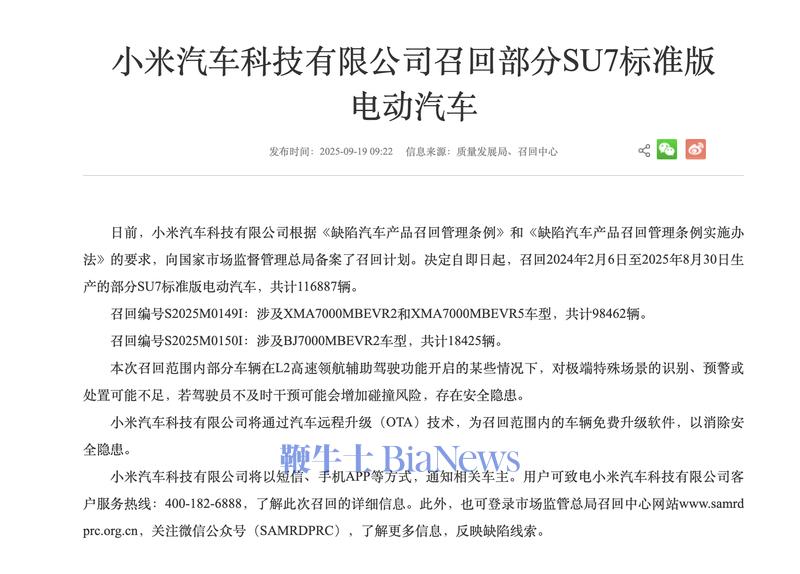
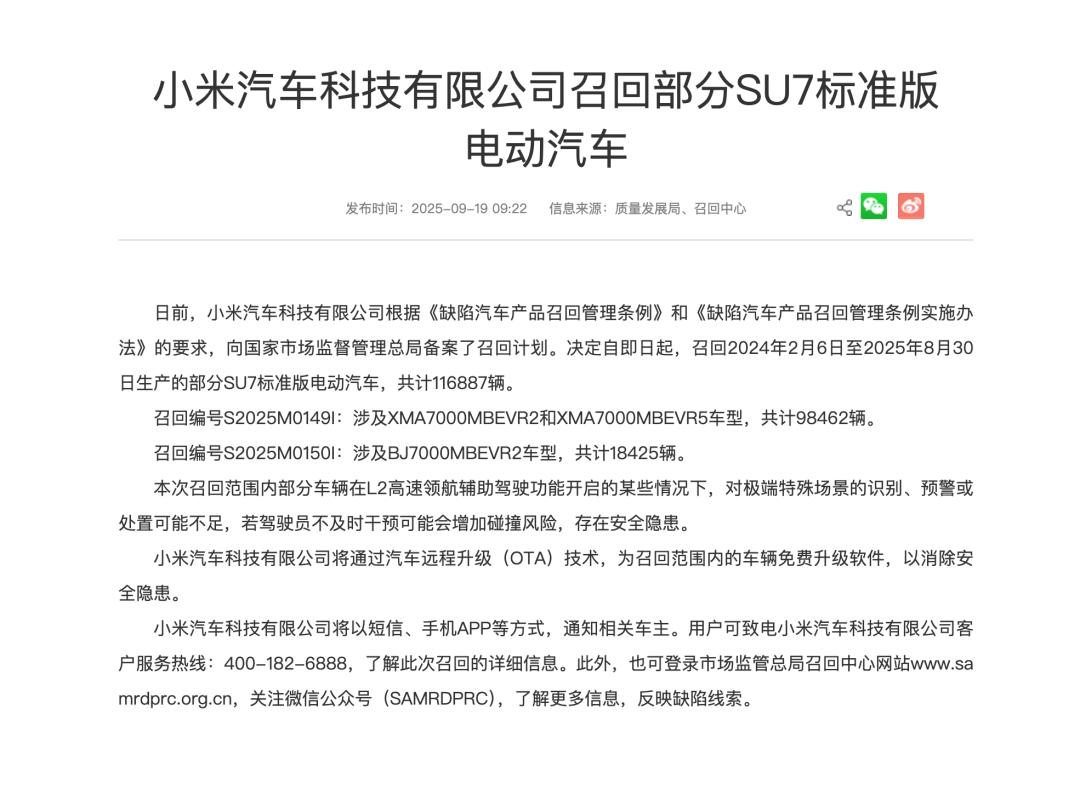
Group 1 - Xiaomi Motors has initiated a recall of 116,900 units of its SU7 standard electric vehicles due to safety concerns related to the L2 highway navigation assist feature [4][5][6] - The recall will be managed through an Over-The-Air (OTA) software upgrade, which aims to enhance the reliability of the assisted driving system without requiring physical part replacements [5][6][11] - The OTA upgrade will improve various functionalities, including vehicle performance on highways and urban fast roads, better recognition and avoidance of large vehicles, and the introduction of a "dynamic speed" feature that adjusts the target speed based on road and traffic conditions [6][11] Group 2 - The recall reflects a new trend in the development of intelligent connected vehicles, emphasizing the importance of continuous optimization of features in response to safety risks [5][11] - Regulatory bodies in China are strengthening oversight of OTA upgrades, requiring companies to follow specific procedures for recalls and software updates to ensure consumer safety [9][10][11] - The implementation of a mandatory national standard for combined driving assistance systems is underway, which aims to enhance safety requirements and establish a baseline for product performance in the industry [12][14]

小米OTA召回11万辆SU7,最严智驾新规即将出炉
3 6 Ke· 2025-09-20 02:53
Core Viewpoint - Xiaomi recalls 110,000 SU7 standard models to address safety risks in the L2 highway navigation assistance feature through OTA upgrades [1][3] Group 1: Recall Announcement - The recall is due to insufficient recognition, warning, or handling of extreme scenarios in the L2 highway navigation assistance feature, which may increase collision risks if the driver does not intervene promptly [1] - The recall follows the guidelines set by the Ministry of Industry and Information Technology and the State Administration for Market Regulation regarding the management of intelligent connected vehicles [3] Group 2: OTA Update Features - The SU7 autumn OTA update focuses on enhancing the safety and user experience of the driving assistance system [4] - Key updates include: - Improved large vehicle avoidance and detour capabilities, allowing for earlier recognition and lane adjustments [4] - Introduction of "dynamic speed" adjustments in complex environments like rain or nighttime, which is enabled by default [5] - Optimized speed control strategies that dynamically adjust target speeds based on road and traffic conditions [6] - New "Mis-acceleration Suppression Assistance (MAI)" to reduce the risk of unintended acceleration [7] - Enhanced Driver Monitoring System (DMS) to eliminate repetitive pop-up alerts during trips [8] Group 3: Industry Context and Standards - The update aligns with the upcoming mandatory national standards for intelligent connected vehicle combined driving assistance systems, which aim to improve safety [10] - In the first seven months of 2025, new car sales equipped with combined driving assistance systems reached 7.76 million units, a year-on-year increase of 21.31%, with a penetration rate of 62.58% [10] - The lack of mandatory safety regulations for driving assistance systems in China has led to a gap in product entry, quality supervision, and accountability [13] Group 4: New Regulatory Framework - The draft for the new safety requirements includes detailed regulations for different types of driving assistance systems, testing methods, and user notification processes [16] - A multi-level evaluation system categorizes systems into basic single-lane, basic multi-lane, and navigation combined driving, each with specific safety requirements [17] - Vehicles must be equipped with a data recording system to log collision events, driver actions, and sensor statuses, with storage capabilities for at least 2,500 events or 8 hours of continuous data [18] - Enhanced driver monitoring includes prompts for hand and gaze disengagement, with mandatory system takeover after multiple disengagements [20] Group 5: Industry Implications - The new standards are expected to lead to consolidation and restructuring among automakers and driving assistance suppliers, potentially increasing development timelines and costs for new software features [22] - Long-term, the introduction of safer and more reliable driving assistance systems is viewed as beneficial for the entire transportation industry [22]
三十周年,武汉国际车展与城市共成长
Chang Jiang Ri Bao· 2025-09-20 00:46
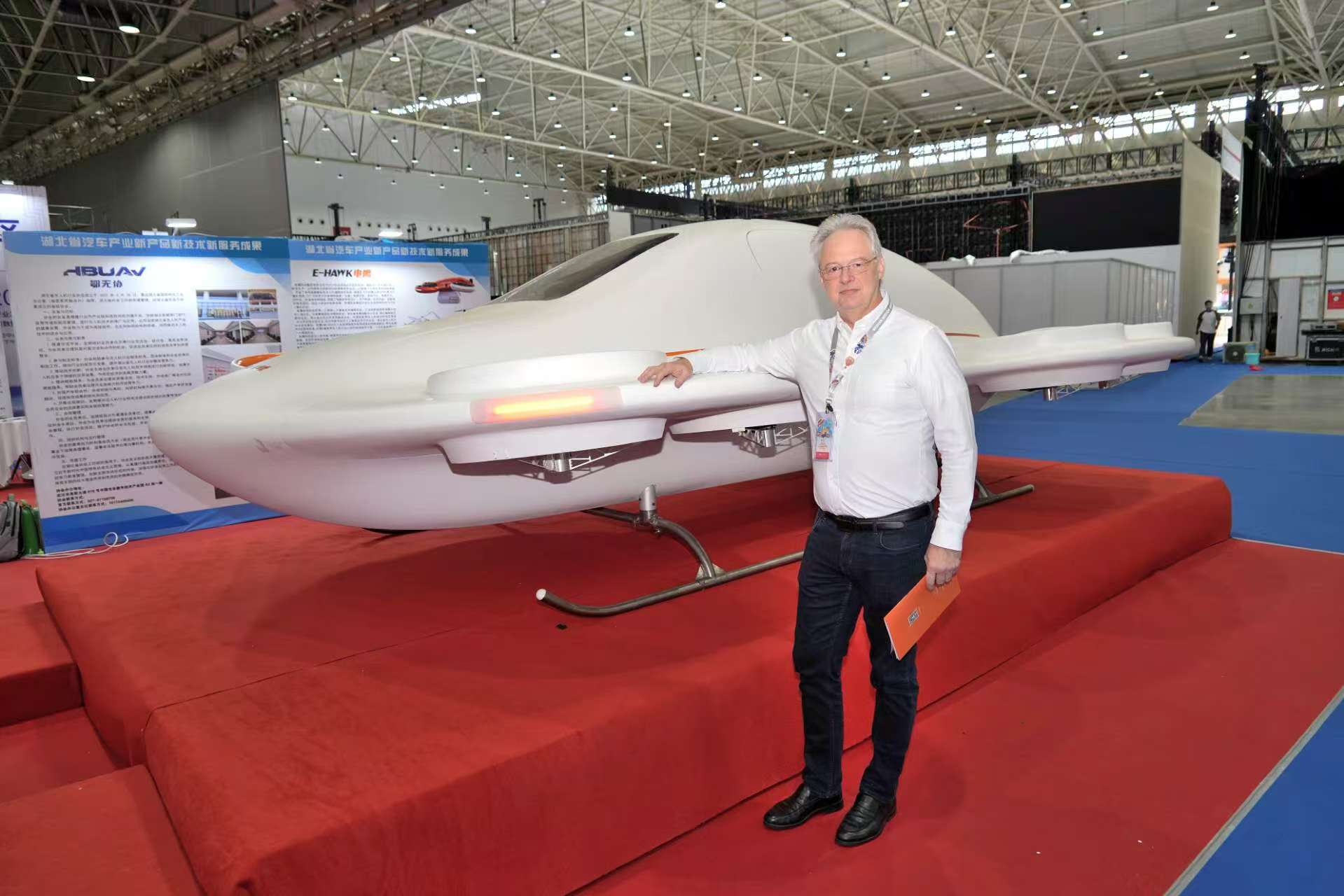
Core Insights - The Wuhan International Auto Show has evolved significantly over the past 30 years, growing from a small exhibition to the largest and most influential automotive event in Central China, showcasing over a thousand vehicle models and covering an area of 140,000 square meters [1][9] - The event reflects the transformation of the automotive industry in Wuhan, aligning with the city's development and contributing to high-quality urban growth through advancements in the automotive sector [3][9] Industry Development - The auto show has transitioned from primarily featuring fuel vehicles to focusing on new energy and intelligent connected vehicles, highlighting the industry's shift towards electrification, intelligence, connectivity, and sharing [5] - The automotive sector has become a significant contributor to the national economy, with the current auto show emphasizing the integration of new energy and low-altitude economy, presenting a vision for future mobility [4] Technological Innovation - The exhibition features advanced technology, including robots and smart devices, enhancing the visitor experience and showcasing innovations in the automotive field [4] - A dedicated area for displaying patented products related to new energy vehicles, intelligent connected technology, lightweight materials, and energy-saving technologies has been established, allowing the public to engage with technological advancements [4] Local Industry Impact - Wuhan has attracted significant investment in the new energy vehicle sector, with over 40 billion yuan invested in four new energy vehicle manufacturers, expected to add over 700,000 units of production capacity [5] - Local brands such as Lantu Motors and Mengshi Technology are rapidly emerging, positioning Wuhan as a key player in the global automotive industry [5]
技术与政策助力传感器行业加速发展
Zheng Quan Ri Bao· 2025-09-19 16:07
Group 1: Industry Overview - The global sensor industry market size is projected to grow from 3.7 trillion yuan in 2020 to 5.5 trillion yuan in 2024, with a compound annual growth rate (CAGR) of 10.1% [2] - China's sensor industry market size is expected to increase from 0.8 trillion yuan in 2020 to 1.3 trillion yuan in 2024, achieving a CAGR of 13.3% [2] - The rise of artificial intelligence and robotics has injected strong momentum into China's sensor industry, particularly in the robotics sector where sensor performance is crucial for interaction precision and operational capability [2] Group 2: Technological Advancements - The development of NeuroWorm, a flexible and stretchable neural electrode, represents a significant breakthrough in bioelectronics, enabling active control and intelligent response in neural interfaces [1] - Future trends in the sensor industry include miniaturization, intelligence, and integration, with applications expanding into smart healthcare, autonomous driving, and robotic interaction [4] Group 3: Market Dynamics - Recent data indicates that 35 sensor-related listed companies have undergone institutional research in the past month, highlighting the market's focus on application implementation, mass production progress, and order status [5] - Companies like Zhejiang Fulai New Materials and Xiamen Guangpu Electronics are actively engaging in the development and application of flexible sensors in robotics, indicating a growing interest in this segment [5][6] Group 4: Policy and Collaboration - The establishment of the "Optics Valley Sensor Industry Innovation Alliance" aims to create a globally influential smart sensor industry hub by 2030, reflecting local government support for sensor technology development [3] - Policies from the Ministry of Industry and Information Technology and other agencies are promoting the application of smart sensors and digital transformation in various industries [2]