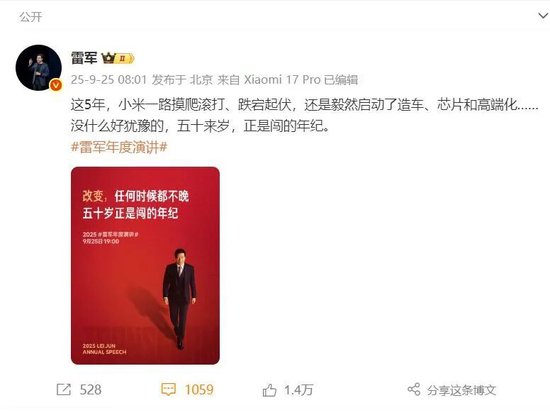
高端化

Search documents
对话雷军:小米高端化第一年超预期,接着就掉坑里了
Xin Lang Ke Ji· 2025-09-25 15:58
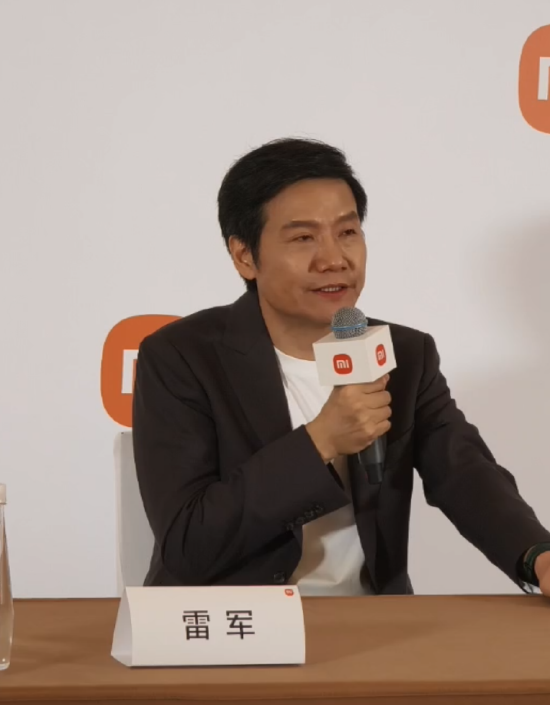
专题:雷军2025年度演讲:谈造芯坎坷、造车争论、赞ModelY、抢苹果用户 新浪科技讯 9月25日晚间消息,在今日的2025雷军年度演讲活动结束后,小米集团董事长、CEO雷军与 媒体对话。雷军对话中指出,"小米的高端化发展,是一个曲折前行的过程。" "我们第一次高端化开始也很紧张,结果没想到第一年就变超预期,大家觉得高端化很好,然后接着就 掉到坑里,然后再一点点爬一点点爬,所以它是一个曲折前行的过程。"雷军表示。 责任编辑:王翔 他指出,包括小米汽车在高端化的全过程里,也有很多经验,也有很多教训。在整个高端化的路上,小 米还需要时间一点点学习。 ...

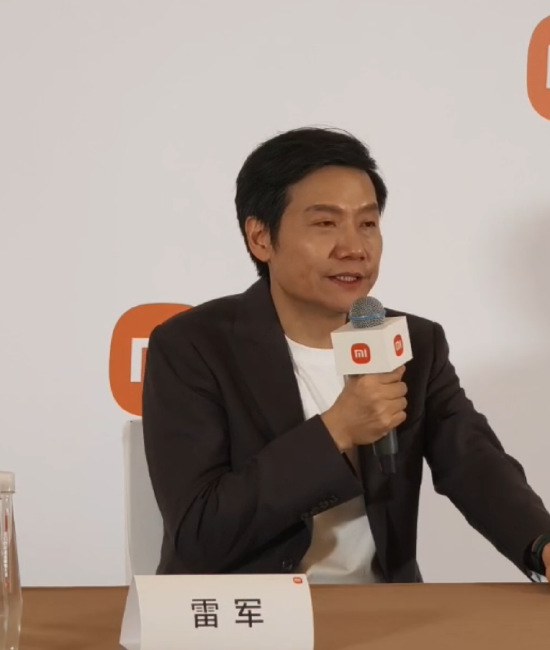
对话雷军:小米汽车接近半数都是女性
Xin Lang Ke Ji· 2025-09-25 15:18
Core Insights - Xiaomi's initial positioning as a geek brand has evolved into a mainstream brand, surpassing growth expectations [1] - The company faced challenges due to rapid growth, leading to misunderstandings and biases against it [1] - Xiaomi is focusing on high-end market penetration, with a significant shift in user demographics, including nearly half of its car users being women [1] Group 1 - Xiaomi's growth trajectory has exceeded initial expectations, transitioning from a niche to a mainstream brand [1] - The company has acknowledged past challenges related to its rapid growth, which included public misunderstandings and internal shortcomings [1] - A strategic shift towards high-end products has been implemented, with a focus on appealing to high-end and female consumers [1] Group 2 - Xiaomi has developed a methodology for high-end market penetration, focusing on three key areas: technology leadership, cognitive leadership, and aesthetic leadership [1] - Regular discussions are held each quarter to assess progress, challenges, and setbacks in the high-end market strategy [1]
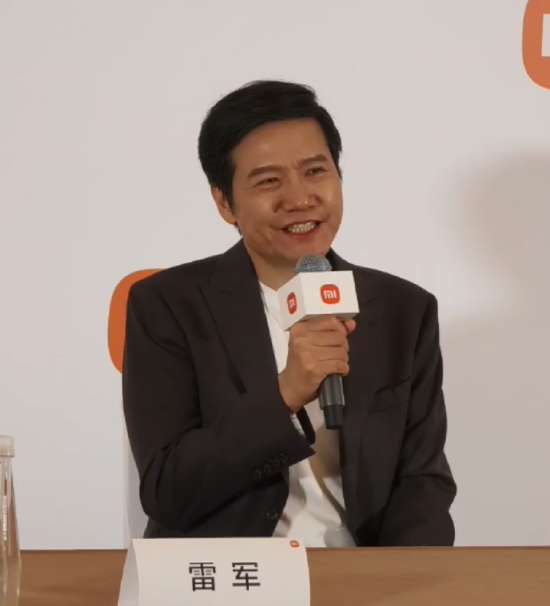
雷军2025年度演讲!小米17系列正式发布:这次真的不输iPhone了
Sou Hu Cai Jing· 2025-09-25 15:17
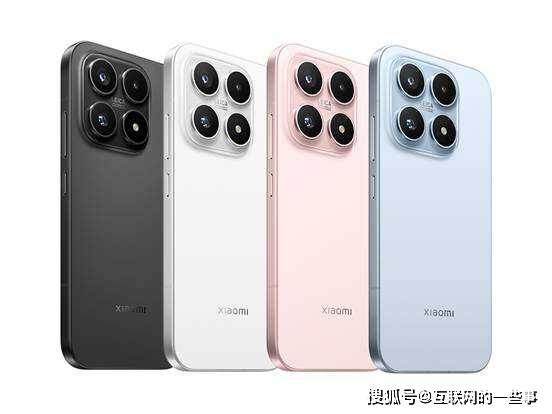
Core Viewpoint - Xiaomi has officially launched the new Xiaomi 17 series, which includes three flagship products, showcasing significant advancements in technology and design, aiming to compete directly with Apple's iPhone Pro series [1][10]. Product Features - The Xiaomi 17 features a 6.3-inch display, powered by the fifth-generation Snapdragon 8 mobile platform, and includes a 7000mAh battery, marking it as the largest battery capacity in a 6.3-inch flagship smartphone [1][7]. - The Xiaomi 17 Pro series, which includes the Xiaomi 17 Pro and Xiaomi 17 Pro Max, offers a 6.3-inch and 6.9-inch display respectively, both equipped with the same advanced features and a new "back screen" design [10][12]. Design and Build - The Xiaomi 17 standard version emphasizes a "small screen craftsmanship" approach, featuring a sleek design with a thickness of only 8.06mm and a weight of 191g, enhancing user comfort [3]. - The new LIPO technology reduces the bezel width to just 1.18mm, and the display achieves a peak brightness of 3500 nits, ensuring visibility even in bright outdoor conditions [4]. Camera and Imaging - The camera system includes the Leica Summilux optical system with a 50MP main sensor, ensuring high-quality imaging across various lighting conditions, and features like a 60mm telephoto lens with a ƒ/2.0 aperture [6][16]. - The Xiaomi 17 Pro series enhances imaging capabilities with advanced technologies, including the LOFIC high dynamic range technology, achieving a dynamic range of 16.5EV [16]. Battery and Charging - The Xiaomi 17's 7000mAh battery utilizes innovative technology to achieve high energy density, supporting 100W wired and 50W wireless charging [7][18]. - The Xiaomi 17 Pro series features even larger batteries, with the Pro model at 6300mAh and the Pro Max at 7500mAh, both supporting rapid charging protocols [18]. Communication and Connectivity - The communication capabilities of the Xiaomi 17 are industry-leading, covering over 210 countries and regions, and include an upgraded signal enhancement chip for improved connectivity [9][18]. Pricing and Availability - The Xiaomi 17 series is priced competitively, with the standard model starting at 4499 yuan, while the Pro and Pro Max models range from 4999 to 6999 yuan depending on configurations [19]. - The series will be available for purchase starting September 27, 2023, with special offers including a two-year screen protection plan [19].

对话雷军:我们遇到的痛苦是成长很快,很多人不了解且有很多偏见
Xin Lang Ke Ji· 2025-09-25 15:07
专题:雷军2025年度演讲:谈造芯坎坷、造车争论、赞ModelY、抢苹果用户 新浪科技讯 9月25日晚间消息,在今日的2025雷军年度演讲活动结束后,小米集团董事长、CEO雷军接 受了媒体采访。 他表示,今天的小米汽车接近半数都是女性,用户结构发生了翻天覆地的变化,这就是5年前高端化推 动的。"在这5年探索过程中,我们也一步一步形成了高端化的方法论,即三大引领——科技引领、认知 引领、审美引领。我们需要在这三个维度上提升自己,才能一步一步把高端化做好。所以我们每个季度 都会组织研讨,在高端化过程中有哪些成绩,遇到了哪些困难,或者掉到哪些坑里去了。" 责任编辑:王翔 雷军表示,其实小米最初定位成一个极客品牌,为网络发烧友准备的。我们谁也没有想到,小米的成长 速度超出了想象,很快变成大众品牌。"五六年前我们所遇到的痛苦就是因为成长很快,有很多人对我 们不了解,且有很多偏见。同时,也因为成长太快,还有很多事情我们自己也做的不好。所以经过半年 反思,我们要推动高端化,要让高端用户认可、让女性用户认可。" ...
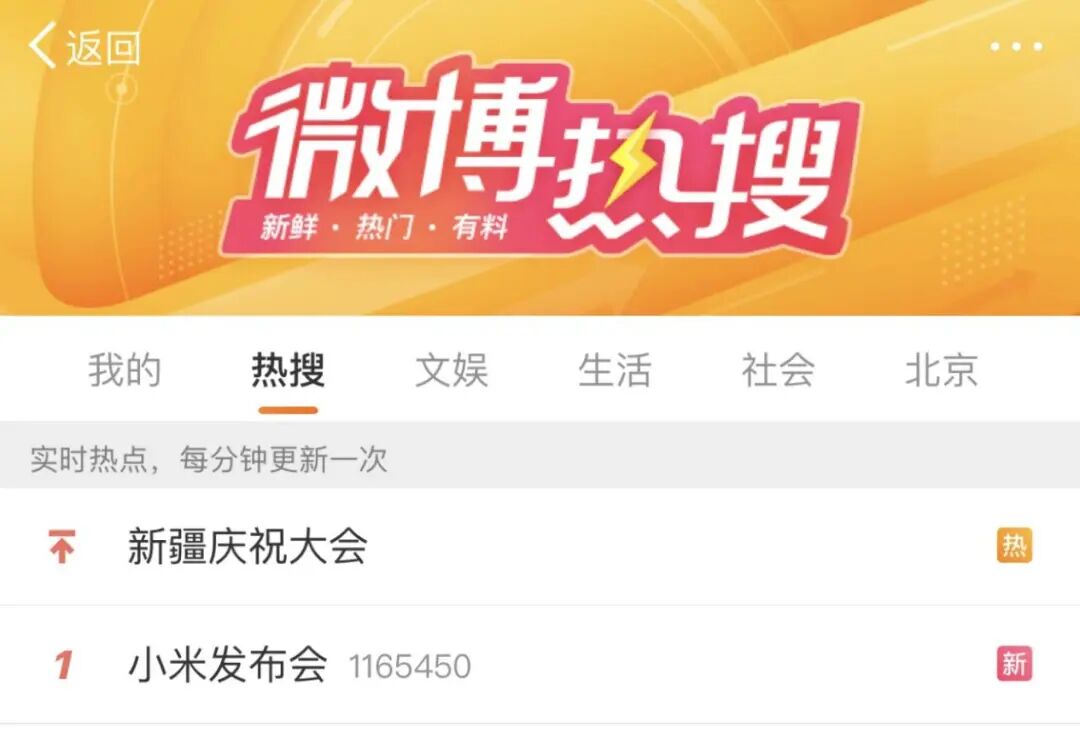
热搜第一!今夜,雷军刷屏!
Zhong Guo Ji Jin Bao· 2025-09-25 13:20
Group 1: Core Insights - The annual speech by Lei Jun, CEO of Xiaomi, focused on the theme of "Change," highlighting the company's development over the past five years, particularly in the automotive and chip sectors [1][3] - Xiaomi aims to transition from an "internet company" to a "hardcore technology company" by heavily investing in core technologies [5] - The company has made significant breakthroughs in chip development, with the launch of the first flagship SoC, the玄戒O1, which has performed exceptionally well in the market [11] Group 2: Chip Development - Xiaomi's journey in chip development began 11 years ago with the establishment of Pinecone Electronics, but the initial SoC project was halted after the release of the 澎湃S1 due to challenges faced [7] - After a thorough review, Xiaomi decided to restart its chip development in 2021, committing over 50 billion yuan to the project despite external skepticism [9] - The company believes that self-developed chips are essential for its success, with a commitment to invest at least 50 billion yuan over the next decade [9] Group 3: Automotive Ambitions - Xiaomi's automotive project, the SU7 Ultra, aims to compete with industry leaders like Tesla and Porsche, with a focus on creating a high-performance electric vehicle [12] - The SU7 project faced challenges, including the temporary cancellation of the Ultra variant, but has since made significant progress and is set to showcase its capabilities on the Nürburgring track [12][13] - The company has adjusted its vehicle specifications, increasing the range of the YU7 model to 835 kilometers while maintaining the same price, demonstrating a commitment to high performance and customer satisfaction [13] Group 4: Company Philosophy - Lei Jun emphasized that change is always possible, and through five years of dedicated effort, Xiaomi has redefined its core identity and mission [13] - The company believes that continuous effort and growth can lead to significant transformations, allowing teams to "reverse their fate" [13]
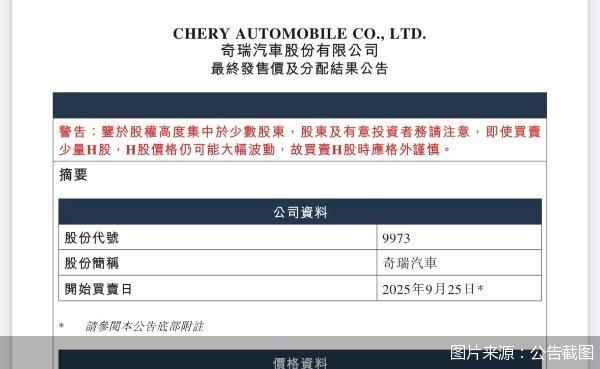
奇瑞港股上市:“理工男”的新能源、高端化、造血力三重考
Bei Jing Shang Bao· 2025-09-25 11:41
Core Viewpoint - Chery Automobile has officially listed on the Hong Kong Stock Exchange, marking the largest IPO for an automotive company in Hong Kong this year, but it faces significant structural challenges including low gross margins, slow transition to new energy vehicles, and high reliance on fuel vehicles [1][2]. Financial Performance - Chery's stock opened at HKD 34.2 per share, an increase of 11.22% from the issue price, with a market capitalization exceeding HKD 200 billion on the first day of trading. By the end of the day, the stock closed at HKD 31.92, giving a total market value of HKD 184.1 billion [2]. - From 2022 to 2024, Chery's revenue is projected to grow from CNY 92.618 billion to CNY 269.897 billion, reflecting a compound annual growth rate of 70.7%. In Q1 2025, revenue increased by 24.25% year-on-year to CNY 68.223 billion [2]. Profitability and Debt - Chery's gross margins are lower than those of leading competitors, with gross margins of 13.8%, 16%, and 13.5% from 2022 to 2024, and only 12.4% in Q1 2025. In contrast, BYD's gross margin increased from 17% to 20.1% during the same period [3]. - The company's debt levels are concerning, with asset-liability ratios of 93%, 92%, and 89% at the end of 2022, 2023, and Q3 2024, respectively. Although there was slight improvement in Q1 2025, the ratio remained high at 87.7% [3]. Market Position and Strategy - Fuel vehicles remain Chery's primary revenue source, accounting for 75.9%, 87.8%, and 69.6% of total revenue from 2022 to 2024. In Q1 2025, fuel vehicle revenue still represented 69.7% of the passenger vehicle segment, while new energy vehicles accounted for only 30.3% [4]. - Chery has recognized the challenges in its transition to new energy vehicles and launched the "Yaoguang 2025 Strategy" in 2022, focusing on electric and intelligent vehicle technologies [5]. Brand and Market Perception - Chery is attempting to break away from its "cost-performance" label to capture a share of the high-end market, but results have been disappointing. Sales of its high-end brand, Exeed, fell by 32.45% year-on-year in August [6]. - The company's low-price strategy has led to a fixed brand image, hindering its ability to penetrate the high-end market and resulting in low customer loyalty [6][7]. Future Outlook - Experts suggest that Chery should leverage the funds raised from its IPO to enhance research and development in electric and intelligent vehicle sectors, improve its business structure, and gradually build brand premium capabilities [7].
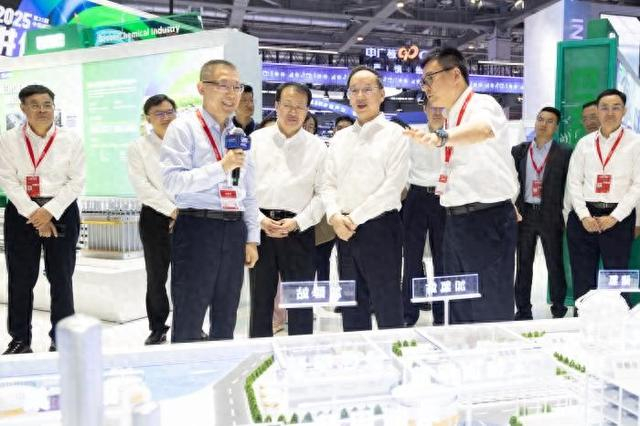
上海电气多维展现硬核实力,赋能新型工业化
Zhong Guo Xin Wen Wang· 2025-09-25 10:59
Group 1 - The 25th China International Industry Fair (CIIF) opened, attracting nearly 3,000 companies from 28 countries and regions, showcasing around 300 global debuts and nearly 200 Chinese premieres [1] - The theme of this year's CIIF is "Industrial New Quality, Boundless Intelligent Manufacturing," focusing on high-end, intelligent, and green transformation in manufacturing [3][4] - Shanghai Electric presented its latest technological achievements and solutions in new power systems and integrated high-end equipment, emphasizing its comprehensive industrial ecosystem [3][4] Group 2 - The green low-carbon development in the industrial sector is a significant trend, with Shanghai Electric actively engaging in hydrogen, ammonia, and methanol energy fields, providing a full-chain solution from green electricity to methanol synthesis [6][7] - The Taonan project by Shanghai Electric is the first in China to achieve large-scale commercial operation of green methanol, integrating core technologies and receiving EU ISCC certification [6][7] - Shanghai Electric's green fuel business includes plans for hydrogen production, green methanol, green ammonia, and sustainable aviation fuel (SAF), indicating a broad application prospect [7] Group 3 - The new technological revolution, driven by AI, big data, IoT, and cloud computing, is accelerating the evolution of new industrialization [8] - Shanghai Electric showcased integrated high-end equipment and intelligent manufacturing solutions, targeting large manufacturing, large industry, and large cities [8][9] - The exhibition featured various intelligent robots and high-precision grinding centers, highlighting Shanghai Electric's capabilities in the industrial mother machine sector [9]

热搜第一!雷军:小米非常非常缺人
中国基金报· 2025-09-25 09:49
Core Viewpoint - Xiaomi is facing a significant talent shortage as it continues to grow rapidly and aims to enhance its high-end product offerings [5][9]. Group 1: Talent Acquisition and Company Growth - Lei Jun emphasized that the two most important tasks for Xiaomi are finding talent and accumulating financial resources to focus on major projects [8]. - The company has been actively promoting internal talent and recruiting externally to alleviate the pressure on leadership [9]. - Xiaomi's rapid growth has led to misunderstandings about its business model, which the company is working to clarify through its actions [11]. Group 2: Product Development and Market Position - Lei Jun stated that while it is too early to declare success in Xiaomi's high-end market strategy, the company has made significant progress, as evidenced by the sales of high-priced products like the Xiaomi SU7 Ultra [12]. - The upcoming launch of the Xiaomi 17 series is expected to feature substantial upgrades while maintaining competitive pricing [17]. - The new Xiaomi 17 series will be equipped with the latest Surge OS3 system, reflecting improvements made by the software team [17]. Group 3: Annual Speech and Future Plans - The 2025 annual speech by Lei Jun is set to take place alongside the Xiaomi 17 series launch, focusing on the theme of "Change" [13][20]. - The event will also highlight the development of Xiaomi's new chip and automotive projects, showcasing the company's commitment to innovation [23].

热搜第一!雷军:小米非常非常缺人
Zhong Guo Ji Jin Bao· 2025-09-25 09:46
Core Insights - Lei Jun, the founder and CEO of Xiaomi, emphasized the company's significant need for talent during a recent video address, stating that Xiaomi is "very, very short of people" as it continues to grow rapidly [3][7]. Group 1: Talent Acquisition and Company Growth - The two most important tasks for Xiaomi are finding talent and accumulating financial resources to focus on major projects [6]. - Xiaomi has been actively promoting internal talent and recruiting externally to alleviate pressure on leadership [7]. - The company has experienced rapid growth, which has led to challenges in managing its workforce effectively [3][7]. Group 2: Addressing Criticism and Market Perception - Lei Jun acknowledged that Xiaomi's innovative business model has faced skepticism, but he believes that the company is changing perceptions through its actions [8]. - The launch of smart factories for mobile phones and cars has helped to counter negative perceptions of Xiaomi as merely an "assembly factory" [8]. Group 3: Product Development and Future Plans - Lei Jun indicated that while Xiaomi's high-end product strategy is progressing, it is too early to declare success [9]. - The upcoming launch of the Xiaomi 17 series and other high-end products is highly anticipated, with a focus on significant upgrades without increasing prices for certain models [14]. - The Xiaomi 17 series will feature the latest Surge OS 3 system, which has seen considerable improvements [14]. Group 4: Annual Speech and Strategic Vision - The 2025 annual speech by Lei Jun is set to cover the themes of change and innovation, including insights into Xiaomi's chip and automotive ventures [11][17]. - Lei Jun compared the challenges of entering the automotive and semiconductor industries to the pressures of supporting two children in college, highlighting the magnitude of the undertaking [19].
雷军:五十来岁正是闯的年纪!“同时造车和造芯,家底全押上了,压力巨大”!小米17系列今晚发布
Mei Ri Jing Ji Xin Wen· 2025-09-25 05:49
Core Insights - Xiaomi's CEO Lei Jun announced the company's ambitious plans to venture into car manufacturing and chip development, emphasizing the importance of these initiatives for the company's future growth [1][3][20] - The launch of the Xiaomi 17 series, featuring the latest Snapdragon 8 processor, is expected to enhance the company's product offerings and market competitiveness [7][18] Group 1: Company Strategy - Xiaomi is investing heavily in both automotive and semiconductor sectors, indicating a significant shift in its business strategy [3][20] - The company aims to leverage its existing resources and expertise to establish a foothold in these new markets, which are seen as critical for long-term success [3][22] Group 2: Product Launch - The Xiaomi 17 series, which includes three models, is set to be unveiled, showcasing advancements in technology and performance [17][18] - The new series is equipped with the latest Xiaomi Surge OS, marking a significant upgrade in the company's smartphone technology [18] Group 3: Financial Performance - Xiaomi reported a record revenue of 1159.6 billion RMB for Q2 2025, reflecting a year-on-year growth of 30.5% [20] - The adjusted net profit for the same period reached 108.3 billion RMB, a remarkable increase of 75.4% year-on-year, indicating strong financial health [20] Group 4: Market Reaction - Following the announcements, Xiaomi's stock price rose by 3.6%, reaching 58.95 HKD, with a total market capitalization increase of over 530 billion HKD (approximately 485 billion RMB) [13]