全球能源转型

Search documents
乱世的黄金,转型的铜与未来的“镍锂锡” 你的仓位该如何调频?
Xin Lang Cai Jing· 2026-01-28 02:16
未来48小时,全球市场的目光将聚焦两大风暴眼:北京时间明日凌晨的美联储2026年首场议息决议,以 及特斯拉、苹果等科技巨头的重磅财报,这两大事件将直接决定短期市场情绪与资金流向。在此背景 下,基本金属市场预判将呈现"贵金属强势延续,工业金属分化加剧"的格局,黄金、白银在美元弱势与 避险情绪支撑下预计领涨,而铜、锡等品种则需在需求前景与宏观政策间博弈。与此同时,地缘政治风 险与美国极端天气持续扰动市场,而中英关系的积极进展与国内在商业航天等前沿领域的突破,则为全 球经济注入了新的确定性动力。 2026年伊始,世界格局在动荡与分化中展开新篇。美国正式退出《巴黎协定》,同时,美国前总统关于 美元可像"悠悠球"般操控的言论引发市场巨震,美元指数应声跌至四年新低。这一政策风向直接重塑了 资产格局:避险情绪推动黄金价格飙升至历史新高,而美股市场内部分化加剧,科技股力撑标普指数创 新高,道指却因政策忧虑大幅收跌。大宗商品市场亦呈现冰火两重天,贵金属暴涨,而多数工业金属则 因需求担忧承压。视线转回国内,中英经贸关系迎来重要破冰,英国首相斯塔默率团访华;与此同时, 我们的目光已投向更远的星辰,国科大星际航行学院揭牌,"天智"大 ...


中国生产的风电机组,都用在哪里了?
Ren Min Ri Bao· 2026-01-28 00:56
近年来,中国风电攀上更高峰,有量的突破,更有质的提升。从"规模扩张"转向"价值驱动",从"多发 电"转向"巧发电",更多追求风机高性能、高可靠性,正成为行业共识。 作为风电装备制造大国,中国生产的风电机组(包括国际品牌在中国的产量)占全球市场2/3以上。 那么,这些风电机组都用在哪里了?先来看一组数据: 1万亿千瓦时——2025年我国规模以上工业风电发电量,相当于约10个三峡电站的全年发电量。 6亿千瓦——2025年我国风电累计装机容量再上新台阶,占全国发电总装机16%左右,连续10余年稳居 全球第一。 中国可再生能源学会风能专业委员会的最新数据显示,我国生产的风电机组,出口国家和地区超过60 个。依托创新发展,推动全球风电成本10年下降超过60%。"十四五"时期出口的风电和光伏产品累计为 其他国家减少碳排放约41亿吨。但从数量看,中国生产的风电机组,九成以上都在国内应用。如今,全 球约一半的风电装机容量都分布在中国。从西部高原到东部沿海,从沙漠戈壁到田间地头,风机呼呼转 动。 技术创新,发电提质升级。2025年,中国风电持续开展关键技术攻关,26兆瓦级海上风机并网发电、刷 新全球已并网风机的单机容量与叶轮直 ...
金辰股份2026年1月27日涨停分析:现金流改善+国际化布局+资金效率提升
Xin Lang Cai Jing· 2026-01-27 06:38
Group 1 - The core point of the article is that Jincheng Co., Ltd. (stock code: sh603396) reached its daily limit with a price of 46.49 yuan, reflecting a 10.01% increase and a total market capitalization of 6.44 billion yuan [1] Group 2 - Jincheng Co., Ltd. experienced a significant improvement in operating cash flow, which increased by 285.12% year-on-year, reaching 291 million yuan, indicating enhanced working capital management capabilities [2] - The company is advancing its production base project in Malaysia, which is expected to enhance its international competitiveness and align with the growing demand for photovoltaic equipment in overseas markets [2] - The photovoltaic industry remains a market hotspot, supported by policies and market attention, which may lead to positive performance for related stocks in the sector [2] - Positive market signals, such as improved cash flow and increased capital efficiency, may have attracted market attention, contributing to the stock price surge [2]

如何拥抱金属周期?一份真诚的有色金属ETF基金投资手记
Sou Hu Cai Jing· 2026-01-27 00:59
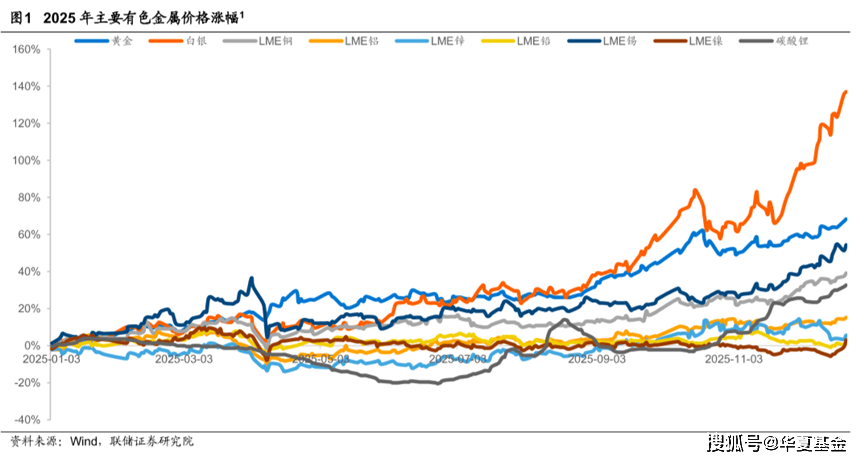
Core Insights - The article discusses the significant role of non-ferrous metals in modern society, highlighting their importance in various applications from electronics to renewable energy [1][3] - Recent price surges in metals like gold and copper indicate a unique phase in the economic cycle, driven by structural forces rather than traditional market dynamics [2][4] Group 1: Gold - Gold has seen a remarkable increase, starting from $1,614 per ounce in September 2022 to over $5,000, marking a more than 200% increase [4] - Factors such as geopolitical instability, the U.S. debt crisis, and the Federal Reserve's interest rate decisions are influencing gold prices, but the extent of the price increase suggests deeper structural changes [7][10] - The trend of "de-dollarization" and rising global uncertainties are leading to a renewed interest in gold as a non-sovereign store of value [7][10][13] Group 2: Copper and Aluminum - Copper prices have risen by 43% over the past year, currently hovering around 100,000 yuan per ton, driven by demand from energy transition, AI, and large-scale grid investments [14][17] - Supply constraints, including declining ore grades and limited new capacity, are exacerbating the supply-demand imbalance for copper [17][18] - Aluminum prices have reached a four-year high due to production caps and changing demand dynamics, particularly in high-end manufacturing sectors [19][21] Group 3: Strategic Resources - Rare earth metals are increasingly important in the context of U.S.-China trade tensions, with China holding a complete supply chain advantage [22][24] - Tungsten has seen a nearly 200% price increase, driven by its critical role in high-end manufacturing and defense industries [24][26] - Other metals like tin, lithium, and cobalt are also gaining attention due to their connections to AI, energy transitions, and national security considerations [26] Group 4: Investment Strategies - The article suggests that investors should consider diversified exposure to the non-ferrous metals sector through ETFs, rather than attempting to predict individual metal price movements [27][33] - The Zhongzheng Segmented Non-Ferrous Metal Industry Theme Index offers a systematic approach to investing in this sector, covering 50 listed companies related to non-ferrous metals [28][35] - This index allocates approximately 45% to industrial metals, 13% to gold, and the remainder to strategic resources, providing a balanced investment perspective [35][37]
巴西媒体:数据展示中国如何成为清洁能源大国
Xin Lang Cai Jing· 2026-01-26 23:12
Core Viewpoint - The article highlights China's significant advancements in renewable energy, countering U.S. criticisms regarding its climate policies and renewable energy development, particularly in the context of the World Economic Forum in Davos [1][4]. Group 1: Renewable Energy Capacity - As of November 2025, China's total installed renewable energy capacity is approximately 2.2 terawatts, accounting for over half of the global total [2]. - China's solar power capacity has reached 1.16 terawatts, while wind power capacity (including both onshore and offshore) has surpassed 600 gigawatts [2]. - More than 59% of China's electricity generation capacity now comes from renewable sources, with about 1 kilowatt-hour of every 3 kilowatt-hours consumed being from green energy [2]. Group 2: Impact on Carbon Emissions - Research indicates that in the first half of 2025, China's carbon dioxide emissions decreased by 1% compared to the same period the previous year, maintaining a stable or declining trend over approximately 18 months [2]. - This achievement is notable for a country with a strong industrial base, showcasing the effectiveness of its renewable energy initiatives [2]. Group 3: Fossil Fuel Usage Trends - While fossil fuels like coal and oil remain significant in China's energy system, their usage is expected to peak in the coming years, primarily for energy security reasons [3]. - Coal consumption is projected to peak around 2027, driven by demand in traditional industries, while oil consumption is expected to peak sooner due to the electrification of transportation [3]. - Despite ongoing construction of new coal-fired power plants, the utilization rate of coal is structurally declining as most new electricity demand is met by solar and wind energy [3]. Group 4: Comparative Analysis with the U.S. - By the end of 2025, China's renewable energy capacity is projected to reach 2.2 terawatts, compared to approximately 400 gigawatts in the U.S. [3]. - In solar energy, the disparity is even more pronounced, with China at 1.16 terawatts and the U.S. around 200 gigawatts [3]. - In the first half of 2025, China's installed solar and wind capacity exceeded the total of all other regions combined, marking an unprecedented historical achievement [3]. Group 5: Global Influence and Policy - China's experience in renewable energy serves as a model for developing countries, demonstrating cost reduction, rapid development, and the integration of industrial policy with energy transition [4]. - Regardless of Western leaders' criticisms, data indicates that China has established a central role in the global energy transition, affirming that its green revolution is substantial and not merely rhetoric [4].
美国前副总统戈尔:中国主导全球能源转型,是我最想不到的结果
Sou Hu Cai Jing· 2026-01-26 18:57
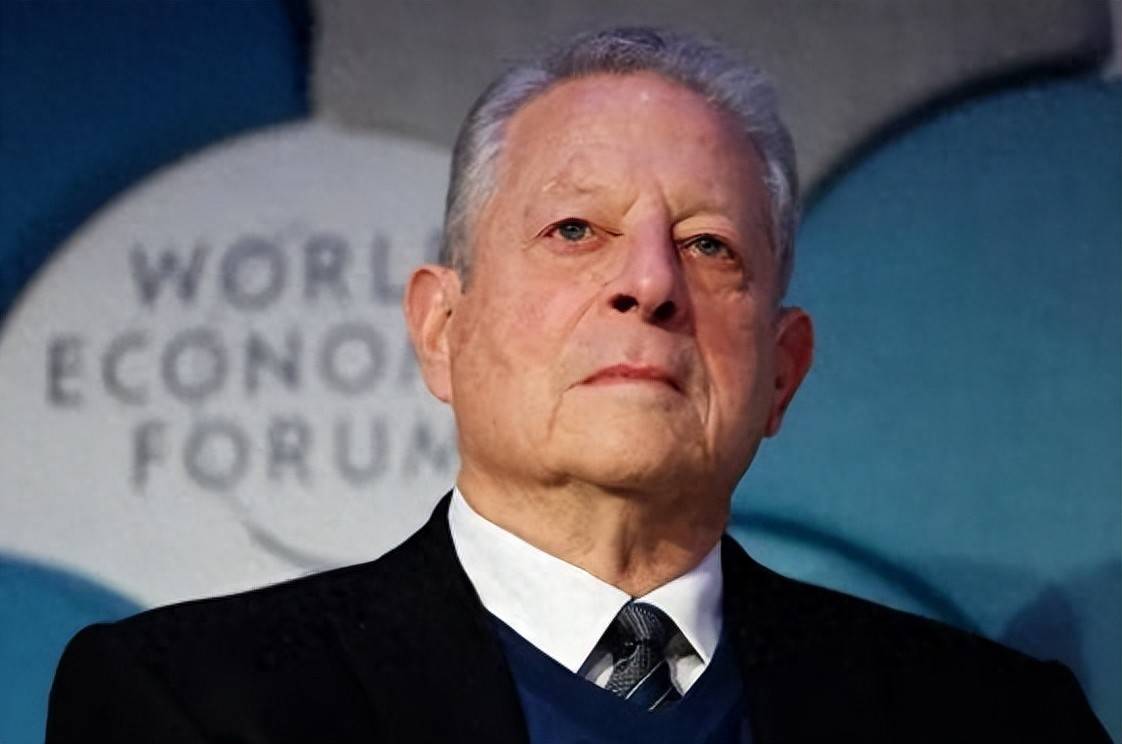
Core Viewpoint - The article discusses Al Gore's transformation from a political figure to a climate change advocate, highlighting the shift in global leadership in clean energy from the U.S. to China, and the implications of this transition for international relations and climate action. Group 1: Al Gore's Journey and Climate Advocacy - Al Gore initially believed in the U.S. leading global environmental efforts but shifted focus to climate change advocacy after losing the 2000 presidential election [1] - He won the Nobel Peace Prize in 2007 for promoting climate change awareness and later founded an investment company focused on sustainable projects [3] - Gore has been critical of U.S. climate policy inconsistencies, particularly the withdrawal from the Paris Agreement, which he believes hampers global emission reduction efforts [3][5] Group 2: China's Role in Clean Energy Transition - Gore expressed surprise at China's emergence as a leader in energy transition, noting its rapid advancements in solar energy and wind power [3][9] - China has become the largest producer of solar panels and electric vehicle batteries, filling the gap left by the U.S. in clean technology [7] - The Chinese government has set achievable carbon emission targets and has made significant investments in renewable energy, which Gore views as a positive signal for global climate action [5][9] Group 3: Implications for Global Climate Action - The shift in clean energy leadership to China has significant implications for international trade and alliances, with many countries seeking closer ties with China [7] - Gore believes that the global energy transition is irreversible, with decreasing technology costs and diminishing influence of fossil fuel industries [7] - He emphasizes the importance of stable policies in the U.S. to accelerate global climate action and warns that failure to catch up with China could lead to a shift in geopolitical dynamics [9]
VIP机会日报有色金属板块逆势拉升,人气公司解读后收获涨停
Xin Lang Cai Jing· 2026-01-26 10:13
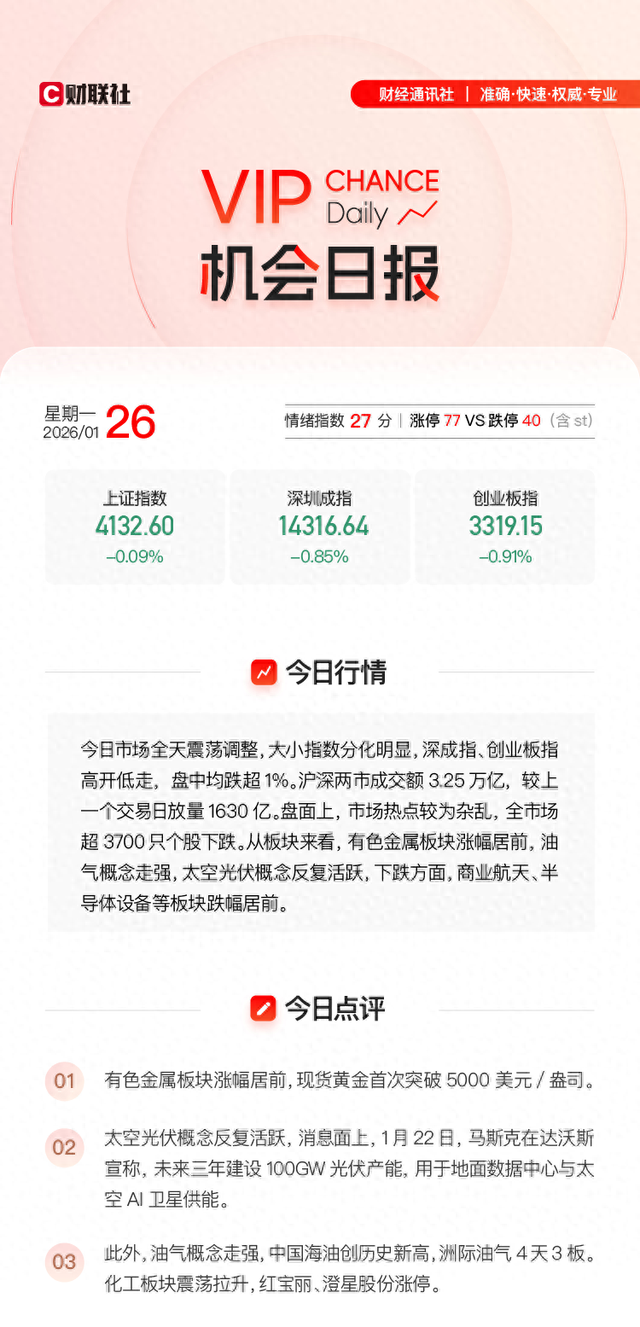
Group 1: Precious Metals - Spot gold has first surpassed $5000 per ounce [4] - Silver and copper prices are expected to remain strong through 2026 due to global energy transition and AI revolution, with Silver as a key beneficiary [5][6] - Silver Company (601212) experienced a limit-up on January 26, 2023, closing at 11.41, reflecting a 2.57% increase [6] Group 2: Photovoltaics - Elon Musk announced plans to build 100GW of solar capacity over the next three years for data centers and space AI satellites [7] - JunDa Co. is positioned as the largest third-party supplier of N-type TOPCon solar cells, with a focus on overseas capacity and space photovoltaic applications [7][8] - JunDa Co. saw a price increase of up to 10.97% on January 22, 2023 [8] Group 3: Computing Power - Tencent's chairman Ma Huateng announced a cash activity of 1 billion yuan to promote AI applications, aiming to replicate the success of WeChat red envelopes [9] - QingCloud Technology is focusing on AI computing cloud services and has seen a price increase of 15.25% [10] - The outlook for computing power in 2026 suggests significant breakthroughs across various levels, with Dawei Technology experiencing a limit-up [17][18] Group 4: Natural Gas and Oil - U.S. natural gas prices surged past $6 per million British thermal units for the first time since 2022 due to winter storms [19] - International oil prices rose nearly 3%, benefiting companies like Intercontinental Oil and Gas, which saw a limit-up on January 26, 2023 [19][20]


16个交易日涨了1.6倍,这只湘股为何这么牛?
Chang Sha Wan Bao· 2026-01-26 09:24
Group 1: Market Overview - The spot gold price has surpassed $5000 per ounce for the first time, reaching a historical high [1] - The precious metals sector in the A-share market opened with a rise of over 4% and closed with an increase of 10.12%, with 9 out of 12 stocks hitting the daily limit [1] - The precious metals index rose from 2407.71 points to 3517.33 points in just 16 trading days, marking a 46% increase [1] Group 2: Factors Driving Precious Metals Prices - The rise in precious metals is attributed to four main factors: increasing U.S. debt and deficits raising concerns about sustainability and dollar credibility, leading to central banks reducing U.S. Treasury holdings and increasing gold reserves [2] - The acceleration of AI industry development and global energy transition has increased demand for industrial metals like copper and aluminum [2] - A shift in global supply chain focus from efficiency to security has increased demand for key minerals, energy, and food reserves [2] - Changes in supply cycles have created a significant output gap in major non-ferrous metals since 2011, supporting industry prices [2] Group 3: Company Performance - Hunan Silver's net profit for 2025 is projected to be between 1.2698154 billion and 1.6084328 billion yuan, reflecting a year-on-year change of 50% to 90% due to rising sales prices of gold, antimony, and tungsten products [3] - Hunan Silver is a leading producer of silver and has a comprehensive industrial chain for the processing and sales of non-ferrous and precious metals [3] - The company has resumed full production after completing annual maintenance, with upgraded capacity in lead smelting and environmental safety systems [3]


西部矿业涨9.99%封板!新增131.42万吨铜资源,产业布局多点开花
Sou Hu Cai Jing· 2026-01-26 05:37
交易所数据显示,截至13时1分,西部矿业涨幅为9.99%,最新价34.90元,总市值831.67亿元,封板资 金1.83亿元,成交额30.26亿元,换手率3.79%。 声明:本内容由AI生成,数据资料来自于交易所及第三方公开信息,仅供参考,不构成投资建议。 市场炒作聚焦西部矿业的核心资源储备与产业布局优势。公司坐拥铜、铅锌、铁等关键矿产资源,业务 贯穿矿产全产业链。旗下玉龙铜矿增储取得进展,新增铜金属资源量131.42万吨,伴生钼金属资源量 10.77万吨,强化了对上游核心资源的掌控力。公司竞得安徽省茶亭铜多金属矿勘查探矿权,该矿具备 可观的资源增长潜力。此外,公司申请盐湖高纯高体密烧结镁砂制备方法专利,可充分利用盐湖镁资 源,制得高纯度与高体密度的烧结镁砂,同时打造完成有色金属行业特色的财务共享平台,实现质效、 管控、赋能的全面提升。 来源:市场资讯 消息面上,全球能源转型加速,电网建设、电动汽车、可再生能源及数据中心对铜的需求持续攀升。近 期现货黄金突破5000美元大关,全球央行持续增持黄金储备,中国人民银行已连续14个月增持黄金,波 兰央行批准购买多达150吨黄金的计划。疲软的美元进一步提振市场对黄金的 ...

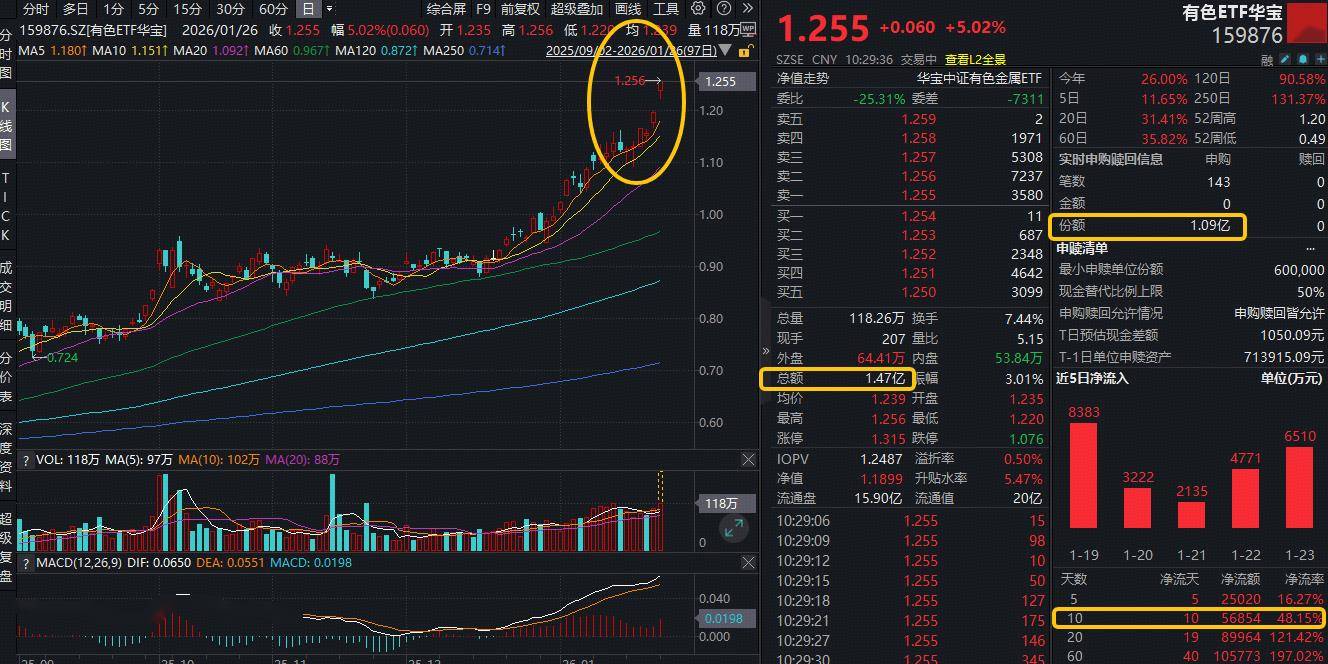
ETF盘中资讯|“有色盛宴”并非偶然!有色ETF华宝(159876)飙涨5%续创新高,获净申购超1亿份!湖南黄金等7股涨停
Sou Hu Cai Jing· 2026-01-26 02:53
Core Viewpoint - The non-ferrous metal sector is experiencing a significant rally, driven by multiple factors that are reshaping the pricing logic of non-ferrous metals [1][3]. Group 1: Market Performance - The non-ferrous metal ETF, Huabao (159876), surged by 5.02%, reaching a new high since its listing, with a trading volume of 1.42 billion yuan within the first hour of trading [1]. - The ETF has seen a net subscription of 1.09 million units, accumulating a total of 569 million yuan over the past 10 days [1]. - Key stocks in the sector, such as Steel Titanium Co., Tongling Nonferrous Metals, and Silver Nonferrous Metals, have all reached their daily limit up, with significant increases in trading volumes [4]. Group 2: Driving Factors - The rising U.S. debt and deficit are causing global concerns about sustainability and the credibility of the dollar, leading central banks to diversify their reserves by reducing U.S. Treasury holdings and increasing gold reserves, which supports higher precious metal prices [3]. - The development of the AI industry and the acceleration of global energy transition are driving increased demand for industrial metals like copper and aluminum [3]. - The global supply chain is shifting focus from efficiency to security, prompting countries to increase reserves of critical minerals and energy, thereby boosting demand for bulk commodities [3]. - A long-term contraction in capital expenditure for major non-ferrous metals since 2011 has created a significant output gap, which continues to constrain supply and support prices [3]. Group 3: Industry Outlook - The current high profitability in the non-ferrous metal sector is expected to persist for an extended period, with new demand driving growth and leading to a potential revaluation of the sector [3]. - Domestic non-ferrous metal companies are valued lower compared to their overseas counterparts, despite having similar growth potential and core competitiveness [3]. - Continuous exploration and breakthroughs in core technologies such as exploration, mining, and metallurgy by domestic companies contribute significantly to global mining development [3].