懒人经济

Search documents
趋势研判!2025年中国厨师上门O2O行业发展现状及行业发展趋势分析:上门服务行业快速发展,厨师上门O2O行业将迎来广阔的发展空间[图]
Chan Ye Xin Xi Wang· 2025-06-13 01:58
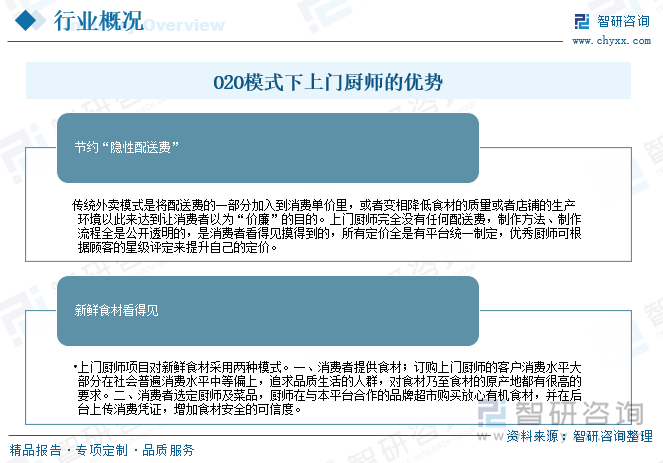
Core Insights - The O2O (Online to Offline) model integrates offline business opportunities with online platforms, allowing consumers to invite professional chefs to their homes for customized meal preparation, thus providing a personalized and high-quality dining experience [1][4][17] - The chef-on-demand O2O industry in China is projected to grow significantly, with market size expected to increase from 540 million yuan in 2015 to 1.19 billion yuan in 2024, and further to 1.37 billion yuan by 2025, indicating a robust growth trajectory over the next decade [1][4][17] Industry Definition and Advantages - The O2O model is not limited to retail but is widely applicable across various sectors, including dining, tourism, education, and healthcare, leveraging the speed and effectiveness of online platforms to connect skilled chefs with consumers [2][4] - The chef-on-demand service model addresses the growing demand for healthy and personalized dining experiences among middle to high-income groups, especially in the context of rising living standards and concerns over food safety [4][17] Industry Chain - The industry chain consists of three main segments: upstream (chef resources, ingredient supply, kitchen equipment), midstream (O2O platform service providers), and downstream (household users, corporate clients, event planners) [7] Competitive Landscape - The chef-on-demand O2O market is becoming increasingly competitive, with numerous players entering the space, including individual chefs, professional private chef teams, and traditional restaurant businesses expanding their services [9] - Key platforms in the market include Ai Da Chef, Good Chef, Swan Home, 51 Chef, Qing Chef Home, Big Chef Home, and Youcai Youfan, each offering various services and catering to different consumer needs [9][12][14] Development Trends - The rise of the "lazy economy" and the increasing demand for convenience among consumers are driving the growth of the chef-on-demand O2O industry, particularly among high-income groups seeking time-saving and experiential dining options [17] - The aging population is also contributing to the demand for chef services, as elderly individuals may require assistance with cooking [17] - The trend towards personalized dining experiences for family gatherings, business events, and private parties is expected to further fuel the growth of this industry, positioning chef-on-demand services as a premium alternative to industrialized meal solutions [17]

财经观察:关税挑战下,跨境电商得与失
Huan Qiu Shi Bao· 2025-06-05 22:52
Core Viewpoint - The Chinese cross-border e-commerce industry is experiencing a shift in dynamics due to new tariff policies implemented by the US, EU, and Japan, prompting platforms and merchants to adjust their strategies and enhance competitiveness [1][4]. Group 1: Market Trends - The European market is emerging as a new opportunity for Chinese cross-border e-commerce, with a focus on products catering to the "silver economy," "lazy economy," environmental travel, safety concerns, and silent travel [2][4]. - Advertising expenditures by Chinese platforms like Temu and Shein in Europe have surged, with EU countries seeing a 12-fold increase in monthly ad spending [4]. Group 2: Tariff Impacts - The US has reduced tariffs on small packages from 120% to 54% for items valued under $800, while maintaining a fixed fee of $100 for packages [4][5]. - The EU has proposed a €2 fixed fee for small packages sent to consumers, affecting 4.6 billion packages, 91% of which originate from China [5][6]. Group 3: Business Model Adjustments - Chinese platforms are adapting by increasing local warehousing in the US and exploring traditional logistics models similar to Amazon [7]. - The "double clearance and tax" model is being adopted by many merchants to manage logistics costs effectively [8]. Group 4: Consumer Reactions - Consumers in Europe express dissatisfaction with potential new taxes, fearing increased prices for goods that have previously been affordable through Chinese platforms [6]. - Despite price increases, some consumers continue to prefer Chinese e-commerce platforms due to their competitive pricing compared to local alternatives [8]. Group 5: Future Outlook - The overall growth of Chinese cross-border e-commerce remains strong, particularly in Southeast Asia, with ongoing improvements in product quality and design [8]. - The industry is focused on enhancing logistics and distribution systems to facilitate a shift from "buying globally" to "selling globally" [8].

擦窗机器人:下一个扫地机?
机器人大讲堂· 2025-06-04 11:20
Core Viewpoint - The article highlights the rapid transformation and growth of the window cleaning robot market in China's home service industry, driven by technological advancements and changing consumer preferences towards automation and efficiency [3][12]. Group 1: Market Dynamics - The home service market in China is projected to exceed one trillion yuan, with a significant shift towards smart devices, as the penetration rate is expected to reach 38% by 2024, an increase of 27 percentage points over three years [3]. - The market for window cleaning robots is anticipated to surpass 1 billion yuan in 2024, with a year-on-year growth of 35.7%, and the first quarter of 2025 has already seen a market size of 430 million yuan, reflecting a 43.3% increase [3]. - The demand for window cleaning robots is fueled by urbanization and the "lazy economy," with the number of high-rise buildings increasing by 2.4 times over five years, and younger generations willing to pay a premium for risk-free services [3][12]. Group 2: Technological Advancements - Major manufacturers like Ecovacs have significantly improved their window cleaning robots, with the latest model cleaning 1 square meter in just 7 minutes compared to 1 hour for the first generation [5]. - The introduction of advanced algorithms and multi-dimensional sensor integration has enhanced the efficiency and safety of these robots, with Ecovacs achieving a market share of 62.3% in Q1 2025 [10][11]. - The technology has evolved to include features such as automatic route planning, window frame detection, and strong suction to prevent falls, which has increased consumer trust [6][7]. Group 3: Industry Challenges - The industry faces challenges from low-cost, low-quality products flooding the market, leading to a significant drop in average prices from 1599 yuan to 998 yuan in 2024, which has pressured legitimate manufacturers to cut R&D investments [12][16]. - Consumer complaints regarding low-quality machines have surged, with a 120% increase in complaints in 2024, primarily related to low-priced white-label products [16]. - The lack of effective national standards for window cleaning robots has raised safety concerns, as evidenced by incidents involving product failures [16][18]. Group 4: Future Outlook - The introduction of performance grading standards by the China Household Electrical Appliances Association in 2025 is expected to help regulate the industry and improve product quality [17]. - Despite the challenges, the window cleaning robot market is positioned for growth, with the potential for vertical innovation to create a multi-billion yuan market [20].


牛油果遇冷门,进口商亏惨?网友列出4个关键因素
Sou Hu Cai Jing· 2025-06-04 02:42
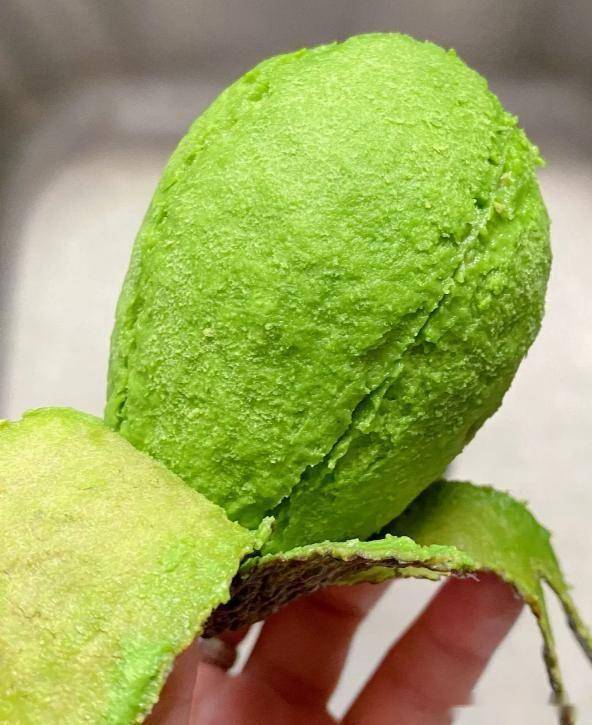
Core Insights - The article discusses the decline in popularity of avocados, once considered a "superfood," and explores the reasons behind this shift in consumer behavior [1] Group 1: Consumer Pain Points - Pain Point 1: High Prices - The cost of imported avocados remains high, making them less appealing compared to other fruits, leading consumers to reconsider their purchases [3] - Pain Point 2: Preparation Difficulty - The complexity of preparing avocados, including determining ripeness and dealing with the large pit, discourages consumers who prefer convenience [4] - Pain Point 3: Taste Controversy - Avocados have polarized opinions; while some enjoy their creamy texture, others find them bland, which affects their marketability [5] - Pain Point 4: Rise of Alternatives - New health-focused food options are emerging, offering convenience and better taste, which diminishes avocados' competitive edge [7] Group 2: Market Dynamics - The avocado market is experiencing a shift as consumer preferences become more rational and focused on practicality, indicating a need for the industry to adapt [9] - Future strategies may include optimizing supply chains, reducing costs, and introducing pre-processed avocado products to address consumer pain points [9] - The avocado's journey reflects broader trends in the food industry, emphasizing the importance of meeting consumer desires for ease and satisfaction [9]
扫地机器人苦寻新引擎,大疆们却已攻入腹地
3 6 Ke· 2025-05-30 12:30
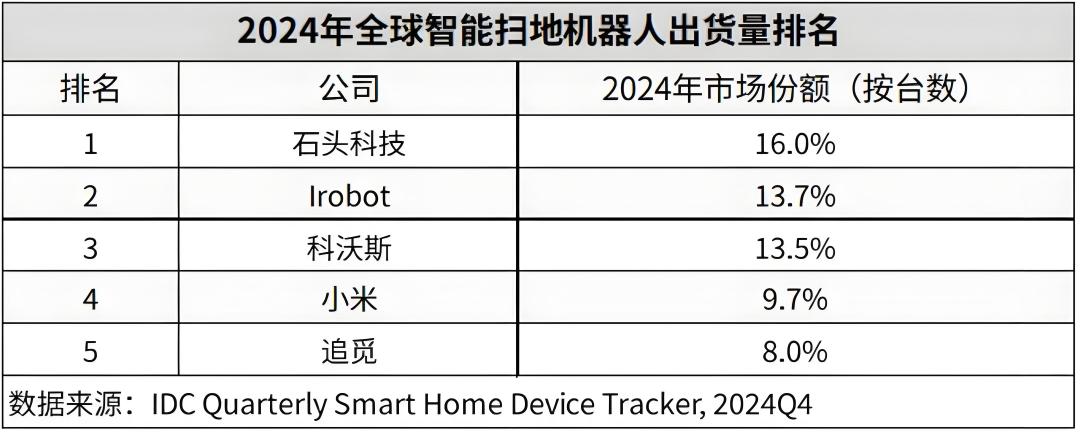
Core Viewpoint - The entry of DJI into the competitive vacuum robot market introduces a new variable, as the company leverages its extensive experience in technology and innovation from the drone industry to potentially disrupt the existing players [1][3][18]. Market Landscape - The global smart vacuum robot market is dominated by Chinese companies, with the top five brands in 2024 being all Chinese, collectively holding a market share of 47.2% [1][2]. - The leading companies include Stone Technology (16.0%), iRobot (13.7%), Ecovacs (13.5%), Xiaomi (9.7%), and Dreame (8.0%) [2]. Competitive Dynamics - The competition among leading companies has intensified, leading to increased R&D and marketing expenses, which have constrained growth [3][9]. - Stone Technology and Ecovacs have faced profitability challenges, with Ecovacs experiencing a net profit decline of over 60% in 2023, while Stone Technology reported a slight decrease in net profit despite significant revenue growth [7][9]. Innovation and Growth Strategies - Companies are exploring new business avenues to find growth engines, with Stone Technology venturing into washing machines and Ecovacs expanding into multifunctional robots [9][11]. - The entry of new players like DJI and traditional appliance giants such as Midea and Haier into the vacuum robot market is expected to heighten competition [16][18]. Market Potential - The vacuum robot market is projected to grow significantly, with retail sales expected to reach approximately 16.5 billion yuan in 2024, reflecting a year-on-year increase of over 45% [19]. - The current market penetration of vacuum robots in China is relatively low, at around 5%-6%, indicating substantial growth potential [24]. Strategic Considerations - Existing players must balance defending their market share while innovating to avoid being surpassed by new entrants [20][27]. - The emergence of new competitors may accelerate technological advancements and product innovation within the industry [27].


蜜雪冰城转行做菜?4元柠檬水捞汁小海鲜,雪王要被玩坏了……
3 6 Ke· 2025-05-21 04:03
Core Viewpoint - The article discusses the recent trend of using milk tea as a cooking ingredient, particularly highlighting the popularity of "Xue Wang" (a product from Mi Xue Ice City) in various recipes shared on social media platforms like Xiaohongshu, indicating a shift in consumer behavior towards convenience and creativity in cooking [1][30]. Group 1: Market Trends - There is a fierce price competition among food delivery platforms, with milk tea prices dropping significantly, leading to a surge in creative uses of milk tea in cooking [1]. - Young consumers are increasingly looking for innovative ways to use milk tea, transforming it from a beverage into a cooking ingredient, as evidenced by the popularity of recipes like "Xue Wang version sour soup beef" [1][30]. Group 2: Consumer Behavior - The trend reflects a broader "lazy economy" where consumers prefer convenience, with Mi Xue Ice City providing ready-to-use flavoring products that simplify cooking [30]. - The phenomenon is also driven by social media engagement, where users share their cooking experiences, creating a sense of community and trend around using milk tea in recipes [30][34]. Group 3: Product Innovation - Mi Xue Ice City has expanded its product line to include ingredients that can be used in cooking, such as lemon water and fruit teas, which are marketed as convenient cooking solutions [30]. - The company has established its own lemon planting base and produces its own fruit jams and teas, enhancing product quality and reducing reliance on external suppliers [30].

2025年中国外卖行业发展历程、产业链、发展现状、重点企业及未来趋势研判:网上外卖用户规模持续增长,外卖市场规模突破万亿元[图]
Chan Ye Xin Xi Wang· 2025-05-13 01:33
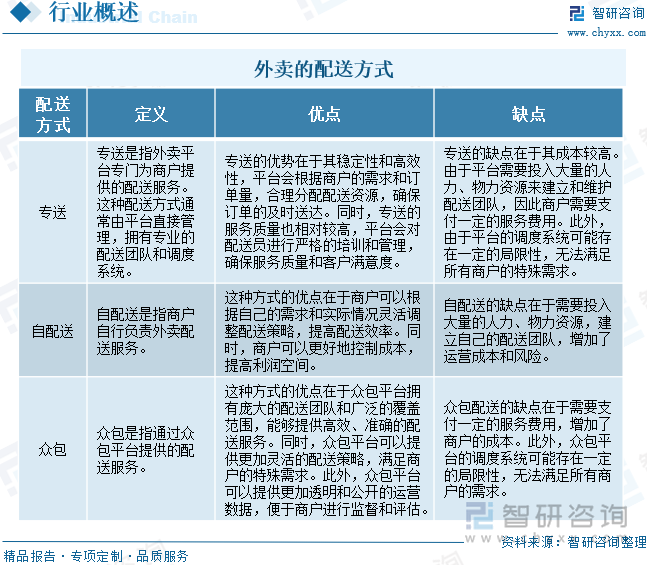
Core Insights - The takeaway from the articles is that the food delivery industry in China has expanded significantly beyond just restaurant meals to include a wide range of products such as groceries, beauty products, and more, becoming a crucial part of daily life for many consumers [1][17]. Industry Overview - The food delivery market in China has grown from CNY 301.29 billion in 2017 to CNY 1,635.7 billion in 2024, with a compound annual growth rate (CAGR) of 27.34% [1][17]. - The penetration rate of the industry has increased from 7.6% in 2017 to 28% in 2024, indicating a growing acceptance and reliance on food delivery services [1][17]. - The industry is driven by the fast-paced lifestyle of urban professionals and students, making food delivery a daily necessity [1][17]. Development Background - The per capita consumption expenditure in China is projected to reach CNY 28,227 in 2024, with food and beverage spending accounting for 29.8% of this figure [10]. - The growth in consumer spending, particularly in food and beverages, reflects an overall increase in consumer purchasing power and a shift in consumption patterns, further supporting the expansion of the food delivery sector [10]. Current Market Status - The restaurant industry in China saw revenues of CNY 4.67 trillion in 2019, with a recovery trend post-COVID-19 leading to projected revenues of CNY 5.62 trillion in 2024 [12]. - The online food delivery user base reached 592 million by the end of 2024, representing 53.4% of the total internet users in China [13]. Competitive Landscape - Major players in the market include Meituan-W, Ele.me, and JD Group, each offering unique services and focusing on different market segments [19][20]. - Meituan-W leads the market with comprehensive food search and delivery services, while Ele.me has expanded into new retail and instant delivery services [19][20]. - JD Group launched its food delivery service in 2025, focusing on chain brands and leveraging its logistics capabilities [19][20]. Delivery Methods - The food delivery industry employs three main delivery methods: dedicated delivery, self-delivery, and crowdsourced delivery, each with its own advantages and disadvantages [4]. - Dedicated delivery offers stability and efficiency but comes with higher costs, while self-delivery allows merchants to control costs but requires significant resource investment [4]. - Crowdsourced delivery provides flexibility and a large delivery network but may incur additional costs for merchants [4]. Future Trends - The "lazy economy" is driving the growth of the food delivery market as consumers increasingly prefer convenience over traditional shopping methods [26]. - The industry is also seeing advancements in delivery technology, including contactless delivery options and the introduction of autonomous delivery vehicles [27]. - The range of products available for delivery is diversifying, moving beyond food to include everyday essentials and other categories, reflecting changing consumer needs [28].


拆解石头科技 (688169.SH)最新季报:营收持续高增,多维度斩获成长力
智通财经网· 2025-05-12 03:14
Core Insights - The smart home industry is rapidly growing, with the global smart vacuum cleaner market expected to ship 20.6 million units in 2024, a year-on-year increase of 11.2%, and sales revenue reaching $9.31 billion, up 19.7% [1] - Roborock Technology (688169.SH) reported a significant revenue increase of 86.22% year-on-year in Q1 2025, achieving revenue of 3.428 billion yuan and a net profit of 267 million yuan [1][2] - The company's growth is attributed to an expanded product matrix and effective market strategies, enhancing both domestic and international sales [1][2] Industry Overview - The trend of "lazy economy" and "self-care economy" is driving the adoption of smart home devices [1] - The market is expected to evolve towards more intelligent and integrated solutions with the introduction of AI navigation and robotic arms by leading manufacturers in early 2025 [1] Company Performance - Roborock's revenue growth is supported by continuous innovation, including the launch of the G30 Space exploration version vacuum cleaner, which features advanced cleaning technologies [3][4] - The company has also introduced innovative products in the washing machine and floor cleaning sectors, enhancing its product offerings [4] Market Dynamics - The domestic market is benefiting from the "national subsidy" policy, which has expanded the range of eligible appliances, leading to significant growth in vacuum cleaner sales [8] - In Q1 2025, Roborock's vacuum cleaner and washing machine sales increased by 90% and 349% respectively, with a notable market share in both categories [8][10] International Expansion - Roborock has established a strong presence in international markets, achieving the highest global sales volume and revenue in 2024, surpassing iRobot [9] - The company is experiencing rapid growth in Europe, North America, and Asia-Pacific regions, with expected increases of approximately 100% in Europe and 50% in North America in Q1 2025 [9][10] Conclusion - Through technological innovation, targeted market strategies, and global expansion, Roborock has demonstrated strong growth potential and market share enhancement in Q1 2025 [11] - The company's long-term value is supported by its robust technological foundation and leadership position in the industry [11]
90后当起“做饭阿姨”,不打卡月入上万
创业邦· 2025-05-10 10:11
Core Viewpoint - The domestic service industry is undergoing a transformation driven by the "lazy economy," with a notable increase in younger individuals entering the field, leading to new service categories and changing perceptions of the industry [4][20][30]. Group 1: Industry Trends - The emergence of new roles such as "cooking aunties" and "organizers" reflects a shift in consumer preferences and the redefinition of traditional domestic services [4][6]. - The average age of domestic service workers has decreased from the 50s to around 40, attributed to improved industry wages and the introduction of roles appealing to younger generations [4][20]. - The domestic service market is projected to grow, with revenues expected to reach 1.16 trillion yuan in 2023 and 1.23 trillion yuan in 2024 [32]. Group 2: Young Professionals in the Industry - Young professionals are finding success in the domestic service sector, with individuals like Wei Li earning over 10,000 yuan monthly by providing cooking services [8][17]. - Ma Ge, a former gym sales manager, transitioned to domestic services and now leads a team of male cleaners, demonstrating the versatility and potential for income in this field [9][14]. - Da Lulu, who started a professional organizing business, achieved annual sales of over 1 million yuan, showcasing the entrepreneurial opportunities within the industry [16][17]. Group 3: Consumer Demand and Trust - There is a growing demand for domestic services, with many young workers finding stable employment and flexible schedules, leading to a positive outlook on the industry [20][25]. - Trust between service providers and clients is crucial, with many workers developing long-term relationships with their customers, resulting in repeat business and referrals [28][29]. - The acceptance of domestic services is increasing, with clients willing to invest in professional help for household tasks, indicating a shift in consumer behavior [32][34]. Group 4: Skills and Training - Despite the low entry barriers, success in the domestic service industry requires hard work, emotional intelligence, and continuous learning [29][33]. - Professionals like Ma Ge and Da Lulu emphasize the importance of skill development and training to meet rising client expectations and enhance service quality [29][33]. - The industry is evolving, with workers diversifying their services and creating additional revenue streams, such as health food preparation and training programs [34][36].

90后当“阿姨”,不打卡月入上万
投中网· 2025-05-08 02:23
Core Viewpoint - The home service industry is experiencing a transformation driven by younger generations entering the field, leading to new job roles and increased demand for services like cooking and organizing [5][17][30]. Group 1: Industry Trends - The home service industry has seen the emergence of new roles such as "cooking aunties" and "organizing specialists," reflecting a shift in consumer preferences towards healthier and more personalized services [5][6][8]. - The average cost of hiring a cooking service is around 2000 yuan per month, comparable to ordering takeout, but with significant health benefits [6]. - The average age of home service workers has decreased from the 50s to around 40, indicating a trend towards younger professionals entering the industry [6][17]. Group 2: Success Stories - Young professionals in the home service sector are achieving significant financial success, with some earning over 10,000 yuan per month through services like cooking and organizing [10][15]. - A 90s-born entrepreneur in organizing has built a company with annual sales exceeding 1 million yuan, showcasing the potential for growth in this sector [15][27]. - Workers are finding fulfillment and better work-life balance, with many reporting increased income and job satisfaction compared to previous careers [7][19]. Group 3: Market Potential - The home service market is projected to reach 1.16 trillion yuan in revenue in 2023, with expectations to grow to 1.23 trillion yuan in 2024, indicating a robust demand for services [27]. - Recent government policies are supporting the growth of the home service industry, enhancing service quality and expanding consumer awareness [26][27]. - The industry is becoming increasingly competitive, but those with good reputations and service quality are in high demand, often receiving clients through referrals rather than extensive advertising [21][22]. Group 4: Challenges and Skills - Despite the low entry barriers, success in the home service industry requires hard work, emotional intelligence, and a willingness to learn [27][28]. - Professionals are investing in training and skill development to meet rising client expectations and to differentiate themselves in a crowded market [28][29]. - The industry is evolving, with workers diversifying their services and creating additional revenue streams, such as health food preparation and training programs [29].