
技术驱动

Search documents
中海油田服务(02883) - 2025年半年度报告
2025-08-26 08:52
中海油田服務股份有限公司 CHINA OILFIELD SERVICES LIMITED (於中華人民共和國註冊成立之股份有限公司) (股票代號:2883) 海外監管公告 本公告乃根據《香港聯合交易所有限公司證券上市規則》第13.10B條 規定而作出。 2025年8月26日 於本公告日期,本公司執行董事為趙順強先生(董事長)、盧濤先生 及肖佳先生;本公司非執行董事為范白濤先生及劉秋東先生;本公司 獨立非執行董事為趙麗娟女士、郭琳廣先生及姚昕先生。 中海油田服务股份有限公司 2025 年半年度报告 公司代码:601808 公司简称:中海油服 中海油田服务股份有限公司 2025 年半年度报告 1 / 135 中海油田服务股份有限公司 2025 年半年度报告 重要提示 一、 本公司董事会、监事会及董事、监事、高级管理人员保证半年度报告内容的真实性、准确性、 完整性,不存在虚假记载、误导性陈述或重大遗漏,并承担个别和连带的法律责任。 二、 未出席董事情况 | 未出席董事职务 | 未出席董事姓名 | 未出席董事的原因说明 | 被委托人姓名 | | --- | --- | --- | --- | | 董事 | 卢涛 | ...

凯莱英(06821) - 2025年半年度报告摘要
2025-08-25 13:58
香港交易及結算所有限公司及香港聯合交易所有限公司對本公告的內容概不負責,對其 準確性或完整性亦不發表任何聲明,並明確表示,概不對因本公告全部或任何部份內容 而產生或因倚賴該等內容而引致的任何損失承擔任何責任。 Asymchem Laboratories (Tianjin) Co., Ltd. 凱萊英醫藥集團(天津)股份有限公司 茲載列本公司在深圳證券交易所網站刊登的以下資料中文全文,僅供參閱。 承董事會命 凱萊英醫藥集團(天津)股份有限公司 Hao Hong博士 董事長、執行董事兼首席執行官 中國天津,二零二五年八月二十五日 (於中華人民共和國註冊成立的股份有限公司) 於本公告日期,本公司董事會由董事長兼執行董事 Hao Hong 博士,執行董事楊蕊女 士、張達先生及洪亮先生,非執行董事 Ye Song 博士及張婷女士,以及獨立非執行董 事孫雪嬌博士、侯欣一博士及謝維愷先生組成。 (股份代號:6821) 海外監管公告 本海外監管公告乃由本公司根據香港聯合交易所有限公司證券上市規則第 13.10B 條作 出。 凯莱英医药集团(天津)股份有限公司 2025 年半年度报告摘要 2025 年半年度报告摘要 1 凯莱英 ...
珠海冠宇(688772.SH):上半年净利润1.17亿元 同比上升14.77%
Ge Long Hui A P P· 2025-08-25 11:23
Core Viewpoint - The company, Zhuhai Gree (688772.SH), reported a solid performance in the first half of 2025, achieving revenue growth and profit increase despite facing a challenging external environment and intensified market competition [1] Financial Performance - The company achieved total operating revenue of 609,762.57 million yuan, representing a year-on-year increase of 14.03% [1] - The net profit attributable to the parent company was 11,682.41 million yuan, reflecting a year-on-year growth of 14.77% [1] Strategic Focus - The company is concentrating on core business development and deepening market expansion while successfully introducing new technologies [1] - The company has made significant progress in new project initiatives and effectively expanded new business areas, resulting in an increase in customer share [1] Operational Improvements - The company has been enhancing its operational quality through a systematic approach, focusing on technology-driven strategies and increasing R&D investment [1] - Continuous improvement in cost management has been a priority, leading to ongoing cost reduction and efficiency enhancement [1]

全国最有钱的人,怎么流行买国产豪车了?
创业邦· 2025-08-21 03:47
Core Viewpoint - The luxury car market is experiencing a shift as new domestic brands like NIO, Xiaomi, and others enter the high-end segment, targeting wealthy consumers with unique marketing strategies that emphasize identity and status rather than just transportation [6][11][14]. Group 1: Market Dynamics - The introduction of new luxury models priced between 500,000 to 1,000,000 yuan has changed consumer preferences, with events like private appreciation meetings becoming key marketing strategies [6][7][11]. - NIO's ET9 sold 835 units in its first full delivery month, outperforming competitors like BMW 7 Series and Audi A8L, indicating a growing acceptance of domestic luxury brands [9][12]. - The emergence of new wealthy consumers is altering the luxury car landscape, with a focus on high value and performance at competitive prices [14][21]. Group 2: Consumer Behavior - The profile of luxury car buyers is evolving; new buyers are often tech-savvy individuals who prioritize technology and performance over traditional brand prestige [22][29]. - Many new luxury car owners are less concerned with status symbols and more focused on the practicality and technology of their vehicles, reflecting a shift in consumer values [27][30]. - The new generation of luxury car buyers often has a personal connection to the brands, valuing the stories and backgrounds of the founders [31][32]. Group 3: Product Features - New luxury cars are characterized by larger sizes, advanced technology, and high-quality materials, appealing to affluent consumers' desire for both space and luxury [15][16][20]. - The focus on interior luxury includes the use of premium materials like crystal, marble, and Nappa leather, creating a home-like atmosphere within the vehicle [16][17]. - Technological advancements in new luxury cars, such as NIO's extensive sensor suite and Xiaomi's performance capabilities, are key selling points that attract buyers [29][30].




腾讯系资本入股3年后,三星财险“技术豪赌”赢了?
Mei Ri Jing Ji Xin Wen· 2025-08-06 16:54
Core Viewpoint - The strategic investment by Tencent in Samsung Property Insurance marks a significant shift from a wholly foreign-owned model to a joint venture, emphasizing technological transformation and operational efficiency in a competitive insurance market [1][2][4]. Group 1: Strategic Investment and Governance - In August 2022, Tencent's subsidiary invested approximately 280 million yuan, acquiring a 32% stake in Samsung Property Insurance, making it the second-largest shareholder [1]. - Following the investment, Tencent's senior advisor, Ren Huichuan, was appointed as the interim head and later as the chairman of Samsung Property Insurance, steering the company towards a technology-driven strategy [1][2]. Group 2: Technological Transformation - Samsung Property Insurance initiated a comprehensive cloud migration plan supported by Tencent Cloud, becoming the first domestic property insurance company to fully migrate its core systems to the cloud [1][3]. - The company transitioned its core database from Oracle to Tencent's domestic database TDSQL-PG, marking a significant technological upgrade [1]. - By 2025, the company aims to establish a cloud disaster recovery center and reduce operational costs by nearly 15% through system integration [2]. Group 3: Business Performance and Growth - In 2024, Samsung Property Insurance reported insurance business revenue of 2.132 billion yuan, a 93% increase from 1.102 billion yuan in 2023, indicating a strong growth trajectory [4]. - The company diversified its product offerings, with return freight insurance becoming the largest product by premium income, surpassing 400 million yuan, and liability insurance growing over threefold [4]. Group 4: Competitive Landscape and Operational Efficiency - The insurance industry is increasingly competitive, necessitating a blend of business model innovation and IT technology integration for survival [4][5]. - The shift to a cloud-native architecture allows for elastic resource scaling, addressing challenges related to fragmented consumer behavior and fluctuating demand [5]. - AI integration in operations, such as automated quality inspections, can significantly reduce costs by 50% to 60%, enhancing operational efficiency [5]. Group 5: Future Outlook - While the technological investments have led to cost structure optimization, Samsung Property Insurance remains in a "revenue without profit" state, raising questions about the future conversion of cost savings into profit growth [6].

技术驱动绿色转型,临清德汇纺织力争让每根棉纱都承载生态责任
Qi Lu Wan Bao Wang· 2025-07-30 10:47
Core Insights - The company, Dehui Textile, has established itself as a comprehensive enterprise in the textile industry, focusing on cotton procurement, spinning production, and textile sales since its inception in January 2013 [1] - Dehui Textile emphasizes sustainable development driven by technology, aiming for a green transformation in its operations [3] Group 1: Company Overview - Founded in 2013, Dehui Textile is located in Shandong Province with a registered capital of 33.5 million yuan and occupies an area of 65,000 square meters [1] - The company has developed a spinning capacity of 100,000 spindles and an annual production capacity of 9,000 tons of combed cotton yarn, specializing in high-end yarn products [1] Group 2: Technological Advancements - Dehui Textile has invested in 7 full-process dust removal systems, reducing dust concentration in workshops to 30% below national standards, and aims to pass provincial "green factory" preliminary review in 2024 [6] - The company has implemented automation upgrades, reducing labor in the yarn winding process from 12 to 4 workers and decreasing energy consumption by 15% per 10,000 spindles per hour [7] Group 3: Market Strategy - Dehui Textile's quality tracking system ensures consistency in raw materials and has achieved a 99.9% product quality rate, leading to increased customer satisfaction and repeat orders [8] - The company plans to expand its low-energy consumption spinning lines by 50,000 spindles over the next three years, reinforcing its commitment to ecological responsibility [8]
文旅视频消费者调研报告
艾瑞咨询· 2025-07-27 13:45
Core Insights - Travel video content has become a significant factor influencing consumer travel decisions, establishing an efficient conversion pathway from content browsing to actual travel [1][2] - High conversion rates are observed, with 96.43% of users developing travel ideas after watching travel videos, and 72.62% eventually traveling, indicating a short decision-making cycle [1][25] - The primary user demographic consists of young adults aged 25-44, accounting for 72.98% of users, with a significant portion from first-tier and new first-tier cities [1][4] User Profile Analysis - Users exhibit a "three high" characteristic: high-tier cities, high income, and high frequency of consumption [3] - Gender distribution is relatively balanced, with a slight female majority (51.86% vs 48.14%) [4] - Monthly income above 8000 yuan is reported by 52.17% of users, indicating strong purchasing power [4][8] Content Preferences and Platform Behavior - Users prefer authentic experience content, with 80.59% favoring real experience Vlogs, and high demand for natural scenery, local cuisine, and historical culture [9][10] - The distribution of content platforms is decentralized, with Douyin having the highest usage rate (66.93%), followed by Xiaohongshu (45.03%) and OTA platforms (47.83%) [13][19] - Users primarily access content through daily recommendations (65.84%) and active searches (65.99%), highlighting the importance of content exposure and word-of-mouth [13][18] Conversion Pathway - The travel video content exhibits a strong "grass-planting" effect, with 96.43% of users developing travel ideas from videos, and 72.62% taking actual trips [25][29] - Key drivers for travel interest include beautiful scenery and food (59.74%), practical travel tips (54.59%), and unique experiences (46.86%) [29] - Despite high conversion rates, barriers exist, such as perceived insufficient or impractical information (34.78%) and lack of novelty (17.39%) [33][35] Consumer Behavior - A clear trend towards mid-to-high-end consumption is noted, with the highest single travel budget range being 3001-5000 yuan (38.66%) [39] - OTA platforms are the most utilized for bookings (66.61%), with WeChat mini-programs (52.95%) and official channels (52.33%) also significant [42] Pain Points and Demand - Users express concerns about "pitfall risks" (59.16%) and low experience satisfaction (55.12%), indicating a demand for improved authenticity and practical advice [44][45] - The need for intelligent services is emerging, with expectations for features like crowd predictions and pitfall warnings [48] Technology Acceptance - There is a high interest in VR/AR technologies, with 83% of users expressing interest in pre-decision experiences [51][57] - AI tools are increasingly used for trip planning, with 20.03% of users employing AI for content verification [55] Industry Trends - The evolution of content is shifting from mere traffic attraction to emphasizing authenticity and depth of experience [58] - The integration of VR/AR and AI technologies is reshaping user experiences and industry dynamics, driving a shift towards intelligent and personalized services [60] - The industry is moving towards a comprehensive model combining content, services, and technology, creating a complete conversion loop from exposure to booking [61][62]

日本Seven银行们的颠覆性启示:谁来拯救低利率时代?
3 6 Ke· 2025-07-25 04:14
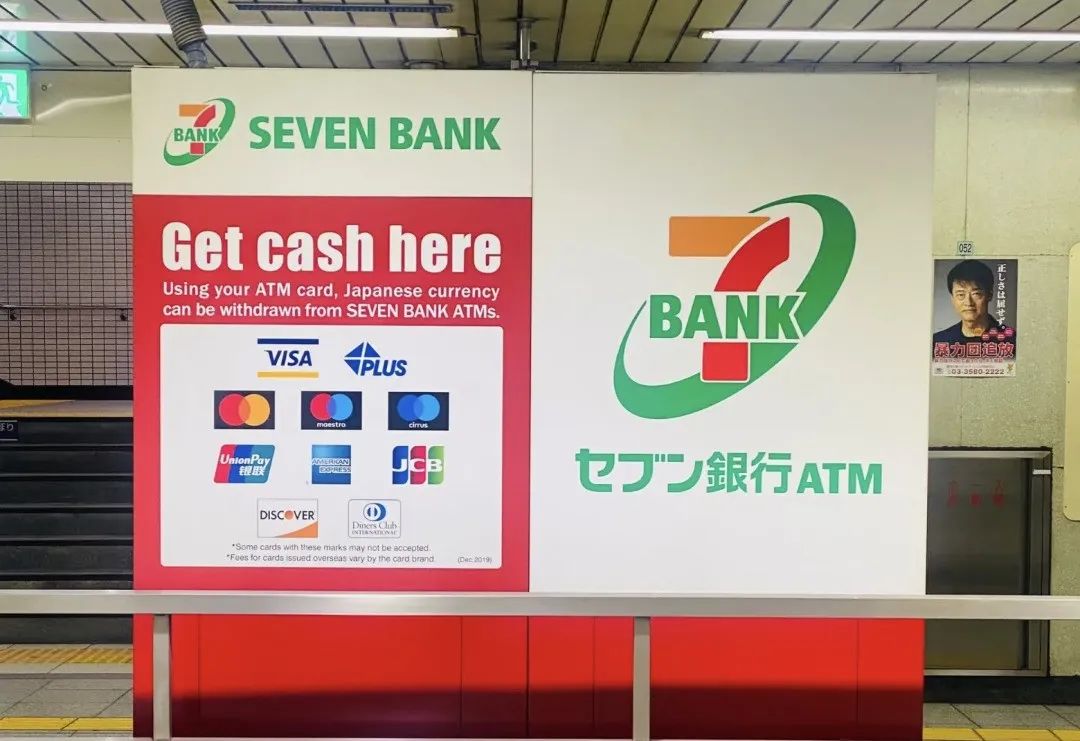
Core Viewpoint - The Bank of Japan has ended its eight-year negative interest rate policy, raising the benchmark rate from -0.1% to a range of 0%-0.1%, yet the banking sector continues to face long-term low-interest challenges [1] Group 1: Japanese Banking Sector Challenges - Japan's net interest margin (NIM) has remained below 1% since the 1990s, with an average NIM of approximately 0.6%-0.8% in 2024, significantly lower than the U.S. banking sector's 2.6%-3.2% and China's 1.5%-1.6% [1] - The challenge for global banking is to create value in a low-interest environment, as highlighted by the case of Seven Bank [1] Group 2: Seven Bank's Unique Model - Seven Bank, controlled by convenience store giant 7-11, has successfully embedded ATMs in over 30,000 stores, creating a financial service network within a "3-kilometer living circle" [2] - The cost structure of Seven Bank's ATMs is significantly lower, with operational costs reduced to 40,000 yen per unit compared to 120,000 yen for traditional banks, resulting in total operational costs being only 30%-40% of traditional banks [2] Group 3: Transaction Frequency and Revenue Growth - Seven Bank's ATMs have an average daily transaction volume exceeding 100, with peak hours accounting for 35% of transactions, leading to a rise in fee income from 12% in 2010 to 38% in 2024, surpassing the average of 18%-20% in the Japanese banking sector [3] - The bank's cross-subsidy model, allowing customers to redeem convenience store points for banking fees, has increased customer visit frequency from 0.8 to 3.2 times per month [4] Group 4: Adaptation to Aging Population - Seven Bank initiated a "zero-step outlet" plan in 2015 to cater to Japan's aging population, featuring adjustable counter heights and simplified transaction processes [6] - These adaptations have resulted in a 78% usage rate among elderly customers and a 31% increase in their assets under management (AUM) [7] Group 5: AI and Service Efficiency - Mizuho Bank's hybrid service model combines AI and human agents to enhance customer service efficiency, reducing wait times from 8 minutes to 2 minutes while only increasing labor costs by 12% [7] - Mitsubishi UFJ's "family financial advisor" model integrates family account information to provide tailored financial products, increasing account penetration rates significantly [9] Group 6: Implications for Chinese Banking - China's banking sector is experiencing a decline in NIM, projected to fall to 1.40%-1.43% by mid-2025, narrowing the gap with Japan's NIM [11] - Chinese banks face challenges such as excessive focus on physical branches and fragmented technology investments, which hinder their ability to create a cohesive ecosystem [12] Group 7: Strategic Opportunities for Chinese Banks - Chinese banks can adopt localized models similar to Seven Bank by partnering with chain supermarkets to create a "15-minute financial service circle" [13] - Implementing tiered AI services can cater to different age demographics, while a points system for purchasing retirement financial products can create a financial-consumption-elderly care loop [15] Group 8: Future Directions in Technology - The deployment of low-cost sensors for real-time monitoring of branch traffic and service peaks can optimize resource allocation [16] - Introducing multifunctional robots in branches can streamline standard inquiries and guidance [17] - Exploring brain-computer interface technology for enhancing customer experience through emotion recognition can be a forward-looking strategy [18] Conclusion - The practices of the Japanese banking sector illustrate that in a low-interest environment, monopolistic scenarios, technological penetration, and ecosystem collaboration will form a new competitive triangle, presenting a strategic opportunity for Chinese banks to shift from a scale-oriented to a value-oriented approach [19]

【西街观察】外卖大战不玩“0元购”玩什么
Bei Jing Shang Bao· 2025-07-24 14:53
Core Viewpoint - The competition in the food delivery industry is evolving from a price war to a more sustainable model that emphasizes technology, supply chain capabilities, and user experience rather than solely relying on subsidies and discounts [1][2][4]. Group 1: Regulatory Environment - Following discussions with the State Administration for Market Regulation, local market regulators are urging food delivery platforms to rectify their practices, particularly targeting chaotic price wars, such as the complete removal of "0 yuan purchase" promotions in Shanghai [1]. - The shift in focus from aggressive subsidies to more reasonable pricing strategies is necessary for the industry's long-term health [2]. Group 2: Competitive Strategies - The competition is expected to transition towards a systematic approach that integrates technology, supply chain efficiency, delivery effectiveness, and enhanced user experience [2]. - Platforms are encouraged to utilize data and AI to create differentiated subsidy strategies that consider the operational costs and capabilities of various merchants [2]. Group 3: Innovations and New Models - New initiatives like Meituan's "Raccoon Canteen" and JD's "Seven Fresh Kitchen" are emerging, leveraging their supply chain resources to connect high-quality dining brands with consumers, thus ensuring quality in food delivery [3]. - The industry is witnessing a resurgence in competition, with a focus on innovative solutions rather than just price reductions, as the market for instant retail in China expands [4].
从券商研报看新消费下半场:增长潜力充足
Zhong Guo Zheng Quan Bao· 2025-07-15 20:57
Core Insights - The growth of new consumption sectors is driven by technological advancements and emotional value, with significant retail growth observed in sports goods (22.2% YoY) and gold and jewelry (11.3% YoY) [1] - New consumption trends are characterized by the rise of brands in the tea beverage sector, collectibles, and personalized products, indicating a shift towards consumer-centric offerings [2][3] Group 1: New Consumption Trends - New consumption sectors such as trendy toys, pet products, and new tea beverages are gaining traction, supported by favorable policies and consumer demand for personalized and diverse offerings [1][2] - The emergence of brands like Pop Mart, Lao Pu Gold, and Mixue Group highlights the potential of the trendy toy, gold jewelry, and new tea beverage industries [1] Group 2: Consumer Behavior and Demographics - The shift in consumer demographics, particularly the rise of Generation Z and the elderly population, is driving demand for personalized and quality products [3] - The elderly demographic is influencing growth in healthcare, wellness services, and companionship consumption, while the younger generation is increasingly focused on emotional value and self-expression [3] Group 3: Policy Support and Market Dynamics - Government policies, such as the "Consumption Promotion Action Plan," are aimed at supporting new consumption sectors, including digital and AI-driven consumption [3][4] - Continuous policy support is expected to enhance consumer spending power and stimulate demand across various sectors, including traditional categories like gold jewelry and snacks [4] Group 4: Future Outlook - Analysts predict that the overall consumption growth rate will align with nominal GDP growth in the second half of the year, with emotional value-driven consumption expected to withstand economic fluctuations [4]