
绿色算力

Search documents
国内首座压力能零碳数据中心正式启用
Xin Hua Wang· 2025-12-09 01:49
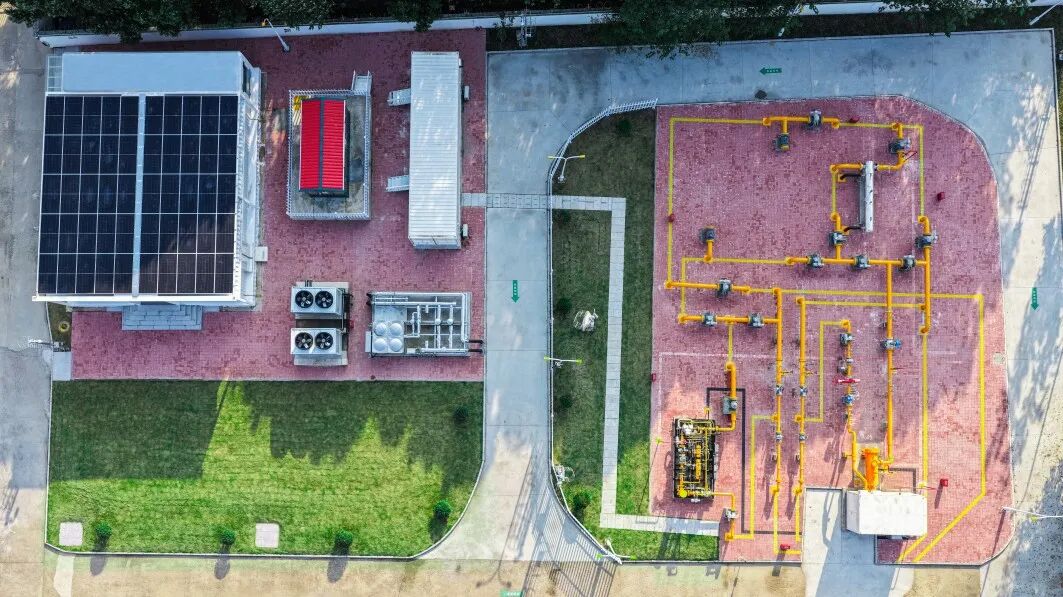
近日,国家管网集团在浙江绍兴正式启用国内首座压力能零碳数据中心,首次将天然气压力能融合应用于数据中心运营,标志着我国算力基础设施在 绿色高效用能领域取得重要突破。 压力能零碳数据中心创新构建"压力能-电能-冷能-算力"一体化协同运行体系,实现天然气压差发电产生的电能和冷能与算力的深度融合,为"人工智能 +"应用发展提供重要支撑,技术及应用水平达到行业领先,填补了国内相关技术领域空白。 相比传统商业数据中心,压力能零碳数据中心不再依赖化石能源发电,而是通过国家管网集团自主研发的静压气浮透平发电一体化装置提供电能,利 用管网输送的天然气,单一股气流同步完成发电、润滑与冷却,真正实现天然气"一气三用",从根本上解决国内天然气余压发电机组结构复杂、运维繁 琐等行业难题。配套撬装冷能利用装置同步输出衍生冷能,实现数据中心供电与供冷的完全自给自足,真正达到运行"零碳化"。项目投运后,年发电量 将突破150万千瓦时每年可节约用电成本超120万元。 压力能零碳数据中心采用两个集装箱模块化机房搭建,配置96面标准机柜,可为集团公司机器视觉平台、生产监控指挥中心等业务系统提供边缘智算 算力支撑,同时满足区域性业务系统算力需求。 ...

锚定新兴产业 多地谋划“十五五”发展路线图
Zhong Guo Zheng Quan Bao· 2025-12-03 20:28
Group 1: Artificial Intelligence Development - Nearly 30 provinces in China have included artificial intelligence in their "14th Five-Year" plans, indicating a significant trend towards new and intelligent industries [1] - Local governments are focusing on establishing technological advantages and expanding international influence in the AI sector, with Beijing aiming to cultivate a leading AI industry ecosystem and Zhejiang promoting an optimal open-source environment [1] - Some regions are exploring the integration of AI with local advantageous industries, such as Inner Mongolia's plan to create a "green computing power + AI" application base [1] Group 2: Sustainable Development of New Energy - Local governments are prioritizing new energy as a key production factor to drive the transformation of traditional industries, with Chongqing aiming to become a global hub for smart connected new energy vehicles [2][3] - The development of new energy industries is expected to shift regional economies from resource-dependent to technology-driven models, enhancing the economic value and sustainability of these regions [3] - Various regions are implementing systematic planning for carbon reduction, with initiatives like Chongqing's comprehensive carbon emission control mechanism and Ningxia's efforts to achieve carbon peak [3]
浙商证券浙商早知道-20251203
ZHESHANG SECURITIES· 2025-12-02 23:30
Market Overview - On December 2, the Shanghai Composite Index fell by 0.42%, the CSI 300 decreased by 0.48%, the STAR 50 dropped by 1.24%, the CSI 1000 declined by 1%, and the ChiNext Index decreased by 0.69%. In contrast, the Hang Seng Index rose by 0.24% [4] - The best-performing industries on December 2 were Oil & Petrochemicals (+0.71%), Light Industry Manufacturing (+0.55%), Home Appliances (+0.43%), Building Materials (+0.32%), and Communications (+0.27%). The worst-performing industries were Media (-1.75%), Nonferrous Metals (-1.36%), Computers (-1.34%), Pharmaceuticals & Biology (-1.23%), and Electric Equipment (-1.18%) [4] - The total trading volume of the A-share market on December 2 was 1,607.3 billion yuan, with net inflow of southbound funds amounting to 4.101 billion HKD [4] Important Recommendations Silver Wheel Co., Ltd. (002126) - The company is a leader in automotive thermal management, expanding into AI liquid cooling and robotics, which presents new growth opportunities. The company is expected to benefit from increased penetration of new energy vehicles and recovery in commercial vehicles [5] - Revenue forecasts for 2025-2027 are 15,210.97 million yuan, 17,951.52 million yuan, and 20,977.59 million yuan, with growth rates of 19.75%, 18.02%, and 16.86% respectively. Net profit forecasts are 973.05 million yuan, 1,254.89 million yuan, and 1,577.07 million yuan, with growth rates of 24.19%, 28.97%, and 25.67% respectively [5] Hangyang Co., Ltd. (002430) - The company is a leading player in the industrial gas sector in China, positioned for both cyclical and growth opportunities. The gas industry is at a cyclical low, with potential for upward performance in the future [6] - Revenue forecasts for 2025-2027 are 15,053 million yuan, 17,137 million yuan, and 19,561 million yuan, with growth rates of 10%, 14%, and 14% respectively. Net profit forecasts are 1,067 million yuan, 1,298 million yuan, and 1,513 million yuan, with growth rates of 16%, 22%, and 17% respectively [8] Key Insights Energy Metals Industry - The lithium industry is expected to enter a supply-demand tight state after 2026, with lithium prices likely to rise significantly, potentially exceeding 100,000 yuan. Investment opportunities in the lithium sector are recommended [9] Green Computing - The report emphasizes the importance of green computing from three dimensions: hardware efficiency, energy efficiency, and application synergy. Short-term focus should be on liquid cooling technology and high-density servers, while long-term attention should be on integrated systems and collaborative platforms [10][11] - The demand for AI model training is driving the need for green transformation, with significant cost pressures on data center operations due to high electricity costs [12]
绿色算力投资手册(下):从硬件能效、节能温控到算能协同、赋能转型,绿色算力各赛道前景广阔
ZHESHANG SECURITIES· 2025-12-01 13:15
Investment Rating - The report does not explicitly state an investment rating for the green computing industry Core Insights - The green computing industry is analyzed from three dimensions: computing side (hardware and software), energy side, and application side, with a focus on liquid cooling technology, efficient algorithms, high-density servers, and long-term attention on integrated systems and green electricity [1][2][12] - The transition from energy efficiency optimization to a collaborative system of "computing power, electricity, and carbon power" is highlighted as a core trend in the intersection of technology and energy [1][2] Summary by Sections 1. Research Framework - The demand for computing power is rapidly increasing due to global digitalization and intelligent transformation, with AI data center IT energy consumption projected to grow significantly from 55.1 TWh in 2024 to 146.2 TWh by 2027, reflecting a compound annual growth rate of 44.8% [11][12] 2. Computing Side: Role of Algorithms, Devices, and Carriers - Green algorithms are essential for optimizing AI computing efficiency, focusing on reducing computational and storage costs while maintaining performance [2][30] - Data center hardware is identified as a major source of energy consumption, with significant advancements in chip architecture and high-density integration driving energy efficiency [2][12] - Efficient cooling technologies, such as liquid cooling, can significantly reduce Power Usage Effectiveness (PUE) to below 1.3, with AI-driven management systems enhancing operational efficiency [2][12] 3. Energy Side: The End of Computing Lies in Electricity - The report emphasizes the need for energy structure transformation, with approximately 70% of China's data center energy coming from coal [2][12] - Innovations in energy management, such as integrated microgrids and direct connections to green electricity, are crucial for optimizing energy allocation [2][12] 4. Application Side: AI+ Achieving Green Empowerment Across Industries - AI computing is driving decarbonization across various sectors, with significant reductions in carbon emissions projected for energy (12%-22%), industry (13%-22%), transportation (10%-33%), and buildings (23%-40%) [2][3] - The development of edge computing and large models is expected to transform consumption patterns and production methods, leading to a comprehensive green and intelligent transition in the economy [3][12] 5. Summary and Recommendations - The report suggests focusing on key areas such as liquid cooling technology, efficient algorithms, and integrated energy systems as potential investment opportunities in the green computing sector [2][12]

《洞见ESG》11月刊:COP30落幕:适应资金增两倍
21世纪经济报道· 2025-11-26 16:01
Core Insights - The COP30 conference concluded with an agreement to double climate adaptation funding from developed countries to developing countries to $120 billion annually by 2035, but failed to reach consensus on a fossil fuel exit roadmap [4][5] - The focus of global climate governance is shifting from rule-making to commitment fulfillment, emphasizing the need for countries to submit more ambitious climate action plans and ensure funding commitments are met [5][6] Regulatory Voices - China will adhere to true multilateralism and assist developing countries in addressing climate change through material aid, low-carbon demonstration zones, and capacity training [3] - Technological innovation is driving industrial practices in China, promoting the development of green new productive forces tailored to local conditions [3] - Countries face a shared fate regarding climate change, necessitating a commitment to green transformation, practical actions, equitable pathways, and technological innovation [3] Policy Updates - The National Carbon Market expansion roadmap has been announced, aiming to include the chemical, petrochemical, civil aviation, and paper industries by 2027 [4] - New guidelines from the National Energy Administration emphasize integrated development of renewable energy and the creation of new industrial opportunities [4] - The National Energy Administration has set a baseline for renewable energy consumption, requiring an annual addition of at least 200 million kilowatts [4] Industry Insights - The new power system is creating opportunities for new business models, with the virtual power plant market expected to reach a scale of hundreds of billions, although challenges such as aggregation difficulties and imperfect revenue mechanisms remain [6] - Wuhan is actively implementing its green low-carbon transition, signing 14 green low-carbon technology agreements and promoting carbon-inclusive mechanisms [6] - Mercedes-Benz's new electric CLA model utilizes recycled materials and operates on green electricity, systematically advancing its carbon reduction process [6] COP30 Highlights - China, the EU, and Brazil initiated the establishment of a Carbon Market Open Alliance during COP30 to create a framework for international cooperation on carbon pricing mechanisms [7] - China reported a cumulative reduction of over 26% in energy intensity at COP30, showcasing its progress in green transformation and the establishment of the world's largest carbon market [7] - COP30 featured interactive elements to engage younger generations in climate action, transforming climate initiatives into tangible, participatory experiences [7] ESG Insights - Multilateral development institutions play a crucial role in climate financing by leveraging innovative financial tools to mobilize private capital and bridge significant funding gaps [8] - The textile industry must innovate water-intensive washing processes and promote energy structure transformation to achieve zero-carbon parks [8] - Sustainable aviation fuel development requires multiple technological pathways and urgent policy incentives to support large-scale industry growth [8]

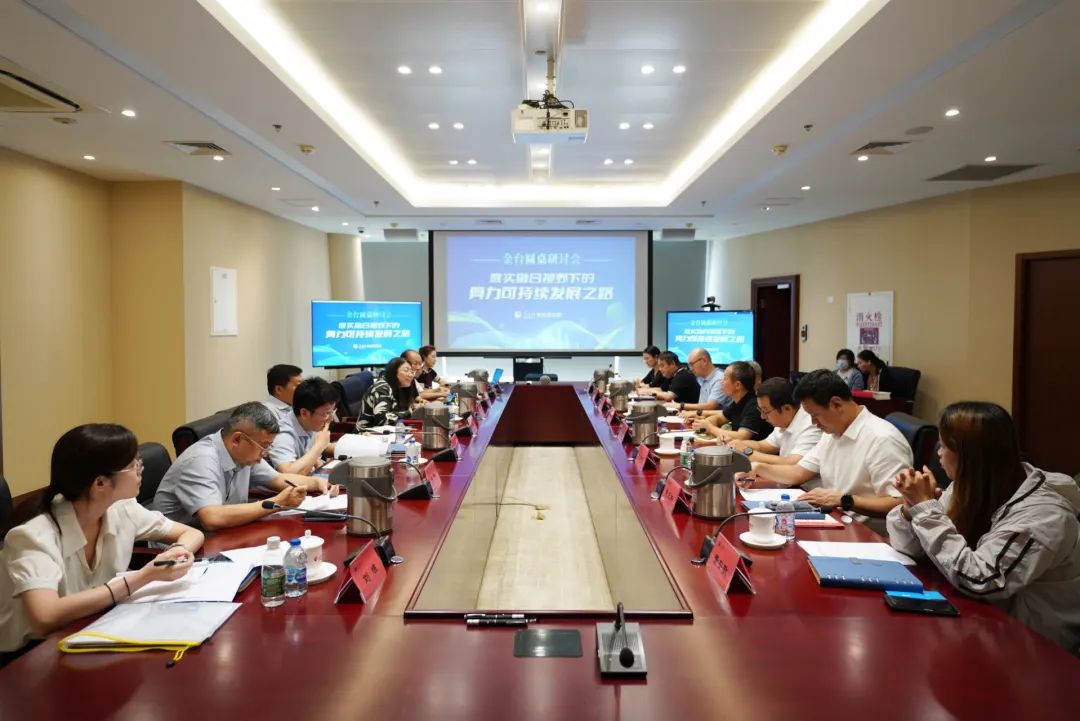
金台圆桌:合力推动算力绿色化发展 更好赋能千行百业
Ren Min Wang· 2025-11-26 09:12
Core Insights - Computing power is becoming a crucial foundation for the development of the digital economy and is driving the acceleration of digital transformation in society [1] - The Chinese government has outlined the development direction for computing power infrastructure, emphasizing the need for optimized layout and collaboration between different regions [1] - The rapid growth of the computing power industry has raised concerns about energy consumption, necessitating a focus on sustainable development paths [2][4] Group 1: Green Computing Power Development - Green computing power is essential for high-quality digital economic development and involves pursuing low-carbon goals across various levels of computing power [2] - The transition from chaotic expansion to a more coordinated and refined development phase in data center construction is underway [2][3] - Experts emphasize the importance of integrating sustainability into business practices and fostering collaboration between academia and industry to develop viable commercial models [3] Group 2: Energy Consumption and Efficiency - As of the end of 2022, China's operational data centers exceeded 6.5 million racks, consuming a total of 1.3 billion kilowatt-hours, accounting for 2.7% of the national electricity consumption [6] - Electricity costs represent the largest portion of operational expenses for traditional data centers, comprising 60%-70% of total costs [6] - There is a call for optimizing the design and planning of data centers to address energy consumption issues effectively [6][4] Group 3: Standardization and Collaboration - Establishing a benchmark system for computing power is crucial for enhancing service levels and ensuring alignment with international standards [8] - The need for standardized designs in data center construction is highlighted to avoid complexity and promote efficiency [9] - Collaboration among industry players and the adoption of innovative technologies are essential for achieving sustainable computing power development [7][10]

算力碳排何解?BCIGroup创始人居静:垂直一体化是关键
2 1 Shi Ji Jing Ji Bao Dao· 2025-11-21 09:03
Core Viewpoint - The article discusses the intersection of AI, energy demands, and climate change, emphasizing the need for integrated solutions to support sustainable development in the computing power industry, particularly in the context of the COP30 conference [1][3]. Group 1: AI and Energy Demand - The computing power industry is experiencing exponential growth, particularly in large model training and AI services, leading to significant and sustained increases in energy demand [3]. - Clean energy is expected to become a standard requirement for computing power infrastructure due to the collective demand for reduced carbon intensity from society, climate governance responsibilities, and end-users [3]. Group 2: Vertical Integration Model - BCI Group's "Daitong Model" focuses on vertical integration, combining green energy supply, large-scale zero-carbon parks, prefabricated equipment modules, and bare-metal computing power to enhance industry capabilities [4]. - The integration of energy parks and equipment can lead to hundreds of billions of kilowatt-hours of renewable energy consumption and significant carbon reduction over a 25-year period [4]. Group 3: Zero-Carbon Parks - True zero-carbon parks require more than just purchasing green electricity; they must achieve carbon balance through energy growth, distribution, and recycling [7]. - BCI Group's approach includes establishing a green electricity park that ensures physical consumption and long-term dispatchability of power through local renewable energy sources [7]. Group 4: Policy and Market Dynamics - The current policy environment is pushing for an 80% green electricity share in new data centers, with green certificates being crucial for promoting renewable energy marketization [9]. - BCI Group aims to enhance the green certificate mechanism and actively participate in international standards development to facilitate the recognition of green certificates globally [9].
中国、欧盟、巴西发起成立碳市场开放联盟|碳中和周报
2 1 Shi Ji Jing Ji Bao Dao· 2025-11-18 09:07
Carbon Neutrality Policies - China, the EU, and Brazil have jointly established the "Carbon Emission Trading Market Open Alliance" to enhance international cooperation on carbon pricing mechanisms and emission trading systems, aiming for a transparent global compliance carbon market network [1] - The National Energy Administration of China has issued guidelines to promote the integrated development of renewable energy, emphasizing multi-dimensional collaboration and non-electric utilization by 2030 [2] - China has signed 55 climate change cooperation documents with 43 developing countries, focusing on capacity building and technology transfer in climate governance [3] Local Developments - Wuhan has signed 14 green low-carbon technology projects, including a CO2 capture and electrochemical conversion technology, showcasing its commitment to a comprehensive green transition [4][5] Corporate Practices - Envision Group has launched the world's largest AI-driven power system, enhancing the economic viability and stability of renewable energy systems, successfully applied in a zero-carbon hydrogen industry park [6] - Green computing is emerging as a new investment focus, with a significant portion of data center emissions stemming from electricity consumption, prompting a shift towards energy efficiency and green electricity usage [7]
中国、欧盟、巴西发起成立碳市场开放联盟
2 1 Shi Ji Jing Ji Bao Dao· 2025-11-18 08:58
Carbon Neutrality Policy - The establishment of the Carbon Market Open Alliance by China, the EU, and Brazil aims to create a framework for international cooperation on carbon pricing mechanisms and emission trading systems, enhancing the voice of developing countries in the global carbon pricing system [2] - The National Energy Administration of China has issued guidelines to promote the integrated development of renewable energy, emphasizing multi-dimensional collaboration and non-electric utilization, with a goal for integrated development to become a key approach by 2030 [3] - China has signed 55 climate change cooperation documents with 43 developing countries, focusing on capacity building, technology transfer, and infrastructure support in climate governance [4] Local Developments - Wuhan has signed 14 green low-carbon technology projects, including advancements in CO2 capture and electrochemical conversion technology, showcasing a comprehensive green transformation approach [5][6] Corporate Practices - Envision Group has launched the world's largest AI-driven power system, enhancing the economic viability and stability of renewable energy systems, successfully applied in the global largest green hydrogen and ammonia industrial base [7] - Green computing is emerging as a new investment focus, with a significant portion of carbon emissions from data centers stemming from electricity consumption, highlighting the importance of energy efficiency and green electricity usage [8]
内蒙古自治区主席包钢主持召开政府常务会议 创建美丽中国先行区和国家生态文明试验区
Zhong Guo Huan Jing Bao· 2025-11-13 03:52
Group 1 - The Inner Mongolia Autonomous Region is focusing on high-quality development and modernizing its economy, emphasizing the urgency of planning for the 14th Five-Year Plan and next year's work [1] - The government aims to enhance high-level openness and promote the construction of a free trade zone, while also improving the capabilities of comprehensive bonded zones [1] - There is a strong emphasis on protecting and utilizing cultural heritage, as well as advancing ecological initiatives such as the "Three North" project and creating a national ecological civilization pilot zone [1] Group 2 - The region plans to strengthen modern agriculture and animal husbandry, focusing on brand cultivation and the revitalization of the dairy and seed industries [2] - There is a push for deep integration of technological and industrial innovation, including the establishment of a national-level innovation platform and a green computing power demonstration zone [2] - The government aims to leverage its energy industry advantages, promote renewable energy development, and enhance the coal chemical industry chain [2] - Infrastructure improvements are prioritized, including high-speed rail, highways, and civil aviation, to reduce logistics costs and develop a hub economy [2] - The government is committed to reforming state-owned enterprises and ensuring social stability through enhanced basic livelihood guarantees and risk prevention measures [2]