
货币政策分化

Search documents
当美联储“独自降息”,其他央行甚至开始加息,美元贬值将成为2026年焦点
Hua Er Jie Jian Wen· 2025-12-11 12:47
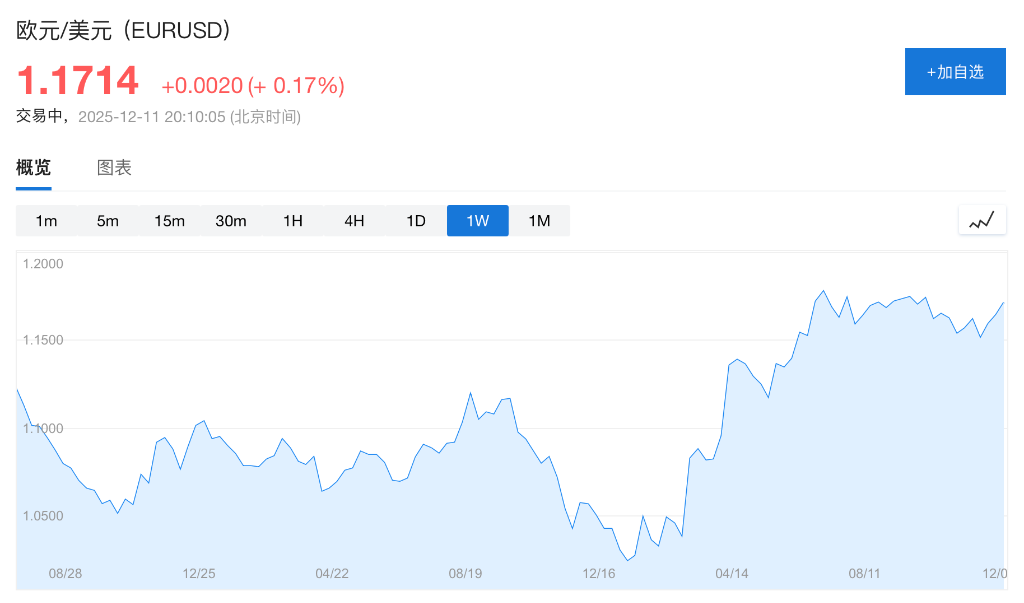
Core Viewpoint - The divergence in global central bank policies is accelerating, with the Federal Reserve continuing its rate-cutting path while other central banks, including those in Europe, Canada, Japan, Australia, and New Zealand, maintain a tightening stance or even enter a rate-hiking phase. This divergence is expected to significantly impact the currency markets by 2026, with the potential for sustained depreciation of the US dollar becoming a focal point for market participants, influencing the European Central Bank's policy direction [1]. Group 1 - The Federal Reserve is expected to lower interest rates by 25 basis points, signaling a dovish tone despite some hawkish expectations in the market [1]. - European Central Bank officials assert their independence from the Federal Reserve's actions, with the French central bank governor stating that the ECB's policy stance is already more accommodative than that of the US [1]. - Goldman Sachs emphasizes that if the Fed continues to cut rates while other major central banks maintain a tightening approach, the market will focus on the persistent depreciation pressure on the US dollar [1]. Group 2 - Major Wall Street banks, including Morgan Stanley and Citigroup, predict further rate cuts by the Federal Reserve in January, indicating that the easing cycle is not yet over [2]. - Goldman Sachs, Wells Fargo, and Barclays anticipate that the rate-cutting window will open in March, with a potential second cut in June [3]. Group 3 - ECB officials emphasize their monetary policy independence, with the French central bank governor stating that the ECB should retain the option to cut rates without being influenced by the Fed [4]. - The ECB's current key interest rate is 2%, significantly lower than the Fed's range of 3.5%-3.75%, highlighting structural differences in policy space and inflation conditions [4]. - The ECB's short-term likelihood of following the Fed's rate cuts is low, as past instances of policy divergence have not led to significant market volatility [4]. Group 4 - The ECB's chief economist notes that the exchange rate has a significant impact on inflation, with a 10% appreciation of the euro expected to suppress inflation by 0.6 percentage points in the first year [7]. - The ECB's latest forecast has lowered the 2026 inflation rate to 1.7%, below its 2% target, indicating potential pressure on inflation if the Fed's rate cuts lead to further euro appreciation [8]. - A potential transmission chain is identified: Fed rate cuts → weaker dollar → stronger euro → further pressure on eurozone inflation → possible ECB rate cuts, suggesting that exchange rates and inflation could constrain ECB decisions despite claims of independence [8].

STARTRADER外汇:美加央行会议前,美元兑加元为何持稳于1.3850?
Sou Hu Cai Jing· 2025-12-10 05:54
Group 1 - The USD/CAD exchange rate has slightly risen to around 1.3855, with limited overall volatility as the market remains cautious ahead of the policy statements from the Bank of Canada and the Federal Reserve [2] - The US dollar index is hovering around 99.25, having recorded an increase in the previous trading day, supported by the rise in US job openings data for October to 7.67 million, exceeding market expectations of 7.2 million [2] - Market expectations indicate an 87.6% probability that the Federal Reserve will cut rates by 25 basis points to a range of 3.50%-3.75% in December, marking the third consecutive rate cut if realized [2] Group 2 - The market widely anticipates that the Bank of Canada will keep its interest rate unchanged at 2.25%, supported by a robust labor market recovery, with 1.063 million jobs added from July to August and an additional 1.806 million from September to November [3] - The recent movements in the USD/CAD exchange rate reflect market expectations of a divergence in monetary policy, where a dovish signal from the Federal Reserve could provide short-term support for the Canadian dollar [3] - The overall market is in a wait-and-see mode ahead of the policy statements, with investors closely monitoring for signals regarding interest rate direction, inflation, and economic outlook, which are expected to set the tone for the next phase of the USD/CAD exchange rate [3]

政策原油支撑加元小幅攀升
Jin Tou Wang· 2025-12-10 02:41
Core Viewpoint - The USD/CAD exchange rate is experiencing a slight upward trend, influenced by the monetary policies of the Bank of Canada and the Federal Reserve, with market expectations leaning towards a potential interest rate cut by the Fed [1][2][3][4] Group 1: Exchange Rate Movements - On December 10, the USD/CAD exchange rate recorded 1.3853, showing a minor increase from the previous day, with a rise of 0.0506% [1] - The exchange rate opened at 1.3852, reaching a high of 1.3854 and a low of 1.3841 during the day [1] - The short-term outlook indicates a stable upward trend for the USD/CAD, with key resistance at the 1.3875 level [2][3] Group 2: Monetary Policy Impact - The Bank of Canada is expected to maintain its policy rate at 2.25%, as officials have indicated that the current rate is "basically in a reasonable range" [1] - Market expectations show an 88% probability that the Federal Reserve will cut rates by 25 basis points in its December meeting, alongside a proposed monthly purchase of $45 billion in Treasury securities [1][3] - The divergence in monetary policies between the U.S. and Canada is a key driver of the USD/CAD fluctuations [1][4] Group 3: Economic Indicators - International oil prices have been low, limiting the appreciation potential of the Canadian dollar, with Brent crude futures recently falling below $70 per barrel [2] - Despite a better-than-expected economic growth rate in Canada for Q3, the growth was primarily driven by reduced imports and increased military spending, highlighting potential risks in consumer spending [2] - The future trajectory of the Canadian dollar will depend on the recovery of the economy and the stabilization of international oil prices [4]
刚宣布!不降息
中国基金报· 2025-12-09 04:27
【导读】 澳洲央行如期维持利率不变 市场预期宽松周期或已结束 中国基金报记者 泰勒 大家好,超级央行周,澳洲央行"第一枪"来了,刚刚宣布不降息。 这也使得2026年的前景颇具挑战性。利率期货市场目前已经消化了最早在明年5月加息一次、概率约"五五开 " 的预期,而大多数经济学家 则认为本轮宽松周期已经结束,此前他们普遍预计利率至少还会再降一次至3.35%。 高盛、瑞银以及Barrenjoey的分析师已转向与市场相似的判断,认为澳洲央行下一步更有可能是加息而非继续降息。 12月9日, 澳大利亚 央行连续第三次按兵不动, 未能给房贷持有人提前送上 " 圣诞礼物",在今年最后一次会议上维持利率不变, 继续 强调"看数据决策"。 澳大利亚央行在本次会议上如市场普遍预期的那样,连续第三次按兵不动,将关键政策利率维持在3.6%。央行同时重申,未来政策走向将 继续取决于后续公布的经济数据。 央行称,当前物价压力再度抬头,劳动力市场依然偏紧。声明称,九名董事一致赞成这一决定。 利率决策委员会在声明中表示:"最新数据表明,通胀风险已偏向上行,但仍需要更长时间来评估通胀压力的持续性。董事会将在决策中密 切关注数据表现以及对前景和风 ...

瑞郎区间震荡 央行政策分化成焦点
Jin Tou Wang· 2025-12-08 02:42
美联储降息动向及人事调整主导美元走势,进而影响美瑞汇率。市场高度关注其12月9-10日议息会议, 当前定价本次降息25个基点概率近85%,美元指数承压令美瑞汇率存下行压力。此外,特朗普拟明年初 公布美联储主席人选,热门候选人哈塞特被预期倾向更大幅度降息,进一步压制美元。短期需警惕美国 核心通胀走强或美联储鹰派言论引发的美元反弹风险。 多重外围因素加剧美瑞汇率波动。瑞士央行正将美元储备向欧元多元化配置,截至2025年6月,美元、 欧元占比分别为39%、37%,长期或削弱美元需求。全球去美元化趋势持续,新西兰超级年金基金等机 构转投欧洲股市,加剧美元弱势预期。此外,全球风险情绪、地缘冲突将影响美元避险吸引力,而瑞郎 作为避险货币,需求随风险偏好反向调整。 机构对美瑞汇率走势分歧显著,核心聚焦政策催化。技术面显示,汇价在0.8000-0.8050区间震荡,上方 0.8101、0.8123为阻力位,下方0.7872、0.7877为支撑位;MACD短期偏空但动能不足,RSI处于中性, 方向性突破待政策或数据催化。短期关注本周瑞央行及美联储议息会议,其政策指引将决定汇率下一阶 段走向。长期来看,美联储政策不确定性、瑞央行 ...
【环球财经】星展银行:全球主要央行政策12月或现分化 2026年美国经济前景存隐忧
Xin Hua Cai Jing· 2025-12-05 06:58
在亚洲新兴市场方面,印度经济表现亮眼。报告数据显示,受益于制造业活动激增9.1%及公共投资增 加,印度2026财年第二季度(2025年7月至9月)实际GDP同比增长8.2%,超出市场预期。 然而,报告警告称潜在风险正在积聚。首先是劳动力市场,最新的ADP就业报告显示11月美国就业人数 意外减少3.2万人,远不及市场预期的增加1万人,突显了就业市场的恶化迹象。其次是通胀风险,报告 认为,受关税传导效应及移民政策收紧推高服务业成本等因素影响,2026年美国通胀率可能攀升至3% 以上。目前,期货市场定价显示,市场仍预期美联储将在12月进行一次"保险式"降息。 与美联储的降息预期不同,欧洲央行和日本央行的政策走向呈现出明显的分化态势。报告指出,市场日 益确信欧洲央行(ECB)的宽松周期已接近尾声。欧元区11月CPI通胀率回升至2.2%,且失业率处于历 史低位,欧洲央行管委会强调,相比冒进宽松,目前暂停降息更为稳妥。而在日本,日本央行(BOJ) 行长植田和男暗示12月会议可能采取行动,其关注点更多在于弱势日元对通胀的推动作用。市场对此反 应迅速,目前预计日本央行加息的概率已升至80%以上。 新华财经新加坡12月5日电( ...
美债收益率支撑美元/日元 日央行鹰派言论限涨幅
Jin Tou Wang· 2025-12-05 02:27
Core Viewpoint - The USD/JPY exchange rate is experiencing a rebound that is currently stagnating, influenced by rising US Treasury yields and interventions from Japanese authorities, particularly the hawkish signals from Bank of Japan Governor Kazuo Ueda [1][2]. Group 1: Market Dynamics - The Japanese yen was the weakest currency on Tuesday, facing selling pressure as market sentiment improved and the impact of former BOJ Governor Haruhiko Kuroda's unexpected hawkish comments began to fade [1]. - The market's expectations for the BOJ's tightening policy provide potential support for the yen, as Ueda's hawkish remarks indicate a consideration of the "pros and cons" of interest rate hikes, which negatively affected market risk appetite [1]. - A recent auction of Japanese government bonds exceeded expectations, alleviating some market concerns, although overall risk appetite remains fragile [1]. Group 2: Economic Indicators - US economic data has reinforced expectations for policy easing, with the November ISM Manufacturing PMI indicating that industry activity has contracted for the ninth consecutive month, alongside deteriorating new orders and employment metrics, and rising inflation levels [1]. - The divergence in monetary policy between the US and Japan is expected to continue, limiting the upside potential for the USD/JPY exchange rate [2].
智昇黄金原油分析:多方获利了结 黄金出现回落
Sou Hu Cai Jing· 2025-12-03 10:11
来源:智昇财论 #黄金原油收跌# 黄金方面:货币宽松开启以来,美联储已经降息五次,累计降息150个基点。在通胀和就业之间,美联 储官员们对12月降息的分歧仍然存在,这种分歧不仅影响下周能否再次降息,也关系到未来的政策走 向。 美联储主席杰罗姆·鲍威尔也承认了,官员们的争论核心,是经济需要更多刺激来支撑就业市场,而通 胀仍然高于目标以及关税可能进一步推高物价,导致经济可能出现滞胀。在此背景下,近期的黄金趋势 性较弱,价格出现宽幅震荡的态势。 智昇研究投资策略师麦东认为,短期回调改变了市场上行结构,价格可能出现宽幅震荡。 技术面:昨日收阴线,市场在次级低点4250美元附近徘徊,价格在布林线上轨附近受到压制。1小时级 别,价格在60/120日均线之间运行,市场处于转势阶段。今日下方关注4170美元的支撑,上方关注4230 美元的压力。 原油方面:12月2日,俄罗斯总统普京与美国特使举行了近5小时的会议,俄方表示会议富有成效。市场 对俄乌和谈的预期又有上升,供应中断担忧有所减弱,油价受此影响出现下跌。 技术面:日线收下影线较长的小阴线。日线级别,年度低位存在支撑,市场仍在下降通道内部运行。1 小时级别,近期市场走势, ...

日元震荡政策博弈下 贬值压力干预隐忧
Jin Tou Wang· 2025-11-26 03:04
周三(11月26)美元兑日元汇率在政策博弈中呈现高位震荡格局,11月20日亚洲交易时段盘中一度触及 157.48的10个月新高,截至25日受美联储鸽派信号影响回落至156.5附近,自10月初以来累计涨幅仍达 4.5%,日元名义有效汇率已接近2024年7月日本政府干预时的低位。这一波动背后,是美日货币政策分 化、经济基本面差异及财政政策扰动的多重作用。 日本央行的政策困境则持续压制日元。尽管日本10月核心CPI同比上涨3.0%,连续50个月高于2%目标, 且三季度核心CPI上修至2.5%,但央行仍维持0.5%政策利率不变。植田和男行长强调需确认"工资—物 价良性循环",而日本三季度GDP环比下降0.4%,民间住宅投资暴跌9.4%,经济疲软制约加息空间,市 场对12月加息预期概率仅57%。同时,日本政府推出21.3万亿日元经济刺激方案,叠加债务率达GDP的 260%,国债抛售潮推升10年期收益率至1.825%的金融危机后新高,进一步加剧日元贬值压力。 短期来看,美元兑日元大概率维持156—158区间震荡。若美国即将公布的PPI与零售数据疲弱,将强化 降息预期,汇价可能下探155.4支撑位;若数据强劲则有望重新冲击 ...
澳联储谨慎澳元负利差压制
Jin Tou Wang· 2025-11-25 03:36
Core Viewpoint - The Australian dollar (AUD) is experiencing fluctuations against the US dollar (USD) due to policy divergence, economic fundamentals, and commodity currency characteristics, with current trading around 0.6485 after a retreat from a high of 0.6580, yet still within a rebound range since 2025 [1] Policy Divergence - The core logic driving the AUD/USD exchange rate is the policy divergence between the US Federal Reserve and the Reserve Bank of Australia (RBA). The Federal Reserve maintains a high interest rate of 5.25%-5.5%, with October's core PCE inflation at 3.5%, leading to a strong support for the USD as market expectations for rate cuts in 2025 are pushed back [1] - In contrast, the RBA's cautious policy stance, with current rates slightly above 0.5% and October's CPI at 5.4%, reflects growing concerns over economic growth, resulting in a cooling of rate hike expectations. This divergence has widened the 10-year government bond yield spread to -130 basis points, contributing to capital outflows and suppressing the AUD [1] Economic Fundamentals - The economic fundamentals further amplify exchange rate volatility. The US economy shows resilience with a 2.9% year-on-year GDP growth in Q3 and better-than-expected durable goods orders, although manufacturing remains weak, limiting the USD's upside potential [1] - Australia faces challenges with its reliance on resource exports, which account for over 60% of its economy. The November manufacturing PMI declined, and the service sector's expansion could not fully offset industrial weakness, compounded by fluctuating demand from China, its largest trading partner, which further weakens the AUD's fundamental support [2] Technical Analysis - Technically, the AUD/USD is in a corrective phase after a rebound, having risen from the 0.6350 range to a high of 0.6580, but recently fell below the 20-day moving average support, entering a consolidation range of 0.6450-0.6520. The 14-day RSI has dropped to 48, indicating a neutral to bearish trend, while the MACD shows a reduction in bullish momentum without a clear reversal signal [3] - Key support levels are focused on the lower boundary of the ascending channel at 0.6480 and the psychological level of 0.6450. A breach could lead to further declines towards the 0.6430-0.6450 support zone. Resistance is concentrated in the 0.6520-0.6540 range, with a breakthrough needed to alleviate the current downward pressure. Long-term, the AUD/USD remains in an upward trend initiated in 2020, with potential for a new upward cycle if it breaks the 14-year resistance trend line established since 2011 [3]