贸易保护主义

Search documents
The 'biggest' crisis: UK steel industry reacts to 50% tariffs from the EU
Youtube· 2025-10-08 11:44
Core Points - The European Commission plans to double tariffs on steel imports to match the 50% levy imposed by the United States, with tax-free import quotas being reduced by almost half [1] - European officials assert that these tariffs comply with international trade law and aim to protect the European steel industry [2] - The new measures will allow for quotas for partner countries, with a 50% tariff applied only when exports exceed the established quota [3] Industry Impact - The UK is expected to be significantly affected, with approximately 80% of its steel exports going to the EU, leading to warnings from UK Steel about a potential crisis for the British industry [4] - The UK government is urged to secure country quotas to mitigate the impact of the tariffs, or face severe consequences for the steel sector [4] - Ongoing discussions between the UK government and both the EU and the US indicate potential retaliatory measures against the EU to protect UK steel manufacturers [5]


甘当美国急先锋?喊着对华友好,却加税50%,中国开始下重手
Sou Hu Cai Jing· 2025-10-08 11:03
Core Viewpoint - The article discusses the unexpected decision of Mexico to impose tariffs on Chinese imports, aligning with the U.S. under Trump's administration, which aims to exclude China from global supply chains [1][2]. Group 1: Mexico's Tariff Decision - Mexico announced a 50% tariff on automobiles imported from China, a move interpreted as an attempt to appease the U.S. and abandon its previous stance of protecting Chinese interests [1][4]. - This decision marks a significant shift in Mexico's position, which had previously maintained neutrality between the U.S. and China, now responding to U.S. pressure [4][5]. Group 2: China's Response - In retaliation, China initiated a "trade investment barrier investigation" against Mexico and announced an anti-dumping investigation on pecans imported from Mexico and the U.S. [1][5]. - China's swift countermeasures highlight the risks associated with Mexico's decision to sacrifice Chinese interests for U.S. favor, as warned by Chinese officials earlier [5][6]. Group 3: Economic Implications for Mexico - The tariff policy is expected to have a significant negative impact on Mexico's economy, potentially leading to a decline in trade volume with China [7]. - Mexico's reliance on the U.S. for trade agreements may leave it vulnerable to future escalations in tariffs from Trump, creating a precarious situation for the country [7].

中国外长立下大功,美国万没料到,中方果断接下了“战书”!
Sou Hu Cai Jing· 2025-10-08 08:55
Core Viewpoint - The article discusses the impact of the Trump administration's decision to impose high tariffs on certain goods starting August 1, which has caused significant market turbulence globally and complicated the economic landscape for ASEAN countries closely tied to China [1][3]. Group 1: U.S. Tariff Policy and Its Implications - The U.S. tariff policy not only pressures the domestic economy but also places ASEAN countries in a difficult position due to rising trade costs [1]. - The unilateral nature of the U.S. tariffs undermines the interests of American businesses and reveals contradictions in the U.S. "Indo-Pacific Economic Framework" proposed by Secretary of State Rubio [1][3]. Group 2: China's Diplomatic Strategy and Economic Cooperation - China continues to promote deep cooperation with ASEAN based on principles of equality and mutual benefit, contrasting sharply with U.S. unilateralism [3][5]. - During the ASEAN Foreign Ministers' meeting, China engaged in negotiations for the China-ASEAN Free Trade Area 3.0 and reached significant agreements on regional economic cooperation, security, and cultural exchanges [3][5]. - China's infrastructure investments, such as the China-Laos Railway under the Belt and Road Initiative, exemplify successful cooperation and enhance economic connectivity between China and ASEAN [3][5]. Group 3: Response to Global Trade Dynamics - China's four-point cooperation proposal, particularly its stance against trade protectionism, resonates strongly with ASEAN countries amid rising global protectionism [3][5]. - The Regional Comprehensive Economic Partnership (RCEP) is highlighted as a framework that provides ASEAN countries with more market opportunities and strengthens China's economic ties in the Asia-Pacific region [5]. - China's diplomatic and economic policies are portrayed as more constructive and sustainable compared to the U.S. tariff war, showcasing China's growing influence in the global economic system [5].
巨亏450亿美元,美国农民眼巴巴等待特朗普政府救济
Guan Cha Zhe Wang· 2025-10-08 08:32
Core Viewpoint - The adverse effects of Trump's tariff policy are leading to significant financial losses for American farmers, with potential losses estimated at $45 billion due to plummeting exports to China and rising costs for fertilizers and machinery [1][4]. Group 1: Economic Impact on Farmers - U.S. soybean exports to China have decreased by $2.5 billion compared to the previous year, with no purchases made since May [1]. - If the current trend continues, U.S. soybean exports to China could drop by $10 billion this year [1]. - The decline in sorghum exports is even more severe, with a 97% drop from last year's $1.3 billion [1]. - Republican lawmakers estimate that farmers may require up to $50 billion in economic support, significantly exceeding the aid provided in 2018 [4]. - The total losses for U.S. farmers across nine major crops are projected to reach $45 billion this year, with corn, soybeans, wheat, and cotton accounting for the majority of these losses [5]. Group 2: Government Response and Support - The Trump administration is expected to announce a new economic support plan for farmers, although the specifics and scale of the aid remain unclear [1][2]. - The previous fund established for agricultural support has been depleted, and the source of funding for the new aid is uncertain [4]. - Farmers express a need for immediate assistance, with some indicating that government aid is a temporary solution, and many may still face bankruptcy [6]. Group 3: Market Dynamics and Future Outlook - The U.S. is attempting to diversify its soybean export markets to countries like Mexico, the EU, Japan, and Indonesia, but the scale of the Chinese market makes it challenging to find immediate alternatives [8]. - There are ongoing discussions about potential trade negotiations between the U.S. and China, but industry representatives believe that any agreements may come too late to benefit many farmers [9]. - Long-term prospects for U.S. soybean exports to China appear bleak, as China shifts its sourcing to Latin American suppliers and emphasizes self-sufficiency [10].

被中国打痛了?两大王牌产品“大出血”,西班牙首相计划下周访华
Sou Hu Cai Jing· 2025-10-08 07:24
Core Points - Spain's initial strong support for EU tariffs on China has shifted towards seeking cooperation, particularly in the electric vehicle sector, due to economic repercussions from China's countermeasures [1][10] - The Spanish Prime Minister's upcoming visit to China aims to discuss bilateral trade and strengthen economic ties amidst EU-China trade tensions [3][9] - Spain's proactive approach to attract Chinese electric vehicle manufacturers reflects a broader trend among EU countries to engage with China despite initial opposition [6][8] Group 1: Spain's Changing Stance - Spain's government has softened its hardline stance on tariffs against China, now focusing on collaboration in the electric vehicle industry [1][10] - The visit of the Andalusian regional government leader to China highlights Spain's efforts to promote local investment from Chinese car manufacturers [8] - Spain's shift indicates a recognition of the negative effects of trade protectionism and the growing importance of China in global trade [10] Group 2: Economic Implications - The EU's anti-subsidy investigation into Chinese electric vehicles has led to significant tensions, prompting Spain to reconsider its position due to potential impacts on its own exports [5][9] - Spain's agricultural sectors, particularly pork and brandy, are at risk due to China's retaliatory measures, emphasizing the importance of maintaining access to the Chinese market [9][10] - The potential loss of the Chinese market could severely impact Spain's economy, as other countries are also vying for market share [10] Group 3: Future Cooperation - The evolving relationship between Spain and China may lead to expanded cooperation in various sectors, including electric vehicles, agriculture, and technology [12] - Spain's government aims to resolve trade disputes through dialogue, indicating a desire for a more collaborative approach moving forward [9][12]

加拿大对中国电动车加税后,不到一周时间,中方对加发起双反调查
Sou Hu Cai Jing· 2025-10-08 05:56
Core Viewpoint - Canada has announced a 100% tariff on electric vehicles from China and a 25% tariff on Chinese steel and aluminum products, raising questions about the rationale behind these actions [1][3][5] Group 1: Trade Policies and Implications - The tariffs imposed by Canada are seen as discriminatory and violate the 1994 GATT agreement, as there is no substantial evidence that Chinese products have harmed the Canadian market [3][5] - The concept of "trade diversion" mentioned by Canada appears to be overstretched and used to justify its actions, which seem to align closely with U.S. policies against China [5][7] - The close cooperation between Canada and the U.S. may provide Canada with some support, but it raises concerns about whether the U.S. will uphold its commitments when interests conflict [7] Group 2: Impact on Chinese Electric Vehicles - Chinese electric vehicles have gained significant market share due to their high cost-performance ratio and superior performance, posing a challenge to European brands that are increasing in price [9][21] - The new tariffs will likely increase the prices of Chinese electric vehicles, potentially reducing their competitiveness in the market, although consumer willingness to pay higher prices remains uncertain [9][11] - China is actively working to adjust its supply chain to lower costs, but this is a long-term challenge that may be hindered by Canada's tariff policies [11][20] Group 3: China's Response - China plans to counteract Canada's tariffs through the WTO dispute resolution mechanism and has initiated anti-discrimination investigations against Canada [13][18] - The measures taken by China are compliant with international rules and aim to protect its interests against what is perceived as an unfounded attack by Canada [20] - The rapid growth of Chinese electric vehicles in the global market is a testament to their development, despite facing jealousy and pushback from other countries [21][23] Group 4: Global Supply Chain Considerations - Canada's tariff policy is expected to have negative implications not only for China but also for the stability of the global supply chain [23] - The attempt to suppress China's technological progress and market share through tariffs is viewed as counterproductive in an increasingly interconnected global economy [23]
华尔街那点事儿,科技股上天入地,特朗普又出来搞事情
Sou Hu Cai Jing· 2025-10-08 01:26
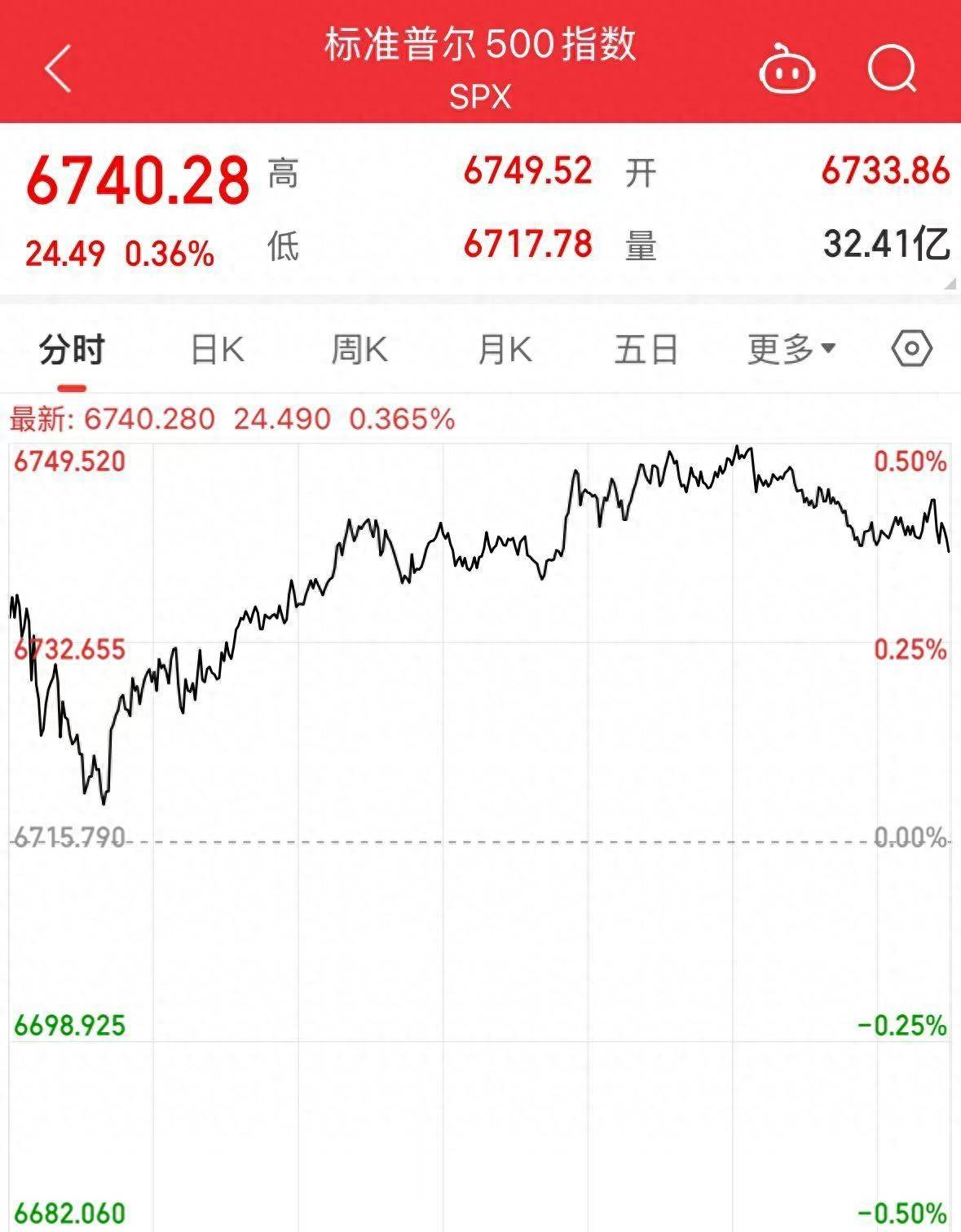
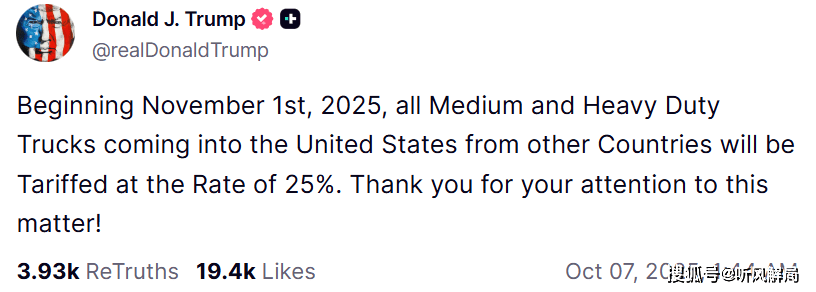
Market Overview - Recent fluctuations in the US stock market have been notable, with the Dow Jones experiencing slight declines while the Nasdaq and S&P 500 reached record highs, driven by strong performance in technology stocks [1] - The technology sector shows mixed results, with Microsoft and Google benefiting from digital transformation and cloud computing, while Nvidia faces a pullback due to concerns over its valuation [1] Company Developments - AMD has made a significant move by signing a four-year agreement with OpenAI, aiming to compete directly with Nvidia in the AI chip market, leading to a surge in AMD's stock price [2] - Tesla has responded to the end of subsidies by lowering prices on its Model Y to capture market share, creating tension within the electric vehicle industry as companies fear being outpaced [2] Trade and Policy Impacts - Trump's announcement of a 25% tariff on imported medium and heavy trucks, effective November 1, 2025, reignites trade tensions and could have widespread implications across various industries [4] - Ongoing negotiations between the US and Brazil regarding tariffs indicate a complex relationship, with both countries seeking mutual benefits while navigating their own interests [5] Industry Challenges - The rise of protectionism is prompting a reevaluation of global supply chains, posing significant challenges for companies in adapting to new trade dynamics [7] - The AI chip market is characterized by a competitive landscape where technological innovation and market dominance are critical factors for success [7] - The electric vehicle sector must balance policy changes, technological advancements, and consumer demand to shape a sustainable future [7]


特朗普再挥关税大棒,美国卡车市场或"震",全球贸易格局将变?
Sou Hu Cai Jing· 2025-10-07 18:16
Group 1: Tariff Announcement and Impact - The announcement of a 25% tariff on all imported medium and heavy trucks to the U.S. starting November 1, 2025, has created significant turmoil in the U.S. automotive industry [1] - In 2022, the U.S. imported nearly 245,000 medium and heavy trucks, with a trade value exceeding $20 billion, indicating substantial revenue potential for the U.S. Treasury but also significant disruption for the industry [1] - The implementation of the tariff was initially set for October 1 but was postponed due to lobbying from automotive manufacturers, highlighting the influence of interest groups in U.S. politics [1] Group 2: Differentiated Impact on Companies - The impact of the new tariff will vary significantly among companies; for instance, International Automotive and Daimler have a high percentage of trucks produced in Mexico, making them particularly vulnerable [2] - In contrast, companies like PACCAR and Volvo, which produce nearly all their trucks domestically, are less affected and may benefit from the tariff situation [2] - Stellantis is actively lobbying for exemptions for its Mexican-produced Ram trucks, while competitors General Motors and Ford oppose this, indicating competitive tensions within the industry [2] Group 3: Broader Trade Policy Context - Trump's tariff policies reflect a broader "America First" ideology aimed at protecting U.S. industries and promoting manufacturing return [3] - The ongoing tariff measures are part of a larger trend of increasing protectionism, with potential implications for global trade dynamics and the risk of retaliatory actions from trade partners [3][4] - The evolving trade landscape poses challenges for companies, particularly Chinese firms, which must navigate the complexities of U.S. protectionism and seek diversified markets [4]
美国对进口木材及家具加征关税
Shang Wu Bu Wang Zhan· 2025-10-07 16:03
Core Viewpoint - Trump announced new tariffs on imported lumber and furniture products, citing economic and national security concerns under the Trade Act of 1974 [1] Group 1: Tariff Details - Lumber tariffs will be set at 10%, while tariffs on cabinets, bathroom vanities, and upholstered furniture will be 25% [1] - The new tariffs will take effect on October 14 [1] - If no agreements are reached with relevant countries, tariffs on some furniture will increase to 30% and cabinets and bathroom vanities will rise to 50% starting January 1, 2025 [1] Group 2: Impact on Supply Countries - The policy will significantly impact major supplying countries such as Canada, Mexico, and Vietnam [1] - The Canadian lumber industry is already facing approximately 35% in additional tariffs [1]
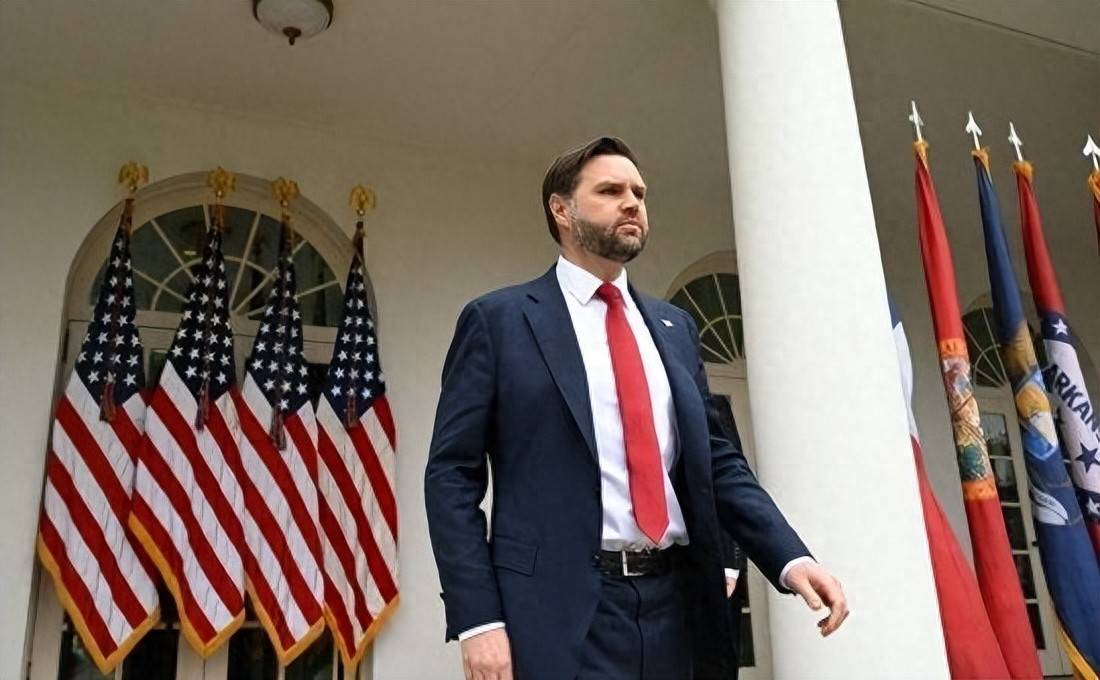
美副总统万斯:股市只是经历了糟糕的一天 将迎来长期荣景
Sou Hu Cai Jing· 2025-10-07 12:12
Core Viewpoint - The recent market turmoil is attributed to the announcement of significant tariffs by the Trump administration, which aims to revitalize domestic manufacturing and benefit American workers rather than Wall Street elites [2][3][5]. Group 1: Market Reaction - On April 3, 2025, the Dow Jones index plummeted by 1,679 points, marking the worst single-day drop since June 2020, while the S&P 500 fell by 4.5% and the Nasdaq dropped by 5.2% [3]. - Global markets reacted negatively, with the FTSE 100 in Europe declining nearly 5%, the Canadian TSX dropping over 8% in two days, and the Nikkei 225 in Japan triggering a circuit breaker with a 7% drop [3][6]. - Following the announcement of a 90-day suspension of some tariffs on April 22, major indices rebounded, with gains exceeding 2.5% [6]. Group 2: Economic Policy and Implications - The tariffs, ranging from 10% to 60%, target trade partners like Canada, Mexico, and China, aiming to address trade deficits and encourage domestic investment [3][8]. - Vice President Vance likened the U.S. economy to a critically ill patient, suggesting that tariffs are a necessary surgical intervention for long-term recovery [5]. - Manufacturing jobs showed signs of improvement, with an increase of 22,000 jobs reported in April, exceeding expectations [11]. Group 3: Broader Economic Context - The Trump administration has prioritized trade protectionism since taking office, with a focus on reversing the decline of U.S. manufacturing over the past 40 years [8][13]. - The tariffs have sparked significant reactions from global markets, particularly affecting Canada and Mexico, where stock indices faced severe declines [8]. - Economic forecasts indicate potential inflationary pressures due to tariffs, with the Atlanta Fed revising the GDP growth prediction for Q1 2025 from growth to contraction [8][11]. Group 4: Future Outlook - The long-term success of the tariff policy hinges on global responses; if trade tensions escalate, the probability of recession may increase [13]. - Despite short-term market volatility, there is optimism regarding job creation and wage growth in the manufacturing sector, with a reported 15% increase in manufacturing investment [13].