价格战

Search documents
热搜第一!瑞幸咖啡回应“迈入6块9时代”,网友:实在是喝不动了
Qi Lu Wan Bao· 2025-05-30 14:55
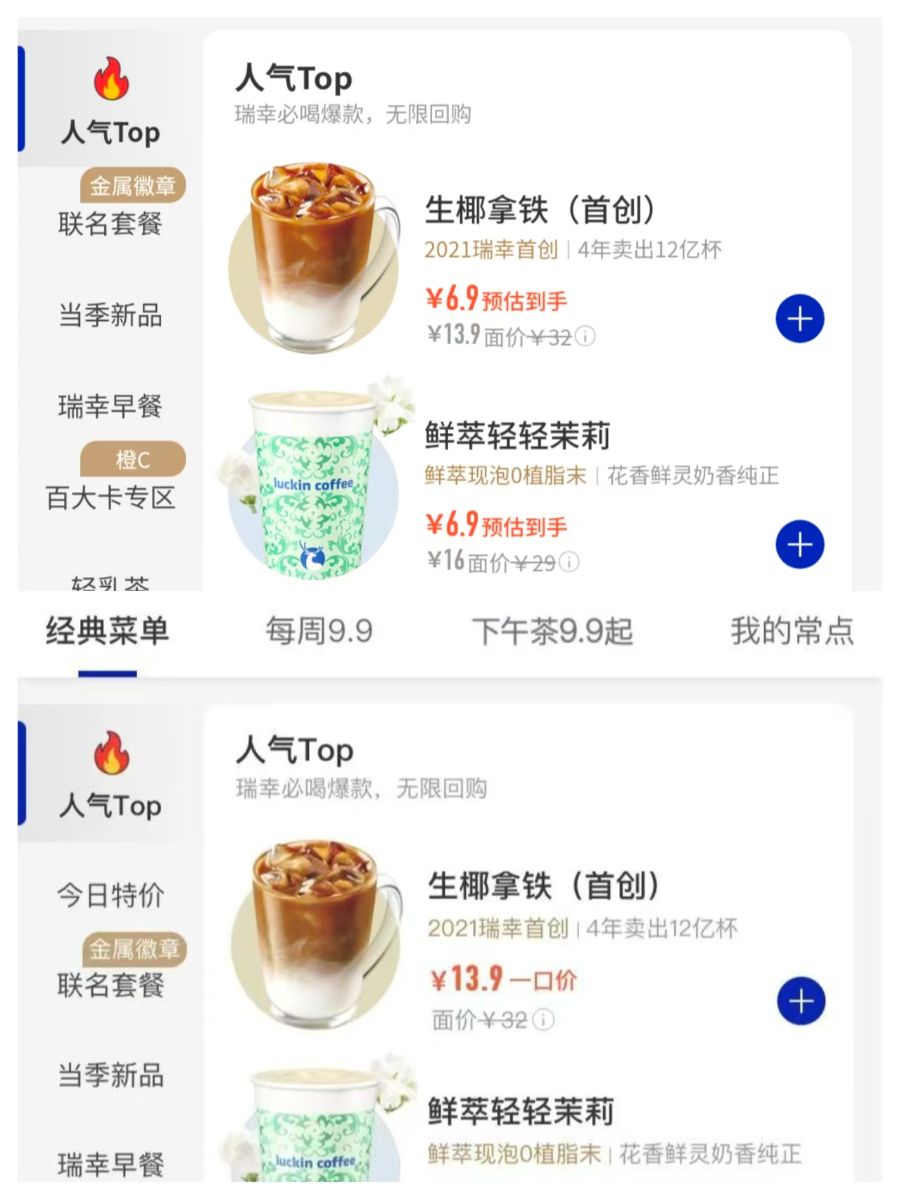
转自:南方日报 今天 话题#瑞幸咖啡降价# 冲上热搜第一! 不少网友发现 点开瑞幸咖啡的小程序 卡券包里多出了一张优惠券 平时9.9元到手的咖啡 变成了6.9元 该券可以购买店内的多款饮品 对此有网友感慨:最近"商战"这么激烈,难道瑞幸要从9.9元时代进入6.9元时代了吗? 咖啡仅需6.9元,瑞幸回应:为双节特惠福利 记者今天点开了瑞幸咖啡的小程序,确实发现页面上不少咖啡的预估到手价格变成了6.9元,包含生椰拿铁、美式、鲜萃轻轻栀 子、西瓜冷萃等多款招牌饮品。 记者又打开了京东、美团团购平台,发现各家团购平台上也有不少等于或低于9.9元的团购价格,美团的特价团部分咖啡价格为 5.9元,京东有券的情况下,咖啡加上配送费到手也是9.9元。 而瑞幸咖啡的主要竞品之一库迪咖啡的价格则更低,在京东平台上多款招牌单品价格在3.9元/杯与4.9元/杯左右。 有网友发现,似乎不是每个人的小程序里都有这个6.9元券,自己不常下单的微信号的瑞幸小程序里就没有这张券。 对此,瑞幸咖啡相关负责人回应:"我们为消费者推出端午节和儿童节的双节特惠福利,随机发放6.9元优惠券,并非降价。" 瑞幸和库迪曾开启9.9元时代,瑞幸CEO称没有提 ...



车企双面战:反内卷与降价潮
Hua Xia Shi Bao· 2025-05-30 10:38
华夏时报(www.chinatimes.net.cn)记者 温冲 于建平 北京报道 在时代的浪潮中,我们都在追求一种平衡。 2024年7月,中共中央政治局会议首次提出要强化行业自律,防止"内卷式"恶性竞争;同年12月,中央经济工作会 议进一步提出综合整治"内卷式"竞争。从防止到整治,国家反对"内卷式"竞争的态度非常坚决,企业高呼"反内 卷"的声音也从未停歇。 然而,在政府、企业都在极力反对恶性竞争的当下,以"价格战"为代表的"内卷式"竞争至今仍存在,市场上的降 价促销也此起彼伏。5月底,多家车企通过"一口价"形式开启新一轮的"降价潮"。这不禁让人疑惑,车企为何一边 喊着"反内卷",一边又深陷降价的漩涡?也让人思考,车企要如何在"反内卷"与应对市场竞争之间寻求平衡,以 实现可持续发展? 整治"内卷式"竞争态度明确且坚决 一边高呼,一边降价,车企为哪般? 当企业被卷入低水平的"内卷"漩涡之时,是否还有余力去保障产品的质量与品质,成为普遍关注的话题。 最近引发热议的长城汽车董事长魏建军的采访,也对行业新车大幅降价的现状进行了评价:"一个产品从二十多万 元降价到十几万元,降价这么多,很难保证产品质量。""不仅背刺老车 ...


拼多多CEO称反哺商家算长期投资,盈利能力或将持续受到影响
雷峰网· 2025-05-30 09:48
Core Viewpoint - Pinduoduo's Q1 performance significantly underperformed market expectations, with a revenue growth of only 10% year-on-year, marking the lowest quarterly growth rate in two years, leading to a sharp decline in stock price [2][5][12] Group 1: Financial Performance - Pinduoduo's Q1 revenue was approximately 487.2 billion RMB from online marketing services, a 15% increase year-on-year, while transaction service revenue was about 469.5 billion RMB, growing 6% year-on-year [5] - The company's promotional and advertising expenses surged to around 334.0 billion RMB in Q1, exceeding the 313.6 billion RMB spent during the peak marketing period in Q4 2024 [2][5] - The overall market sentiment is affected by Pinduoduo's declining stock value, which has dropped 46.5% from its historical peak in February 2021, currently valued at approximately 139 billion USD [12] Group 2: Competitive Landscape - Pinduoduo faces intensified competition during the 618 shopping festival, with rivals increasing their investments in instant retail, threatening Pinduoduo's user retention and shopping frequency [3][4] - The company is compelled to provide additional subsidies to retain users, investing 10 billion RMB in consumer coupons across all product categories [8][9] Group 3: Business Strategy and Challenges - Pinduoduo's strategy involves sacrificing short-term profits to support merchants, with a significant focus on long-term value creation, despite market skepticism regarding this approach [11][12] - The transition of Pinduoduo's overseas business, Temu, to a semi-managed model due to tariff changes has raised concerns about its pricing power and operational efficiency [15][16] - The company is experiencing increased cost pressures from both supply and demand sides, as it attempts to maintain its competitive edge while managing rising operational costs [10][11]


与外卖平台价格战相关?瑞幸回应多款饮品降价3元
Zheng Quan Shi Bao Wang· 2025-05-30 08:20
Group 1: Pricing Strategies and Competition - Luckin Coffee has introduced a new pricing strategy with drinks priced at 6.9 yuan, down from the previous minimum of 9.9 yuan, amidst a price war in the coffee and tea industry [1] - Competitor Kudi Coffee has significantly reduced its prices to 3.9 yuan and 4.9 yuan per cup, resulting in a nearly tenfold increase in sales on the Ele.me platform [1] - The price reduction by Luckin Coffee is claimed to be part of a promotional campaign for the Dragon Boat Festival and Children's Day, rather than a permanent price cut [1] Group 2: Expansion and Market Presence - Mixue Ice Cream has rapidly expanded its independent coffee brand "Lucky Coffee," aiming to exceed 4,600 stores nationwide by the end of 2024 [2] - Mixue plans to invest at least 4 billion yuan in Brazil over the next 3-5 years for coffee bean procurement and other agricultural products, with plans to open its first store in Brazil [2] - KFC's coffee brand, Kenuo Coffee, has reached its 1,000th store in just two years, highlighting the rapid growth of coffee consumption in China [2] Group 3: Market Trends and Consumer Behavior - The tea beverage sector is also seeing low-priced product launches, with brands like Guming introducing drinks priced at 1 yuan and 3 yuan to attract more customers [3] - The competitive landscape among delivery platforms has led to increased sales for leading tea brands, with Tea Baidao reporting a sales increase of over 20% year-on-year in early May [4] - Nayuki's new store opened and quickly topped the beverage rankings, with a significant increase in orders during the May Day holiday, showcasing strong consumer demand [5]
瑞幸多款饮品降价3元,迈入“6块9”时代
2 1 Shi Ji Jing Ji Bao Dao· 2025-05-30 07:00
Group 1 - Luckin Coffee has entered a new pricing era with drinks priced as low as 6.9 yuan, down from the previous minimum of 9.9 yuan [1][4] - The price reduction is part of a competitive response to rivals like Kudi Coffee, which has significantly lowered its prices to 3.9 yuan and 4.9 yuan per cup [4] - Kudi Coffee has seen a substantial increase in sales, reportedly achieving a tenfold growth in orders on Taobao within 24 hours of launching [4] Group 2 - The beverage industry is experiencing intense competition, influenced by low-price strategies from companies like Mixue Ice City, which has popular low-cost products [5] - The trend of using low-priced items to drive sales is becoming common among tea and coffee chains, aiming to cultivate consumer habits [5] - The ongoing price war in the coffee and tea sectors highlights the aggressive market dynamics and the need for companies to adapt to maintain market share [4][5]
宝马5系裸车价最低跌至26万元 实探门店:贷款购车可拿下
Xin Jing Bao· 2025-05-30 06:09
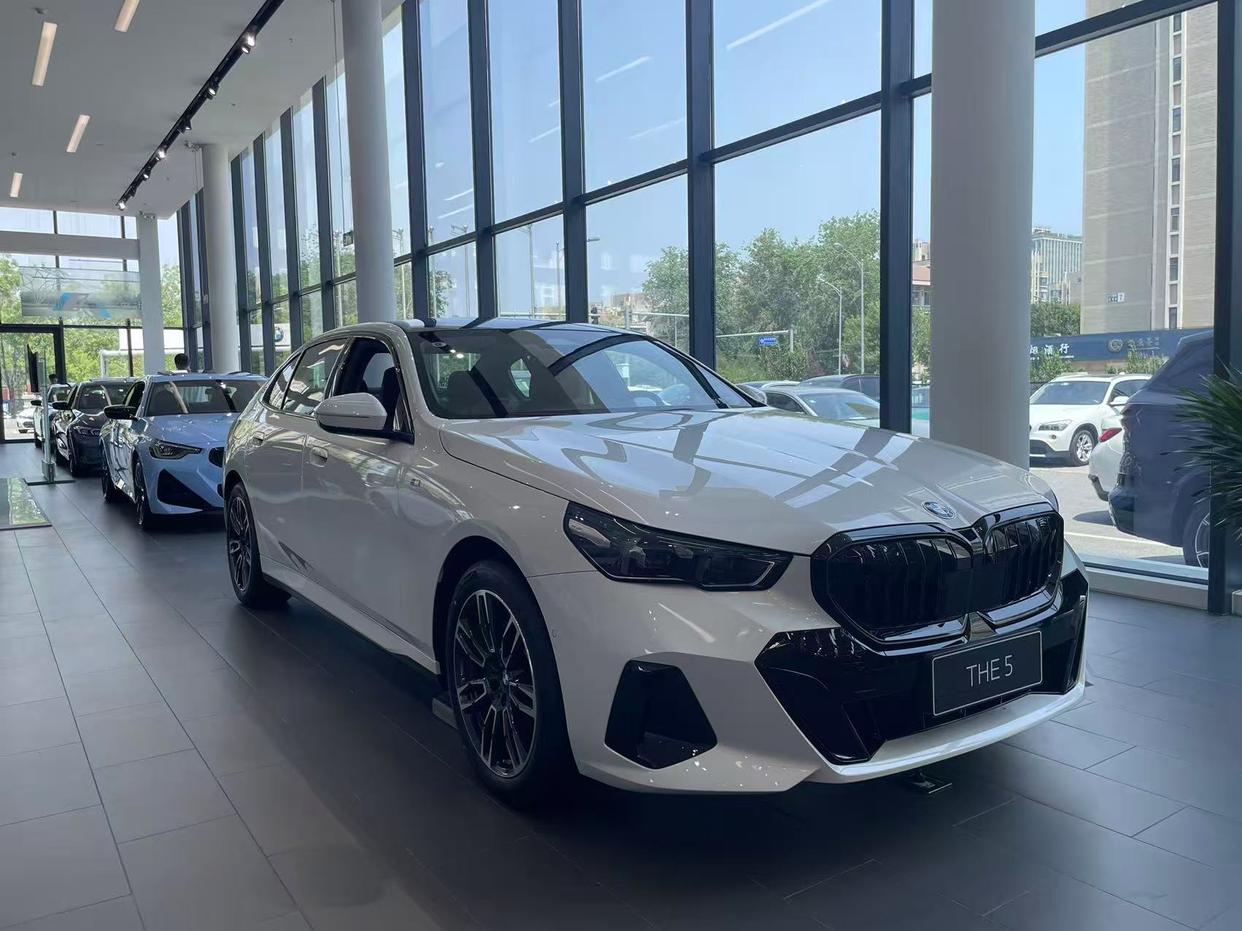
今年4月,"宝马5系跌破29万元"曾冲上热搜,才过了一个多月,曾经售价超40万元的宝马5系再次降价超2万元。 "26.3万是最低价了,但需要选择贷款购车的方案。"5月29日,北京一家宝马4S店内,销售专员对新款宝马5系给出了裸车报价。 据计算,这款2024年12月底上市的"2025款 525Li 豪华套装"5系,现在落地价仅约32.5万元。另一家北京的宝马4S店则给出了约33万元的落地价。 值得注意的是,去年7月宝马中国曾因宣布退出价格战而引发广泛关注。进入2025年,这家豪华品牌似乎也不再坚持"拒战"宣言,又打起了价格牌。 探访:终端车价26万、落地价33万 5月29日,新京报贝壳财经记者走访两家宝马在北京的4S店。其中一家4S店销售人员介绍,时值月底冲量,店内给出的是5系入门车型"2025款 525Li 豪华套 装"最优惠价格——车辆裸车价格为26.3万元,购置税约2.25万元,保险约1.4万元,验车上牌费用0.2万元,赠送贴膜、脚垫、镀膜。不过,想要享受此价 格,用户需要选择贷款方案,贷款利息约2.3万元,综合后车主提车共需支付约32.5万元。 新京报贝壳财经记者还从其他多家北京宝马4S店了解到,在满足 ...
瑞幸突然降到6块9!价格战打到这份上,背后藏着啥算盘?
Sou Hu Cai Jing· 2025-05-30 05:52
Core Viewpoint - Luckin Coffee has initiated a significant price reduction on several beverages, dropping prices to 6.9 yuan, previously 9.9 yuan, in response to competitive pressure from Kudi, which has been aggressively pricing its products at 3.9 to 4.9 yuan [1][3]. Group 1: Price Reduction Strategy - The price cut by Luckin Coffee is primarily targeted at the takeaway market, where Kudi has seen a nearly tenfold increase in order volume, positioning itself as a leader in the coffee category [3]. - This price reduction is not merely a discount but a strategic "defensive battle" to retain customers who might switch to Kudi for lower prices [3]. - Luckin Coffee's supply chain has improved, allowing it to manage costs better, and the price cuts are focused on high-margin products like fruit teas and light milk teas, which can drive sales of other high-margin items [3][4]. Group 2: Industry Dynamics - The coffee and tea market is highly competitive, with Kudi expanding rapidly through a franchise model and low pricing, while other brands like Heytea and Nayuki are also entering the coffee space [4]. - The ongoing price war emphasizes the importance of cash flow and supply chain efficiency in the short term, while brand strength and product repeat purchase rates will be crucial in the long term [4]. - Investors should monitor key financial metrics post-price reduction, such as the increase in takeaway order volume, the sales proportion of high-margin products, and the potential impact on net profit margins [4][5]. Group 3: Long-term Considerations - The current market dynamics resemble a roller coaster, with frequent promotions and new product launches, but long-term investment should focus on the company's competitive advantages, such as store density and supply chain efficiency [5]. - As long as these foundational elements remain intact, the price war may only result in minor setbacks for Luckin Coffee [5].

消费参考丨收缩的酸奶市场,两极分化加剧
2 1 Shi Ji Jing Ji Bao Dao· 2025-05-29 23:42
Group 1 - The yogurt market is experiencing a contraction, with a projected decline of 10.68% in market size for 2024 according to Euromonitor data [2] - Major players like Yili and New Hope are still achieving growth in this shrinking market, with Yili's low-temperature yogurt business significantly increasing its market share by 1.3 percentage points [2][4] - Junlebao's "Jianchun" brand leads the low-temperature yogurt market, holding the top market share in both zero-sugar and low-temperature yogurt categories [2][3] Group 2 - The yogurt market is facing intensified price competition, with mainstream prices dropping from 8-10 yuan to around 5 yuan over the past five years [3] - There is a clear polarization in the yogurt market, where low-end products are struggling to sell despite price cuts, while distinctive mid-to-high-end products are seeing relative growth [3] - Companies are increasingly focusing on innovation and new product launches to drive growth in a challenging market environment [3]
击穿行业低价!互联网巨头“补贴屠刀”砍向名酒,传统经销商生死一线
Sou Hu Cai Jing· 2025-05-29 12:01
Core Viewpoint - The domestic instant retail market is experiencing an unprecedented price war among major internet giants like Alibaba, JD.com, and Meituan, particularly in the takeaway business, which is impacting the white liquor distribution sector significantly [2][3]. Group 1: Market Dynamics - The competition has escalated with Meituan's CEO stating a commitment to win at any cost, leading to aggressive subsidy strategies [2]. - The white liquor category saw explosive growth during Meituan's 618 promotion, with significant sales increases reported by industry insiders [3]. - Major brands like Moutai and Wuliangye are being sold at prices below traditional wholesale costs due to aggressive pricing strategies from platforms like Meituan and Pinduoduo [3][4]. Group 2: Impact on Distributors - Traditional white liquor distributors are facing severe challenges as online prices undercut their costs, leading to a potential restructuring of the distribution system [3][4]. - Analysts warn that the irrational price war may harm the industry's long-term ecological balance, threatening the survival of many distributors [4]. - A significant portion of distributors and small brands may not survive the ongoing market pressures, with estimates suggesting that 50% of distributors could face existential threats in the next few years [5][6]. Group 3: Future Outlook - The white liquor industry is expected to undergo a deep reshuffle, with many distributors needing to adapt to the new market realities or risk extinction [5][6]. - The current market conditions are attributed to a combination of factors, including government consumption, business consumption, and inventory crises, indicating a prolonged adjustment period for the industry [5][6]. - The traditional distribution model that has persisted for decades is undergoing a fundamental transformation, marking the beginning of a new era in the white liquor sector [6].

王传福又惹谁了?
和讯· 2025-05-29 09:33
以下文章来源于和讯商业 ,作者徐帅 商业世界的故事、逻辑、认知。由"和讯商业"团队出品。 最近,长城和比亚迪又隔空撕起来了。 这实在不是新鲜事,二者的口水战已经连更了不知道多少集,骂战的信息量和含金量也向来比较有 限,但此次,魏建军一句 "现在汽车产业里边的恒大已经存在了,只不过是没爆而已",瞬间引爆舆 论。 实际上,如果看完整个采访过程,就会理解魏建军抛出 "汽车产业恒大论"的实质,是对激进扩张模 式潜在风险的警示。其担忧并非空穴来风,当企业过度依赖资本运作而非技术造血,沉迷市值管理而 忽视盈利质量,确实可能重蹈高杠杆扩张的覆辙。 但如果只看剪辑片段,很容易认为魏建军是在攻击比亚迪。毕竟打折促销、激进扩张等标签确实在比 亚迪和恒大身上都有出现。 不过,一家销量遥遥领先的新能源绝对巨头,竟被置于与恒大同等的审视框架下,寻找其 "爆雷"的 蛛丝马迹,这本身就折射出市场和舆论对其的不满与疑虑。 而这份疑虑,在 5 月 23 日比亚迪宣布 王朝网、海洋网共计 22 款智驾版车型加入降价阵营时,被推向了高潮。 这或许是一道分水岭,如果说在此之外,新能源产业需要比亚迪以凌厉的价格战重塑市场,给行业带 来更多可能性,那么 ...