绿色消费

Search documents
消费市场需求升级活力释放
Jin Rong Shi Bao· 2025-07-18 02:30
Core Viewpoint - The consumption market in China has shown significant recovery in the first half of the year, driven by policies aimed at boosting consumption, with retail sales reaching 24.55 trillion yuan, a 5% year-on-year increase, and final consumption expenditure contributing 52% to economic growth [1][2]. Group 1: Consumption Trends - Retail sales of consumer goods grew by 5% in the first half of the year, with a notable acceleration in the second quarter at 5.4%, indicating a steady contribution to economic growth [2]. - Service consumption outpaced goods consumption, with service retail sales increasing by 5.3% compared to 5.1% for goods, reflecting a shift in consumer spending patterns [2]. - Major holidays such as Spring Festival, May Day, and Dragon Boat Festival significantly boosted consumption in sectors like dining, tourism, and entertainment, with related services seeing double-digit growth [2]. Group 2: Policy Support - The government has implemented policies to promote the replacement of old consumer goods, which has led to increased sales of mid-to-high-end products, particularly in the home appliance sector [4]. - The central government has expanded funding for consumption support from 150 billion yuan to 300 billion yuan, with significant allocations already made to stimulate consumer spending [4]. - Financial institutions are being encouraged to increase support for service sectors and the elderly care industry, with a 500 billion yuan fund established to enhance consumption [5]. Group 3: Price Trends - The Consumer Price Index (CPI) showed a mild increase of 0.1% in June, marking the first rise in several months, while core CPI rose by 0.7%, indicating positive changes in the pricing market [6]. - The overall CPI for the first half of the year remained stable with a year-on-year decrease of 0.1%, reflecting adjustments in traditional and new economic drivers [6]. Group 4: Future Outlook - Experts anticipate that more favorable policies will emerge in the second half of the year, with expectations for a gradual recovery in prices and a focus on stabilizing enterprises, promoting employment, and enhancing consumer capacity [7].
各国青年代表苏州共议如何以“青力青为”推动绿色消费
Zhong Guo Xin Wen Wang· 2025-07-17 16:54
Group 1 - The core viewpoint emphasizes the importance of green consumption in promoting sustainable development, particularly through the engagement of youth [1] - The Chinese government is actively working to establish a green consumption incentive mechanism, aiming to foster green and low-carbon production and lifestyle [1] - In the Asia-Pacific region, 65% of young people show a tendency towards green consumption, indicating a significant shift in consumer behavior among the youth [1] Group 2 - The partnership between rural entrepreneurs and academic institutions is facilitating the transformation of technological achievements into practical applications, such as low-carbon freeze-drying technology for coffee beans [2] - The Chinese youth are recognized as a driving force in advancing green consumption, with calls for increased awareness and international collaboration to embed green consumption concepts [2] - Innovative agricultural technologies developed by companies have been acknowledged by the United Nations Food and Agriculture Organization, highlighting the role of youth in promoting green consumption in agriculture [2]
在细微中发现安全隐患,海淀区市场监管局有一支“哨兵团”
Xin Jing Bao· 2025-07-17 08:46
Group 1 - The core viewpoint of the articles highlights the role of the "Sentinel Team" in ensuring food safety and promoting green consumption in Haidian District [1][2] - The "Sentinel Team" consists of new employment groups who actively report potential safety hazards in daily life, such as unlit disinfection cabinets in restaurants [1] - The team also participates in anti-food waste initiatives by promoting the "Clean Plate" campaign among delivery riders [1] Group 2 - The "Sentinel Team" has expanded significantly with broad participation from various sectors, becoming an essential force in grassroots governance [2] - In response to operational disruptions, such as elevator failures in supermarkets, team members promptly report issues to market supervision authorities, ensuring quick resolutions [2] - Haidian District has implemented various support programs for new employment groups, including free haircuts, raincoats, professional training, and daily care, enhancing the sense of belonging and happiness among team members [2]
绿色消费与可持续发展主题论坛 推动消费迭代 共促绿色转型
Su Zhou Ri Bao· 2025-07-17 00:22
Group 1 - The forum on green consumption and sustainable development emphasizes the importance of promoting green consumption as a path to harmonious coexistence with nature and a requirement for China's modernization [1] - The Chinese government is actively organizing youth initiatives such as afforestation, green nutrition, and carbon neutrality actions to promote green consumption [1] - An appeal was made to youth representatives from various countries to enhance education on green consumption, drive technological innovation, and deepen international cooperation for sustainable development [1] Group 2 - The keynote speeches highlighted the role of youth as thinkers, shapers of action, and catalysts for change in achieving a sustainable future [2] - Approximately 2.8 billion people globally still lack access to healthy food, underscoring the need for technological innovation in food production and distribution [2] - Various companies, including Bosideng, Ctrip, Pop Mart, EHang, and BYD, shared their practices and explorations in green consumption, sustainable fashion, and low-carbon travel [2]




世界青年发展论坛聚焦绿色消费
Xin Hua She· 2025-07-16 12:16
Group 1 - The forum on "Green Consumption and Sustainable Development" gathered youth leaders from around the world to discuss the importance of green consumption as a mainstream trend in the global market [1][2] - Young consumers are increasingly prioritizing environmental responsibility and corporate social responsibility, driving the market towards sustainability [1][2] - New opportunities in green consumption are emerging, with young people encouraged to take on greater responsibilities and opportunities to contribute to global sustainable development [1][2] Group 2 - There is a growing recognition of green travel globally, with companies adopting practices such as using recyclable materials and promoting biodiversity [2] - Youth are seen as essential in achieving sustainable development goals, with initiatives in countries like Brazil mobilizing young people to address climate change [2] - The urgency of building a sustainable future is highlighted, with many young individuals demonstrating creativity and determination to tackle this challenge [2]
向好、活力、增长!从多个关键词中读出“十分信心” | 数说中国经济半年报
Yang Shi Wang· 2025-07-16 01:28
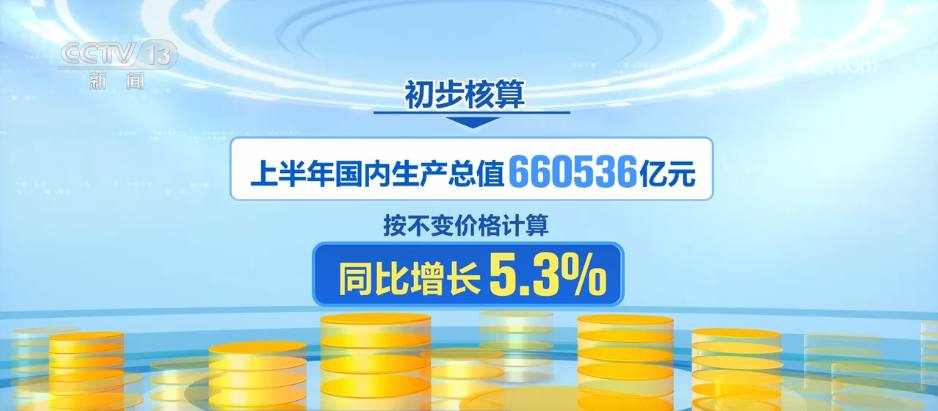
Economic Overview - The national economy demonstrated resilience and stability in the first half of the year, with a GDP of 66,053.6 billion yuan, reflecting a year-on-year growth of 5.3% [3] - The first, second, and third industries saw growth rates of 3.7%, 5.3%, and 5.5% respectively, indicating a balanced economic performance across sectors [3] Industrial Performance - Industrial production grew rapidly, with a year-on-year increase of 6.4% in the added value of large-scale industries [3] - The equipment manufacturing sector and high-tech manufacturing sector outperformed, with growth rates of 10.2% and 9.5% respectively, surpassing the overall industrial growth by 3.8 and 3.1 percentage points [3] Consumer Market - The total retail sales of consumer goods reached 24.55 trillion yuan, growing by 5.0% year-on-year, with a notable acceleration in the second quarter [8] - Service retail sales increased by 5.3%, while goods retail sales grew by 5.1%, indicating a shift towards service consumption [8] Investment Trends - Fixed asset investment rose by 2.8% year-on-year, with manufacturing investment growing by 7.5%, showcasing a continued expansion in investment scale [5] - High-tech industries, particularly information services and aerospace manufacturing, saw investment growth rates exceeding 20% [5] Income and Employment - The per capita disposable income for residents reached 21,840 yuan, with a nominal growth of 5.3% and a real growth of 5.4% [6] - Rural residents experienced faster income growth compared to urban residents, with rural disposable income growing by 5.9% nominally and 6.2% in real terms [6] Consumer Confidence and Future Outlook - The consumption market showed positive signs, with expectations for continued growth in the second half of the year supported by government policies [8] - The contribution of final consumption expenditure to GDP growth was 52%, highlighting its role as the main driver of economic growth [9]

绿色金融添新翼:绿色贸易与消费正式纳入支持范围
2 1 Shi Ji Jing Ji Bao Dao· 2025-07-15 13:49
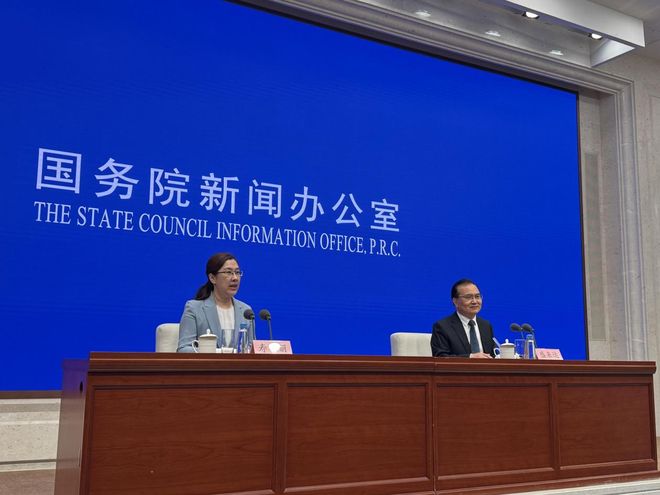
Core Viewpoint - The release of the "Green Finance Support Project Directory (2025 Edition)" aims to unify standards for green financial products, enhancing efficiency and guiding financial resources towards green and low-carbon projects [1][2][3] Summary by Relevant Sections Green Finance Growth - As of May, China's green, inclusive, pension, and digital loans grew by 27.4%, 11.2%, 38%, and 9.5% year-on-year, respectively, all exceeding the growth rate of other loans [1] - Over 1 trillion yuan in green and technology-related bonds were issued in the first half of 2025 [1] New Categories in the Directory - The new directory introduces two major categories: green trade and green consumption, focusing on low-carbon sectors [2][3] - Green trade includes efficient energy equipment, advanced transportation equipment, and green agricultural products, while green consumption covers electric vehicles and energy-efficient appliances [2][3] Impact on Financial Institutions - The directory provides a clear framework for banks to identify and manage green credit projects, enhancing the classification of green assets and guiding the development of green financial products [6][7] - Financial institutions can use the directory to support green bonds and ESG investments, ensuring compliance and effective project selection [6][7] Support for High-Carbon Industries - The directory outlines pathways for high-carbon industries like steel and petrochemicals to transition through clean production and process optimization [10][11] - It emphasizes the importance of third-party services for technical consulting and carbon management to lower transformation costs [10][11] International Alignment - The directory aligns with international standards, enhancing the comparability of China's green finance initiatives with global practices [12][13] - It aims to improve the international influence of China's green finance by addressing long-standing discrepancies in project identification standards [11][12] Expansion of Project Types - The directory expands the number of supported projects significantly, with 271 items listed, reflecting the latest trends in China's green economy [9][11] - It removes 11 fossil fuel-related projects, reinforcing the focus on sustainable practices [9][11]
上半年GDP同比增长5.3% 国家统计局:消费是增长主动力
Zhong Guo Jing Ying Bao· 2025-07-15 09:28
Core Viewpoint - The overall economic performance in the first half of the year is stable and improving, with a GDP growth of 5.3% year-on-year, indicating strong resilience and pressure resistance of the Chinese economy [2][3]. Economic Performance - The GDP for the first half of the year reached 66,053.6 billion yuan, with a year-on-year growth of 5.3% [2]. - The contribution rate of domestic demand to GDP growth was 68.8%, with final consumption expenditure contributing 52% [4]. - The first quarter GDP growth was 5.4%, while the second quarter saw a slight decrease to 5.2% [2]. Sector Analysis - The primary industry added value was 31,172 billion yuan, growing by 3.7%; the secondary industry reached 239,050 billion yuan, with a growth of 5.3%; and the tertiary industry added 390,314 billion yuan, growing by 5.5% [2]. - Retail sales of consumer goods totaled 24.55 trillion yuan, with a year-on-year growth of 5%, and the second quarter growth accelerated to 5.4% [4]. Consumer Trends - Service consumption accounted for an increasing share, with service retail sales growing by 5.3% and goods retail sales by 5.1% [4]. - Upgrading consumption trends were noted, with sports goods retail sales increasing by 22.2% and jewelry retail sales by 11.3% [4]. - New consumption models and trends, such as "self-indulgent consumption" and personalized consumption, are emerging [4]. Future Outlook - The positive consumption trend is expected to continue into the second half of the year, supported by ongoing consumption policies and subsidies [5]. - The expansion of visa-free policies is boosting domestic consumption, with significant increases in foreign visitors during holidays [5].
绿色化数字化“两化融合”有哪些路径?
Zhong Guo Huan Jing Bao· 2025-07-15 00:18
Core Viewpoint - The acceleration of green low-carbon transformation is essential to address extreme climate risks and achieve sustainable development in the context of increasing global climate change [1] Group 1: Current Challenges - The integration of green low-carbon development and digital governance is insufficient, with a lack of collaborative mechanisms for digital empowerment in green transformation [2] - Urban green infrastructure lacks intelligent management capabilities, limiting its effectiveness in mitigating heat island effects and providing cooling spaces for citizens [2] - Existing green low-carbon policies lack a systematic evaluation mechanism driven by big data and AI, hindering dynamic adjustments and precise policy implementation [3] Group 2: Recommendations for Integration - Promote deep integration of digital technology and green low-carbon transformation by establishing cross-departmental collaboration mechanisms and integrating data resources across various sectors [5] - Upgrade urban green infrastructure and smart buildings to enhance their resilience and livability during extreme heat events, including the implementation of intelligent monitoring and control systems [6][7] - Improve the policy support and incentive systems for smart green low-carbon initiatives by establishing data-driven evaluation mechanisms and enhancing the digitalization of carbon markets [8] Group 3: Talent Development - Strengthen the talent pool for smart green governance by improving educational programs and fostering collaboration between academia and industry to cultivate professionals with both digital and green low-carbon expertise [8]
北京消费结构与趋势|国务院发展研究中心市场经济研究所研究员王微:消费市场进入深度调整期
Bei Jing Shang Bao· 2025-07-14 07:20
Core Insights - The consumption market in China is undergoing a profound structural transformation, shifting from a goods-dominated model to a service-oriented one, presenting both new growth opportunities and challenges [1][4][6] Group 1: Consumption Market Trends - The growth rate of social retail sales (社零额) has been declining and has even fallen below GDP growth in recent years, reflecting changes in economic development stages [3][4] - In the first five months of this year, the national social retail sales growth rate rebounded due to consumption-boosting policies, but major cities like Beijing still experienced a slowdown or decline [4][5] - By 2024, the proportion of service consumption in household consumption is expected to reach 47%, indicating a significant structural change that necessitates a more comprehensive consumption statistics system [4][5] Group 2: Government Policies and Measures - Various levels of government have implemented a series of policies to stimulate consumption, including short-term measures like trade-in programs and subsidies for large consumer goods [4][5] - Long-term reforms focus on cultivating a consumption ecosystem, such as expanding visa-free entry and improving payment convenience to boost international tourism and consumption [5][6] - Local governments are innovating policy measures, such as establishing consumption innovation funds to support emerging consumer enterprises and enhance the consumption environment [5][6] Group 3: Emerging Consumption Trends - Despite the slowdown in traditional consumption, new consumption drivers are rapidly emerging, characterized by the growth of digital consumption, the rise of green consumption, and the prominence of domestic brands [5][6] - In 2024, the number of new consumer goods is projected to reach 21.639 million, a year-on-year increase of 14.5%, primarily in cosmetics, clothing, and home goods, showcasing the close link between manufacturing and the consumer market [5][6] Group 4: Challenges in Consumption Market - The transformation of the consumption market faces challenges such as unstable employment, slowing income growth, insufficient service supply, and the need for an improved consumption environment [5][6] - Issues related to product quality, after-sales service, and consumer rights protection continue to restrict the release of consumption potential [5][6] Group 5: Future Outlook - The consumption market is at a critical juncture of structural adjustment, transitioning from goods to services and from traditional to emerging consumption models, which presents both challenges and opportunities [6] - Collaborative efforts among government, enterprises, and consumers are essential to drive sustainable development in the consumption market and support the new development pattern [6]