
能源转型

Search documents
第二届绿色甲醇能源产业发展大会召开
Xin Lang Cai Jing· 2026-01-08 04:35
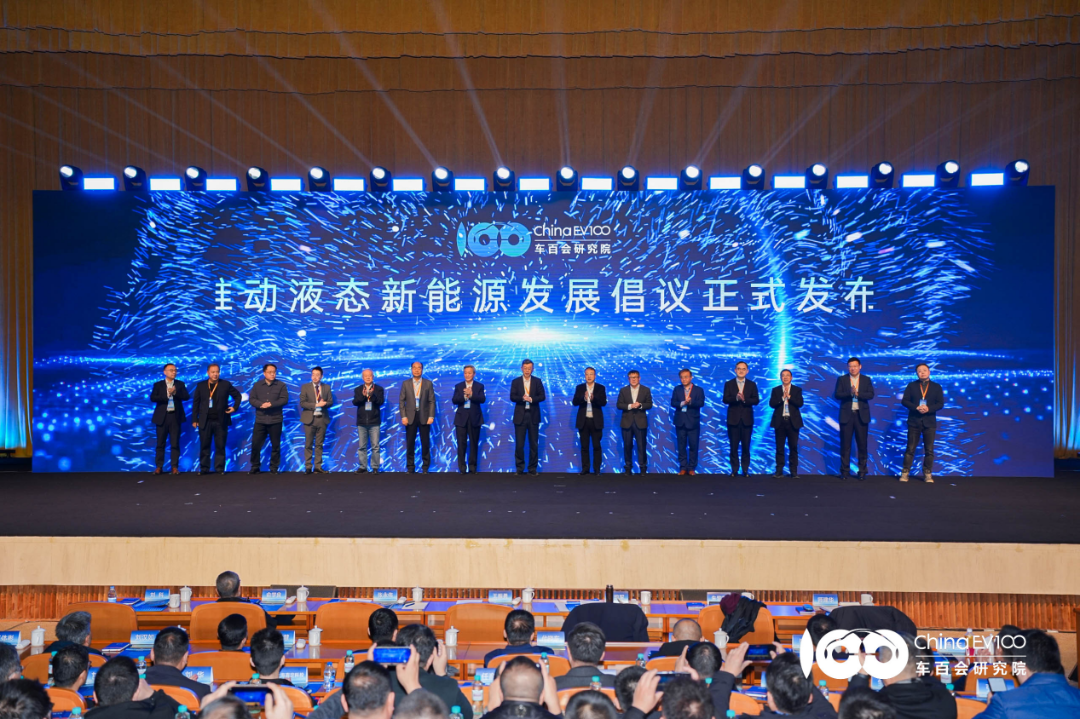
Group 1 - The second Green Methanol Energy Industry Development Conference was held in Wenzhou, focusing on the development paths of green methanol and alcohol-hydrogen electric energy [1] - Key discussions included the green transformation of transportation logistics, energy integration, applications in commercial vehicles and shipping, infrastructure construction, and industrial collaboration [1] - Zhang Yongwei emphasized the importance of integrating new energy vehicles as "mobile energy storage" into the power system to enhance renewable energy consumption and provide effective tools for grid regulation [1] Group 2 - Zhu Liyang highlighted the efficient utilization of waste materials for methanol production, which can improve resource efficiency and reduce environmental pollution, categorizing it as clean or green methanol [2] - Three main technical routes for green methanol production were identified: biomass methanol production, electro-methanol production, and comprehensive utilization of waste [2] - Fang Haifeng noted that the green low-carbon transition of energy will significantly impact the automotive industry's technology choices, with methanol being a viable low-carbon transition route, especially in commercial vehicles [2] Group 3 - Liu Ke discussed the organic combination of smart grids and low-carbon liquid pipelines, which could transition the current coal/oil economy to a renewable energy-dominated green electricity and methanol economy [3] - Shao Yu stated that energy transition is a gradual process, and methanol is a feasible path due to its cost-effectiveness and suitability for current needs [3] - Wang Weiliang pointed out that there is no optimal power route for commercial vehicles; instead, the most suitable solution depends on specific application scenarios [3] Group 4 - Fan Xianjun argued that alcohol-hydrogen electric energy, as a liquid new energy, has significant advantages over traditional technologies like pure electric and hydrogen fuel, making it suitable for sustainable carbon neutrality in China [4] - A roundtable discussion was held to exchange views on the development policies, international trends, industrial practices, and energy supply systems related to methanol energy and alcohol-hydrogen electric energy [4] - The conference also launched the "Initiative to Promote the Development of Liquid New Energy," calling for enhanced policy coordination, technological innovation, and industrial cooperation to accelerate the large-scale application of green methanol and alcohol-hydrogen electric energy in transportation logistics [4]

Metal Futures Daily Strategy:有色金属月度策略-20260108
Fang Zheng Zhong Qi Qi Huo· 2026-01-08 02:50
Report Industry Investment Rating The report does not provide an overall industry investment rating. However, it gives specific investment suggestions for each metal variety: - Copper: Buy on dips, with a recommended strength of +1 [13] - Zinc: Buy on dips, with a recommended strength of +1 [15] - Aluminum Industry Chain: Buy on dips, with a recommended strength of +0.5/-0.5/+0.5 [15] - Tin: Buy on dips, with a recommended strength of +0.5 [15] - Lead: Sell both call and put options, with a recommended strength of +0.5 [16] - Nickel: Consider covered call options on rallies, with a recommended strength of +1 [16] - Stainless Steel: Reduce positions on rallies, with a recommended strength of +1 [16] Core Viewpoints - The non - ferrous metal market is generally in a strong position, with low - priced metals showing strong supplementary gains after the general increase. The overall market is supported by factors such as a relatively loose monetary environment, AI technological development, increased emphasis on the supply chain of critical minerals, and enhanced uncertainty in resource supply due to geopolitical disturbances [11]. - In the short term, the market should be cautious about the possible disturbances caused by phased profit - taking of funds. Different metals have different supply - demand situations and price trends, and corresponding investment strategies should be formulated according to their characteristics [11]. Summary of Each Section Part One: Non - ferrous Metal Operation Logic and Investment Recommendations - **Macro Logic**: In 2026, the non - ferrous metal market is supported by a loose monetary environment, AI development, increased emphasis on critical mineral supply chains, and geopolitical disturbances. China's December manufacturing PMI returned to the expansion range, while the US December ISM manufacturing index unexpectedly shrank to the lowest level since 2024 [11]. - **Geopolitical Disturbance**: The US military action against Venezuela and discussions about obtaining Greenland have raised concerns about resource supply stability. There are also trade - related policies between China and Japan, and differences within the Federal Reserve regarding interest rate cuts [12]. - **Investment Strategies**: Different strategies are proposed for each metal variety, considering factors such as supply, demand, cost, and market sentiment [13][15][16] Part Two: Non - ferrous Metal Market Review - The table shows the closing prices and price changes of various non - ferrous metal futures, including copper, zinc, aluminum, alumina, tin, lead, nickel, stainless steel, and cast aluminum alloy [17]. Part Three: Non - ferrous Metal Position Analysis - The table presents the latest position analysis of the non - ferrous metal sector, including the price change, net long - short strength comparison, net long - short position difference, changes in net long and net short positions, and influencing factors for each variety [19]. Part Four: Non - ferrous Metal Spot Market - The table shows the spot prices and price changes of various non - ferrous metals, including copper, zinc, aluminum, alumina, nickel, stainless steel, tin, lead, cast aluminum alloy, etc. [20] Part Five: Non - ferrous Metal Industry Chain - For each metal (copper, zinc, aluminum, alumina, tin, cast aluminum alloy, lead, nickel, stainless steel), relevant industry chain charts are provided, including inventory changes, processing fees, price trends, etc. [21][23][27][34][43][47][53] Part Six: Non - ferrous Metal Arbitrage - For each metal, relevant arbitrage charts are provided, such as the ratio of domestic to international prices, basis, and spreads between different contracts [57][58][61][64][68][70] Part Seven: Non - ferrous Metal Options - For each metal, relevant option charts are provided, including historical volatility, implied volatility, trading volume, and open interest ratio [74][76][79]
行业预测2026年铜价仍将处于高位
Shang Wu Bu Wang Zhan· 2026-01-08 02:40
智利《信使报》(电子版)1月2日报道,作为智利的主要出口产品,铜在2025年达到 史上最高年平均价格,最后一个交易日以每磅5.672美元收盘。Plusmining矿业咨询公司 表示,鉴于当前电气化进程、电网建设及能源转型等持续推进,2026年铜的结构性需 求仍然强劲,预计铜价将在每磅5至6美元区间波动,高于此前预测的每磅4.5至5美元。 GEM矿业咨询公司也预测铜价将在每磅5至6美元之间,主要原因是库存水平较低以及 美国的不确定性。智利发展大学企业与社会研究中心表示,据国际组织预计,受全球 供应结构性缺口的影响,2026年平均铜价将为每磅5.15美元。专家表示,每年铜价每上 涨1美分,智利政府通过智利国家铜业公司(Codelco)的税收将额外获得2000万至2500 万美元的收入,还将助于增强智利比索的汇率,从而降低燃料、食品和技术服务等价 格。铜价高企在支撑矿业投资和延长现有矿山寿命的同时,也凸显了智利面临的核心 挑战,即提高执行项目的能力、优化审批流程以及提高生产效率。 (原标题:行业预测2026年铜价仍将处于高位) ...
从一块煤到一滴油
Jin Rong Shi Bao· 2026-01-08 02:03
站在潞安煤基清洁能源公司的观景平台上,视线所及是蓝天下铺展的"钢铁巨阵":数十座银灰色塔器拔 地而起,周身缠满管道,银白与深灰的管线在钢结构框架间织成密网,顺着塔壁螺旋而上斜跨向邻座设 备,连缀起整片生产区。不远处,"坚定推进能源革命"的蓝底标语挂在塔群间隙里。 这一数字的背后,是一条特色鲜明的发展路径——从传统的煤炭洗选、焦化向煤制油、煤制气、煤制烯 烃等高端煤化工产品转型。而潞安180项目,正是当地煤化工产业链的核心引擎。 "我们首先将高硫煤通过气化炉进行气化处理,净化后的合成气在高温高压条件下,通过催化剂发生费 托合成反应,费托合成产生的液态烃类混合物经分馏、加氢等精制工艺,再转化为油。可以说,我们的 油是通过气转化而来,燃烧时比传统意义的石油更环保。"潞安煤基清洁能源公司首席师张国华向记者 介绍道。目前,该公司已开发出五大类54种产品、270个规格型号的煤基合成产品,从高密度航空煤油 到尼龙纤维,多个产品填补了国内空白,在高端化工市场占据了重要地位。 从"一块煤",到"一滴油",从"单一燃料"到"多元材料",当地正把煤的价值"吃干榨净",如今,这 滴"油"已经敲开了进口化替代的大门。 这里是潞安180 ...
特朗普盯上委内瑞拉石油,为什么市场无动于衷?
Guan Cha Zhe Wang· 2026-01-08 01:47
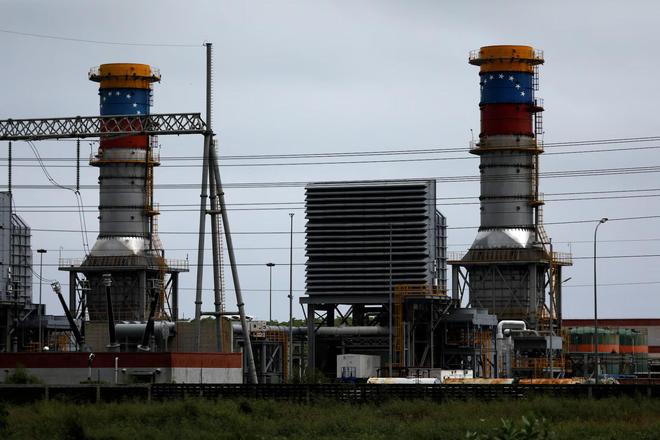
【文/约翰·拉普利,翻译/鲸生】 当全球原油市场在上周日(1月4日)深夜重新开盘交易时,油价几乎纹丝未动。这个小小的数据其实已 经说明了一切:如果唐纳德·特朗普这次对委内瑞拉的大胆行动真的是为了石油,那它从一开始就算不 上成功。 自从美国发起军事行动,将尼古拉斯·马杜罗从加拉加斯掳走并送往美国受审以来,各种说法不绝于耳 ——这次行动将如何重塑地缘政治格局、冲击世界经济,等等。中国每天从委内瑞拉进口大约50万桶原 油,如今失去了一个关键战略伙伴。在中美竞争中,华盛顿似乎一下子掌握了优势。 与此同时,委内瑞拉那被反复提及的"全球最大"石油储备也已落入美国之手。有了这种程度的控制权, 美国就能手握大量廉价能源,用来让本国石油公司获利、推动工业复兴,并在全球能源市场上只手遮 天。 但如果这一切都成为事实,我们本该看见市场的剧烈反应。在人们消化新闻的过程中,中国股市理应随 着增长前景受挫而大跌;油价要么因预期大量新增供应而暴跌,要么因冲突风险上升、供应中断的隐忧 而飙升;投资者也会蜂拥而入地追求美国国债和美元等"避险资产",为可能扩大的冲突做准备。 现实恰恰相反。多年的失修导致委内瑞拉的石油基础设施几近崩溃;长期腐败和 ...
趋势研判!2025年中国安徽省电力行业装机规模、发电规模、尖峰负荷、绿电交易量及未来发展趋势分析:市场化机制持续完善,绿色交易规模提质扩容[图]
Chan Ye Xin Xi Wang· 2026-01-08 01:14
Core Insights - Anhui Province's electricity sector is a core industry supporting the province's and the Yangtze River Delta's energy security, characterized by its foundational, public utility, and energy transition leadership roles [1][5] - The province has implemented a series of policies to enhance market trading systems and pricing mechanisms, stimulating market vitality and ensuring power supply-demand balance [1][5] - Despite a diverse power generation structure, Anhui has been designated as a red alert area for power supply-demand from 2022 to 2024 due to rising demand, with peak load characteristics becoming prominent [1][5] Industry Overview - The electricity sector in Anhui encompasses the production, transmission, distribution, and consumption of electric energy, providing power security for economic and social development while supporting the "Wangdian East Send" energy allocation function [2][5] - The power generation types in Anhui include thermal, hydro, wind, solar, biomass, and new energy storage, with thermal power primarily relying on coal [3][10] Policy Analysis - Anhui has introduced several targeted policies to promote high-quality development of renewable energy and optimize electricity trading rules, including the "Implementation Plan for Market-oriented Reform of Renewable Energy Grid Price" and "Implementation Rules for Long-term Electricity Trading" [5][6] - These policies aim to enhance the electricity market trading system and pricing mechanism, facilitating the transition to a clean, low-carbon, safe, and efficient new power system [5][6] Supply and Demand Analysis - As a key energy supply hub in East China, Anhui's electricity supply structure is continuously optimized, with thermal power as the base supply source and wind and solar as core incremental clean energy [5][6] - The province has faced a persistent power supply gap due to rising demand, with peak load reaching 63.54 million kilowatts in 2024, a year-on-year increase of 13.36% [6][11] Current Development Status - Anhui's renewable energy installed capacity has rapidly expanded, with a total installed capacity of 142 million kilowatts by November 2025, of which renewable energy accounts for 52.2% [7][8] - The province has established a multi-source power supply system, with significant improvements in grid support capabilities, including the completion of a robust 500 kV grid network [8][10] Market Operation Status - Anhui is a pilot province for the national electricity spot market, with significant progress in market-oriented reforms, including the transition to continuous settlement operations by the end of 2024 [11][12] - The green electricity trading scale reached 10.9 billion kilowatt-hours in 2024, ranking fifth nationwide, with a target to exceed 12 billion kilowatt-hours in 2025 [12][14] Future Development Trends - The electricity sector in Anhui will focus on green low-carbon transformation and high-quality development, with an emphasis on optimizing energy structure and expanding renewable energy capacity [14][15] - Market mechanisms will continue to improve, with the formal operation of the spot market and the enhancement of green electricity trading systems [15][16] - The integration of new energy into the market will be a core direction for industry transformation, promoting the development of new business models and enhancing the synergy between energy supply and demand [16][17]

全国首个“虚拟电厂小镇”在深投运,创新模式激活能源转型新动能
Sou Hu Cai Jing· 2026-01-07 23:35
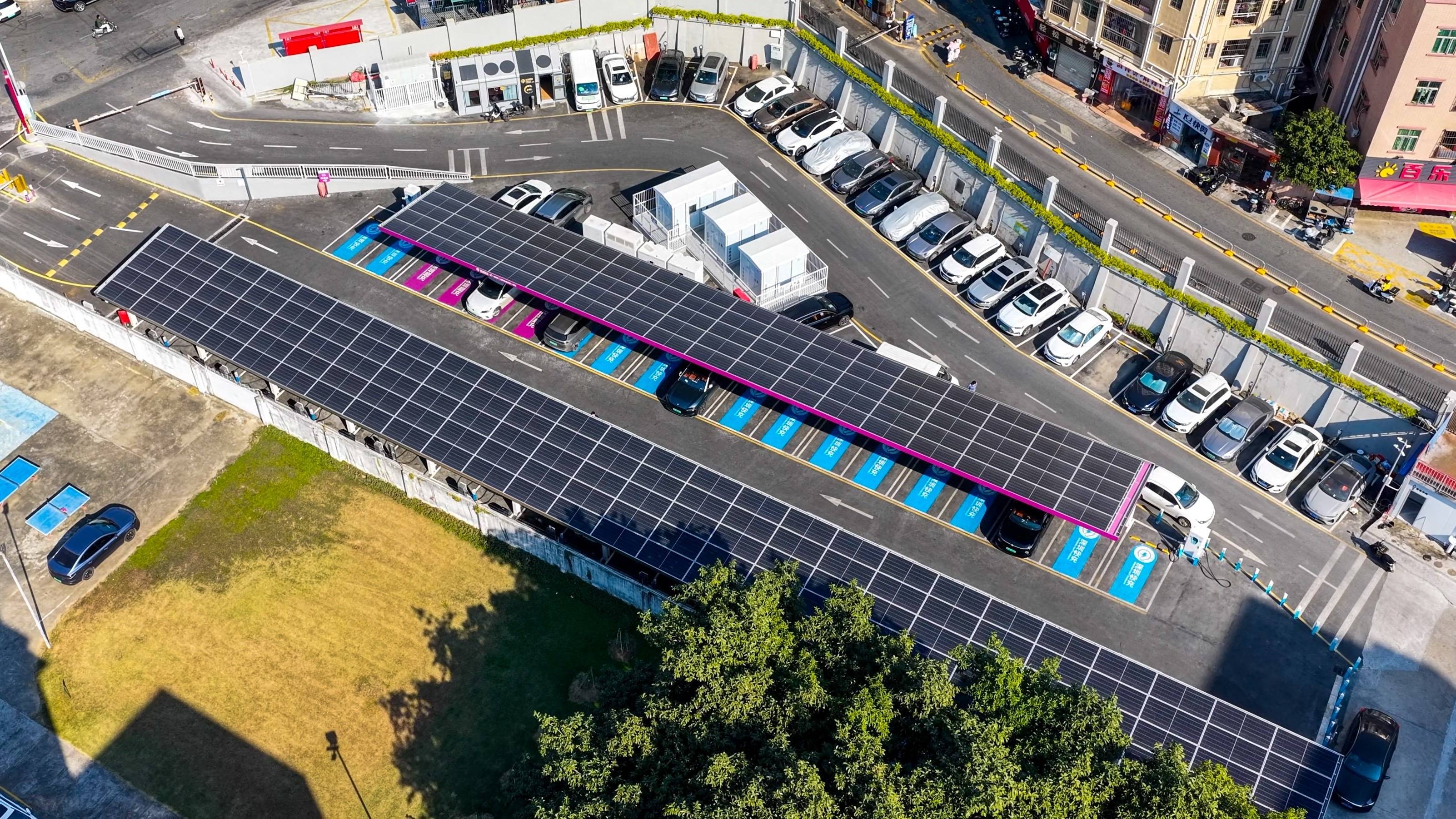
此次投运的一期项目包含2座光伏发电站、1座构网型光储充放一体化超充站及31根慢充桩,总装机容量达4.171兆瓦。按照规划,小镇将于2027年全面完 工,届时聚合调节能力将超50兆瓦,每年可实现数千吨二氧化碳减排。 截至目前,深圳虚拟电厂调控管理云平台已接入资源规模超475万千瓦,最大可调能力达130万千瓦,相当于保障87万户家庭夏季空调用电。未来,深圳供电 局将持续协同各方,深化"政府与电网企业联动、民企创新、村集体受益"的多赢模式,打造可推广的虚拟电厂建设样板,为能源转型贡献基层实践与电网支 撑的双重力量。 撰文:徐峰 田启东 李林鹏 刘峰 杨晶晶 图为位于虚拟电厂小镇的光储充放一体化超充站(黄志伟 摄) 作为项目建设的重要支撑,深圳宝安供电局沙井供电分局自2025年6月项目启动以来,全程跟踪施工进度,针对接入方案审核、业扩配套立项等关键环节主 动破题,提供"一站式"全程便捷服务。深圳虚拟电厂管理中心同步开展"政策上门"服务,从政策咨询、技术指导到标准建设提供全方位支持,为项目快速落 地保驾护航。 近日,全国首个以社区为载体的虚拟电厂示范工程——深圳宝安区"虚拟电厂小镇"一期项目顺利投运,分布式光伏、储能、 ...
甲醇产业的战略价值与成本博弈
Xin Lang Cai Jing· 2026-01-07 21:38
Core Insights - The total oil import value for China in 2024 is projected to be approximately $324.7 billion, with petrochemical product imports around $629.9 billion, leading to a combined total nearing $954.6 billion, close to $1 trillion [1] - The green methanol industry is entering a phase of explosive growth, driven by rigid demand in shipping, chemicals, and transportation sectors [1][2] - The development of the methanol industry is viewed as a strategic pathway to optimize energy structure and enhance energy security in China [2] Industry Overview - China's energy resource structure is characterized by an abundance of coal, limited oil, and minimal gas, with oil imports expected to reach 553 million tons in 2024, maintaining over 70% dependency on foreign oil [2] - The application ecosystem for methanol has expanded from early uses in vehicles and stoves to include methanol ships, fuel cells, power generation units, and engineering machinery [2] Cost and Economic Factors - The core challenge for methanol to replace oil lies in balancing cost and benefits, with green methanol priced between 9,000 to 12,000 yuan per ton, making it a significant barrier for large-scale adoption [3] - In contrast, blue methanol (using carbon capture technology) ranges from 2,800 to 5,000 yuan per ton, while gray methanol (traditional production) is priced between 2,000 to 3,500 yuan per ton, and black or brown methanol (high carbon emissions) costs about 1,800 to 3,200 yuan per ton [3] Technological Development - Green methanol production relies on two main technological pathways: biomass gasification or biogas to synthesize methanol, and renewable energy to produce green hydrogen combined with industrial CO2 emissions [4] - The cost of green methanol is expected to decrease to a range of 2,500 to 3,000 yuan per ton over the next decade, which will significantly impact its market share and strategic value in energy substitution [4] Economic Implications - The transition from oil to methanol is not only about energy structure adjustment but also relates to expanding domestic demand and enhancing the capacity of the domestic economic cycle [5] - Developing the methanol industry is anticipated to convert related demand into domestic production and investment, thereby driving industry chain extension and job growth [6] - The strategy of replacing imports with domestic production is expected to foster a positive interaction between energy security and economic development [6]
大宗商品迎来“银强油弱”时代
Bei Jing Shang Bao· 2026-01-07 15:26
Group 1 - The recent surge in silver prices, surpassing oil prices, indicates a significant shift in market dynamics, with the silver-to-oil ratio fluctuating between 1.2 and 1.3 [3][4] - Historical context shows that the last time silver was more expensive than oil was approximately 45 years ago, during the Hunt brothers' manipulation of the silver market [2] - The current geopolitical situation in Venezuela has not significantly impacted oil prices, which have been on a downward trend, reflecting a broader supply surplus in the global market [3][4] Group 2 - Silver's demand is closely tied to industrial applications, particularly in sectors like electronics and photovoltaics, which are expected to drive its price, despite a projected slowdown in photovoltaic installation growth [4][5] - Oil prices are expected to remain under pressure due to anticipated increases in U.S. oil production and ongoing global supply surplus, with Goldman Sachs predicting an average WTI oil price of $52 per barrel in 2026 [5][6] - The silver-to-oil ratio is expected to remain above 1, but significant increases are unlikely, with key factors including OPEC+ production cuts and global energy policy changes influencing this dynamic [6]
万家基金贺方舟:建议将工业有色视为一种“战略资源资产”
Zhong Zheng Wang· 2026-01-07 13:57
Core Viewpoint - The long-term investment perspective on industrial non-ferrous metals should be viewed as a "strategic resource asset" benefiting from global liquidity easing and the future of electrification and digitalization, rather than merely a cyclical commodity [1] Group 1: Market Outlook - The manager is optimistic about the medium to long-term performance of the non-ferrous metals sector [1] - The Federal Reserve entering a rate-cutting cycle is favorable for dollar-denominated non-ferrous metals [1] - Supply-side disruptions, including accidents in South American and Central African copper mines, have led to tight supply, exacerbated by the recent mining accident at Indonesia's Grasberg copper mine [1] Group 2: Demand Factors - The demand for industrial metals is continuously rising, driven by energy transition and the AI wave [1]