制度型开放

Search documents
多地促消费新政落地 精准发力释放内需潜力
Sou Hu Cai Jing· 2025-11-14 23:07
Core Insights - Consumption is a key driver of economic growth and is emphasized in the recent policies aimed at expanding domestic demand [2][4][9] - Local governments are actively implementing consumption-boosting policies in response to the national strategy to enhance domestic demand [4][8] Policy Initiatives - Hainan Province has adjusted its vehicle scrapping subsidy policy to promote green consumption and industry upgrades, effective from November 4, 2025 [5] - Jiangsu Province has introduced measures to develop the sports event economy, aiming to stimulate consumption through various event-related activities [6] - Chongqing has issued 18 measures to eliminate restrictive consumption policies across six sectors, including automotive and housing, to release pent-up consumer demand [6][8] Economic Impact - The contribution of final consumption expenditure to economic growth reached 53.5% in the first three quarters, an increase of 9.0 percentage points compared to the previous year [10] - Experts suggest that activating domestic demand and promoting high-quality development requires a dual approach from both demand and supply sides [11][12] Future Recommendations - Future consumption initiatives should focus on institutional openness, technology-driven innovation, and the cultivation of consumption scenarios tailored to local resources [13]


今日视点:三大主线驱动中国资产价值重估向纵深演进
Zheng Quan Ri Bao· 2025-11-13 23:03
Core Viewpoint - The revaluation of Chinese assets is underway, driven by multiple factors including institutional reforms, economic resilience, and emerging investment opportunities [1] Group 1: Institutional Reforms - The ongoing institutional opening of China's capital market is creating a favorable environment for global capital allocation [3] - The Shanghai Stock Exchange aims to expand institutional openness, enhance cross-border investment channels, and improve international competitiveness [3] - Systematic implementation of institutional innovations is reshaping global capital allocation logic, boosting international investors' confidence in the Chinese market [3] Group 2: Economic Resilience - China's economic resilience during structural transformation provides a solid foundation for asset value revaluation [4] - Economic indicators suggest a steady recovery, with GDP growth expected to remain around 5% in 2026 [4] - The attractiveness of RMB assets in global capital allocation is increasing, evidenced by rising foreign capital inflows and diversified corporate financing channels [4][5] Group 3: Emerging Investment Opportunities - Three main paths—innovation, mergers and acquisitions (M&A), and globalization—are driving continuous momentum for the revaluation of Chinese assets [6] - Sectors like AI and new consumption are becoming hotspots for global capital, creating structural opportunities [7] - The M&A market is seeing significant activity, with over 1,000 disclosed transactions since the introduction of the "M&A Six Guidelines," including a 138% year-on-year increase in major asset restructurings [7] - The globalization of Chinese enterprises is accelerating, broadening revenue sources and reconstructing valuation systems on a global scale [7][8]
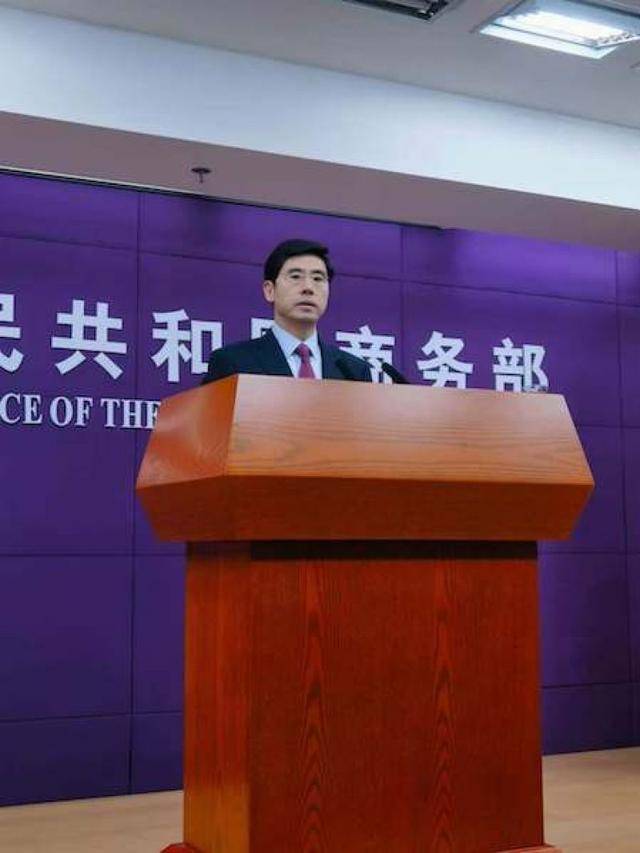
商务部召开例行新闻发布会(2025年11月13日)
Shang Wu Bu Wang Zhan· 2025-11-13 22:43
Group 1: Trade and Economic Cooperation - The "Shared Market · Export to China" initiative aims to enhance global access to the Chinese market, contributing to the record high transaction volume of $83.49 billion at the recent China International Import Expo, a 4.4% increase year-on-year [1] - The signing of the memorandum on the China-Spain Economic and Industrial Cooperation Mixed Committee marks a significant step in strengthening bilateral economic dialogue, coinciding with the 20th anniversary of the comprehensive strategic partnership between China and Spain [2] - The China-ASEAN Free Trade Area 3.0 upgrade is seen as a milestone, expanding cooperation into digital, green, and supply chain areas, which has generated significant interest from enterprises [7] Group 2: Shanghai International Trade Center Development - Shanghai's international trade center has seen positive developments, with imports and exports reaching 3.7 trillion yuan, a 5.2% increase year-on-year, and exports growing by 10.5% [5] - The city has enhanced its service trade, with service imports and exports amounting to 1.8 trillion yuan, reflecting a 5% increase, and digital service exports growing by 6.4% [5] - Future plans include further integration of goods, services, and digital trade, focusing on innovation and regulatory alignment to enhance the functionality of the Shanghai International Trade Center [6] Group 3: Semiconductor Supply Chain Stability - China has engaged in multiple rounds of discussions with the Netherlands regarding semiconductor supply chain stability, emphasizing the need for constructive solutions to restore global supply chain security [8] Group 4: Agricultural Trade with the U.S. - China is expected to purchase approximately 12 million tons of U.S. soybeans in the coming months, with a commitment to buy at least 25 million tons annually over the next three years, reflecting ongoing agricultural trade negotiations [9] Group 5: Rare Earth Export Licensing - China is in the process of designing a new export licensing system for rare earths, aimed at streamlining export processes while ensuring compliance with national security and international obligations [10]
三大主线驱动中国资产价值重估向纵深演进
Zheng Quan Ri Bao· 2025-11-13 17:19
Group 1 - The core viewpoint is that China's asset prices are undergoing a significant revaluation driven by multiple factors, marking the beginning of a new era for the Chinese capital market [1] - The institutional opening of China's capital market is deepening, reshaping global capital allocation logic, as evidenced by the Shanghai Stock Exchange's focus on expanding cross-border investment channels and enhancing international competitiveness [3][4] - China's economic resilience is providing a solid foundation for asset value revaluation, with GDP growth expected to remain around 5% in 2026, and the attractiveness of RMB assets in global capital allocation is increasing [4][5] Group 2 - New growth drivers are emerging, with innovation, mergers and acquisitions, and globalization creating diverse investment paths that expand valuation space for Chinese assets [6][7] - The innovation sector, particularly in AI and new consumption, is becoming a hotspot for global capital, while mergers and acquisitions are enhancing asset quality through industry consolidation [7][8] - The globalization of Chinese enterprises is accelerating, broadening revenue sources and reconstructing the valuation system on a global scale, indicating that the revaluation of Chinese assets is not just a forecast but a current reality [8]
商务部:上海国际贸易中心建设取得积极进展|快讯
Sou Hu Cai Jing· 2025-11-13 13:11
Core Insights - The eighth China International Import Expo (CIIE) achieved a record transaction volume of $83.49 billion, marking a year-on-year growth of 4.4% [2] - Shanghai is accelerating its development as an international trade center, supported by the Ministry of Commerce and relevant departments [2] Group 1: Trade Performance - From January to October, Shanghai's total import and export value reached 3.7 trillion yuan, an increase of 5.2%, with exports alone amounting to 1.6 trillion yuan, growing by 10.5% [3] - Shanghai Port has maintained its position as the world's largest container port for 15 consecutive years [3] Group 2: Green and Digital Trade Initiatives - Shanghai is establishing a comprehensive green supply chain management service system and is actively exploring product carbon footprint accounting [3] - The service trade sector is accelerating, with service import and export value reaching 1.8 trillion yuan from January to September, a year-on-year increase of 5% [3] - Digital service exports amounted to 698.63 billion yuan, reflecting a growth of 6.4% [3] Group 3: Regulatory and Policy Developments - Shanghai is aligning with international high-standard economic and trade rules, with 80 reform measures from the Shanghai Free Trade Zone fully implemented, and 77 measures being replicated nationwide or in other free trade zones [3] - The scope of bonded maintenance services is expanding, and Shanghai is the first in the country to pilot bonded remanufacturing business [3] Group 4: Future Directions - The Ministry of Commerce plans to support Shanghai in better coordinating goods trade, service trade, and digital trade, focusing on innovation, coordination, security, and rules [4] - There is an emphasis on enhancing the functions and connotations of the Shanghai International Trade Center, promoting synergy with economic, technological innovation, financial, and shipping centers [4]
最新!上交所理事长邱勇发声→
Jin Rong Shi Bao· 2025-11-13 07:37
Core Insights - The Shanghai Stock Exchange (SSE) is hosting its seventh annual International Investor Conference on November 12, 2025, focusing on strategic signals for the next five years [1] - SSE Chairman Qiu Yong emphasized the importance of risk prevention, strong regulation, and promoting high-quality development as the main themes for the exchange's future [1] Group 1: Market Attractiveness - SSE's market scale has significantly expanded during the 14th Five-Year Plan period, with the STAR Market seeing substantial growth in both quantity and quality of listed companies [4][5] - The STAR Market has added 379 new companies, with 22 previously unprofitable firms achieving profitability post-listing, and a total market capitalization of approximately 10 trillion yuan [4] - The average annual compound growth rates for revenue and net profit of listed companies in the Shanghai market are 3.8% and 4.6%, respectively, indicating a solid foundation for high-quality economic development [5] Group 2: Strategic Focus Areas - SSE aims to enhance the issuance and listing processes, refinancing, and mergers and acquisitions to guide capital towards advanced technologies and future industries [6] - The exchange is committed to fostering a market ecosystem that encourages rational, value, and long-term investments, attracting more long-term capital [6] - SSE plans to improve corporate governance and information disclosure quality while promoting dividend repurchases [6] Group 3: International Capital Inflow - The A-share market has shown a stable upward trend, with international capital continuing to flow into China, bolstered by improved investor confidence [8] - Global asset management firms express optimism about the long-term investment value of the Chinese market, driven by macroeconomic stability and policy optimization [8] - SSE has made significant progress in cross-border investment mechanisms, with the Stock Connect program seeing a cumulative transaction volume of 103 trillion yuan, a 288% increase [8][9] Group 4: Product and Index Development - The SSE has developed over 3,500 new indices during the 14th Five-Year Plan, with the ETF product scale increasing from 0.9 trillion yuan to 4.1 trillion yuan, reflecting a 35% annual growth rate [7] - The exchange's cross-border index products have exceeded 320 billion yuan, enhancing its international influence [9] - The SSE has collaborated with the Singapore Exchange to launch the China Securities Index Singapore Exchange Asia 100 Index series, further promoting international cooperation [9]
上交所公布未来五年发展方向!
清华金融评论· 2025-11-13 07:33
Core Viewpoint - The Shanghai Stock Exchange (SSE) aims to enhance its global competitiveness by focusing on risk prevention, strong regulation, and high-quality development over the next five years, as articulated by SSE Chairman Qiu Yong at the International Investors Conference [3]. Group 1: Development Focus Areas - The SSE will concentrate on fostering new productive forces by optimizing key systems such as issuance, refinancing, and mergers and acquisitions, directing capital towards cutting-edge technologies and advanced manufacturing [4]. - The SSE aims to cultivate a market ecosystem that promotes rational, value, and long-term investments, encouraging more medium to long-term capital to enter the market [4]. - The SSE will work on improving corporate governance and information disclosure quality among listed companies, while also reinforcing dividend and buyback practices [4]. - The SSE plans to steadily expand institutional openness, broaden cross-border investment channels, and enrich its international product system [4]. - The SSE will better coordinate development and security, continuously enhancing technology-enabled regulation and services, and improving risk monitoring and early warning mechanisms [4]. Group 2: Market Attractiveness - The total market capitalization of the stock market has surpassed 60 trillion yuan, with trading volume reaching 546 trillion yuan, representing growth of 40% and 96% respectively during the 13th Five-Year Plan, ranking 3rd and 4th globally [5]. - The bond custody volume is 19.1 trillion yuan, a 44% increase, making it the largest bond market among global exchanges [5]. - The mutual fund market has a total market value of 4.2 trillion yuan and a trading volume of 133 trillion yuan, reflecting growth of 359% and 221% respectively, with ETF market value and trading volume ranking 2nd and 1st in Asia [5]. - The SSE has seen significant qualitative improvements alongside quantitative growth, particularly due to the ongoing effects of the Sci-Tech Innovation Board reforms [5]. Group 3: Sci-Tech Innovation Board Achievements - The Sci-Tech Innovation Board has welcomed 379 new companies during the 14th Five-Year Plan, with 22 previously unprofitable companies achieving profitability post-listing [6]. - Among the companies listed under the fifth set of standards, 21 have launched core products, and 16 have reported revenues exceeding 100 million yuan [6]. - The total market capitalization of the Sci-Tech Innovation Board is approximately 10 trillion yuan, establishing it as a preferred listing destination for "hard tech" companies in China [6]. Group 4: Corporate Quality and Investment Value - The SSE has implemented reforms to enhance the quality of listed companies and investment value, with average annual compound growth rates of 3.8% in revenue and 4.6% in net profit during the 14th Five-Year Plan [7]. - Since the introduction of the "Six Mergers and Acquisitions Guidelines," there have been 1,061 disclosed asset restructurings and 114 major asset restructurings, with year-on-year increases of 11% and 78% respectively [7]. - The total amount of dividends and buybacks by listed companies has exceeded 7.6 trillion yuan, accounting for over 70% of the total market dividends, reflecting a growth of 51.2% [7]. Group 5: International Capital Inflow - The A-share market has shown a stable upward trend this year, with major indices rising and investor confidence recovering, leading to a continuous inflow of international capital [8]. - The SSE's collaborative development across stock, bond, fund, derivatives, and REITs markets, along with effective green finance initiatives, has strengthened foreign investors' confidence in long-term investments in China [8]. - The SSE has deepened its mutual connectivity mechanisms and enriched cross-border products, with significant progress in institutional openness, including the inclusion of stock ETFs in the Hong Kong Stock Connect [8]. - The SSE's cross-border index product scale has exceeded 320 billion yuan, enhancing its international influence [9].

中时深度丨自贸试验区:更大力度开展首创性集成式探索
Sou Hu Cai Jing· 2025-11-13 04:44
以制度型开放推动高质量发展 编者按 12月18日,海南自贸港将迎来全岛封关运作。这不仅是海南发展的里程碑,更是中国自贸试验区从"探路"走向"引领"的标志性事件。自2013年上海自贸试 验区率先破题,中国改革开放的"试验田"已深耕十余年,形成覆盖东西南北中的开放格局。当前,面对全球经贸规则重构与国内高质量发展要求,我国自 贸试验区的使命正全面升级。本期中时深度聚焦自贸试验区提升战略,深入探讨其如何以制度型开放为核心对接国际高标准经贸规则,如何通过系统集成 改革破解政策碎片化难题,如何在扩大开放中统筹发展与安全,展现中国通过制度型开放推动高质量发展的新图景。 图片来源/新华社 ■中国经济时报记者 刘慧 ∨ 商务部党组书记、部长王文涛日前表示:"高水平开放成为中国经济发展的强劲动力。开放是把握大势、破浪前行的坚定抉择。中国坚定不移扩大开放, 推动进博会越办越好,在自贸试验区开展开放试验……以自身开放促进共同开放,为世界注入确定性和正能量。" 首创性、集成式探索是核心 ∨ 商务部国际贸易经济合作研究院副院长、研究员崔卫杰对中国经济时报记者表示,"十五五"时期,我国将全面深入实施自贸试验区提升战略。更大力度开 展首创性 ...
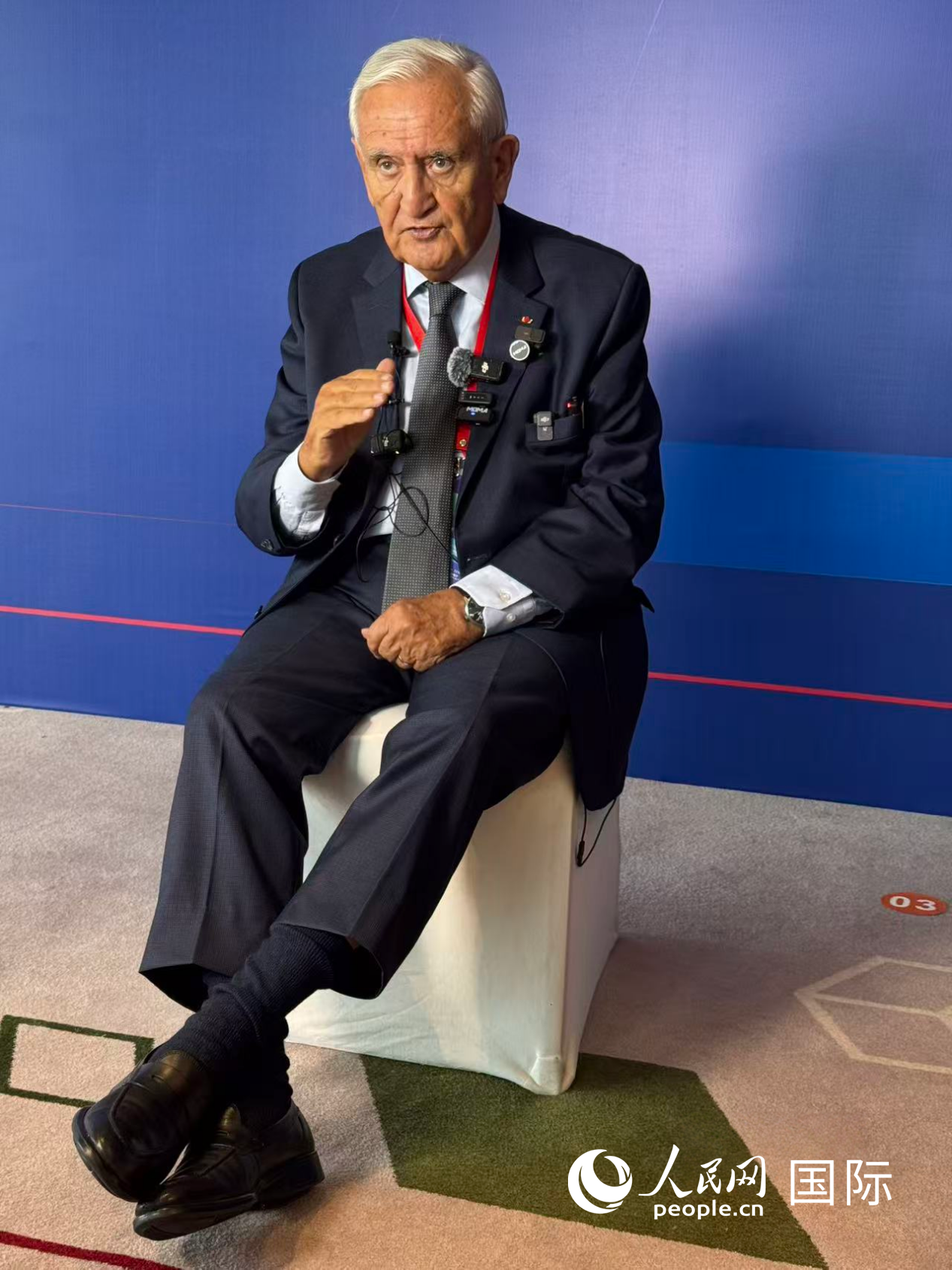
法国前总理拉法兰:为世界合作共赢提供新机遇
人民网-国际频道 原创稿· 2025-11-13 02:10
Core Viewpoint - Former French Prime Minister Jean-Pierre Raffarin highly praises China's commitment to open cooperation and long-term planning, asserting that the "14th Five-Year Plan" will not only drive China's high-quality development but also provide new opportunities for global cooperation and win-win outcomes [3][4] Group 1: China's Development Strategy - Raffarin emphasizes the core value of the "14th Five-Year Plan" is to focus on future development rather than being distracted by current turmoil, highlighting the importance of strategic planning in an uncertain world [3] - He notes that the phrase "concentrate efforts on doing our own things well" in the plan reflects China's successful experience in achieving rapid development through reform and opening up [3] - The people-centered planning approach is seen as key to addressing current global uncertainties [3] Group 2: Open Cooperation and Global Trade - Raffarin agrees with the plan's call for "expanding high-level opening up and creating a new situation of win-win cooperation," stating that "closure inevitably leads to decline, while openness brings growth, development, and wealth" [3][4] - He commends China's commitment to steadily expanding institutional openness and maintaining a multilateral trade system, which he believes will inject stability into global trade [4] - The current rise of unilateralism and protectionism makes China's path of open cooperation and mutual benefit essential for global economic globalization [4] Group 3: Sino-French Cooperation - As a witness and promoter of Sino-French friendship, Raffarin suggests that cooperation between China and France can inspire international collaboration during the "14th Five-Year Plan" period [4] - He mentions existing nuclear cooperation in the UK and potential future collaborations in sectors like aviation, transportation, agricultural products, and healthcare, as well as exploring third-country markets [4] - Raffarin emphasizes that past trade was one-way, while future international cooperation should focus on joint creation [4] Group 4: Role of Youth in Global Cooperation - Raffarin expresses hope for global youth to break regional barriers and engage in cooperation in cultural exchange, environmental protection, and technological innovation [4] - He believes that young people are the bridge between the present and the future, and their actions will determine the direction of global development [4] - The "14th Five-Year Plan" is viewed not only as a blueprint for China's development but also as an invitation for global cooperation [4]
外资看好中国资产长期配置价值
第一财经· 2025-11-13 00:46
Group 1: Core Perspectives - The consensus among global investors is to invest in and deepen engagement with China, as highlighted by the upcoming Shanghai Stock Exchange International Investor Conference [2] - The China Securities Regulatory Commission (CSRC) emphasizes that the capital market will continue to open up, creating a favorable investment environment for international investors [2][3] - Major global asset management firms express optimism about the long-term value of investing in China, driven by a stable macroeconomic environment and ongoing policy improvements [2] Group 2: Policy and Market Reforms - The "14th Five-Year Plan" outlines a direction for expanding institutional openness in capital markets, aiming to enhance the inclusivity and adaptability of market systems [3] - The CSRC plans to deepen reforms in financing and investment, promoting the development of diverse equity financing and increasing the scale of long-term investments from social security and insurance funds [3][4] - Shanghai aims to enhance its international financial center status by improving the business environment and attracting more domestic and foreign institutions [5] Group 3: Mergers and Acquisitions (M&A) Trends - The A-share market has seen a surge in M&A activities, with over 1,000 transactions reported since the release of new reform guidelines, indicating a significant structural change in the economy [8] - Chinese companies are increasingly focusing on M&A to adapt to new industry dynamics, with state-owned enterprises expanding globally and private firms actively seeking international opportunities [8][9] - M&A is viewed as a golden opportunity for international investors to engage with Chinese companies, particularly in technology and traditional industries undergoing transformation [9][10] Group 4: Long-term Investment Strategies - Long-term funds are being encouraged to increase their allocation to equity assets, with a focus on technology stocks that have shown strong performance in the current market [12][13] - The importance of maintaining a long-term investment perspective is emphasized, particularly in the context of supporting technological innovation and national strategies [14] - Challenges remain in promoting long-term investments, including the need for improved dividend policies among listed companies and a more stable market environment [15]