
产业升级

Search documents
开局即冲刺 项目进展快
Xin Lang Cai Jing· 2026-01-12 22:06
Group 1 - The article highlights the ongoing construction projects in Zunyi City, emphasizing the efforts to overcome challenges and accelerate timelines for the "14th Five-Year Plan" [3] - A series of projects nearing completion are expected to drive industrial upgrades, enhance public welfare, and promote agricultural development, contributing to high-quality growth in Zunyi [3] Group 2 - The construction site of the Guizhou Diaoyutai National Guesthouse Liquor Industry Co., Ltd. is mentioned, indicating active investment in the liquor industry [2] - The G653 Yangxikou to Xinmin Highway and the Dongkala Bridge construction site are also highlighted, showcasing infrastructure development in the region [4]

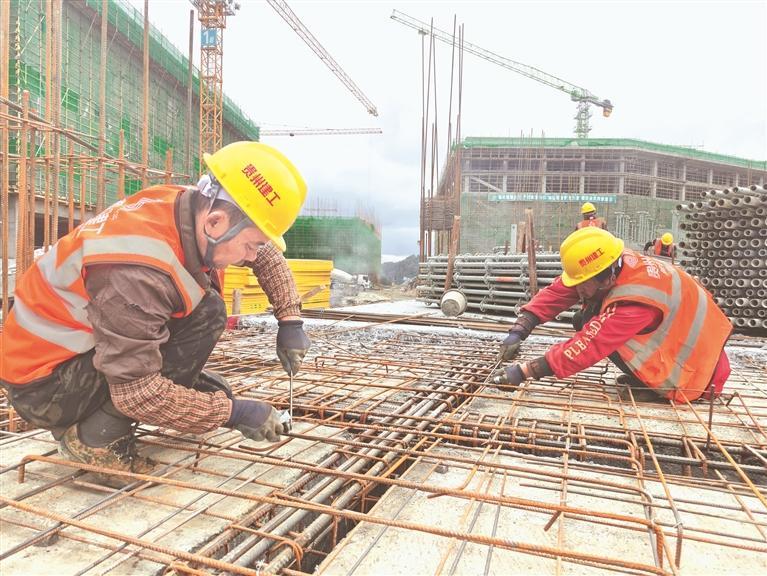
“陕”耀新程——陕西上市公司产业升级的四种实践
Shang Hai Zheng Quan Bao· 2026-01-12 19:11
Core Insights - Shaanxi province is witnessing a transformation in its capital market, shifting from resource-driven growth to innovation and technology-driven development, with a focus on high-tech industries and global competitiveness [1][2][3] Group 1: Company Developments - As of January 12, 2026, Shaanxi has 84 A-share listed companies, with over half being high-tech enterprises, which are crucial for high-quality development [2] - Notable companies such as Kangtuo Medical, Nova Star Cloud, Tongli Co., and Lite Optoelectronics are emerging as leaders in their respective niches, focusing on advanced R&D and global market strategies [1][2] - Kangtuo Medical's PEEK materials are registered in nearly 40 countries, while Nova Star Cloud serves over 4,000 clients with its video solutions, showcasing the global reach of Shaanxi enterprises [2] Group 2: R&D and Investment - In 2024, the total R&D investment of A-share listed companies in Shaanxi exceeded 12 billion yuan, with an average R&D intensity of 8.75% among Sci-Tech Innovation Board companies, ranking among the top in the country [2] - The focus on high R&D intensity reflects a long-term commitment to innovation, positioning these companies for future market leadership [2][3] Group 3: Strategic Direction - Shaanxi companies are increasingly adopting a global perspective, not only expanding their markets but also exporting technology standards and brand value [2] - The development path for these companies involves overcoming technical barriers through sustained R&D, leading to market breakthroughs and ultimately enabling them to compete globally [3][4] Group 4: Innovation Ecosystem - The growth of Shaanxi's capital market is supported by initiatives like the "Qin Chuang Yuan" innovation platform and reforms in technology transfer, facilitating the conversion of academic research into industrial applications [4] - There are over 520 key listed companies in Shaanxi, with 96.54% being technology-oriented, indicating a robust pipeline of future growth in sectors like aerospace, semiconductors, and advanced materials [4]


西宁开发区“保姆式”服务清单上线
Xin Lang Cai Jing· 2026-01-12 19:03
Group 1 - The core viewpoint of the news is the introduction of a comprehensive action plan by the Xining Economic and Technological Development Zone to support enterprises in overcoming difficulties and enhancing efficiency through a combination of six strategies [1] - The plan includes the establishment of a "one-stop" service platform for enterprise policies, ensuring that tax reductions, interest subsidies, and other benefits are accurately delivered and quickly realized [1] - A focus on energy security for key enterprises will be implemented, coordinating stable supply of electricity and gas, and supporting direct electricity trading to help reduce costs and improve efficiency [1] Group 2 - The formation of a photovoltaic industry development alliance aims to guide enterprises towards rational investment and orderly production, avoiding vicious competition and creating a community of shared interests [2] - The plan promotes the integration and optimization of inefficient capacity, supporting advantageous enterprises in mergers and acquisitions to enhance industry concentration and competitiveness [2] - Initiatives to promote "photovoltaic + industrial park" and "photovoltaic + energy storage" application models will be developed, along with a provincial supply-demand matching platform to help enterprises capture local and provincial markets [2]
怡球金属资源再生(中国)股份有限公司关于全资子公司购买资产的公告
Shang Hai Zheng Quan Bao· 2026-01-12 18:14
Transaction Overview - The company's wholly-owned subsidiary, Metalico, Inc, focuses on resource recycling through technological innovation and industrial upgrading, primarily in two sectors: specialized dismantling of automobiles and high-value recovery of metal waste [2] - Metalico, Inc has established over twenty recycling points across five states in the eastern United States, creating a regional recycling network [2] - The company has signed an asset purchase agreement with SA Recycling LLC and its subsidiary PSC Metals, LLC to acquire assets related to the scrap metal recycling business for approximately 24.6 million RMB [2][5] Transaction Details - The assets being acquired include movable and intangible assets, real estate (land and buildings), and related contractual rights [5] - The transaction price was determined based on mutual agreement and market pricing principles [5] - The funding for this transaction will come from the company's own funds [5] Impact on the Company - The integration of new recycling sites significantly expands the company's effective procurement coverage, allowing access to a broader range of recycled resources [6] - The geographical location of the new sites reduces transportation distances from collection to initial processing, lowering logistics costs and time losses while minimizing the carbon footprint [6] - This acquisition strategically enhances the company's market position and bargaining power, enabling better management of cost pressures from market price fluctuations and establishing a solid cost barrier and stability advantage in the competitive landscape [6]

2026年中国经济“向新力”开创新局
Guo Ji Jin Rong Bao· 2026-01-12 14:41
Group 1 - The core viewpoint of the articles emphasizes that China's economy is transitioning towards high-quality development driven by technological innovation and industrial upgrading [1][2] - The "New Year Outlook Forum" hosted by China Europe International Business School and Shanghai Science and Technology Exchange Center discusses the evolution and adjustment of China's industrial structure amidst global economic fluctuations, focusing on trends in advanced fields such as smart manufacturing, new energy, and biomedicine [1] - The president of China Europe International Business School, Wang Hong, highlights that technological innovation is the core driving force for high-quality economic development, suggesting that China is embracing change and establishing direction amidst uncertainty [1] Group 2 - Professor Lan Xiaohuan from China Europe International Business School analyzes the key development trajectories of the global economy and China from a macroeconomic and institutional evolution perspective, indicating that understanding China's economic development requires insight beyond traditional enterprise views [2] - China's economic advantages lie in its unique industrial ecosystem, with a development model evolving from "product output" to "system diffusion," supported by large-scale infrastructure construction that creates sustainable public assets and broad development opportunities [2] - The emphasis on integrating financial wisdom with technological innovation is crucial for cultivating innovative talents with technological literacy, financial thinking, and management capabilities during this critical period of striving for technological self-reliance [1]
我国产业升级的赋能机制研究:新经济时代的“动态革新”
Southwest Securities· 2026-01-12 10:45
Group 1: Economic Framework - The concept of "new economy" emphasizes technology and intellectual property, first introduced in China's 2016 government work report, advocating for the development of high-tech industries and modern services[3] - The Solow model suggests that long-term per capita output growth is driven solely by exogenous technological progress, while endogenous growth theory posits that knowledge and innovation can lead to sustained internal growth[3][14] Group 2: Empirical Evidence - A multiple linear regression model using quarterly data from September 2016 to September 2025 indicates that technological innovation, digital economy, and high-quality openness significantly drive industrial upgrading[3][33] - The model's R-squared value is 0.8181, indicating a high degree of fit, with significant F-statistics (F=28.78, p=0.0000) confirming the joint significance of the explanatory variables[38][46] Group 3: Core Mechanisms - The core mechanisms of industrial upgrading include technological integration, factor innovation, and organizational change, with "creative destruction" facilitating structural optimization through new technologies and industries[3][49] - The importance of new production factors such as knowledge, data, and computing power is increasing, leading to transformations in traditional factors like labor and capital[3][49] Group 4: Empowerment Pathways - High-end, intelligent, green, and global pathways are identified as key empowerment routes for industrial upgrading, with high-tech manufacturing and equipment manufacturing showing strong growth, maintaining over 6% year-on-year growth since 2024[3][49] - The digital economy is projected to see data transaction volumes exceed 160 billion yuan in 2024, with a year-on-year growth of over 30%[3][49] Group 5: International Comparisons - The report draws lessons from the U.S. "technology-industry-finance" collaborative system, Germany's "Industry 4.0" concept, and Japan's lean manufacturing model, emphasizing the importance of small and medium enterprises and continuous R&D investment[3][49]
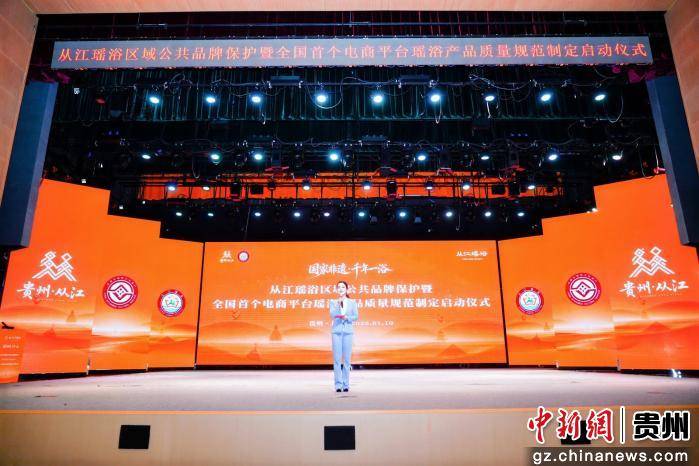
贵州从江启动制定全国首个电商平台瑶浴产品质量规范
Sou Hu Cai Jing· 2026-01-12 10:41
Core Insights - The conference focused on the development of the Yao Bath industry in Guizhou, aiming to create a new industrial development pattern that integrates cultural heritage, quality assurance, brand empowerment, and e-commerce [1][3] Group 1: Industry Development Planning - The "Special Plan for the Development of the Congjiang Yao Bath Industry (2025-2035)" was officially released, emphasizing cultural inheritance, industrial upgrading, income increase for the public, and ecological protection [3][4] - The plan aims to establish a comprehensive industrial chain ecosystem that integrates planting, research, production, sales, and experience, targeting an industry output value exceeding 100 billion yuan [3][4] Group 2: E-commerce Standards and Quality Control - The initiative to develop the "National First E-commerce Platform Yao Bath Product Quality Management Specification" was announced to address issues like brand recognition and product quality inconsistency [6] - This standard will cover aspects such as raw material traceability, production processes, packaging, logistics, and after-sales service, ensuring reliable product quality for consumers [6] Group 3: Brand Management and Public Image - The "Management Measures for the Use of the Congjiang Yao Bath Regional Public Brand (Trial)" were introduced to unify brand image and enhance market recognition [8] - Authorized production enterprises and cooperatives will be able to use the unified brand for market promotion, marking a shift towards a more integrated branding strategy [8] Group 4: Traceability and Resource Integration - The "Congjiang Yao Bath Traceability Route" was launched to connect various stages of the industry, from raw material planting to cultural experience centers, enhancing consumer trust [10][11] - This route aims to attract investment in the health sector and facilitate substantial cooperation opportunities, promoting resource integration across the industry [11] Group 5: Expert Opinions and Future Directions - Experts highlighted the systematic and practical nature of the initiatives, which are crucial for enhancing product value and market competitiveness [13] - The local government expressed commitment to supporting standard research and optimizing the industrial development environment to ensure the long-term competitiveness of the Yao Bath industry [13]
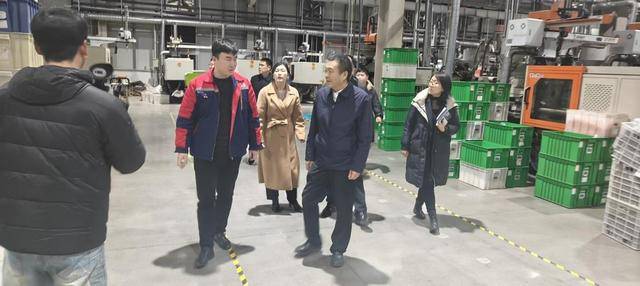
《中国企业报》集团赴河南新野县考察调研 共探产业合作新路径
Sou Hu Cai Jing· 2026-01-12 10:41
Group 1 - The core viewpoint of the news is the collaboration between China Enterprise News Group and Xinye County in areas such as industrial empowerment, investment attraction, and brand building [1][4][6] - A delegation from China Enterprise News Group conducted a field study in Xinye County, visiting key enterprises and industrial parks to understand the development status of leading industries such as advanced manufacturing, textiles, and electronic information [1][6] - The meeting highlighted the solid industrial foundation and favorable business environment of Xinye County, with China Enterprise News Group expressing its willingness to leverage its media platform to support regional brand building and investment attraction [4][6] Group 2 - The discussion included a presentation of promotional videos showcasing Xinye County's regional characteristics and industrial advantages, emphasizing the potential for collaboration [3][4] - Xinye County officials discussed current challenges and cooperation needs in industrial development, indicating a strong desire for professional support and resource empowerment [4][6] - The delegation's visit aimed to establish a long-term cooperative relationship with Xinye County, focusing on media promotion, investment attraction, and industrial empowerment to drive high-quality economic development [4][6]
产业升级催生消费升级,新兴城市成为新增长极
Jing Ji Guan Cha Wang· 2026-01-12 09:48
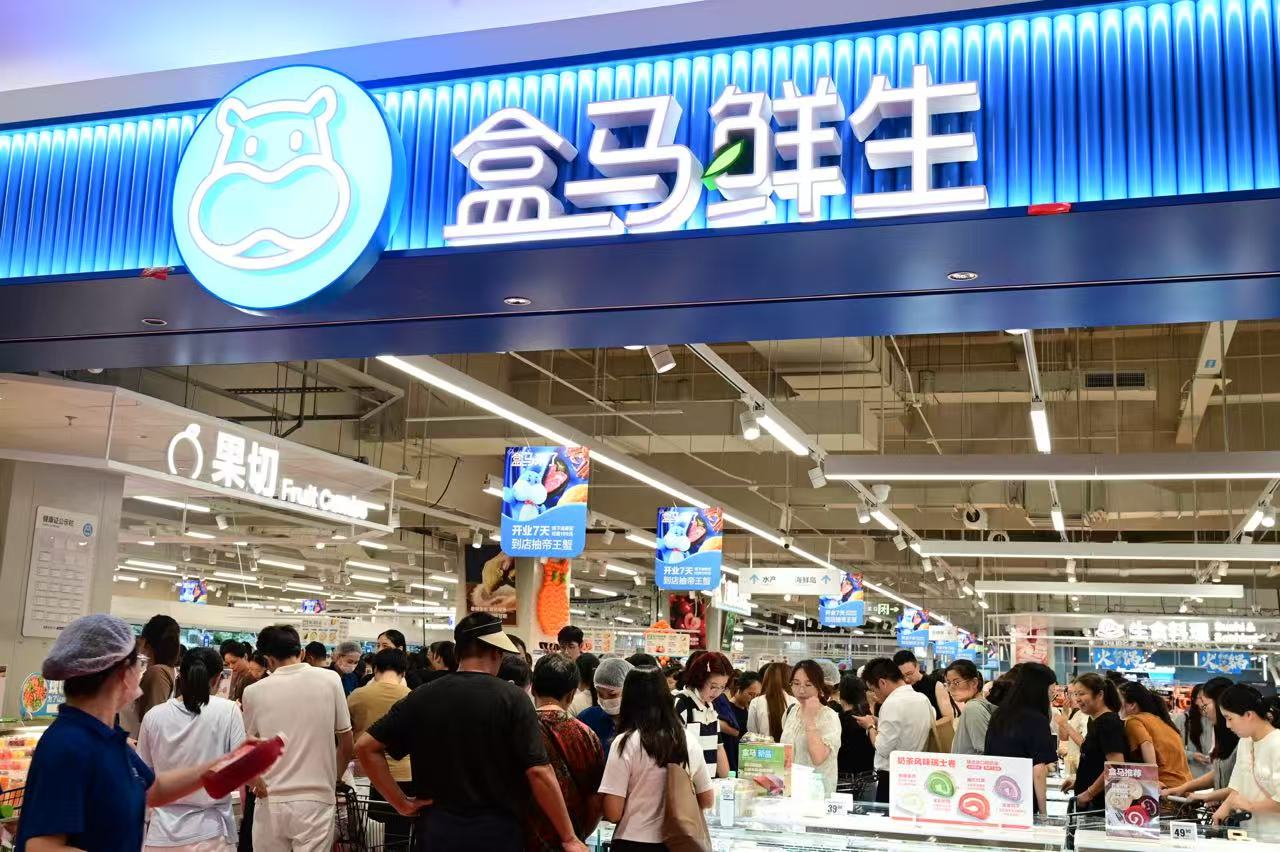
Core Insights - The geographical landscape of China's consumer market is shifting from traditional first-tier cities to emerging urban areas, indicating a significant change in consumption growth dynamics and brand competition [1][7] Group 1: Consumption Trends - The "Box District Housing Index" shows that cities like Shijiazhuang, Xuzhou, and Linyi have indices of 171, 141, and 127 respectively, significantly above the national average of 100, highlighting the rising consumption power in these emerging cities [1] - Retail brands such as Xixifu Bookstore and outdoor brand Salomon are expanding into emerging markets, confirming the trend of a silent yet profound geographical migration in consumption [1] - Consumers in emerging cities are increasingly seeking quality and unique experiences, aligning their demands with those of consumers in first-tier cities [3][4] Group 2: Industrial Upgrades - Industrial upgrades are driving the transformation of cities and reshaping the consumption base, with cities like Yibin becoming key players in the power battery industry, achieving over 100 billion in output value in both 2023 and 2024 [2] - Hefei has emerged as a leader in the new energy vehicle sector, producing 1.097 million vehicles from January to October 2025, and hosting numerous core component enterprises, establishing a robust industrial cluster [2] Group 3: Consumer Behavior Changes - The influx of skilled workers and rising disposable incomes in emerging cities are creating a new consumer demographic with unique spending power, leading to increased consumption [3] - Data shows that 55.7% of non-first-tier cities have GDP growth rates exceeding the national average, with 65.2% of third-tier cities and 60.7% of fourth-tier cities also outperforming the national growth rate [3] Group 4: Retail Innovations - Brands like Hema are transforming traditional shopping experiences into multi-functional destinations that combine dining, socializing, and shopping, thus enhancing consumer engagement [6] - Hema's new stores have seen immediate success, with significant sales figures reported on opening days, indicating strong market demand and consumer interest [6] Group 5: Future Outlook - The shift in consumption dynamics suggests that retail brands capable of maintaining competitiveness in high-tier cities while successfully penetrating emerging markets will likely emerge as the biggest winners [7][8] - The evolving consumer landscape in emerging cities is characterized by a growing demand for quality products and experiences, which is reshaping the retail industry [8]
渭源:科技创新绘就县域产业升级“新画卷”
Xin Lang Cai Jing· 2026-01-12 09:46
Core Insights - The article highlights the transformation of Weiyuan County's industries through technological innovation, exemplified by the conversion of seabuckthorn fruit into high-end gel candies using advanced extraction techniques [1][2]. Group 1: Technological Innovation and Industry Upgrade - Weiyuan County is implementing a systematic innovation cultivation system to address resource conversion challenges and promote the upgrade of specialty industries [1]. - The county aims to attract 298 high-level and urgently needed talents in 2025 and has established a "Potato Industry Technology Research Institute" in collaboration with the provincial agricultural science academy [1]. Group 2: Innovation Ecosystem Development - Currently, Weiyuan County has 3 "three high" enterprises, 16 provincial innovative enterprises, 14 "specialized, refined, and new" enterprises, and 26 high-tech enterprises, with 42 national technology-based SMEs [2]. - The county secured 6.15 million yuan in provincial and municipal funding and reported a technology contract transaction volume of 610 million yuan, reflecting an 8.9% year-on-year increase [2]. Group 3: Focus on Key Industries - The county's "Strong Technology" initiative will focus on key industries such as traditional Chinese medicine, potatoes, and livestock feed, accelerating the research and transformation of critical technologies [3]. - The county plans to establish over 4 new technology-based SMEs and high-tech enterprises, as well as 2 new city-level innovation platforms within the year [3].