资产泡沫

Search documents
以1990年代日本互联网股票“飙升”为例,美银美林:中国AI行情还有空间,但是....
美股IPO· 2025-09-04 04:24
Core Viewpoint - The current volatility of Chinese AI stocks indicates that the market has not yet reached the typical characteristics of an asset bubble peak, suggesting further upside potential [1][2][6] Volatility Signals - Since July, the stock price of Cambricon has increased by over 146%, and Alibaba reported triple-digit growth in AI-related revenue, leading to an 18% opening price increase [3] - The volatility of a Chinese AI stock portfolio, including Alibaba, Tencent, Baidu, and Cambricon, shows a realized volatility of 48.4%, lower than 52.1% in 2024, indicating that the market is still in an early stage [6] Historical Context - There is a risk of the Chinese AI market repeating the extreme bubble seen in 1990s Japan, where supply of internet stocks could not meet demand, leading to significant price increases and high volatility [9][11] - Historical experience suggests that excessive funds chasing limited stocks can exacerbate market imbalances and increase bubble risks [11] Market Dynamics - The report warns that if the "fear of missing out" (FOMO) sentiment spreads among retail investors in the Chinese AI sector, it could lead to extreme market dynamics due to limited stock supply [11] - Restrictions on domestic investors using Qualified Domestic Institutional Investor (QDII) quotas for overseas allocations may further exacerbate supply-demand imbalances [11] Recommendations - In the context of a potentially expanding AI bubble, short-term pullback risks are considered normal, and strategies such as fixed strike and low skew hedging are suggested to mitigate risks [12]


系好安全带,美股一年中最衰月份来了:当心9月魔咒再现
美股IPO· 2025-08-30 00:25
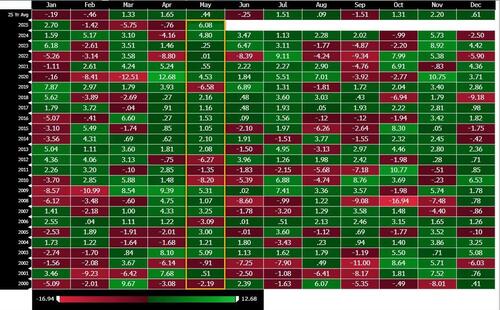
Core Viewpoint - The article highlights the historical trend of the S&P 500 index experiencing declines in September, particularly during the first year of a presidential term, and discusses the potential volatility and macroeconomic challenges facing the market in the upcoming month [1][4][6]. Group 1: Historical Trends and Market Behavior - Data from Bank of America indicates that the S&P 500 has a 56% probability of declining in September, with an average drop of 1.17%, which increases to 58% and an average drop of 1.62% during the first year of a president's term [4][5]. - September and October are identified as the months with the highest volatility in the stock market over the past thirty years, with the VIX index typically hovering around 20 during this period [4][9]. Group 2: Current Market Conditions - The S&P 500 index has risen 17% since early May, leading to a valuation of 22 times expected earnings, comparable to the peak of the internet bubble [5]. - Investors are facing a precarious situation as hedge funds have reached an 80th percentile exposure to stocks, indicating overextension in market positioning [7]. Group 3: Upcoming Challenges - The market is expected to face multiple pressures in September, including significant employment and inflation data releases, as well as a Federal Reserve meeting to decide on interest rates [4][10]. - Institutional investors, such as pension funds and mutual funds, are likely to rebalance their portfolios at the end of the quarter, which may lead to increased selling pressure [7][8]. Group 4: Investor Sentiment and Strategy - Retail investor activity is anticipated to slow down in September, historically one of the months with the lowest participation from individual investors [7]. - Analysts suggest that the current volatility levels are unsustainable, and some investors may feel the need to pull back their investments after a summer of market highs [10][11].
一文讲清楚,特朗普强势降息意味什么,为什么是中国难得的机遇
Sou Hu Cai Jing· 2025-08-26 05:47
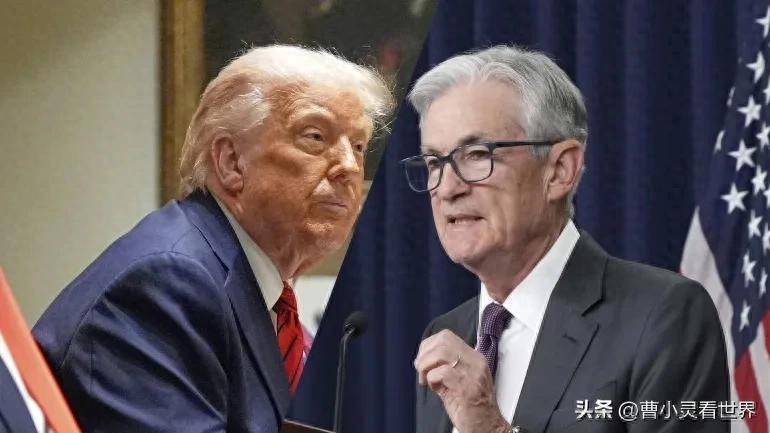
Core Viewpoint - The article discusses the implications of U.S. interest rates and the potential benefits and risks of interest rate cuts, particularly in the context of Trump's criticism of the Federal Reserve and its chairman Powell [1][3][11]. Group 1: U.S. Interest Rates and Economic Impact - Trump has been vocal about the need for lower interest rates, arguing that current rates are too high and impose significant economic costs, estimating a $360 billion annual cost for each percentage point of high interest rates [5][7]. - High interest rates lead to reduced borrowing and spending, which can result in job losses and lower economic growth, as evidenced by the disappointing non-farm payroll data [8][10]. - Lowering interest rates could stimulate economic activity by making borrowing cheaper, which is crucial for consumer spending and business expansion [7][11]. Group 2: Global Trade and Currency Dynamics - A reduction in interest rates could weaken the dollar, making U.S. exports more competitive while also mitigating the impact of tariffs on consumers [10][11]. - However, a weaker dollar could also lead to a stronger yuan, potentially harming China's export competitiveness and accelerating the shift of low-end manufacturing to Southeast Asia [21][23]. Group 3: Opportunities and Risks for Emerging Markets - Historically, U.S. rate cuts have led to increased capital inflows into emerging markets, which could benefit markets like China's A-shares [19]. - The influx of capital could also create asset bubbles and financial volatility, particularly in sectors like technology [21][24]. - To mitigate risks, China could enhance its import reserves and support high-tech industries while upgrading its manufacturing capabilities to counteract the effects of a weaker dollar [23][24].
Hims & Hers: Buy The Earnings Dip, Slowly (Rating Downgrade)
Seeking Alpha· 2025-08-05 11:30
Core Insights - The company, TQI, aims to assist investors in navigating the current asset bubble profitably [1] - TQI was established in July 2022 with a mission to simplify and enhance the investing experience for all [2] Company Offerings - TQI publishes premium equity research reports on Seeking Alpha, providing a research library and performance tracker [2] - The company offers highly-concentrated, risk-optimized model portfolios tailored to different stages of the investor lifecycle [2] - TQI provides access to proprietary software tools and group chats to enhance investor engagement and support [2] Additional Resources - TQI shares investing insights through various platforms, including a free newsletter, Twitter, and LinkedIn [2]


美银Hartnett警告:宽松政策、监管松绑与散户涌入下,全球股市正形成“更大泡沫”
华尔街见闻· 2025-07-29 10:43
Core Viewpoint - The market is being pushed towards a "larger bubble" characterized by increased retail participation, abundant liquidity, and heightened volatility due to the combined effects of the Trump administration's policy shift, global central bank easing, and financial deregulation [1][12][15] Group 1: Policy Shift and Debt Pressure - The Trump administration's focus has shifted from fiscal detoxification to aggressive spending, as it struggles to cut government expenditures amounting to $7.1 trillion [2] - Hartnett's analysis indicates that the federal funds rate must remain below 3% for the annual interest payments of approximately $1 trillion to stabilize, explaining the pressure on the Federal Reserve to lower rates [3] Group 2: Market Performance and Divergence - Global bank stocks have surged, with European bank stocks rising by 62%, UK and Japanese banks by 37% and 24% respectively, while U.S. bank stocks increased by 17% [4] - Despite the strong performance of the S&P 500, there is a notable divergence between Wall Street and Main Street, as Trump's approval ratings have dropped close to their April lows [6] - Technology stocks, associated with billionaire investors, have risen by 71% since the election, while small-cap stocks, sensitive to interest rates, have declined by 1% this year [8] Group 3: Market Indicators and Signals - Although market sentiment is high, several indicators are approaching warning levels, with the "bull-bear indicator" rising from 6.3 to 6.4, the highest since the November 2024 elections, yet still below the 8.0 sell signal threshold [10] - Currently, only one of Bank of America's sell rules has been triggered, indicating that cash levels among fund managers are below 4%, while other key indicators have not yet reached sell signal levels [11] Group 4: Easing and Deregulation - The current asset bubble is being fueled by global easing policies and financial deregulation, with central banks like the Fed and the Bank of England having cut rates by 100 basis points in the past year [12][14] - The Trump administration plans to allow retail investors to include private equity in their 401(k) plans and is significantly reducing margin requirements for day trading, which could further increase retail participation [14][15] - The trading volume of "zero-day options" has surged, accounting for over 60% of the total options volume on the S&P 500 in the third quarter, contributing to the formation of an unprecedented market bubble driven by retail investors [15]

印度央行行长:不要认为有任何资产泡沫的迹象。
news flash· 2025-07-25 05:29
Core Viewpoint - The Governor of the Reserve Bank of India stated that there are no signs of asset bubbles in the market [1] Group 1 - The central bank emphasizes the stability of the financial system and reassures investors regarding the absence of asset bubbles [1] - The statement aims to bolster confidence among market participants and mitigate concerns about potential overvaluation in various asset classes [1]
贷款工具胜过QE? 巨额亏损阴影下 欧洲央行危机工具箱的优先级悄然转变
智通财经网· 2025-07-18 11:24
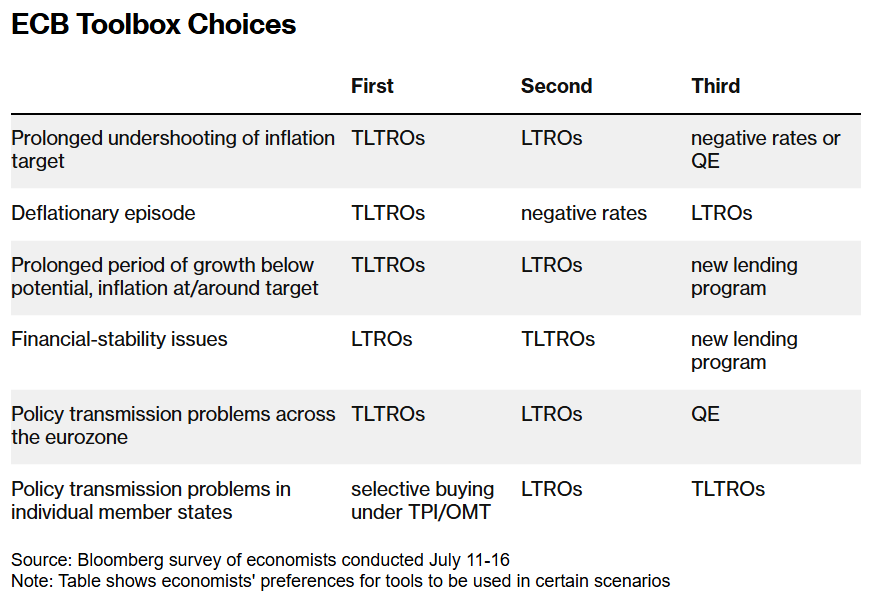
Core Viewpoint - The European Central Bank (ECB) is likely to prefer providing liquidity tools linked to loans to commercial banks rather than large-scale bond purchases (QE) in response to future economic challenges [1][4]. Group 1: ECB's Preferred Tools - Economists surveyed believe that in cases of weak inflation, economic slowdown, or financial instability, the ECB will prioritize liquidity injections through Long-Term Refinancing Operations (LTRO) [1]. - The ECB may only resort to targeted asset purchase programs if interest rate signals fail to transmit effectively within the Eurozone [1]. Group 2: Concerns Over QE - ECB decision-makers have reservations about the QE policy implemented from 2015 to 2022, especially given the historical losses faced by central banks like the Bundesbank due to rising interest rates [4]. - The Bundesbank has projected a loss of nearly €20 billion (approximately $23 billion) in 2024, marking its first annual loss since the 1970s, which raises concerns about the risks associated with large-scale bond purchases [4]. Group 3: Policy Framework Evaluation - The ECB has retained all policy tools, including QE, but has not specified the conditions under which each tool would be favored [5]. - ECB officials have differing opinions on preferred policy tools, with some favoring direct long-term bond purchases while others prefer LTROs and unutilized targeted asset purchase plans [5][6]. Group 4: Risks and Credibility - The Bundesbank emphasizes caution regarding QE due to the significant risk of losses during crises [6]. - ECB Executive Board member Isabel Schnabel warns that losses could undermine the ECB's credibility, suggesting that loan support mechanisms may be more effective for restoring credit supply and easier to exit [6].
暴跌的Labubu,才真是被资本做局了
虎嗅APP· 2025-06-28 09:52
Core Viewpoint - The article discusses the rapid decline in the auction price of Labubu collectibles and the corresponding drop in the stock price of Pop Mart, highlighting a potential manipulation of market sentiment by major shareholders [3][6][7][8]. Group 1: Price Fluctuations - Labubu's auction price fell from 580,000 yuan to 230,000 yuan within two weeks, indicating a significant market correction [3][6]. - Pop Mart's stock price reached a historical high of 262 HKD per share on June 10, 2024, before dropping to a low of 230 HKD by June 23, 2024 [7][8]. Group 2: Shareholder Actions - Major shareholders of Pop Mart began to sell off their shares, totaling over 3.3 billion HKD, around the same time Labubu gained popularity [9][11]. - In May 2024, during a peak in market enthusiasm for Labubu, early shareholders sold 11.91 million shares for 2.267 billion HKD [11][13]. Group 3: Market Dynamics - The article draws parallels between Labubu's rise and historical market bubbles, suggesting that the current situation reflects a cycle of speculation and subsequent market correction [24][26][28]. - The concept of "emotional value" is explored, indicating that while consumers believe in the value of these collectibles, major stakeholders are more focused on tangible value [19][21][27]. Group 4: Marketing Strategies - Pop Mart's marketing strategies, including limited releases and scarcity tactics, have contributed to the perceived value of Labubu, but these strategies may also lead to market instability [35][36]. - The article suggests that the company's actions have inadvertently fueled a secondary market for Labubu, leading to inflated prices and eventual crashes [35][36].

突破还是崩盘?美银Hartnett:美股等风险资产迎来关键时刻,关注“三大领先指标”
华尔街见闻· 2025-06-01 11:16
Core Insights - The S&P 500 index is approaching the 6000-point mark while the 10-year Treasury yield remains high, prompting warnings from Bank of America’s Chief Investment Officer Michael Hartnett about potential market movements based on three key indicators: broker stocks, bank stocks, and Bitcoin [1][11] - A bearish signal will be indicated if these three assets form a double top pattern, while a clean upward breakout would suggest a bullish outlook [1] Group 1: Market Dynamics - The recent performance of the S&P 500 index in May saw a 6% increase, marking its best monthly performance since 1990 [1] - In contrast, the dollar is struggling to gain traction, leading to speculation about a potential bear market for the dollar [2] Group 2: Economic Indicators - A weak dollar is seen as a tool to revitalize U.S. manufacturing, which currently accounts for only 8% of U.S. jobs, potentially leading to a bear market for the dollar and boosting gold, emerging markets, and international assets [3] Group 3: Investment Strategies - Investors are positioning themselves for potential market shifts, with bearish investors favoring defensive sectors like healthcare, consumer staples, and utilities, which currently represent only 18% of the S&P 500, the lowest since 2000 [5] - Bullish investors are employing a barbell strategy by going long on the "Tech Seven" and value stocks in other regions to hedge against potential bubbles in the U.S. market and risks from excessive EU fiscal spending [7] Group 4: Fund Flows - Recent fund flow data indicates a divergence in market sentiment, with cryptocurrencies seeing an inflow of $2.6 billion, the largest weekly inflow since January [9] - Other notable fund flows include $1.8 billion into gold, with an annualized inflow reaching a record $75 billion, and $2.8 billion into emerging market bonds, marking the largest inflow since January 2023 [9] Group 5: Valuation Concerns - The Tech Seven stocks have seen a resurgence, with their price-to-earnings ratio returning to 42 times, suggesting a potential 30% upside based on historical bubble patterns [10] - Historically, 12 out of the last 14 asset bubbles were accompanied by rising bond yields, with the current 30-year real yield nearing 3%, the highest since November 2008, indicating the presence of a bubble [11]

突破还是崩盘?美银Hartnett:美股等风险资产迎来关键时刻,关注“三大领先指标”
Hua Er Jie Jian Wen· 2025-06-01 01:57
Core Viewpoint - The performance of U.S. stocks and risk assets is closely tied to three key indicators: broker stocks, bank stocks, and Bitcoin, which will serve as signals for market direction [1][10]. Group 1: Market Indicators - Broker stocks, bank stocks, and Bitcoin are identified as the best indicators for market trends, with a double top pattern signaling a bearish outlook and a clean upward breakout indicating a bullish outlook [1]. - The S&P 500 index recorded its best May performance since 1990, surging 6%, while the 30-year Treasury bond saw an increase following recommendations to invest in "humiliated" assets [1][10]. Group 2: Dollar and Economic Sentiment - In contrast to the rally in risk assets, the dollar is struggling to gain traction, leading to speculation about a potential bear market for the dollar [3]. - The weak dollar is viewed as a tool to revitalize U.S. manufacturing, which currently accounts for only 8% of U.S. jobs, potentially leading to a bear market for the dollar and a bull market for gold, emerging markets, and international assets [6]. Group 3: Investment Strategies - Bearish investors are positioning themselves defensively by allocating to healthcare, consumer staples, and utility stocks, which currently represent only 18% of the S&P 500, the lowest level since 2000 [5]. - Bullish investors are employing a barbell strategy by going long on the "Magnificent Seven" tech stocks and value stocks from other regions to hedge against potential market bubbles and risks from excessive EU fiscal spending [8]. Group 4: Fund Flows and Market Dynamics - Recent fund flow data indicates a divergence in market sentiment, with cryptocurrencies seeing a significant inflow of $2.6 billion, the largest weekly inflow since January [10]. - Despite the bullish outlook for the "Magnificent Seven," historical data suggests that market bubbles typically peak at a P/E ratio of 58x and a 244% increase, indicating that there may still be 30% upside potential [10]. Group 5: Historical Context - The current market environment is reminiscent of past asset bubbles, with 12 out of the last 14 bubbles accompanied by rising bond yields, and the 30-year real interest rate nearing its highest level since November 2008 [11].