
产业升级

Search documents
麦咭智能落户东兴,助力西南啤酒产业升级
Sou Hu Cai Jing· 2026-01-09 23:36
Core Viewpoint - Sichuan Maiji Intelligent Technology Co., Ltd. has rapidly established its production line for PET sterile beer barrels in Dongxing District, showcasing the "Dongxing speed" in project implementation and contributing to the beer packaging industry in Southwest China [2][5]. Group 1: Company Overview - Sichuan Maiji Intelligent was established in the Chengdu-Chongqing economic circle and began operations on December 30, 2025, just 20 days after settling in Dongxing District [5]. - The first phase of the PET sterile barrel production line has a daily capacity of 2,400 units, aimed at meeting the packaging needs of breweries across the Southwest region [5]. Group 2: Future Plans - The company has clear development plans, including a second phase that will introduce fully automated production lines to enhance efficiency and product standardization [7]. - A third phase is planned to expand into the production of supporting equipment like draft beer machines, creating a complete industrial chain of "packaging containers + supporting equipment" [7]. Group 3: Strategic Location - The choice of Dongxing District for the company's operations is attributed to its favorable business environment and significant transportation advantages, which help reduce logistics costs [9]. - Dongxing District has optimized its administrative services, achieving the highest satisfaction rate among business entities in the city, and offers a comprehensive logistics network to support market expansion [9]. Group 4: Industry Impact - The rapid production launch of Sichuan Maiji Intelligent is a significant achievement in the local government's efforts to build an ecological cluster around key industries such as new materials and intelligent equipment manufacturing [10]. - The ongoing development of the second and third phases is expected to further enhance the regional intelligent equipment manufacturing industry chain, positioning Dongxing District as a new industrial hub in central Sichuan [10].


原材料价格飙升引发连锁反应 电池行业激起千层浪
Ke Ji Ri Bao· 2026-01-09 18:51
Core Viewpoint - The battery industry is experiencing a significant price increase in core raw materials, particularly lithium hexafluorophosphate, which has surged from 49,300 yuan per ton in July 2025 to around 170,000 yuan per ton recently, prompting companies to raise battery prices by 15% [1][2]. Group 1: Price Increase and Market Dynamics - The rapid price increase of lithium hexafluorophosphate has caught the industry off guard, driven by unexpected demand in the energy storage and electric vehicle sectors, particularly in overseas markets [2]. - Global energy storage market is expanding rapidly, with expected shipments of over 650 GWh in 2025, representing a year-on-year growth of over 80%, while China's energy storage system shipments are projected to exceed 320 GWh, growing by 88% [2]. - The price of lithium hexafluorophosphate, which constitutes 40%-50% of the cost of electrolytes, has significantly impacted downstream battery prices, creating a ripple effect throughout the supply chain [3]. Group 2: Policy Impact and Industry Response - The policy changes in February 2025 aimed at promoting high-quality development in new energy have triggered a surge in new energy storage installations, with a monthly increase of over 460% in May 2025 [3]. - Despite the demand surge, the supply side remains cautious due to high production thresholds and previous losses in the raw materials sector, leading to a consensus against blind expansion [3]. Group 3: Technological and Strategic Shifts - The current price surge is seen as a catalyst for structural optimization in battery technology, shifting the focus from quantity to quality, as companies aim to enhance energy density and cycle life [4][5]. - Leading companies are now prioritizing advanced production lines for high-density, long-life lithium iron phosphate products and larger capacity energy storage cells [4]. - The industry is transitioning from price competition to value competition, emphasizing long-term economic viability, safety, and reliability over initial pricing [5]. Group 4: Supply Chain and Global Strategy - Companies are extending upstream to secure key resources, with strategic partnerships being formed to create stable and resilient supply chains [7]. - The industry is advised to enhance its bargaining power over upstream mineral resources and adopt diversified procurement strategies to stabilize supply [7]. - Globalization is becoming crucial for absorbing advanced production capacity and improving profitability, with a shift in competition from cost and scale advantages to compliance, brand, and service systems [7]. Group 5: Future Outlook - The next 3-5 years are expected to see a mainstream evolution of battery technologies, with material price fluctuations acting as a catalyst for a more resilient development model in the battery industry [8].

南财快评|物价温和回升背后,有哪些积极变量?
2 1 Shi Ji Jing Ji Bao Dao· 2026-01-09 15:44
Group 1 - The core consumer price index (CPI) in China increased by 0.8% year-on-year, marking the highest growth since March 2023, driven by effective domestic demand policies and increased consumption during the New Year holiday [1] - The core CPI, excluding food and energy, rose by 1.2%, indicating sustained consumer recovery momentum, while the industrial consumer goods price, excluding energy, increased by 2.5%, reflecting improved demand in the manufacturing sector [1][2] - The service sector and quality consumer goods prices have shown steady growth, with service prices rising for eight consecutive months, indicating a shift in consumer spending from basic to quality-oriented products [2] Group 2 - The Producer Price Index (PPI) has shown a narrowing decline due to structural support from the growth of new productive forces, with prices for external storage devices rising by 15.3% year-on-year and biomass liquid fuel prices increasing by 9% [2][3] - Policies aimed at reducing "involution" competition and building a unified national market have positively impacted PPI recovery, with prices in previously over-competitive sectors like coal and lithium-ion batteries showing a consistent narrowing of year-on-year declines [3] - Key variables affecting price trends include a significant year-on-year drop in pork prices by 14.6%, which has pressured overall CPI, and the impact of international oil prices on domestic fuel prices, which decreased by 8.2% year-on-year [3] Group 3 - The internal recovery dynamics are expected to dominate, promoting a continued moderate increase in prices, supported by policies like trade-in programs and the ongoing construction of a unified national market [4] - The supply-demand relationship in the industrial sector is expected to improve, driven by the growth of the digital economy and green industries, which will contribute to a sustained rise in PPI and potentially achieve year-on-year growth by the second half of 2026 [4] - The moderate rise in prices is anticipated to support nominal GDP expansion, laying a positive foundation for stable economic performance in 2026 [4]
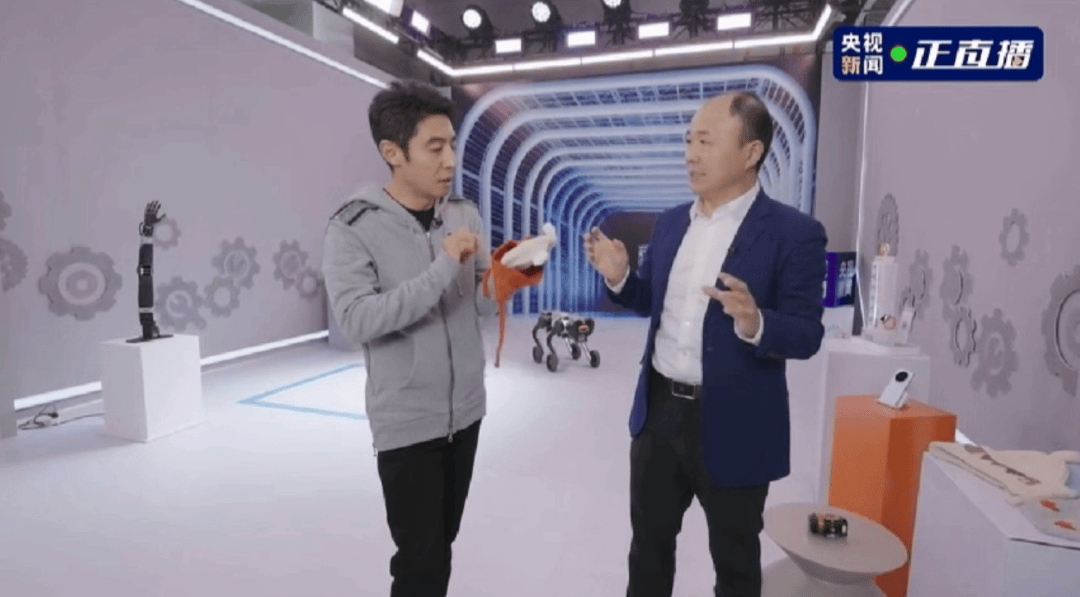
撒贝宁“策展”东莞制造美学:全球每5件毛衣,1件来自大朗!
Sou Hu Cai Jing· 2026-01-09 14:25
Group 1 - The core point of the article highlights that Dongguan, specifically Dalang, is a major hub for sweater production, with one in every five sweaters globally produced there [1][6]. - The Dalang knitting industry began in 1979 and has grown to become the largest and most complete knitting industry cluster in China, with an annual transaction volume of 72 billion yuan [2]. - The live broadcast showcased the transformation of Dongguan from a "world factory" to a "city of manufacturing aesthetics," emphasizing the artistic aspect of production through advanced technology [3][15]. Group 2 - Dalang's yarn sector leads the nation, with annual sales exceeding 1 million tons, accounting for over half of the national color yarn spot trading volume [5]. - The town has over 29,000 market entities and employs more than 200,000 people, producing 900 million sweaters annually, solidifying its market position [6]. - The core competitive advantage of Dalang lies in its "flexible production" capability, allowing regular orders to be completed in 2-3 days and high-end custom orders in just 2 hours [8]. Group 3 - E-commerce sales in Dalang have surpassed 10 billion yuan, with a "small order quick response" model enabling traditional manufacturing to adapt to market changes [10]. - The introduction of domestically produced equipment has significantly reduced costs, with self-developed machines priced at approximately 80,000 yuan each, only one-tenth of the cost of imported equipment [12]. - The "Dalang Preferred" brand initiative, set to launch in 2023, marks a significant step towards branding, with government and market collaboration to create a regional public brand [13][18]. Group 4 - The transition from "Made in China" to "Designed in Dalang" reflects a shift towards design, marketing, and brand operation capabilities, indicating a comprehensive upgrade in the industry [16][18]. - The project is now in its 2.0 phase, promoting the industry's transformation towards fashion and digitalization [16]. - Continuous innovations, such as the development of adjustable temperature yarn, demonstrate ongoing industry upgrades and advancements [19].
美联新材拟募资10亿元投建达州项目 产业升级+循环经济+枢纽区位赋能全球布局
Zheng Quan Shi Bao Wang· 2026-01-09 14:15
Core Viewpoint - Meilian New Materials plans to raise 1 billion yuan for the industrialization project of new energy and polymer materials, emphasizing the integration of circular economy concepts and global strategic deployment [1][2] Group 1: Project Overview - The project aims to leverage the geographical advantage of Xuanhan County, located 185 kilometers from Wanzhou Port, to create a "technology + resources + logistics" ecosystem [1] - Wanzhou Port, as the deepest water port in the Yangtze River Three Gorges area, enhances logistics efficiency, reducing transportation time and costs by approximately 20% compared to road transport [1] - The project is expected to significantly improve the competitiveness of products such as color masterbatches, titanium dioxide, and ferrous sulfate by providing a "low-cost export" channel [1] Group 2: Cost Reduction and Resource Utilization - The project utilizes a one-stop integrated process from sulfur to sulfuric acid, titanium dioxide, and white masterbatches, generating by-products such as 900,000 tons of sulfuric acid and 600,000 tons of ferrous sulfate [2] - The sale of surplus sulfuric acid to nearby phosphate chemical companies is projected to generate an annual revenue of approximately 300 million yuan [2] - The comprehensive production cost of color masterbatches is expected to decrease by over 15% compared to traditional methods, saving about 2,000 yuan per ton, leading to an annual cost saving of around 600 million yuan at full production [1][2] Group 3: Strategic Significance - The fundraising initiative reflects the company's strategic positioning and confidence in future development, aligning with industry trends and leveraging its advantages [2] - The integration of efficient logistics, cost-effective core resources, and green circular economy practices establishes a complete competitive barrier for the company [2] - The project is anticipated to enhance profitability and core competitiveness, contributing to sustainable long-term value for investors and facilitating the company's transition from domestic leadership to global expansion [2]

2025年上海房地产市场回顾
CBRE· 2026-01-09 11:08
Investment Rating - The report indicates a stable investment outlook for the Shanghai real estate market, with a focus on the resilience of the TMT sector and emerging consumer trends [4][14]. Core Insights - The Shanghai office market saw a net absorption of approximately 390,000 square meters in 2025, a year-on-year increase of 76.6%, driven primarily by the TMT sector, which accounted for 20% of the demand [7][14]. - The retail market experienced a total net absorption of 678,000 square meters, with fashion and outdoor brands leading the growth, while the logistics sector achieved a historical high in net absorption at 1.07 million square meters [17][26]. - The investment market showed signs of recovery with 97 transactions recorded, totaling 47.4 billion RMB, despite a year-on-year decline in transaction volume and value [43][49]. Office Market Summary - In 2025, the Shanghai office market recorded 11 new projects with a total area of 792,000 square meters, but the overall pre-leasing rate was below 10%, leading to a vacancy rate increase of 1.2 percentage points to 23.3% [7][9]. - The TMT sector surpassed the financial industry in demand, with significant contributions from gaming, e-commerce, and AI companies [7][10]. - Major districts such as Lujiazui and Wujiaochang showed strong demand, with Lujiazui accounting for 7.8% of the market share [8][11]. Retail Market Summary - The retail market saw 708,000 square meters of new supply, with fashion apparel driving 43.4% of the demand, particularly from outdoor and Korean brands [17][18]. - The dining sector maintained a steady demand, accounting for 21% of the market, with a notable rise in health-oriented food options [18][19]. - The market is expected to see over 1.29 million square meters of new supply in 2026, driven by policies promoting smart experiences and health consumption [22]. Logistics Market Summary - The logistics market continued its high supply trend with 9 new projects totaling 899,000 square meters, despite a 43% year-on-year decrease in new supply [26]. - Net absorption reached a historical high of 1.07 million square meters, primarily driven by e-commerce and third-party logistics [26][27]. - The average rental price in the logistics sector decreased by 17.3% to 1.19 RMB per square meter per day [28]. Investment Market Summary - The investment market recorded a total of 97 transactions in 2025, with a total value of 47.4 billion RMB, reflecting a 26% year-on-year decline [43][49]. - Institutional investors led the market with a 40% share of transaction value, focusing on both office and rental residential assets [44]. - The market is transitioning towards a more refined focus on asset quality, with the introduction of commercial real estate REITs enhancing liquidity [49].
一边万人大厂停工,一边出口订单暴增:“潮玩之都”东莞,深陷冰火两重天
创业邦· 2026-01-09 10:11
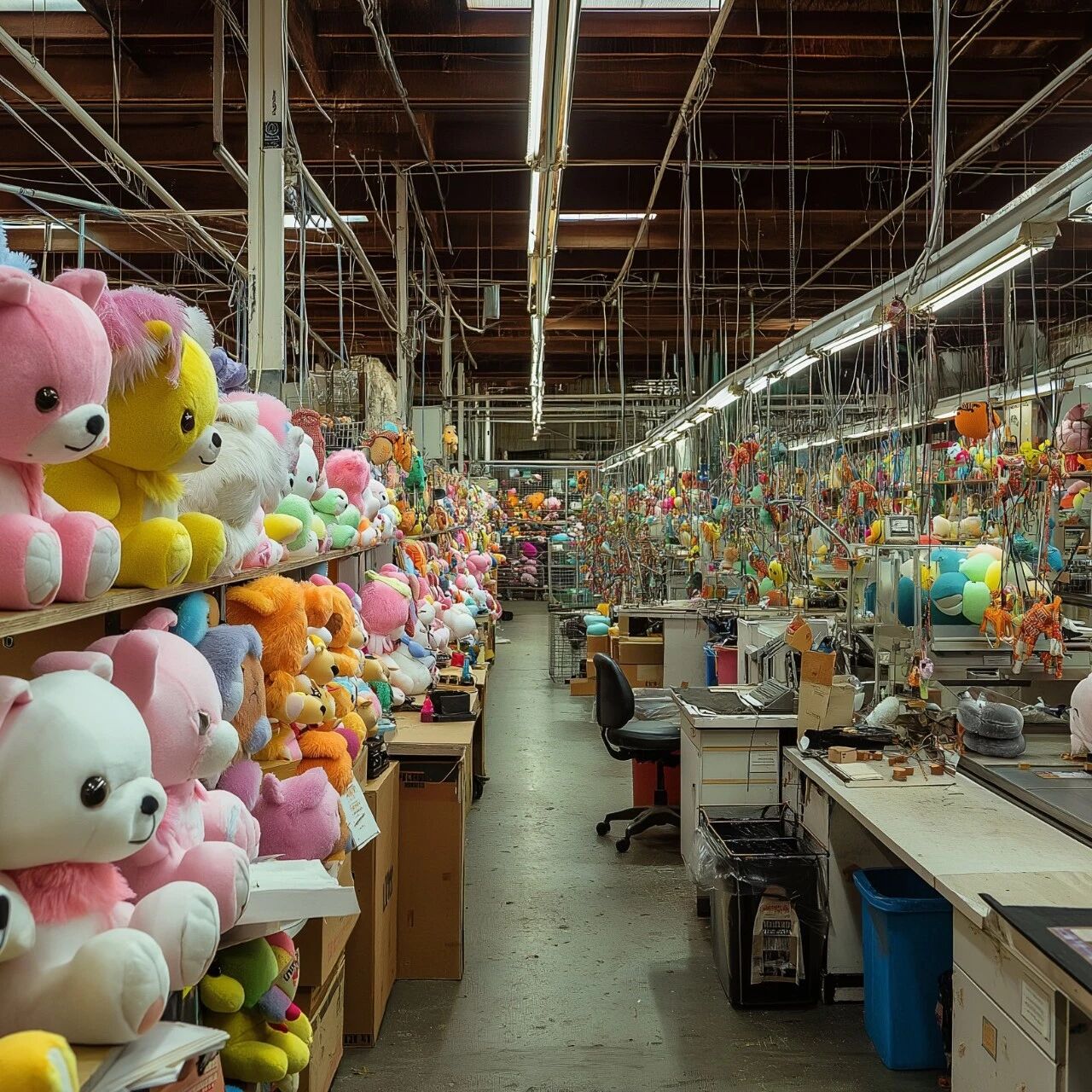
Core Viewpoint - The article discusses the decline of the Dongguan toy industry, exemplified by the closure of the Changrong Dongguan Toy Factory, and highlights the need for transformation from a reliance on OEM production to developing original IP and innovative products [5][10][11]. Industry Overview - Dongguan, known as the "Toy Capital of China," hosts over 4,000 toy manufacturers and 1,500 supporting enterprises, forming a robust industrial cluster [8]. - The city has historically thrived due to its proximity to Hong Kong, low labor and land costs, and an outward-oriented economic strategy, mastering the "OEM" model [8][12]. - However, many factories are now facing closures due to over-reliance on OEM, lack of product innovation, and shrinking orders, leading to a significant shift in the market landscape [8][10]. Market Dynamics - Despite the challenges, the toy export market remains strong, with a reported export value of $60.04 billion in the first 11 months of 2025, marking an 18% year-on-year increase [10]. - Some companies, like "Pinku," have successfully transitioned from OEM to developing their own brands, achieving a 50% increase in overseas e-commerce revenue in 2024 [10][19]. Transformation and Innovation - The decline of traditional manufacturing is seen as a necessary evolution, pushing the industry towards a future characterized by quality and innovation [10][25]. - The rise of "潮玩" (trendy toys) has led to a new focus on original IP development, with local brands increasingly gaining market share over traditional OEM businesses [25][28]. - By 2023, the value of original IP products in Dongguan surpassed that of OEM, accounting for 53% of the market [25]. Success Stories - Companies like "Pinku" and "ToyCity" have emerged as leaders in the original IP space, successfully integrating Chinese cultural elements into their designs and achieving significant sales growth [21][23]. - The trend of "潮玩" has been embraced by various brands, leading to a surge in exports, with a reported 78% increase in潮玩 exports compared to traditional categories [28][30]. Government Support and Future Outlook - The Dongguan government has implemented policies to support the toy industry, focusing on R&D, IP authorization, and market expansion, which are crucial for the industry's evolution [34]. - The future of Dongguan's toy industry is poised for growth, transitioning from a manufacturing hub to a center of creativity and innovation on a global scale [34].
对话泰中罗勇工业园总裁赵斌:中资出海泰国现在是天高海阔
2 1 Shi Ji Jing Ji Bao Dao· 2026-01-09 07:45
Core Insights - The article highlights the increasing interest of Chinese enterprises in Thailand, particularly in the Rayong Industrial Park, which has become a hub for nearly 300 Chinese companies across various sectors [1][2]. Group 1: Investment Opportunities - The Rayong Industrial Park offers permanent land ownership for industrial use, which is a significant investment opportunity for companies looking to establish a presence in Thailand [1]. - The park's strategic location, being only 100 kilometers from Bangkok and close to major transportation hubs, enhances its attractiveness for Chinese businesses [2]. - In 2022, the park attracted 180 Chinese manufacturing companies and over 30 supporting enterprises, indicating a growing trend of Chinese investment in the region [2]. Group 2: Competitive Advantages - Thailand's favorable trade agreements result in relatively low export tariffs, making it an appealing destination for Chinese manufacturers [3]. - The strong bilateral relationship between China and Thailand, marked by the "China-Thailand family" concept, provides a stable environment for Chinese enterprises [4]. - Thailand's leading business environment in the ASEAN region, including financial services and infrastructure, further enhances its competitiveness compared to neighboring countries [4]. Group 3: Trends in Chinese Enterprises - Recent years have seen a shift in the types of Chinese companies entering the park, with a growing focus on emerging industries such as renewable energy, smart home technology, and semiconductors [6]. - There is a trend towards collective investment, with companies forming clusters to enhance their competitive edge in international markets [8]. - The evolution of Chinese enterprises in Thailand reflects a transition from merely establishing manufacturing bases to developing comprehensive operational systems, including R&D and supply chain management [7][9]. Group 4: Future Prospects - The Rayong Industrial Park plans to expand from 20 square kilometers to 30 square kilometers, aiming to attract 500 to 1,000 companies in the future, indicating confidence in the ongoing wave of Chinese investment [12][13]. - The upcoming 50th anniversary of diplomatic relations between China and Thailand is expected to further enhance cooperation and open new opportunities for Chinese enterprises [12].
东莞把“人才评价尺子”立在产业一线 已开发136项市级技能标准
Nan Fang Ri Bao Wang Luo Ban· 2026-01-09 07:44
一系列文件的出台,持续推动高技能人才队伍建设,都指向让技能真正成为人才成长、产业升级的重要 支撑。但在实践中,一个现实问题长期存在:技能如何衡量、能力如何认定、成长路径如何看得见?答 案,正落在"标准"二字上。 作为制造业大市,东莞在夯实规模优势的同时,也面临从"制造"向"智造"、从"数量"向"质量"跃升的现 实压力。最稀缺的资源是与新技术、新工艺相适配的技能人才。 职业技能标准既是评价的"尺子",也是培养的"蓝图"。没有清晰、权威、贴近产业实际的标准,培训容 易空转,评价容易失真,技能价值也难以真正体现。 东莞持续推进"东莞标准"建设,把顶层设计与地方产业需求进行精准对接。此次新增的4项标准,紧扣 新材料、现代物流、人工智能等重点领域,既回应当前制造业转型升级的现实需要,也为未来产业布局 预留空间。 如果标准不明确,产业也难以往"智创优品"的方向发展前行。 近日,东莞市人力资源和社会保障局发布碳纤维制品成型制作工、理货员、纺织品检测、人工智能数据 处理分析等4个职业技能培训评价标准。这些"东莞标准",看似是一次专业技术层面的制度更新,实则 是一座制造业大市对"如何稳住产业、赢得人才竞争"的主动回应。 近年来 ...
钱塘高铁新城首批开工道路竣工验收
Hang Zhou Ri Bao· 2026-01-09 02:32
Core Insights - The construction of the Qiantang High-speed Railway New City has reached a significant milestone with the completion and acceptance of the first batch of road projects, including Hongtu Road, Yipeng East Road, Heng Er Road, Zong Ten Road, and Zong Nine Road [1] Infrastructure Development - Hongtu Road, approximately 1290 meters long and 32 meters wide, connects from the Toupeng Expressway to Yipeng East Second Road, serving as a crucial access route to the Qiantang High-speed Railway Station [1] - Yipeng East Road, measuring 850 meters in length and 32 meters in width, runs from Jiangdong Avenue to Hejing Road, also facilitating access to the railway station [1] - Heng Er Road, 1290 meters long and 24 meters wide, features two lanes in each direction, while Zong Ten Road, at 1140 meters long and 32 meters wide, has four lanes in each direction [1] - Zong Nine Road is 490 meters long with two lanes in each direction, contributing to the internal traffic network of the Qiantang High-speed Railway New City [1] Future Prospects - The completion of additional transportation infrastructure, such as Qinglong Road and Fenglou Road, is expected to enhance the traffic network in the Qiantang High-speed Railway New City, supporting industrial upgrades, population growth, and improvements in living standards [1]