
城市更新

Search documents
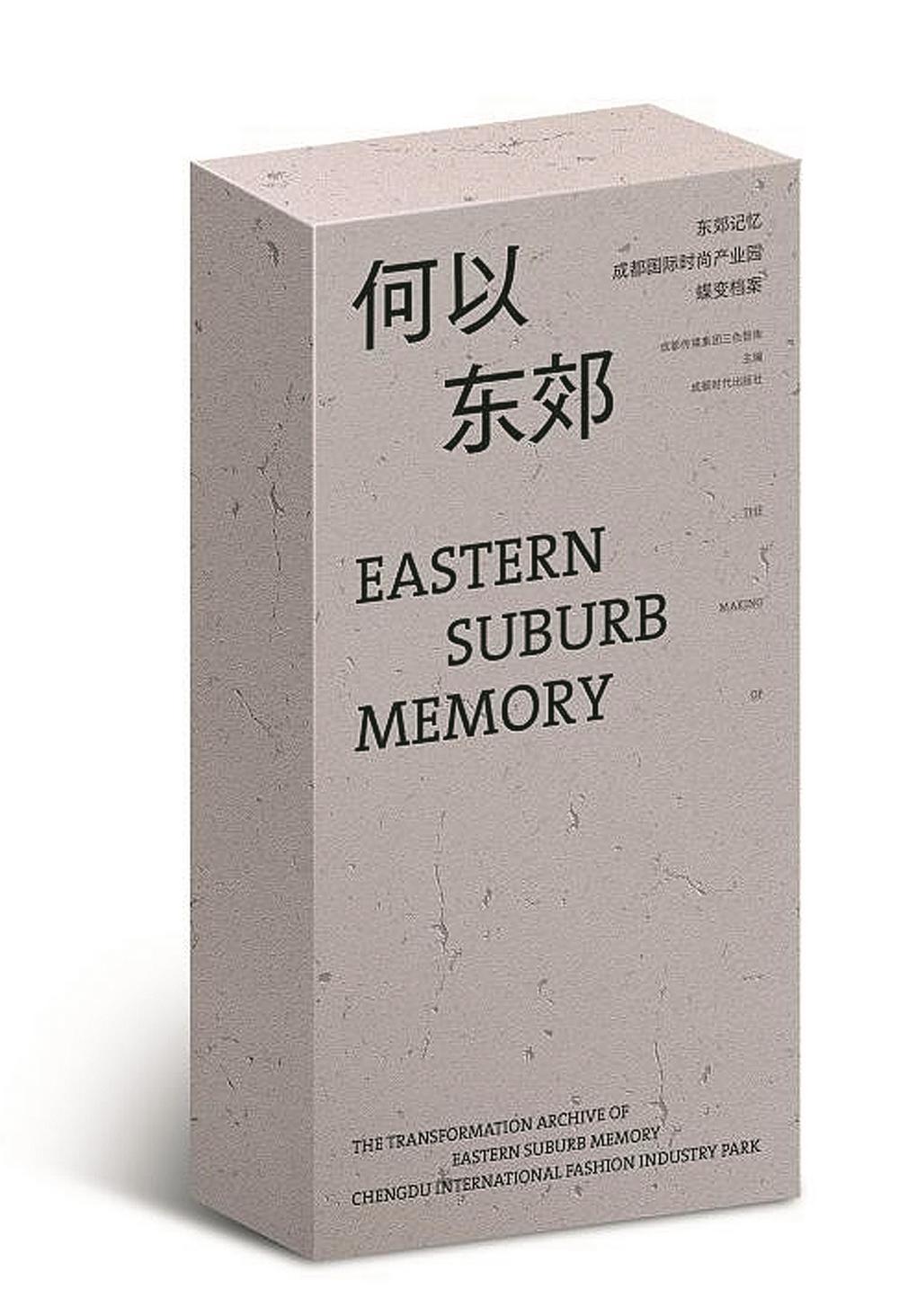
《何以东郊》书写工业遗迹的诗意重生
Xin Lang Cai Jing· 2026-01-12 18:00
Core Viewpoint - The revitalization of industrial relics is a significant measure of urban cultural depth, with the book "What Makes the East Suburb" documenting the transformation of Chengdu's East Suburb from an industrial base to an international fashion industry park, providing a model for the activation of industrial heritage in China [2][7]. Group 1: Transformation Process - The book captures the journey of East Suburb's transformation through a year-long research process, focusing on three core aspects: origins, current state, and future prospects, utilizing diverse methods such as image-text collection and interviews [3]. - It employs a narrative structure that avoids linear storytelling, instead addressing external changes, internal transformations, and shifts in cultural essence, creating a multi-dimensional writing framework [3][4]. Group 2: Cultural Activation - The book emphasizes the activation of local culture, showcasing Chengdu's lifestyle and attitudes through innovative experiences, such as a Han culture-themed dining experience that merges traditional elements with modern immersive settings [5]. - It highlights the integration of local culture with international trends, demonstrating how street culture and industrial aesthetics can coexist in the revitalized spaces [5][6]. Group 3: Development Logic - The East Suburb's development logic is characterized by an "open and symbiotic" approach, combining local roots with international perspectives, and breaking traditional development bottlenecks through innovative mechanisms [6]. - The introduction of renowned international design companies and hosting of global events have transformed the area into a platform for cross-cultural dialogue, reinforcing its modernity and relevance [6]. Group 4: Urban Spirit - The book serves as a window into understanding Chengdu and the practice of modernization in China, portraying a collective urban spirit through the stories of individuals who contributed to the industrial legacy and its transformation [7]. - It encapsulates the essence of Chengdu's industrial development and urban renewal, providing valuable insights for other cities looking to activate their industrial heritage [7]. Group 5: Design and Presentation - The book's design is notable for its unique approach, using a "gray brick" concept to reflect the industrial heritage, enhancing the reader's tactile experience and connection to the historical context [8].

跨界重构城市空间,以文化艺术为笔绘就城市滨江新图景
Xin Lang Cai Jing· 2026-01-12 08:59
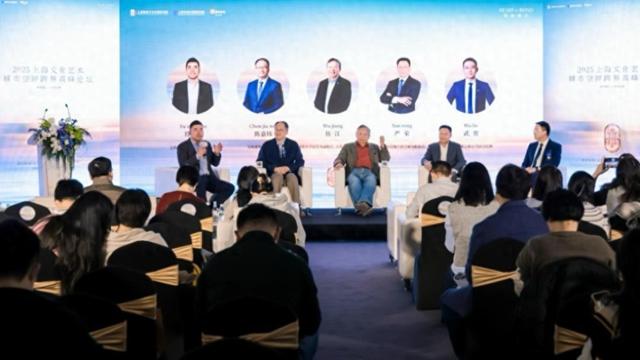
Core Insights - The forum "World Riverside × Leading the Future - 2025 Shanghai Cultural Arts and Urban Space Cross-Border Summit" aimed to gather interdisciplinary wisdom to address new global urban development challenges [1] - The event emphasized the integration of culture and art into urban development to create sustainable urban environments, particularly in large cities [1][9] Group 1: Forum Objectives and Themes - The forum was initiated by Shanghai Ge Wu Cultural Development Research Institute, Shanghai Urban Renewal Research Institute, and China Resources Land, focusing on collaborative models between government, research, and practice [1] - A central theme was how to infuse sustainable soul into mega cities through deep cultural and artistic integration, shaping globally significant waterfront lifestyles and landscapes [1][9] Group 2: Perspectives on Urban Development - The director of Shanghai Urban Renewal Research Institute highlighted that urban competition has entered a new phase where culture is a core driver of high-quality development, moving from "incremental expansion" to "quality enhancement" [3] - The transformation of the concept of "development" was discussed, emphasizing the need to create a vibrant operational system that integrates historical context, contemporary art, public life, and natural ecology [3] Group 3: Historical and Philosophical Insights - Former director of the Palace Museum, Shan Jixiang, used the example of Beijing's central axis to illustrate the concept of "living heritage," emphasizing that great urban spaces embody a five-dimensional life system [4] - Professor Wu Jiang analyzed cities as a combination of material, social, and cultural attributes, arguing that cities are the greatest "spiritual vessels" and "crystallizations of civilization" [5] Group 4: Practical Applications and Innovations - The forum included discussions on how to translate grand visions into tangible daily experiences, focusing on the creation of spaces that foster emotional connections and identity [6][8] - The "Lunqi Riverside" project was awarded the title of "Urban Renewal + Cultural Integration Practice Base," marking a significant step in transforming individual projects into methodologies for academic research and industry reference [8] Group 5: Future Vision and Cultural Significance - The forum concluded with a consensus that building a world-class waterfront area is not merely about physical development but a systematic cultural creation aimed at enhancing people's happiness [9][11] - The event underscored the potential for Shanghai to demonstrate a balance between an impressive skyline and a warm cultural horizon, driving economic vitality while nurturing individual aspirations [11]

金螳螂(002081.SZ):已通过海南商业航天发射场项目积累了航天级工程交付与洁净控制经验
Ge Long Hui· 2026-01-12 07:26
Core Viewpoint - The company, Jin Tanglang, is experiencing an optimization in its order structure, with a strong order backlog supporting stable operations moving forward [1] Group 1: Order and Business Development - The company signed new orders worth 6.653 billion yuan in the third quarter, representing a year-on-year increase of 2.34%, indicating good order security [1] - The current order structure covers multiple potential areas including urban renewal, overseas projects, clean technology, and high-end public construction [1] Group 2: Aerospace and Cleanroom Business - The company has gained experience in aerospace-level engineering delivery and clean control through the Hainan commercial aerospace launch site project, enhancing its capability to serve high-end technical engineering [1] - The company holds special equipment industrial pipeline (GC2) qualifications and medical device operating licenses, demonstrating its capability in cleanroom system integration construction [1] - Successful projects include the Nanjing integrated circuit industry service center, Zhongbei lithium battery cleanroom, and Jiewate microelectronics high-performance power chip project, showcasing its mature service capabilities and rich project experience [1] Group 3: Future Plans - The company plans to increase efforts in technology research and market development to continuously improve its service system [1]

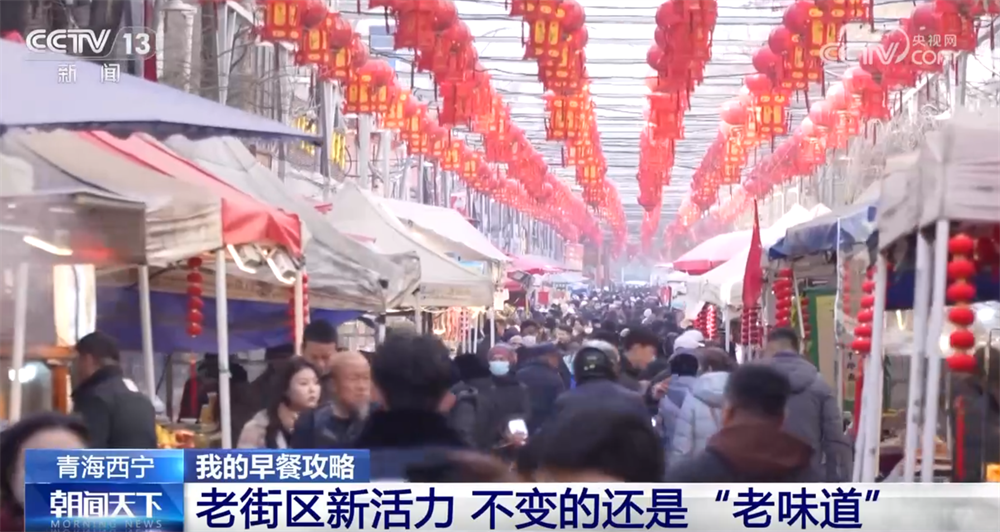
“城市更新+文旅融合”让老街区迸发新活力 特色早餐“暖”了胃“旺”了产业
Yang Shi Wang· 2026-01-12 06:13
Core Insights - The article highlights the vibrant breakfast culture in Xining, Qinghai, showcasing local delicacies that not only warm the stomach but also symbolize the city's lively morning atmosphere [1][4][8] Group 1: Breakfast Culture - Xining's breakfast scene is characterized by a variety of local dishes, including lamb noodles and beef tripe soup, which are popular among residents [4][8] - The famous food street, Xinghai Road, features nearly 80 small restaurants offering diverse breakfast options, creating a bustling environment in the early morning [4][6] Group 2: Local Delicacies - Traditional dishes such as "nao fan" (a type of rice dish) and "Salar buns" are significant in Qinghai's breakfast offerings, known for their unique ingredients and preparation methods [3] - "Zhua Mian" (grab noodles) is a notable dish where the chef skillfully grabs noodles from a pile, emphasizing the artistry involved in its preparation [8][11] Group 3: Economic Impact - The breakfast industry in Xining is linked to a broader green industrial chain, connecting local agriculture and livestock to the dining experience, thus promoting local products like yak and potatoes [17] - Qinghai is a major producer of yaks, accounting for 38% of the national stock, and is also recognized for its high-quality potatoes and spring wheat, contributing to the region's economic development [17]
住建部新定调:这些房子或将按新规处理,住老小区的业主有福了!
Xin Lang Cai Jing· 2026-01-12 05:36
Core Viewpoint - The new regulations from the Ministry of Housing and Urban-Rural Development (MOHURD) address the aging urban residential issue, with over 210 million homes aged 25 years or more, representing approximately 38.7% of urban housing stock, marking a shift towards high-quality urban renewal focused on improving existing housing conditions and asset value protection [1][3][9] Group 1: Background and Necessity - The new regulations respond to public concerns and safety risks associated with aging residential buildings, which face structural safety issues, outdated facilities, and management challenges [3][5] - Previous safety incidents in old residential buildings highlighted the urgent need for systematic management and regulation [3] Group 2: Key Features of the New Regulations - The regulations establish a comprehensive system of "health checks first, classified handling, and diversified guarantees," moving away from the previous model of simply demolishing old buildings [5] - A key component is the housing health check system, which varies by region but generally requires inspections based on the age of the buildings to create health records for informed decision-making [5][8] Group 3: Handling and Improvement Strategies - The regulations introduce a three-tiered approach for handling old buildings: upgrading, rebuilding dangerous structures, and revitalizing assets, ensuring tailored solutions for different conditions [5][7] - For structurally sound but functionally outdated homes, upgrades will include essential infrastructure improvements and community services, enhancing living conditions and potentially increasing rental income [5][7] Group 4: Financial Support Mechanisms - A multi-source funding model involving government, homeowners, and social participation is crucial for the implementation of the new regulations, significantly reducing the financial burden on homeowners [8] - Local governments are providing substantial financial support, covering 80%-90% of costs for renovation projects, supplemented by various funding sources such as property maintenance funds and insurance [8] Group 5: Long-term Implications - The new regulations signify a transition in urban development from "incremental expansion" to "quality enhancement of existing stock," improving living conditions for millions and optimizing urban structures [9][10] - The renovation projects are expected to stimulate related industries, creating jobs and contributing to economic growth, with a vision for old neighborhoods to transform into desirable living spaces by 2030 [9]
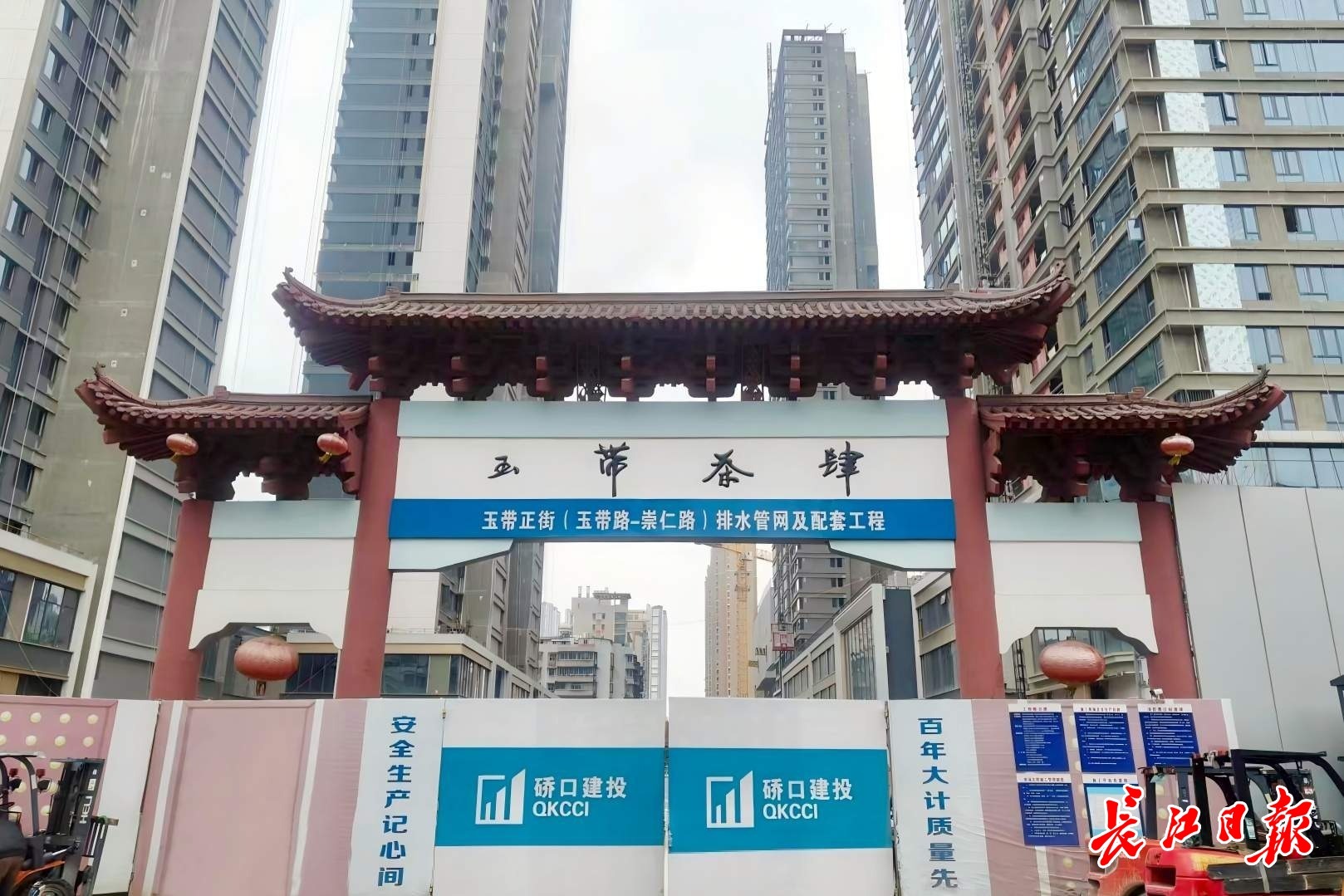
百年商脉嫁接现代基因,利北片将重现“玉带河畔”盛景
Chang Jiang Ri Bao· 2026-01-12 00:51
Core Viewpoint - The urban renewal project in the Li Bei area of Qiaokou District, Wuhan, is revitalizing a historic neighborhood while integrating modern living with cultural heritage, serving as a model for urban renewal efforts in China [1][4][16]. Group 1: Urban Renewal and Cultural Heritage - The Li Bei area is undergoing significant transformation, with historical elements being incorporated into modern architecture, exemplified by the restoration of the Yudai Tea House and the design of the Yudai Bridge [4][5]. - The project emphasizes "cultural revitalization," aiming to preserve the unique cultural identity of the area while enhancing the living conditions for residents [5][12]. Group 2: Community Engagement and Resident Response - Residents are returning to the area to purchase new homes, indicating a strong emotional connection to the neighborhood and a desire to remain in their community [7][12]. - The design of open public spaces has improved the quality of life, making the area a popular spot for local residents to gather and enjoy outdoor activities [7][16]. Group 3: Innovative Funding and Project Management - The project employs an innovative funding model that includes a "buyback" strategy, allowing for the repurchase of non-residential properties to enhance community services [10][12]. - A collaborative approach between government and private sectors has been established to streamline project execution, ensuring efficient implementation and addressing complex regulatory challenges [13][15]. Group 4: Broader Implications for Urban Development - The Li Bei urban renewal project serves as a case study for addressing key urban development challenges, including funding, land use, and community engagement, contributing to a new paradigm in urban governance [15][16]. - The project reflects a shift from traditional urban expansion to a focus on sustainable, high-quality urban management, providing valuable insights for other cities facing similar challenges [16].
“非标商业”模式提升城市活力
Xin Lang Cai Jing· 2026-01-11 22:25
Core Insights - The Ministry of Industry and Information Technology, along with several departments, has issued a plan to enhance the adaptability of consumer goods supply and demand, aiming to promote consumption through supply-side structural reforms and consumption upgrades [1][2]. Group 1: Non-standard Business Model - The "non-standard business" model is emerging as a significant approach to enrich commercial formats, innovate consumption scenarios, and drive urban renewal through cultural and tourism empowerment [1]. - This model leverages old factories and neighborhoods, breaking away from traditional standardized commercial forms to emphasize personalization, differentiation, and experiential engagement [1]. - "Non-standard business" creates unique open spaces that foster a relaxed and distinctive atmosphere, transforming areas from "seeing objects without seeing people" to a people-centric approach [1]. Group 2: Cultural Integration and Consumer Experience - A notable characteristic of "non-standard business" is its focus on cultural elements, using activities to catalyze emotional experiences and integrating historical elements into modern scenarios [1][2]. - Unlike traditional retail, "non-standard business" continuously generates freshness and topics through thematic curation and community operations, fostering new cultural consumption scenes such as markets and pop-up events [1][2]. Group 3: Urban Transformation and Economic Benefits - As cities transition to a new development stage, many old factories and historical districts require activation, with "non-standard business" effectively driving urban transformation amidst intensified competition in traditional commerce [2]. - This model allows for protective renovation and transformation of existing buildings, reducing urban renewal costs while achieving economic benefits, as seen in projects like Shanghai's Hongshufang [2]. - "Non-standard business" can better facilitate industrial transformation by utilizing old factories, exemplified by Beijing's Langyuan Station, which creates an innovative commercial ecosystem based on industrial heritage [2]. Group 4: Challenges and Future Potential - Despite its advantages, "non-standard business" faces challenges such as over-reliance on events and short-term collaborations, leading to a relatively fragile profit model [2]. - The core appeal of "non-standard business" lies in its novelty and uniqueness, necessitating high-frequency content updates to maintain consumer interest [2]. - For "non-standard business" to create a distinctive commercial core and lasting appeal, it must deeply integrate space design, business planning, and scene creation with local culture, historical context, and community characteristics [2].
家园中心如何做到“全龄友好”
Xin Lang Cai Jing· 2026-01-11 20:19
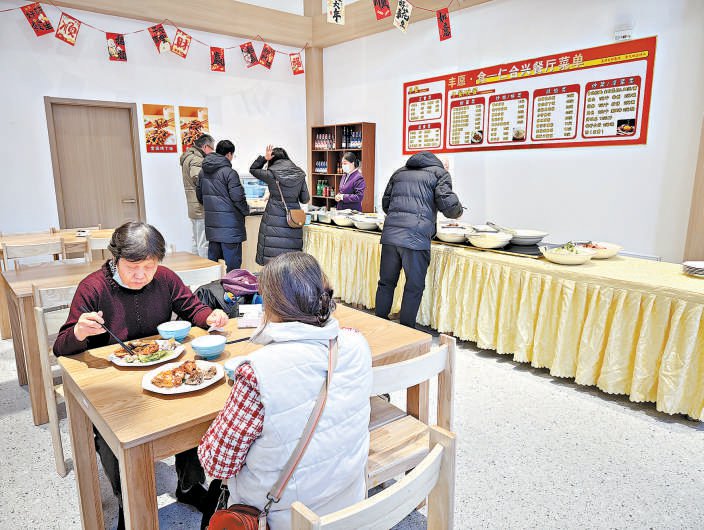
Core Viewpoint - The newly opened community center in Tongzhou District, Beijing, aims to enhance public services and create a "5-minute living circle" for residents, featuring various amenities to cater to all age groups [1][4]. Group 1: Community Center Development - The community center was transformed from an old auditorium into a multi-functional space, retaining the original red brick architecture while improving lighting and design [2][4]. - The project involved extensive community engagement, with multiple consultations to gather resident feedback, ensuring the center meets local needs [4][5]. - The center includes a variety of services such as a convenience canteen, health consultation, children's care, and wellness tea, designed to address the last mile of residents' daily needs [4][6]. Group 2: Urban Planning and Integration - The community center is part of a broader initiative to develop 36 centers across the urban sub-center, aimed at filling gaps in public service facilities [4][6]. - Future centers will integrate various functions, including elderly care, cultural facilities, and logistics, while ensuring accessibility through public transport connections [6][7]. - The operational model emphasizes a market-driven approach, encouraging investment and management by private entities to maintain service quality and prevent over-commercialization [7].
旧粮仓变身潮玩地
Xin Lang Cai Jing· 2026-01-11 19:16
1月10日拍摄的合肥市新粮仓商业合集(无人机照片)。 (来源:工人日报) 在安徽省合肥市蜀山区黄山路与怀宁路交叉口南,一组筒仓建筑群引人注目,它的前身是安徽省机械化 粮库。2023年,以城市更新为契机,改造启动,筒仓、铁轨等工业印记被保留,现代设计理念巧妙融 入。2024年5月,新粮仓商业合集正式面向公众开放。截至2025年底,新粮仓商业合集已累计接待游客 超1500万人次,营收突破7亿元。新华社记者 杜宇 摄 ...
专业引领、街区共治,社区规划师巧解城市更新
Xin Lang Cai Jing· 2026-01-11 18:13
近年来,上海全力推进旧区改造和社区更新,推进过程中往往面临多元利益诉求交织的复杂局面,如何 广泛协商,又怎么尽力兼顾各方利益呢,为此,黄浦区引入了社区规划师制度对接"一街一路",效果如 何? 排除安全隐患,第二是提升空间的品质,传承了街道现有的温情和烟火气。" 熟悉辖区情况的区政协委员李坚也加入了进来,他懂设计,再加上作为区政协委员,常在半淞园路街道 调研,可以将专业标准与居民需求相结合,确保规划意图的落地。他们持续与居民、商户面对面沟 通:"你们还有哪些建议啊,比如说我们的店招……" 黄浦区政协委员、上海世博发展(集团)有限公司规划设计部总经理李坚认为:"它是一个动态持续的 过程,我们结合了老百姓和商铺的要求,共同来协商这个方案。" 如今的西凌家宅路骑楼做了修缮;到处乱挂的空调外机,藏了起来;蜘蛛网一样的电线,也不见了。沿 路还建成了五个口袋花园,让居民能散步休憩。而当大家看到自己的建议,属地真的做到了,自然也就 更愿意为社区出谋划策。 如今的西凌家宅路,在"老土地"们眼里,值得竖个大拇指。居民李谋行说:"这里设置了很多凳子,老 年人在凳子上坐着聊天,甚至买菜买了拎不动了,凳子上放一放、坐一坐休息,这个是非 ...
