智能化

Search documents
南化公司:全会精神与发展规划深度融合
Zhong Guo Hua Gong Bao· 2026-01-06 03:05
Group 1 - The company held a special learning expansion meeting to integrate the spirit of the conference with its "14th Five-Year Plan" and long-term development strategy, emphasizing a comprehensive implementation plan for learning and execution [1] - A multi-dimensional promotional matrix was established to create a strong atmosphere for learning among all employees, with interactive topics on the company's official WeChat account encouraging employees to share insights and strategies based on their roles [1] - A layered and categorized learning platform was set up to deepen understanding of the conference spirit, involving different levels of leadership and staff in various learning and discussion formats [1] Group 2 - Various units quickly took action to implement the conference spirit, focusing on key areas such as carbon capture, utilization, and storage (CCUS) process optimization, and the quality enhancement of electronic-grade sulfuric acid [2] - Activities like "Party Member Responsibility Zones" and "Strongest Operation Competitions" were initiated to promote stable operation of hydrogen production systems and increase aniline output [2] - The sales and material equipment centers concentrated on market expansion and cost control, optimizing marketing strategies and upgrading procurement processes to support cost reduction and efficiency improvement [2]
2025:激情与繁荣 混沌与秩序
Zhong Guo Qi Che Bao Wang· 2026-01-06 02:13
Core Viewpoint - The Chinese automotive market in 2025 is characterized by intense competition and transformation, with a mix of prosperity and individual challenges, leading to a redefinition of industry order and competition dynamics [4][9]. Group 1: Market Dynamics - The year 2025 saw over 200 new car models launched, with more than 40 new models released in September alone, marking a historical high in new car releases [4]. - The penetration rate of L2-level and above assisted driving functions in new energy passenger vehicles reached 87% from January to October 2025, indicating rapid advancements in intelligent driving technology [5]. - The total number of electric vehicle charging infrastructure reached 18.645 million by the end of October 2025, a 54% increase year-on-year, solidifying China's position as a leader in charging facilities [5]. Group 2: Technological Advancements - The development of solid-state batteries is gaining momentum, with several automakers announcing timelines for mass production, indicating a shift towards more efficient battery technology [5]. - The market for new energy vehicles (NEVs) experienced significant growth, with pure electric vehicle sales accounting for 64% of total NEV sales from January to November 2025 [6][7]. - The automotive industry is witnessing a shift from traditional competition to ecosystem-based competition, emphasizing value creation and integration [9]. Group 3: Marketing and Consumer Engagement - Automotive marketing in 2025 has evolved, with executives actively engaging in live demonstrations and immersive marketing experiences to connect with consumers [6]. - The rise of scene-based marketing strategies has transformed how new vehicles are presented, creating emotional connections with consumers [6]. Group 4: Export Growth - Chinese automotive exports reached 6.343 million units from January to November 2025, a year-on-year increase of 18.7%, with new energy vehicle exports growing by 102.9% [8]. - The shift in export strategies from simple vehicle sales to localized production and assembly has enhanced the reputation and competitiveness of Chinese brands in international markets [8]. Group 5: Industry Challenges - The automotive industry faces challenges such as price wars, safety concerns, and misleading marketing practices, which threaten market integrity and consumer trust [9][10]. - The average profit margin for the automotive industry was reported at 4.5% in the first three quarters of 2025, lower than the average of 6% for downstream industrial enterprises, highlighting financial pressures [10]. Group 6: Regulatory Changes - New regulations, including the revised Anti-Unfair Competition Law, aim to establish clearer guidelines for marketing practices and protect consumer rights [13][15]. - The introduction of mandatory safety standards for electric vehicle batteries and intelligent driving systems reflects a proactive approach to addressing safety concerns in the industry [14][13]. Group 7: Future Outlook - The automotive industry is moving towards a focus on long-term sustainability and healthy development, with a growing consensus on the need for fair competition and ethical practices [12][16]. - The emphasis on integrity, technology, and value creation is expected to guide the industry towards high-quality development in the coming years [16].


十年来,长江经济带创新动能更强劲
Ke Ji Ri Bao· 2026-01-06 01:51
Core Insights - The development of the Yangtze River Economic Belt is a major regional strategy personally planned, deployed, and promoted by General Secretary Xi Jinping, focusing on ecological protection and sustainable development [1] Environmental Protection - The proportion of water quality in categories I-III in the Yangtze River Economic Belt has increased from 67% in 2015 to 96.5% now, a rise of nearly 30 percentage points, with the main stream maintaining Class II water quality for six consecutive years [2] - The total phosphorus concentration in the Yangtze River basin has decreased by over 40% compared to ten years ago, and over 90% of black and odorous water bodies in county-level cities have been eliminated [2] Industrial Development - The Yangtze River Economic Belt is a crucial area for industrial aggregation, with 30 strategic emerging industry clusters cultivated, accounting for 45% of the national total [3] - The region contributes nearly half of the national GDP while accounting for about one-third of energy consumption and carbon emissions, emphasizing its role in green development [3] Transportation Infrastructure - The high-grade waterway mileage in the Yangtze River system has reached 11,500 kilometers, allowing for significant improvements in shipping capabilities [4] - By 2025, the port throughput along the Yangtze River is expected to reach 4.2 billion tons, with the number of major ports increasing to 18, reflecting substantial growth since 2015 [5]
趋势研判!2025年中国供暖设备行业政策、产业链、市场规模、重点企业及发展趋势:供暖设备向节能环保与智能化转型,市场规模将增长至686.56亿元[图]
Chan Ye Xin Xi Wang· 2026-01-06 01:17
Industry Overview - The Chinese heating equipment industry has experienced robust growth driven by rising living standards and supportive government policies. Consumer demand has shifted from basic heating functions to higher energy efficiency, smart control, and environmental features [1][5] - The market size of China's heating equipment industry is projected to grow from 40.082 billion yuan in 2020 to 62.101 billion yuan in 2024, with a compound annual growth rate (CAGR) of 11.57%. By 2025, the market size is expected to reach 68.656 billion yuan [1][9] Policy Support - National policies in energy conservation and clean energy have created a favorable environment for technological upgrades and market expansion in the heating equipment sector. For instance, initiatives promoting sewage source heat pump technology and clean heating solutions are being implemented [5][11] - The continuous expansion of urban centralized heating areas, which grew from 8.309 billion square meters in 2017 to 12.094 billion square meters in 2024, provides a solid market demand foundation for the heating equipment industry, with a CAGR of 5.51% [5][6] Industry Chain - The heating equipment industry chain consists of upstream raw materials and components, including steel, copper, aluminum, and various other materials. The midstream involves the manufacturing of heating equipment, while the downstream includes applications in sectors like real estate [6][7] - Key raw materials such as steel, copper, and aluminum are essential for constructing core structures and functional components of heating equipment. The production of these materials has been increasing, with steel output rising from 1.05 billion tons in 2017 to 1.4 billion tons in 2024, and copper output increasing from 1.867 million tons to 2.350 million tons in the same period [7][8] Market Trends - The heating equipment industry is moving towards higher efficiency, environmental sustainability, and smart technology integration. Future trends include the deep integration of heating systems with renewable energy sources, such as heat pumps and solar energy, to achieve near-zero carbon operations [11][12] - The industry is also expected to see advancements in smart technology, transitioning from automated control of individual devices to autonomous decision-making and collaborative optimization across entire heating systems [12][13] - Customization and diversification of heating solutions will be key, with tailored products and services designed for different climates, building types, and user needs, enhancing overall energy efficiency and user experience [13][14] Key Companies - Major players in the industry include international brands like Vaillant, Bosch, and Ariston, which dominate the high-end market, and domestic leaders like Wanhe and Sunflower, which focus on mid-range and mass-market segments [9][10] - Wanhe Electric, a notable company in the heating equipment sector, reported a revenue of 5.524 billion yuan in the first three quarters of 2025, reflecting a year-on-year growth of 5.54% [10][11]


深市2025年业绩预告“开门红” 多行业龙头展现增长韧性
2 1 Shi Ji Jing Ji Bao Dao· 2026-01-05 23:09
Core Viewpoint - The A-share market is witnessing a wave of positive earnings forecasts for 2025, with several representative companies from various sectors reporting expected net profit increases of over 25%, with some exceeding 300%, reflecting strong growth momentum [1] Group 1: Company Performance - Salt Lake Co. expects a net profit of 8.29 billion to 8.89 billion yuan for 2025, a year-on-year increase of 77.78% to 90.65%, driven by stable production and sales of potassium fertilizer and lithium carbonate, along with the successful advancement of new lithium salt projects [2] - Tianqi Materials anticipates a net profit of 1.1 billion to 1.6 billion yuan for 2025, representing a growth of 127.31% to 230.63%, attributed to increased demand for electric vehicle batteries and effective cost control through vertical integration [3][4] - Huazhong Steel forecasts a net profit of 2.6 billion to 3 billion yuan for 2025, with a growth of 27.97% to 47.66%, driven by its transformation towards high-end, green, and intelligent production [6] - Shougang Co. expects a net profit of 920 million to 1.06 billion yuan for 2025, reflecting a growth of 95.29% to 125.01%, supported by technological innovation and green low-carbon initiatives [7] - Chuanhua Zhihui anticipates a net profit of 540 million to 700 million yuan for 2025, a significant increase of 256.07% to 361.57%, due to business transformation and optimization strategies [8] - Kid King, a consumer service provider, projects a net profit of 275 million to 330 million yuan for 2025, a growth of approximately 51.72% to 82.06%, driven by strategic expansions and acquisitions [9][10] Group 2: Industry Trends - The new round of prosperity in the upstream of the new energy industry chain is benefiting leading companies with core resource reserves and significant technological advantages, showcasing strong earnings elasticity [2] - The lithium battery materials industry is expected to enter a key upward cycle in 2026, driven by the dual resonance of energy storage and stable growth in power batteries, with an optimized supply-demand balance [3][4] - The steel industry is transitioning from quantity expansion to quality upgrading, with new infrastructure projects expected to drive demand growth [6] - The consumer service market is evolving from traditional retail to a comprehensive consumption ecosystem, integrating products, services, and social interactions to meet family needs [10]


创维新能源业务增长提速
Jing Ji Ri Bao· 2026-01-05 22:07
Group 1 - The core viewpoint of the article highlights Skyworth Group's breakthroughs in smart home appliances and new energy sectors, emphasizing the importance of technological innovation as a core competitive advantage [2] - Skyworth Group has introduced the "Chameleon Display Technology Platform," which encompasses a complete picture quality solution covering hardware, algorithms, and calibration [2] - The "Chameleon Micro-Optical Array" technology improves luminous efficiency by 8% compared to peers, while the overall thickness of the product is reduced by over 10% [2] Group 2 - In the first half of 2025, Skyworth Group's new energy business revenue reached 13.801 billion yuan, a year-on-year increase of nearly 54%, accounting for 38% of the total revenue [3] - The company is developing a complete integrated green energy ecosystem through innovations in photovoltaic technology and product development, including core equipment for photovoltaic power stations [3] - Skyworth Group plans to enhance its high-end strategy in smart home appliances and accelerate its "going global" strategy in the new energy sector to expand its share in the global green energy market [3]
赛力斯2025年新能源汽车销量超47万辆 创历史新高
Ge Long Hui· 2026-01-05 10:05
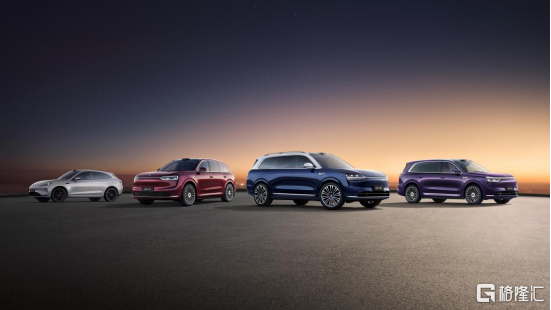
Core Insights - Seres reported a significant increase in December 2025 sales, with 60,981 electric vehicles sold, marking a year-on-year growth of 63.40% and achieving a new annual sales milestone of 472,269 vehicles, up 10.63% from the previous year [1][3] - The company emphasizes a "software-defined vehicle" technology strategy and a "user-defined vehicle" market approach, focusing on high-end, intelligent, and green development [3][5] - Seres successfully listed on the Hong Kong Stock Exchange in November 2025, becoming the first luxury electric vehicle company to achieve dual listing, enhancing its global resource integration and brand value [6] Sales Performance - In December 2025, the Wanjie brand delivered over 57,000 new vehicles, setting a new monthly delivery record, with total annual deliveries exceeding 420,000, leading the high-end electric vehicle market [1][3] - Cumulative deliveries of the Wanjie brand surpassed 970,000 vehicles, showcasing rapid delivery speed in the Chinese electric vehicle market [3] - The Wanjie M9 has maintained its position as the best-selling luxury SUV above 500,000 yuan for 20 consecutive months, with over 260,000 units delivered since its launch [3] Product Development - Seres has developed a comprehensive product matrix, including the Wanjie M5, M7, M9, and M8, covering various segments of the luxury market [3] - The Wanjie M8 has quickly captured the high-end SUV market priced at 400,000 yuan, with over 150,000 units delivered in just eight months [3] - The Wanjie M7, launched in September 2025, has delivered over 370,000 units, becoming a preferred choice in the 300,000 yuan SUV segment [3] Technological Innovation - The company prioritizes technological innovation, investing heavily in R&D to advance electric and intelligent core technologies, including the Seres Magic Cube Technology Platform 2.0 and Seres Intelligent Safety [5] - These innovations are aimed at strengthening the company's competitive edge and establishing a robust "moat" for sustainable development [5] Capital Market Position - The dual listing on the Hong Kong Stock Exchange is expected to open new avenues for global resource integration and enhance the company's presence in international capital markets [6] - Seres' inclusion in the CSI A100 Index reflects its leading position in the A-share electric vehicle sector and indicates a step forward in capital influence and sustainable development [6] Future Outlook - Looking ahead, Seres aims to remain user-centric and technology-driven, focusing on the intelligent electric vehicle sector to create more competitive and influential global products [6]

2025年车市收官:当中国豪华品牌站上50万元赛道,极氪做对了什么?
Ge Long Hui· 2026-01-05 09:32
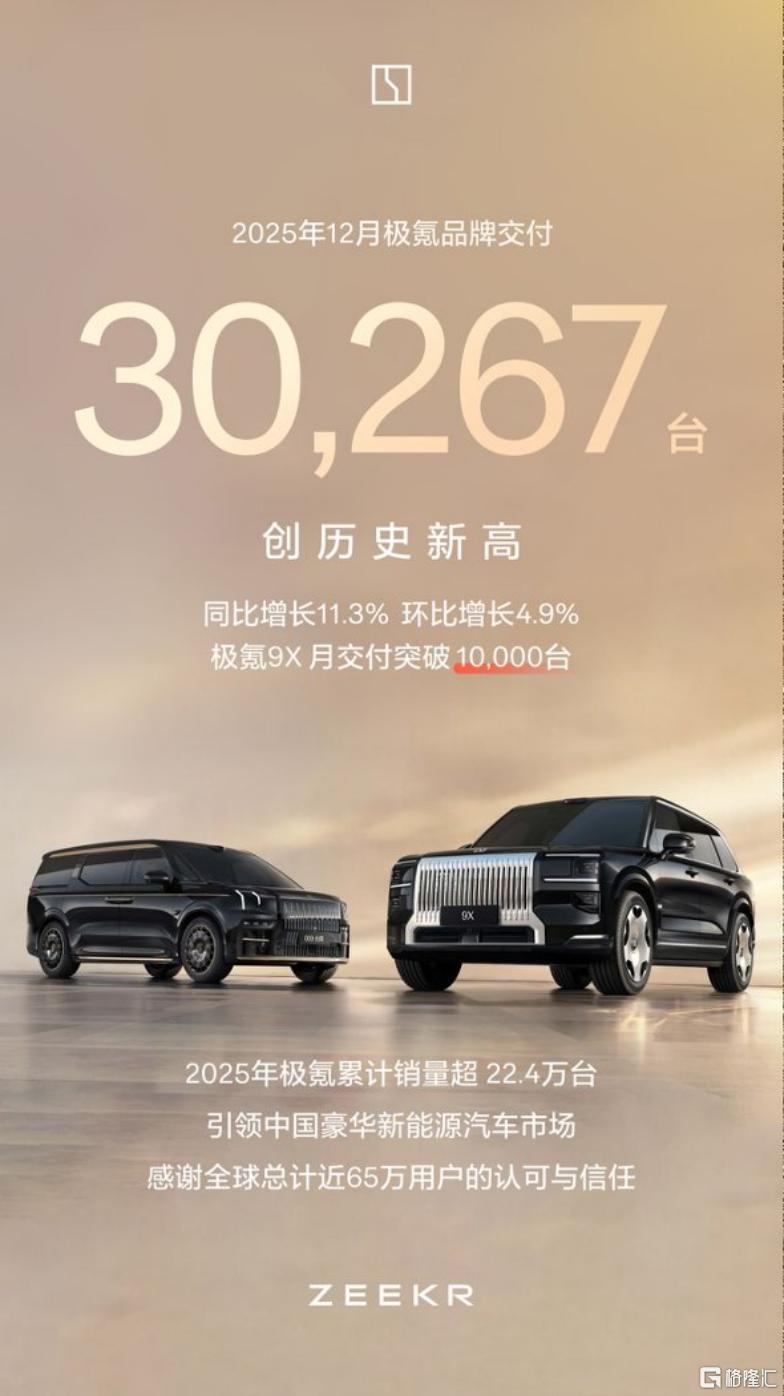
Core Insights - The Chinese automotive industry has shown strong performance in 2025, with Geely and BYD leading the growth in the electric vehicle market, while high-end breakthroughs are essential for the industry's transition from large to strong [1] - Zeekr's impressive performance, with total deliveries of 224,133 units in 2025 and a record monthly sales of over 30,000 units in December, highlights the brand's successful penetration into the high-end market [1][6] Group 1: Market Performance - Zeekr 9X has become a phenomenon in the market, achieving over 10,000 units sold in December and a significant average selling price of 538,000 yuan, marking it as the first Chinese brand to reach this milestone in its price segment [6] - 80% of Zeekr 9X users are from traditional luxury brands, indicating its strong penetration into the high-end fuel vehicle market [6] Group 2: Brand Strategy - Zeekr's growth is attributed to its focus on high-value models, avoiding the short-sighted strategy of competing solely on price, and enhancing its product structure to increase the proportion of high-value models [7] - The brand has established a strong luxury image, becoming the official vehicle for major events and attracting high-profile owners, which reinforces its position in the high-end market [7] Group 3: Technological and Structural Advantages - Zeekr's success is supported by its long-term focus on the luxury segment and the backing of Geely's global R&D capabilities, which help overcome technical and cost challenges [9] - The brand's independent operation post-privatization allows for agile responses to market changes, while its user-centric approach enhances customer trust and loyalty [11] Group 4: Future Outlook - With the expected tax reductions in 2026, market competition is anticipated to intensify, focusing on product quality, technology, and brand value, where Zeekr's technological reserves and brand image position it favorably [12] - Zeekr aims to launch more high-end products in 2026, further solidifying its market presence and contributing to the global recognition of Chinese luxury brands [12]
AI赋能全链条 广西让东盟水果 “鲜” 入中国
Zhong Guo Xin Wen Wang· 2026-01-05 08:54
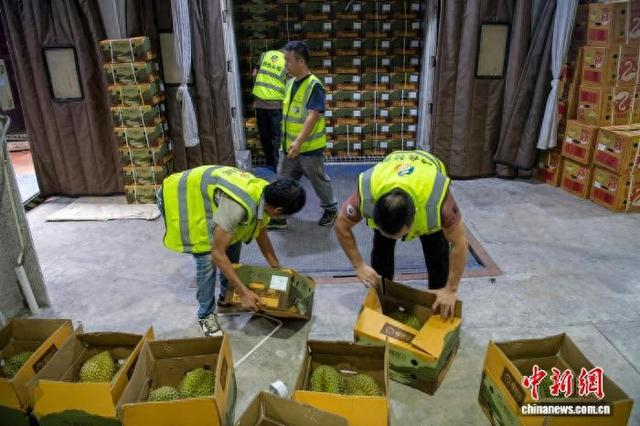
Group 1 - The core idea of the article is the integration of AI technology in the supply chain of Southeast Asian fruits, particularly durians from Indonesia, to enhance transparency and efficiency in the trade with China [1][2] - The China-Indonesia durian digital AI platform aims to improve yield prediction, quality monitoring, and supply chain optimization, thereby raising the international competitiveness of Indonesian durians [1] - Guangxi is positioned as a key gateway for Southeast Asian fruits entering China, benefiting from the RCEP policy and the "Digital Silk Road" initiative, which promotes digital and intelligent cross-border trade [1] Group 2 - The Pingxiang city in Guangxi is the largest port for the import and export of Southeast Asian fruits, with significant volumes of dragon fruit and durians entering through this region [2] - The smart port at the Pingxiang border, featuring AI-driven logistics and unmanned container transport, is set to enhance cross-border logistics efficiency by December 2025 [2] - In the first eleven months of 2025, the total value of goods supervised by the Friendship Pass customs reached 545.17 billion RMB, marking a 28.6% year-on-year increase, facilitated by advanced logistics management systems [2] Group 3 - A comprehensive digital layout for the entire supply chain of Southeast Asian fruits is being established, with the launch of the China-ASEAN fruit model in 2025, utilizing AI technology across production, circulation, consumption, and regulation [5] - The initiative to build a China-ASEAN AI cooperation ecosystem aims to enhance the integration of Southeast Asian fruits into the Chinese market, supported by e-commerce platforms like Alibaba [5] - The collaboration between businesses and Guangxi aims to leverage AI technology to improve operational efficiency and reduce costs, promoting a seamless cross-border supply chain model [5]
上海国际化工展——2026 CTEF化工装备展
Sou Hu Cai Jing· 2026-01-05 07:12
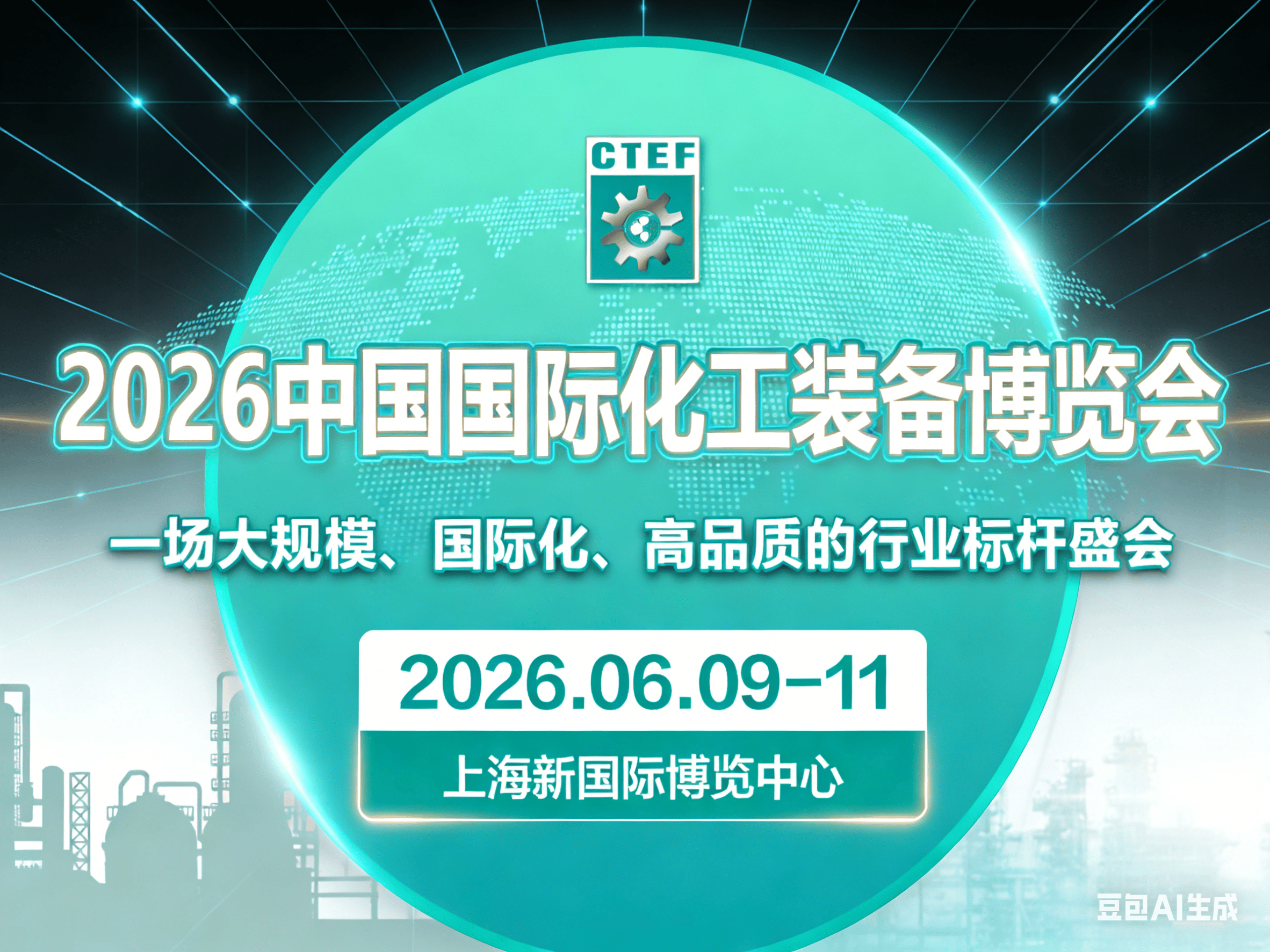
Core Insights - The 2026 China International Chemical Equipment Exhibition will take place from June 9 to June 11, 2026, at the Shanghai New International Expo Center, organized by the China Chemical Equipment Association and Zhenwei International Exhibition Group [2] Exhibition Overview - The exhibition is a leading event in the chemical equipment industry in Asia, focusing on cutting-edge technologies and innovations in petrochemicals, fine chemicals, and environmental protection equipment [2] - The theme for this year's exhibition is "Digitalization, Greenization, and Intelligence," with expectations to attract over 1,000 enterprises from 12 countries and regions, covering an exhibition area of 70,000 square meters and attracting more than 100,000 professional visitors [2] Exhibits Range - The exhibition will feature a wide range of products including: 1. Petrochemical equipment such as complete sets of oil and chemical devices and refining technologies [4] 2. Chemical unit equipment for various production processes [4] 3. Environmental protection equipment for wastewater treatment and air pollution control [4] 4. Pumps, valves, pipelines, and related components [4] 5. Automation and instrumentation for chemical processes [4] 6. Safety and emergency firefighting equipment [4] 7. Smart chemical park technologies including IoT and big data services [4] Industry Trends and Opportunities - The exhibition will highlight green chemical equipment, showcasing technologies like catalytic desulfurization and VOCs treatment systems, aligning with China's dual carbon goals [10] - Intelligent solutions will be presented, including micro-reactors and AI-driven process optimization technologies to help companies reduce costs and improve efficiency [10] - The exhibition will cover the entire industrial chain, featuring themes such as heat exchangers, separation filtration, and powder processing [10] Market Growth - The global market for chemical environmental protection equipment is expected to exceed 420 billion yuan by 2026, with China accounting for 38% of this market. The investment intensity in the Yangtze River Delta region is 1.7 times the national average [11] - International participation is significant, with over 10% of exhibitors being foreign companies, providing a platform for technical exchange and cross-border cooperation for domestic enterprises [11]