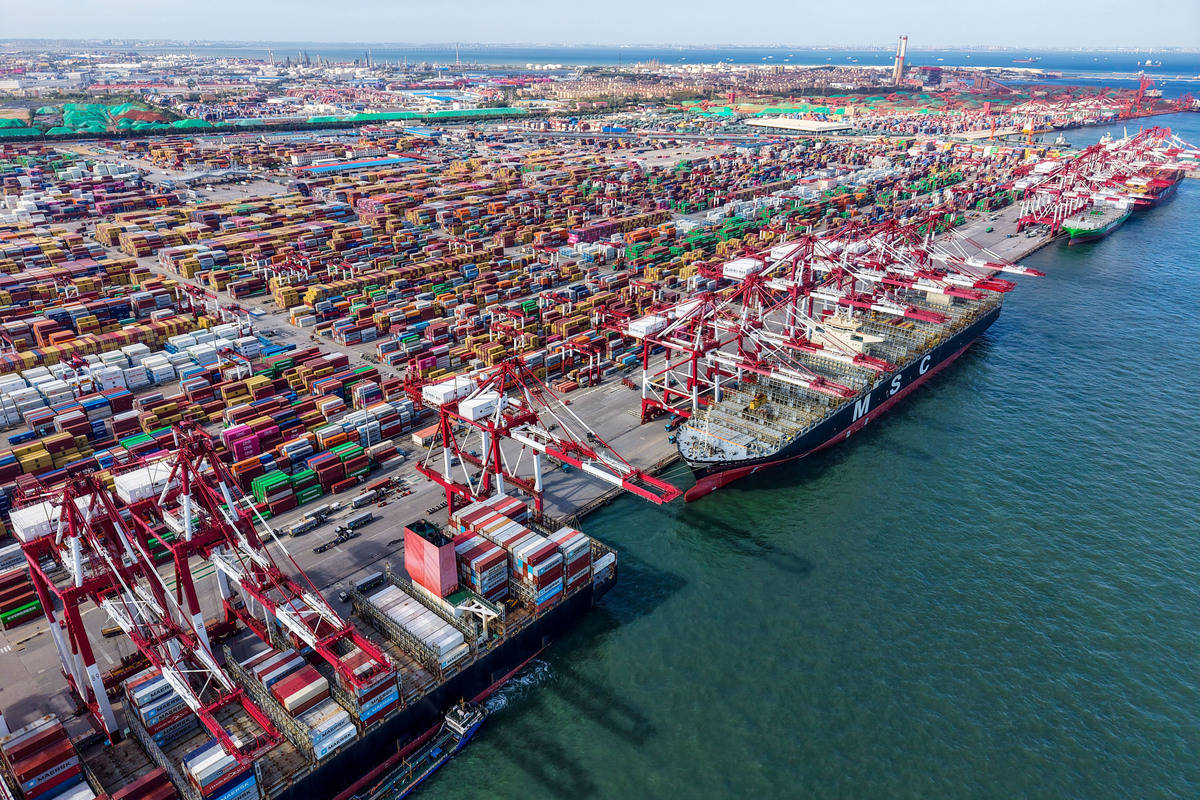
制度型开放

Search documents
10月我国制造业PMI为49.0%,资金面持续宽松,债市延续暖势
Dong Fang Jin Cheng· 2025-11-04 00:30
10 月我国制造业 PMI 为 49.0%;资金面持续宽松,债市延续暖势 【内容摘要】10 月 31 日,资金面持续宽松;债市延续暖势;转债市场主要指数集体收涨,转 债个券多数上涨;各期限美债收益率走势分化,主要欧洲经济体 10 年期国债收益率普遍下行。 一、债市要闻 (一)国内要闻 【习近平出席亚太经合组织第三十二次领导人非正式会议并发表重要讲话】当地时间 10 月 31 日上午,亚太经合组织第三十二次领导人非正式会议第一阶段会议在韩国庆州和白会议中心 举行。国家主席习近平出席会议并发表题为《共建普惠包容的开放型亚太经济》的重要讲话。 习近平在讲话中指出,亚太经合组织成立 30 多年来,引领亚太地区走在全球开放发展前列, 助力亚太成为全球经济最具活力的地区。当前,世界百年变局加速演进,亚太地区发展面临的 不稳定不确定因素增多。越是风高浪急,越要同舟共济。各方要坚守亚太经合组织促进经济增 长、增进人民福祉的初衷,坚持在开放发展中分享机遇、实现共赢,推进普惠包容的经济全球 化,构建亚太共同体。 【李强主持召开国常会,研究深化重点领域改革扩大制度型开放工作】国务院总理李强 10 月 31 日主持召开国务院常务会议 ...
“十五五”对外开放新蓝图:鼓励服务出口,完善海外综合服务体系
2 1 Shi Ji Jing Ji Bao Dao· 2025-11-04 00:26
Core Points - China's door to openness is widening, benefiting its people through various policies and trade initiatives [1][4] - The "14th Five-Year Plan" emphasizes expanding high-level openness, enhancing international cooperation, and sharing opportunities with the world [1][4] - The implementation of institutional openness includes aligning with international standards in areas like intellectual property and environmental regulations [3][5] Trade and Investment - In the first three quarters of this year, China's trade with Belt and Road countries reached 17.37 trillion yuan, a 6.2% increase, accounting for 51.7% of total trade [1] - The proposal includes expanding unilateral and regional openness, optimizing regional trade layouts, and enhancing free trade zones [4][5] - China's foreign direct investment flow in 2024 is projected to be $192.2 billion, an 8.4% increase from 2023, maintaining a global share of 11.9% [10] Service and Digital Trade - Service trade imports and exports totaled 38.87 billion yuan in the first half of 2025, with exports growing by 15% [7] - The focus on green trade is evident, with significant growth in exports of wind power and solar products, and electric vehicle exports surpassing 2 million units last year [7][8] - Cross-border e-commerce is also thriving, with imports and exports reaching 2.63 trillion yuan in 2024, a 10.8% increase [9] Overseas Investment Support - The government is enhancing the overseas comprehensive service system to support Chinese enterprises in global investments [10][11] - Local initiatives in regions like Zhejiang and Shanghai are providing platforms and services to facilitate overseas investments [11] - The complexity of the global investment environment necessitates improved risk management and resource allocation capabilities for Chinese companies [10][11]

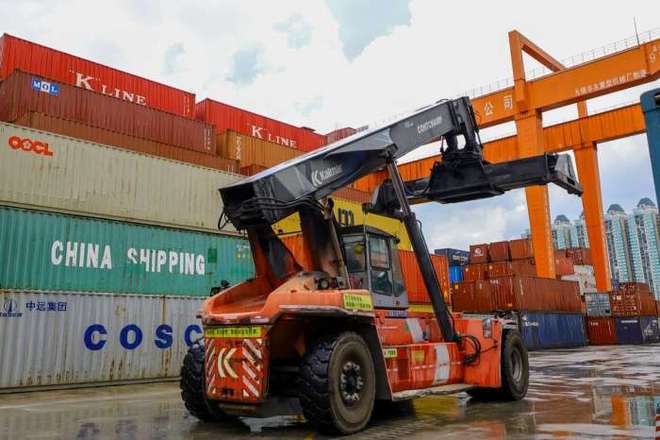
21社论丨中国正以更自信的态度推动开放
21世纪经济报道· 2025-11-03 23:28
Core Viewpoint - The "15th Five-Year Plan" emphasizes the importance of expanding domestic demand and building a strong domestic market, while also promoting international circulation and sharing opportunities with the world [1][3]. Group 1: Domestic Market and Demand - The plan highlights the strategic importance of expanding domestic demand, leveraging China's large population of over 1.4 billion and more than 400 million middle-income groups, which contribute nearly 50 trillion RMB in consumption and over 20 trillion RMB in imports annually [1]. - The "15th Five-Year Plan" aims to further enlarge China's super-large market, promoting a strong domestic circulation [1]. Group 2: International Trade and Investment - The plan advocates for a balanced development of trade and investment, focusing on market diversification and the integration of domestic and foreign trade [3]. - It proposes to enhance bilateral investment cooperation, attract foreign investment, and promote orderly cross-border layout of industrial and supply chains [3]. - The plan also emphasizes the internationalization of the RMB and the establishment of a self-controlled cross-border payment system, reflecting a proactive approach compared to previous plans [3]. Group 3: Service Trade Development - Service trade is identified as a key area for development, with a focus on expanding market access and encouraging service exports [2]. - The plan aims to improve the management of cross-border service trade and enhance the standardization of service trade [2]. - China's service industry is currently lagging behind in comparison to its global trade and manufacturing sectors, but recent efforts are being made to relax restrictions in telecommunications, internet, education, culture, and healthcare [2]. Group 4: Global Economic Engagement - China is adopting a more confident approach to opening its market, providing development opportunities for other countries while also increasing outbound investments [4]. - The country aims to share its market and technological advantages with the world, promoting a fair and cooperative international economic order [5].

中国驻美国大使:乘元首会晤东风,推动中美关系大船平稳前行
Xin Lang Cai Jing· 2025-11-03 23:22
据中国驻美国大使馆,谢锋大使在美中贸易全国委员会2025年度中国运营大会交流晚宴上致辞。内容如 下: 就在一周前,许多美国工商、农业、科技界朋友,包括豆农,接二连三找到使馆,急切向我表达对中美 经贸冲突再度升级的担忧,心急如焚。4天前,习近平主席同特朗普总统在釜山成功会晤,再次在关键 时刻为中美关系校准航向。世界松了一口气,都为两国关系峰回路转、拨云见日感到由衷高兴。美中贸 委会选择今天举办活动,可谓时机把握精准,我要给谭森会长点赞! 过去9个多月,中美关系经历波折起伏,给我们带来重要启示。首先,两国元首战略引领是定海神针。 今年以来,习近平主席同特朗普总统3次通话、多次互致信函,每次都是在紧要关头为中美关系掌舵领 航。习近平主席指出,中美做伙伴、做朋友,是历史的启示,也是现实的需要。特朗普总统表示,中国 是美国最大的伙伴,两国携手可以在世界上做成很多大事,未来美中合作会取得更大成就。我们要不折 不扣落实两国元首重要共识,确保中美关系巨轮沿着正确航向平稳前行。其次,相互尊重、和平共处、 合作共赢是大道正道。全球化的今天,各国你中有我、我中有你,中美共同利益远大于分歧。中美不打 交道是不行的,想改变对方是不切实 ...
中国正以更自信的态度推动开放
2 1 Shi Ji Jing Ji Bao Dao· 2025-11-03 23:11
Group 1 - The "15th Five-Year Plan" emphasizes the importance of expanding domestic demand and building a strong domestic market, leveraging China's large population and consumption capacity to create opportunities for both domestic and international investors [1] - The plan highlights the need for China to actively expand its autonomous opening-up, focusing on high-standard international trade rules and enhancing market access in the service sector [2] - The strategy includes promoting balanced development in trade and investment, optimizing goods trade, and encouraging foreign investment while managing outbound investments effectively [3] Group 2 - Service trade is identified as a key area for development, with initiatives to enhance market access, encourage service exports, and improve the management of cross-border service trade [2] - The plan aims to promote the internationalization of the Renminbi and enhance the openness of capital projects, reflecting a proactive approach in response to global financial instability [3] - China is committed to a more confident approach to opening up its market, sharing its market and technology with the world, and promoting a fair and cooperative international economic order [4]
上海以“双一流”确保进博会越办越好
Ren Min Ri Bao· 2025-11-03 22:11
"十四五"时期,上海充分发挥进博会高水平开放平台作用,全力推进国际贸易中心提质升级,开放枢纽 门户功能有效提升,构建国内国际双循环战略链接取得明显成效。华源表示:"上海自贸试验区制度型 开放80条措施基本落地,其中77项成果向全国推广。临港新片区在离岸贸易、跨境金融等领域落地一系 列制度创新成果。虹桥国际开放枢纽'引进来''走出去'双向开放水平不断提升,商务会展、国际贸易、 综合交通、科创产业等功能优势持续巩固壮大。" "十四五"时期,上海贸易枢纽功能显著增强,长三角地区联动成效显著。"今年前三季度,长三角其他 地区进口货物占上海口岸进口总值近40%。进博会上海交易团服务范围覆盖以长三角地区为主的国内大 市场,已在全国范围设立了68个分中心。"朱民介绍,目前,上海港已与长三角地区14个港口实现"一次 申报、一次查验、一次放行"。 "上海将认真贯彻落实党的二十届四中全会精神,更好发挥进博会开放平台作用,为扩大高水平对外开 放作出更大上海贡献。"华源表示。 第八届中国国际进口博览会即将在上海拉开帷幕。"围绕进博会'越办越好'的要求,上海以一流城市形 象和一流服务保障,全力确保第八届进博会圆满成功。目前,城市服务保 ...
国内外产业政策周报:黄金税收政策调整,美国与亚洲多国达成合作-20251103
CMS· 2025-11-03 11:35
Domestic Policy Highlights - The adjustment of gold tax policy involves differentiated tax management based on the purpose of gold transactions, changing the invoicing method for non-investment gold transactions from special invoices to ordinary invoices, leading to tax rate changes [4][8][10] - The new policy on fiscal incremental policies includes the completion of the issuance of 500 billion yuan in new policy financial instruments, supporting over 2,300 projects with a total investment of approximately 7 trillion yuan, resulting in a multiplier effect of about 14 times [12][13][15] - The China Securities Regulatory Commission (CSRC) is seeking opinions on the performance comparison benchmarks for public funds, emphasizing the need for stability in benchmarks and the potential impact on fund managers' performance compensation if long-term performance significantly lags behind benchmarks [19][20] - The Beijing Stock Exchange has outlined key work directions for the 14th Five-Year Plan, including the promotion of the North Exchange 50 ETF and the deepening of reforms in the New Third Board [21][23] Overseas Policy Highlights - The meeting between Chinese President Xi Jinping and U.S. President Trump resulted in agreements on tariffs, export controls, and cooperation in agricultural trade and semiconductors, indicating a potential stabilization in U.S.-China relations [29][30][31] - The U.S. has reached agreements with several Asian countries, including Malaysia, Cambodia, Thailand, Vietnam, Japan, and South Korea, focusing on the removal of trade restrictions and commitments to increase investments, with Japan pledging the largest amount of 550 billion USD primarily in the energy sector [2][36]
朝阳区赴港推介,计划签约12个项目、总金额约28亿美元
Xin Jing Bao· 2025-11-03 10:47
作为首都经济发展大区,朝阳区GDP、财政收入、社零额等主要经济指标均占全市20%左右,固定资产 投资多年保持千亿元规模,实际利用外资和进出口总额稳居全市前列,正加快向GDP万亿级大区迈进。 作为国际消费中心城市主承载区,朝阳区商业氛围浓厚,高品质商圈、首店旗舰店、"夜京城"地标数量 均占全市近50%,米其林与黑珍珠餐厅占比分别达60%和70%,成为市民游客消费休闲的首选地。 舒毕磊特别提到,朝阳区持续深化与香港的合作,双方共建中关村互联网3.0产业园和京港产业中心, 落地香港理工大学创意科技研发中心,国际科创会客厅在香港成立。 编辑 白爽 校对 李立军 新京报讯(记者陈琳)在第二十八届北京·香港经济合作研讨洽谈会(下称"京港洽谈会")期间,北京 市朝阳区将于11月12日在香港会议展览中心举办专场推介活动。11月3日,朝阳区副区长舒毕磊在京港 洽谈会新闻发布会上介绍,此次赴港将推动一批实质性合作落地。 据介绍,"与时代共奋进,与世界共朝阳——聚力京港,链接全球"专场推介活动紧扣国家高水平对外开 放战略,深度联动全球产业链核心企业、世界顶尖创新平台、国际商协会,围绕国际法商融合、高精尖 产业发展等主题,全面展现朝 ...
在中国开放“大舞台”迎接发展新机遇
Ren Min Ri Bao Hai Wai Ban· 2025-11-03 09:59
Core Viewpoint - The 8th China International Import Expo (CIIE) will be held from November 5 to 10 in Shanghai, serving as a significant platform for global enterprises to launch new products and technologies while sharing opportunities in the Chinese market [3][4]. Group 1: Participation and Scale - The expo will feature participation from 155 countries, regions, and international organizations, with 4,108 foreign enterprises exhibiting [4]. - The exhibition area has expanded to over 367,000 square meters, reflecting the confidence of participating companies in the Chinese market [4][5]. - The event will include a national comprehensive exhibition, a business exhibition, and various supporting activities such as forums and policy discussions [4]. Group 2: Economic Impact and Opportunities - The CIIE has generated a cumulative intended transaction amount exceeding $500 billion since its inception, highlighting its role in transforming exhibits into trade opportunities [7]. - The expo is viewed as a "golden door" for foreign companies to enter the Chinese market and expand their global business [8]. - Colombia will participate as the guest country, marking a significant milestone in its economic relations with China and providing an opportunity to showcase high-value export products [4][5]. Group 3: Global Cooperation and Open Trade - The CIIE exemplifies China's commitment to building an open and cooperative economic framework, emphasizing the importance of global trade relationships [6][10]. - Various international representatives have noted that China's open attitude towards imports at the expo reflects its confidence in establishing trade relations [9][11]. - The event is part of China's broader strategy to enhance global cooperation and trade, providing a platform for ASEAN countries and others to engage with the Chinese market [10][12].
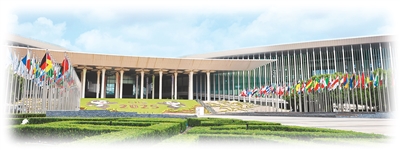
中国开放新格局:为全球经济巨轮注入"定海神针"
Sou Hu Cai Jing· 2025-11-03 08:57
Group 1 - China's total import and export value of goods exceeded 42 trillion yuan in 2023, maintaining its position as the world's largest goods trading nation for six consecutive years, driven by a market of 1.4 billion people [1] - The Shanghai Free Trade Zone sees over 10 billion yuan worth of cross-border goods flowing daily, while Hainan Free Trade Port showcases duty-free products from over 150 countries, reflecting China's commitment to global trade [3] - The China-Europe Railway Express has reached 25 European countries and 217 cities, with over 80,000 trains operated, enhancing logistics connectivity between China and Southeast Asia [5] Group 2 - Major foreign investment projects in China, such as Tesla's Shanghai Gigafactory and BASF's integrated base in Zhanjiang, indicate international capital's confidence in the Chinese economy, with actual foreign investment surpassing 1.2 trillion yuan in 2022 [7] - National-level exhibitions like the Canton Fair and the China International Import Expo facilitate global trade, with the sixth CIIE featuring over 3,400 companies from 128 countries and an intended transaction amount of 78.4 billion USD [9] - Financial openness is accelerating, with the "Southbound Bond Connect" leading to a threefold increase in domestic investors holding Hong Kong and Macau bonds, and the RMB's share in global payments rising to 3.2%, making it the fourth most used currency [9] Group 3 - China continues to lower import tariffs on 1,585 items and has signed 19 free trade agreements with 26 countries and regions, contributing to the formation of the world's largest free trade area under RCEP [9] - China's role as a "world factory," "global market," and "innovation hub" is crucial for stabilizing the global economy, as highlighted by the UN Conference on Trade and Development [9] - China's higher level of openness is shaping a new development pattern, with its economic growth providing strong momentum for the global economy [10]