消费升级

Search documents
【每周经济观察】全方位扩内需空间大潜力足
Sou Hu Cai Jing· 2025-12-19 22:50
绿色转型拓展潜能。绿色低碳理念深入人心,绿色消费加速融入日常生活,新能源汽车、绿色消费等加 速开启新市场。能源、交通、建筑等传统产业在绿色低碳转型过程中,也将创造出庞大的投资机遇和热 点,这将合力擦亮中国式现代化的绿色底色。 内需不足是当前我国经济运行面临的一个主要问题。过去5年,尽管持续发力扩大内需,着力畅通供需 循环,但国内消费与投资增长仍处于走弱态势,扩大内需的战略基点作用尚未充分发挥。 党中央高度重视扩大内需工作,党的二十届四中全会强调要坚持扩大内需这个战略基点,近日召开的中 央经济工作会议将"坚持内需主导,建设强大国内市场"列为明年经济工作8项重点任务之首。这些决策 部署进一步凸显了扩大内需的重要性和紧迫性。 事实上,扩大内需不仅事关经济稳定,也关系到经济安全。当前,世界经济增长动能不足,地缘冲突多 发。世界贸易组织预测2026年全球货物贸易量增速为0.5%,大幅低于历史平均水平。我国经济平稳运 行将面临更多不确定性,唯有稳定的内需增长方能有效对冲外部需求变化。这意味着,全方位扩大内需 不是权宜之计,而是战略之举,必须远谋近思、系统谋划,以更加灵活有效的政策举措,从根本上解决 内需不足的问题。 居民 ...


全方位扩内需空间大潜力足
Xin Lang Cai Jing· 2025-12-19 22:31
Group 1 - The core viewpoint emphasizes that expanding domestic demand is a profound transformation from external dependence to endogenous driving, essential for China's economic maturity and resilience against external challenges [2][4] - Insufficient domestic demand is identified as a major issue facing China's economic operation, with consumer and investment growth remaining weak despite efforts to stimulate demand over the past five years [2][3] - The Central Committee of the Communist Party has prioritized expanding domestic demand as a strategic focus, highlighting its importance and urgency in recent economic meetings [2][3] Group 2 - The low household consumption rate in China, projected at 39.9% for 2024, indicates a significant gap of 10 to 30 percentage points compared to developed countries, suggesting potential for growth [3] - There is substantial potential for consumption upgrades as China develops the world's largest middle-income group, with service consumption expected to rise significantly once GDP per capita exceeds $10,000 [3] - Effective investment opportunities remain broad, with a high overall savings rate and ample macro policy tools available to stimulate investment [3] Group 3 - A systemic structural reform is necessary for expanding domestic demand, moving beyond simple stimulus policies to address income distribution and effective supply [4][5] - Income distribution reform is crucial to ensure that wealth flows to lower and middle-income groups, thereby unlocking consumption potential [5] - Rebuilding confidence and expectations is essential, as weak expectations currently hinder domestic demand expansion, necessitating stable income and market confidence to foster consumption and investment [5]

智能家电有了“新标尺”
Jing Ji Ri Bao· 2025-12-19 21:45
Core Viewpoint - The introduction of new national standards for smart home appliances aims to address the current pain points in the industry, enhancing consumer trust and promoting product quality through clear definitions of "intelligent capability" and "scenario effectiveness" [1][2][3] Group 1: Industry Standards - The newly approved national standards will be implemented on May 1, 2026, focusing on "intelligent capability" and "scenario effectiveness" to define smart home appliances [1] - The standards will help eliminate confusion in the market, providing a clear framework for both manufacturers and consumers [2] Group 2: Consumer Impact - The new standards will enable consumers to make informed purchasing decisions by providing clear comparisons of products' "intelligence" and "emotional intelligence" [2] - Increased transparency in product evaluation is expected to boost consumer confidence and willingness to purchase smart home appliances [2][3] Group 3: Market Dynamics - The standards will shift the competitive focus from marketing gimmicks to enhancing actual product capabilities and user experience [2] - By eliminating "pseudo-intelligent" products, the standards will promote resource allocation to genuinely innovative companies, fostering a qualitative leap in the industry [2] Group 4: Economic Implications - The standardization of smart home appliances is seen as a crucial step in stimulating consumer spending, which is a key focus for national economic policy [3] - The establishment of a trustworthy market environment is essential for encouraging consumer engagement and satisfaction [3]
聚“人气” 增“商气” 旺“财气”
Xin Hua Ri Bao· 2025-12-19 20:25
Core Insights - The Baolong Urban Business Circle has become a popular destination for both citizens and tourists, characterized by a vibrant atmosphere and diverse consumer experiences [2][3] Group 1: Business Environment - The Baolong Urban Business Circle is referred to as the "city living room" and "city business card," serving as the main commercial hub of Suqian, with a high population density and commercial concentration [1] - Over 1,000 businesses are located in the area, attracting more than 10,000 visitors during peak seasons [1] Group 2: Consumer Experience - Shopping is not the only focus; the area offers a variety of experiences including social interaction, dining, and leisure activities, catering to the needs of consumers [2] - The integration of different business formats has been a key trend, with over 100 promotional events benefiting more than 1,000 merchants and driving consumption [2] Group 3: Innovative Strategies - The "Ten-Hundred-Thousand" consumption promotion initiative has led to the creation of new consumption models and themes, organizing numerous in-store activities to enhance consumer engagement [3] - Digital tools have been utilized to improve interactivity, with popular photo spots and new functional areas established to attract consumers [3] Group 4: Economic Impact - The Baolong Urban Business Circle is focused on boosting consumption and transforming foot traffic into commercial activity, aligning with national strategies to strengthen the domestic market [4] - Over 30 million yuan has been invested in upgrading the Baolong 24 Street, creating a new public space layout that includes themed night markets and a waterfront leisure area [4]
全方位创建供求适配机制 引发更强消费增长势能
Guo Ji Jin Rong Bao· 2025-12-19 17:32
Group 1 - The central economic work conference emphasizes the importance of boosting consumption as a primary support for expanding domestic demand, with a plan to create three trillion-level consumption sectors and ten hundred-billion-level consumption hotspots by 2027 [1] - The trillion-level sectors include elderly products, smart connected vehicles, and consumer electronics, while the hundred-billion-level hotspots cover baby products, smart wearables, cosmetics, fitness equipment, outdoor products, pet food, civilian drones, trendy toys, jewelry, and domestic fashion [1] - By 2030, the goal is to establish a high-quality development pattern characterized by a virtuous interaction between supply and consumption [1] Group 2 - The latest data from the National Bureau of Statistics shows that the total retail sales of consumer goods in the first three quarters of 2025 increased by 4.5% year-on-year, contributing 53.5% to economic growth, which is a 9% increase compared to the previous year [3] - There is a noticeable trend towards quality and personalized consumption among residents, shifting from "universal functionality" to "spiritual recognition" [3] Group 3 - The supply side is adjusting in terms of both quantity and quality, with over 230 million types of consumer goods available, and a significant increase in the supply of innovative products such as smart home devices and drones [5] - Despite improvements, there remains a mismatch between supply and demand, particularly in terms of personalized and high-end products, leading to a situation where desired products are not available [6] Group 4 - The current mismatch in supply and demand is characterized by three main issues: standardized products failing to meet personalized demands, a lack of high-end quality supply, and insufficient supply in emerging hotspots [6] - The new plan aims to address these mismatches by enhancing product variety, quality, and responsiveness, marking a shift from passive adaptation to proactive leadership in policy [6] Group 5 - The plan promotes flexible manufacturing and customization, encouraging the establishment of a digital system that connects user demand with intelligent design and flexible production across various industries [9] - The integration of artificial intelligence is highlighted as a key factor in reducing supply-demand mismatches and enhancing consumer experience [10] Group 6 - The plan emphasizes the importance of diversifying and personalizing supply in emerging sectors, particularly in rural areas, where there is a growing demand for high-quality products [12] - Innovations in leisure, sports, and health products are identified as new consumption opportunities, with a focus on multi-functional smart fitness equipment and health management products [13] Group 7 - The plan also aims to enhance the influence of traditional culture by promoting historical classic products and supporting the development of local specialty foods and traditional crafts [14] - New consumer interests in areas such as pets, anime, and trendy products are addressed, with strategies for expanding low-altitude tourism and automotive-related consumption [15]
旅游零售升级:封关背景下的海南旅游零售产业新格局
Tou Bao Yan Jiu Yuan· 2025-12-19 12:37
Group 1: Hainan Tourism Retail Overview - Hainan's offshore duty-free policy is a core initiative for building an "International Tourism Island," significantly enhancing its international tourism consumption and ecological cultural competitiveness over the past decade[5] - The tourism industry in Hainan has evolved through three stages: policy-driven, factor aggregation, and innovation iteration, forming a tourism consumption system centered on high-end vacations, duty-free shopping, and all-region tourism[10] - The cumulative shopping amount is projected to exceed CNY 253 billion by 2025, with the duty-free shopping limit increasing from CNY 5,000 to CNY 100,000 per person per year[11] Group 2: Policy Impact and Market Dynamics - The offshore duty-free policy has undergone three phases: trial, expansion, and explosion, effectively stimulating tourism consumption and aligning with consumption upgrades[13] - The market has transitioned from basic needs to high-end, diversified, one-stop shopping experiences, with a significant increase in the proportion of imported goods and luxury brands[19] - The consumer demographic has shifted, with the Z generation's share rising from 25% in 2020 to 40% in 2023, indicating a trend towards younger and more personalized consumer needs[20] Group 3: Company Analysis - China Duty Free Group - China Duty Free Group operates six offshore duty-free stores in Hainan, establishing a "triangular" market structure centered around Sanya, Haikou, and Qionghai, thus controlling key traffic flows[27] - The company has expanded its channel layout through acquisitions, enhancing its market coverage and strategic positioning in Hainan[29] - The group is innovating its business model by integrating cultural experiences and marketing innovations, transforming duty-free shopping into a comprehensive lifestyle platform[30]

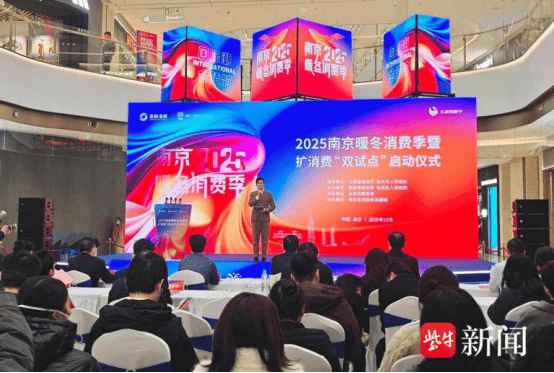
双试点“加冕”!南京三重“魔法”解锁消费升级新次元
Sou Hu Cai Jing· 2025-12-19 11:18
Core Insights - Nanjing has been recognized as a "New Consumption Pilot City" and an "International Consumption Environment Construction Pilot City" due to its strong consumer vitality and innovative capabilities [1][3] Policy and Economic Development - Nanjing's government has implemented policies to support consumption upgrades, including the "Three-Year Action Plan for Creating an International Consumption Center City" initiated in 2021, and measures to promote the first-store economy [3][4] - The city has allocated over 10 million yuan in support funds and has hosted annual conferences to foster the development of first stores, resulting in the introduction of approximately 1,500 first stores with a monthly growth rate exceeding 50% [3][4] High-End Consumption Landscape - Nanjing has attracted over 95% of international first-tier brands, including the world's first stores for LV and Valentino, and has seen significant sales growth in high-end retail spaces like Deji Plaza, which reported sales exceeding 24.5 billion yuan [4][6] - Local brands are also thriving, supported by government policies, creating a dual consumption landscape of international brands and local innovations [4][6] Innovative Consumption Scenarios - The city integrates urban renewal with commercial development, creating diverse consumption spaces that appeal to both international and local consumers [6][7] - New business districts are designed to attract younger consumers with trendy offerings such as esports, themed camping, and immersive experiences, while historical areas are revitalized to enhance cultural consumption [6][7] International Consumer Environment - Nanjing is enhancing its international consumer environment by improving customs services and expanding tax refund points to 155 locations, facilitating a smoother experience for inbound travelers [9][12] - The city has also implemented international payment solutions and multilingual services to cater to foreign consumers, positioning itself as a top destination for international spending in China [12][9] Conclusion - Nanjing is making comprehensive efforts to unlock the potential of consumption upgrades, combining policy support, market dynamics, innovative scenarios, and enhanced services to establish itself as a leading international consumption center [12]
「食」代新机:小红书食品行业增长全景指南
Zhong Guo Shi Pin Wang· 2025-12-19 10:19
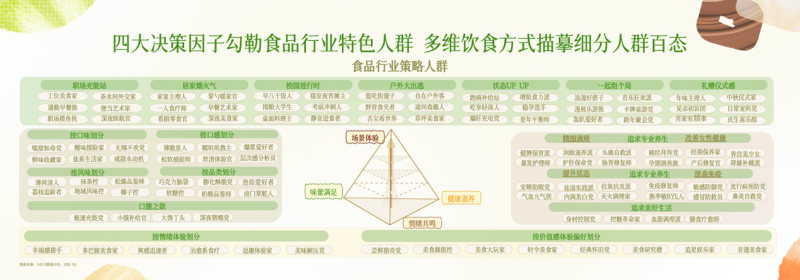
Core Insights - The article emphasizes the importance of understanding consumer behavior and market trends in the fast-moving consumer goods (FMCG) sector, particularly in the food industry, to achieve sustainable growth and effective marketing strategies [1][4]. Group 1: Industry Trends - The food industry is experiencing stable growth across six major segments, characterized by high demand and supply dynamics, indicating a robust market potential [5]. - The growth in the food supplement sector is driven by diverse and refined consumer trends, reflecting significant consumption upgrades and innovative expressions [7]. Group 2: Marketing Strategies - Xiaohongshu (Little Red Book) is becoming a central platform for brands to gain insights into trends, connect with users, and achieve certain growth, especially during peak seasons like the Spring Festival [4]. - A systematic marketing blueprint is provided for food brands, focusing on three core paths: external e-commerce, closed-loop e-commerce, and major brand events, to ensure comprehensive coverage from brand exposure to sales conversion [4]. Group 3: Consumer Segmentation - The article outlines four key decision factors in food consumption: taste satisfaction, health nourishment, emotional resonance, and experiential context, which help brands develop precise consumer segmentation strategies [10]. - Brands are encouraged to leverage existing user assets for intelligent expansion rather than blindly seeking new customers, focusing on penetrating potential consumer circles [9]. Group 4: Growth Accelerators - Three major growth accelerators for merchants are identified: expanding product offerings, broadening target demographics, and enhancing market presence [8]. - The article suggests that once brands overcome initial survival challenges, they should shift their strategic focus towards development through systematic breakthroughs in the aforementioned dimensions [8]. Group 5: Brand Positioning - The comprehensive prosperity of the six food categories provides brands with a full-cycle platform for launching new products, breaking into competitive segments, and achieving long-term growth [6]. - Brands can achieve differentiated marketing appeals and business objectives by aligning their strategies with the platform's ecosystem and marketing tools, transforming community momentum into brand growth [6].
中国人喝牛奶,究竟在“挑”什么?
虎嗅APP· 2025-12-19 09:56
Core Viewpoint - The Chinese dairy industry is experiencing a significant shift in consumer behavior, with a growing emphasis on product selection based on nutritional parameters and health benefits, akin to skincare product choices [2][5][7]. Industry Trends - By 2025, consumers are expected to become increasingly discerning, with diverse demands emerging, such as low-fat, high-protein options for fitness enthusiasts and sugar-free products for health-conscious individuals [5][9]. - The market is witnessing a decline in the share of ambient milk, which dropped nearly 3%, while low-temperature yogurt and milk have seen an increase of over 1% each, indicating a trend towards fresh dairy products [9]. Company Strategies - Dairy companies are focusing on structural upgrades to meet evolving consumer needs, moving from a "drink enough" mentality to a "drink the right" approach, emphasizing the need for products to demonstrate their value [11][19]. - Companies like Bright Dairy are developing a clear product matrix to cater to increasingly segmented consumer demands, launching products that address specific health needs such as sleep improvement and gut health [12][14]. Consumer Engagement - Bright Dairy has established a robust supply chain and cold chain logistics to ensure product freshness, which is crucial for meeting consumer expectations [19][21]. - The company has also engaged in experiential marketing by allowing consumers to visit dairy farms and understand the production process, thereby building trust and emotional connections with the brand [23][25]. Competitive Landscape - The competition in the dairy industry is shifting towards providing unique value propositions that resonate with consumer needs, as evidenced by the low per capita dairy consumption in China, which is significantly below global averages [18][19]. - The ultimate competition lies in winning consumer trust and loyalty, which requires long-term engagement and understanding of consumer preferences [26].


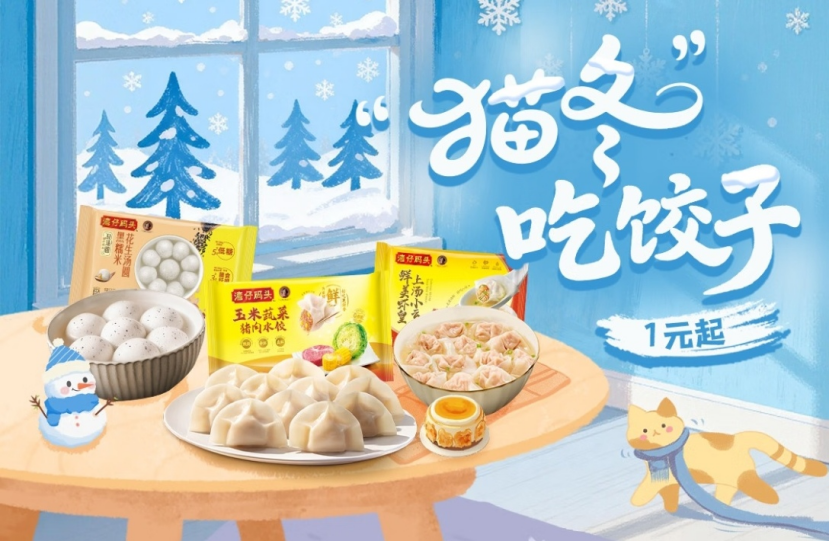
低至5折!来京东生鲜“猫冬过冬至”,1元抢购湾仔码头、思念等大牌水饺汤圆
Jin Rong Jie Zi Xun· 2025-12-19 04:17
Core Viewpoint - The article highlights the evolving consumer preferences during the winter solstice, emphasizing the shift towards healthier, innovative food options like low-sugar and plant-based dumplings and tangyuan, while also showcasing promotional activities by JD Fresh to cater to these trends [1][3][9]. Group 1: Promotional Activities - JD Fresh is launching the "Cat Winter Solstice" campaign, offering various discounts and promotions on dumplings and tangyuan, including 1 yuan flash sales and significant discounts up to 50% [1][3]. - From December 18 to 19, customers can enjoy a "199 yuan off 100 yuan" promotion, and on December 20 to 21, additional discounts will be available, such as "8% off for purchases over 99 yuan" [3][5]. Group 2: Health Trends - There is a growing trend towards "light food," with consumers increasingly prioritizing health-conscious options, leading to the popularity of low-salt, low-sugar, and low-fat products [3][5]. - JD Fresh has introduced several plant-based dumplings and low-sugar tangyuan, such as the Wan Chai Ferry series, which features innovative flavors and healthier ingredients, appealing to health-conscious consumers [5][6]. Group 3: Product Innovation - The dumpling market is seeing a rise in high-end ingredients and creative collaborations, with products like seafood dumplings and character-themed tangyuan gaining popularity for their unique flavors and emotional value [6][7]. - Traditional dumplings and tangyuan are being reimagined with modern health considerations, such as the introduction of low-sugar options that maintain traditional flavors while catering to contemporary dietary needs [5][9]. Group 4: Consumer Behavior - The article reflects a significant shift in consumer behavior from merely seeking fullness to valuing health, innovation, and emotional connection with food, indicating a broader trend of consumption upgrading [9].