
货币政策

Search documents
特朗普提名沃什出任美联储主席,贵金属剧烈波动
Dong Zheng Qi Huo· 2026-02-02 01:06
1. Report Industry Investment Rating No relevant content provided. 2. Core Viewpoints of the Report - The market is highly uncertain due to various events such as Trump's nominations, geopolitical situations, and economic data releases [1][3][12][16] - Different sectors show different trends and risks, and investors should adjust their strategies according to market changes 3. Summary by Directory 1. Financial News and Comments 1.1 Macro Strategy (Gold) - CME raised trading margin requirements for Comex gold and silver futures, with gold non - high - risk accounts increasing from 6% to 8% and high - risk from 6.6% to 8.8%, and silver non - high - risk from 11% to 15% and high - risk from 12.1% to 16.5%, effective after next Monday's close [11] - Trump's nomination of Kevin Warsh as Fed Chair led to sharp fluctuations in precious metals, with short - term liquidity release expectations declining. Short - term, precious metals are expected to be weak, and the gold - silver ratio is expected to rise [3][12] 1.2 Macro Strategy (Foreign Exchange Futures - US Dollar Index) - The US Senate passed a funding bill, but a short "technical shutdown" is still inevitable. Trump's attitude towards Iran is unclear, causing short - term geopolitical risk to decline and market risk appetite to weaken. The US dollar is expected to rise in the short term [13][15][16] 1.3 Macro Strategy (US Stock Index Futures) - The US Senate passed a $1.2 trillion government spending bill, but a partial government shutdown started on January 31. Trump's nomination of Warsh as Fed Chair and high PPI data may slow down the pace of future easing and suppress stock valuations. Short - term market risk appetite is reduced [18][20] 1.4 Macro Strategy (Stock Index Futures) - The Politburo meeting focused on future industries, and China and the UK signed four economic and trade cooperation documents. Due to the sharp fluctuations in precious metals, the stock index was dragged down. It is recommended to balance the long - strategy of the stock index, reduce positions in the short term, and re - enter at low levels [22][24][25] 1.5 Macro Strategy (Treasury Bond Futures) - China's January official manufacturing PMI was lower than expected. The bond market's reaction to the decline of other assets was limited. The probability of the subsequent market weakening in shock is relatively high. It is recommended to short after the market's upward momentum fades [26][27][28] 2. Commodity News and Comments 2.1 Black Metal (Steam Coal) - On January 30, the price of low - calorie steam coal in Indonesia was strong. With the cold weather, coal demand is high, and supply is actively reduced. It is expected that the coal price will be strong in February. Attention should be paid to the temperature and new energy power generation [30][31] 2.2 Black Metal (Iron Ore) - Algeria shipped its first batch of iron ore from the Gara Djebilet mine. The iron ore price continued to fluctuate, and the supply - demand pressure is expected to increase after the Spring Festival. It is expected to continue weak and volatile [32] 2.3 Black Metal (Rebar/Hot - Rolled Coil) - The daily average hot metal output of 247 steel mills was 227.98 tons. The inventory of building materials is increasing, and the demand for rolled plates is resilient. Before the Spring Festival, the steel price is expected to fluctuate, and it is recommended to hedge on rallies [33][36][37] 2.4 Agricultural Products (Soybean Oil/Rapeseed Oil/Palm Oil) - Indonesia set the February CPO reference price at $918.47/ton. The decline in the oil market on Friday was due to external disturbances. It is recommended to wait and see, paying attention to US biofuel policies and Malaysian palm oil inventory data [38] 2.5 Agricultural Products (Sugar) - India's sugar production is expected to increase by 13% to 2.96 million tons in the 25 - 26 season. The global sugar market is expected to have a small surplus in 25/26. ICE raw sugar fell last Friday. The international sugar price is expected to oscillate at a low level, and the domestic sugar market is expected to be weak and volatile [39][40][43] 2.6 Agricultural Products (Cotton) - A large amount of imported cotton arrived at ports, and the inventory increased. The signing volume of US cotton exports decreased, but the shipment speeded up. ICE cotton prices are expected to be weak and volatile at a low level. Before the Spring Festival, Zheng cotton is expected to oscillate and adjust, with a long - term bullish view [45][48][49] 2.7 Non - ferrous Metals (Copper) - The threat of US copper tariffs weakened, and speculative investors reduced their net long positions in COMEX copper. Macro expectations are unstable, and copper prices are expected to be under pressure. It is recommended to wait and see and consider long - short arbitrage opportunities [50][51][52] 2.8 Non - ferrous Metals (Lithium Carbonate) - The government issued a notice on improving the power generation capacity price mechanism. Tianqi Lithium lost the lawsuit against SQM's nationalization. The lithium carbonate market declined, and production and demand are expected to decrease in February. It is recommended to take a long - biased view and look for buying opportunities [53][54][57] 2.9 Non - ferrous Metals (Lead) - The LME lead price was in a contango, and the Shanghai Futures Exchange plans to introduce recycled lead as an alternative delivery product. The lead price is expected to oscillate, and it is recommended to wait and see [58][59][60] 2.10 Non - ferrous Metals (Zinc) - The LME zinc price was in a contango, and Bolivia stopped a zinc project. Glencore's zinc production increased in 2025. The zinc market is affected by macro factors, and it is recommended to wait and see [61][62][63] 2.11 Non - ferrous Metals (Tin) - Tesla plans to build a chip factory, and Metals X's tin production increased in Q4 2025. The supply of tin is expected to ease, and the demand is weak. Tin prices are expected to oscillate widely in the short term [64][65][68] 2.12 Energy and Chemicals (Liquefied Petroleum Gas) - China's LPG port inventory decreased. The LPG price is affected by the Iranian situation and is expected to be strong and volatile in the short term. The high inventory and high shipment in the US may limit the upward space in the long term [69][70][71] 2.13 Energy and Chemicals (Carbon Emissions) - The EUA main contract price fell. The short - term decline is mainly due to macro factors, and the carbon price is expected to oscillate widely [72][73] 2.14 Energy and Chemicals (Crude Oil) - The US oil rig count remained unchanged, and OPEC + agreed to continue to suspend the planned production increase in March. Oil prices are supported by the Iranian situation [74][75][76] 2.15 Energy and Chemicals (Bottle Chips) - Bottle chip factory export quotes were mostly stable. The bottle chip market followed the polyester raw materials to oscillate at a high level. The supply is tight due to plant maintenance, and the demand is relatively flat. The processing fee is expected to repair moderately [77][78][79] 2.16 Shipping Index (Container Freight Rates) - In 2025, port cargo throughput reached 1.834 billion tons. The container freight rate is declining, but the decline is narrowing. The 04 contract is expected to fluctuate greatly in the short term, and it is recommended to take an oscillating approach [80]
俄罗斯通胀放缓势头待巩固
Jing Ji Ri Bao· 2026-02-01 22:09
Group 1 - The core viewpoint of the articles indicates that Russia's inflation rate is projected to decrease to 5.59% in 2025, which is lower than previous forecasts by the Ministry of Economic Development and the Central Bank, and significantly down from 9.52% in 2024 [1] - The decline in inflation is attributed to a combination of economic slowdown and tight monetary policy, although the sustainability of this trend is questioned due to potential policy adjustments such as tax changes that could lead to inflationary pressures [1][2] - The Central Bank of Russia plans to maintain a tight monetary policy to ensure inflation returns to the target range of around 4%, despite current inflation being above this target [1][4] Group 2 - Economic cooling is seen as a contributing factor to controlling prices, with experts noting that after a period of rapid growth in 2024, the Russian economy is expected to stabilize in 2025 and 2026, which will help suppress inflation [2] - Data shows that while inflation is on a downward trend, there are still short-term factors that could cause fluctuations, including price increases in essential goods and services [3] - Experts warn of potential stagflation risks in 2026, where measures to stimulate economic growth could inadvertently raise inflation, complicating the economic recovery process [3][4]
黄金单日暴跌超12%!40年最大跌幅背后,发生了什么?
Sou Hu Cai Jing· 2026-02-01 17:43
Core Insights - The global precious metals market experienced unprecedented turmoil following President Trump's nomination of Kevin Walsh as the new Federal Reserve Chairman, leading to a significant drop in gold and silver prices [1][5][11] Group 1: Market Reaction - On January 31, the precious metals market faced a "Black Friday" scenario, with gold prices plunging over 12%, marking the largest single-day drop since 1983, reaching a low of $4,682 per ounce [3][5] - Silver prices saw an even more dramatic decline, with a maximum intraday drop of 35.89%, closing down 26.42% at $85.259 per ounce, setting a historical record for daily declines [3][5] - The precious metals market lost over $6.3 trillion in value within 24 hours, while the global market saw a total evaporation of over $15 trillion in just 48 hours, indicating extreme risk aversion and high volatility [3][11] Group 2: Triggering Factors - The immediate catalyst for the market crash was the political announcement regarding the new Federal Reserve Chairman, which shattered market expectations of potential interest rate cuts in 2026 [5][13] - Kevin Walsh, who has a hawkish stance on monetary policy, was expected to maintain higher interest rates for a longer period, leading to a reassessment of the attractiveness of holding precious metals [5][13] Group 3: Market Dynamics - The market had been in a significant bull run since 2025, with gold prices increasing over 70% and reaching a historical high of $5,598 per ounce in January 2026, while silver surged by 54% [7][13] - The high prices led to a natural correction, with professional traders and retail investors engaging in panic selling, exacerbated by a "stop-loss" effect that triggered further declines [9][11] Group 4: Technical Factors - The dramatic price drop was amplified by high leverage trading, with retail investors using leverage ratios of 3-10 times, which increased the risk of forced liquidations as prices fell [9][11] - Exchanges implemented stricter risk control measures, including raising margin requirements for silver futures, which contributed to the downward pressure on prices [9][11] Group 5: Broader Market Impact - The crash in the precious metals market had a ripple effect across global financial markets, with significant declines in related stocks and a broader market downturn [11][13] - Historical patterns suggest that declines in precious metals can lead to rebounds in cryptocurrencies, as investors seek diversification during market turmoil [11][13] Group 6: Future Outlook - Analysts have differing views on the future of the precious metals market, with some expecting a period of consolidation for gold, while others warn that new geopolitical risks could lead to a rapid rebound in prices [15][17] - Predictions for gold prices suggest a potential decline to around $3,375 per ounce by 2027, while silver is expected to face continued pressure due to weak industrial demand [17]

币圈浮竹:2.1日加密市场进入极端恐慌中,比特币以太坊行情简析
Sou Hu Cai Jing· 2026-02-01 14:15
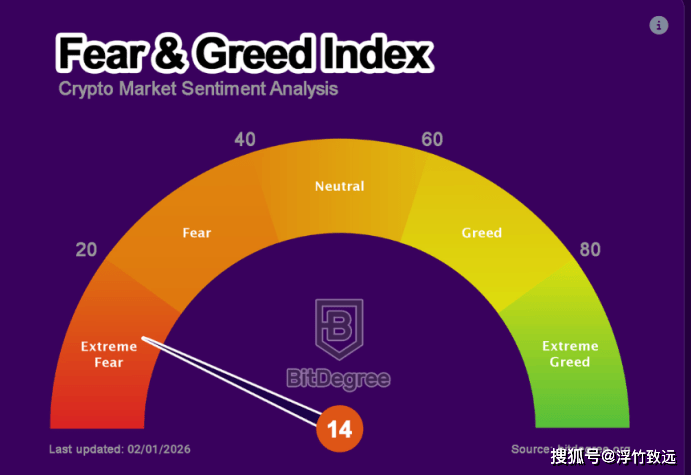
Market Overview - The global cryptocurrency market capitalization has shrunk to approximately $1.57 trillion, with a 24-hour decline of about 4-5%, and trading volume around $70 billion [2] - Bitcoin plummeted from $84,000 to $75,500, resulting in 420,000 liquidations and a total of $2.575 billion in long positions being liquidated, indicating severe market distress [2] - The Fear and Greed Index has dropped to 14, indicating "extreme fear" among investors, leading to widespread sell-offs [2] - Precious metals like gold and silver also experienced significant declines, with gold dropping 10% and silver falling over 36% [2] Fundamental Analysis - The nomination of Kevin Warsh as the Federal Reserve Chairman is perceived as a hawkish choice, prompting sell-offs in cryptocurrencies and other risk assets [4] - Despite Warsh's recent shift towards a more dovish stance, market concerns persist regarding the potential for sustained hawkish monetary policy, increasing borrowing costs for speculative investors [4] - Escalating geopolitical tensions, particularly between the U.S. and Iran, have heightened market risk aversion, yet liquidity concerns have led to sell-offs rather than a flight to traditional safe-haven assets [4] Technical Analysis - Bitcoin is currently consolidating around the $78,000 mark, having briefly dipped to a low of $75,500, which broke previous support levels [4] - The short-term support level for Bitcoin is observed at $76,000, with potential downside targets at $70,000 and resistance levels at $82,000 to $85,000 [5] - Ethereum has seen a sharper decline, with a low near $2,200; if it breaks below $2,000, it could drop to between $1,800 and $1,500 [5] Trading Strategy - Current recommendations suggest a conservative approach with spot trading, advocating for gradual accumulation, especially if the fear index drops below 10 [7] - For short-term contracts, a light long position in Bitcoin is advised if it holds above $82,000, targeting $80,000 to $76,000, while Ethereum should be cautiously approached if it remains above $2,600, targeting $2,000 [7] - Emphasis is placed on avoiding high leverage and maintaining strict position control, with a recommended maximum position size of 10% and the use of stop-loss orders [7]
1月制造业PMI为49.3% 出厂价格指数近20个月来首次升至临界点以上
Xin Lang Cai Jing· 2026-02-01 13:07
Group 1 - In January, the manufacturing Purchasing Managers' Index (PMI) decreased to 49.3%, indicating a decline in economic sentiment [1] - The non-manufacturing business activity index fell to 49.4%, reflecting a decrease in overall economic activity [1] - The comprehensive PMI output index also dropped to 49.8%, showing a general downturn in economic conditions [1] Group 2 - The decline in manufacturing PMI is attributed to seasonal factors, as many industries enter a traditional off-peak period in January [2] - The PMI index is affected by a high base effect from December 2025, which saw a significant increase, thus impacting January's figures [2] - Weak internal investment and consumption demand, along with high external uncertainties, are major factors dragging down the manufacturing sector [2] Group 3 - The raw material purchase price index rose to 56.1%, while the factory price index increased to 50.6%, marking the first time in nearly 20 months that the factory price index exceeded the critical point [3] - The difference between the raw material purchase price index and the factory price index indicates a transfer of profits upstream [3] - Recent structural policies aimed at supporting small and medium enterprises and technology firms are expected to take time to positively impact the manufacturing sector [3] Group 4 - The non-manufacturing business activity index's decline is influenced by the downturn in industries such as construction, with the index falling to 49.4% [4] - The real estate sector's business activity index dropped below 40.0%, indicating a weak overall sentiment in that industry [4] - Financial services and capital market services showed higher activity levels, with indices above 65.0%, reflecting a more active market [4] Group 5 - The overall macroeconomic sentiment is declining due to seasonal fluctuations, high previous month bases, and insufficient effective demand from the real estate market [5] - The manufacturing production index is expected to decline significantly in February due to the extended Spring Festival holiday [5] - Future manufacturing sentiment will be influenced by export growth, real estate market trends, and the timing and intensity of growth-stimulating policies [5]
【策略周报】波动明显上升,适度回归稳健
华宝财富魔方· 2026-02-01 12:46
Key Points - The core viewpoint of the article highlights the recent economic indicators and policy decisions that may impact investment strategies, particularly in the context of industrial profits and monetary policy adjustments by the Federal Reserve [2]. Group 1: Important Events Review - On January 27, the National Bureau of Statistics reported that in 2025, the total profit of industrial enterprises above designated size reached 73,982 billion yuan, an increase of 0.6% compared to the previous year. In December, profits of these enterprises grew by 5.3% year-on-year [2]. - On January 28, the Federal Reserve announced that it would maintain the target range for the federal funds rate at 3.50% to 3.75%. The statement removed references to increasing employment risks, indicating improvements in economic conditions, particularly with signs of stabilization in the unemployment rate, suggesting a more cautious approach from Fed decision-makers [2]. - On January 29, U.S. President Trump stated that he had engaged in discussions with Iran amid escalating tensions and planned to continue dialogue while threatening military action to urge Iran to accept the terms of an agreement [2]. - On January 30, President Trump announced the nomination of Kevin Warsh to succeed Jerome Powell as the next Federal Reserve Chair, advocating for quicker interest rate cuts while also supporting a reduction in the Fed's balance sheet, positioning him as relatively hawkish compared to other candidates [2]. Group 2: Market Overview - The bond market continued its recovery, while the equity market showed weak fluctuations. The sentiment in the bond market improved, with long-term bond yields declining again at the beginning of the week. Many local governments set GDP targets that were either in line with or slightly lower than the national growth rate of 5% from the previous year, indicating a shift away from aggressive growth targets [4].

高盛目标价7天被突破,摩根大通称黄金正替代国债!金银狂飙后,变盘拐点已现?
Sou Hu Cai Jing· 2026-02-01 11:55
Market Dynamics - The gold market experienced a dramatic drop, with prices plunging nearly $500 from a peak of $5,596 to around $5,100 before rebounding above $5,300, indicating extreme volatility and investor anxiety [1] - The Federal Reserve's decision to maintain interest rates was expected, but Chairman Powell's comments sparked a significant market reaction, with gold prices surpassing $5,500 and silver reaching $119, reflecting a disconnect between market sentiment and Fed communication [3][4] - Geopolitical risks have amplified gold's safe-haven appeal, contributing to a 25% increase in gold prices and over 55% for silver in the past year, indicating a shift beyond typical commodity bull markets [6] Investment Sentiment - Investors are increasingly focused on potential changes in the Federal Reserve's leadership by May 2026, with expectations that a more dovish successor could drive further investment in precious metals [4] - Current market conditions suggest that gold is becoming a key asset in portfolios, potentially replacing traditional bonds as a hedge against inflation and currency devaluation, with projections indicating that a rise in gold allocation could push prices to $8,000-$8,500 [7] Price Predictions - Major financial institutions like UBS have raised their gold price targets for 2026 to $6,200, with bullish scenarios suggesting prices could reach $7,200, further fueling market optimism [9] - However, analysts warn of market instability, citing extreme price fluctuations and the potential for a significant correction due to overcrowded positions among momentum traders [9][11] Technical Observations - The recent flash crash highlighted the market's fragility, as trading platforms experienced outages due to overwhelming order volumes during price swings, underscoring the concentrated nature of market participation [11] - The copper market shows contrasting dynamics, with strong demand driven by energy transition and electric vehicle adoption, yet high inventories challenge the bullish narrative [12] - In the aluminum market, supply constraints from China's production limits and shifting demand towards green technologies suggest a positive medium-term outlook, although short-term price sustainability remains debated [13] Overall Market Sentiment - The current market environment is characterized by significant divergence, with bullish forecasts from major banks juxtaposed against warnings of excessive positioning and volatility risks [13] - The Federal Reserve's efforts to maintain policy credibility have not fully reassured the market, and any new geopolitical developments could trigger rapid price movements [13]

刚买的金饰能退吗?多品牌声明
Chang Jiang Ri Bao· 2026-02-01 11:50
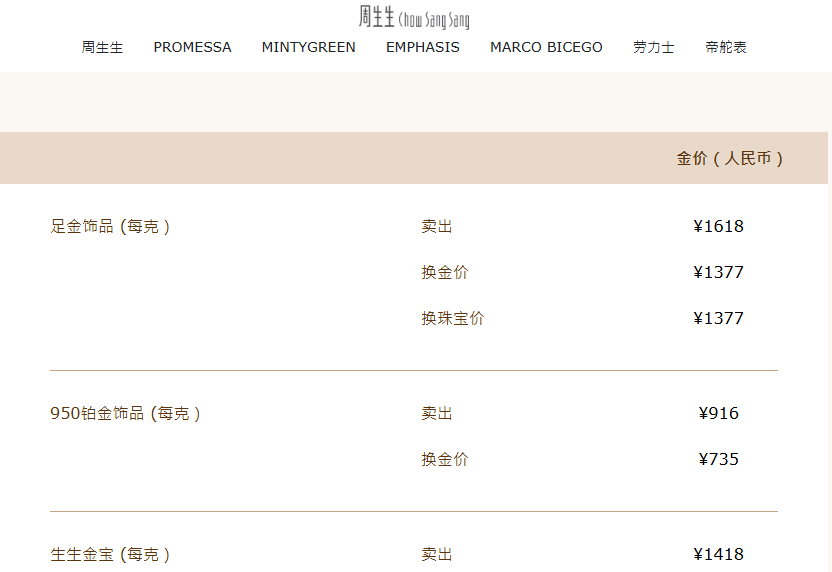
Group 1 - International gold and silver prices experienced a significant drop on January 30, with gold prices falling below $4800 per ounce and silver prices dropping below $80 per ounce, marking the largest single-day declines in decades [1] - The decline in precious metal prices was attributed to multiple factors, including the nomination of Kevin Walsh as the next Federal Reserve Chairman, who has criticized quantitative easing policies, and higher-than-expected Producer Price Index (PPI) data indicating rising inflation [1] - Analysts noted that the recent surge in gold and silver prices made a market correction inevitable, and while the sell-off was significant, ongoing geopolitical risks and economic uncertainties may prevent a prolonged downturn [1] Group 2 - Domestic gold jewelry prices have also adjusted in response to the falling gold prices, with brands like Chow Sang Sang reporting a decrease from 1708 RMB per gram to 1618 RMB per gram within two days [2][4] - Some gold brands have implemented return policies that include fees for returns, with reports of deductions up to 500 RMB for returns of gold products, reflecting the investment nature of gold [4][10] - Online platforms have varying return policies, with many not accepting returns for investment gold products and some charging a fee of 1%-5% for returns, which has led to consumer complaints about the lack of clear communication regarding these fees [6][8]
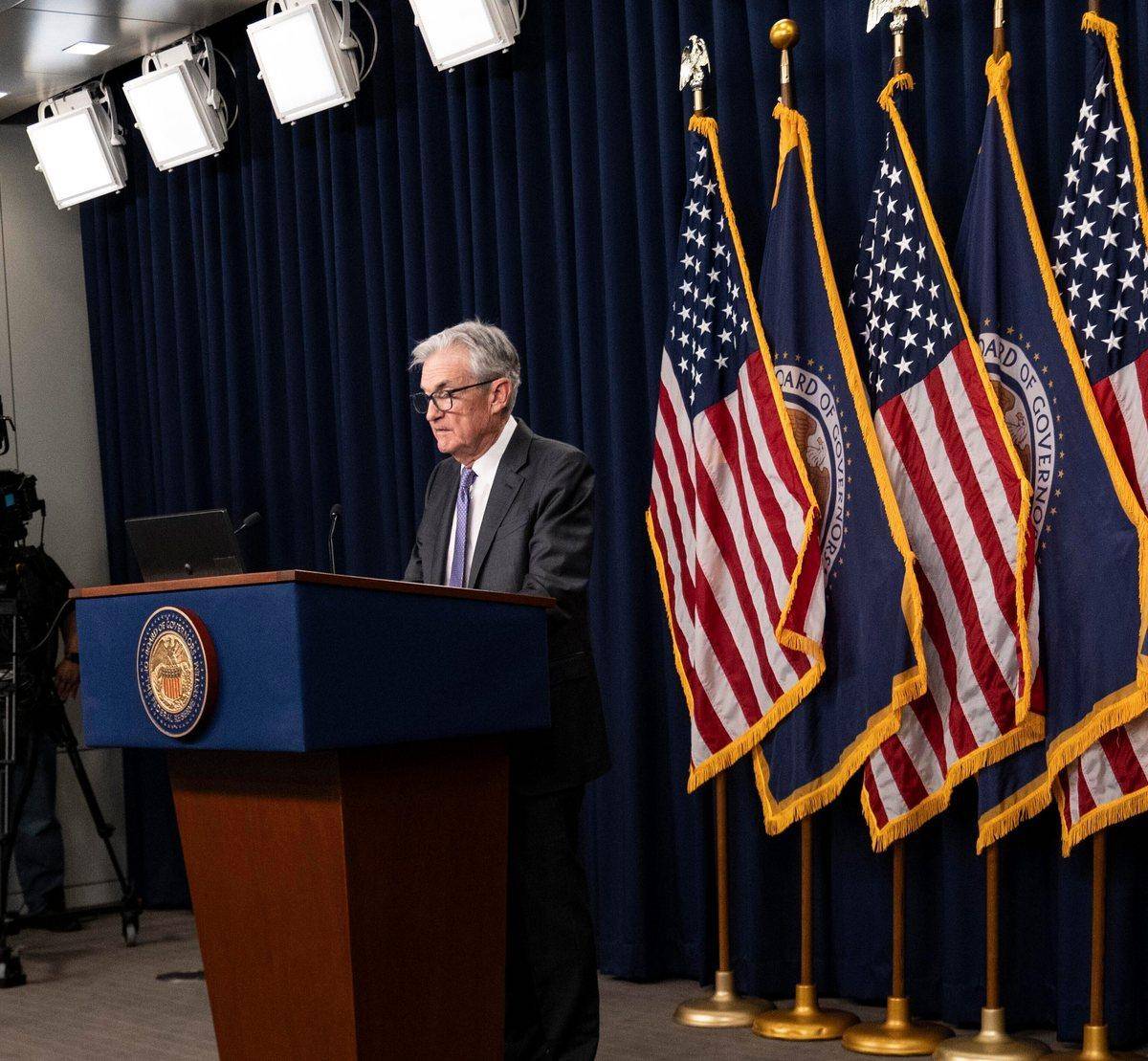
特朗普预计其所提名下任美联储主席将轻松通过参议院确认,称希望后者实施降息
Sou Hu Cai Jing· 2026-02-01 11:14
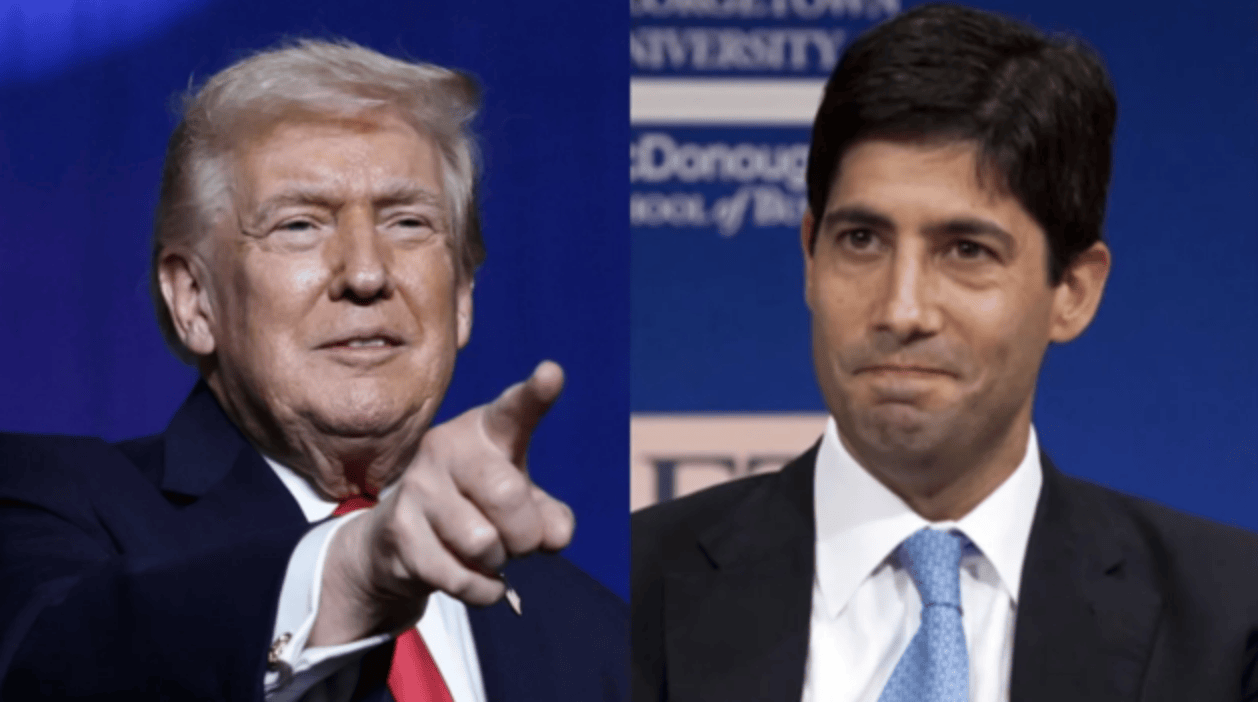
据美国《国会山报》报道,美国总统特朗普当地时间1月31日称,他预计自己提名的下任美联储主席凯文·沃什将轻松通过国会参议院的确认程序,并表示希 望沃什实施降息。 特朗普(左)和凯文·沃什。资料图 图自美媒 特朗普1月30日提名美联储前理事凯文·沃什为下任美联储主席,这一提名还需获得参议院批准。沃什2006年加入美联储,是当时最年轻的美联储理事。在美 联储任职期间,沃什持鹰派货币政策立场,但近年转向支持特朗普的关税政策及加快降息立场。 《国会山报》提到,目前尚不清楚沃什能否获得足够支持以确认提名,因为特朗普政府对美联储的刑事调查以及削弱其独立性的威胁已激怒民主党人。据 悉,一些国会参议员正试图让美联储免受政治压力的影响。共和党籍联邦参议员汤姆·蒂利斯1月30日说,尽管沃什是合格的人选,但由于司法部正对鲍威尔 进行刑事调查,"他会反对确认任何美联储相关提名,包括美联储主席职位"。 《国会山报》称,特朗普对此表示,他愿等到蒂利斯卸任后再确认相关提名,"我的意思是,他(蒂利斯)将因为某些原因离开参议院,因为他要求的事情 没实现,所以这就是其中的原因之一"。 美联储现任主席鲍威尔的任期将于2026年5月结束,但其美联储理 ...
2月固定收益月报:2026年较2021年有何异同?-20260201
Western Securities· 2026-02-01 10:58
Report Industry Investment Rating No information regarding the report's industry investment rating is provided in the content. Core Viewpoints of the Report - Mid - term, long - term interest rates may be similar to the early 2021 period, oscillating at the peak, but there are still some constraints for a smooth short - term decline. In January, the 10Y Treasury yield initially reached 1.90% and then dropped to 1.81% at the end of the month, reaching the lower limit of the 1.8% - 1.9% oscillation range. Currently, the expectation of broad - based monetary policy is relatively insufficient, making it difficult to support the yield to break downward. In February, with the large - scale supply of local bonds, the 10Y Treasury yield may return to the central position of the oscillation range. Investment strategies suggest focusing on two structural opportunities: the allocation opportunities of 5Y policy - financial bonds and 3 - 5Y general - credit bonds due to the concentrated maturity of amortized - cost - method bond funds; and the opportunities for spread compression under the background of the central bank supporting reasonable and sufficient liquidity, such as the spread between 10Y China Development Bank bonds and 10Y Treasury bonds [1][24]. Summary by Directory 2 - Month Bond Market Outlook: Similarities and Differences between 2026 and 2021 - **Fundamentals**: In 2021, the credit cycle weakened and the real - estate market peaked and declined. In 2026, the credit cycle may decline moderately, and the real - estate market may still be at the bottom - grinding stage. In 2021, factors such as the "Three Red Lines" and "Two Concentration Limits on Mortgage Loans" in the real - estate industry and repeated outbreaks of the epidemic led to a contraction in real - estate financing, causing a rapid decline in the credit and real - estate cycles. In 2026, the real - estate market is still at the bottom - grinding stage during the transformation of old and new driving forces, and the credit cycle may decline relatively moderately with the support of monetary and fiscal policies [1][8]. - **Fiscal Policy and Local Bond Supply**: After the withdrawal of extraordinary policies, the broad - based deficit ratio may decline marginally. Compared with 2021, the current local bond supply is front - loaded and has a longer term. In 2021, fiscal efforts were back - loaded and the term was shortened, while in 2026, fiscal policy continues to be "actively front - loaded" with a relatively long - term [12]. - **Monetary Policy and Capital Market**: In both 2021 and 2026, the expectation of broad - based monetary aggregate policies declined. However, in early 2026, liquidity was relatively abundant, while in early 2021, the capital market was tight. In 2021, there was no interest - rate cut throughout the year, and the policy intensity weakened significantly compared with 2020. In early 2026, there was a 25BP structural interest - rate cut and an over - amount renewal of MLF to provide liquidity support [18]. - **Equity Market and Institutional Behavior**: Against the backdrop of a booming equity market, funds flowed into the stock market. Compared with 2021 when insurance and funds had a greater demand for bonds, in 2026, factors such as the entry of insurance funds into the market and the lack of comparative advantages of pure bonds may limit the demand support for bonds [21]. January Bond Market Review Bond Market Trend Review - **First Week**: The 10Y Treasury interest rate rose 3bp to 1.88%. At the beginning of the year, affected by supply shocks and the A - share market's good start, the yield first rose and then fell, reaching a peak and then declining. Later in the week, as negative factors were initially released, market sentiment improved marginally, and the ultra - long - term bonds returned to around 2.3% [26]. - **Second Week**: The 10Y Treasury interest rate dropped 4bp to 1.84%. In the second week, under the combined effect of equity market adjustments, policy games, and capital - market fluctuations, the bond market oscillated and recovered with increased volatility. After the central bank's over - amount renewal of repurchase agreements and the implementation of structural tool interest - rate cuts, the capital - market tension gradually eased. The adjustment policy of the exchange margin ratio for margin trading triggered risk - aversion trading in the equity market, and the bond market started a smooth upward trend [29]. - **Third Week**: The 10Y Treasury interest rate dropped 1bp to 1.83%. In the third week, with the central bank's support, the capital - market pressure was relatively controllable. As the equity market's upward trend slowed down, the bond market recovered. With the cooling of the equity market and the fermentation of external risk - aversion signals, the bullish sentiment in the bond market was boosted, and ultra - long - term bonds had a strong performance. At the end of the week, the central bank's over - amount renewal of MLF and the mention of "there is still some room for reserve - requirement ratio cuts and interest - rate cuts this year" by the governor increased the market's expectation of an MLF interest - rate cut, and the bullish force in the bond market was strong [29]. - **Fourth Week**: The 10Y Treasury interest rate dropped 2bp to 1.81%. Near the end of the month, with a quiet market news environment, the stock - bond seesaw effect was strengthened, and the short - and long - term bond varieties showed different trends. At the beginning of the week, with tight capital, the short - term yield weakened, and the ultra - long - term bonds performed strongly, flattening the yield curve. Later, as the central bank's capital support took effect, the cross - month capital market was moderately loose. The medium - and short - term bonds strengthened overall, while the ultra - long - term bonds weakened under the influence of profit - taking sentiment and supply concerns, making the yield curve steeper [30]. Capital Market - The central bank net - injected 967.8 billion yuan through four major tools. At the beginning of the month, due to a large supply of bonds, capital prices gradually increased. In the middle of the month, affected by the reserve - requirement payment day and the deferred repurchase agreement, the capital market tightened. On the evening of January 14, the central bank announced an over - amount renewal of 90 billion yuan in repurchase agreements, with a net injection of 30 billion yuan this month, and the capital market gradually loosened. At the end of the month, facing the tax - payment period, capital prices increased again, and the central bank net - injected 7 - day funds to support liquidity, but the amount was not large [31]. - In January, capital prices generally increased. The monthly average of R001 increased 5bp to 1.41%, and the monthly average of R007 decreased 2bp to 1.55%. The monthly average of DR001 increased 6bp to 1.34%, and the monthly average of DR007 increased 2bp to 1.51%. The 3M inter - bank certificate of deposit (NCD) issuance rate oscillated in the range and then increased at the end of the month. The FR007 - 1Y swap rate first rose and then fell, and recovered at the end of the month. The 3M national - share bank bill rate first rose, then fell, and then recovered. As of January 30, the 3M national - share bank bill rate was 1.45%, and the monthly average from January 4 to 30 increased month - on - month and decreased year - on - year [33]. Secondary Market Trends - In January, yields first rose and then fell. Except for 3m, 3y, 20y, and 30y, the Treasury interest rates of other key tenors declined. Except for 5y - 3y, 7y - 5y, and 50y - 30y, the term spreads of other key tenors of Treasury bonds widened. As of January 30, the yields of 7y and 5y Treasury bonds decreased 6bp and 5bp respectively compared with December 31, reaching 1.68% and 1.58%, with relatively large declines. The term spreads of 30y - 10y and 3y - 1y widened 6bp compared with December 31, reaching 48bp and 10bp respectively, with relatively large widening amplitudes [42]. - In January 2026, the spread between new and old 10Y Treasury bonds first widened and then narrowed, the negative spread between new and old 10Y China Development Bank bonds narrowed, and the spread between the second - active and active 30Y Treasury bonds first rose and then fell [44]. Bond Market Sentiment - In January 2026, the inter - bank leverage ratio first rose and then fell, the spread between 30Y and 10Y Treasury bonds continued to widen, and the duration of bond funds first increased and then decreased within the month. The weekly average turnover rate of 30Y Treasury bonds in January 2026 increased slightly compared with December 2025. Compared with December 31, 2025, the spread between 50Y and 30Y Treasury bonds narrowed 2.9bp, and the spread between 30Y and 10Y Treasury bonds widened 5.8bp on January 30, 2026. The inter - bank leverage ratio rose to 108.2% at the beginning of January and fell to 107.4% at the end of the month, and the exchange leverage ratio continued to decline and fell to 123.0% at the end of the month. Compared with December 31, 2025, the median duration of the full - sample bond funds remained basically the same on January 30, 2026, and the median duration of interest - rate bond funds decreased by 0.04 years. The implied tax rate of 10Y China Development Bank bonds widened in January 2026 compared with December 2025 [50]. Bond Supply - In January 2026, the net financing amount of interest - rate bonds increased compared with December 2025 and January 2025. As of January 31, 2026, the net financing amount of interest - rate bonds in January 2026 was 133.12 billion yuan, an increase of 85.24 billion yuan compared with December 2025 and an increase of 29.77 billion yuan compared with the same period in 2025. The net financing amounts of Treasury bonds, local government bonds, and policy - financial bonds all increased month - on - month [54]. - In January 2026, the issuance scale of Treasury bonds decreased month - on - month but increased year - on - year. From January 1 to January 31, 2026, a total of 13 Treasury bonds were issued, with a total issuance scale of 121.7 billion yuan, a decrease of 60.41 billion yuan compared with December 2025 and an increase of 19.85 billion yuan compared with January 2025, of which the proportion of those with a term of 1 year or less was 29%. On January 14, a new 30Y coupon - bearing Treasury bond 260002.IB was issued, with an issuance scale of 3.2 billion yuan and an issuance interest rate of 2.38%. On February 6, this 30Y coupon - bearing Treasury bond will be re - issued with 3.2 billion yuan [57]. - In January 2026, the issuance scale of local government bonds increased both month - on - month and year - on - year, and the issuance scale of local bonds will be large next week. From January 1 to January 31, 2026, 27 policy - financial bonds were issued, with an issuance scale of 69.28 billion yuan, an increase of 45.88 billion yuan compared with December 2025 and an increase of 12.58 billion yuan compared with the same period in 2025. 135 local government bonds were issued, with an issuance scale of 86.33 billion yuan, an increase of 57.96 billion yuan compared with December 2025 and an increase of 30.58 billion yuan compared with the same period in 2025. According to iFinD data as of January 31, 2026, it is planned to issue 57.97 billion yuan in local bonds from February 2 to February 6 [59]. - In January 2026, the net repayment amount of inter - bank certificates of deposit (NCDs) increased, and the monthly issuance interest rate decreased. The total issuance amount of inter - bank NCDs in January 2026 was 169.34 billion yuan, a decrease of 143.57 billion yuan compared with December 2025. The total repayment amount was 231.62 billion yuan, and the net repayment amount was 62.28 billion yuan, an increase of 4.52 billion yuan month - on - month. The average issuance interest rate of NCDs in January 2026 was 1.62%, a decrease of 2.4bp compared with December 2025 [60]. Economic Data - In January, the manufacturing PMI returned to the contraction range. On January 31, data from the National Bureau of Statistics showed that China's manufacturing PMI in January was 49.3%, the previous value was 50.1%; the non - manufacturing PMI was 49.4%, the previous value was 50.2%; the comprehensive manufacturing PMI was 49.8%, the previous value was 50.7% [63]. - Since January, second - hand housing transactions have recovered, and industrial production has weakened marginally. In terms of real - estate, the monthly average of the transaction area of commercial housing in 30 cities turned negative month - on - month but the year - on - year decline narrowed. The monthly average of the transaction area of second - hand housing in 13 cities turned positive month - on - month and the year - on - year decline narrowed. The monthly average of the land transaction area in 100 cities turned negative month - on - month and the year - on - year decline widened. In terms of consumption, movie monthly consumption was weak both month - on - month and year - on - year, travel increased month - on - month, and subway passenger volume was stronger than the seasonal level. In terms of exports, the monthly port throughput increased year - on - year, and the freight rate index continued to decline year - on - year. Industrial production weakened marginally. The monthly average of daily coal consumption in power plants increased both month - on - month and year - on - year. The monthly average of the PTA and semi - steel tire operating rates increased month - on - month, while the operating rates of other indicators decreased month - on - month [63][65]. - The high - frequency infrastructure and price data in January showed that inventory indicators increased both month - on - month and year - on - year, and the prices of crude oil and asphalt increased significantly. In terms of infrastructure high - frequency data, the monthly average of the mill operating rate decreased month - on - month but increased year - on - year, and the monthly average of the asphalt operating rate decreased both month - on - month and year - on - year. The monthly average of rebar inventory increased both month - on - month and year - on - year. Among price indicators, the monthly average of cement and vegetable price indicators decreased month - on - month, while the monthly average of other price indicators increased month - on - month [66]. Overseas Bond Market - The Federal Reserve announced to keep interest rates unchanged. On January 28, the Federal Reserve ended its two - day monetary policy meeting and announced to keep the target range of the federal funds rate unchanged between 3.5% and 3.75%, which was in line with market expectations. The Federal Open Market Committee stated that existing indicators showed that the US economic activity was expanding steadily, but the uncertainty of the economic outlook remained high. Employment growth was persistently low, the unemployment rate showed some signs of stabilizing, and inflation remained at a relatively high level. Among the 12 members of the Federal Open Market Committee, 10 supported the monetary policy decision, and 2 members, Stephen Milan and Christopher Waller, voted against it, advocating a 25 - basis - point interest - rate cut [71]. - The US PPI increase in December exceeded expectations. On January 30, data released by the US Bureau of Labor Statistics showed that the US PPI in December increased 3% year - on - year, with an expected increase of 2.8% and a previous value of 3%; it increased 0.5% month - on - month, with an expected increase of 0.2% and a previous value of 0.2%. The core PPI in December increased 3.3% year - on - year, with an expected increase of 2.9% and a previous value of 3%; it increased 0.7% month - on - month, with an expected increase of 0.2% and a previous value of 0% [71]. - Trump nominated Kevin Warsh as the next chairman of the Federal Reserve. On January 30, US President Trump nominated former Federal Reserve governor Kevin Warsh as the next chairman of the Federal Reserve, and this nomination needs to be approved by the Senate. Warsh joined the Federal Reserve in 2006 and was the youngest Federal Reserve governor at that time. In terms of monetary policy, he had a somewhat hawkish stance in the past and emphasized fiscal discipline and a more cautious attitude towards interest - rate cuts [72]. -