
人工智能泡沫

Search documents
霍华德·马克斯最新备忘录:2025年12月,AI泡沫?
Xin Lang Cai Jing· 2025-12-12 14:19
(来源:红刊价投) 文丨霍华德・马克斯 Howard Marks 我们正处在世界历史上一个非凡的时刻。一项具有变革意义的技术正在兴起,其支持者声称它将永久地改变世界。为了构建这项技术,企业需要投入大量 资金,规模之大前所未有。新闻报道充斥着各种担忧,担心美国最大的企业正在支撑着一个即将破裂的泡沫。 在上个月拜访亚洲和中东客户期间,我常被问及人工智能是否有存在泡沫的可能性,这些讨论促使我撰写本篇备忘录。我想先作个惯常的免责声明:我并 不活跃于股票市场,只是将股市当作观察投资者心理的最佳晴雨表。我也不是技术专家,对人工智能的了解也不比大多数普通投资者多。但我会尽力而 为。 泡沫最有趣的一点在于其规律性,这种规律性不在于发生的时间,而是体现在其演变的过程之中。某种全新的、看似具有革命性的事物出现,并逐渐深入 人心。它激发了人们的想象,那种兴奋感势不可挡。早期参与者享受了丰厚的收益。那些只是旁观的人则心生嫉妒与懊悔,于是在错失恐惧症(FOMO) 的驱使下蜂拥而入。他们这样做时,并不知道未来会怎样,也不在意所支付的价格是否预期能在可承受的风险范围内带来合理的回报。最终的结果是,投 资者在中短期内不可避免地会感到痛苦,尽 ...


甲骨文(ORCL.US)一夜痛击AI信仰! 美股“圣诞行情”再添变数
智通财经网· 2025-12-11 12:07
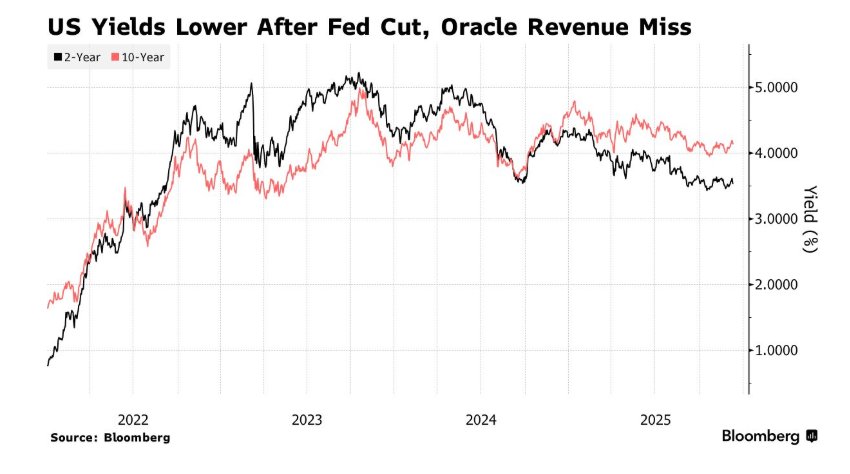
Core Viewpoint - The market's initial optimism following the Federal Reserve's interest rate cut and Jerome Powell's positive remarks quickly dissipated due to Oracle's significant stock price drop, reigniting concerns over the high valuations of popular AI tech stocks like Oracle, Nvidia, and Broadcom [1] Group 1: Oracle's Financial Performance - Oracle's recent earnings report revealed a substantial decline in cash flow, dropping to negative $10 billion, and sales figures that fell short of market expectations, raising alarms about the company's reliance on long-term losses and competition from OpenAI [1][2] - Despite a record cloud computing order backlog of $523 billion and a non-GAAP earnings per share that exceeded expectations, the actual profit was inflated by a one-time gain of $2.7 billion, leading to skepticism about the quality of Oracle's earnings [2][3] - The company's cloud infrastructure revenue grew by 66% to $4.079 billion, but this was below the anticipated 68%, and software revenue unexpectedly declined by 3%, contributing to overall growth concerns [3] Group 2: Market Reactions and Sentiment - Following Oracle's disappointing earnings, Wall Street's focus shifted from order growth to the efficiency of actual order conversion and overall profit margins, with major banks like UBS and Bank of America quickly downgrading Oracle's target price [2][3] - The rapid reversal in investor sentiment regarding Oracle and broader asset classes highlights persistent concerns about an AI bubble, despite recent expectations for further monetary easing from the Federal Reserve [4] - The market's uncertainty is compounded by the potential impact of Oracle's performance on other companies closely tied to OpenAI, such as SoftBank, which also experienced significant stock declines [6] Group 3: Broader Implications for AI Sector - The valuation of OpenAI, estimated at $500 billion, and its ambitious spending plans for AI infrastructure have raised questions about its sustainability, especially as competition from Google intensifies [7] - Concerns about OpenAI's ability to manage its financial commitments could lead to severe repercussions for Oracle and other companies in the AI supply chain, as their fortunes are closely linked [7] - Despite the negative sentiment, some market observers maintain a cautious optimism regarding Oracle and the broader stock market, suggesting that the recent volatility may not be entirely unexpected given the significant gains in tech stocks this year [8]

机构:美元明年或再承压 AI泡沫与利率前景成关键风险
Sou Hu Cai Jing· 2025-12-11 11:26
格隆汇12月11日|资产管理公司Edmond de Rothschild首席执行官Benjamin Melman表示,美元明年可能 再次面临下行风险。"若市场再度担忧美国利率,或人工智能泡沫突然破裂,美元将面临风险。" 随着 美联储降息,美元今年持续走弱。美元指数DXY最新下跌0.05%至98.59。9月中旬该指数曾触及96.218 的三年半低点。 来源:格隆汇APP ...
50公里:硅谷通往AGI的距离
3 6 Ke· 2025-12-11 10:00
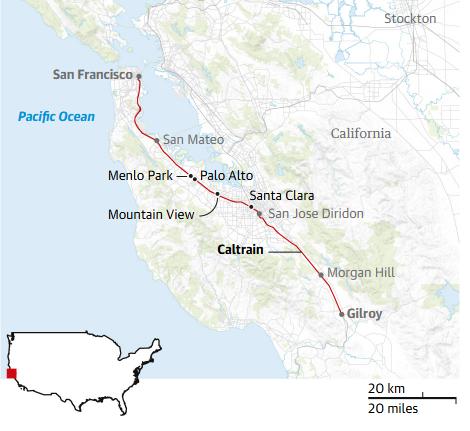
图:硅谷通勤列车路线图,沿途经过圣克拉拉、山景城、帕洛阿尔托、门洛帕克以及旧金山等城市 在美国加州硅谷南北中轴线上,一条贯穿硅谷核心地带的"科技走廊",正在悄然影响整个AI时代的"竞赛"格局。 从圣克拉拉出发,途经山景城、帕洛阿尔托、门洛帕克,一路向北直抵旧金山,这条线路大概是50-60公里(30-37英里)左右。 在这条路线上,全球最雄厚的资本与最顶尖的智慧交汇碰撞,数万亿美元的资金如赌注般投入。所有人都在争夺同一个目标——通用人工智能 (AGI)。 资本、野心与年轻天才们沿着这条走廊狂飙突进,速度前所未有。而这场豪赌背后的关键玩家、惊人投入、潜在风险,以及那些不得不面对的 深层追问,都散落在这个列车沿线的每一站。 硅谷列车:通往AGI的最前线 每日清晨,穿行硅谷的列车上挤满了埋头于笔记本电脑的年轻人。他们戴着耳机,手指在键盘上敲击不停。这些年轻人的电脑屏幕上,大多闪 烁的是各种工作的消息。窗外的风景无人欣赏,这些通勤者在奔向通用人工智能(AGI)全球竞赛的第一线。 硅谷正上演一场科技巨头间的激烈角逐。这场旨在掌握一项可能重塑世界技术的竞赛,由美国最具实力的资本力量推动,数万亿美元的赌注已 被押上。 沿着这 ...


霍华德·马克斯最新投资备忘录:是泡沫吗?
3 6 Ke· 2025-12-11 03:58
Core Viewpoint - The investment memo by Howard Marks discusses the potential "bubble" in AI investments and emphasizes the need for rational evaluation amidst the current AI technology revolution [1][2]. Group 1: AI Investment Landscape - Oaktree Capital has invested in several data centers, with its parent company Brookfield raising a $10 billion fund for AI infrastructure investments [1]. - Major companies like Oracle, Meta, and Google have issued 30-year bonds for AI investments, with yields only slightly above risk-free rates, raising questions about the wisdom of such long-term debt under technological uncertainty [2][27]. - AI is seen as potentially the greatest transformative technology in history, with significant capital being allocated to it [3][16]. Group 2: Market Behavior and Speculation - The current enthusiasm for AI could lead to a bubble, characterized by excessive optimism and speculative behavior among investors [4][5]. - Historical patterns of bubbles suggest that new technologies often attract irrational exuberance, leading to overvaluation and subsequent losses [7][8]. - The memo highlights the cyclical nature of bubbles, where initial excitement can lead to significant financial losses for investors [5][6]. Group 3: Debt Financing in AI - The use of debt financing in AI infrastructure is increasing, with concerns that this could amplify risks associated with speculative investments [26][28]. - The memo warns that the current phase of speculative financing may lead to unsustainable practices, reminiscent of past financial crises [28][29]. - There is a distinction between healthy and unhealthy debt behaviors in the AI sector, with some companies leveraging debt aggressively without clear revenue prospects [27][28]. Group 4: Uncertainties and Future Outlook - Despite the potential of AI, there is considerable uncertainty regarding its commercialization, the identity of future winners, and the overall market dynamics [18][19]. - The memo raises questions about whether AI will lead to monopolistic markets or remain competitive, impacting profitability for companies involved [19][20]. - Concerns are also expressed about the sustainability of AI-related investments, particularly regarding the lifespan and economic viability of AI infrastructure [30][31].



中国AI走出差异化务实之路
Zhong Guo Qing Nian Bao· 2025-12-10 07:28
Core Viewpoint - The article discusses the contrasting approaches of the United States and China in the field of artificial intelligence (AI), highlighting concerns about a potential AI bubble in the U.S. and China's focus on practical applications and cost-effectiveness [1][3]. Group 1: AI Bubble Concerns - There are rising voices in the U.S. regarding the possibility of an AI bubble, with Goldman Sachs reporting five warning signs similar to those before the internet bubble burst [1]. - Lin Yifu, a prominent economist, predicts that the U.S. may experience an AI bubble burst during the 14th Five-Year Plan period, potentially leading to a financial crisis similar to the 2008 housing market collapse [1]. Group 2: China's Practical Approach - Chinese AI development emphasizes "cost-effectiveness, industrial application, and practical results," focusing on foundational innovation rather than speculative concepts [2][3]. - The Chinese strategy is characterized by a "low-cost, high-adaptability, strong implementation" path, contrasting with the U.S. approach of massive investments in AGI [3]. Group 3: Technological Innovations - Breakthroughs in embodied intelligence are highlighted, with teams in China achieving significant advancements in robot dexterity and data accuracy through innovative techniques [4][6]. - The development of AI-driven optimization solvers is expected to capture a significant share of the global optimization market, projected to reach $107 billion by 2025, with a compound annual growth rate of about 10% from 2026 to 2033 [4]. Group 4: Industrial Integration and Ecosystem Building - The integration of AI with hardware is emphasized as a key advantage for China, leveraging its robust industrial base to create a unique "AI + hardware" path [7]. - The article notes the importance of overcoming data fragmentation and building a cohesive ecosystem to ensure the successful commercialization of AI technologies [8]. Group 5: Funding and Innovation Challenges - There is a call for more patient capital and larger investments in disruptive innovation, particularly in fields like quantum computing and controlled nuclear fusion [9]. - The article suggests that the current financing models may not be suitable for groundbreaking innovations, advocating for a shift towards supporting long-term goals in AI development [9].
全球金价上行空间还有多大
Jing Ji Ri Bao· 2025-12-09 22:01
近期,一些国际机构将未来2年至5年的金价目标位设定在4500美元甚至5000美元左右。但要看到,金价 走势存在较大不确定性,未来金价走势受多重因素特别是国际局势变化的影响。综合来看,国际金价中 长期的价位仍取决于世界经济状况和地缘政治走向。主导金价的多空因素仍将继续博弈,市场的拉锯与 震荡或将成为常态。 一些国际机构日前作出预测称,金价未来仍有较大上涨空间。高盛对2026年底的金价预期已上调为每盎 司4900美元,花旗银行甚至认为中长期的金价可能挑战5000美元。不过,在看好金价前景的同时,其走 势存在较大不确定性,其中变数不小。 2020年国际黄金价格首次突破每盎司2000美元,之后曾历经反复,直到2023年才真正站稳这一关口,进 而刮起一阵阵"黄金风暴",推动金价快速上涨,很快突破每盎司3000美元,在今年10月初突破4000美元 关口。受此影响,国内金价水涨船高,足金饰品已突破1100元人民币/克、工艺金条突破1040元人民币/ 克。 国际金价从今年3月突破每盎司3000美元到10月突破每盎司4000美元,年内涨幅在历史上最狂热的黄金 牛市中也是罕见的。涨幅过大、涨速过快,出现技术性回调与震荡的概率也在 ...
Kinder Morgan(KMI) - 2025 FY - Earnings Call Transcript
2025-12-09 16:17
Financial Data and Key Metrics Changes - The company provided guidance indicating a 4% growth in EBITDA from 2025 to 2026 and an 8% growth in earnings [4] - The debt to EBITDA ratio is expected to end next year at 3.8 times, within the target range of 3.5 to 4.5 times [4] - Expansion capital expenditures (CapEx) guidance was raised from approximately $2.5 billion per year to over $3 billion per year for the next few years [4] Business Line Data and Key Metrics Changes - The current backlog of approved expansion projects is $9.3 billion, significantly up from $3 billion two years ago, with 90% of this backlog associated with natural gas projects [7] - The company is evaluating over $10 billion in potential projects, primarily focused on natural gas, driven by similar demand drivers as the existing backlog [10][11] Market Data and Key Metrics Changes - Natural gas demand is expected to grow by over 20% between the end of 2024 and 2030, with estimates ranging from 22 to 28 BCF per day [8] - The company is well-positioned to capitalize on the increasing demand for natural gas driven by export LNG and power generation [9] Company Strategy and Development Direction - The company sees significant growth opportunities in the midstream space, particularly in natural gas, and aims to expand its existing asset base [5] - The strategy includes focusing on regulated utilities for gas supply contracts to mitigate risks associated with credit [39] Management's Comments on Operating Environment and Future Outlook - Management expressed optimism about the current regulatory environment, noting improvements in permitting processes and timelines [43][44] - There is a recognition of potential supply chain constraints, particularly regarding compression equipment, but current projects are on track [49] Other Important Information - The company has a substantial gas storage footprint of 700 BCF, with 75% regulated and 25% unregulated, and has seen significant rate increases in the unregulated market [29] - The company is exploring opportunities in Arizona for both natural gas and product pipelines, indicating a proactive approach to market expansion [19][21] Q&A Session Summary Question: What is the current backlog and growth potential? - The current backlog of approved expansion projects is $9.3 billion, with significant growth expected in EBITDA from these projects [7] Question: How does the company view competition in the market? - The company acknowledges competition but believes there is ample opportunity for growth, particularly in the Southern United States [17] Question: What is the company's stance on M&A? - The company remains open to M&A opportunities but emphasizes a cautious and opportunistic approach, ensuring flexibility in its balance sheet [60][62]

Kinder Morgan(KMI) - 2025 FY - Earnings Call Transcript
2025-12-09 16:15
Financial Data and Key Metrics Changes - The company provided guidance indicating a 4% growth in EBITDA from 2025 to 2026 and an 8% growth in earnings [6] - The debt to EBITDA ratio is expected to end the year at 3.8 times, within the target range of 3.5 to 4.5 times [6] - Expansion capital expenditures (CapEx) guidance was raised from approximately $2.5 billion to over $3 billion per year for the next few years [6] Business Line Data and Key Metrics Changes - The current backlog of approved expansion projects is $9.3 billion, significantly up from $3 billion two years ago, with 90% of this backlog associated with natural gas projects [9] - The company is evaluating over $10 billion in potential projects, primarily focused on natural gas, driven by similar demand drivers as the existing backlog [13][14] Market Data and Key Metrics Changes - Natural gas demand is expected to grow by over 20% between the end of 2024 and 2030, with estimates ranging from 22 to 28 billion cubic feet per day (BCF) [11] - The growth in demand is primarily driven by LNG exports, power generation, and exports to Mexico [12] Company Strategy and Development Direction - The company sees significant opportunities in the midstream space, particularly in natural gas, and plans to expand its existing asset base to meet market demand [7][12] - The company is focused on maintaining a strong balance sheet to capitalize on M&A opportunities as they arise, while also pursuing organic growth through its project backlog [64][66] Management's Comments on Operating Environment and Future Outlook - Management expressed optimism about the current regulatory environment, noting improvements in permitting processes, particularly with the Corps of Engineers and FERC [46][47] - There is a recognition of potential supply chain constraints, particularly regarding compression equipment, but current projects are on track [52][56] Other Important Information - The company has a substantial gas storage footprint of 700 billion cubic feet (BCF), with 75% regulated and 25% unregulated [32] - Recent expansions in gas storage facilities have been successful, with ongoing projects expected to enhance capacity [33] Q&A Session Summary Question: What is the current backlog and growth potential? - The current backlog of approved expansion projects is $9.3 billion, significantly up from $3 billion two years ago, with a strong growth outlook in the natural gas sector [9] Question: How does the company view competition in the market? - The company acknowledges competition from other pipelines but believes there is ample opportunity for growth in the natural gas market, particularly in the Southeast [20] Question: What is the company's stance on M&A? - The company remains open to M&A opportunities but emphasizes the need for flexibility and opportunism in pursuing such deals [64][66] Question: How is the regulatory environment impacting operations? - Management noted improvements in the regulatory environment, particularly in permitting timelines, but expressed a desire for further reductions in these timelines [46][48] Question: What are the company's plans for capital returns? - The company plans to maintain a conservative approach to dividend growth to preserve capital for expansion opportunities, with potential for faster growth in the future as projects come online [60][62]
达利欧:未来两年全球经济“岌岌可危”,不要因为AI估值过高就急于退出
华尔街见闻· 2025-12-09 06:59
Group 1: Economic Outlook and Investment Strategy - Dalio warns that the global economy will face dangerous situations in the next one to two years due to the overlapping cycles of debt, political conflict, and geopolitical tensions [1] - He emphasizes that investors should not hastily exit AI investments solely due to high valuations, but rather focus on substantial signals of bubble bursts [2][3] - The current market shows cracks in private equity, venture capital, and refinancing debt areas, with rising global debt burdens applying pressure [1][4] Group 2: Political and Market Dynamics - As the 2026 U.S. midterm elections approach, political conflicts are expected to intensify, exacerbated by a high-interest rate environment and concentrated market leadership [2] - Dalio compares the current AI bubble to the tech bubble of 2000, noting that while it is significant, it is not as severe as the 1929 bubble [2] Group 3: AI Market and Investment Risks - The catalysts for bubble bursts typically arise from monetary tightening or forced asset sales to meet debt obligations [3] - Notable market figures, including Sam Altman and Michael Burry, have raised alarms about the potential AI market bubble collapsing within the next two years [3] Group 4: Middle East as an Emerging AI Hub - Dalio likens the rise of certain Middle Eastern countries to Silicon Valley, highlighting their rapid emergence as influential AI centers [5][6] - The UAE and neighboring countries are attracting investment managers and AI innovators by combining large capital pools with global talent influx [6][10] - The region's transformation is seen as a result of thoughtful national strategies and long-term planning, fostering a vibrant environment for AI and technology [10]
